One and More Than One: Noun Picture Cards
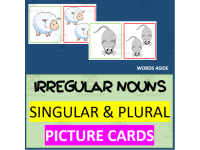
Use paired pictures to name one item and more than one. Regular and irregular plural examples and blank templates support teacher-led practice.



- Year groups
- Years 1–3 (Key Stages 1–2)
- Pages
- 20
- File type


- Subject
- Speech Therapy, Pre-Reading, Special Education Needs (SEN), Grammar, ESL, Vocabulary, Special Resources, Language Development, English
- Resource types
- Lesson Plans, Flashcards
- England expectations
- Official curriculum expectation · Transcription — Spelling: see English appendix 1
From the author
About this resource
Use paired singular and plural pictures for teacher-led naming practice. The 20-page PDF includes regular and irregular noun examples, green/red card borders and blank templates. Pictures have no printed noun labels.
Model a spoken word pair, then invite students to name and compare the pictures. Print and separate cards for individual, small-group or whole-class activities.
Related resources
More resources teachers may find useful
More resources on the same subject and topic.


In the classroom
Teaching tips & learning objectives

Learning objectives
- Name singular and plural forms represented by the pictures.

Teaching tips
- Model one word pair before inviting pupils to name and compare the other pairs.

Skills covered
- Oral noun comparison — compare a one-item picture with its more-than-one partner.

No reviews yet
Downloaded this resource? Tell other teachers how it went.
National Curriculum in England
National Curriculum in England expectations
England expectations
 England expectations
- Official curriculum expectation · Transcription — Spelling: see English appendix 1 — add prefixes and suffixes: using the spelling rule for adding –s or –es as the plural marker for nouns and the third person singular marker for verbs
Core concepts
 Core concepts
- Singular and plural nouns
- Regular and irregular plurals
Explore more
Categories this resource belongs to
Explore related searches




More to explore