Types of Bridges Worksheet


- Year groups
- Years 4–5 (Key Stage 2)
- File type
- Preparation
- Print ready


- Subject
- Reading Comprehension, English
- Topic
- Bridges, Transportation
- Resource types
- Worksheets
- Preparation
- Print ready
From the author
About this resource
This resource is a Types of Bridges Worksheet.
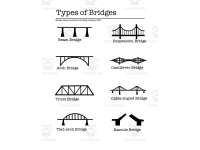
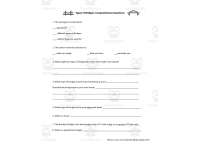
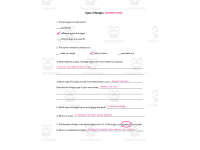
Students will see a poster with 8 types of bridges. They will read a 1-page passage about these bridges then they will answer 8 comprehension questions.
Answer key included.
Related resources
More resources teachers may find useful
More resources on the same subject and topic.


In the classroom
Teaching tips & learning objectives

Learning objectives
Identify eight types of bridges by their structural features (beams, arches, cables, trusses).
Determine the main idea and author's purpose of an informational passage.
Distinguish a statement of fact from a statement of opinion within a text.

Teaching tips
Have students match each labelled diagram to its bridge type before reading the passage, then check their guesses against the text.
Use question 7 (fact vs. opinion about the Brooklyn Bridge) as a quick discussion starter on how to tell factual claims from opinions.
Let students research a local or well-known bridge and identify which of the eight types it matches as an extension activity.

Skills covered
Bridge-type identification — students match structural features (arches, cables, trusses, beams) to the correct bridge type.
Main idea and author's purpose — students identify what an informational passage is mostly about and why it was written.
Fact vs. opinion distinction — students determine whether a given statement about a bridge is factual or a matter of opinion.

No reviews yet
Downloaded this resource? Tell other teachers how it went.
Resource details
Concepts & topics
Core concepts
 Core concepts
Bridges
Structures
Reading comprehension
Fact vs. opinion
 Topics
Explore more
Categories this resource belongs to
Explore related searches


More to explore