
Main idea & text structure
READING COMPREHENSION worksheets for INFORMATIONAL texts
A generic set of reading-response graphic organizer templates for use with any informational text, covering main idea, author's purpose, and text analysis.




Classroom resources
Find graphic organizers for understanding informational texts, comparing ideas and planning nonfiction reports, with topic-specific reading practice.
Browse by lesson focus
Choose the topic or kind of practice you need.
Showing 1–24 of 199 resources

 Show filters
 A generic set of reading-response graphic organizer templates for use with any informational text, covering main idea, author's purpose, and text analysis.
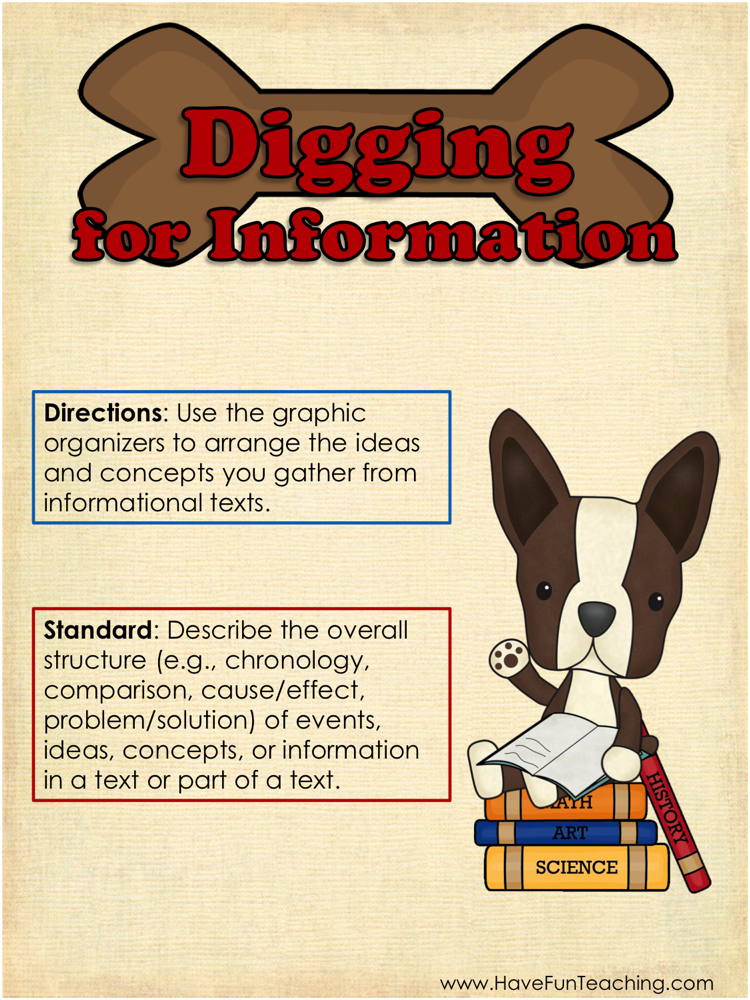
Provides blank graphic organizers so students can map the structural relationships (chronology, cause/effect, comparison, main idea/details, problem/solution) within an informational text they are reading.

A blank graphic-organizer worksheet template for planning a non-chronological (non-time-ordered) informational report, organized into six labeled sections.
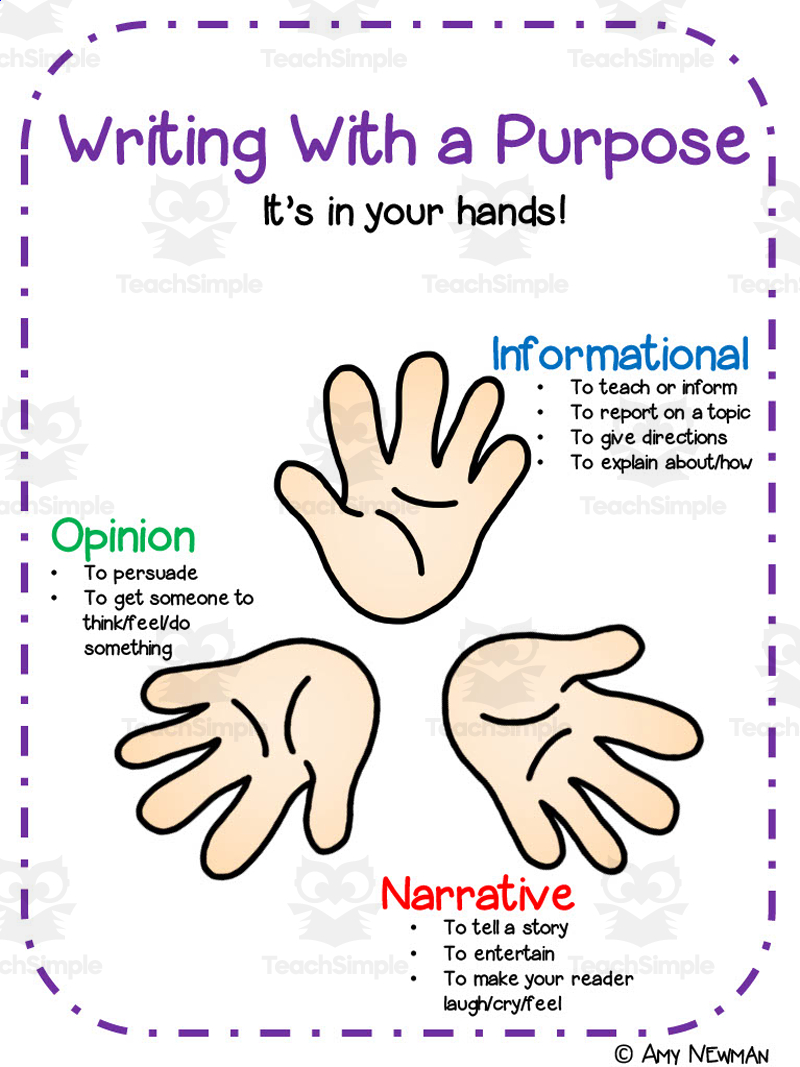
A set of anchor charts teaching the three main purposes/structures of writing - informational, narrative, and opinion - each presented as a labeled overview chart, a filled example graphic organizer, and a blank fill-in-the-blank template.

A set of blank, text-agnostic graphic-organizer printables that teachers pair with any nonfiction/informational text of their choosing to build comprehension and note-taking skills.
A set of short nonfiction reading passages with multiple-choice comprehension questions, answer keys, and graphic organizers for independent reading practice.

Teaches the Four Square graphic-organizer method for planning and revising informational and narrative writing during a writing assessment, for elementary students.
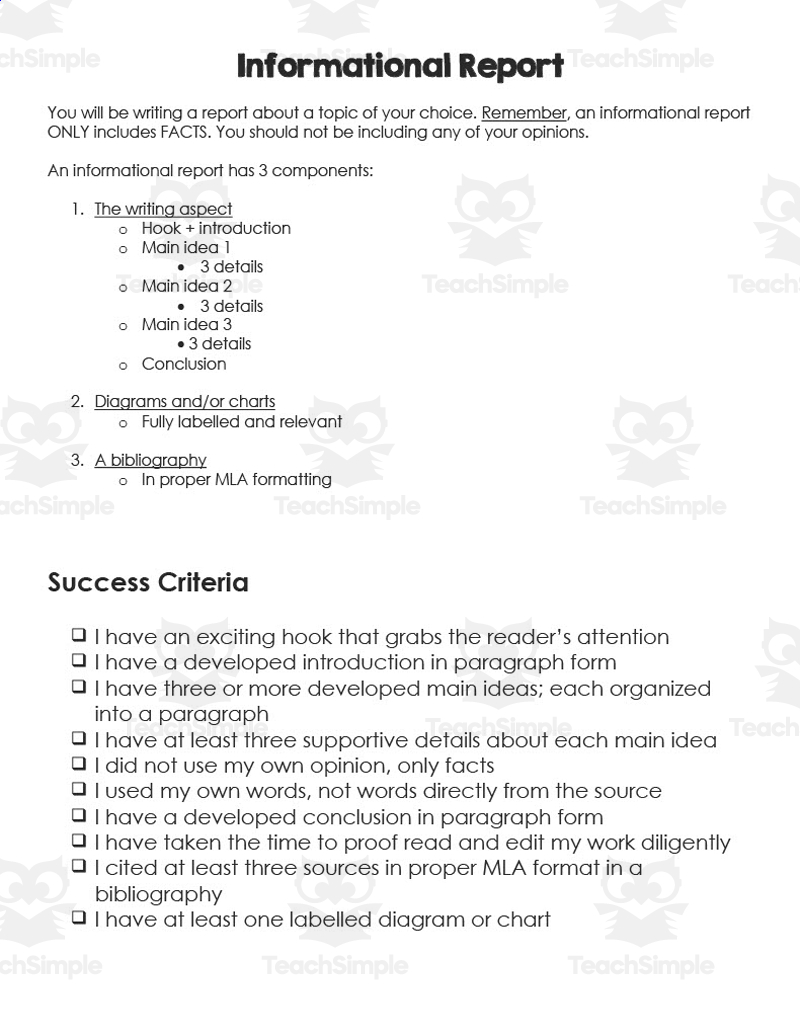
Summative writing-and-research task packet for students to produce an informational report about an ecosystem of their choice.

Connect the Equator, Prime Meridian, latitude, and longitude with their roles in describing Earth. A reading passage leads into picture and definition matches, a graphic organizer, and a short quiz. The complete key supports review; use the illustrations to link the vocabulary with the lines being described.

Help students distinguish their own point of view from that of the author of a text.
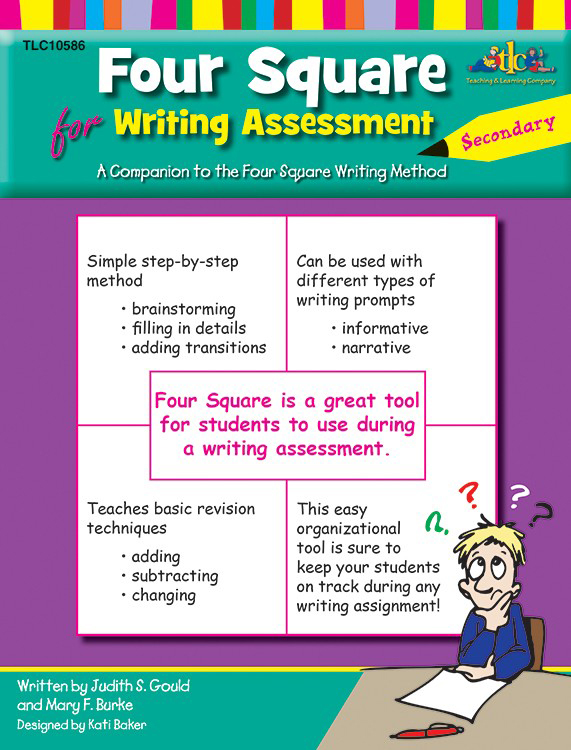
Teaches the Four Square graphic-organizer method for planning and revising informational and narrative writing during a writing assessment, for secondary students.
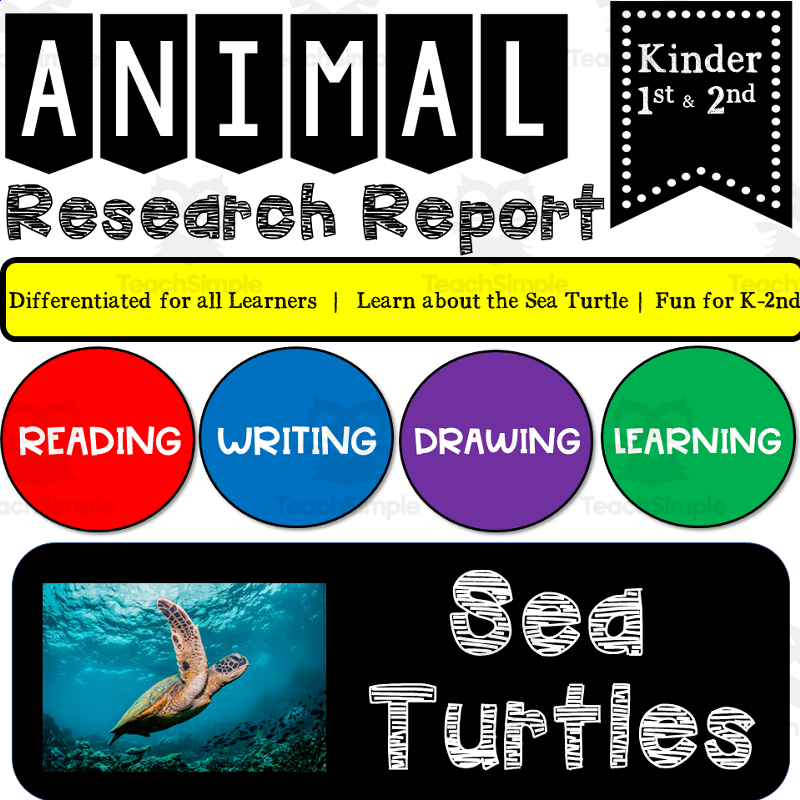
A differentiated K-2 animal research and writing project that has students read informational text about sea turtles and then organize and write facts about the animal's habitat, food, characteristics, and other interesting facts.

A reading-comprehension activity teaching students to use illustrations and text features to understand informational text.
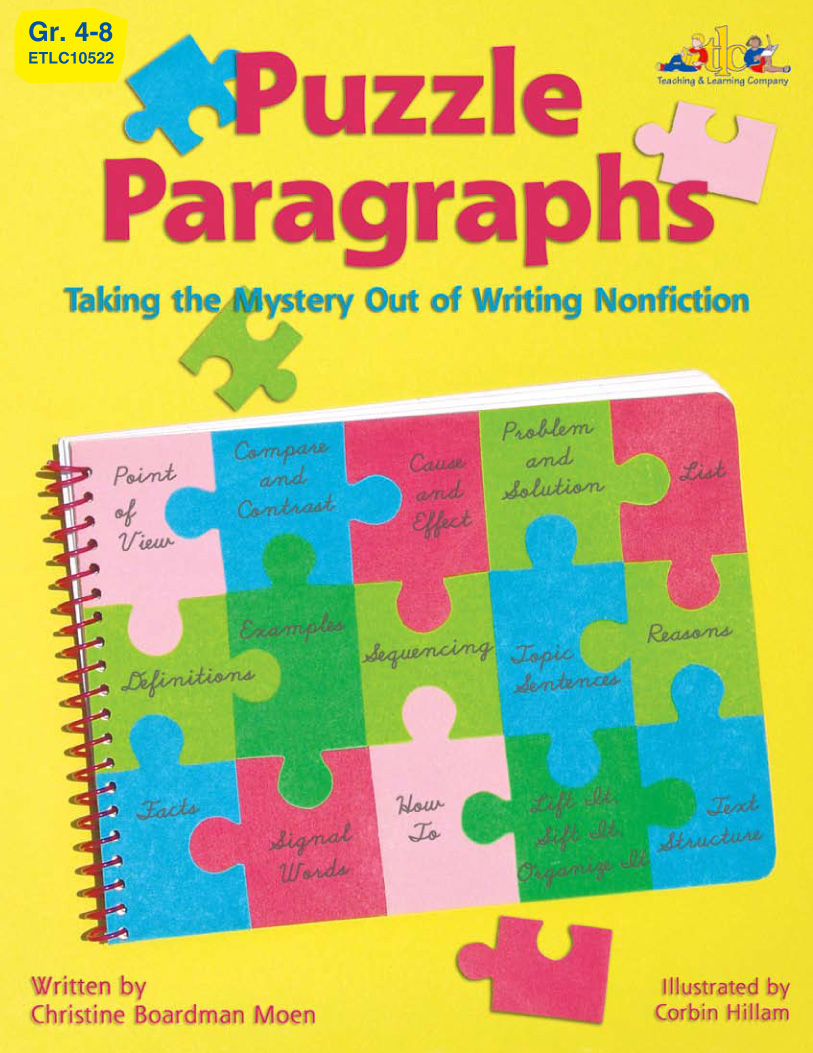
Teaches students to write informational/nonfiction paragraphs using distinct text structures (examples, facts, reasons, cause-effect, problem-solution, comparison-contrast, list, sequencing, how-to, definitions) via a 'puzzle paragraph' method.

A no-prep reading packet teaching seven major US rivers (Mississippi, Ohio, Rio Grande, St. Lawrence, Colorado, Hudson) -- their location, length, and practical uses.

A reading/informational worksheet packet teaching World War I's political, economic, and social impact on America, with vocabulary and graphic-organizer practice.
Teach students about the Cuban Missile Crisis (1962 US-Soviet nuclear standoff) through an informational passage paired with a graphic organizer.
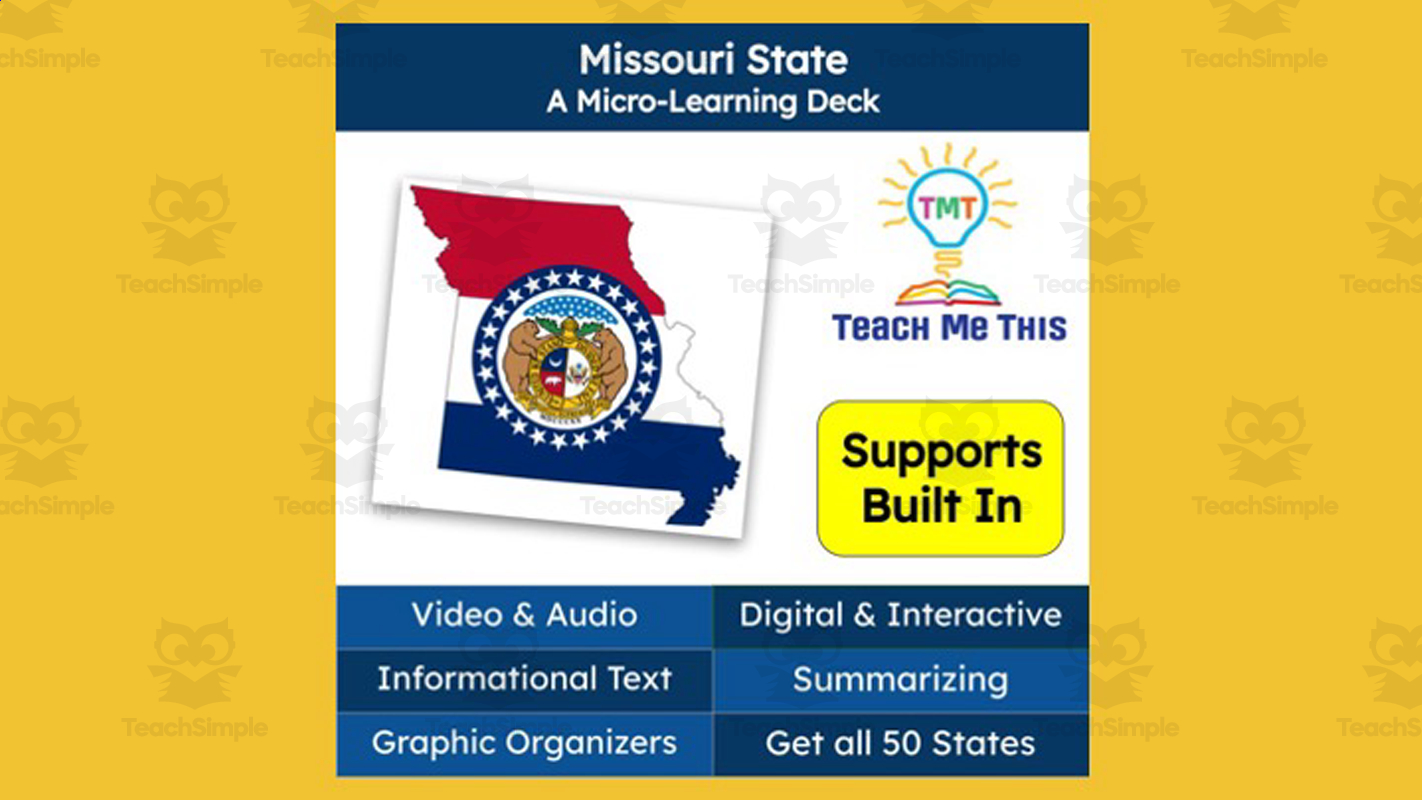
Digital micro-learning slide deck teaching state facts and geography about Missouri through video, text, and interactive elements.

Assesses student understanding of main idea versus supporting details in informational text passages, aligned to Common Core RI.4.2.
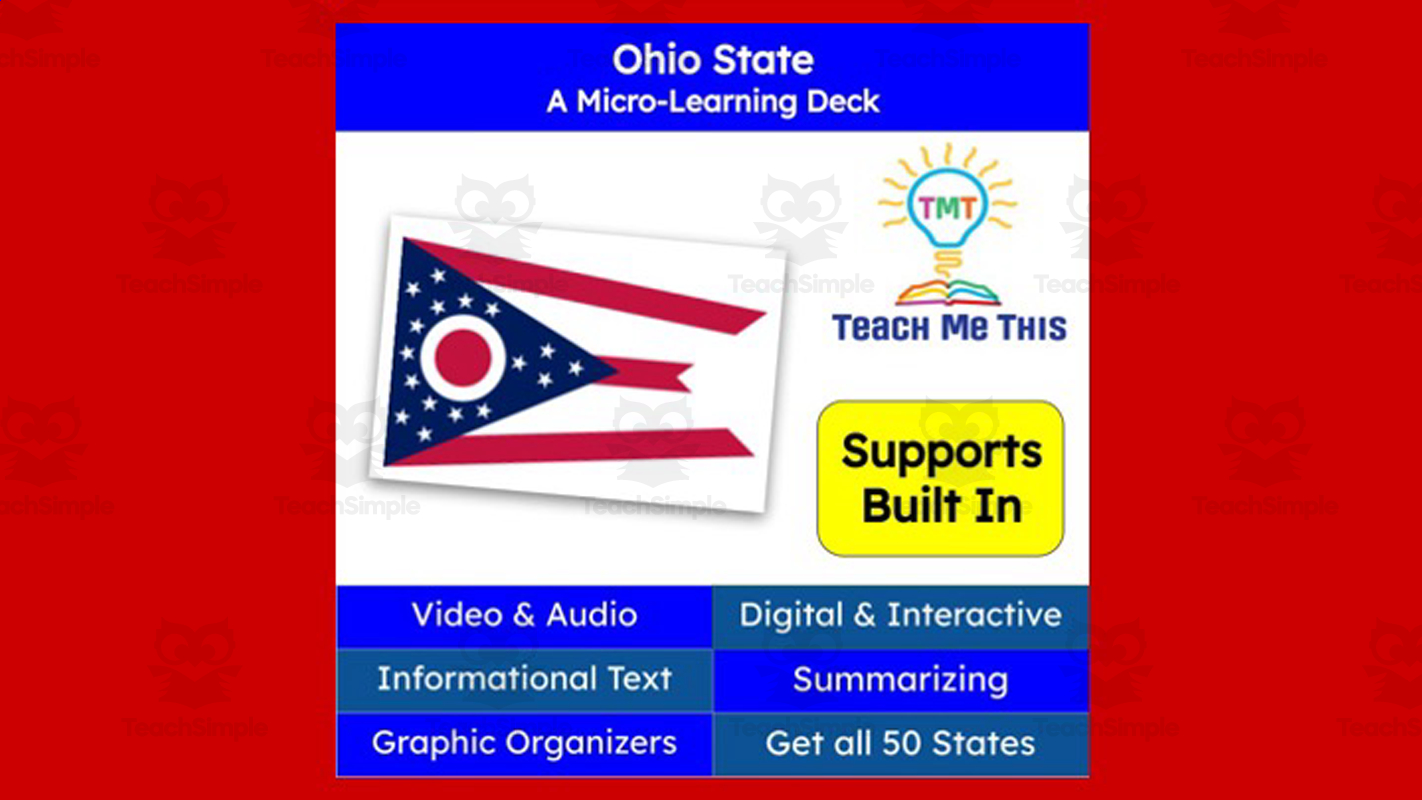
A 14-slide digital mini-lesson teaching students about the state of Ohio (geography, symbols, facts).
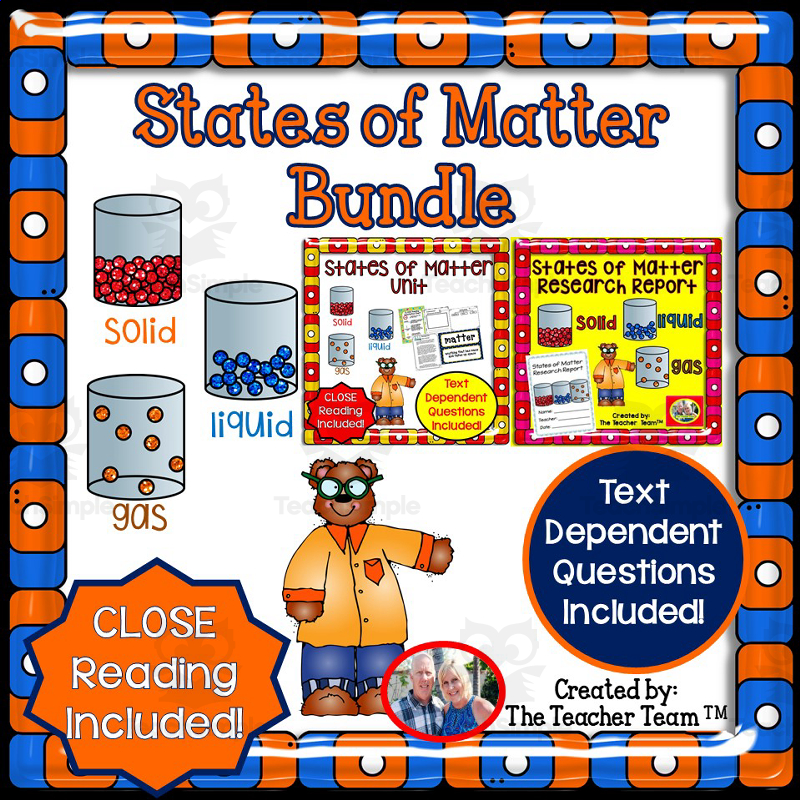
A multi-component nonfiction reading and research unit on matter that teaches CLOSE (careful, purposeful) reading strategies alongside two informational passages on what matter is and what makes it up (atoms, molecules, elements, physical/chemical properties).
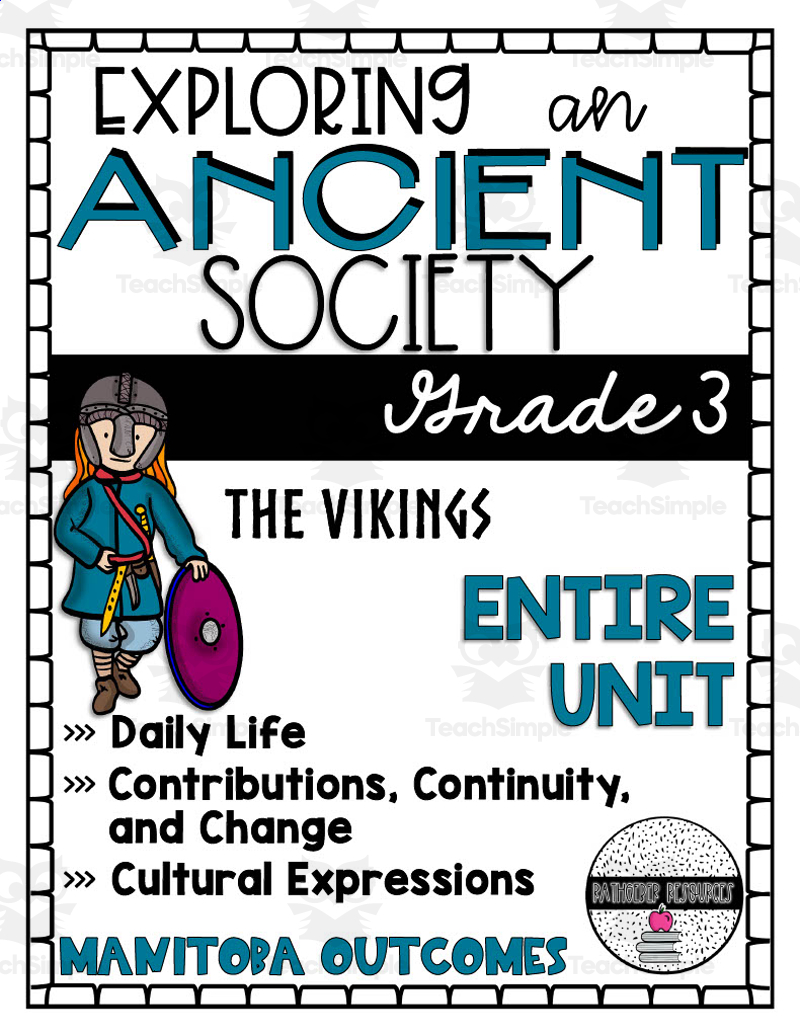
A Grade 3 social studies unit exploring the ancient society of the Vikings, covering daily life, contributions/continuity/change, and cultural expressions through informational readings, vocabulary, myth-vs-fact analysis, and creative/role-play activities.
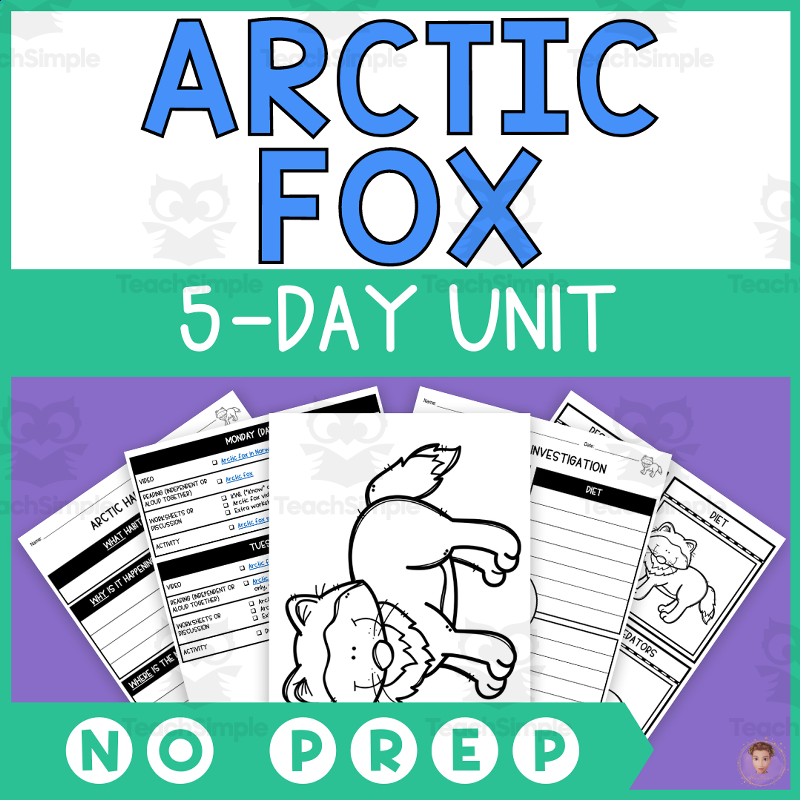
A 5-day NO PREP arctic (polar) animal unit study of the arctic fox. This comprehensive resource includes a lesson plan, videos, daily worksheets and activities, interactive notebook pieces, and more.

A fold-and-write trifold note packet covers six sections of the sixth-grade ratios and proportional relationships standard: a vocabulary crossword puzzle, ratio and ratio language, unit rate, equivalent ratios, solving problems with unit rate (including converting measurement units and constant speed), and solving problems with percent. The five guided-note sections follow the same structure: a 'What do you already know?' prior-knowledge warm-up, a 'Making Connections' guided example worked with the teacher, and a 'What have you learned?' independent practice set with multiple-choice and short-answer questions. Each guided-note section’s standard is printed directly on the notes page (6.RP.A.1, 6.RP.A.2, 6.RP.A.3), and a complete filled-in answer key is provided for every practice page. The included how-to-use page explains that students fold and write directly on the notes with no gluing required, and that a composition-book pocket is included for storage.