resources by type
resources by grade
resources by subject
other resources

3,898 products added recently

Workbooks For Kids

Relevant
alt down
Any Time
alt down
filter by
alt down
All File Types
alt down
filter nav Show filters
Sort by: Relevant
CLEAR
resources by type
Activities
down arrow
Classroom Decor
down arrow
Teacher Tools
down arrow
Worksheets & Printables
up arrow
Drawing Templates & Outlines
Flashcards
Novel Studies
Parts of and Anatomy of
Task Cards
Word Problems
Writing Prompts
Worksheets
down arrow
Workbooks
resources by grade
Early Learning
down arrow
Pre-K
down arrow
Elementary
up arrow
Grade 1
Grade 2
Grade 3
Grade 4
Grade 5
Middle School
down arrow
High School
down arrow
Adult Education
Not Grade Specific
resources by subject
Creative Arts
down arrow
ELA
down arrow
Holiday & Seasonal
down arrow
Life Studies
down arrow
Math
down arrow
P.E. & Health
down arrow
Social Studies
down arrow
Special Resources
down arrow
Science
down arrow
Foreign Languages
down arrow
Resources for Teachers
down arrow
other resources
Common Core
Homeschool Resources
down arrow
Montessori
Research
STEM
Impulse Control "Stop-and-Think" Scenarios

Impulse Control "Stop-and-Think" Scenarios
Special Resources, Life Skills, Social Emotional Learning (SEL), Social Skills, Special Education Needs (SEN), Speech Therapy, STEM, Resources for Teachers, Classroom Management, Community Building, Kindergarten, Homeschool Curriculum, Homeschool Templates, Grade 1, 2, 3, 4, Worksheets & Printables, Workbooks, Worksheets, Word Searches, Teacher Tools, Lesson Plans, Quizzes and Tests, Quizzes, Tests, Assessments

Are you having difficulty keeping your class from being disrupted by impulsive behaviors, such as yelling out of turn, grabbing objects off the desk, etc? Transform your classroom into an orderly, peaceful environment using this cutting edge, neuroscience-based curriculum for teaching impulse control skills! This is not a behavior chart. It is a complete, turn-key curriculum designed to provide K-3 students with a reason for their actions and give students the skill set necessary to “Stop and Think.” This curriculum is based upon cause and effect mapping. This curriculum also creates a visual, non-judgmental framework for developing and reinforcing lifelong self-control and executive functioning skills without relying upon punishment. The impulse control curriculum is a perfect teaching tool for general and special education teachers and school counselors because it directly addresses the neurodevelopmental needs of young children. Young students will finally develop a clear understanding of how to connect the impulse for an immediate action with the consequences of that action at a future time. Packages Include 46 Pages of Content That Covers: Phase 1: Educator’s Guide to the Impulsive Brain: A Simple, Easy-to-Follow Guide About the Neurobiology of the K-3 Brain So You Can Implement this Strategy in Your Classroom with Confidence. Phase 2: Student Workbook with 10 Scenarios: Homework Sheets That Help You With Everyday Classroom Challenges. Primarily Used For Teachers To Give Out, Also For Students To Complete On Their Own. Examples Include: Calling Out (The Interruption Ripple) Grabbing & Boundary Violations (The Space Invader) Hallway Safety (The Transition Tornado) Task Avoidance and Frustration (The Frustration Flash) Cutting in Line, Misusing Supplies, Indoor Voice and many other examples. Phase 3: Teacher Visuals and Resources: Conceptual Diagrams: Simple Visual Aids To Help Explain The ‘Stop and Think’ Cycle And The Domino Effect of Actions. Comprehensive Answer Key: Each Worksheet Has A Detailed Answer Key Including A Teacher Rationale And Guidance Prompts To Deepen Student Learning. Implementation Guide: A Step By Step Plan On How To Introduce, Practice, And Reinforce These Concepts In Your Classroom. Ideal for: Elementary School (K-3) Teachers Social Emotional Learning( (SEL) Programs Small group and .Individual Counseling/Interventions Students exhibiting attention challenges and difficulties with impulse control Classroom Behavior Management Support Support students in developing self-awareness and the ability to self-regulate through this easy-to-follow and complete program! Download now and create a more compassionate, calm, and productive classroom! Search Terms: Impulse control, self-regulation, social emotional learning (SEL), classroom behavior management, behavior Intervention, executive functioning, Cause and Effect, Stop and Think, K-3, Kindergarten, 1st grade, 2nd grade, 3rd grade, ADHD Support, Emotional regulation, print documents, behavior mapping, visuals to support learning. Reasons Why Parents and Schools Appreciate This System: The focus of this system is on skill building through the development of empathy & social awareness, rather than punishment. When discipline is replaced with proactive skill building, it empowers your child. This system is backed by neuroscientific research on how children develop. Many traditional methods do not function well because they do not work with how the brain develops, so this system is based on good science. Through the principle of the "ripple effect", children will develop a better understanding of how their behaviour affects not only themselves but also family & friends. This is not just a worksheet. This system includes the teacher's guide, activities for students, visual aids and an answer key, so you can spend more time teaching & less time preparing. The system will validate the feelings and impulses of a child ("Your body was telling you to grab") and provide the child with tangible tools to make a better choice, allowing him/her to become an active architect of his/her own success. Intended Audience: The target audience is educators and support personnel who work with children in grades K-3, as well as parents who want to support their child at home. The way that children in this age group typically learn and behave, make it difficult for them to develop effective self-regulation skills, therefore parents and professionals need additional support in teaching these skills. The explicit text indicates a K-3 focus (ages 5-9) and the type of behavioral problems addressed in this resource; behaviors classified as K-3 students in the general education classroom include: * K-3 General Education (all K-3 classes) * K-3 Special Education teachers who assist students with ADHD, ASD and/or other executive functioning deficits * School-based counselors, social workers and school psychologists providing small group and individual intervention * Behavior interventionists and BCBAs * Proactive parents wanting to implement strategies at home to help their child gain self-regulation skills Copyright and Terms of Use: The author, Syed Hammad Rizvi, has copyrighted this resource for your sole enjoyment in the classroom and at home. You may not copy, modify or distribute this resource in any way, including on the Internet, where it can be found and downloaded for free by anyone. If you would like to share this resource with your colleagues (and they would like their own copy), you can purchase additional licenses from Teachsimple! We greatly appreciate it when you follow the Terms of Use stated here. Sincerely, Syed Hammad Rizvi

Author Creative Book Store

Rating

Tags ImpulseControl, SelfRegulation, EmotionalRegulation, BehaviorManagement, ClassroomManagement, SocialEmotionalLearning, SEL, ExecutiveFunctioning, StopAndThink, CauseAndEffect

Prompt Engineering for Kids

Prompt Engineering for Kids
Science, Technology, Computer Science, Engineering, Research, Resources for Teachers, Classroom Management, Community Building, STEM, Special Resources, Grade 4, 5, 6, 7, 8, 9, 10, Worksheets & Printables, Workbooks, Worksheets, Word Searches, Writing Prompts, Teacher Tools, Lesson Plans, Quizzes and Tests, Quizzes, Tests

Unlock the #1 Skill of the AI Age! | Prompt Engineering for Kids: A Complete Curriculum Are you looking to prepare your students for a future powered by Artificial Intelligence? "Prompt Engineering for Kids" is a comprehensive, no-prep curriculum designed to transform students from passive technology users into active, confident digital creators. This is the essential guide to teaching the most critical new literacy of the 21st century: how to communicate effectively with AI. In a world where the quality of an answer depends entirely on the quality of the question, this resource teaches students the art and science of "prompt writing." Forget vague questions and generic answers. Students will master the C.A.S.T. methodology (Context, Action, Subject, Target Constraints) to craft precise, powerful instructions that unlock the full potential of any digital tool. This 42-page resource is more than just a workbook; it's a complete, three-part curriculum perfect for middle school technology, ELA, computer science, or gifted and talented programs. What's Inside? Part 1: The Textbook (Core Theory): Four engaging chapters that break down the core concepts of prompt engineering, from the "Anatomy of a Perfect Instruction" to the "Iterative Cycle" of refining prompts. Part 2: The Student Workbook: Ten hands-on, scaffolded worksheets that challenge students to apply what they've learned. They'll practice everything from contextual framing and setting constraints to persona calibration and algorithmic thinking. Part 3: Teacher Resources: Everything you need to successfully implement the curriculum, including pedagogical visuals (anchor charts), a comprehensive answer key for all worksheets, and a detailed Teacher Implementation Guide with classroom strategies and a professional grading rubric. By the end of this unit, your students won't just know about AI; they'll know how to command it. They will have developed invaluable skills in logic, precision, critical thinking, and clear communication that will give them a formidable advantage in high school, college, and their future careers. Equip your students with the ultimate toolset for tomorrow's professional landscape. Download "Prompt Engineering for Kids" today! Keywords: Prompt Engineering for Kids, AI for Students, Digital Literacy, Middle School Technology, 21st Century Skills, AI Curriculum, Student Workbook, Teacher Resources, Future-Ready Skills, Critical Thinking, Computer Science, STEM, ELA, Google, ChatGPT for Education. Why Parents/Schools Love It: Builds Future-Proof Skills: This curriculum teaches prompt engineering, a critical and in-demand skill that prepares students for the AI-driven jobs of the future. Develops Critical Thinking: It goes beyond simple tech use, training students in logic, problem-solving, and precision, turning them into active, analytical thinkers. Complete "No-Prep" Resource: It's an all-in-one package with a textbook, 10 student worksheets, visual aids, full answer keys, and a teacher's guide with a grading rubric, saving educators valuable prep time. Engaging & Relevant Content: The lessons use fun, kid-friendly scenarios (superheroes, video games, fantasy stories) to explain complex concepts, keeping students highly engaged. Promotes Active Digital Citizenship: It transforms students from passive consumers of digital content into confident "digital architects" who can control and command technology effectively and responsibly. Target Student Classes : Based on a full analysis of the content, vocabulary, and examples (e.g., Grade 5, Grade 6, and Grade 7 are mentioned), target the following: Primary Target: Middle School (Grades 5-8) . The concepts of logic, abstract thinking, and the complexity of the worksheets are perfectly suited for this age group. Secondary Target: Advanced Upper Elementary (Grade 4) in gifted and talented programs. Introductory High School (Grade 9) for tech, digital literacy, or career-readiness classes. Ideal Subject Areas: Technology Class, Computer Science, Digital Literacy, English Language Arts (ELA) (for its focus on precise writing and communication), STEM/STEAM electives, and Enrichment Programs. Copyright/Terms of Use: This Book was copyrighted by Syed Hammad Rizvi. This resource is for personal and single classroom use only. You may not alter, redistribute, or sell any part of this resource. In other words, you may not put it on the Internet where it could be publicly found and downloaded. If you want to share this resource with colleagues, please purchase additional licenses from Teachsimple. Thank you for respecting these terms of use. This product is happily brought to you by Syed Hammad Rizvi

Author Creative Book Store

Rating

Tags PromptEngineeringForKids, AILiteracy, FutureReadySkills, AIinEducation, AIforStudents, 21stCenturySkills, DigitalLiteracy, ComputerScienceForKids, STEMeducation, STEAMeducation

Working Memory & Sequential Recall Exercises

Working Memory & Sequential Recall Exercises
Life Skills, Special Resources, Social Emotional Learning (SEL), Social Skills, Special Education Needs (SEN), STEM, Resources for Teachers, Classroom Management, Community Building, Life Studies, Homeschool Curriculum, Grade 2, 3, 4, 5, 6, 7, Worksheets & Printables, Workbooks, Worksheets, Word Searches, Teacher Tools, Lesson Plans, Quizzes and Tests, Quizzes, Tests, Presentations

The Evidence-Based Working Memory & Sequential Recall Curriculum Will Help Unlock Your Students' Ultimate Learning Potential! As an Educator, Clinician, or Special Education Teacher do you have students struggling to complete multi-step directions, reading comprehension or complex math problems? Do you see them grasp a concept at one moment, and then lose it the next? More than likely, the root cause of this lack of learning is not due to the student not putting forth effort, but rather, it's simply a bottleneck in their working memory. This comprehensive 41-page digital curriculum is much more than a set of worksheets - it's an evidence-based intervention program specifically developed using the science of neuroplasticity and within Alan Baddeley's highly regarded cognitive theory to target, strengthen and developed the most important part of the cognitive engine of learning, which is working memory and sequential recall - so that teachers are able to go beyond rote memorization while at the same time, enabling the student to create robust, long-lasting executive function skills. Designed to meet the needs of 2nd, 3rd, and 4th grade Student as well as for support of older students who are in RTI/MTSS or Special Education, this curriculum is going to help support students bridging the gap from seeing the information to actually processing the information. HOW TO USE THIS 41-PAGE DOCUMENT This is a comprehensive 3-step program that is ready for you to implement right away: Step 1 - Core Content and Theory (A Guide for Educators) — An in-depth look at the cognitive science behind the exercises. Through clear definitions and supporting case studies, you’ll be able to accurately explain Phonological Loop, Visuospatial Sketchpad, Central Executive, and Episodic Buffer to yourself and to others so that you, as an educator, can become an expert in understanding what each of these components does. Step 2 - Student Workbook — Ten progressive, fun worksheets for students to accomplish as if they were on “missions” (i.e., Zoo Keeper’s Roster, Detective’s Missing Clue, Architect’s Blueprint, etc.). These worksheets each target unique aspects of working memory by having students perform: - Forward/Backward Sequential Recall - Procedural Recall/Recognizing Steps - Semantic Clustering/Categorizing - Dual-Task Process/Inhibiting Distractors - Pattern Recognition/Chronological Sequencing Visual Aid and Teacher Resources (Part 3): The essential support for successful teaching. Cognitive Architecture Visuals; Diagrams to support cognitive processing and visual representation of working memory. Teacher Implementation Guide; Framework for cognitive dose control of Load with 7-10 minute intervals. Differentiation; Explicitly designed order of operations enabling the use of scaffolding in strategies used for increasing to gifted levels. Comprehensive Answer Key; A tool for quick and effective evaluation of student achievement. You will be able to change your responses of, "I forgot," to, "I've got this!" once you have utilized your resources from above. Key Words: Working Memory, Executive Functions, Sequential Memory, Special Education, Speech Language Pathologist/ Speech Therapy, Response To Intervention, Multi-Tiered System Of Supports, Cognitive Skills, Following Multi-Step Directions, Reading Comprehension, Math Word Problems, Learning Disabilities, ADHD Support, 2nd Grade, 3rd Grade, 4th Grade, Digital Resource, Paper Forms, Cognitive Load. The reasons parents/schools value it: Targets Root Causes: This program helps children build the underlying cognitive skills themselves rather than just treating their symptoms (e.g., bad grades, lost assignments). These skills (working memory) allow students to do all of their academic work. Based on Scientific Evidence & No Prep Required: The exercises included in this program are not simple "busy work." They form part of a well-structured curriculum based on scientific principles of cognition. They are provided to the teacher in easy-to-print/implement formats, thus allowing the teachers to save preparation time. Differentiation Built-In: The teacher's guide includes specific strategies for the teacher to assist struggling learners and to challenge gifted learners, thus allowing all children to make significant (meaningful) progress. Increased Independence in Class: Students completing the exercises will demonstrate increased ability to follow multi-step instructions, complete complex tasks, and work independently with minimal redirection. Improved Achievement Across All Academic Areas: Students who have a strong working memory can better comprehend what they have read (because they can track characters and plot), can solve math problems more accurately (because they can hold the numbers and steps they are holding), and can write more clearly and accurately because they have better organization. Target Audience Analysis: On the basis of the content, the nature of the language, and the explicit references within the PDF: The primary audience are second to fourth graders (approximately ages 7-10). The document explicitly states this developmental window as its focus. Secondary audience: The resource is just as appropriate for older students (5th grade and up) with identified learning disabilities, ADHD, or who are in a support program through Special Education, Resource Rooms, Speech Therapy, RTI, or MTSS. These basic foundational skills are often the major barriers to learners. Primary audience: for professionals, and not the kids. Of course, other groups are: General Education Teachers (Grades 2-4) Special Education Teachers School Psychologists Speech-Language Pathologists (SLPs) Educational Diagnosticians Homeschooling Parents who are familiar with brain development. Copyright /Terms of Use: Copyrighted by Syed Hammad Rizvi. This resource is for individual use and classroom only. No part of this resource may be modified, sold, or shared in any other manner, including posting it on the Internet where anyone might download it. If you wish to provide this resource to other teachers, you must purchase additional licenses through Teachsimple. Thank you for your cooperation in this matter and for following the terms of use. This resource is proudly provided to you by Syed Hammad Rizvi.

Author Creative Book Store

Rating

Tags WorkingMemory, ExecutiveFunction, ExecutiveFunctioning, ExecutiveFunctionSkills, CognitiveSkills, BrainTraining, Neurodiversity, SequentialRecall, SequencingSkills, FollowingDirections

Data Science Fundamentals for Kids - Statistics book

Data Science Fundamentals for Kids - Statistics book
Statistics, Math, Time, Money, Measurements, Fractions, STEM, Homeschool Curriculum, Grade 4, 5, 9, 10, 11, 12, Projects, Activities, Lesson Plans, Teacher Tools, Outlines, Quizzes and Tests, Tests, Worksheets & Printables, Workbooks, Word Problems

Unleash the fascinating world of data science and statistics for children with "Data Science Fundamentals for Kids - Statistics" by Syed Hammad Rizvi. Featuring a detailed 370-page course manual tailored specifically for students from grades 5-12, this invaluable resource simplifies complicated concepts into a series of fun and easy-to-master tutorials. Starting with introductory elements of data types and sources and progressing all the way from advanced concepts of probability studies to visual representation techniques of pictographs, bar graphs, line graphs, pie charts, histograms, and box plots, measures of central tendency of mean, median, and mode statistics, dispersion of range, quartiles, and interquartile range, sampling techniques with simple and stratified sampling methods, concepts of correlation and causality, responsible uses of statistics and ethics in statistics studies, and applied examples of AI and big data statistics analysis, this statistics guide for kids helps instill crucial STEM knowledge for their. Perfect for homeschooling students, this statistics guide for kids also makes for a stellar choice for teachers and scholars seeking resources for statistics learning for children, guidebooks for beginner-level analysis of statistics and frequency analysis for students, books for kids related to STEM information, and resources for probability tutorials for middle school Why Parents/Schools Love It: Engaging and Age-Appropriate Content: Makes use of interesting stories and engaging examples to ease kids into otherwise frightening subject matter involving statistics, thereby giving kids a confidence boost in STEM fields. Comprehensive Skill Building: Encompasses all aspects of analysis from data acquisition to ethical analysis. Aiding students for future AI/data science employment purposes as well as for test preparation. Hands-On Tools/Projects: Includes guides with specific steps for creating illustrations for graphs, calculations for measures of variation, and completion of mini-projects. Encourages Critical Thinking: Teaching the importance of being unbiased, the difference between correlation and causation, and responsible data use helps prepare individuals for the data-intensive world that is the future of business and society. Flexible for Any Learning Style: Can be used for individual study, teaching groups, or supplementing a curriculum, with examples that show statistical principles in sports, games, and real life. Target Grades : Based on the complete analysis of the content, structure, and progression of the book-from very foundational concepts such as "What is Data?" and some simple tally marks in early chapters to more advanced ones like interquartile range, probability laws, sampling bias, correlation scatter plots, and ethical AI implications in later chapters-I believe the book addresses students from grades 5 through 12 most appropriately. The material progresses from simple, kid-friendly explanations using real-life analogies-such as recipes for data organization-to more sophisticated ideas, such as data skewness and mini data projects. As such, it is well-suited for middle schoolers, grades 5-8, who need to study visualization and averages, while high schoolers, grades 9-12, will appreciate the subjects of inference, causation, and what the future of technology holds based on these subjects. It is neither too simplistic for older children nor too advanced for younger ones, and the logic of progression allows for progressive learning. Copyright/Terms of Use This Book is copyrighted to Syed Hammad Rizvi. This resource is intended for home/personal use only. There shall be no changes, modifications, redistributions, or sales of this resource. In other words, it shall not be placed on the Internet where it might be accessible for downloading. “If you’d like to share this resource with fellow teachers, you are able to do so through purchasing additional licenses from Teachsimple.” Este producto llega felices a ofreceros por Syed Hammad Rizvi

Author Creative Book Store

Rating

Tags StatisticsForKids, DataScienceForChildren, STEMEducation, KidsStatisticsBook, DataFundamentals, ProbabilityForKids, DataVisualizationForBeginners, MeanMedianMode, EducationalBooksForKids, Grades5to12

Sensory Diet Planning for Overstimulation

Sensory Diet Planning for Overstimulation
Life Skills, Special Resources, Social Emotional Learning (SEL), Social Skills, Special Education Needs (SEN), Speech Therapy, STEM, Physical Education, P.E. & Health, Health, Homeschool Curriculum, Homeschool Templates, Grade 1, 2, 3, 4, 5, Worksheets & Printables, Workbooks, Worksheets, Word Searches, Teacher Tools, Lesson Plans, Quizzes and Tests, Quizzes, Tests, Assessments

Help your autistic learners thrive in the classroom and beyond with this complete sensory diet toolkit that will allow you to create a sensory diet for each learner. If you're a parent, educator, or therapist who feels lost when trying to understand the sensory processing issues of young autistic learners and are looking for a way to go beyond reactionary approaches to create an environment that is neuro-affirming, this is the toolkit for you! The 35-page guide was created by professionals who understand the challenges faced by preschool through 1st grade educators and provides clear, easy-to-follow instructions to create, implement and track an effective sensory diet. This is more than just worksheets; it is a complete evidence-based professional development program helping you develop your skills as a sensory detective using evidence-based data. What’s Included in This Evidence-Based Toolkit: Phase 1: Comprehensive Theory & Methodology (10 Pages) : This section offers a thorough guide detailing the neurobiology of sensory overstimulation, the often-overlooked senses such as proprioception, vestibular awareness, and interoception. Additionally, it covers fundamental concepts regarding a sensory diet and features case studies to enhance practical understanding. Phase 2: Student Workbook & Facilitator Tracking Tools (17 Pages) : This part comprises a collection of 11 clinical-grade worksheets intended for educators and parents to monitor, assess, and address sensory needs. These tools include: - Tracker for Sensory Baseline & Arousal State - Guides for Proprioceptive, Vestibular, and Tactile "Brain Breaks" - Early Warning Signs Tracker for Overstimulation - Audit Checklist for Classroom Environmental Triggers - "My Body Feels..." Interoception Check-In with an accompanying visual chart designed for students! - And much more! In this section of the Toolkit there are important visual representations and other teaching materials to provide you with what you need for an effective system of Supports. Phase 3: includes visual representation(s) of the "Escalation & Intervention Cycle" (Examples: Conceptual Diagrams - for use in understanding the steps in the Cycle). - "Brain Break Taxonomy" flowchart - allowing you to tie interventions to specific behaviours in the Escalation Cycle. - Teacher Implementation Guide, with details on how to implement the components of the toolkit as well as a neurodiversity-affirming perspective. - Model Documentation - showing you how to complete trackers for maximum effect. The contents of your Toolkit will help you transition from "Behaviour Management" (i.e. behaviour modification techniques/strategies) to "Neurological Support" (ie supporting learners by providing specific tools & strategies for self-regulation) through concrete examples identifying the root causes of behaviours, preventing crises before they happen and teaching learners through respectful means." Reasons That Parents/Schools Appreciate It: Proactive vs Reactive: Rather than only reacting to incidents of sensory overload or meltdowns, it provides a data-based system for helping to identify causes of the issue and preventing future occurrences through additional data tracking tools. All-in-one vs completing multiple worksheets: This program is designed as a complete curriculum including theory, tracking, intervention and teacher guides. All resources are provided in one location, reducing the burden on the parent and/or educator having to independently find and create all the resources. Creates Consistency in Support throughout Home/School: The program has been designed to provide tools that can be used and shared between home and school, providing a system of support for the child, 24 hours a day, 7 days a week. Empowering and approves of Neurodiversity: The program promotes the understanding and support of a child’s neurological needs with dignity and respect thereby eliminating the need to use antiquated methods of behavior modification. Immediate Implementation: The program was designed for immediate use in a real-world situation with written and sample instructions included; therefore, it is easy for all educators to implement new strategies into day-to-day teaching. Depending on the content and language used in the PDF, the target audience should be: Grade Level: Pre-K, Kindergarten, and First Grade (in particular, the age range of 4-7 years old). Primary Audience: Special Education Teachers, Occupational Therapists , School Psychologists, Board Certified Behaviour Analysts with a Neurological Understanding of Autism (would find guide useful). Inclusion Classroom General Education Teachers Paraprofessionals, Teacher Aides, Support Staff (including training/employment opportunities) Secondary Audience: Inclusion Classroom Teachers—General Education Knowledgeable and Engaged Parents of Autistic Students who are involved in their child's Sensory Plan and collaborating with the school team. Copyright / Terms of Use: Syed Hammad Rizvi copyrighted this book. This resource is for your personal use as well as only one classroom. You may not modify, redistribute, or sell any section of this resource, thus making it available on the Internet for anyone to find publicly and download. If you'd like to share this resource with colleagues, please purchase additional licenses through Teachsimple. Your respect for these terms of use is appreciated. Syed Hammad Rizvi is delighted to provide this product to you!

Author Creative Book Store

Rating

Tags SpecialEducation, SpEd, SpecialEducationTeacher, SpEdTeacher, OccupationalTherapy, SchoolOT, PediatricOT, BCBA, NeurodiversityAffirming, AutismParent

Envision Math Grade 5 Topic 1: Place Value (Notes, Quiz, Keys)
Free Download

Envision Math Grade 5 Topic 1: Place Value (Notes, Quiz, Keys)
Math, Decimals, Place Value, Grade 5, Worksheets & Printables, Worksheets, Workbooks

Are you looking for a simple, ready-to-use resource to strengthen your 5th graders’ understanding of place value and decimals ? This packet for Envision Math Grade 5, Topic 1: Place Value is teacher-created and designed to make your math instruction smoother, whether or not you use the Envision Math textbook. Included, you’ll find student notes, teacher notes, a teacher-made quiz, and answer keys . Each lesson is designed with clear explanations and practice opportunities that can be used as part of whole-class instruction, small groups, or independent work. Even if you don’t have access to the Envision Math curriculum, this packet can be used as a stand-alone unit to teach and reinforce place value concepts. What’s included in Topic 1: Place value with whole numbers Place value with tenths and hundredths Place value with thousandths Decimal place value Comparing and ordering decimals Ways to use this packet in your classroom: Daily math notes or guided practice Inserts for student math journals Small group lessons and intervention Independent practice for absent students Testing re-dos or review assignments Substitute teacher plans As of 2025, this product has been updated with cleaner formatting, no page numbers (making it flexible for any edition of Envision Math), and improved accessibility for ADA compliance and screen readers. Please note: This resource does not include problem-solving lessons, as those are taught separately in my curriculum. If you’re teaching multiple topics, you can grab the entire Envision Math Grade 5 bundle (Topics 1–16) , or purchase the topics individually to meet your classroom needs. This resource is aligned with but not affiliated with Envision Math Grade 5. It was created to meet the real needs of my own students, and I’m confident it will help your class too. Tags/SEO: 5th grade math, Envision Math Grade 5, place value decimals, Envision Math Topic 1, 5th grade place value, comparing decimals, decimal place value worksheets, math journal notes grade 5, teacher-made quiz grade 5 math, stand-alone math unit grade 5, fifth grade math curriculum

Author Kel's Klass

Rating

Tags Grade 5 Math, Place Value, Decimals, Expanded Form

Envision Math Grade 5 Topic 14: Data

Envision Math Grade 5 Topic 14: Data
Math, Measurements, Number Lines, Statistics, Grade 5, Worksheets & Printables, Worksheets, Workbooks, Word Problems

Envision Math Grade 5 Topic 14: Data is a ready-to-use resource that helps teachers make data and line plots meaningful for students. This packet includes student notes, teacher notes, a teacher-created quiz, and answer keys. While it is aligned to Envision Math for Grade 5, it is not taken directly from the textbook. That means you can use it alongside Envision or as a stand-alone math unit on data analysis in any classroom. What’s Included in Topic 14: Line plots Data from surveys Making line plots Measurement data This resource is designed to fit seamlessly into your teaching routine. You can use the student notes for daily lessons, interactive notebooks, or math journals. The teacher notes provide clear guidance for instruction, making it easy to introduce or reteach concepts. The included quiz and answer key work perfectly for quick checks, reteaching, or test preparation. Teachers also use this packet for: Small group instruction and intervention Absent student make-up work Enrichment or extra practice for fast finishers Test review or re-dos Guided math centers As of 2025, every Topic packet has been updated to improve formatting, remove page numbers (so they can be used with multiple editions of Envision Math), and meet ADA compliance for screen readers. Please note: Problem-solving lessons are not included in this resource, as those skills are taught through a separate curriculum. Whether you’re following Envision Math closely or simply looking for a 5th grade data unit that covers line plots, surveys, and measurement data, this packet will save you prep time and provide your students with the practice they need. Tags / SEO Keywords 5th grade math data Envision Math Topic 14 line plot worksheets data analysis activities 5th grade measurement data upper elementary math notes math quizzes with answer keys data lessons grade 5 fifth grade math journals stand-alone math units

Author Kel's Klass

Rating

Tags Envision Math, Grade 5 Math, Line Plots, Making Line Plots, Data, Measurement Data, Data From Surveys

Blockchain for Beginners: High School Computer Science Guide Book

Blockchain for Beginners: High School Computer Science Guide Book
Technology, Science, Computer Science, Engineering, Special Education Needs (SEN), Special Resources, Coaching, Life Studies, Common Core, STEM, Grade 3, 4, 5, 9, 10, 11, 12, Activities, Teacher Tools, Assessments, Lesson Plans, Outlines, Rubrics, Worksheets & Printables, Workbooks, Writing Prompts, Drawing Templates & Outlines

Unleash the power of technology in the future with "Beginner Blockchain Explorations - Computer Science," a complete and novice-friendly guide on the blockchain, cryptographic, and decentralized system revolution. Written by Syed Hammad Rizvi, this 382-page educational text addresses basics such as centeralized vs. Decentralized systems, Distributed Ledgers, Hashing, Public Key Cryptography, and P2P Networking, progressing on to in-depth information on blockchain basics, blocks, transactions, UTXOs, wallets,Consensus models like Proof of Work & Proof of Stake, mining, and forking. Discover its applications in Bitcoin, Ethereum, Smart Contracts, DApps, NFTs, DeFI, Stable Coins, Supply Chain Management, Healthcare, Digital Identity, Voting Systems, Game Economies, Metaverse,Cross-Border Transactions, and Business Blockchain solutions. Advanced discussions include its scaling, security, regulation, sustainable or environmentally responsible use, quantum computing threats, interoperability, zero-knowledge, Web3, Artificial intelligence, and its future developments in Sharding and DePIN solutions. This educational book on computer science is perfect for class studies and lessons, instilling a critical mindset on its relevance in society, applications, prospects, and uses in our technological future. Greatly suitable for educational teachers, parents, and teenagers eager to learn about beginner-friendly cryptocurrency, blockchain explanation, Smart Contract guide, NFT guide, DeFI guide, Web3 guide, and Decentralized finance lessons. Why Parents/Schools Love It: Thorough and Age-Appropriate Curriculum Alignment: The course encompasses all the necessary computer science subject content, from the basics to the latest blockchain technology applications, and aligns with the high school computer science curriculum. Real World Application and Skills Development: Provides real-life applications of cryptography, smart contracts, DeFi, and other essential areas of cryptocurrency, without delving into complexities that would intimidate a beginner. Fosters Ethical and Critical Thinking: Deals with matters such as privacy, environmental impact, and regulation in a manner that promotes ethical and critical thinking. Engaging and Future-Proof Education: It covers applications related to gaming, healthcare, finance, and Web3. The topics are aimed at making learning an engaging process while equipping students with skills related to futuristic applications in the integration of blockchain. Aids to Self-Study or Class Discussion: Chapters are arranged in a well-structured sequence of increasing complexity to enable home-schooling, solo study, or class study. Target Students/Classes : After understanding the structure and content of this book, and analyzing its level of advancement, commencing from fundamental knowledge of digital fundamentals and cryptography and progressing onward towards more sophisticated applications such as DeFi, NFT, metaverse, quantum resistive securities, AI intersection, and more, this book can be deemed perfectly suitable for students in Grades 10-12, who are pursuing Computer Science as a subject in school. Additionally, this book may also be used as auxiliary educational content for advanced students of Grade 9 and introductory-level college courses related to blockchain and digital innovation, owing to its simplified descriptions and practical application-oriented content, apt for 15-18 years old youth interested in computer technology electives, STEM education, and home learning programs. Copyright/Terms Of Use : This Book was copyrighted by Syed Hammad Rizvi. This resource file is for your personal use and use in your classroom. You cannot reproduce or distribute this resource file. What this means is that you cannot put this resource file on the internet so that anyone with access to the internet may download a copy. You may share this resource with others at your school if you purchase additional licenses through Teachsimple. Thank you for abiding by these usage guidelines. This product comes very happily under the auspices of Syed Hammad Rizvi

Author Creative Book Store

Rating

Tags BlockchainForBeginners, BlockchainEducation, ComputerScienceBook, HighSchoolBlockchain, CryptocurrencyBasics, SmartContractsTutorial, NFTGuide, DeFiExplained, Web3Introduction, EthereumFundamentals

Simple Eco-Hero Stories & Green Habit Coloring Worksheets

Simple Eco-Hero Stories & Green Habit Coloring Worksheets
Science, Earth and Environmental Sciences, Life Sciences, Earth Sciences, Environmental Science, Geology, Space, Nature & Plants, Human Body, STEM, Homeschool Curriculum, Homeschool Templates, Grade 1, 2, 3, 4, 5, Worksheets & Printables, Drawing Templates & Outlines, Workbooks, Worksheets, Coloring Pages, Word Searches, Teacher Tools, Assessments, Lesson Plans, Quizzes and Tests

You can use this all-inclusive, research-supported curriculum on environmental education to change your students from being eco-anxious to being empowered and confident eco-heros! This isn't just an assortment of worksheets. It's an entire framework designed to help students develop all of the daily habits associated with protecting the environment based on an understanding of environmental concepts transformed into narrative-kinesthetic activities. This can be used for Earth Day; as part of a year-long science curriculum; as a supplement for character education; etc. The combination of engaging stories about Eco-Heroes and hands-on literacy and visual arts activities will help students realize they too can protect the planet! What's Included in This 47-Page Resource? 1. Comprehensive Teacher's Guide: (10 Pages) An explanation of the educational philosophy by providing research-based rationale and examples from real-world scenarios to assure you of how to teach environmental principles effectively from a positive perspective. 2. Student Workbook: (21 Pages) Contains activities for students. Includes: 9 colorable images representing an eco-friendly habit (e.g., "The Water Champion," "The Carbon Tracker Team"), plus 10 age-appropriate worksheets (e.g., water conservation; energy; recycling; composting; plastic pollution) that require the use of fill-in-the-blank responses. 3. Certificate: Certifies the completion of a student’s commitment to becoming an eco-hero. Printable/collaborative format. 4. Complete Teacher Material: (16 Pages). In support of implementing the resources effectively and efficiently. Components are: - Pedagogical diagrams that help the Educator understand the principles. - Answer keys to all 10 worksheets. - A comprehensive guide showing the Educator how to use the materials with examples of differentiated instructional strategies for Grade Levels 1, 2, and 3. Important Topics In Environmental Education: Water & Energy Conserving Recycling, Upcycling & Waste Sorting Composting & Biodegrading Plastic Pollution & Reusables Alternatives Carbon Footprints & Alternative Transport Reforestation, Habitats & Photosynthesis Sustainable Agriculture & Locally Grown Food This resource requires no preparation; it can be printed out immediately and includes worksheets suitable for children of all ages. This resource will help teachers, parents, and club leaders to encourage children to become thoughtful, responsible global beings. Key Words: Earth Day, Environmental Science, Conservation, Recycling, Climate Change, Coloring Pages, Worksheets, 1st 2nd 3rd Grades, 1st, 2nd, 3rd Grade, Printable & Activites for Homeschooling. Things Parents/Teachers Like : Empowerment versus Fear: Helps to empower the child rather than leave them feeling overwhelmed by all the environmental issues around us (eco-anxiety), resulting in a child-to-hero relationship while focusing on positive actions that the child can do. Educational Not Just Boredom: Utilizes a “Narrative Kinesthetic” approach validated by educational psychology to teach habits through storytelling and action (coloring), resulting in a lasting behavioral change. Cross Curricula/All-in-one Unit: This resource is a unit containing integrated science, literacy (reading/writing), art and character education to provide teachers with time-saving resources. No-preparation Teacher Friendly: There is an implementation guide, visual supports and answer keys to help teachers immediately and confidently use the resource after posting on their site. Establishes Real-World Habits: Offers tools and ideas to replicate and create long-term positive programs that exist outside the classroom (e.g., conducting a "Home Waste Audit" as a follow up to an assignment). Audience Overview : - The text in this document identifies the target audience directly from key terms used, such as Grades 1-3 and primary aged learners. The level of difficulty of the student activities also provides direction for who this resource is written for. Primary Target - teachers for first, second, and third grade. The differentiated instructions at the end of this guide make it a very valuable resource for teachers that teach multiple grades or at least have multiple grade levels within their classroom(s). Secondary Target - Parents who are homeschooling their children, age 6-9 years old. Elementary Science Coordinators. After-school program coordinators (e.g., environmental club, boy/girl scout leaders). Parents looking for meaningful learning experiences that are centered around Earth Day. Copyright Notice/Terms of Use: The copyright for this book is owned by Syed Hammad Rizvi. This material is intended for personal and one classroom use only; it cannot be copied or altered in any way. In addition, it cannot be posted online where someone could possibly find it and download it. If you wish to use this product with other staff/professionals in different situations, please purchase an additional license(s) from Teachsimple. Thank you for your support of these terms of use. This product has been provided by Syed Hammad Rizvi.

Author Creative Book Store

Rating

Tags EnvironmentalScience, EnvironmentalEducation, SustainabilityForKids, Conservation, RecyclingActivities, CompostingForKids, WaterConservation, ClimateEducation, GreenHabits, EcoFriendlyKids

Mindfulness and Somatic Grounding Exercises

Mindfulness and Somatic Grounding Exercises
Life Skills, Special Resources, Social Emotional Learning (SEL), Social Skills, Special Education Needs (SEN), Speech Therapy, STEM, Resources for Teachers, Classroom Management, Community Building, Grade 5, 6, 7, 8, 10, 11, Worksheets & Printables, Workbooks, Worksheets, Word Searches, Teacher Tools, Assessments, Lesson Plans, Quizzes and Tests, Quizzes, Tests

The 5-4-3-2-1 Classroom Desk Edition is the ultimate resource for teachers to help their students relieve anxiety, manage the stress of testing, and develop better focus in class. Do you need an evidence-based, effective method to help students, manage anxiety, combat test stress, and improve focus on work? Use the Mindfulness and Somatic Grounding Classroom Desk Edition. This no-fuss curriculum helps teachers help their students through the unique challenges of middle school. In a traditional middle school, there are limited opportunities for students to use mindfulness in a private manner that does not draw attention to themselves. The Mindfulness and Somatic Grounding Classroom Desk Edition is a trauma-sensitive, neurobiologically accurate best practice that provides students with a method to use at their desks that will not call attention to them or make them feel conspicuous. The framework is based on the well-known 5-4-3-2-1 sensory method. By providing instructions for using the 5-4-3-2-1 sensory method at their desks, you will create a space for your students that can serve as an anchor of calmness and safety. The toolkit is a perfect fit for school counselors, homeroom teachers, and any teacher interested in Social-Emotional Learning (SEL). Everything you need to know to successfully teach this practice to your students is included in the toolkit! Here is a breakdown of the 43-page document: Part 1: Educator's Guide and Methodology: We go deep into an adolescent’s brain and how anxiety and their brain function. This will identify the reasons that this method works so that you have the professional knowledge to effectively teach it to students. The report contains case studies and the correct method of implementation. Part 2: 10-Worksheet Student Workbook: The student workbook is practical, interesting and beautifully produced to help guide all students through mastering the technique of Sensory Mapping. The worksheets are progressive in approach to build upon each of the skills necessary to master the technique (for example, from basic sensory mapping to “stealth” self-regulation in social situations and adapting the method of self-regulation for different environments—e.g., the library, science laboratory or assemblies). Part 3: Visuals and Educator Resources: a. Professional visuals—printable diagrams and mind maps that will allow you to visually represent Sensory Mapping to your students (ideal for use as classroom posters or in interactive notebooks); b. Scripts for Educators to teach the new technique to students in the classroom, both to the entire class and to individuals; c. Troubleshooting Guide (advice on what to do when students resist or have challenges with this approach); d. Section-by-section answer keys and educator notes to make it easy for you to assess and assist your students with each of the student worksheets. Assist your students in transitioning from the “fight or flight” response to the “rest and learn” mode by providing them with a self-regulation tool that they can use throughout their lives . Keywords: Social Emotional Learning (SEL), Mindfulness for Kids, Somatic Grounding, 5-4-3-2-1 Technique, Anxiety Management, Classroom Management, Middle School, 6th Grade, 7th Grade, 8th Grade, Test Anxiety, Focus, Self-Regulation, Trauma-Informed, Calm Down Corner, School Counselors, Printable Workbook, Digital Resource. Why School Systems and Parents Appreciate It: Low-Key and Without Stigma: This program lets students secretly control their anxiety with no attention drawn to themselves at their desks. Thus there is no social stigma attached to using an obvious 'calm down' tool or leaving the class to manage anxiety, which many adolescents are concerned about. Empowers Students: By learning how to ‘hack’ their own nervous system instead of relying on an adult to help them stop escalating to an explosive state, students are developing a coping strategy that gives them a tangible skill as well as a sense of control over their emotional state. Based on Evidence and Academics: The approach is based on established research from neurobiology and somatic psychology (the study of the amygdala hijack); therefore, both educators and students view the program in an academically serious manner because of the sophistication of the content but the simplicity of delivery. Comprehensive and Easy to Implement: This program is a comprehensive, use-ready package that includes a thorough description of the concepts, required materials, instructions for the teacher, illustrations, and complete answer keys. A busy educator could implement this program successfully with no problems at all. Addresses a Significant Need: With the increasing number of students suffering from anxiety in school, this program will help educators to address a significant need by providing a practical, efficient, and non-intrusive method to help students be present and able to learn. Target Audience: Content for Primary Target: The content of this resource is specifically targeting the primary target audience with specific and thorough data supporting it. Primary Target: Students in 6th-8th Grade (Middle School). The PDF provides information about this group consistently within the context of their neurological and social challenges they face (e.g. Synaptic Pruning, Social Camouflage, Peer Evaluation). The attached case studies/examples of two students, Julian and Maya, who are in the 8th and 6th grades, respectively and consistent with this audience. The worksheet difficulties are completely appropriate for this age group. Secondary Target: Students in 9th-10th Grade: Older readers with test anxiety or social anxiety will find this resource extremely useful. School Counselors, Psychologists and Therapists: This resource is an excellent Tier 1 (whole-class) and Tier 2 (individual/small group) intervention for school employed mental health providers. Special Education Teachers: This resource will provide an excellent tool to assist students who need a structured, concrete, sensory approach to learning self-regulation. Copyright Notice/Terms of Use By Syed Hammad Rizvi The author of this resource has given permission for it to be used as an individual and personal resource in an identified one room class. No part of this resource may be altered, given to anyone else in any form, and sold. In other words, this cannot appear on the Internet in any way for all to find and download. If you want to share this resource with any other colleagues, you must purchase other licenses (Teachsimple). Thank you for honouring this Terms of Use. This resource was provided to you in a spirit of enthusiasm by Syed Hammad Rizvi.

Author Creative Book Store

Rating

Tags SocialEmotionalLearning, SEL, MindfulnessForKids, MindfulnessInTheClassroom, StudentWellness, MentalHealthInSchools, TraumaInformedTeaching, ClassroomManagement, StudentMentalHealth, EmotionalRegulation

Comparing Numbers Worksheets - More, Less, Same As, Equal Math

Comparing Numbers Worksheets - More, Less, Same As, Equal Math
Math, Patterns, Early Math, Numbers, Counting, Kindergarten, Preschool, Grade 1, 2, 3, 4, Worksheets, Worksheets & Printables, Workbooks, Word Problems, Teacher Tools, Centers, Activities

Students will find, recognize Comparing Numbers for Special Education. These Comparing Numbers are aligned with the science of reading Comparing Numbers Activities for Special Education identity practices worksheet and in fact your prescript and kinderrain needs to master the Comparing Numbers Activities for Special Education names, Comparing Numbers seem that I have designed these Comparing Numbers Activities for Special Education, which have designed these Comparing Numbers Activities works, which is a Comparing Numbers Activities for Special Education about a paper about the practice of the practice of guide practices, which is a Comparing Numbers Activities for Special Education and plants about the practice To create a Comparing Numbers Activities to create, which helps find different Comparing Numbers , ensures a fun and structured approach to learning the Comparing Numbers Activities . This worksheet provides a fun activities to identify the sounds of any pre -PR -Lafabet Comparing Numbers Activities for Special Education, the formation of Comparing Numbers Activities for Special Education, including a series of small activities on each page, including a series of students to involve a series of skills for Comparing Numbers Activities for Special Education reviews. for Special Education. These Comparing Numbers are aligned with the science of reading Comparing Numbers Activities for Special Education identity practices worksheet and in fact your prescript and kinderrain needs to master the Comparing Numbers Activities for Special Education names, Comparing Numbers seem that I have designed these Comparing Numbers Activities for Special Education, which have designed these Comparing Numbers Activities works, which is a Comparing Numbers Activities for Special Education about a paper about the practice of the practice of guide practices, which is a Comparing Numbers Activities for Special Education and plants about the practice To create a Comparing Numbers Activities to create, which helps find different Comparing Numbers , ensures a fun and structured approach to learning the Comparing Numbers Activities . This worksheet provides a fun activities to identify the sounds of any pre -PR -Lafabet Comparing Numbers Activities for Special Education, the formation of Comparing Numbers Activities for Special Education, including a series of small activities on each page, including a series of students to involve a series of skills for Comparing Numbers Activities for Special Education reviews.

Author LAMO

Rating

Tags Centers , Printables, Worksheets Basic , Operations, Math, Numbers , Activities, Homeschool

Cyberbullying Upstander Protocols

Cyberbullying Upstander Protocols
Social Studies, Sociology, Special Resources, Life Skills, Social Emotional Learning (SEL), Social Skills, Special Education Needs (SEN), Speech Therapy, STEM, Psychology, Grade 5, 6, 7, 8, 9, 10, 11, Worksheets & Printables, Workbooks, Worksheets, Word Searches, Teacher Tools, Lesson Plans, Quizzes and Tests, Quizzes, Tests, Assessments

Give Your Students The Tools To Be Upstanders Against Cyberbullying: The Comprehensive Upstander Protocol & Digital Citizenship Course Do You Find Yourself Repeatedly Telling Your Students To "Just Be Nice" Online, But Online Bullying Keeps Happening? Do Your Students Freeze Up When They See Someone Being Mean On A Group Chat, A Commenting Section, Or A Game Because They Don’t Know What To Do? Instead Of Continuing To Give Vague Directions, It’s Time To Give Them A Tactical Playbook That Will Help Them Stop Harassment In Their Everyday Digital Interactions. This Encompassing Cyberbullying Upstander Protocol Will Provide A Complete Ready-To-Use Curriculum For Middle And Early High School Students. It Will Transition Passive By-Standers To Confident & Active "Up-Standers" By Giving Them Scripts, Psychological Awareness, And Action Plans That Will Enable Them To Stop Online Harassment In A Safe And Efficient Manner While They’re Experiencing It. This Resource Is Grounded In Sociology, Adolescent Psychology, And Uses The A.I.S.R. (Assess, Intervene, Support, Report) Framework To Provide Students With Concrete Next Steps In Navigating The Complex Digital Landscapes Of TikTok, Discord, Instagram, Etc. – This entire package is 42 pages which can be broken down as follows: Part 1: The Core Protocol Guide (10 pages) will provide you with the psychology behind the digital bystander, de-escalation techniques, and 4 vetted action plans complete with scripts to memorize. Part 2: The Student Workbook (13 pages) includes worksheets that will help students analyze the scenario, assess threats, create a script, collect evidence, and write their own personal Upstander Action Plan. Part 3: Teacher Materials & Visual Aids (19 pages) • Teaching Visual Aids: High-quality diagrams that can be projected in classrooms or used in the classroom to assist students in visualizing their learning experiences (IE: The Intervention Quadrant, The S.T.E.P. Flowchart & The Threat Escalation Pyramid), • Teacher Instructions on How To Implement The Curriculum: Outline of the curriculum with pacing, creating psychological safety for students, and how to overcome the "snitch" stigma. • Formative Assessment Rubric for Grading Students' Action Plan: Provides teachers with an easy and reliable method for grading students based on the action plan's tactical viability and empathy. • Comprehensive Answer Key: Gives teachers the master answers to all worksheets. This package is far more than just another anti-bullying lesson; it is a life-skill tool kit for responsible and resilient digital citizenship. Give your students the ability not only to be aware of the digital world but to actively contribute to making it a better and safer place. Ideal For: Health Classes, Advisory Periods, SEL Blocks, Digital Citizenship Units and School Counselors Why Schools/Parents Love It: More than Just "Be Kind": This curriculum includes specific, action-oriented scripts and protocols to create clear expectations of "what to say and do" instead of vague statements. Student-Driven Empowerment: This program teaches de-escalation and assessment skills for students to intervene in a way that reduces risk to themselves and effectively supports the victim (or target). Relevant & Timely: The curriculum uses real-life examples from platforms like TikTok, Discord and Snapchat to make today's teenagers more likely to relate to and engage with the content. Comprehensive & Easy Prep for Teachers: This one-stop shop includes a teacher guide, student workbooks, visual aids, and a complete answer key to help save teachers' time on lesson prep. Builds Critical Life Skills: Provides students with digital citizenship, social-emotional intelligence, and critical thinking skills they can use throughout their lives. Designed for the following content categories (what your target audience will be primarily using these social media apps for), please refer to: 1. Target Audience - Based on age, developmental level, language, type of social media app (TikTok, Discord, Snapchat), then use those to define who your target audience will be. Primary Audience - 7-9 Grades - Ages 12-15 - This is clearly stated as TARGETED in the content and aligns perfectly with their social & developmental stage. Secondary Audience - 6th Graders - This can be introduced as a unit; 10th Graders – It can be used as a reinforcer or review. 2. Target Audience - Edu/FV Curriculum - School Counselors, Health Teachers, Tech/Digital Citizenship Teachers and any Homeroom/Advisory Teacher who curates SEL Curriculum have the responsibility for providing accurate information through their respective content areas. In the event of a dispute over this book, please remember to investigate copyright/laws. This book may not be used as a source of content in your own work. You will not redistribute or modify this book (in any way, shape or form) without the express written permission from Syed Hammad Rizvi - please contact him via his website should you need help with obtaining proper permissions. You can purchase additional licenses if you wish to share this book with your colleagues via Teachsimple. Thank you for adhering to these terms of use. This book is created with love by Syed Hammad Rizvi.

Author Creative Book Store

Rating

Tags Antibullying, Cyberbullying, Digitalcitizenship, SocialEmotional Learning, Socialemotionallearning, Teachersofinstagram, Teacherlife, Schoolcounselor, Onlinesafety, Bullyingprevention

My First Jumbo Book of Multiplication

My First Jumbo Book of Multiplication
Math, Multiplication and Division, Multiplication, Grade 3, 4, 5, Worksheets & Printables, Workbooks, Word Problems, Worksheets

Get your kiddos excited to multiply with this workbook filled with multiplication activities. With the activities included students will remember their multiplication tables through repetition. Students will know multiplication facts from 0 to 12. Includes: Multiplication Table Handout Multiplication worksheets from 0 to 12 Multiplication wheel from 0 to 12 Multiplication mazes from 0 to 12 Multiplication flashcards from 0 to 12 Multiplication Table Worksheet from 1 to 12 Random multiplication problem mix answer key This book is filled with fun multiplication practice which will encourage students to keep practicing! This set is versatile and can be paired with any lesson plan regarding multiplication. Can be used as morning work, extra practice, review, and more! If you want to focus on a particular times table, simply print the packet for that specific number and students will be able to review it. This set is perfect for kids learning multiplication! Enjoy!

Author Soumara Siddiqui

Rating

Tags Multiplication, Early Multiplication, Easy Multiplication Problems, Multiplication Word Problems

My Emotions Explorer: SEL Activity Book

My Emotions Explorer: SEL Activity Book
ELA, Language Development, ESL, Grammar, Social Emotional Learning (SEL), Special Resources, Life Skills, Social Skills, Special Education Needs (SEN), Speech Therapy, Homeschool Curriculum, Kindergarten, Grade 1, 2, 3, 4, 5, Assessments, Teacher Tools, Graphic Organizers, Lesson Plans, Worksheets & Printables, Drawing Templates & Outlines, Workbooks, Writing Prompts, Task Cards, Word Problems

Find "My Emotions Explorer: SEL Activity Book Professional Edition," the best social emotional learning activity book for kids aged 6-9 years old. This exciting kids' emotional intelligence book helps kids, parents, and teachers with various social and emotional learning activities. With numerous tools like the Wheel of Feelings, Body Scan, Anger Volcano, Breathing Bubbles, Worry Jar, Empathy Scenarios, Positive Self Talk, Gratitude Garden, Weekly Mood Tracker, and many more, this 43-page downloadable PDF helps kids manage overwhelming emotions with ease. It is an amazing tool for homeschool social and emotional learning, classroom activities, and even family bonding. It also includes an adult facilitation guide to provide psychological safety. Give your kids the gift of higher emotional intelligence with this top-rated kids' emotions book, great for kids' social and emotional learning activities, elementary SEL, and child development tools. Get your copy now and start enjoying instant access to fun and therapeutic exercises! Why Parents/Schools Love It: Research-Backed SEL Tools: Informed by affective science and positive psychology, it develops emotional granularity, strength, and co-regulation skills, resulting in improved mental health and fewer behavioral problems. Engaging, Interactive Activities: Fun activities like drawing faces, building anger volcanoes, and developing gratitude gardens keep kids engaged while learning practical coping skills. Adult Facilitation Guide: Offers parents and educators professional guidelines on how to create a psychologically safe environment, ask open-ended questions, and incorporate SEL into daily routines. Customizable and Printable: Offers 43 pages of printable and editable PDFs, including trackers and certificates, for personalized learning without the need for additional materials. Promotes Long-Term Growth: Assists children in moving from reactive emotions to proactive self-awareness, developing empathy, emotional intelligence, and family/school relationships. Target Classes/Students : Upon a thorough analysis of the 43-page PDF, which includes the adult guide, modules on emotional identification (e.g., Wheel of Feelings, Draw Your Face), emotion regulation skills (e.g., Body Scan, Anger Volcano, Breathing Bubbles, 5-4-3-2-1 Grounding, Worry Jar, Positive Self-Talk), empathy skills (e.g., Empathy Scenarios), gratitude skills (e.g., Gratitude Garden), tracking skills (e.g., Weekly Mood Tracker), and the completion certificate, the content is geared towards children in the age range of 6 to 9 years. This age range corresponds to the early elementary school students. The age range of 6 to 9 years corresponds to the following grades: Kindergarten (5 to 6 years, but this age range can be adapted for 6-year-olds to be introduced to SEL). 1st Grade (6 to 7 years, focusing on basic emotion identification skills). 2nd Grade (7 to 8 years, focusing on emotion regulation skills). 3rd Grade (8 to 9 years, focusing on advanced skills such as gratitude skills and analysis of mood patterns). This PDF is not adapted for children younger than 6 years, i.e., for preschoolers, nor for children above 9 years. Copyright/Terms of Use: This Book was copyrighted by Syed Hammad Rizvi. This resource may be used for personal and single classroom use. You may not change, distribute, or sell any part of this resource. In other words, you may not put this resource on the Internet, so that it could be found and downloaded by others. If you wish to share this resource with others, you may purchase additional licenses from Teachsimple. I appreciate your understanding of these terms of use. This product is happily brought to you by Syed Hammad Rizvi

Author Creative Book Store

Rating

Tags SELAactivities, SocialEmotionalLearning, EmotionalIntelligenceForKids, KidsEmotionsWorkbook, SELWorkbook, ChildrensMentalHealth, EmotionalLiteracy, ResilienceBuildingForKids, HomeschoolSEL, ClassroomActivities

AI Image Creation Ethics & Creative Prompt Engineering Pack Worksheets

AI Image Creation Ethics & Creative Prompt Engineering Pack Worksheets
Research, Resources for Teachers, Classroom Management, Community Building, Science, Technology, Computer Science, Engineering, Special Resources, Social Emotional Learning (SEL), Homeschool Curriculum, Homeschool Templates, Grade 4, 5, 6, 7, 8, Worksheets & Printables, Worksheets, Workbooks, Word Searches, Writing Prompts, Teacher Tools, Graphic Organizers, Lesson Plans, Diagrams, Quizzes and Tests

Prepare your students for a creative and ethical future with a comprehensive (34-page) digital workbook designed specifically for grade level students that covers everything students need to know when creating and using Images created by Machines (AI). That means learning how to use AI ethically. This Creative Prompt Engineering Pack provides elementary teachers, homeschool parents, and digital literacy coaches with everything they need to teach students how to create image-based prompts through the use of the Four Pillars of Prompt Construction (Subject, Environment, Lighting and Aesthetic) while also covering such topics as (but not limited to) Intellectual Property Rights; Digital Consent; Misinformation; Combating Bias; and Full Disclosure. Components Included: *) 4 chapters of hands-on student worksheets (fill-in-the-blank; scenario analysis; prompt rewriting; ethical debates) *) Visual anchors and flowcharts *) 1 Lifecycle diagrams *) 1 complete answer key for educators with complete implementation guide *) No prep, print-and-go/digital Google Classroom compatible Ideal for STEM, Arts, ELA, Digital Citizenship and AI Literacy curricula. Support your students develop into ethical and creative "prompt engineers" who respect artists and tell the truth when creating images generated by AI. Keywords that are integrated naturally into this Creative Prompt Engineering Pack Include AI Prompt Engineering for Kids; AI Ethics Curriculum Grade 93; Text-to-Image AI Workbook; Responsible Digital Art Maker; Digital Literacy PDF; Creative Prompt Engineering Pack. Parents and Schools Appreciate This Product: Provides Students with TRUE 21st Century Skills - Demonstrated through students’ ability to write quality prompts, demonstrate ethical decision making, be good digital citizens and use critical thinking; exactly what was requested in new educational standards. No Preparation Required - Easy to use for the teacher. Includes full answer keys, visual aides, Madlib sheets; everything you need to have no preparation time. This is a time saver! (Additionally, Families can use them to home school.) Promotes Creativity and Responsibility - Ongoing excitement generated by kids learning to create art through AI while at the same time understanding why it is inappropriate to steal the style of an artist, spread false information and/or conceal their use of AI. Ideal for Diverse Learning Needs (Although all materials created/based on target grade level - Fourth Grade) - Case studies, fill in the blanks and pictures make it attainable to all grades 4 & 5 regardless of ability (includes exceptional education students). Future-Proofing Students with Digital Literacy - Equips students with at least an understanding of how to appropriately use technology (Artificial Intelligence), enabling parents and schools to feel good about the ethical use of technology by their children. The target audience : of the material is 4th and 5th graders (ages 9 - 11 years old). The teacher's guide on page 25 clearly indicates this is intended for "students in the 4th/5th grade" and uses "Grade 4-5 Student Pack" as reference. The vocabulary and activities, as well as case studies and visuals, are ideally suited for upper elementary and/or early middle school students. This resource could also be used with success in a homeschool setting, advanced gifted 3rd graders, and as a beginning unit in 6th grade technology/digital literacy/arts classes. Copyright and Usage Terms: This publication is owned by Syed Hammad Rizvi and is intended only for personal and classroom use. You may not sell, alter, or redistribute this publication in any way. In other words, you cannot place it on the World Wide Web for anyone to find and download. If you wish to share this publication with other teachers, please purchase another license from Teachsimple. Thank you for respecting the use of this publication. This publication was created with much joy by Syed Hammad Rizvi

Author Creative Book Store

Rating

Tags AIPromptEngineering, AIForKids, AIEthics, PromptEngineering, AIImageCreation, DigitalLiteracy, AIArtForKids, TextToImage, ResponsibleAI, EthicalAI

Grade K: Beginning Math Numbers 1-20 Review Printable Workbook

Grade K: Beginning Math Numbers 1-20 Review Printable Workbook
Math, Early Math, Kindergarten, Preschool, Grade 1, Workbooks, Worksheets & Printables

This Pre K+ workbook includes activities for: —Learning and Recognizing Numbers 1 to 2 —Counting and Writing in Numerical Order —Identifying Opposites

Author Twin Sisters Digital Media

Tags Opposites, Numbers, Math, Counting, Identifying Numbers

Human Body and Golden Ratio PowerPoint and Study Guide

Human Body and Golden Ratio PowerPoint and Study Guide
Math, Grade 4, 5, 6, 7, 8, Projects, Activities, Presentations, Teacher Tools, Quizzes and Tests, Rubrics, Workbooks, Worksheets & Printables

Introduction to the Golden Ratio and the Human Body PowerPoint and Study Guide Lesson The Golden Ratio, or Phi, and the Human Body is a unique math PowerPoint exploration of the human body and Leonardo da Vinci's famous Vitruvian Man drawing. Academic connections are made with math, art and history. Another famous name for the Golden Ratio is the divine proportion, a proportion of beauty found throughout nature, science, art, and architecture. This lesson can be completed in one or two classes depending on how long teachers want to spend on projects. Learners will become enthralled by the idea of how math can be beautiful and learn to treat it like a treasure hunt by looking for the golden ration everywhere around them in art, nature and even their own bodies! Go down as many learning rabbit holes with NatureGlo's MathArt Library Golden Ratio and Human Body page. On this page you'll get videos, project ideas and curated website links. Enjoy the exploration! Student Objectives Students will: Complete the PowerPoint lesson Complete the study guide for the lesson. Watch the curated educational videos from the MathArt Virtual Library Website. Complete the journal in the study guide including a drawing with written descriptions. Complete the quiz. Choose and do a chosen project. Order, Outline and Steps Read the Quick Start guide that comes with the curriculum. Go through the PowerPoint lesson with the students. Students complete the study guide during or after the PowerPoint lesson. Students select and complete a chosen projects about the topic. Grades & Ages Grades 4 - 8 Ages 10 - 14 Implementation Format PowerPoint Study guide Use of Internet Activities Projects Answer Key - INCLUDED Number of Pages - 33 File Types - PowerPoint and PDF files Length of Lesson - At least one lesson, or, optionally two or more lessons

Author NatureGlo's eScience

Rating

Tags Golden Ratio, Human Body, Divine Proportion, Math Activities, Math Projects, Leonardo Da Vinci

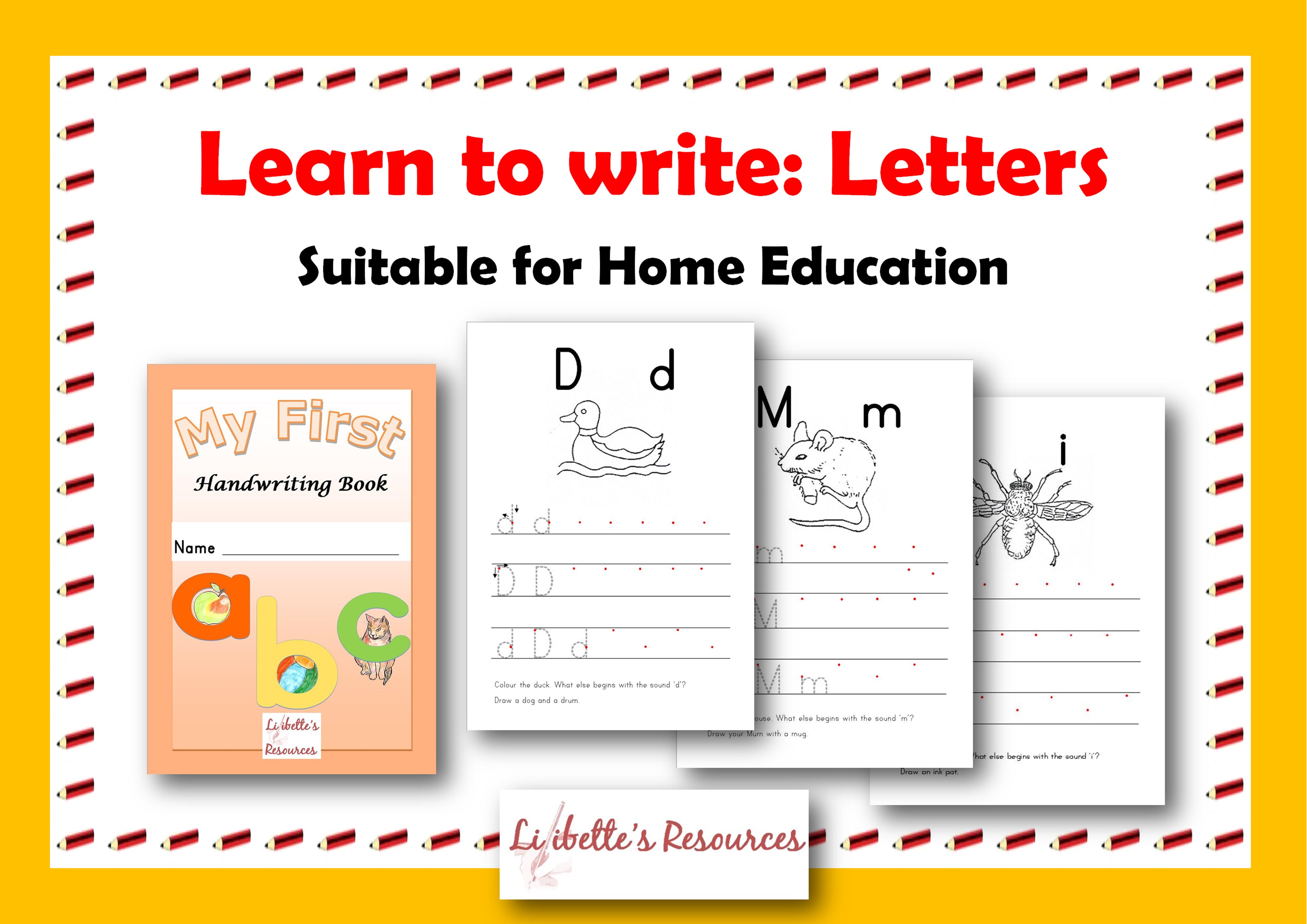
Letters, Vowels, and Physical Skills Printable Workbook

Letters, Vowels, and Physical Skills Printable Workbook
ELA, Preschool, Kindergarten, Grade 1, Workbooks, Worksheets & Printables

Kindergarten Learning: Letters, Vowels, and Physical Skills is easy to use for both children and parents with picture directions and color-coded subject areas. Worksheets include picture directions so children can easily complete the pages on their own! 30 premium full-color pages!

Author Twin Sisters Digital Media

Tags Letters, Vowels, Physical, Skills, Learning

Envision Math Grade 5 Topic 3: Multiplying  (Notes, Quiz, Keys)

Envision Math Grade 5 Topic 3: Multiplying (Notes, Quiz, Keys)
Math, Decimals, Multiplication and Division, Multiplication, Grade 5, Worksheets & Printables, Worksheets, Workbooks, Word Problems

Set your students up for success with multiplication mastery using this teacher-created resource for Envision Math Grade 5, Topic 3: Multiplying Whole Numbers . Whether or not you use the Envision Math textbook, this packet works perfectly as a stand-alone unit to teach, review, or reinforce multiplication concepts. This resource includes student notes, teacher notes, a teacher-designed quiz, and answer keys , making it an all-in-one tool for lesson planning, guided practice, and assessment. Lessons are written with clarity and structure so your 5th graders can build strong multiplication skills step by step. Topic 3 Lessons cover: Multiplication properties Using mental math to multiply Estimating products Exponents Distributive property Multiplying by 1-digit numbers Multiplying 2-digit by 2-digit numbers Multiplying greater numbers How you can use this packet in your classroom: Daily math notes during direct instruction Reference pages for student math journals Targeted small group practice and intervention Assignments for absent students to catch up easily Reteaching or enrichment activities Review before tests or standardized assessments Quick-prep substitute plans As of 2025, this resource has been fully updated with improved formatting, no page numbers (so it matches multiple editions of Envision Math), and better readability for ADA compliance and screen readers. Please note: This packet does not include problem-solving lessons, as those are taught using a separate curriculum. You can purchase each topic individually. This resource is aligned with but not affiliated with Envision Math Grade 5. It was designed for use in my own classroom and has been classroom-tested for effectiveness and flexibility. Tags/SEO: 5th grade math multiplication, Envision Math Grade 5 Topic 3, multiplying whole numbers worksheets, multiplication properties grade 5, 2-digit by 2-digit multiplication, distributive property grade 5, estimating products 5th grade, exponents grade 5 math, fifth grade math notes, multiplication quiz grade 5, stand-alone math unit

Author Kel's Klass

Rating

Tags Envision Math, Grade 5 Math, Mental Math, Multiplication Properties, Estimating Products, Exponents, Distributive Property, Multiplying 1-digit Numbers, Multiplying 2-digit Numbers, Multiplying Greater Numbers

Task Initiation & Micro-Step Breakdown

Task Initiation & Micro-Step Breakdown
Life Studies, Career, Leadership, Physical Education, P.E. & Health, Mental Health, Mindfulness, Resources for Teachers, Science, Classroom Management, Grade 6, 7, 8, 9, 10, 11, 12, Teacher Tools, Worksheets & Printables, Workbooks, Worksheets, Word Searches, Assessments, Lesson Plans, Quizzes and Tests, Quizzes, Tests

Are your students or kids stuck with a blank page due to a large assignment? Do they know how to do the assignment but can’t figure out the best way to jump into it? This is not because of laziness—this is an example of a breakdown in Task Initiation, which is one of the key executive functions of the brain. Support your students to move from being passive and procrastinating to becoming active creators of their success with our comprehensive neuroscience-based curriculum. This 42-page instructional manual and workbook supports creating a step-by-step strategy to overcome your student's brain's resistance to getting started with completing tasks. By applying the principles of cognitive offloading and granular sequencing, this manual and workbook will provide you with the ultimate guide to how to accomplish your goals. This resource is designed for teachers, parents, school counselors, and executive function coaches to support helping to create lifelong habits, build confidence in school, and decrease the anxiety and stress associated with homework. Contents of this 42-page document. The Neuroscience Guide (Part 1) (The “Why”) The neuroscience of procrastination. Easy-to-understand explanations for the science of procrastination (brain science) include energy, limbic friction, activation energy, time blindness, etc. Real-life examples of the science from students and short quizzes to test knowledge and understanding. The Student Workbook (Part 2) (The “How”) 10 in-depth printed worksheets provide a complete scaffolded framework for developing executive function. Actionable Steps: Deconstruct larger projects into small tasks, identify and eliminate friction, create a five-minute launchpad, master micro steps, create an executive execution ladder, eliminate distractions, and create empathy for your future self. Capstone Project: A master blueprint for a major project using taught strategies. Part Three: Visual & Teacher/Parent Resources (The “Tools”) Three Strong Visual Supports: Printables and classroom appropriate anchor charts will give students' cognitive relief through visual representation of how to use their brain there are three charts to choose from (The Anatomy of Task Paralysis, The Micro-Step Bridge, The Task Activation Loop). Complete Answer Key: An answer key for all ten student worksheets so that teachers can provide students with a comprehensive answer key. Teacher Implementation Guide: A detailed scripted guide on how to introduce these concepts and protocols such as the “Body Double” technique. Differentiation for Neurodivergent Learners: A separate section for specific, powerful strategies for students with ADHD, ASD, and Dyslexia. Not only is this a study skills printable, but it is a powerful cognitive resource that helps students understand themselves so that they may use the resources available to them to work more efficiently with their brain, rather than against it. Keywords: Executive Functioning, Study Skills, Procrastination, Task Initiation, ADHD Support, Neurodiversity, SEL, Middle School, High School, Printable Workbook, Digital Download, Homework Help, Time Management, Metacognition, Growth Mindset, Resources for Teachers, Resources for School Counselors, Parent Guide. What Makes It Busy and Maternal/School Parent-Friendly : Based on Neuroscience (not-created based off "Shame"): It regards procrastination as a normal neurological event, not an individual's defect nor character flaw. This removes guilt associated with procrastination by providing students with a "hacker" mindset to achieve the best outcome for their situation based on the wiring of their brains. Has Actionable, Step-By-Step Tools: Instead of vague and subjective statements like “just break it down,” this curriculum focuses on rigorous, rigorous sequencing (providing valuable resource worksheets/checklists) and concrete ways that a student can apply the information immediately. Targets Neurodivergent Learners: The section on differentiation for ADHD, ASD and Dyslexia students is a must-have addition to any inclusive classroom and will meet needs of all parents with children needing specific support; therefore, it is an extremely "valuable" and "highly-valuable" resource. Develops Lifelong Skills (beyond a one-time project): In addition to a single project, skills presented include metacognition, self-regulation, and planning—all important life-skills needed to continue and succeed throughout high school, college and after. The primary target audience is middle school students (6th-8th grade). The multiple case studies included (6th, 8th grade), the reorganization of the prefrontal cortex and task characteristics align directly with this group. The second target audience is upper elementary (4th-5th Grade) and high school (9th-12th Grade). As stated in the "Visuals & Teacher Keys" section: "(Grade 4-8)". The concepts provided are foundational and lend themselves readily to alteration, both upwards and downwards. High school students with executive functioning issues, especially those diagnosed with ADHD, would see tremendous benefit from this resource. Copyright Notice: This book was copyrighted by Syed Hammad Rizvi. This resource is available for personal use in a single-classroom setting only and cannot be changed (modifications), No part of this book can be shared, sold, or posted on the Internet to be found or downloaded by the public. Please note that if you wish to share this resource with others (teachers), you must buy additional licenses (a fee) from Teachsimple. Thank you for your cooperation in following these terms of usage. This product has been brought to you with pride by Syed Hammad Rizvi.

Author Creative Book Store

Rating

Tags Procrastination, Motivation, StudySkills, TimeManagement, Organization, Neuroscience, ADHD, GrowthMindset, ExecutiveFunctioning, TaskInitiation

Dyscalculia Visual Fraction Manipulatives

Dyscalculia Visual Fraction Manipulatives
Math, Fractions, Addition and Subtraction, Addition, Subtraction, Graphing, Money, Number Lines, Order Of Operations, Time, Homeschool Curriculum, Homeschool Templates, Grade 3, 4, 5, 6, 7, Worksheets & Printables, Workbooks, Worksheets, Word Searches, Teacher Tools, Assessments, Lesson Plans, Quizzes and Tests, Quizzes, Tests

Change the nature of instruction for fractions, and help all students by using this complete, evidence-based guide for teaching fractions to students who may have any or all of the following: Dyscalculia, Learning Disabilities in Mathematics, or Anxiety with regard to mathematics. Are you an educator or parent looking for an effective way to teach your students with prior difficulties with abstract mathematic concepts? If so, this is the resource for which you have been searching. This is NOT just another worksheet packet. This is a complete neuro-informed intervention system built to circumvent all cognitive barriers common to the students you teach, and create true and lasting understanding of fractions that will be retained for the remainder of the student's educational career. By following the Concrete-Pictorial-Abstract (CPA) framework along with the principles of cognitive science, this guide provides students with a means for teaching fractions in a way that they will finally be able to process and master from their neurodivergent brain perspective. Your students will no longer suffer from mathematics anxiety or the "Whole Number Bias", which results in students believing that 1/8 is greater than 1/3. We use Linear Fraction Bars as a visual aid and High Contrast Visual Mapping to make fractions tangible and explainable to students through the use of their neural systems, thus enabling students to understand fractions as Predictable and Intuitive. We deliberately avoid all of the Circular Fraction Models (i.e., Pizza) that confuse students with poor or absent spatial perception. THIS 37-PAGE COMPREHENSIVE GUIDELINE CONSISTS OF: The Educators Guide: This document consists of an in-depth look at the "why" behind the method in phase one. It will include definitions of the cognitive make-up behind dyscalculia, the incorrectness of standard methods, and the architectural guidelines for creating educational tools, including manipulatives that are compatible with how the brain works. This phase will also include case studies based on individual students that can be utilized in grade-level math classes. The Student Workbook: Phase Two will consist of a sequential ten part set of worksheets that will serve as step-by-step guides for students in grades three through five. In other words, the first page of the ten page guide will help students learn what a numerator and a denominator are before they then will be a part of the worksheet on determining whether two fractions are equal or comparable. The remainder of the pages will continue to follow the same sequence, with the last page covering mixed numbers. The Teacher Resources and Visual Aids Section: This section contains all the resources necessary for teacher's to correctly implement the above two guides. In addition to possessing high-resolution diagnostic diagrams that can be utilized in the classroom, this section also contains an answer key that has been developed with pedagogical notes included, and a clinical implementation guide that contains scripted interventions for how to address common errors made by students. PLEASE NOTE THE FOLLOWING Group: Individuals who provide direct instructional support to students with disabilities and other struggles in mathematics, such as: SE Teachers/Specialists Math Interventionists/ Specialists (Tier 2 & 3) Resource Room/Co-Teach Models Tutor and Educational Therapists Homeschool Parents General Ed Teachers who want to use effective differentiation strategies. Break the cycle of poor math performance. Get your students the tools they need to develop confidence and obtain true mastery of fractions through this master guide through the Math Anxiety. Key Terms: Dyscalculia, Math Intervention, Special Education Math, Fractions, Visual Math, Manipulatives, Math Anxiety, Learning Disabilities, Third, Fourth, Fifth, Grade, Homeschooling, RTI, Math Support, Number Sense, *CPA Framework (Concrete, Picture, Abstract) Teacher’s Guide. Reasons Why Parents/Schools Are Enthusiastic About This Resource: Evidence Based and Neuro-informed: This is truly not just a collection of activities but rather a structured program based on cognitive science; designed specifically to help students whom have dyscalculia. Eliminates Math Anxiety: The clear, visual, step-by-step approach removes uncertainty and abstract confusion which builds student confidence and creates a positive attitude ("I can do math") about math. Comprehensive All-In-One System: The complete package allows educators to save a tremendous amount of time in planning. It contains the theoretical document, the workbook (student-facing) as well as the full answer key that contains additional clinical cues. This resource is ready for immediate use as an intervention resource. Promotes True Understanding, Not Just Rote Memorization: By making fractions physical and visual, this program goes beyond mere memorization of rules and fosters true, deep conceptual understanding, which can be applied to future concepts. Highly Targeted for Intervention: This resource is an excellent Tier 2/3 resource for intervention, special education resource rooms, tutoring, and homeschooling. It provides very powerful and focused support, right where struggling learners require it most. An in-depth analysis of the content, research, and worksheets indicates the primary target audiences are: Special Education Teachers: This is a critical instructional support for teachers within this specialty since the resource was designed specifically for students diagnosed with learning disabilities. Math Interventionists: This resource meets the needs of small groups of students (Tier 2 and Tier 3) who are considerably below grade level in mathematics. Educational Therapists and Tutors: Qualified professionals who provide one-on-one support to students with dyscalculia. Homeschooling Parents: Especially for those children who have a diagnosis or possibly math deficits. Targeted Grade Levels: The component will specifically target grades three, four and five because all of the fractions address fundamental fractions through to adding fractions and mixed numbers, which are all taught at these grade levels. Rewriting Terms: All rights reserved. The author has copyright (Copyrighted by Syed Hammad Rizvi) on this work. A teacher may use this resource for his/her classroom and for private individual use. You may not modify this resource, distribute it, or sell it. You may not publish or make it available on the internet. If you would like to share this resource with your colleagues, please buy additional licenses from Teachsimple. Thank you for being honest and following my copyright terms. This product is made with love by Syed Hammad Rizvi.

Author Creative Book Store

Rating

Tags Dyscalculia, Dyscalculiaresources, Dyscalculiasupport, Mathintervention, Visualmath, Mathmanipulatives, Mathlearningdisability, Specialneedsmath, Neurodivergentlearning, Cpaframework

Words, Physical Skills, and Other Skills Printable Workbook

Words, Physical Skills, and Other Skills Printable Workbook
ELA, Preschool, Kindergarten, Grade 1, Workbooks, Worksheets & Printables

Words, Physical Skills, and Other Skills Printable Workbook This premium package is an engaging teaching resource perfect for educators working with kindergarten, preschool or grade 1 students. It comprises 26 beautifully illustrated and full-color pages designed to foster learning in key areas like language arts. The workbook can be effectively utilized in various settings such as a sprawling public school setting or an intimate homeschooling environment. Vivid Imagery: Combines vivid imagery with clearly laid out tasks so children can explore core principles independently. Fosters Independence: The workbook's user-friendly layout aids autonomous learning while nurturing problem-solving skills. Aides Navigation: Subjects are color-coded efficiently thus supporting easy navigation through different activities within the workbook. Prominent Focus on Language Arts Development & Physical Skill Development This workbook brings words to life through immersive exercises which stimulate literacy skills. Apart from text-based knowledge acquisition, the package emphasizes physical skill development too – seamlessly merging cognitive growth with motor skills refinement. In essence this Words, Physical Skills,and Other Skills Printable Workbook is a holistic teaching aid embedding verbal dexterity alongside honing physical capabilities making it truly future-ready. Note: The file type offered is PDF allowing for easy download and instant print-use post-purchase!

Author Twin Sisters Digital Media

Tags Printable Workbook, Language Arts, Physical Skills, Early Learning, Independent Study

Division Review Printable Workbook

Division Review Printable Workbook
Math, Multiplication and Division, Multiplication, Grade 3, 4, Workbooks, Worksheets & Printables

This Grade 3 workbook includes activities for: —Learning and Practicing Multiplication and Division Facts to 9 —Multiplying and Dividing Numbers with Two Digits —Understanding and Solving Word Problems

Author Twin Sisters Digital Media

Tags Multiplication, Division, Dividing, Word Problems, Solve

Executive Functioning & Neuro-Inclusive Seasonal Curriculum: The Comp

Executive Functioning & Neuro-Inclusive Seasonal Curriculum: The Comp
Social Emotional Learning (SEL), Special Resources, Social Skills, Special Education Needs (SEN), Speech Therapy, Life Skills, Life Studies, Career, Leadership, Grade 3, 4, 5, 6, 7, 8, Assessments, Teacher Tools, Charts, Lesson Plans, Quizzes and Tests, Quizzes, Tests, Worksheets, Worksheets & Printables, Workbooks

Unlock the potential of neurodiverse students with this complete Executive Functioning Curriculum for Grades 3-8, a neuro-inclusive seasonal resource that helps develop vital skills such as task initiation, emotional control, cognitive flexibility, and metacognition. This 43-page digital resource, optimized for educators, parents, and homeschoolers, combines neurobiology theory with worksheets, visual aids, and teacher guidance to address the learning needs of neurodiverse students with conditions such as ADHD, Autism, Dyslexia, and more. By utilizing the natural rhythms of the academic calendar, the curriculum moves from a reactive teaching style to a proactive teaching style, reducing cognitive load for the student and promoting self-regulation. This seasonal resource includes 10 fun worksheets with fillable prompts for the students, 3 vital visuals for the teacher, an answer key, and a teacher guide with differentiation ideas for different neurotypes. This SEO-optimized resource for developing executive functioning skills, designed for special education, RTI, and regular classrooms, promotes inclusive education, reduces behavioral problems, and increases the learning stamina of your students. Keywords: Executive Functioning Activities, Neurodiverse Curriculum, ADHD Resources for Teachers, Autism Classroom Tools, Dyslexia Support Materials. Why Parents/Schools Love It: Aligns with the Seasons, Avoiding Burnout: "Executive functioning skills are aligned with the natural ebbs and flows of the school calendar, making strategies more effective and avoiding common pitfalls such as winter dysregulation and spring fatigue." Neuro-Inclusive, Differentiated, and Accessible: "Designed with neurodiverse students (ADHD, Autism, Dyslexia) in mind, with the use of visuals and worksheets that can be adapted for different neuroprofiles." Practical, Ready-to-Use, and Action-Oriented: "Includes 10 student worksheets, teacher guides, answer keys, and visuals for immediate application, promoting real-world skills such as self-regulation, metacognition, and independence." Evidence-Based, with Measurable Progress: "Based on neurobiology and cognitive load theory, with an emphasis on process, not product, to promote a growth mindset and functional independence." Engaging, Empowering, and Transformational: "From compliance to comprehension, this program empowers students to 'engineer their own cognitive environments' with hands-on, engaging activities that increase self-confidence and decrease behavioral problems." Target Classes/Students : The curriculum has been designed to target students from Grade 3 to Grade 8 based on an exhaustive analysis of the entire PDF content, which includes theoretical aspects, worksheets for students, visuals, and teacher guides. It specifically targets the period of brain development where the prefrontal cortex is developing and the "literacy watershed" from learning to read to reading to learn. It specifically mentions case studies for Grade 4-6, scaffolding for Grade 3-5 and Grade 6-8, and strategies for neurodiverse students such as ADHD, Autism, and Dyslexia for middle elementary to early middle school ages. It would be appropriate for elementary and middle school classrooms, special education programs, homeschooling programs, and intervention programs for ages 8-14. Copyright/Terms of Use: This Book was copyrighted by Syed Hammad Rizvi. This is for personal use and use in one classroom. It is not for you to change, redistribute, or sell any part of this product. This means you cannot put it on the Internet for any person to find and download. If you wish to use the product with other teachers, you can purchase additional licenses through Teachsimple. Thank you for understanding these terms of use. This product is happily brought to you by Syed Hammad Rizvi

Author Creative Book Store

Rating

Tags ExecutiveFunctioningCurriculum, NeuroInclusiveEducation, SeasonalCurriculum, ADHDResources, AutismSupportTools, DyslexiaInterventions, ExecutiveFunctioningActivities, NeurodiverseLearners, Grades3to8, SpecialEducationResources