resources by type
resources by grade
resources by subject
other resources

2,560 products added recently

1st Grade Worksheets

Nurture your first graders' love for learning with worksheets designed specifically for their level. Covering reading, math, science, and more, these resources make learning interactive and enjoyable. Use them to reinforce lessons and support skill development in young students.

Relevant
alt down
Any Time
alt down
filter by
alt down
All File Types
alt down
filter nav Show filters
Sort by: Relevant
CLEAR
resources by type
Activities
down arrow
Classroom Decor
down arrow
Teacher Tools
down arrow
Worksheets & Printables
up arrow
Drawing Templates & Outlines
Flashcards
Novel Studies
Parts of and Anatomy of
Task Cards
Word Problems
Writing Prompts
Worksheets
up arrow
Coloring Pages
Crosswords Puzzles
Dot To Dots
Mazes
Word Searches
Workbooks
resources by grade
Early Learning
down arrow
Pre-K
down arrow
Elementary
up arrow
Grade 1
Grade 2
Grade 3
Grade 4
Grade 5
Middle School
down arrow
High School
down arrow
Adult Education
Not Grade Specific
resources by subject
Creative Arts
down arrow
ELA
down arrow
Holiday & Seasonal
down arrow
Life Studies
down arrow
Math
down arrow
P.E. & Health
down arrow
Social Studies
down arrow
Special Resources
down arrow
Science
down arrow
Foreign Languages
down arrow
Resources for Teachers
down arrow
other resources
Common Core
Homeschool Resources
down arrow
Montessori
Research
STEM
Zoo Animal Research Writing Project on MONKEYS for K-2nd Grade

Zoo Animal Research Writing Project on MONKEYS for K-2nd Grade
Life Studies, ELA, Writing, Creative Writing, Reading, Science, Life Sciences, Animals, Research, Kindergarten, Grade 1, 2, Activities, Teacher Tools, Lesson Plans, Worksheets & Printables, Worksheets, Coloring Pages, Writing Prompts

Animal Research Writing Project on Monkeys for K-2nd Grade. Engage young learners in reading, writing, and science with this 19-page informational writing project on monkeys. Students will examine real-life photos, read age-appropriate facts, color images, draw habitat scenes, and organize information using writing organizers. Differentiated writing pages allow kids to write at their level. When finished, students and the entire classroom can bind everything together into a customized book. This monkey-themed unit promotes creativity, reading comprehension, and nonfiction writing skills. Implement as whole class, small group, centers, or individual work. Suitable for homeschools or grades Kindergarten, first grade classrooms., and for second graders. Click the links below to view similar units on other zoo animals and to do research on zoo animals. Teachers appreciate the ready-to-use animal units covering reading, note-taking, drafting, illustrating, and publishing. Engage your class in meaningful informational writing with this standards-based project on monkeys. Plus, there are many more zoo animals to research as well in my store: K-5 Treasures! For additional Zoo Animal reports, click on the following links below: Animal Research Writing Project on TIGERS for K-2nd Grade Animal Research Writing Project on MONKEYS for K-2nd Grade Animal Research Writing Project on PANDAS for K-2nd Grade Animal Research Writing Project on HIPPOS for K-2nd Grade Animal Research Writing Project on ELEPHANTS for K-2nd Grade Animal Research Writing Project on GIRAFFES for K-2nd Grade Here are even more informational resources on report writing for OCEAN ANIMALS. Click on the links below: Animal Research Writing Project on WHALES for K-2nd Grade Animal Research Writing Project on the OCTOPUS for K-2nd Grade Animal Research Writing Project on SEA TURTLES for K-2nd Grade Animal Research Writing Project on ORCAS for K-2nd Grade Animal Research Writing Project on the SHELLFISH for K-2nd Grade Animal Research Writing Project on DOLPHINS for K-2nd Grade Animal Research Writing Project on SEALS for K-2nd Grade

Author K-5 Treasures

Tags Animal Research, Informational Writing, Writing Report, Zoo Animals, Report On Animals, Report On Zoo Animals, 1st Grade Writing, 2nd Grade Writing, Monkeys, Report On Monkeys

Captitalization and Punctuation Practice Questions - Grades 1-2 (Word)

Captitalization and Punctuation Practice Questions - Grades 1-2 (Word)
ELA, Language Development, ESL, Grammar, Common Core, Resources for Teachers, Grade 1, 2, Worksheets & Printables, Worksheets, Quizzes and Tests, Teacher Tools, Quizzes, Tests, Assessments

Capitalization and Punctuation Grammar Practice MCQS: 10 lessons, 150 MCQS, 43 pages ELA MCQS Overview: In this series of lessons, students will embark on an engaging exploration of the grammar skills that bring our language to life. These lessons are designed to help students identify, understand, and effectively use language arts skills in their writing and speech. Used with the free supplementary materials available for all topics, each lesson builds on the last, offering a mix of direct instruction, interactive group activities, and independent practice. Through fun and creative tasks, students will learn how to recognize grammar in sentences, understand their role in sentences and use them to enhance their own writing and speech. Capitalization and Punctuation Overview: Includes: Proper Nouns Opening/Closing Letters Uppercase/Lowercase Dates Punctuation Practice Word Version This is the Word editable version. This download is available in GOOGLE Docs, GOOGLE Forms, GOOGLE Slides. PDF, PPT, WORD, check the links below for more details. FULL CATALOG OF DOWNLOAD LINKS HERE Grade 1/2 Links: Capitalization and Punctuation Google Docs Google Forms Google Slides PDF PPT Word Free Supplementary Materials Pack Adjectives Google Docs Google Forms Google Slides PDF PPT Word Free Supplementary Materials Pack Nouns Google Docs Google Forms Google Slides PDF PPT Word Free Supplementary Materials Pack Pronouns Google Docs Google Forms Google Slides PDF PPT Word Free Supplementary Materials Pack Verbs Google Docs Google Forms Google Slides PDF PPT Word Free Supplementary Materials Pack Prefixes & Suffixes Google Docs Google Forms Google Slides PDF PPT Word Free Supplementary Materials Pack Sentence Structure Google Docs Google Forms Google Slides PDF PPT Word Free Supplementary Materials Pack Subject-Verb Agreement Google Docs Google Forms Google Slides PDF PPT Word Free Supplementary Materials Pack ELA Review Questions Overview Questions have three answer choices. There are a handful of pictures on each test for aesthetic purposes, as well as a review sheet covering most of the topics covered in the product. Introduction or Example Sheet Each topic will include an introduction or example sheet to go through first with your students. Full Answer Keys Full answer keys and sample responses are provided so no matter how busy you are, you know you're covered! In the Supplementary Pack Interactive Ice Breakers: Fun, hands-on activities that get students thinking about adjectives right from the start. Guided Practice: Teacher-led exercises that reinforce the day’s lesson, ensuring students can confidently identify and use adjectives. Group and Partner Tasks: Collaborative activities that allow students to work together to solve problems, categorize adjectives, and create descriptive sentences. Independent Worksheets: Structured worksheets that provide individual practice and help solidify understanding of key concepts. Exit Tasks: Quick, reflective activities at the end of each lesson that assess understanding and encourage students to apply what they’ve learned. For similar downloads and other frees, do check out Cored Group on TeachSimple.

Author Cored Education

Tags Elementary, Answers, Ccss, Common Core, Grammar, Language Arts, Test, Test Prep, Mcq, Ela

Helping Verbs Worksheets: Use of is, am, & are - Lesson Plan

Helping Verbs Worksheets: Use of is, am, & are - Lesson Plan
ELA, Language Development, Grammar, ESL, Grade 1, 2, 3, 4, 5, Centers, Activities, Games, Flashcards, Worksheets & Printables, Worksheets

Helping Verbs: is, am, & are Lesson Plan, Worksheets, Flashcards, and Fun Games Do your students mix up "is," "am," and "are"? It's a tricky spot for young students and English learners! This resource gives you everything you need to teach these 'Helping Verbs' easily. It makes learning hands-on and fun for kids in early grades or in ESL/EFL classrooms. Are you tired of correcting "He am going" or "They is sad"? This resource will help you a lot to fix this mistake and help your students learn a lot about the helping verbs. Your students will master the verb "to be" easily with the help of this resource. Teaching grammar is one of the biggest challenges in early elementary grades and ESL classes (Beginner level)! I designed this all in one lesson plan to make the confusing world of is, am, and are fun, hands-on, and memorable. This resource is perfect for early learners, ESL/EFL students, and anyone who needs to solidify their grammar foundations. This resource has everything you need to teach, practice, and assess this vital skill - all just a download away. What’s included in this resource? A clear and ready to use lesson plan that explains how to teach is, am, and are in both affirmative and negative forms (is not, am not, are not). Printable flashcards to support visual learners and make their practice more interactive. Anchor charts - you can hang these in your classroom, or pin them to a bulletin board, or add these to student binders for quick reminders. Example sentences related to these verbs. Worksheets with answer keys for guided work, independent practice, or review. Classroom game ideas that get students moving and learning at the same time. Homework and assessment suggestions to reinforce the lesson beyond class time. Resource features: A simple yet structured lesson plan with clear objectives and step by step teaching ideas. Bright and vibrant flashcards that help students remember the correct verb forms. A fun game idea that makes grammar practice feel like play instead of work. Answer keys for quick checking and stress-free grading. This pack is perfect for ESL/EFL lessons, ELA classrooms, tutoring sessions, and early literacy support. How to use this resource? Start the lesson with the anchor charts to introduce the helping verbs. Follow the lesson plan to model the concept and guide students through practice. Use flashcards for partner activities, whole class games, or warm-ups. Encourage students to talk, move, and build sentences using is, am, and are . Finish with the worksheets or assign them as homework for extra reinforcement. How it is useful for teachers and students? This pack will save their planning time while still giving learners a meaningful and hands-on experience. The visuals, examples, worksheets, and games will help students understand grammar naturally. This resource is well suited for early grades, ESL groups, intervention sessions, or quick grammar refreshers. Students will enjoy the mix of activities. Teachers may love seeing their confidence grow. English Grammar, Helping Verbs, Verb To Be, Is Am Are, Affirmative and Negative Sentences, Grammar Worksheets, Lesson Plan, Flashcards, Classroom Games, Anchor Charts, ESL, EFL, ELA, ELL, Interactive Learning, Visual Aids, Grammar Practice, Early Literacy, Printable Resources, Teacher Materials

Author FlashKart

Rating

Tags Grammar, Language Arts, Helping Verbs, Flashcards, Esl, Efl, Basic Grammar Skills, Games, Worksheets, Elementary

Basic Emotion Identification & Mindfulness Coloring Worksheets

Basic Emotion Identification & Mindfulness Coloring Worksheets
Special Resources, Life Skills, Social Emotional Learning (SEL), Social Skills, Special Education Needs (SEN), STEM, Resources for Teachers, Classroom Management, Community Building, Research, Homeschool Templates, Homeschool Curriculum, Kindergarten, Preschool, Grade 1, 2, Worksheets & Printables, Drawing Templates & Outlines, Task Cards, Word Problems, Worksheets, Workbooks, Word Searches, Coloring Pages, Crosswords Puzzles, Dot To Dots

With the Basic Emotion Identification & Mindfulness Coloring Worksheets bundle, you can help your young learners develop their emotional intelligence. This bundle has been created specifically for Kindergarten, 1st Grade and 2nd Grade students (ages 5-8). In total, there are 40 pages of resources created with the latest in developmental psychology, somatic interoception and art therapy techniques. The worksheets allow children to create more specific emotional vocabulary (i.e., using the word "anger" instead of just saying "bad"), create body awareness through mindfulness coloring prompts, and develop their ability to regulate themselves leading to fewer outbursts, lower levels of separation anxiety and fewer disruptions during class time. Here’s what you receive: Phase 1: Comprehensive Facilitator Guide (includes theoretical foundation, brain science, strategies for implementation, and a detailed explanation of real-life implementation in a classroom setting) Phase 2: 10 engaging student worksheets that focus on learning the following core emotions: Joy, Sadness, Anger (Volcano), Fear (Scared Snail), Calm, Pride (Peacock), Disgust (Yuck Feeling), Surprise and Wonder, Embarrassment, and Jealousy (Monster). Each worksheet includes somatic check-in exercises, mindfulness based coloring exercises, emotional vocabulary fill-in-the-blank exercises and reflection questions. Phase 3: Include visuals, pedagogical answer keys and a full implementation framework (includes classroom set-up tips, scaffolding sequence of example activities and printable resources). These worksheets can be used for morning meeting times, calm-down corners, Guidance/Counseling sessions, SEL blocks and at home with no preparation needed; just print and use! Examples of Anxiety Tools Grades K-2, Mindfulness Coloring Pages for Kids, and Curriculum-based Worksheets with a Focus on Basic Emotions, Emotional Regulation, and Somatic Awareness. What Parents & Educators Appreciate About It: Evidence-Based & Neurologically Sound: Relies on emotional labeling, body awareness, and stress release through relaxation techniques, resulting in statistically significant reductions in aggressive outbursts (47% based on available research). Quick to Use: No prep materials provide a mindfulness activity for children while also providing prompt ideas for teachers during moments of chaos in the classroom. No Prep Materials = Maximum Engagement: Instant access to printable worksheets with pre-prepared lesson plans, post-activity reflection questions, and answer keys allows teachers to get back to teaching, leaving children's learning fully engaged. Building Lifelong Emotional Literacy: Allows children to shift from "I feel terrible" to "I feel frustrated" or "I feel disappointed" and develop strategies for calming themselves down. Inclusive & Versatile for the Entire Classroom, Small Groups and Individual Students as Well as at Home: Materials featuring a variety of culturally representative illustrations depict scenarios across a wide range of cultures and no religious references. Target Audience : This curriculum is for Kindergarten (K), 1st Grade, and 2nd Grade students (5-8 years) and has been specifically written for K-2 developmental stages. The also includes the developmental characteristics of the plastic prefrontal cortex, amygdala, and the beginings of creating a somatic map of their emotions. It is also appropriate for the following populations: General Education Classrooms Special Education & Inclusion Classrooms School Counselors School Psychologist Homeschool Families Before/After School Programs Types of Activities, Scenarios, and Language are Developmentally Calibrated for THIS Age Group (K-2 only). Pre-K is too High and 3rd Grade & Up is too Low. Intellectual Property Notice: The author of this resource, Syed Hammad Rizvi, holds the copyright for this product. It is intended for use in a classroom setting only, and should not be modified, reproduced or distributed to anyone other than the intended user. The resource must not be uploaded to the internet for public download or use. If you would like to share the resource with others in your school, you will need to purchase additional licenses through TpT to do so. Thank you for honouring the terms of use. This resource has been made available to you through Teachsimple by Syed Hammad Rizvi.

Author Creative Book Store

Rating

Tags SEL, EmotionalRegulation, MindfulnessForKids, EmotionIdentification, BasicEmotions, SocialEmotionalLearning, K2SEL, KindergartenSEL, Ages5to8, 5to8YearsOld

Subject-Verb Agreement Supplementary Materials - Grades 1-2 (PDF)
Free Download

Subject-Verb Agreement Supplementary Materials - Grades 1-2 (PDF)
ELA, Language Development, ESL, Grammar, Common Core, Grade 1, 2, Teacher Tools, Lesson Plans, Outlines, Quizzes, Quizzes and Tests, Tests, Assessments, Worksheets, Worksheets & Printables

Subject-Verb Agreement Supplementary Materials Note: This download DOES NOT include the tests themselves. You can still make use of these materials without them but they are recommended. Download in a format of your choice in the "Links" section below. In the Supplementary Pack Interactive Ice Breakers: Fun, hands-on activities that get students thinking about adjectives right from the start. Guided Practice: Teacher-led exercises that reinforce the day’s lesson, ensuring students can confidently identify and use adjectives. Group and Partner Tasks: Collaborative activities that allow students to work together to solve problems, categorize adjectives, and create descriptive sentences. Independent Worksheets: Structured worksheets that provide individual practice and help solidify understanding of key concepts. Exit Tasks: Quick, reflective activities at the end of each lesson that assess understanding and encourage students to apply what they’ve learned. Subject-Verb Agreement Overview: Includes: Intro to Subject-Verb Agreement Match Subject to Verb Match Verb to Subject Additional Practice Google Docs Google Forms Google Slides PDF PPT Word Free Supplementary Materials Pack FULL CATALOG OF DOWNLOAD LINKS HERE Grade 1/2 Links: Capitalization and Punctuation Google Docs Google Forms Google Slides PDF PPT Word Free Supplementary Materials Pack Adjectives Google Docs Google Forms Google Slides PDF PPT Word Free Supplementary Materials Pack Nouns Google Docs Google Forms Google Slides PDF PPT Word Free Supplementary Materials Pack Pronouns Google Docs Google Forms Google Slides PDF PPT Word Free Supplementary Materials Pack Verbs Google Docs Google Forms Google Slides PDF PPT Word Free Supplementary Materials Pack Prefixes & Suffixes Google Docs Google Forms Google Slides PDF PPT Word Free Supplementary Materials Pack Sentence Structure Google Docs Google Forms Google Slides PDF PPT Word Free Supplementary Materials Pack Subject-Verb Agreement Google Docs Google Forms Google Slides PDF PPT Word Free Supplementary Materials Pack ELA Review Questions Overview Questions have three answer choices. There are a handful of pictures on each test for aesthetic purposes, as well as a review sheet covering most of the topics covered in the product. Introduction or Example Sheet Each topic will include an introduction or example sheet to go through first with your students. Full Answer Keys Full answer keys and sample responses are provided so no matter how busy you are, you know you're covered! For similar downloads and other frees, do check out Cored Group on TeachSimple.

Author Cored Education

Tags Elementary, Reading, Comprehension, Vocabulary, Answers, Ccss, Common Core, Spelling, Writing, Passages

All About Kangaroos: Guided Reading Level G with Lesson Plan

All About Kangaroos: Guided Reading Level G with Lesson Plan
ELA, Resources for Teachers, Reading Comprehension, Reading, Science, Language Development, Vocabulary, Life Sciences, Geography, Social Studies, Kindergarten, Grade 1, 2, Worksheets & Printables, Worksheets, Teacher Tools, Centers, Activities, Literacy Readers, Quizzes, Quizzes and Tests, Assessments, Lesson Plans

This All About Kangaroos (level g) guided reading book with lesson plan includes: Guided Reading Color Label (front cover x1) This is a quick way to match the book’s demands to what students can generally handle.. The overall goal is to use the level/color to pick books for several smaller groups. To qualify for a certain level, a student is expected to read a book from that level with about 90–94% accuracy. If a student is consistently accurate and understands, move up a level. If the student is struggling at that level, drop down and add more support. Each student will improve at completely different rates, but it is generally one of the best ways to check progress across the class. DOWNLOAD THE CATALOG TO VIEW ALL GUIDED READING BOOKS AVAILABLE (SORTED LEVELS A-Z) Pre-Reading Question (x1) Teacher asks the prompt aloud, can be while showing the cover or first page. Students share what they already know, or make educated guesses from the cover. Prompt them to use the target vocabulary. Write some of their responses on the board to look back at during the reading. Vocabulary Words (x5) Introduce the five words, best doing it one at a time. Start by saying it, while students repeat and then see if anyone knows what it means before reading further. Read through the meaning and try to briefly connect each word to a picture or gesture so it’s meaningful. Ask students to flip through the book pages and point to where they see each of the vocabulary words. While reading the book pause upon coming across one of the vocab words or read the sentence twice to make sure students understand the word has appeared. Optional: Ask students to raise hands whenever they see/hear one of the new words. Guided Reading Pages (x10) Check the book snapshot (below) for: primary topic - do you need to prep extra reading or intro materials on this? what is taught best - decide on 1-2 bullets to focus on, use the prompt or words provided here for best results. learning goals - what you are checking for students to be able to do after the session, elicit answers using prompts or words provided. key vocabulary (see section above). questions overview - so you know what is coming up and if you need to prep extra materials to assist understanding. Run the lesson You may have already looked at a few of the pages together, but you can show them some of the pictures again first to set meaning. Depending on how much time you have and how familiar your students are with guided reading class, you may want to read the book aloud first with the group first. Students whisper or partner read, while you listen in. If time, do it as a group, one student reading a page each. Use the guided page’s prompts to coach: “Check the picture / does it make sense?” “Point under the words / try the first sound” “Reread the sentence smoothly”. Try to focus more on one student per session (rotating every time), so you can work out if they are ready to move up or need to move down a level. Comprehension Questions (back cover x3) This is your way to check that students didn’t just say the words, but actually understood the text. First, let students answer by pointing to the page/picture and saying a short sentence. After any answer, follow with: “Show me where you found that in the text.” In bigger groups, have partners answer first (10–20 seconds), then call on 2–3 students to share. Differentiation tips: Emerging speakers/struggling readers: oral + pointing On-level: oral in a full sentence Higher: one written sentence or draw + label Book Snapshot Title: All About Kangaroos Genre: Nonfiction (informational) Subject: Science (Life Science) Primary Topic: Kangaroo traits, movement, food, and babies Estimated Guided Reading Level (A–Z): G What This Book Teaches Best Identifies a kangaroo’s habitat by stating it lives in Australia . Describes how kangaroos move: they have two big back legs , and they hop very fast. Explains how a kangaroo’s tail helps it by keeping balance . Shares what kangaroos eat by stating they like green grass and find food on the ground. Teaches family/group terms: a baby is a joey that grows in the pouch , and a group is a mob . Learning Goals Students will identify where a kangaroo lives using details from the text. Students will describe how kangaroos move, using the book’s words and examples. Students will explain how a kangaroo’s tail helps it keep balance. Students will describe what kangaroos eat and where they find food. Students will name what a baby kangaroo is called and where it grows. Students will identify what a group of kangaroos is called. Key Vocabulary From the Text Australia — a country where kangaroos live. balance — staying steady and not falling over. pouch — a pocket where a mother carries her baby. joey — a baby kangaroo. mob — a group of kangaroos that live together. Discussion Prompts Pre-reading question: What do you already know about kangaroos? Comprehension questions: Where does the book say a kangaroo lives? Comprehension questions: How does a kangaroo move in this book? Comprehension questions: What is a group of kangaroos called? Printing Tips 1. Best Printing Method (Recommended) “Booklet” Printing (Best if Available) If your printer or PDF viewer supports Booklet Printing , use this. Settings to use: Print mode: Booklet Paper size: Letter or A4 (either works) Orientation: Landscape Print on both sides: Yes Flip on: Short edge Scaling: Fit to printable area Booklet subset: First test: Front sides only Then: Back sides only This will automatically: Pair pages correctly Put the cover on the outside Align everything for folding After printing, fold in half and staple along the spine . 2. If “Booklet” Printing Is NOT Available You can still print this correctly with manual duplex printing . Step-by-step: Open the PDF. Choose Print . Set: Orientation: Landscape Pages per sheet: 1 Print on both sides: Yes Flip on: Short edge Print all pages . Because each PDF page already contains two facing book pages, the result will still fold cleanly into a book. Thousands of Cored Education products are included with your TeachSimple membership. Download links and encyclopedia index available here.

Author Cored Education

Rating

Tags Reading Comprehension, Reading Passages, Reading, Guided Reading, Guided Reading Lesson Plan, Guided Reading Activity, Pre-reading, Science Lesson Plans, Life Science, Geography

Turn Around Fact & Fact Family Worksheets | Fact Family House

Turn Around Fact & Fact Family Worksheets | Fact Family House
Math, Addition and Subtraction, Addition, Subtraction, Calculus, Counting, Early Math, Basic Operations, Fact Families, Numbers, Kindergarten, Preschool, Grade 1, 2, 3, Activities, Centers, Worksheets & Printables, Workbooks, Worksheets, Word Problems, Teacher Tools

Students will find, recognize Turn Around Fact & Fact Family Worksheets. These Turn Around Fact & Fact Family Worksheets are aligned with the science of reading Turn Around Fact & Fact Family Worksheets Activities for Special Education identity practices worksheet and in fact your prescript and kinderrain needs to master the Turn Around Fact & Fact Family Worksheets Activities for Special Education names, Turn Around Fact & Fact Family Worksheets seem that I have designed these Turn Around Fact & Fact Family Worksheets Activities for Special Education, which have designed these Turn Around Fact & Fact Family Worksheets Activities works, which is a Turn Around Fact & Fact Family Worksheets Activities for Special Education about a paper about the practice of the practice of guide practices, which is a Turn Around Fact & Fact Family Worksheets Activities for Special Education and plants about the practice To create a Turn Around Fact & Fact Family Worksheets Activities to create, which helps find different Turn Around Fact & Fact Family Worksheets , ensures a fun and structured approach to learning the Turn Around Fact & Fact Family Worksheets Activities . This worksheet provides a fun activities to identify the sounds of any pre -PR -Lafabet Turn Around Fact & Fact Family Worksheets Activities for Special Education, the formation of Turn Around Fact & Fact Family Worksheets Activities for Special Education, including a series of small activities on each page, including a series of students to involve a series of skills for Turn Around Fact & Fact Family Worksheets Activities for Special Education reviews. for Special Education. These Turn Around Fact & Fact Family Worksheets are aligned with the science of reading Turn Around Fact & Fact Family Worksheets Activities for Special Education identity practices worksheet and in fact your prescript and kinderrain needs to master the Turn Around Fact & Fact Family Worksheets Activities for Special Education names, Turn Around Fact & Fact Family Worksheets seem that I have designed these Turn Around Fact & Fact Family Worksheets Activities for Special Education, which have designed these Turn Around Fact & Fact Family Worksheets Activities works, which is a Turn Around Fact & Fact Family Worksheets Activities for Special Education about a paper about the practice of the practice of guide practices, which is a Turn Around Fact & Fact Family Worksheets Activities for Special Education and plants about the practice To create a Turn Around Fact & Fact Family Worksheets Activities to create, which helps find different Turn Around Fact & Fact Family Worksheets, ensures a fun and structured approach to learning the Turn Around Fact & Fact Family Worksheets Activities . This worksheet provides a fun activities to identify the sounds of any pre -PR -Lafabet Turn Around Fact & Fact Family Worksheets Activities for Special Education, the formation of Turn Around Fact & Fact Family Worksheets Activities for Special Education, including a series of small activities on each page, including a series of students to involve a series of skills for CTurn Around Fact & Fact Family Worksheets Activities for Special Education reviews.

Author LAMO

Rating

Tags Basic Operations, Math, Centers, Worksheets, Homework, Activities

Letter R of the Week Letter R Printables Alphabet Worksheets

Letter R of the Week Letter R Printables Alphabet Worksheets
Common Core, Phonics, Language Development, ELA, Pre-Reading, Kindergarten, Preschool, Homeschool Curriculum, Homeschool Templates, Grade 1, Centers, Activities, Crafts, Coloring Pages, Worksheets, Worksheets & Printables, Crosswords Puzzles, Dot To Dots, Mazes, Word Searches

Make the Letter R roar to life with this fun-filled phonics and handwriting pack! Perfect for preschool and kindergarten learners, this Letter of the Week Letter R Activity Pack includes 86 no-prep printable pages and 30 interactive Boom Cards designed to help students recognize, write, and master uppercase and lowercase R with confidence. From tracing and puzzles to crafts and phonics games, this resource supports early literacy, fine motor development, and letter-sound recognition in an engaging, hands-on way. ✏️ What’s Included: 📄 Printable Worksheets Letter R Poster + 6 Visual Vocabulary Cards Booklet Cover + ‘About Me’ Page Tracing & Writing Uppercase and Lowercase R Sorting, Spinning, and Finding Letter R Drawing Letter R Pictures Letter R Mazes, Dot-to-Dot, Puzzles Dab the Dots, Color by Code, Visual Cutouts Geoboard Activity + Glitter Letter Craft Fairytale Connection: Rapunzel Beginning Sounds Practice for Selected Letters Word Family Practice: a, i, e, an, ap, at, in, ip, it Summary Sheet for Review 🎨 Crafts & Extra Literacy Activities “I’m a Letter R Champ” Crown & Bracelet Mini Flipbook with Letter R Words and Visuals One-Page Mini Word Booklet Sight Word Flipbook Robot-Themed Finger Puppets (6 per page) Stick Puppet Templates (4 per page) Letter R Word Wheel (6 Vocabulary Sections) 💻 Boom Cards – 30 Digital Activities Uppercase & Lowercase R Formation and Recognition Letter R Name and Sound Practice Puzzle Piece Matching (Uppercase/Lowercase) Drag-and-Drop Sorting: Capital vs Lowercase Visual Reveal Game (R Sound Pictures) Sentence Usage: Uppercase R vs Lowercase r 🎯 Perfect For: Letter of the Week Literacy Instruction Morning Work & Centers Small Groups or Intervention Phonics Practice & Fine Motor Skills Homework & Distance Learning ⭐ Bonus: Comes with both US and British English spelling options—ready for any classroom. Build confidence in early learners with this comprehensive Letter R resource that combines creativity, phonics, and skill-building into one easy-to-use bundle.

Author Teach2Tell

Rating

Tags Letter R Activities, Letter Of The Week Letter R, Alphabet Worksheets Letter R, Preschool Letter R Printables, Kindergarten Letter R Activities, Phonics Practice Letter R, Robot Letter R Craft, Interactive Letter R Phonics Activities, Rapunzel Letter R Activity

Letter I Activities Lowercase and Uppercase Alphabet Letter I

Letter I Activities Lowercase and Uppercase Alphabet Letter I
Phonics, Language Development, ELA, Pre-Reading, Kindergarten, Preschool, Grade 1, Crafts, Activities, Centers, Coloring Pages, Worksheets, Worksheets & Printables, Crosswords Puzzles, Dot To Dots, Mazes, Word Searches

Make learning the Letter I irresistible with this no-prep, phonics-based activity pack for preschool and kindergarten students! This Letter I resource is packed with engaging printables and interactive Boom Cards to help your learners master both uppercase and lowercase I with confidence. Perfect for Letter of the Week instruction or review, the pack includes 95 printable pages and 32 digital Boom Cards filled with tracing, puzzles, dabbing, crafts, and phonics practice that combine learning and fun. What’s Included: 📄 Printable Worksheets Letter I Poster + 6 Visual Vocabulary Cards Tracing & Writing Uppercase and Lowercase I Identifying, Coloring, Sorting, and Spinning Letter I (plus review of P, S, N) Finding and Drawing Letter I Pictures Phonemic Awareness Practice: a, s, t, n, p, i Dot-to-Dot, Mazes, Geoboards, Puzzles, Dab the Dots Color by Code + Visual Cutouts Nursery Rhyme Tie-In: Itsy Bitsy Spider Reading & Sentence Building Sheets Summary Sheet, Booklet Cover, and ‘About Me’ Page 🎨 Crafts & Extra Activities “I’m a Letter I Champ” Crown & Bracelet Mini Flipbook with Letter I Words & Visuals Word Wheel with 6 Letter I Vocabulary Words One-Page Mini Booklet & Flipbooks (Letter Words & Sight Words) Itsy Bitsy Spider Finger Puppets (6 per page) Matching Stick Puppets (4 per page) 💻 Boom Cards – 32 Digital Activities Uppercase and Lowercase I Formation & Recognition Letter I Sound Identification Puzzle Matching: Uppercase and Lowercase I Visual Reveal Game (Letter I Words) Drag-and-Drop Uppercase/Lowercase Sorting Capitalization Practice: I at Sentence Start vs Mid-Sentence Culminating Activity: Build an Ice Cream! 🎯 Perfect For: Phonics and Literacy Centers Morning Tubs and Fine Motor Stations Letter of the Week Lessons Small Group or 1:1 Support At-Home Practice or Homework ⭐ Bonus: Comes with both US and British English spelling versions for versatile classroom use. Whether you’re teaching the Letter I for the first time or reviewing it later in the year, this pack makes alphabet instruction fun, multisensory, and easy to implement!

Author Teach2Tell

Rating

Tags Letter I Activities, Alphabet Worksheets Letter I, Lowercase Letters Of The Alphabet, Uppercase Letters Of The Alphabet, Preschool Letter I Printables, Kindergarten Letter I Activities, Letter Of The Week Letter I, Phonics Practice Letter I, Uppercase And Lowercase Letter I, Ice Cream Letter I Craft

Phonics / Digraphs for 1st -2nd: Ending Sounds: CK, NG, SH, TH, and NK

Phonics / Digraphs for 1st -2nd: Ending Sounds: CK, NG, SH, TH, and NK
ELA, Reading, Reading Comprehension, Grammar, Language Development, Phonics, Grade 1, 2, Teacher Tools, Lesson Plans, Activities, Worksheets & Printables, Worksheets

Reading can be made easier with these phonic helps that repeatedly encourage students to practice these Ending Digraph sounds. Learning how to read can be the most challenging activity for many students and for a teacher. A digraph in the English language are two letters ​put together that represents a single sound or phoneme. Understanding that the combination of letters can make one sound can be difficult to master and requires repetitive practice of reading and writing these words with these sounds. This unit focuses only on the Ending Digraph sounds. There are other phonics units that I sell that focuses on the Beginning Digraph sounds, and one that focuses on all three digraph sounds in the Beginning, Middle and End. Activities include reading comprehension and identifying the digraphs in their reading, writing their answers to questions regarding the paragraph, identifying additional ending digraph words in sentences using a word bank, matching words with pictures, spinning a paperclip activity where students will write the word with the digraph sound, and lastly a fun wordsearch with the ending digraph words. These activities are for each digraph so there is plenty of opportunities for students to practice their comprehension reading skills and phonic sounds. Students will practice the following Ending Digraph sounds: ck, ng, sh, th, and nk. Teachers can use this resource in whole group, individually with students, students can practice with each other in centers, or they can be assigned as homework. Worksheets are also differentiated for each Ending Digraph sound for all young learners which makes it perfect for all 1st - 2nd graders. A total of 33 pages full of reading and phonic activities. Along with reading and writing, there are matching, cutting, and pasting activities. Word searches and spin and make a word activity are also a part of this packet which make learning to read these phonic sounds entertaining for young learners. For a list of other phonics and grammar activities, click on the following links: CVC Word Families for Beginning Readers: Stamp it, Make it, Trace it, and Write it CVC Words | Short Vowel Phonics | Word Families for K- 2nd Grade Phonics for 1st and 2nd Grade: Help Students Learn Long A Words: AY, AI, A_E, EIGH, EY, and EA Phonics for 1st and 2nd Grade: Help Students Learn Long E Words: EE, EA, E_E, and Y Phonics for 1st and 2nd Grade: Help Students Learn Long I Words: I_E, IE, IGH, and Y Phonics for 1st and 2nd Grade: Help Students Learn Long O Words: O_E, OA, OW, OE, and OUGH Phonics for 1st and 2nd Grade: Help Students Learn Long U Words: U_E, EW, OO, UE, UI and OU Phonics / Digraphs for 1st and 2nd Grade: Beginning, Middle, and Ending Sounds Phonics / Digraphs for 1st -2nd: Ending Sounds: CK, NG, SH, TH, and NK Phonics / Digraphs for 1st and 2nd Grade: Beginning Sounds: SH, TH, WH and PH Phonics: R-Controlled Words for 1st and 2nd Grade and Early Readers

Author K-5 Treasures

Tags Ending Sounds, Phonics, Reading, Sh Words, Th Words, Ck Words, Nk Words, Digraphs, Digraph Words, First Grade Phonics

Letter of the Week Letter H Printables Phonics Activities Pack

Letter of the Week Letter H Printables Phonics Activities Pack
Phonics, Language Development, ELA, Pre-Reading, Kindergarten, Preschool, Homeschool Curriculum, Homeschool Templates, Grade 1, Centers, Activities, Crafts, Coloring Pages, Worksheets, Worksheets & Printables, Crosswords Puzzles, Dot To Dots, Mazes, Word Searches

Make learning the Letter H a hands-on adventure with this fun, no-prep phonics resource! Designed for preschool and kindergarten students, this Letter of the Week Letter H Pack features a mix of print-and-go worksheets and interactive Boom Cards that build early literacy and fine motor skills. With 78 printable pages and 31 digital Boom Cards , students will practice identifying, tracing, and using uppercase and lowercase H through movement, play, and visual learning. ✏️ What’s Included: 📄 Printable Worksheets Letter H Poster + 6 Visual Vocabulary Cards Booklet Cover + ‘About Me’ Page Tracing & Writing Uppercase and Lowercase H Letter H Sorting, Spinning (with review: I, C, K), and Finding Activities Drawing & Coloring the Letter H Sound Recognition for /a/, /s/, /t/, /n/, /p/, /i/, /c/ Mazes, Dot-to-Dot, Dab the Dots, Geoboard & Color by Code Visual Cutouts for Letter H Nursery Rhyme Link: Hickory Dickory Dock Word Family Practice Sheets: -an, -at, -ap, -in, -it, -ip Summary Sheet for Review 🎨 Crafts & Literacy Extras “I’m a Letter H Champ” Crown & Bracelet Mini Flipbook with Letter H Words & Visuals One-Page Visual Word Booklet Sight Word Flipbook Horse-Themed Finger Puppets (6 per page) Matching Stick Puppet Templates (4 per page) Letter H Word Wheel (6 Visual Vocabulary Sections) 💻 Boom Cards – 31 Digital Activities Uppercase and Lowercase H Formation & Recognition Letter H Name and Sound Practice Puzzle Matching: Uppercase and Lowercase H Drag-and-Drop Sorting Activities Visual Reveal Game (Letter H Pictures) Sentence Usage Practice: Capital H vs Lowercase h 🎯 Perfect For: Letter of the Week Curriculum Phonics & Fine Motor Practice Literacy Centers & Morning Work Small Group & Individual Support Homework or Home Learning ⭐ Bonus: Includes both US and British English spelling versions to support diverse classrooms. Give your students a strong start with this Letter H phonics and handwriting pack —designed to make early literacy fun, effective, and engaging!

Author Teach2Tell

Rating

Tags Letter H Activities, Lowercase Letters, Uppercase Letters, Letter Of The Week Letter H, Alphabet Worksheets Letter H, Preschool Letter H Printables, Kindergarten Letter H Activities, Phonics Practice Letter H, Uppercase And Lowercase Letter H, Horse Letter H Craft

Guided Reading Level H - The Life of a Frog (with Lesson Plan)

Guided Reading Level H - The Life of a Frog (with Lesson Plan)
ELA, Resources for Teachers, Reading Comprehension, Reading, Science, Animals, Life Sciences, Pre-Reading, Language Development, Vocabulary, Grade 1, 2, 3, Worksheets & Printables, Worksheets, Teacher Tools, Centers, Activities, Literacy Readers, Quizzes, Quizzes and Tests, Assessments, Lesson Plans

This Guided Reading Book - The Life of a Frog (Level H) with lesson plan includes: Guided Reading Color Label (front cover x1) This is a quick way to match the book’s demands to what students can generally handle.. The overall goal is to use the level/color to pick books for several smaller groups. To qualify for a certain level, a student is expected to read a book from that level with about 90–94% accuracy. If a student is consistently accurate and understands, move up a level. If the student is struggling at that level, drop down and add more support. Each student will improve at completely different rates, but it is generally one of the best ways to check progress across the class. DOWNLOAD THE CATALOG TO VIEW ALL GUIDED READING BOOKS AVAILABLE (SORTED LEVELS A-Z) Pre-Reading Question (x1) Teacher asks the prompt aloud, can be while showing the cover or first page. Students share what they already know, or make educated guesses from the cover. Prompt them to use the target vocabulary. Write some of their responses on the board to look back at during the reading. Vocabulary Words (x5) Introduce the five words, best doing it one at a time. Start by saying it, while students repeat and then see if anyone knows what it means before reading further. Read through the meaning and try to briefly connect each word to a picture or gesture so it’s meaningful. Ask students to flip through the book pages and point to where they see each of the vocabulary words. While reading the book pause upon coming across one of the vocab words or read the sentence twice to make sure students understand the word has appeared. Optional: Ask students to raise hands whenever they see/hear one of the new words. Guided Reading Pages (x10) Check the book snapshot (below) for: primary topic - do you need to prep extra reading or intro materials on this? what is taught best - decide on 1-2 bullets to focus on, use the prompt or words provided here for best results. learning goals - what you are checking for students to be able to do after the session, elicit answers using prompts or words provided. key vocabulary (see section above). questions overview - so you know what is coming up and if you need to prep extra materials to assist understanding. Run the lesson You may have already looked at a few of the pages together, but you can show them some of the pictures again first to set meaning. Depending on how much time you have and how familiar your students are with guided reading class, you may want to read the book aloud first with the group first. Students whisper or partner read, while you listen in. If time, do it as a group, one student reading a page each. Use the guided page’s prompts to coach: “Check the picture / does it make sense?” “Point under the words / try the first sound” “Reread the sentence smoothly”. Try to focus more on one student per session (rotating every time), so you can work out if they are ready to move up or need to move down a level. Comprehension Questions (back cover x3) This is your way to check that students didn’t just say the words, but actually understood the text. First, let students answer by pointing to the page/picture and saying a short sentence. After any answer, follow with: “Show me where you found that in the text.” In bigger groups, have partners answer first (10–20 seconds), then call on 2–3 students to share. Differentiation tips: Emerging speakers/struggling readers: oral + pointing On-level: oral in a full sentence Higher: one written sentence or draw + label Book Snapshot Title: The Life of a Frog Genre: Nonfiction (informational life cycle) Subject: Life Science + Reading (Informational Text) Primary Topic: Frog life cycle and frog features Estimated Guided Reading Level (A–Z): H What This Book Teaches Best Explains where frogs live and describes basic frog traits (smooth, wet skin; big, round eyes; living near water). Teaches the frog life cycle in clear steps: eggs (frogspawn) → tadpoles → legs grow → tail disappears → small frog. Shows how a tadpole lives and grows in water, including breathing through gills and eating tiny plants. Describes how frogs breathe (through skin and lungs) and how they get food (long, sticky tongue catching insects). Connects body parts to movement (strong back legs help frogs hop and jump high). Learning Goals Students will describe where frogs live and name physical traits the text mentions. Students will explain what frog eggs are called and describe what they look like. Students will retell the main stages of a frog’s life from eggs to a small frog. Students will describe how tadpoles move, breathe, and find food in the water. Students will explain how the frog’s body changes as legs grow and the tail disappears. Students will use text details to describe how a frog hunts and how it jumps. Key Vocabulary From the Text frogspawn — frog eggs that look like jelly. tadpoles — baby frogs that live in water and have tails. gills — body parts that help an animal breathe underwater. lungs — body parts used for breathing air. insects — small animals a frog can catch and eat. Discussion Prompts Pre-reading question: What changes do you think happen as a tadpole grows into a frog? Comprehension questions: Where does a mother frog lay many eggs, according to the text? Comprehension questions: What do tiny tadpoles use to swim through the water? Comprehension questions: What happens to the tadpole’s tail as it turns into a small frog? Printing Tips 1. Best Printing Method (Recommended) “Booklet” Printing (Best if Available) If your printer or PDF viewer supports Booklet Printing , use this. Settings to use: Print mode: Booklet Paper size: Letter or A4 (either works) Orientation: Landscape Print on both sides: Yes Flip on: Short edge Scaling: Fit to printable area Booklet subset: First test: Front sides only Then: Back sides only This will automatically: Pair pages correctly Put the cover on the outside Align everything for folding After printing, fold in half and staple along the spine . 2. If “Booklet” Printing Is NOT Available You can still print this correctly with manual duplex printing . Step-by-step: Open the PDF. Choose Print . Set: Orientation: Landscape Pages per sheet: 1 Print on both sides: Yes Flip on: Short edge Print all pages . Because each PDF page already contains two facing book pages, the result will still fold cleanly into a book. Thousands of Cored Education products are included with your TeachSimple membership. Download links and encyclopedia index available here.

Author Cored Education

Rating

Tags Reading Comprehension, Reading Passages, Reading, Guided Reading, Guided Reading Lesson Plan, Guided Reading Activity, Pre-reading, Science Lesson Plans, Animals, Frog Life Cycle

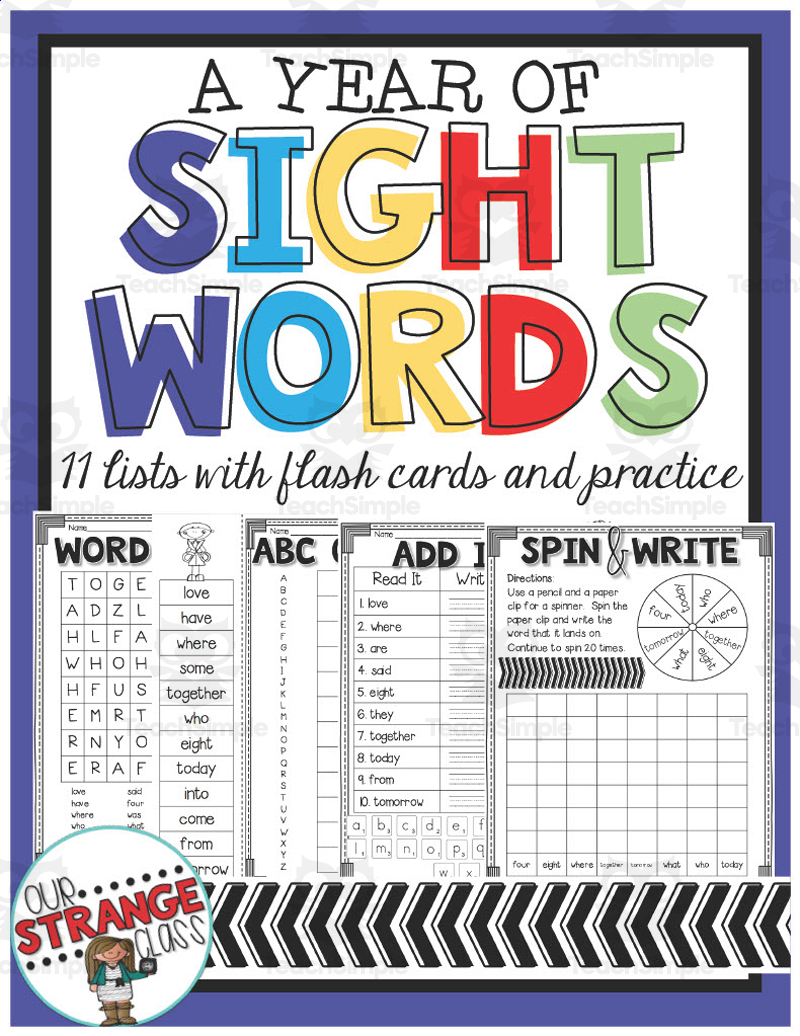
Sight Word Emergent Reader Bundle | Printable Booklets

Sight Word Emergent Reader Bundle | Printable Booklets
ELA, Reading, Preschool, Grade 1, 2, Worksheets, Worksheets & Printables

This resource is a bundle of emergent readers highlighting a variety of sight words. There are a total of 37 sight word booklets.

Author Kindergarten Cafe

Tags Sight Words, Emergent, Reader, Story Bundle, Printable

Ocean Animal Research Writing Project on SEALS for K-2nd Grade

Ocean Animal Research Writing Project on SEALS for K-2nd Grade
Life Studies, ELA, Writing, Creative Writing, Reading, Science, Life Sciences, Animals, Research, Kindergarten, Grade 1, 2, Lesson Plans, Teacher Tools, Worksheets, Worksheets & Printables, Writing Prompts

Animal Research Writing Project on Seals for K-2nd Grade. Students will read age-appropriate information about seals and examine real-life photos of these ocean mammals. After learning about seals' physical features, habitat, diet, and behaviors, students will complete a range of activities to demonstrate their knowledge. Differentiated materials allow students of all abilities to participate. Young learners will color a cover page, habitat scene, and seal picture. Two writing organizers help students take notes and sort facts. Differentiated writing pages scaffold the research paper process for emerging writers. A self-checking writing page allows independent work. This engaging 19-page unit encourages reading, creativity, and informational writing. It can be used individually, in small groups, or for whole-class instruction. Other animal units are available for additional research opportunities. Here are even more informational resources on report writing for OCEAN ANIMALS. Click on the links below: Animal Research Writing Project on WHALES for K-2nd Grade Animal Research Writing Project on the OCTOPUS for K-2nd Grade Animal Research Writing Project on SEA TURTLES for K-2nd Grade Animal Research Writing Project on ORCAS for K-2nd Grade Animal Research Writing Project on the SHELLFISH for K-2nd Grade Animal Research Writing Project on DOLPHINS for K-2nd Grade Animal Research Writing Project on SEALS for K-2nd Grade Want to teach your students all about Zoo Animals? Check out all these interesting facts about these favorite zoo animals. With the same great photos, facts, habitat drawings, and more. It is a great way to help students to get interested in writing. For Zoo Animal reports, click on the following links below: Animal Research Writing Project on TIGERS for K-2nd Grade Animal Research Writing Project on MONKEYS for K-2nd Grade Animal Research Writing Project on PANDAS for K-2nd Grade Animal Research Writing Project on HIPPOS for K-2nd Grade Animal Research Writing Project on ELEPHANTS for K-2nd Grade Animal Research Writing Project on GIRAFFES for K-2nd Grade

Author K-5 Treasures

Tags Informational Writing, Writing Report, Report On Animals, 1st Grade Writing, 2nd Grade Writing, Ocean Animals, Ocean Animal Research, Seals, Report On Seals, Ocean Animal Report

Spelling Sentence Structure Practice Grade 1-2 Grammar (PDF)

Spelling Sentence Structure Practice Grade 1-2 Grammar (PDF)
ELA, Language Development, ESL, Grammar, Common Core, Resources for Teachers, Grade 1, 2, Worksheets & Printables, Worksheets, Assessments, Teacher Tools, Tests, Quizzes and Tests, Quizzes, Centers, Activities

Sentence Structure Grammar Practice MCQS: 10 lessons, 150 MCQS, 43 pages ELA MCQs Overview: This grammar resource gives students plenty of focused practice with two essential writing skills: capitalisation and punctuation. Across 10 lessons and 150 multiple-choice questions, students work through clear, manageable practice that helps them spot mistakes, improve accuracy, and build real confidence over time. The lessons are designed to feel structured without becoming dry or repetitive. Each one builds naturally on the previous lesson, giving students the chance to review, strengthen, and apply what they have learned. With a mix of direct teaching, group work, and independent practice, the resource works well for whole-class lessons, revision, homework, or extra support. Sentence Structure Grammar Overview: Includes: Complete Sentences Sentence Fragments Subject of a Sentence Types of Sentence End Punctuation PDF Version This is the PDF uneditable version. This download is available in GOOGLE Docs, GOOGLE Forms, GOOGLE Slides. PDF, PPT, WORD, check the links below for more details. FULL CATALOG OF DOWNLOAD LINKS HERE Grade 1/2 Links: ELA Review Questions Overview Each review test includes three answer choices for every question. The format is clear and easy for students to follow. A small number of pictures are included on each test to make the pages feel more welcoming and less plain. A review sheet is also included to help students go back over many of the main skills covered in the product. Introduction or Example Sheet Each topic includes an introduction or example sheet to use before students begin. This gives students a clear starting point. It also helps refresh key ideas before they move into the practice. Full Answer Keys Full answer keys are included for easy checking. Sample responses are also provided where needed. This helps save time and makes the resource easier to use, even on busy days. In the Supplementary Pack Interactive Ice Breakers: Simple hands-on activities to help students start thinking about the topic. Guided Practice: Teacher-led work that helps students build understanding before working alone. Group and Partner Tasks: Activities that encourage discussion, shared ideas, and teamwork. Independent Worksheets: Extra practice pages for students to complete by themselves. Exit Tasks: Short end-of-lesson activities to check understanding and review learning. For similar downloads and other frees, do check out Cored Group on TeachSimple.

Author Cored Education

Rating

Tags Elementary, Vocabulary, Answers, Ccss, Common Core, Spelling, Writing, Sentence Structure, Grammar, Grammar Worksheets

Guided Reading Level B: Simple Machines at Home

Guided Reading Level B: Simple Machines at Home
ELA, Resources for Teachers, Reading Comprehension, Reading, Science, Language Development, Pre-Reading, Vocabulary, Physics, Kindergarten, Preschool, Grade 1, Worksheets & Printables, Worksheets, Teacher Tools, Centers, Activities, Literacy Readers, Quizzes, Quizzes and Tests, Assessments

This Guided Reading Book - Simple Machines at Home (Level B) includes: Guided Reading Color Label (front cover x1) This is a quick way to match the book’s demands to what students can generally handle.. The overall goal is to use the level/color to pick books for several smaller groups. To qualify for a certain level, a student is expected to read a book from that level with about 90–94% accuracy. If a student is consistently accurate and understands, move up a level. If the student is struggling at that level, drop down and add more support. Each student will improve at completely different rates, but it is generally one of the best ways to check progress across the class. DOWNLOAD THE CATALOG TO VIEW ALL GUIDED READING BOOKS AVAILABLE (SORTED LEVELS A-Z) Pre-Reading Question (x1) Teacher asks the prompt aloud, can be while showing the cover or first page. Students share what they already know, or make educated guesses from the cover. Prompt them to use the target vocabulary. Write some of their responses on the board to look back at during the reading. Vocabulary Words (x5) Introduce the five words, best doing it one at a time. Start by saying it, while students repeat and then see if anyone knows what it means before reading further. Read through the meaning and try to briefly connect each word to a picture or gesture so it’s meaningful. Ask students to flip through the book pages and point to where they see each of the vocabulary words. While reading the book pause upon coming across one of the vocab words or read the sentence twice to make sure students understand the word has appeared. Optional: Ask students to raise hands whenever they see/hear one of the new words. Guided Reading Pages (x10) Check the book snapshot (below) for: primary topic - do you need to prep extra reading or intro materials on this? what is taught best - decide on 1-2 bullets to focus on, use the prompt or words provided here for best results. learning goals - what you are checking for students to be able to do after the session, elicit answers using prompts or words provided. key vocabulary (see section above). questions overview - so you know what is coming up and if you need to prep extra materials to assist understanding. Run the lesson You may have already looked at a few of the pages together, but you can show them some of the pictures again first to set meaning. Depending on how much time you have and how familiar your students are with guided reading class, you may want to read the book aloud first with the group first. Students whisper or partner read, while you listen in. If time, do it as a group, one student reading a page each. Use the guided page’s prompts to coach: “Check the picture / does it make sense?” “Point under the words / try the first sound” “Reread the sentence smoothly”. Try to focus more on one student per session (rotating every time), so you can work out if they are ready to move up or need to move down a level. Comprehension Questions (back cover x3) This is your way to check that students didn’t just say the words, but actually understood the text. First, let students answer by pointing to the page/picture and saying a short sentence. After any answer, follow with: “Show me where you found that in the text.” In bigger groups, have partners answer first (10–20 seconds), then call on 2–3 students to share. Differentiation tips: Emerging speakers/struggling readers: oral + pointing On-level: oral in a full sentence Higher: one written sentence or draw + label Book Snapshot Title: Simple Machines at Home Genre: Nonfiction Subject: Science Primary Topic: Simple machines at home and what they do Estimated Guided Reading Level (A–Z): B What This Book Teaches Best Recognizing that “machines are at home” and used in everyday life. Learning what specific simple machines can do (cut, stop, slice, help, hold, turn, roll, lift). Building early reading fluency with repeated sentence patterns (“The ___ can ___.”). Using text-and-picture support to connect tool names to actions (lever, wedge, ramp, screw, wheel, pulley). Learning Goals Students will identify the topic of the book as simple machines at home. Students will name at least three simple machines mentioned in the text. Students will describe what a lever, wedge, ramp, screw, wheel, or pulley can do using the book’s sentences. Students will answer who/what questions by pointing to or rereading a matching page. Students will use the sentence frame “The ___ can ___.” to retell information from the book. Key Vocabulary From the Text lever — a tool that helps you cut. wedge — a tool that can stop or slice. ramp — a slanted surface that can help. screw — a piece that can hold things together. pulley — a tool that can lift. Discussion Prompts Pre-reading question: What machines do you think you might find at home? Comprehension questions: What can the lever do? What are two things the wedge can do? What does the last page say about simple machines? Printing Tips 1. Best Printing Method (Recommended) “Booklet” Printing (Best if Available) If your printer or PDF viewer supports Booklet Printing , use this. Settings to use: Print mode: Booklet Paper size: Letter or A4 (either works) Orientation: Landscape Print on both sides: Yes Flip on: Short edge Scaling: Fit to printable area Booklet subset: First test: Front sides only Then: Back sides only This will automatically: Pair pages correctly Put the cover on the outside Align everything for folding After printing, fold in half and staple along the spine . 2. If “Booklet” Printing Is NOT Available You can still print this correctly with manual duplex printing . Step-by-step: Open the PDF. Choose Print . Set: Orientation: Landscape Pages per sheet: 1 Print on both sides: Yes Flip on: Short edge Print all pages . Because each PDF page already contains two facing book pages, the result will still fold cleanly into a book. Thousands of Cored Education products are included with your TeachSimple membership. Download links and encyclopedia index available here.

Author Cored Education

Rating

Tags Vocabulary, Reading Comprehension, Reading Passages, Leveled Reading, Nonfiction, Reading, Guided Reading, Physical Science, Simple Machines, Physics

Letter of the Week Letter C Printables Activity Pack Phonics

Letter of the Week Letter C Printables Activity Pack Phonics
ELA, Phonics, Language Development, Pre-Reading, Kindergarten, Preschool, Homeschool Curriculum, Homeschool Templates, Grade 1, Centers, Activities, Crafts, Coloring Pages, Worksheets, Worksheets & Printables, Crosswords Puzzles, Dot To Dots, Mazes, Word Searches

Looking for a fun and effective way to teach the Letter C ? This Letter of the Week Letter C Activity Pack is loaded with interactive, no-prep printables and engaging Boom Cards that make alphabet learning hands-on and exciting for preschool and kindergarten students. With 86 printable activity pages and 32 digital Boom Cards , your students will gain confidence recognizing, forming, and sounding out both uppercase and lowercase C through a mix of tracing, puzzles, dabbing, coloring, and creative crafts. ✏️ What’s Included: 📄 Printable Worksheets Letter C Poster + 6 Visual Vocabulary Cards Tracing & Writing Uppercase and Lowercase C Spinning, Sorting, Finding, and Coloring Letter C (plus review: A, S, I) Drawing Letter C Pictures & Identifying Initial Sounds (a, s, t, n, p, i, c) Mazes, Dot-to-Dots, Geoboard, and Color by Code Dab the Dots & Visual Cutouts Booklet Cover, 'About Me' Page, & Summary Sheet Fairytale Connection: Cinderella Reading Practice: Word Families – an, ap, at, it, in, ip 🎨 Crafts & Literacy Extras “I’m a Letter C Champ” Crown & Bracelet Mini Flipbook of Letter C Words & Visuals Letter C Word Wheel (6 Visual Vocabulary Sections) One-Page Mini Booklet + Sight Word Flipbook (Touch Phonics Font) Cat -Themed Finger Puppets (6 per page) Stick Puppet Templates (4 per page) 💻 Boom Cards – 32 Digital Activities Formation & Recognition of Uppercase and Lowercase C Letter C Sound & Name Practice Puzzle Matching and Visual Recognition Drag-and-Drop Uppercase/Lowercase Sorting Visual Reveal Game (Letter C Objects) Sentence Use: Capital C vs Lowercase c Culminating Task: Build a Cat Activity 🎯 Perfect For: Letter of the Week Programs Literacy Centers & Phonics Stations Morning Tubs or Early Finishers Homework or At-Home Practice Small Group or 1:1 Instruction ⭐ Bonus: Includes both US and British English spelling to suit all classrooms. Help your students confidently master the Letter C through this engaging mix of print and digital tools—perfect for early literacy growth and alphabet fun!

Author Teach2Tell

Rating

Tags Letter C Activities, Letter Of The Week Letter C, Alphabet Worksheets Letter C, Preschool Letter C Worksheets, Kindergarten Letter C Activities, Letter C Crafts For Kids, Uppercase And Lowercase Letter C, Letter C Phonics Practice, Build A Cat Letter C Activity, Interactive Letter C Phonics Activities

u-e Phonic Worksheets for Early Years/Intervention
Free Download

u-e Phonic Worksheets for Early Years/Intervention
Special Resources, ELA, Language Development, Phonics, Reading, Spelling, Kindergarten, Preschool, Grade 1, 2, Activities, Games, Worksheets & Printables, Worksheets

This is a pack of 23 phonic worksheets for the Split Vowel U-E (as in true and tune) specially designed for those with special needs, including those with dyslexia or who may be suspected of being dyslexic but will work equally well with young learners in Kindergarten/EYFS/Y1. A pack of 23 worksheets with a variety of exercises to help build phonemic awareness and reading fluency. These sheets are LETRS and UK GOV requirements aligned. These worksheets also align with the most popular phonic programmes, including RWI and Letters and Sounds. What is included? 30 worksheets for the sound EA taking pupils from hearing the sounds in words to reading and spelling them at word and sentence level. all following my special method devised as I privately tutor children of all ages with profound special needs. Your phonics lessons are covered! Tracking, fluency triangles, spelling, reading, games, comprehension exercises....and more! Who are these worksheets for? I have written them for pupils who struggle with processing information - especially sounds. This includes children who are DYSLEXIC or have ANY other kind of processing disorder. Such children may have failed with other methods of teaching phonics. Such pupils need activities that: ·are highly structured - one tiny step at a time building on the one before using only a limited number of words to start with and only using words that the child has already learnt to sound out, with no nasty surprises. ·Have only a little on each pageas these pupils tire easily. What makes these worksheets special? I have a powerful three-step process which I use with my special needs pupils, which is worked out over the course of the 23 worksheets: 1. See it!where we focus on becoming aware of the new sound in words. This involves first hearing the new sound in words and then seeing it in words (tracking). 2. Sound-it-out!Having learnt to see the new sound in words, we learn to sound out these words to read and write them. We begin by usingsound-it-out boxesfor reading and spelling which help the child to segment the word prior to blending the sounds together. Once the child can read and write individual words, we work on fluency by building familiarity with the common words in the new sound family. Once the child can sound the words out to read and spell confidently, we move on to recognising them/using them in longer reading and dictation passages, as soon as the child is able. I provide 2 reading passages with comprehension exercises and one dictation passage, with a page in the workbook dedicated to it, with room for a picture, which again cements understanding. 3. Write it! Incorporated into the above two steps, we constantly write the new sound. This adds a multi-sensory dimension to our work - we see with our eyes, we sound it with our mouth parts and voice, and then we move by writing. All three steps work together to help the child feel in control of his/her learning and to become a successful, confident learner. We finish each sound with a dictation which culminates our work before we move on to the next sound. I try to give the dictation a week after we finish the work on the EA sound to act as revision. The dictation: Read this passage to your pupil, who should write it. Have the child read his/her work and check for errors. Make sure the writing is completely accurate before saying the child has finished, including full stops and capital letters correctly used. Flashcards are included of some common EA words. What is included? 1 PDF with flashcards and 23 worksheets

Author Lilibette's Resources

Tags Magic E, Phonic Worksheets, Special Needs, Phonic Games, Print N Play Phonic Game, Split Digraph U-e, U-e , Long Vowels

Nouns Practice Questions - Grades 1-2 Grammar (Docs)

Nouns Practice Questions - Grades 1-2 Grammar (Docs)
ELA, Language Development, ESL, Grammar, Common Core, Resources for Teachers, Grade 1, 2, Worksheets & Printables, Worksheets, Assessments, Teacher Tools, Tests, Quizzes and Tests, Centers, Activities

Nouns Grammar Practice MCQS: 10 lessons, 150 MCQS, 43 pages ELA MCQS Overview: In this series of lessons, students will embark on an engaging exploration of the grammar skills that bring our language to life. These lessons are designed to help students identify, understand, and effectively use language arts skills in their writing and speech. Used with the free supplementary materials available for all topics, each lesson builds on the last, offering a mix of direct instruction, interactive group activities, and independent practice. Through fun and creative tasks, students will learn how to recognize grammar in sentences, understand their role in sentences and use them to enhance their own writing and speech. Nouns Overview: Includes: Common Nouns Proper Nouns Irregular Plurals Possessive Nouns Collective Nouns Docs Version This is the Docs editable and fillable version. This download is available in GOOGLE Docs, GOOGLE Forms, GOOGLE Slides. PDF, PPT, WORD, check the links below for more details. FULL CATALOG OF DOWNLOAD LINKS HERE Grade 1/2 Links: Capitalization and Punctuation Google Docs Google Forms Google Slides PDF PPT Word Free Supplementary Materials Pack Adjectives Google Docs Google Forms Google Slides PDF PPT Word Free Supplementary Materials Pack Nouns Google Docs Google Forms Google Slides PDF PPT Word Free Supplementary Materials Pack Pronouns Google Docs Google Forms Google Slides PDF PPT Word Free Supplementary Materials Pack Verbs Google Docs Google Forms Google Slides PDF PPT Word Free Supplementary Materials Pack Prefixes & Suffixes Google Docs Google Forms Google Slides PDF PPT Word Free Supplementary Materials Pack Sentence Structure Google Docs Google Forms Google Slides PDF PPT Word Free Supplementary Materials Pack Subject-Verb Agreement Google Docs Google Forms Google Slides PDF PPT Word Free Supplementary Materials Pack ELA Review Questions Overview Questions have three answer choices. There are a handful of pictures on each test for aesthetic purposes, as well as a review sheet covering most of the topics covered in the product. Introduction or Example Sheet Each topic will include an introduction or example sheet to go through first with your students. Full Answer Keys Full answer keys and sample responses are provided so no matter how busy you are, you know you're covered! In the Supplementary Pack Interactive Ice Breakers: Fun, hands-on activities that get students thinking about adjectives right from the start. Guided Practice: Teacher-led exercises that reinforce the day’s lesson, ensuring students can confidently identify and use adjectives. Group and Partner Tasks: Collaborative activities that allow students to work together to solve problems, categorize adjectives, and create descriptive sentences. Independent Worksheets: Structured worksheets that provide individual practice and help solidify understanding of key concepts. Exit Tasks: Quick, reflective activities at the end of each lesson that assess understanding and encourage students to apply what they’ve learned. For similar downloads and other frees, do check out Cored Group on TeachSimple.

Author Cored Education

Tags Elementary, Reading, Comprehension, Vocabulary, Answers, Ccss, Common Core, Spelling, Writing, Passages

Guided Reading Level K - A Guide to Camping (with Lesson Plan)

Guided Reading Level K - A Guide to Camping (with Lesson Plan)
ELA, Resources for Teachers, Reading Comprehension, Reading, Science, Earth and Environmental Sciences, Geography, Social Studies, Health, P.E. & Health, Grade 1, 2, 3, Worksheets & Printables, Worksheets, Teacher Tools, Centers, Activities, Literacy Readers, Quizzes, Quizzes and Tests, Assessments

This Guided Reading Book - A Guide to Camping (Level K) with lesson plan includes: Guided Reading Color Label (front cover x1) This is a quick way to match the book’s demands to what students can generally handle.. The overall goal is to use the level/color to pick books for several smaller groups. To qualify for a certain level, a student is expected to read a book from that level with about 90–94% accuracy. If a student is consistently accurate and understands, move up a level. If the student is struggling at that level, drop down and add more support. Each student will improve at completely different rates, but it is generally one of the best ways to check progress across the class. DOWNLOAD THE CATALOG TO VIEW ALL GUIDED READING BOOKS AVAILABLE (SORTED LEVELS A-Z) Pre-Reading Question (x1) Teacher asks the prompt aloud, can be while showing the cover or first page. Students share what they already know, or make educated guesses from the cover. Prompt them to use the target vocabulary. Write some of their responses on the board to look back at during the reading. Vocabulary Words (x5) Introduce the five words, best doing it one at a time. Start by saying it, while students repeat and then see if anyone knows what it means before reading further. Read through the meaning and try to briefly connect each word to a picture or gesture so it’s meaningful. Ask students to flip through the book pages and point to where they see each of the vocabulary words. While reading the book pause upon coming across one of the vocab words or read the sentence twice to make sure students understand the word has appeared. Optional: Ask students to raise hands whenever they see/hear one of the new words. Guided Reading Pages (x10) Check the book snapshot (below) for: primary topic - do you need to prep extra reading or intro materials on this? what is taught best - decide on 1-2 bullets to focus on, use the prompt or words provided here for best results. learning goals - what you are checking for students to be able to do after the session, elicit answers using prompts or words provided. key vocabulary (see section above). questions overview - so you know what is coming up and if you need to prep extra materials to assist understanding. Run the lesson You may have already looked at a few of the pages together, but you can show them some of the pictures again first to set meaning. Depending on how much time you have and how familiar your students are with guided reading class, you may want to read the book aloud first with the group first. Students whisper or partner read, while you listen in. If time, do it as a group, one student reading a page each. Use the guided page’s prompts to coach: “Check the picture / does it make sense?” “Point under the words / try the first sound” “Reread the sentence smoothly”. Try to focus more on one student per session (rotating every time), so you can work out if they are ready to move up or need to move down a level. Comprehension Questions (back cover x3) This is your way to check that students didn’t just say the words, but actually understood the text. First, let students answer by pointing to the page/picture and saying a short sentence. After any answer, follow with: “Show me where you found that in the text.” In bigger groups, have partners answer first (10–20 seconds), then call on 2–3 students to share. Differentiation tips: Emerging speakers/struggling readers: oral + pointing On-level: oral in a full sentence Higher: one written sentence or draw + label Book Snapshot Title: A Guide to Camping Genre: Nonfiction (informational) Subject: Health / Outdoor Skills & Safety Primary Topic: Camping gear, activities, and outdoor care Estimated Guided Reading Level (A–Z): K What This Book Teaches Best Explains what key camping gear is and what it’s for (tent, sleeping bag, sleeping mat). Describes how a tent works using clear details (waterproof cover, poles, metal stakes). Teaches basic camping safety and purpose for a campfire (warmth/light; stones keep flames in one safe spot). Shows how tools support outdoor activities (portable stove and skillet for cooking; binoculars for seeing distant objects; lantern for light; telescope for moon craters and stars). Emphasizes responsibility in nature by packing all items back into a backpack so nothing is left behind and the forest stays clean for animals. Learning Goals Students can identify camping items from the text and describe what each one is used for. Students can explain how a tent is kept up and kept dry, using details from the book. Students can describe why heavy stones are placed around a campfire, according to the text. Students can describe how tools help campers (stove/skillet, binoculars, lantern, telescope) using information from the book. Students can explain what the book says to do when packing up to keep the forest clean. Key Vocabulary From the Text portable — easy to carry from place to place. waterproof — keeps water out so something stays dry. secured — fastened so it won’t move or fall. binoculars — tools you look through to see far-away things closer. telescope — a tool used to see the moon and stars. Discussion Prompts Pre-reading question: What do you think people need to sleep, cook, and stay safe while camping outside? Comprehension questions: How does the book say a tent is held up and kept in place? Why does the book say a circle of heavy stones is placed around a campfire? What does the book say a camper should do when packing up to keep the forest clean? Printing Tips 1. Best Printing Method (Recommended) “Booklet” Printing (Best if Available) If your printer or PDF viewer supports Booklet Printing , use this. Settings to use: Print mode: Booklet Paper size: Letter or A4 (either works) Orientation: Landscape Print on both sides: Yes Flip on: Short edge Scaling: Fit to printable area Booklet subset: First test: Front sides only Then: Back sides only This will automatically: Pair pages correctly Put the cover on the outside Align everything for folding After printing, fold in half and staple along the spine . 2. If “Booklet” Printing Is NOT Available You can still print this correctly with manual duplex printing . Step-by-step: Open the PDF. Choose Print . Set: Orientation: Landscape Pages per sheet: 1 Print on both sides: Yes Flip on: Short edge Print all pages . Because each PDF page already contains two facing book pages, the result will still fold cleanly into a book. Thousands of Cored Education products are included with your TeachSimple membership. Download links and encyclopedia index available here.

Author Cored Education

Rating

Tags Reading Comprehension, Reading Passages, Reading, Guided Reading, Guided Reading Lesson Plan, Guided Reading Activity, Pre-reading, Vocabulary, Science Lesson Plans, Geography Lesson Plans

Health 1st Grade Unit 4:  Substance Use and Abuse

Health 1st Grade Unit 4: Substance Use and Abuse
P.E. & Health, Health, Physical Education, Special Resources, Life Skills, Social Emotional Learning (SEL), Social Skills, Grade 1, Lesson Plans, Teacher Tools, Worksheets & Printables, Worksheets

For 1st Grade Health there are seven standards that need to be taught. Unit 1 Personal Health Unit 2 Growth and Development Unit 3 Nutrition and Physical Activity Unit 4 Substance Use and Abuse Unit 5 Injury/ Violence Prevention Control and Safety Unit 6 Prevention/Control of Disease Unit 7 Environmental Consumer Health These units can be taught out of order. They are only numbered for your convenience. At the end of each unit, there is an assessment to test students’ understanding. Through using this Health 1st Grade Unit 4: Substance Use and Abuse students will explore and learn to identify safe and unsafe items in their house and who can give them medicine. Included in this unit: * Students will learn the difference between helpful and harmful substances. * Students will learn how to just say no to harmful substances and situations. * Students will learn that only responsible adults can give them medicine. At the end of the unit, there is an assessment to check for understanding. A total of 10 pages for Health 1st Grade Unit 4: Substance Use and Abuse. There are seven units that cover all the health requirements for first grade. Here are the links to other health units: Health 1st Grade Unit 1: Personal Health Health 1st Grade Unit 2: Growth and Development Health 1st Grade Unit 3: Nutrition and Physical Activity Health 1st Grade Unit 4: Substance Use and Abuse Health 1st Grade Unit 5: Injury / Violence Prevention and Safety Health 1st Grade Unit 6: Prevention / Control of Disease Health 1st Grade Unit 7: Environmental / Consumer Health You can also teach your students about keeping yourself safe by studying about the Coronavirus, where and when it started and facts that plagued our world with this virus. 1st grade Coronavirus / Covid-19 Facts by Teach Simple This unit meets Common Core Standards.

Author K-5 Treasures

Tags Health Unit, Substance Use, Substance Abuse, Safe Household Items, 1st Grade Health, First Grade Health, Healthy Habits, Health, 1st Grade Resources, First Grade Resources

Addition and  Subtraction within 20 with Worksheets  1st Grade Math

Addition and Subtraction within 20 with Worksheets 1st Grade Math
Math, Addition and Subtraction, Addition, Subtraction, Calculus, Basic Operations, Early Math, Counting, Numbers, Kindergarten, Preschool, Grade 1, 2, 3, Teacher Tools, Activities, Centers, Worksheets & Printables, Word Problems, Worksheets, Workbooks

This interactive and attractive set Addition and Subtraction within 20 with19 Pages learners develop their original Addition and Subtraction within 20 with this set contains 19 pages in this set, each in each a different Digraphs Addition and Subtraction within 20 with to ensure a fun and structured approach to using a fun and type of work that useful; Each card is fun this edited set of Addition and Subtraction within 20 with is built in an elegant style that attracts attention this interactive and attractive set of Addition and Subtraction within 20 with designed to help young learners develop their original Addition and Subtraction within 20 with skills through Addition and Subtraction within 20 with This set contains. these printable offer useful courses, this provides a useful course-rich practice, it is designed to help using resource grade 2 easily to learn about Addition and Subtraction within 20 with fun and interactive manner. A collaborative learning activity added students. PDF format

Author LAMO

Rating

Tags Basic Operations, Math, Homework, Worksheets, Printables

High-Frequency Word Practice for Grade 1

High-Frequency Word Practice for Grade 1
ELA, Reading, Grade 1, Worksheets & Printables, Worksheets

High-Frequency Word Practice for Grade 1 High-Frequency Word Practice for Grade 1 is a comprehensive and meticulously constructed teaching resource designed to augment language arts instruction. It's ideal for educators aiming to offer their students a focused high-frequency word practice, arranged around all ten units of Benchmark Advance high-frequency words. The product's adaptability and simplicity render it a versatile tool. Inside the classroom, these materials can be used in whole-group settings or personalized by breaking into small group activities. Beyond this, these practice pages could serve as enriching homework assignments as an extension of everyday learning. Differentiated Student Practice Pages & Fluency Mats This bundle accommodates differentiated student practice pages for each target word, ensuring diverse practice opportunities to cater to the varied needs in your classroom. Included next are fluency mats showcasing all unit words that fortify rapid recognition and boost reading speed. Editable Fluicity Mat & Handy Checklist An editable fluicity mat included supports teachers in tracking study progress by allowing you to curate specific unit words according to individual learning avenues. A handy checklist aids assessment of each student's mastery over the course content at your own pace. Bonus - High-Frequency Word Master List & Assessment Tool A bonus is also provided which comprises High-Frequency Word Master List & Assessment Tool covering all 10 units! This enhances tracking systematization ensuring uniform measurement across learners. Total of 420 Print-Ready Student Activity Pages In essence, this valuable resource contains 420 print-ready student activity pages in PDF format - all aimed at easing the extra prep work often necessary from educators striving for their learners' triumph. Homeschooling Friendly It's also a suitable-parent-partner for homeschoolers who would easily integrate these tools into their existing language arts curriculum layout. Be it an explicit focus on enhancing reading power during dedicated instruction time or subtly incorporating graduated exposure of vocabulary throughout diverse home-based day lessons - High-Frequency Word Practice for Grade 1 effortlessly instills depth-building language awareness onto any tutor's successful team!

Author Markers and Minions

Tags High-frequency Words, Language Arts, Vocabulary Practice, Reading Fluency, Differentiated Instruction

Dominos and Dice Addition and Subtraction Math Activities

Dominos and Dice Addition and Subtraction Math Activities
Math, Addition and Subtraction, Addition, Subtraction, Counting, Early Math, Basic Operations, Numbers, Kindergarten, Preschool, Grade 1, 2, Worksheets & Printables, Worksheets, Workbooks, Activities, Centers

This interactive and attractive set Dominos and Dice Addition and Subtraction Math Activities Pages learners develop their original Dominos and Dice Addition and Subtraction Math Activities Worksheets this set contains 38 pages in this set, each in each a different Digraphs Dominos and Dice Addition and Subtraction Math Activities Worksheets of dedicated Dominos and Dice Addition and Subtraction Math Activities Worksheets Pagesto ensure a fun and structured approach to using a fun and type of work that useful; Each card is fun this edited set of Dominos and Dice Addition and Subtraction Math Activities Worksheets is built in an elegant style that attracts attention this interactive and attractive set of Dominos and Dice Addition and Subtraction Math ActivitiesWorksheets Math 1st Grade Worksheets designed to help young learners develop their original Dominos and Dice Addition and Subtraction Math Activities Worksheets Math 1st Grade Worksheets skills through Dominos and Dice Addition and Subtraction Math Activitiess Math 1st Grade Worksheets sexercises This set contains 38 pages. these printable Worksheets offer useful courses, this provides a useful course-rich practice, it is designed to help using resource grade 2 easily to learn about activities Dominos and Dice Addition and Subtraction Math Activities Worksheets worksheets a fun and interactive manner. A collaborative learning activity added students. PDF format

Author LAMO

Rating

Tags Math, Order Of Operations, Numbers, Activities, Printables, Homeschool, Centers