2,840 products added recently
Page 31 - 2nd Grade Worksheets
Provide your second graders with worksheets that promote growth in literacy, numeracy, and critical thinking. These resources align with curriculum standards and offer engaging activities. Incorporate them to strengthen understanding and encourage enthusiasm for learning.
SAMPLE Fry's Sixth 100 Sight Words Fill-in-the-Blanks
ELA, Language Development, Pre-Reading, Spelling, Vocabulary, Kindergarten, Grade 1, 2, Worksheets & Printables, Flashcards, Activities, Worksheets
This collection aids in presenting, reinforcing, and assessing the most commonly employed Sixth (6th) 100 Sight Words, as gathered by Dr. Edward Fry. All sight words are segregated into five sets of 20 words each (according to frequency), with a designated color for each word group: Orange, Yellow, Green, Blue, and Violet. This complimentary preview includes the initial segment (Orange) from this five-segment collection. If it appeals to you, access the FULL Version here. The collection incorporates: ⭐️ Fill-in-the-Blanks | Worksheets + Solution Guides Each of Fry's Sixth 100 Sight Words (1-20) appears in a Fill-in-the-Blanks sentence. Every sheet comprises 6 or 7 sentences, complemented by a solution guide. ⭐️ Word Search Activities | 10 Sight Words per Activity These Word Search Activities display all of Fry's Sixth 100 Sight Words (1-20), partitioned into 2 activities each holding 10 sight words (sorted by frequency). ⭐️ Fry's Sixth 100 Sight Words | Alphabetically Arranged/Color Indicated This word inventory accommodates each of Fry's Sixth 100 Sight Words in alphabetical sequence. Additionally, each word is color-indicated, revealing its original set. ⭐️ Fry's Sixth 100 Sight Words | Organized by Frequency This word catalog comprises each of Fry's Sixth 100 Sight Words, arranged by their frequency of use, and grouped into color-indicated batches. ⭐️ Printable Flash Cards | Colored/B&W - Rounded/Sharp Edges Multiple printable versions of Fry's Sixth 100 Sight Word flash cards (1-20) are accessible here. Choose the flash card style best fitting your needs! Total Content: 15 PDF Pages ⭐️ Enjoyed this resource? Click any link below to explore this entire product line! ⭐️ 1. Fry’s First 100 Sight Words | Fill-in-the-Blanks 2. Fry’s Second 100 Sight Words | Fill-in-the-Blanks 3. Fry’s Third 100 Sight Words | Fill-in-the-Blanks 4. Fry’s Fourth 100 Sight Words | Fill-in-the-Blanks 5. Fry’s Fifth 100 Sight Words | Fill-in-the-Blanks 6. Fry’s Sixth 100 Sight Words | Fill-in-the-Blanks 7. Fry’s Seventh 100 Sight Words | Fill-in-the-Blanks 8. Fry’s Eighth 100 Sight Words | Fill-in-the-Blanks 9. Fry’s Ninth 100 Sight Words | Fill-in-the-Blanks 10. Fry’s Tenth 100 Sight Words | Fill-in-the-Blanks For any questions, comments, or suggestions feel free to email us at: toms.talk.resources@gmail.com . Wishing you lots of fun with this resource!
Author Tom's Talk
Tags Sight Words, ESl, Flash Cards, Worksheets, Fill-in-the-Blanks, Fry’s Sight Words , Fry’s, Fry, Word Search, Print
Valentine's Heart ABC's
ELA, Language Development, Spelling, Kindergarten, Preschool, Grade 1, 2, 3, 4, 5, 6, Worksheets & Printables, Worksheets
Valentine's Heart ABC's: A Unique Teaching Resource Valentine's Heart ABC's is a unique and engaging teaching resource designed for early learning up to grade 6. It primarily focuses on the subject area of Language Arts, offering content relating to spelling. This resource comprises a PDF file with 22 printable pages filled with heart-shaped letters in vibrant pink and monochrome black and white. Versatility & Innovativity A standout feature of this teaching aid is its transformation into hands-on activities. There are six hearts per page, but teachers have the flexibility to modify the size by printing more than one page per sheet depending on their lesson requirements. An innovative way of using this resource can be incorporating them into vocabulary or sight words lessons. Educators can have students paste these hearts onto pipe cleaners or strings, forming words learnt in class. This tool lends itself well towards creating personalized name activities for individual students, reinforcing their letter recognition skills via active participation in creating decorative pieces with their names using these heart alphabets. Diverse Classroom Settings The Valentine's Heart ABC’s can be effectively utilized within diverse classroom settings such as whole group instruction or small group sessions akin to reading circles. Additionally, it could serve as an interactive homework assignment providing a creative departure from conventional worksheets. In essence, "The Valentine's Heart ABC seamlessly merges aesthetic appeal with educational value. It caters primarily to making language arts learning fun while offering widespread applicability across other subjects."
Author Cherry Workshop
Tags Teaching Resource, Language Arts, Spelling, Hands-on Activities, Letter Recognition
Phonics for 1st and 2nd Grade: Help Students Learn Long I Words: I_E, IE, IGH, and Y
ELA, Grammar, Language Development, Phonics, Grade 1, 2, Worksheets & Printables, Worksheets, Teacher Tools, Lesson Plans
This unit focuses only on the Long I sounds. Learning how to read can be the most challenging activity for students and for a teacher. Understanding that the combination of letters can make the same vowel sound requires lots of repetitive practice of reading and writing these words with these sounds. There are other phonics units that I sell that focuses on the Long A sound with a combination of different letters, the Long E sound with a combination of different letters, the Long O sound with a combination of different letters , and the Long U sound with a combination of different letters . Reading can be made easier with these phonic helps that repeatedly encourage students to practice these Long I sounds. Activities include reading comprehension and identifying the Long I in their reading, writing their answers to questions regarding the paragraph, identifying additional Long I words in sentences using a word bank, matching words with pictures, spinning a paperclip activity where students will write the word with the Long I sound, and lastly a fun wordsearch with variations of Long I words. These activities are for each long vowel words that are focused on the Long I sounds so there are plenty of opportunities for students to practice their comprehension reading skills and phonic sounds. Students will practice the following Long I Word sounds: I_E, IE, IGH, and Y Teachers can use this resource in whole group, individually with students, students can practice with each other in centers, or these worksheets can be assigned as homework. Worksheets are also differentiated for each Long I sounds for all young learners which makes it perfect for all 1st - 2nd graders. A total of 28 pages full of reading and phonic activities. Along with reading and writing, there are matching, cutting, and pasting activities. Word searches and spin and make a word activity are also a part of this packet which make learning to read these phonic sounds entertaining for young learners. For a list of other phonics and grammar activities, click on the following links: CVC Word Families for Beginning Readers: Stamp it, Make it, Trace it, and Write it CVC Words | Short Vowel Phonics | Word Families for K- 2nd Grade Phonics for 1st and 2nd Grade: Help Students Learn Long A Words: AY, AI, A_E, EIGH, EY, and EA Phonics for 1st and 2nd Grade: Help Students Learn Long E Words: EE, EA, E_E, and Y Phonics for 1st and 2nd Grade: Help Students Learn Long I Words: I_E, IE, IGH, and Y Phonics for 1st and 2nd Grade: Help Students Learn Long O Words: O_E, OA, OW, OE, and OUGH Phonics for 1st and 2nd Grade: Help Students Learn Long U Words: U_E, EW, OO, UE, UI and OU Phonics / Digraphs for 1st and 2nd Grade: Beginning, Middle, and Ending Sounds Phonics / Digraphs for 1st -2nd: Ending Sounds: CK, NG, SH, TH, and NK Phonics / Digraphs for 1st and 2nd Grade: Beginning Sounds: SH, TH, WH and PH Phonics: R-Controlled Words for 1st and 2nd Grade and Early Readers
Author K-5 Treasures
Tags Phonics, Vowel Sounds, Long Vowel Sounds, Reading, Grammar, 1st Grade, 2nd Grade, Long I Sounds, First Grade Phonics, Second Grade Phonics
The Science of Calories: Guided Reading Level P with Lesson Plan
ELA, Resources for Teachers, Reading Comprehension, Reading, Science, Life Sciences, Health, P.E. & Health, Physics, Language Development, Grade 2, 3, 4, Worksheets & Printables, Worksheets, Teacher Tools, Centers, Activities, Literacy Readers, Quizzes, Quizzes and Tests, Assessments, Lesson Plans
This The Science of Calories (level p) guided reading book with lesson plan includes: Guided Reading Color Label (front cover x1) This is a quick way to match the book’s demands to what students can generally handle.. The overall goal is to use the level/color to pick books for several smaller groups. To qualify for a certain level, a student is expected to read a book from that level with about 90–94% accuracy. If a student is consistently accurate and understands, move up a level. If the student is struggling at that level, drop down and add more support. Each student will improve at completely different rates, but it is generally one of the best ways to check progress across the class. DOWNLOAD THE CATALOG TO VIEW ALL GUIDED READING BOOKS AVAILABLE (SORTED LEVELS A-Z) Pre-Reading Question (x1) Teacher asks the prompt aloud, can be while showing the cover or first page. Students share what they already know, or make educated guesses from the cover. Prompt them to use the target vocabulary. Write some of their responses on the board to look back at during the reading. Vocabulary Words (x5) Introduce the five words, best doing it one at a time. Start by saying it, while students repeat and then see if anyone knows what it means before reading further. Read through the meaning and try to briefly connect each word to a picture or gesture so it’s meaningful. Ask students to flip through the book pages and point to where they see each of the vocabulary words. While reading the book pause upon coming across one of the vocab words or read the sentence twice to make sure students understand the word has appeared. Optional: Ask students to raise hands whenever they see/hear one of the new words. Guided Reading Pages (x10) Check the book snapshot (below) for: primary topic - do you need to prep extra reading or intro materials on this? what is taught best - decide on 1-2 bullets to focus on, use the prompt or words provided here for best results. learning goals - what you are checking for students to be able to do after the session, elicit answers using prompts or words provided. key vocabulary (see section above). questions overview - so you know what is coming up and if you need to prep extra materials to assist understanding. Run the lesson You may have already looked at a few of the pages together, but you can show them some of the pictures again first to set meaning. Depending on how much time you have and how familiar your students are with guided reading class, you may want to read the book aloud first with the group first. Students whisper or partner read, while you listen in. If time, do it as a group, one student reading a page each. Use the guided page’s prompts to coach: “Check the picture / does it make sense?” “Point under the words / try the first sound” “Reread the sentence smoothly”. Try to focus more on one student per session (rotating every time), so you can work out if they are ready to move up or need to move down a level. Comprehension Questions (back cover x3) This is your way to check that students didn’t just say the words, but actually understood the text. First, let students answer by pointing to the page/picture and saying a short sentence. After any answer, follow with: “Show me where you found that in the text.” In bigger groups, have partners answer first (10–20 seconds), then call on 2–3 students to share. Differentiation tips: Emerging speakers/struggling readers: oral + pointing On-level: oral in a full sentence Higher: one written sentence or draw + label Book Snapshot Title: The Science of Calories Genre: Nonfiction (informational science text) Subject: Science (Nutrition/Human Body) Primary Topic: What calories measure and how bodies use energy Estimated Guided Reading Level (A–Z): P What This Book Teaches Best Defines energy as what living things need to survive and function, and connects energy to everyday examples like cars and lamps. Explains that a calorie measures energy in food (not weight or size) and describes it as a scientific unit of measurement. Shows how most energy starts with the sun , and how plants use photosynthesis to turn light into chemical energy stored in plant parts. Describes how the human body uses energy all the time (even during rest or sleep) to power the heart, lungs, and brain. Explains how food energy is released through digestion , how activity increases energy demand, and how extra calories may be stored as body fat. Learning Goals Explain what energy is and why living things need it. Describe what a calorie measures according to the text. Explain how plants get energy from the sun and where that energy is stored in a plant. Describe how digestion helps the body unlock energy from food. Describe how physical activity changes the body’s need for calories. Explain what happens when more calories are consumed than the body needs for daily activities. Key Vocabulary From the Text measurement — finding out how much of something there is. photosynthesis — plants use sunlight to make chemical energy. digestion — the process that unlocks energy in food. intestines — long tubes that help finish breaking down food. converted — changed from one form into another. Discussion Prompts Pre-reading question: What do you think calories tell us about the food we eat? Comprehension questions: What does the book say a calorie measures? Comprehension questions: How does the book explain that plants capture and store energy from the sun? Comprehension questions: What does the book say happens when a person consumes more calories than needed for daily activities? Printing Tips 1. Best Printing Method (Recommended) “Booklet” Printing (Best if Available) If your printer or PDF viewer supports Booklet Printing , use this. Settings to use: Print mode: Booklet Paper size: Letter or A4 (either works) Orientation: Landscape Print on both sides: Yes Flip on: Short edge Scaling: Fit to printable area Booklet subset: First test: Front sides only Then: Back sides only This will automatically: Pair pages correctly Put the cover on the outside Align everything for folding After printing, fold in half and staple along the spine . 2. If “Booklet” Printing Is NOT Available You can still print this correctly with manual duplex printing . Step-by-step: Open the PDF. Choose Print . Set: Orientation: Landscape Pages per sheet: 1 Print on both sides: Yes Flip on: Short edge Print all pages . Because each PDF page already contains two facing book pages, the result will still fold cleanly into a book. Thousands of Cored Education products are included with your TeachSimple membership. Download links and encyclopedia index available here.
Author Cored Education
Rating
Tags Reading Comprehension, Reading Passages, Reading, Guided Reading, Guided Reading Lesson Plan, Guided Reading Activity, Pre-reading, Science Lesson Plans, Life Science, Health
Subtraction by bridging through 10s up to 100
Math, Addition and Subtraction, Subtraction, Grade 2, Worksheets & Printables, Worksheets
Bridging through 10 is a mental math technique used when a subtraction means 'breaking through' a multiple of 10 to get to the final answer. e.g. 23 - 7 = 16. This example bridges through 20. The process of bridging divides the subtraction into 3 simple steps each of which can be handled mentally in order to get to the final answer This resource has 2 parts 1. Almost Unlimited Worksheets Worksheet Set 1 Subtracting 1 digit numbers to 2 digit numbers, bridging up to 100 with visual support Worksheet Set 2 Pupils have the opportunity to practice this topic further either by using the visual method from Worksheet Set 1 or using their own graphics that support the concept of bridging. Almost Unlimited Worksheets ? At the click of a button all numbers are randomised, so the questions change each time. This means you can create as many new worksheets you will need for practice throughout the year (classwork, homework, revision, fillers etc) or even give small groups of students in your class different sets of questions either at the same level or differentiated. There will certainly be enough to ensure fluency in this topic. As these worksheets need little explanation and no preparation, they are ideal if you need to leave work for a replacement teacher. Answers can be found on the second page of every worksheet, are automatically generated when you create a new worksheet. 2. Self Checking Interactive Presentation Ideal for a whole class activity as an introduction to the worksheets, pupils can come to the Whiteboard and enter solutions and get immediate feedback. Examples are randomly generated, as with the worksheets, so you can use this one page as many times as needed until you feel confident your pupils are ready to start the worksheets. There is also the option to take the pupils through the process in 3 separate steps, one at a time. You may also like Adding by bridging through 10 up to 100 Note These resources work with the official Adobe Acrobat Reader on Windows or Mac computers. CCSS2.NBT.B.5 Fluently add and subtract within 100 using strategies based on place value, properties of operations, and/or the relationship between addition and subtraction.
Author Jeff's Notebooks
Tags Math, Subtract, Subtraction, Bridging, Bridging 10, Worksheet, Interactive Whiteboard, 2nd Grade, Subtraction To 100, Jeff's Notebooks
Daily Morning Work for March
, Grade 2, 3, Worksheets & Printables, Worksheets
Welcome to our dynamic Daily Morning Work for March resource pack! This collection is an indispensable addition to your teaching materials, offering a fantastic assortment of 18 math and language arts review worksheets. These activities are designed to jump-start your students' learning as they walk into the classroom each morning. Our March-themed bundle ensures that exercises remain engaging and topical throughout the month. It covers a wide range of vital concepts, such as time-telling, spelling reinforcement, handwriting practice, sentence correction and much more! This product comes in a high-quality PDF format that includes 18 ready-to-print pages suitable for busy educators. Whether you choose to incorporate these worksheets into your existing lesson plans or offer them as extra practice for early finishers, these versatile resources will fit seamlessly with any curriculum . Developed by passionate teachers who understand the value of effective educational materials that also save time on preparation; this Daily Morning Work pack is designed with both students and fellow educators in mind. You'll experience satisfying outcomes when using these enjoyable activities in your classroom. So why wait? Upgrade your teaching resources today with our all-encompassing Daily Morning Work for March collection! Check out teachsimple.com now to explore this wonderful resource, which promises positive results and increased student engagement.
Author Our Strange Class
Tags Cross-curricular, Daily Morning Work, Math Spiral, Spring, March
Grids - Coordinate Planes Worksheets
Math, Graphing, Grade 2, Worksheets & Printables, Worksheets
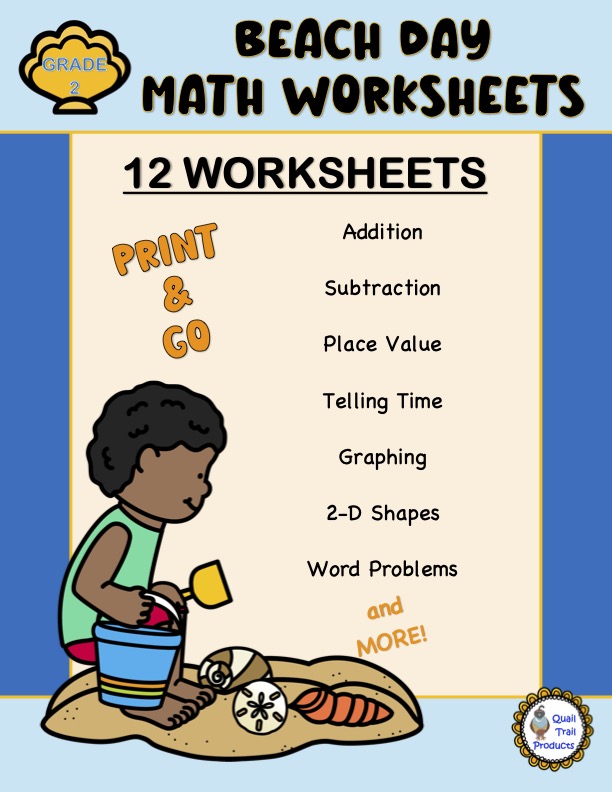
Get your grade 2 learners in the groove with these 9 grid/ coordinate plane worksheets . Designed with differentiated learning in mind, this packet includes worksheets for three skill levels. For those learners being introduced to grids/coordinate planes, there is a worksheet on labeling the parts of a grid. The worksheets then progress to identifying squares on the grid/coordinate plane and coloring/drawing in the corresponding squares. Finally, for those learners comfortable in their grid/coordinate plane skills, there are questions for them to answer about data presented in the grid/coordinate plane. Each worksheet has a different theme that is meant to appeal to a variety of learners. Worksheets in this product are great for homework, large group or small group work, or individual seat work. An answer key is provided. When you purchase this product, you will receive: WORKSHEET 1: learners will follow given directions to fill-in the various parts of the grid/coordinate plane. WORKSHEET 2: learners will follow given directions to color the coordinating squares on the grid/coordinate plane. WORKSHEET 3: learners will follow given directions to draw shapes in the coordinating squares on the grid/coordinate plane. WORKSHEET 4: learners will follow given directions to put stickers in the coordinating squares on the grid/coordinate plane. WORKSHEET 5: learners will follow given directions to draw "nature" items in the coordinating squares on the grid/coordinate plane. WORKSHEET 6: learners will answer questions about data provided on the grid/coordinate plane (animal theme). WORKSHEET 7: learners will answer questions about data provided on the grid/coordinate plane (sports theme). WORKSHEET 8: learners will answer questions about data provided on the grid/coordinate plane (school supplies theme). WORKSHEET 9: learners will answer questions about data provided on the grid/coordinate plane (transportation theme). ANSWER KEY
Author Quail Trail Products
Tags Grids, Coordinate Planes, Fill-In, Graphing, Coordinate Plane Drawing Worksheets, Grid Worksheets
Guided Reading Level M - Air Pollution (with Lesson Plan)
ELA, Resources for Teachers, Reading Comprehension, Reading, Science, Technology, Physics, Life Sciences, Earth and Environmental Sciences, Environmental Science, Grade 2, 3, 4, Worksheets & Printables, Worksheets, Teacher Tools, Centers, Activities, Literacy Readers, Quizzes, Quizzes and Tests, Assessments, Lesson Plans
This Guided Reading Book - Understanding Air Pollution (Level M) with lesson plan includes: Guided Reading Color Label (front cover x1) This is a quick way to match the book’s demands to what students can generally handle.. The overall goal is to use the level/color to pick books for several smaller groups. To qualify for a certain level, a student is expected to read a book from that level with about 90–94% accuracy. If a student is consistently accurate and understands, move up a level. If the student is struggling at that level, drop down and add more support. Each student will improve at completely different rates, but it is generally one of the best ways to check progress across the class. DOWNLOAD THE CATALOG TO VIEW ALL GUIDED READING BOOKS AVAILABLE (SORTED LEVELS A-Z) Pre-Reading Question (x1) Teacher asks the prompt aloud, can be while showing the cover or first page. Students share what they already know, or make educated guesses from the cover. Prompt them to use the target vocabulary. Write some of their responses on the board to look back at during the reading. Vocabulary Words (x5) Introduce the five words, best doing it one at a time. Start by saying it, while students repeat and then see if anyone knows what it means before reading further. Read through the meaning and try to briefly connect each word to a picture or gesture so it’s meaningful. Ask students to flip through the book pages and point to where they see each of the vocabulary words. While reading the book pause upon coming across one of the vocab words or read the sentence twice to make sure students understand the word has appeared. Optional: Ask students to raise hands whenever they see/hear one of the new words. Guided Reading Pages (x10) Check the book snapshot (below) for: primary topic - do you need to prep extra reading or intro materials on this? what is taught best - decide on 1-2 bullets to focus on, use the prompt or words provided here for best results. learning goals - what you are checking for students to be able to do after the session, elicit answers using prompts or words provided. key vocabulary (see section above). questions overview - so you know what is coming up and if you need to prep extra materials to assist understanding. Run the lesson You may have already looked at a few of the pages together, but you can show them some of the pictures again first to set meaning. Depending on how much time you have and how familiar your students are with guided reading class, you may want to read the book aloud first with the group first. Students whisper or partner read, while you listen in. If time, do it as a group, one student reading a page each. Use the guided page’s prompts to coach: “Check the picture / does it make sense?” “Point under the words / try the first sound” “Reread the sentence smoothly”. Try to focus more on one student per session (rotating every time), so you can work out if they are ready to move up or need to move down a level. Comprehension Questions (back cover x3) This is your way to check that students didn’t just say the words, but actually understood the text. First, let students answer by pointing to the page/picture and saying a short sentence. After any answer, follow with: “Show me where you found that in the text.” In bigger groups, have partners answer first (10–20 seconds), then call on 2–3 students to share. Differentiation tips: Emerging speakers/struggling readers: oral + pointing On-level: oral in a full sentence Higher: one written sentence or draw + label Book Snapshot Title: Understanding Air Pollution Genre: Nonfiction (informational science text) Subject: Science (Earth & Environmental Science) Primary Topic: What air pollution is and how it happens Estimated Guided Reading Level (A–Z): M What This Book Teaches Best Introduces the atmosphere as an “invisible blanket” of air around Earth that living things need. Explains what clean air is mostly made of (nitrogen and oxygen) and why transparent air matters for sunlight and plant growth. Defines air pollution and shows that it can be visible (dust, soot) or hidden (invisible gases). Describes major sources of air pollution from transportation and from factories/power plants that burn fuels. Connects air pollution to real effects, including smog , health problems from particulate matter, and damage to plants through acid rain. Learning Goals Describe what the atmosphere is and why it is important for living things. Identify what clean air is mostly made of and describe characteristics of clean air from the text. Explain what air pollution is and name examples of pollutants described in the book. Describe how transportation and factories/power plants contribute to air pollution. Explain what smog is and how it forms, using details from the text. Describe one way technology can reduce air pollution based on the book’s examples. Key Vocabulary From the Text atmosphere — blanket of air around Earth. nitrogen — a gas that makes up much of clean air. oxygen — a gas living things need to survive. particulate — made of tiny pieces or specks. turbines — machines with blades that spin to make electricity. Discussion Prompts Pre-reading question: What are some things you think can make the air around us less clean? Comprehension questions: What two gases is clean air mostly made of? Comprehension questions: What is smog, according to the text? Comprehension questions: How do wind turbines and solar panels help reduce air pollution in the book? Printing Tips 1. Best Printing Method (Recommended) “Booklet” Printing (Best if Available) If your printer or PDF viewer supports Booklet Printing , use this. Settings to use: Print mode: Booklet Paper size: Letter or A4 (either works) Orientation: Landscape Print on both sides: Yes Flip on: Short edge Scaling: Fit to printable area Booklet subset: First test: Front sides only Then: Back sides only This will automatically: Pair pages correctly Put the cover on the outside Align everything for folding After printing, fold in half and staple along the spine . 2. If “Booklet” Printing Is NOT Available You can still print this correctly with manual duplex printing . Step-by-step: Open the PDF. Choose Print . Set: Orientation: Landscape Pages per sheet: 1 Print on both sides: Yes Flip on: Short edge Print all pages . Because each PDF page already contains two facing book pages, the result will still fold cleanly into a book. Thousands of Cored Education products are included with your TeachSimple membership. Download links and encyclopedia index available here.
Author Cored Education
Rating
Tags Reading Comprehension, Reading Passages, Reading, Guided Reading, Guided Reading Lesson Plan, Guided Reading Activity, Pre-reading, Science Lesson Plans, Earth Science, Physics
Guided Reading Level G - Amazing Inventions (with Lesson Plan)
ELA, Resources for Teachers, Reading Comprehension, Reading, Science, Engineering, Technology, Language Development, Pre-Reading, Vocabulary, Grade 1, 2, 3, Worksheets & Printables, Worksheets, Teacher Tools, Centers, Activities, Literacy Readers, Quizzes, Quizzes and Tests, Assessments, Lesson Plans
This Guided Reading Book - Amazing Inventions (Level G) with lesson plan includes: Guided Reading Color Label (front cover x1) This is a quick way to match the book’s demands to what students can generally handle.. The overall goal is to use the level/color to pick books for several smaller groups. To qualify for a certain level, a student is expected to read a book from that level with about 90–94% accuracy. If a student is consistently accurate and understands, move up a level. If the student is struggling at that level, drop down and add more support. Each student will improve at completely different rates, but it is generally one of the best ways to check progress across the class. DOWNLOAD THE CATALOG TO VIEW ALL GUIDED READING BOOKS AVAILABLE (SORTED LEVELS A-Z) Pre-Reading Question (x1) Teacher asks the prompt aloud, can be while showing the cover or first page. Students share what they already know, or make educated guesses from the cover. Prompt them to use the target vocabulary. Write some of their responses on the board to look back at during the reading. Vocabulary Words (x5) Introduce the five words, best doing it one at a time. Start by saying it, while students repeat and then see if anyone knows what it means before reading further. Read through the meaning and try to briefly connect each word to a picture or gesture so it’s meaningful. Ask students to flip through the book pages and point to where they see each of the vocabulary words. While reading the book pause upon coming across one of the vocab words or read the sentence twice to make sure students understand the word has appeared. Optional: Ask students to raise hands whenever they see/hear one of the new words. Guided Reading Pages (x10) Check the book snapshot (below) for: primary topic - do you need to prep extra reading or intro materials on this? what is taught best - decide on 1-2 bullets to focus on, use the prompt or words provided here for best results. learning goals - what you are checking for students to be able to do after the session, elicit answers using prompts or words provided. key vocabulary (see section above). questions overview - so you know what is coming up and if you need to prep extra materials to assist understanding. Run the lesson You may have already looked at a few of the pages together, but you can show them some of the pictures again first to set meaning. Depending on how much time you have and how familiar your students are with guided reading class, you may want to read the book aloud first with the group first. Students whisper or partner read, while you listen in. If time, do it as a group, one student reading a page each. Use the guided page’s prompts to coach: “Check the picture / does it make sense?” “Point under the words / try the first sound” “Reread the sentence smoothly”. Try to focus more on one student per session (rotating every time), so you can work out if they are ready to move up or need to move down a level. Comprehension Questions (back cover x3) This is your way to check that students didn’t just say the words, but actually understood the text. First, let students answer by pointing to the page/picture and saying a short sentence. After any answer, follow with: “Show me where you found that in the text.” In bigger groups, have partners answer first (10–20 seconds), then call on 2–3 students to share. Differentiation tips: Emerging speakers/struggling readers: oral + pointing On-level: oral in a full sentence Higher: one written sentence or draw + label Book Snapshot Title: Amazing Inventions Genre: Nonfiction (informational text) Subject: Science/Technology + Reading (Informational Text) Primary Topic: Inventions and how they help people Estimated Guided Reading Level (A–Z): G What This Book Teaches Best Introduces common inventions (wheel, lightbulb, telephone, computer, camera, airplane, refrigerator, clock, robot) and what each one does. Explains how inventions help people in everyday life (moving heavy things, seeing in the dark, connecting over distances, doing work quickly, keeping food cold, telling time, doing chores). Builds understanding of technology as something that changes, with “new things… invented every day to help people.” Supports describing key details from short informational passages paired with clear photos. Learning Goals Identify several inventions named in the book and tell what each helps people do. Describe how a wheel helps move heavy things from place to place. Explain how a lightbulb helps people see when it is dark outside. Tell how a telephone connects people who are far apart. Describe one way computers help people work quickly and what they can do. Explain what the book says about technology changing and new inventions helping people. Key Vocabulary From the Text invention — something made for the first time to help people. electricity — power that runs lights and machines. distances — how far apart places are. refrigerator — a machine that keeps food cold. sensors — parts that help a machine notice what is around it. Discussion Prompts Pre-reading question: What inventions do you use, and how do they help you? Comprehension questions: How do wheels help move heavy things from place to place? Comprehension questions: What does a lightbulb help people do when it is dark outside? Comprehension questions: What does the book say about new technology and how it helps people? Printing Tips 1. Best Printing Method (Recommended) “Booklet” Printing (Best if Available) If your printer or PDF viewer supports Booklet Printing , use this. Settings to use: Print mode: Booklet Paper size: Letter or A4 (either works) Orientation: Landscape Print on both sides: Yes Flip on: Short edge Scaling: Fit to printable area Booklet subset: First test: Front sides only Then: Back sides only This will automatically: Pair pages correctly Put the cover on the outside Align everything for folding After printing, fold in half and staple along the spine . 2. If “Booklet” Printing Is NOT Available You can still print this correctly with manual duplex printing . Step-by-step: Open the PDF. Choose Print . Set: Orientation: Landscape Pages per sheet: 1 Print on both sides: Yes Flip on: Short edge Print all pages . Because each PDF page already contains two facing book pages, the result will still fold cleanly into a book. Thousands of Cored Education products are included with your TeachSimple membership. Download links and encyclopedia index available here.
Author Cored Education
Rating
Tags Reading Comprehension, Reading Passages, Reading, Guided Reading, Guided Reading Lesson Plan, Guided Reading Activity, Pre-reading, Science Lesson Plans, Technology, Engineering
Articulation Speech Therapy R Blends Puzzles Crosswords Codebreakers Jumbles Word Searches and More
ELA, Special Resources, Speech Therapy, Language Development, ESL, Grade 2, 3, 5, 6, Word Searches, Worksheets, Worksheets & Printables
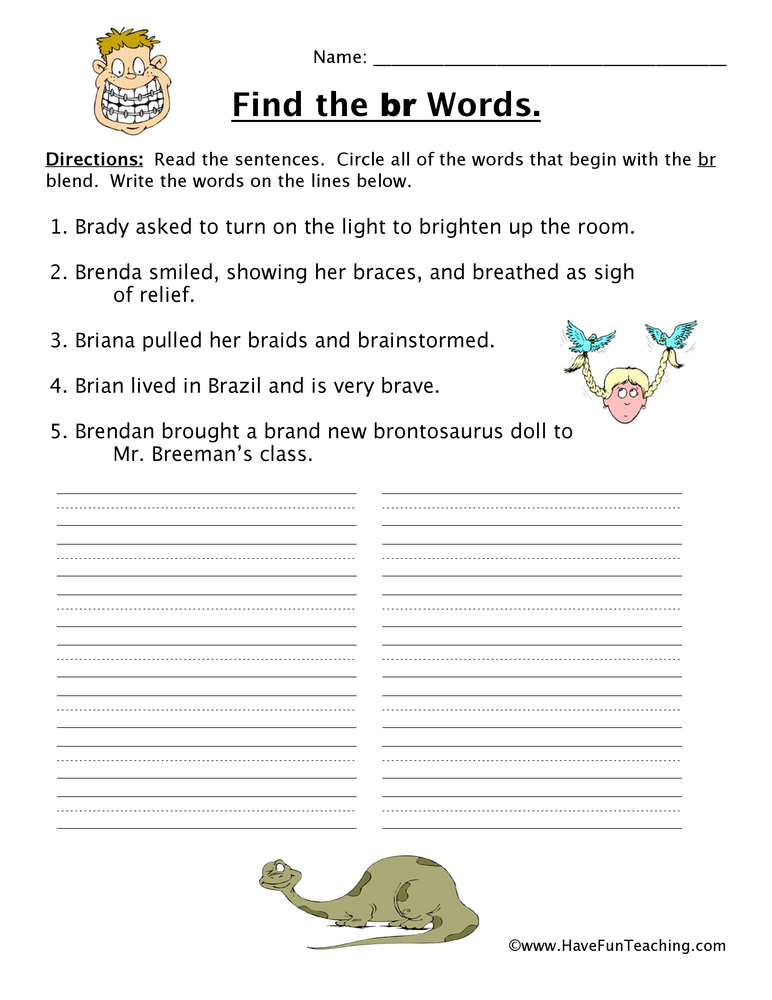
These speech therapy articulation R blend puzzles are an excellent tool for individuals or group therapy sessions. They are designed to be fun and engaging while helping students practice their speech sound production. Say the words in isolation or in sentences. Practice, practice, practice!!! Objective: These puzzles specifically target specific sound blends, such as "br," "cr," "fr," "gr," "pr," and "tr," which are typically difficult for students with speech sound disorders. The goal is to keep your students practicing these blends over and over until they achieve correct speech sound production. These puzzles are also great for mixed groups as they can be used for students with language goals as well. Build vocabulary, critical thinking, processing and expressive language. Use metalinguistic and metacognitive skills. Have fun while learning. A great interactive language learning tool. In addition to improving speech sound production, our puzzles also help build vocabulary and critical thinking skills. This resource includes a large variety of puzzles such as crosswords, codebreakers, word searches , jumbles, matching, anagrams, mystery puzzles, and more. You can use them during therapy sessions or assign them as homework for extra practice. These puzzles are perfect for both individual and group therapy sessions. They are easy to just print and go! Speech Therapy, Articulation Puzzles, R Blends, Individual Therapy, Group Therapy, Crosswords, Codebreakers, Word Searches , Jumbles, Matching, Anagrams, Mystery Puzzles, Homework Practice, Building Vocabulary, Critical Thinking.
Author Ivybee Speech
Tags Speech And Language Therapy, ESL, Articulation, Phonemes, Vocabulary, Sounds, Speech Sound Disorders, Puzzles, Crosswords, Critical Thinking
Easy Word Search: 1 Page Sample (PDF)
ELA, Language Development, Resources for Teachers, Vocabulary, Spelling, Numbers, Early Math, Math, Shapes, ESL, Grade 2, 3, 4, 5, Worksheets & Printables, Worksheets, Teacher Tools, Centers, Activities, Word Searches
THIS IS A ONE PAGE SAMPLE OF A SIX PAGE WORD SEARCH DOWNLOAD FULL SIX PAGE WORD SEARCH DOWNLOAD INFORMATION This wordsearch series is designed for students in grades 2–5. Each set of wordsearches is built around a clear vocabulary theme, helping students develop word recognition, improve spelling, and boost topic-related understanding through engaging visual puzzles. Every wordsearch also includes a fun hidden shape for students to guess—adding an interactive twist to traditional vocabulary practice. These wordsearches are student-friendly, classroom-ready, and perfect for integrating into literacy warmups, seasonal units, fast-finisher tasks, or home learning extensions. Each puzzle reinforces themed vocabulary in a playful, structured format that keeps learners motivated. Easy Word Search Word List 1. Colors Red, Blue, Yellow, Green, Pink, Black, White, Orange 2. Animals Dog, Cat, Cow, Fish, Bird, Frog, Ant, Duck 3. Weather Sun, Rain, Snow, Wind, Cloud, Storm, Cold, Hot 4. Numbers One, Two, Three, Four, Five, Six, Seven, Eight 5. Shapes Circle, Square, Triangle, Heart, Star, Oval, Diamond, Rectangle 6. School Book, Pen, Desk, Bag, Paper, Bell, Glue, Crayon PDF Version Other versions will appear here when available. Follow the store for the lastest on new products. How to Use These Wordsearches These wordsearches are ideal for: Morning work or early finisher bins Vocabulary centers or anchor activities Holiday or seasonal review lessons Independent literacy stations or take-home enrichment Each puzzle includes a themed word list and a shaped grid for students to complete. Word directions may vary (horizontal, vertical, diagonal), and answer keys are included for easy checking. Optional vocabulary challenges or writing tasks can be added to extend the learning experience. Whether you're reviewing key vocabulary, exploring a seasonal topic, or offering fun literacy practice, these wordsearches provide a flexible and engaging tool to support vocabulary growth in grades 2–5. More Easy Themed Products CROSSWORDS FULL CATALOG OF DOWNLOAD LINKS HERE Themed Word Search Links Addition PDF Animals PDF Around the Home PDF Birthday PDF Candy PDF Christmas PDF Cinco de Mayo PDF Clothes PDF Colors PDF Days and Months PDF Division PDF Earth Day PDF Easter PDF Easy Word Searches PDF Fall PDF Father's Day PDF Food PDF Geography (Set 1) PDF Geography (Set 2) PDF Geography (Set 3) PDF Graduation PDF Health PDF History (Set 1) PDF History (Set 2) PDF History (Set 3) PDF Human Body PDF Kindness PDF Life Skills PDF Mother's Day PDF Multiplication PDF Science Word Searches (Set 1) PDF Science Word Searches (Set 2) PDF Science Word Searches (Set 3) PDF Shapes PDF Social Skills PDF Spring PDF Sports PDF St. Patrick's Day PDF Subtraction PDF Summer PDF Thanksgiving PDF Transport PDF Valentine's Day PDF Winter PDF Wordsearches in Depth Structure Each wordsearch is crafted around a focused sub-theme and includes a visual puzzle shaped like a related object (e.g., balloon, gift, snowman). Students complete each puzzle using the provided themed word list, strengthening both content knowledge and spelling skills in a highly engaging format. Each completed set includes: A shaped wordsearch puzzle with 10 vocabulary words A student instruction guide with search directions (horizontal, vertical, diagonal) An answer key for teacher support or student self-checking A Did You Know? fact connected to the theme for enrichment or discussion Themes Included The wordsearches cover a wide range of fun, age-appropriate themes, including: Seasons & Holidays (e.g., Halloween, Easter, Valentine’s Day) Math Concepts (e.g., Addition, Number Words) Everyday Topics (e.g., Animals, Weather, School) Special Units (e.g., Health, Earth Day, Sports, Kindness) Each topic is selected to reflect students’ real-life experiences and interests while reinforcing literacy skills and content understanding in a playful, visual way. For similar downloads and other frees, do check out Cored Group on TeachSimple.
Author Cored Education
Rating
Tags Vocabulary, Spelling, Colors, Animals, Numbers, Weather, Shapes, Easy Activities, Easy Word Searches, Word Searches
Reading Comprehension Passages Fiction Set 7 - Sports (Word)
ELA, Reading, Reading Comprehension, Common Core, Vocabulary, Language Development, Grammar, Children’s Literature, Literature, Resources for Teachers, Grade 2, 3, Worksheets & Printables, Worksheets, Writing Prompts, Assessments, Teacher Tools, Tests, Quizzes and Tests
Reading Comprehension Passages Fiction Set 7 Overview Fascinating reading comprehension passages, each with an array of activities included. Stories are written for the modern classroom and topics are designed to promote enthusiasm from each student. Each lesson contains a mixed questions section to check understanding, a vocabulary or spelling activity to help remember key language introduced, and a writing exercise. Full answer keys are provided. For a more detailed overview, check the section under the links at the bottom of this description. Passages Include 1.Catch It, Dan: Dan is at the ball game and wants to catch a foul ball. 2.Feeling Left Out: Polly isn't invited bowling by her friends and wants to knowwhy. 3.Ian's Friday Nights: Ian wants to be anywhere but the bleachers on Friday nights. 4.Aimee's Dilemma: Soccer or cheerleading? That is the question. 5.A Great Team: Adam & Justin both want to play first base. How will they sortit? 6.Ana's Swimming Party: Jodie can't swim and doesn't want her friends to find out. 7.Touchdown Pythons: Serena loves her first football game. 8.Sam's Passion: Sam talks about his passion for Karate in this passage. 9.Where's My Board: Kerry spends all the story looking for her skateboard. 10.Lacey the Runner: Lacey has dreams to run in the Olympics. Read to find out more. Additional File: Ana's Swimming Party: Invitation Templates Word Version This is the Word editable version. This download is available in GOOGLE Docs, GOOGLE Forms, GOOGLE Slides. PDF, PPT, WORD. FULL CATALOG OF DOWNLOAD LINKS HERE Grade 2/3 Links Fiction Set 1 - Nature Google Docs Google Forms Google Slides PDF PPT Word Guided Reading Materials Fiction Set 2 - Animals Google Docs Google Forms Google Slides PDF PPT Word Guided Reading Materials Fiction Set 3 - Food Google Docs Google Forms Google Slides PDF PPT Word Guided Reading Materials Fiction Set 4 - School Google Docs Google Forms Google Slides PDF PPT Word Guided Reading Materials Fiction Set 5 - Friends Google Docs Google Forms Google Slides PDF PPT Word Guided Reading Materials Fiction Set 6 - Family Google Docs Google Forms Google Slides PDF PPT Word Guided Reading Materials Fiction Set 7 - Sports Google Docs Google Forms Google Slides PDF PPT Word Guided Reading Materials Nonfiction Set 1 - Technology Google Docs Google Forms Google Slides PDF PPT Word Guided Reading Materials Nonfiction Set 2 - Nutrition Google Docs Google Forms Google Slides PDF PPT Word Guided Reading Materials Nonfiction Set 3 - Animals Google Docs Google Forms Google Slides PDF PPT Word Guided Reading Materials Reading Passages Overview Each passage is especially written for Grade 2-3 students, including key vocabulary required for this age group. Topics are varied and are accompanied by colorful graphics. Topics are meant to educate, yet entertain the modern student. These passages are perfect for the modern classroom. Whereas textbooks can become outdated in no time, any changes to technology or the world will result in updates to this product. Mixed Questions The mixed questions section of each lesson includes a variation of fivecomprehension, vocabulary and math questions. In addition, key reading strategies are frequently covered including cause & effect, summarizing, compare & contrast and making conclusions. Three of the questions will be MCQs and two will require a written response of some kind. Full answers and example responses appear at the end of the lesson. Spelling & Vocab Each reading passage contains a variety of words and phrases designed for Grade 2-3 students. Spelling and vocab activities provide the opportunity to build fluency with these words. As it can become quite mundane doing the same activities over and over, each lesson in a set will contain a different spelling and vocab activity . Writing Prompts Writing prompts are designed to continue the theme or lessons learned in the story. Students are persuaded to write in a variety of ways and each prompt includes several cues to help. As with the spelling/vocab section, writing prompts will vary. This includes research pieces, reading responses, poetry and creative writing prompts. Full Answer Keys Full answer keys and sample responses are provided so no matter how busy you are, you know you're covered! Mixed question answers provide evidence from the text, math questions contain the relevant workings. Answers are designed for use by the teacher, but also suitable as a handout to the student. Additional File One lesson will have an additional file. This is something fun to extend the lesson with. For similar downloads and other frees, do check out Cored Group on TeachSimple.
Author Cored Education
Tags Elementary, Reading, Comprehension, Vocabulary, Answers, Ccss, Common Core, Spelling, Writing, Passages
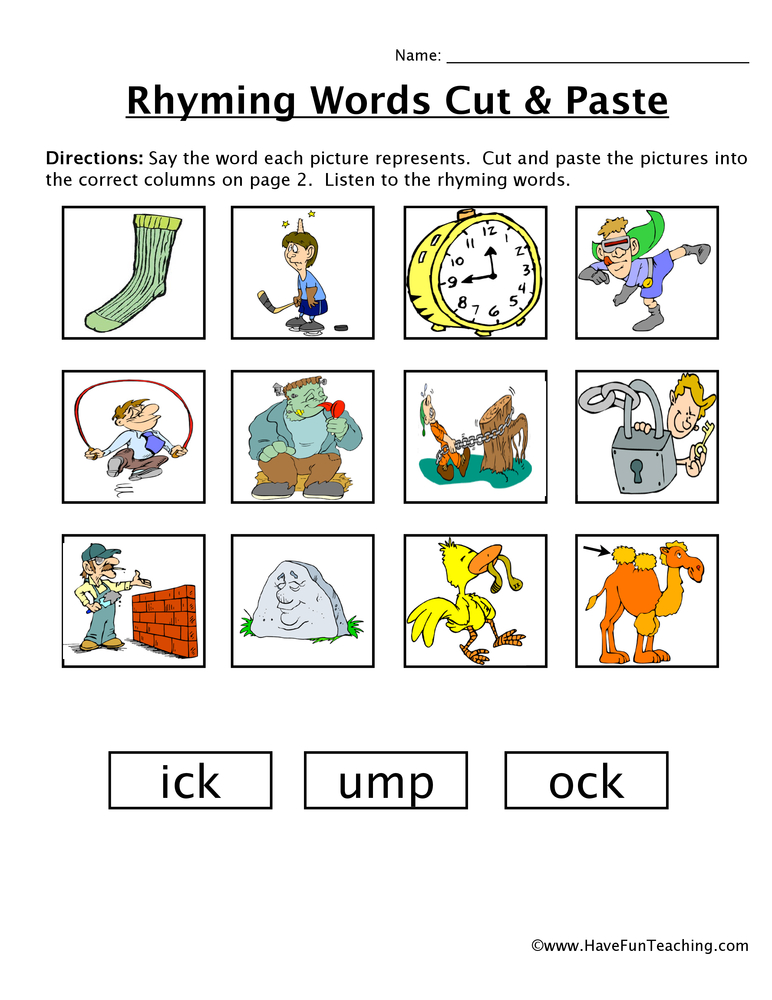
-ick & -uck Worksheets
ELA, Language Development, Vocabulary, Reading, Spelling, Writing, Grade 1, 2, Worksheets & Printables, Worksheets
This short & sweet resource has these types of activities: -ick Family Sentences -ick cut & paste match activity worksheet -ick word building -uck word scramble making -uck words building -uck words My -uck words flip book activity where students cut & paste. My -ick words flip book activity where students cut & paste. Check out the thumbnails to see how this product is an easy addition to your current lesson plan. Thanks & have fun!
Author Soumara Siddiqui
Tags -ick, -uck
SUFFIXES | -hood -less -ous & -ward | Digital + Printable Quiz & List
ELA, Language Development, ESL, Grammar, Vocabulary, Common Core, Grade 1, 2, 3, Worksheets, Worksheets & Printables
Suffixes Made FUN: Boost Your Word Power! This jam-packed resource pack is your secret weapon to conquering suffixes! It's perfect for everyone – beginners, adults, and ESL learners alike. No tech hassles here! Everything you need comes in easy-to-use PDFs. Master these 4 suffixes: -hood -less -ous & -ward (Want more? Check out the full series for 20+ suffixes!) Across this entire series, the following suffixes are included: al, er, ing, ly, ful, ish, ist, ness, hood, less, ous, ward, able, ment, ship, tive, ance / ence, ity, logy, and tion. 4 Fun-tastic Activities: Interactive Quizzes: Test your suffix smarts with 2 exciting digital quizzes! Choose from filling the blanks or tackling a mixed bag of suffixes. Definition Detectives: Sharpen your skills by transforming definitions into suffix-powered words. You can easily flick through all the different definitions by using the arrow keys on your keyboard. Printable Powerhouse: Solidify your learning with awesome paper-based activities! Complete fill-in-the-blanks and more. Vocabulary Champs: Become a suffix superstar with vocabulary charts packed with words, meanings, and examples. Plus, a bonus list of 100 suffix-rich words to explore! Benefits for Everyone: Learn Your Way: Choose digital or printable activities to fit your style – perfect for online or classroom learning. Comprehensive Coverage: Tackle 20 of the most common suffixes! Independent Practice: Answer keys included for easy checking. Learn with a Smile: This resource makes learning suffixes fun and engaging. Get Started Today! This resource is all about empowering you to master suffixes in a fun and interactive way. While some activities may share a few sentences, the focus is on giving you a variety of ways to learn. This resource was created based on Common Core Standards (CCSS) The following standards are incorporated: L.1.4b, L.2.4b, L.3.4b, and L.3.4b Unsure about anything? Just shoot me an email at toms.talk.resources@gmail.com .
Author Tom's Talk
Tags Suffix, Suffixes, Grammar, PDF, Presentation, Digital, Worksheet, Fill-in-the-blanks, Fill In The Blanks, Handout
Dolphins Reading Comprehension Passage - Cored Ed Encyclopedia
ELA, Language Development, Resources for Teachers, Reading Comprehension, Reading, Pre-Reading, Writing, Animals, Life Sciences, Science, Grade 2, 3, 4, 5, Worksheets & Printables, Worksheets, Teacher Tools, Centers, Activities, Writing Prompts, Assessments, Tests, Quizzes and Tests, Quizzes
This dolphins reading comprehension contains the following: Pre-Reading Trivia Students will write down one thing they already know about the subject and then read five more facts and discuss. These facts are fun, and the students will enjoy learning about the subject before reading more. Reading Passage The text is a high-interest reading passage with set paragraphs, roughly three to four paragraphs long. It contains a variety of themes about the topic, anywhere from history to technology. The passage is between 250 and 350 words in length. Mixed Questions The first question page contains four multiple-choice questions, each with a choice of four answers, and three written response questions that require a sentence or two from the student. Creative Writing In this question, the student will be required to write a five to eight sentence paragraph on a question related to the topic. Extension Activities This page is optional for fast finishers. If there are five to ten minutes left at the end of the lesson, the student can choose one of three activities, each one requiring a different skill. Answer Key There are answers for the multiple-choice questions and three written response questions have sample answers. FULL CATALOG OF DOWNLOAD LINKS AND ENCYCLOPEDIA INDEX HERE Cored Ed Encyclopedia Overview The Cored Ed Encyclopedia is a weekly series of lessons that you can pick up and use right away. These short readings fit into whatever time you have available. Each one includes a warm-up, a reading, and a set of questions, but it’s flexible — you can do just the reading, the full lesson, or skip the writing section if you need to. Each lesson focuses on a single topic so students don’t get lost. The writing is clear but never childish, making it perfect for grades two through five. Topics range from animals and science to history, inventions, and everyday things. No matter the level of the student, everyone should take away at least one new idea or fact from each lesson. The materials are easy to print, easy to explain, and require no setup. They work well for whole-class teaching, partner work, or independent study.
Author Cored Education
Rating
Tags Vocabulary, Spelling, Reading Comprehension, Reading Passages, Cored Encyclopedia, Facts, Reading, Creative Writing, Dolphins, Life Science
Pirates Literacy and Math Activity Packet and Worksheets
Social Studies, History, History: World, Grade 1, 2, 3, Worksheets, Worksheets & Printables
This " Pirates Literacy and Math Activity Packet and Worksheets " is no prep required - so the packet is great as printable worksheets for extra work or sub plans or to enhance a literacy or math unit. Many of these activities are differentiated so there are options for kids at all levels between Grades 1 and 3. Please note that not all activities in this packet will meet your class' particular levels, but there should be enough variation in the resources from your high flyers to those that are more challenged.
Author KP Classroom
Tags Pirate, Treasure, Activity, Printable, Pirates Place Value
Candy Reading Comprehension Passages and Questions Google Docs
ELA, Language Development, Resources for Teachers, Vocabulary, Spelling, Reading Comprehension, Reading, Early Math, Math, Common Core, Grade 2, 3, 4, 5, Worksheets & Printables, Worksheets, Teacher Tools, Centers, Activities, Assessments, Tests, Quizzes and Tests, Word Problems, Writing Prompts
Themed Reading Comprehension Passages Series - Candy This reading comprehension series is built for grades 2 to 5 and keeps things simple, clear, and easy to use. Every title follows a fun, kid-friendly theme and comes with two passage levels, one written for grades 2 to 3 and a more challenging version for grades 4 to 5. Students then work through a mix of follow-up pages that check understanding in different ways: multiple-choice questions, short written responses, scrambled words, a quick summary, and a theme-based word problem. Answer keys are included, so prep stays minimal. Each resource also comes in nine classroom-friendly formats, so you can choose what fits your setup: print or digital, editable or ready to go, and even self-grading options. Because the layout stays consistent, it is easy to plug into whole-class lessons, small groups, literacy centers, morning work, fast finisher tubs, sub plans, or home learning. It is a straightforward way to build comprehension, practice reading skills in context, and strengthen written responses without adding extra steps for you. Candy Lesson List Note: This product has titles different to those in the rest of the themed series. 1. Candy Types 2. Candy Flavors 3. Candy Shapes and Colors 4. Candy Ingredients 5. Candy Fun Facts GOOGLE DOCS VERSION Editable worksheet-style pages in the cloud, ideal for sharing, commenting, and assigning through Google Classroom. Other versions are available in the links list below or in the full catalog. How to Use These Lessons Perfect for: Morning work or early-finisher bins Guided reading blocks or comprehension warmups Literacy centers or small-group rotations Holiday/seasonal review lessons Independent stations, sub plans, or take-home enrichment More Candy Themed Products CROSSWORDS WORDSEARCHES MAZES FULL CATALOG OF DOWNLOAD LINKS HERE Themed Reading Links Addition Animals Around the Home Birthday FORMATS: -FORMAL ASSESSMENT VERSION -PRESENTABLE PDF -PPT -SLIDES - PDF -FILLABLE PDF -WORD -FORMS -DOCS SUPPLEMENTARY MATERIALS (COMING SOON): -VISUAL READING PASSAGE VIDEO -GUIDED LEARNING VIDEO -LESSON PLANS Candy FORMATS: -FORMAL ASSESSMENT VERSION -PRESENTABLE PDF -PPT -SLIDES -PDF -FILLABLE PDF -WORD -FORMS -DOCS SUPPLEMENTARY MATERIALS (COMING SOON): -VISUAL READING PASSAGE VIDEO -GUIDED LEARNING VIDEO -LESSON PLANS Christmas Cinco de Mayo Clothes Colors Days and Months Division Earth Day Easter Easy Mazes Fall Father's Day Food Geography (Set 1) Geography (Set 2) Geography (Set 3) Graduation Health History (Set 1) History (Set 2) History (Set 3) Human Body Kindness Life Skills Mother's Day Multiplication Science (Set 1) Science (Set 2) Science (Set 3) Shapes Social Skills Spring Sports St. Patrick's Day Subtraction Summer Thanksgiving Transport Valentine's Day Winter Free One Lesson Themes Chinese New Year Lunar New Year Halloween Pink Shirt Day Independence Day Juneteenth President's Day Groundhog Day Readings in Depth Structure Each resource is built around a focused sub-theme within the broader topic. Students read two leveled passages (Grades 2–3 and Grades 4–5), then move through a short, consistent sequence of activities that checks understanding and keeps momentum: multiple-choice, brief written responses, a scrambled-words review, a compact summary task, and a light theme-linked word problem. The flow is predictable for students, but varied enough to feel fresh across topics. Each completed resource includes: Two differentiated reading passages (lower and upper level) A multiple-choice comprehension page Short written-response questions A scrambled-words or quick vocabulary check A brief summary activity A simple, theme-connected word problem Answer keys for fast marking and easy self-checking Nine classroom-friendly formats, including print, editable, digital, and self-grading options Themes Included These readings span a wide range of age-appropriate, high-interest topics, such as: Seasons and celebrations Real-world science and nature Community, character, and life skills Everyday high-frequency themes students already enjoy Each title connects to familiar experiences while strengthening comprehension, vocabulary in context, and clear written expression. Easy extensions (optional): Read twice: first for gist, second to highlight key details Write two “right there” questions and swap with a partner Create a 3-bullet fact list or mini mind map Turn the summary into a 3-sentence retell using sequence words Add one extra math question connected to the topic Compare the two levels: what details appear in both? Differentiation tips: Pre-teach 2–3 key words with quick examples Offer sentence starters for written responses Use partner reading: one reads aloud, one tracks evidence Allow highlighting or underlining before answering questions Provide a shorter chunking option for students who need breaks Encourage confident readers to justify answers with a quoted detail For similar downloads and other frees, do check out Cored Group on TeachSimple.
Author Cored Education
Rating
Tags Vocabulary, Spelling, Candy, Candy Activities, Writing Prompts, Word Problems, Reading Comprehension, Candy Reading, Candy Passages, Reading Passages
Reading Comprehension Nonfiction Set 2 - Nutrition (Google Docs)
ELA, Reading, Common Core, Reading Comprehension, ESL, Language Development, Spelling, Vocabulary, Writing, Resources for Teachers, Grade 2, 3, Worksheets & Printables, Worksheets, Assessments, Teacher Tools, Quizzes and Tests, Tests, Centers, Activities, Writing Prompts
Reading Comprehension Passages Nonfiction Set 2 Overview Engaging nonfiction articles, each with a collection of different activities included. Articles are written for the modern classroom and topics are designed to promote enthusiasm from each student. Each lesson contains a mixed questions section to check understanding, a vocabulary or spelling activity to help remember key language introduced, and a writing exercise. Full answer keys are provided. Passages Include 1.Proteins: After water, protein makes up most of the weight in our bodies. 2.Carbohydrates: Carbohydrates are the principal source of energy for the body. 3.Fats: What are trans fats? Learn all about them in this lesson. 4.Milk: There are many kinds of milk, each has its own advantages. 5.Potatoes: Did you know potatoes originate from South America? 6.Composting: Read how to make your very own compost heap in this article. Additional File: Milk: Nutritional Values Printable Docs Version This is the Google Docs editable and fillable version. This download is available in GOOGLE Docs, GOOGLE Forms, GOOGLE Slides. PDF, PPT, WORD. FULL CATALOG OF DOWNLOAD LINKS HERE Grade 2/3 Links Fiction Set 1 - Nature Google Docs Google Forms Google Slides PDF PPT Word Guided Reading Materials Fiction Set 2 - Animals Google Docs Google Forms Google Slides PDF PPT Word Guided Reading Materials Fiction Set 3 - Food Google Docs Google Forms Google Slides PDF PPT Word Guided Reading Materials Fiction Set 4 - School Google Docs Google Forms Google Slides PDF PPT Word Guided Reading Materials Fiction Set 5 - Friends Google Docs Google Forms Google Slides PDF PPT Word Guided Reading Materials Fiction Set 6 - Family Google Docs Google Forms Google Slides PDF PPT Word Guided Reading Materials Fiction Set 7 - Sports Google Docs Google Forms Google Slides PDF PPT Word Guided Reading Materials Nonfiction Set 1 - Technology Google Docs Google Forms Google Slides PDF PPT Word Guided Reading Materials Nonfiction Set 2 - Nutrition Google Docs Google Forms Google Slides PDF PPT Word Guided Reading Materials Nonfiction Set 3 - Animals Google Docs Google Forms Google Slides PDF PPT Word Guided Reading Materials Reading Passages Overview Each passage is especially written for Grade 2-3 students, including key vocabulary required for this age group. Topics are varied and are accompanied by colorful graphics. Topics are meant to educate, yet entertain the modern student. These passages are perfect for the modern classroom. Whereas textbooks can become outdated in no time, any changes to technology or the world will result in updates to this product. Mixed Questions The mixed questions section of each lesson includes a variation of fivecomprehension, vocabulary and math questions. In addition, key reading strategies are frequently covered including cause & effect, summarizing, compare & contrast and making conclusions. Three of the questions will be MCQs and two will require a written response of some kind. Full answers and example responses appear at the end of the lesson. Spelling & Vocab Each reading passage contains a variety of words and phrases designed for Grade 2-3 students. Spelling and vocab activities provide the opportunity to build fluency with these words. As it can become quite mundane doing the same activities over and over, each lesson in a set will contain a different spelling and vocab activity . Writing Prompts Writing prompts are designed to continue the theme or lessons learned in the story. Students are persuaded to write in a variety of ways and each prompt includes several cues to help. As with the spelling/vocab section, writing prompts will vary. This includes research pieces, reading responses, poetry and creative writing prompts. Full Answer Keys Full answer keys and sample responses are provided so no matter how busy you are, you know you're covered! Mixed question answers provide evidence from the text, math questions contain the relevant workings. Answers are designed for use by the teacher, but also suitable as a handout to the student. Additional File One lesson will have an additional file. This is something fun to extend the lesson with. For similar downloads and other frees, do check out Cored Group on TeachSimple.
Author Cored Education
Rating
Tags Elementary, Reading, Comprehension, Vocabulary, Answers, Common Core, Spelling, Writing, Digital Centers, Vocabulary Assessments
Second Grade Dolch Words Reading and Writing Practice
ELA, Language Development, Spelling, Grade 2, Worksheets & Printables, Worksheets
Second Grade Dolch Words Reading and Writing Practice provides educators with a resource to build students' reading fluency and writing skills. This printable book focuses on the 41 first grade Dolch sight words. Each page features three sentences for every Dolch word so students can understand context and usage. After reading the sentences, students have space to practice writing each sight word three times. This builds familiarity with high frequency vocabulary while reinforcing proper letter formation. Use these worksheets in small groups for differentiation or assign pages as daily morning work. The repetition develops reading accuracy, spelling ability, and writing fluency simultaneously. With versatile implementation for various learning styles, this resource saves planning time while addressing multiple second grade language arts standards.
Author Soumara Siddiqui
Tags Second Grade, Dolch Words, Reading And Writing Practice, Vocabulary, Spelling
Winter Addition and Subtraction Roll & Solve
Math, Numbers, Preschool, Grade 1, 2, Worksheets & Printables, Worksheets
Winter Addition and Subtraction Roll & Solve is a unique and interactive tool for teaching essential math skills to children from early learning to Grade 2. This resource includes winter-themed worksheets that stimulate learners' creativity while honing their mathematical abilities. This package offers: A total of 18 worksheets: 6 each for addition, subtraction, and mixed sums. The classic roll-and-solve technique using simple classroom items like paper clips or pencils. Creative illustrations combined with clear instructions to make the learning process enjoyable without compromising on academic competence. The learners not only get adept at solving basic arithmetic up to 10 but also develop cognitive abilities such as concentration and accuracy. With its versatility, the Winter Addition and Subtraction Roll & Solve can be adapted according to different teaching styles or learner requirements. It can work well during: Whole group instruction: Due to its interactive nature. Small group breakout sessions: Allows individual attention where necessary. Homeschooling or homework assignments : Provides additional practice outside classroom hours due to its ease-of-use format. As educators who comprehend the need for quality content along with the diverse challenges that come with classroom instruction, we believe this resource will add significant value while making math lessons entertaining. Its availability as a printable PDF file enhances accessibility regardless of technology availability at home or school. No matter if you are teaching in large public school classrooms or homeschooling, Winter Addition & Subtraction Roll & Solve provides an effective method packed with visual appeal which can breathe spontaneity into your usual Math curriculum helping students smoothly master basic arithmetic skills during the winter season.
Author Cherry Workshop
Tags Interactive Learning, Addition, Subtraction, Math Practice, Winter Theme
Breaking the Big Words | Syllable Division Word Lists
ELA, Language Development, Phonics, Grade 1, 2, 3, Worksheets & Printables, Worksheets
Product: Breaking the Big Words | Syllable Division Word Lists When teaching phonics, breaking up large words into syllables can pose a challenge. With the 'Breaking the Big Words | Syllable Division Word Lists', facilitate phonics practice involving encoding and decoding becomes more accessible. Equipped with 105 different word lists, this resource makes large-word syllable divisions easier. About Product: This resource contains specific features that are teacher-friendly. Each word list contains distinct aspects like: List number Syllable type(s) A focus syllable pattern Number of syllables - all linked to aligned resources. Tutors and service providers gain a quick point of reference for word lists capturing particular phonics skills, or syllable types or numbers, and patterns alike. Usability: The practicality lies in offering multiple use cases—making it handy for group tasks or individual homework assignments alike—irrespective of class size! Visualize utilizing these lists during your 'Science of Reading' sessions where small groups actively engage in understanding different words’ syllables and patterns collectively. Critical Thinking: In addition to phonetic understanding, this resource hosts two key conceptual points for discussion—the concept “Rule Breakers” challenging usual open or closed-syllables rules; and dialect-based discussions allowing students to explore how varying dialects influence their method of breaking down a word. To instigate critical thinking among pupils further, make them justify their division process choice—even transforming them from passive listeners to active participants! In Summary: Embed the 'Breaking the Big Words | Syllable Division Word Lists' in your language arts teaching plan. It's an excellent tool for Grade 1 through Grade 3 educators focusing on enhancing Phonics proficiency amongst students—organised within a user-friendly 113-page PDF document.
Author Morgan Learning
Tags Phonics Practice, Syllable Division, Word Lists, Decoding Skills, Phonics Instruction
Social Skills Mazes (PDF)
ELA, Language Development, Vocabulary, Spelling, ESL, Resources for Teachers, Social Skills, Special Resources, Grade 2, 3, 4, 5, Worksheets & Printables, Worksheets, Teacher Tools, Centers, Activities, Mazes
Maze Series This maze series is designed for students in grades 2–5. Each set features a clear, kid-friendly theme with scene-based mazes that students first navigate, then complete by drawing a few target words from a simple word list. Pages come in varied styles and graduated difficulty, with an optional “color it in” step—and some themes invite quick calculations to match the task. These mazes are student-friendly, classroom-ready, and perfect for literacy warmups, seasonal units, fast-finisher bins, centers, sub plans, or home learning extensions. The playful, structured format builds problem-solving, attention to detail, and fine-motor control while reinforcing themed content in a motivating way. Note: Unlike many themed products, not all word-list words appear on the maze pages. To support full vocabulary coverage, we’ve released a companion word list you can find in the links section. Social Skills Word List 1. Kindness and Respect Kind, Share, Help, Nice, Fair, Smile, Listen, Thank 2. Communication Talk, Ask, Say, Chat, Answer, Voice, Words, Quiet 3. Making Friends Friend, Wave, Hi, Play, Laugh, Group, Together, Fun 4. Good Manners Please, Excuse, Sorry, Welcome, Respect, Wait, Polite, Honest 5. Working Together Team, Help, Share, Try, Fair, Listen, Job, Strong 6. Solving Problems Brainstorm, Listen, Create, Adjust, Discuss, Decide, Solve, Confidence PDF Version Other versions will appear here when available. Follow the store for the lastest on new products. How to Use These Mazes Perfect for: Morning work or early-finisher bins Literacy or STEM centers Holiday/seasonal review lessons Independent stations, sub plans, or take-home enrichment More Social Skills Themed Products CROSSWORDS WORD SEARCHES FULL CATALOG OF DOWNLOAD LINKS HERE Themed Mazes Links Addition PDF Animals PDF Around the Home PDF Birthday PDF Candy PDF Christmas PDF Cinco de Mayo PDF Clothes PDF Colors PDF Days and Months PDF Division PDF Earth Day PDF Easter PDF Easy Mazes PDF Fall PDF Father's Day PDF Food PDF Geography (Set 1) PDF Geography (Set 2) PDF Geography (Set 3) PDF Graduation PDF Health PDF History (Set 1) PDF History (Set 2) PDF History (Set 3) PDF Human Body PDF Kindness PDF Life Skills PDF Mother's Day PDF Multiplication PDF Science (Set 1) PDF Science (Set 2) PDF Science (Set 3) PDF Shapes PDF Social Skills PDF Spring PDF Sports PDF St. Patrick's Day PDF Subtraction PDF Summer PDF Thanksgiving PDF Transport PDF Valentine's Day PDF Winter PDF Mazes in Depth Structure Each maze is crafted around a focused sub-theme. Students navigate the maze, encountering branches and cul-de-sacs that build attention and planning. Most pages include a tiny follow-up box—students draw or label 2–3 target words from a small word box, add a quick count, or color in the scene—so the activity reinforces both content and skills in a highly engaging format. Each completed set includes: A themed maze page. A simple student instruction strip. An answer key showing the solved path for teacher support or self-checking Themes Included These mazes cover a wide range of fun, age-appropriate themes, including: Seasons & Holidays (e.g., Halloween, Easter, Valentine’s Day) Math-Lite Connections (e.g., quick counts, number words) Everyday Topics (e.g., Animals, Weather, School) Special Units (e.g., Health, Earth Day, Sports, Kindness) Each topic reflects students’ real-life experiences and interests while strengthening problem-solving, visual scanning, and fine-motor control in a playful, highly visual way. Easy extensions (optional): Time it: solve once in pencil, then try to beat the time in pen Retell the route using sequence words (first, next, then, finally) Count intersections or turns and graph the results Write a 1–2 sentence mini-story about the scene using the target words Design a tiny maze in the corner for a partner to solve Differentiation tips: Offer a finger-trace pass before pencils for emerging learners Highlight the borders of the correct region on first attempts Use thicker-line versions or simpler pages to build confidence Pair roles: “navigator” gives directions; “driver” traces the path For similar downloads and other frees, do check out Cored Group on TeachSimple.
Author Cored Education
Rating
Tags Vocabulary, Spelling, Social Skills, Communication, Making Friends, Maze, Mazes, Ela Mazes, Social Skills Maze, Social Skills Mazes
Geography Mazes - Set 3: 1 Page Sample (PDF)
ELA, Language Development, Vocabulary, Spelling, ESL, Resources for Teachers, Geography, Social Studies, Grade 2, 3, 4, 5, Worksheets & Printables, Worksheets, Teacher Tools, Centers, Activities, Mazes
THIS IS A ONE PAGE SAMPLE OF A SIX PAGE MAZE DOWNLOAD FULL SIX MAZE DOWNLOAD INFORMATION: Maze Series This maze series is designed for students in grades 2–5. Each set features a clear, kid-friendly theme with scene-based mazes that students first navigate, then complete by drawing a few target words from a simple word list. Pages come in varied styles and graduated difficulty, with an optional “color it in” step—and some themes invite quick calculations to match the task. These mazes are student-friendly, classroom-ready, and perfect for literacy warmups, seasonal units, fast-finisher bins, centers, sub plans, or home learning extensions. The playful, structured format builds problem-solving, attention to detail, and fine-motor control while reinforcing themed content in a motivating way. Note: Unlike many themed products, not all word-list words appear on the maze pages. To support full vocabulary coverage, we’ve released a companion word list you can find in the links section. Geography Set 3 Word List 1. More Countries of the World United States, United Kingdom, Australia, India, Peru, Egypt, South Korea, Turkey 2. More Famous Cities Chicago, Toronto, Dubai, Venice, Shanghai, Bangkok, Lisbon, Marrakech 3. More Famous Landmarks Mount Fuji, Sydney Opera House, Chichen Itza, Victoria Falls, Neuschwanstein Castle, Angkor Wat, Red Square, The Parthenon 4. Landforms and Earth's Features Canyon, Plateau, Delta, Glacier, Hill, Bay, Strait, Isthmus 5. U.S. States and Capitals California, Texas, Florida, Alaska, Hawaii, Washington D.C., New York, Illinois 6. People and Cultures Around the World Language, Tradition, Festival, Temple, Market, Music, Clothing, Customs PDF Version Other versions will appear here when available. Follow the store for the lastest on new products. How to Use These Mazes Perfect for: Morning work or early-finisher bins Literacy or STEM centers Holiday/seasonal review lessons Independent stations, sub plans, or take-home enrichment More Geography Themed Products Geography Crosswords (Set 1) PDF Geography Crosswords (Set 2) PDF Geography Crosswords (Set 3) PDF Geography Word Searches (Set 1) PDF Geography Word Searches (Set 2) PDF Geography Word Searches (Set 3) PDF Geography Mazes (Set 1) PDF Geography Mazes (Set 2) PDF FULL CATALOG OF DOWNLOAD LINKS HERE Themed Mazes Links Addition PDF Animals PDF Around the Home PDF Birthday PDF Candy PDF Christmas PDF Cinco de Mayo PDF Clothes PDF Colors PDF Days and Months PDF Division PDF Earth Day PDF Easter PDF Easy Mazes PDF Fall PDF Father's Day PDF Food PDF Geography (Set 1) PDF Geography (Set 2) PDF Geography (Set 3) PDF Graduation PDF Health PDF History (Set 1) PDF History (Set 2) PDF History (Set 3) PDF Human Body PDF Kindness PDF Life Skills PDF Mother's Day PDF Multiplication PDF Science (Set 1) PDF Science (Set 2) PDF Science (Set 3) PDF Shapes PDF Social Skills PDF Spring PDF Sports PDF St. Patrick's Day PDF Subtraction PDF Summer PDF Thanksgiving PDF Transport PDF Valentine's Day PDF Winter PDF Mazes in Depth Structure Each maze is crafted around a focused sub-theme. Students navigate the maze, encountering branches and cul-de-sacs that build attention and planning. Most pages include a tiny follow-up box—students draw or label 2–3 target words from a small word box, add a quick count, or color in the scene—so the activity reinforces both content and skills in a highly engaging format. Each completed set includes: A themed maze page. A simple student instruction strip. An answer key showing the solved path for teacher support or self-checking Themes Included These mazes cover a wide range of fun, age-appropriate themes, including: Seasons & Holidays (e.g., Halloween, Easter, Valentine’s Day) Math-Lite Connections (e.g., quick counts, number words) Everyday Topics (e.g., Animals, Weather, School) Special Units (e.g., Health, Earth Day, Sports, Kindness) Each topic reflects students’ real-life experiences and interests while strengthening problem-solving, visual scanning, and fine-motor control in a playful, highly visual way. Easy extensions (optional): Time it: solve once in pencil, then try to beat the time in pen Retell the route using sequence words (first, next, then, finally) Count intersections or turns and graph the results Write a 1–2 sentence mini-story about the scene using the target words Design a tiny maze in the corner for a partner to solve Differentiation tips: Offer a finger-trace pass before pencils for emerging learners Highlight the borders of the correct region on first attempts Use thicker-line versions or simpler pages to build confidence Pair roles: “navigator” gives directions; “driver” traces the path For similar downloads and other frees, do check out Cored Group on TeachSimple.
Author Cored Education
Rating
Tags Vocabulary, Spelling, Geography, Countries Of The World, Famous Cities, Famous Landmarks, Landforms And Earth's Features, U.S. States And Capitals, Mazes, Geography Mazes
Sight Word Fluency Packet - very
ELA, Reading, Grade 1, 2, Worksheets & Printables, Worksheets
Sight Word Fluency Packet - Very This reading resource provides targeted practice for students learning the sight word "very." Three fluency pages allow students to recognize, read, write, and understand "very" in context. The passages repeat "very" multiple times so students gain familiarity with the high-frequency word. Different activity formats like reading comprehension, spelling practice, and illustrating sentences cater to various learning styles. Students will build reading fluency as they read and analyze the repetitive sight word passages. Teachers can utilize these no-prep printables for small groups, literacy centers, morning work, and homework. The differentiated pages make it easy to assign activities based on each student's needs. Struggling readers can focus just on recognizing "very" while more advanced students practice writing it correctly. With repeated exposure and usage of "very" in reading and writing, students will master this first grade sight word. These engaging worksheets turn sight word practice into a fun fluency-building activity .
Author The Connett Connection
Tags Sight Words, Sight Word Fluency, Sight Word Very, Very, Reading Fluency, High Frequency Words, Sight Word Worksheets, Sight Word Reading Passages, Fry Sight Words, Sight Word Work