


Brain Teasers – Word Play Compound Word Puzzles


- Grades
- Grades 1–4, Elementary
- Pages
- 6
- File type
- Answer key
- Included


- Subject
- ELA, Language Development, Vocabulary
- Topic
- compound, words
- Resource types
- Worksheets & Printables, Worksheets
- Answer key
- Included
- Standards
- CCSS.L.2.4
About this resource
What's inside this resource
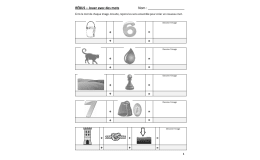
Dog plus house makes doghouse in these word play brain teasers for grades 2–4. A How It Works box models the idea with a rain cloud and a water drop, and Part 1 gives six picture-math puzzles where students name two pictures and join them into one compound word.
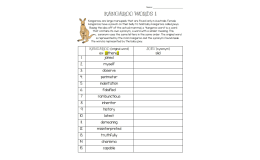
The puzzles then move from pictures to words. Students pick the partner word that completes a picture clue, check which of eight words are true compounds, split six compound words into their two parts and write sentences with two words they found. In Missing Middle, one bank word must finish one compound and start the next, as in tea, pot and hole. A Word Builder box asks for four compounds from two word lists, and on page 5 children draw a pair of compound-word puzzles, fold back the answer strip and swap with a classmate to guess.
- Grades 2–4 word study: 37 numbered items plus a draw-your-own page, across 5 student pages
- Answers for every part: on a single teacher page
- Print in color or grayscale: bright color pages or an ink-light grayscale copy
Related resources
More resources teachers may find useful
24 related resources were found using this product's title, contributor, categories and tags.


In the classroom
Teaching tips & learning objectives

Learning objectives
Form compound words by joining two smaller words
Tell compound words apart from words that only look like two parts
Break compound words into their two smaller words

Teaching tips
Say the How It Works example aloud with students before Part 1 so they hear the two picture names blend into one word
In Compound or Not?, remind students that both parts must be real words on their own
Point out that two words in the Missing Middle bank are not used

Skills covered
Building compound words: students join picture names and word parts into single words.
Word analysis: students decide whether words such as pencil or cookbook are made of two real words.
Vocabulary in context: students write sentences and underline the compound word they chose.
Good to know
Questions teachers ask about this resource
How do the picture puzzles work?
Each puzzle shows two pictures with a plus sign between them. Students say each picture name, join the names with no space and write the compound word, such as dog and house for doghouse.
Are all the activities picture-based?
No. Part 1, Part 2 and the Draw One page use pictures. The other parts work with printed words, including sorting, splitting, word chains and sentence writing.
What happens on the Draw One page?
Students draw the two parts of two compound words, write the answers on a strip, fold it back to hide them and trade with a partner, who writes a guess under each puzzle.
Is there an answer key?
Yes. A teacher page lists the answers for every part, organized under the same part names the students see.

No reviews yet
Downloaded this resource? Tell other teachers how it went.
Curriculum
Standards, concepts & topics
Standards
 Standards
- CCSS.L.2.4 — Determine or clarify the meaning of unknown and multiple-meaning words and phrases based on grade 2 reading and content, choosing flexibly from an array of strategies. a. Use sentence-level context as a clue to the meaning of a word or phrase. b. Determine the meaning of the new word formed when a known prefix is added to a known word (e.g., happy/unhappy, tell/retell). c. Use a known root word as a clue to the meaning of an unknown word with the same root (e.g., addition, additional). d. Use knowledge of the meaning of individual words to predict the meaning of compound words (e.g., birdhouse, lighthouse, housefly; bookshelf, notebook, bookmark). e. Use glossaries and beginning dictionaries, both print and digital, to determine or clarify the meaning of words and phrases.
Core concepts
 Core concepts
compound words
word study
brain teasers
word play
vocabulary
 Topics
Explore more
Categories this resource belongs to
Explore related searches
More to explore
You may also like


