2,808 products added recently
Page 51 - 2nd Grade Worksheets
Provide your second graders with worksheets that promote growth in literacy, numeracy, and critical thinking. These resources align with curriculum standards and offer engaging activities. Incorporate them to strengthen understanding and encourage enthusiasm for learning.
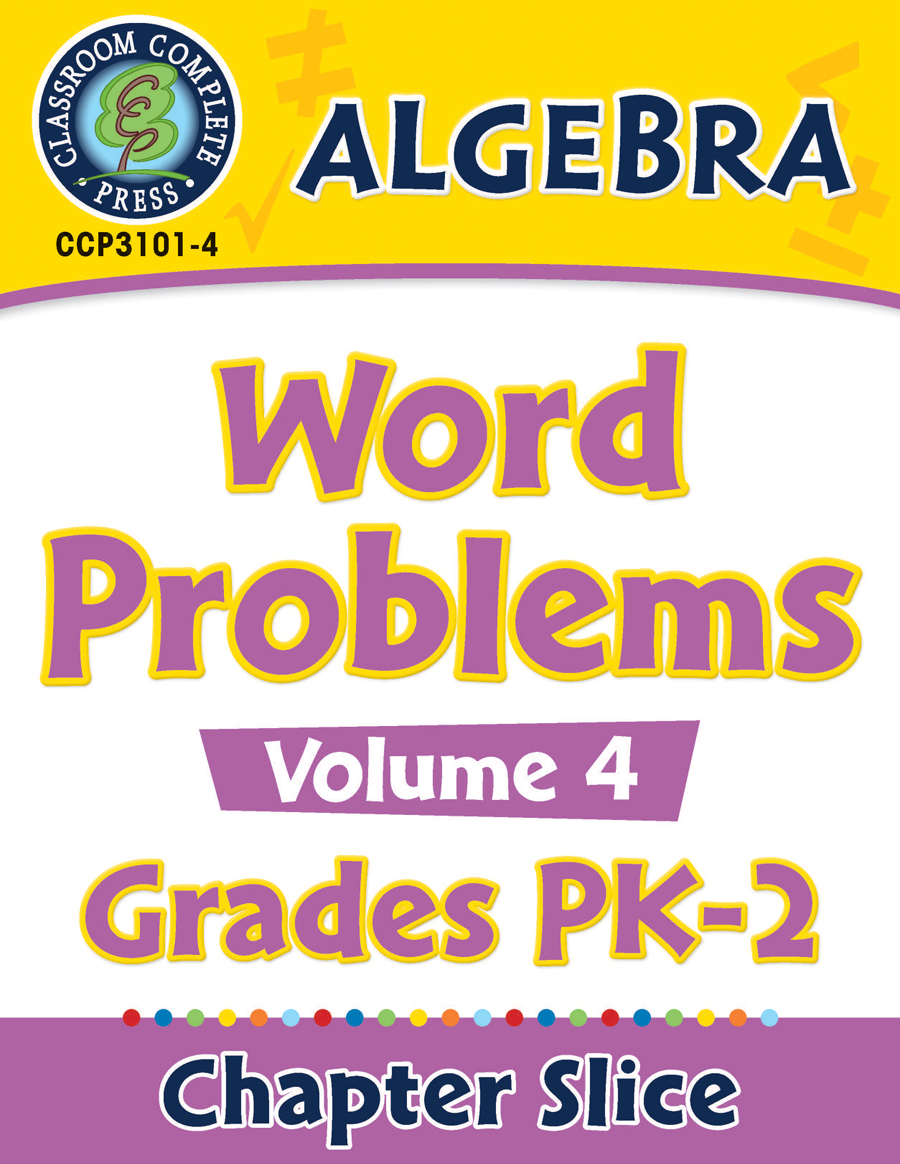
Data Analysis & Probability - Task & Drill Sheets Gr. PK-2
Math, Statistics, Grade 1, 2, Worksheets & Printables, Worksheets
Data Analysis & Probability - Task & Drill Sheets Gr. PK-2 Description: Data Analysis & Probability - Task & Drill Sheets Gr. PK-2 is a comprehensive teaching resource, custom-designed for educators targeting learners between pre-kindergarten and second grade. This tool has been carefully crafted to simplify the process of introducing and practicing the concept of data analysis and probabilities, in a context that young learners can relate to. The resource uses day-to-day life experiences like number of birthdays or the type of fruits eaten during a week as practical examples helping students relate better to complex mathematical principles. Addition Features: Includes warm-up activities and timed practice questions aimed at boosting procedural proficiency skills. Can be adapted for whole group instruction, small group work-stations or even as homework assignments. Adds fun twists like counting chickens on a farm using bar graphs or deducing how many more roses there are than tulips in a garden from circle graphs. The task sheets designed with gradual increases in difficulty level starting from prekindergarten up through second grade makes this an adaptable learning resource suitable for different learning paces. Cognitive Application Methods: The chances games like rolling number seven on dice not only entertain but stimulate young minds by presenting statistics lessons within interactive playing scenarios. The product meets NCTM standards aligning perfectly with most State Standards ensuring premium quality education across all systems seamlessly. Further benefits include reproducible task sheets, drill sheets, review tests and an answer key for easy monitoring and student assessment . Note: This product comes as readily printable PDF files making it easily accessible over various devices for instant use.
Author Classroom Complete Press
Tags PDF
Lobsters Reading Comprehension Passage - Cored Ed Encyclopedia
ELA, Language Development, Resources for Teachers, Reading Comprehension, Reading, Pre-Reading, Writing, Science, Animals, Life Sciences, Grade 2, 3, 4, 5, Worksheets & Printables, Worksheets, Teacher Tools, Centers, Activities, Writing Prompts, Assessments, Tests, Quizzes and Tests, Quizzes
This lobsters reading comprehension contains the following: Visualize on the Cover (Teacher Read Aloud Script) Start your lesson by taking a few moments to visualize the topic and share thoughts or feelings about it. Pre-Reading Trivia Students will write down one thing they already know about the subject and then read five more facts and discuss. These facts are fun, and the students will enjoy learning about the subject before reading more. Reading Passage The text is a high-interest reading passage with set paragraphs, roughly three to four paragraphs long. It contains a variety of themes about the topic, anywhere from history to technology. The passage is between 250 and 350 words in length. Mixed Questions The first question page contains four multiple-choice questions, each with a choice of four answers, and three written response questions that require a sentence or two from the student. Vocabulary Questions Practice seven key words from the text in this section across two activities. First section is scrambled words where students will unscramble three words given a clue for each. The second section is a word to meaning matching activity. Creative Writing In this question, the student will be required to write a five to eight sentence paragraph on a question related to the topic. Extension Activities This page is optional for fast finishers or to take home. There are several activities, each one requiring a different skill. Do some, do none, do all, completely optional - but you will feel reassured knowing every possibility is planned for. Includes summary writting question. Answer Key There are answers for the multiple-choice questions, written response questions have sample answers, vocabulary answers and if there is a summary question then a sample summary will be provided as well. FULL CATALOG OF DOWNLOAD LINKS AND ENCYCLOPEDIA INDEX HERE Lesson Snapshot Title: Lobsters Genre: Nonfiction (informational text) with a short sensory βvisualizeβ opener Subject: Life Science (Animals) / Reading (Informational Text) Primary Topic: Lobster body parts, molting, habitat, and life cycle Estimated Guided Reading Level (AβZ): L What This Lesson Teaches Best Basic lobster classification and habitat: lobsters are crustaceans , related to crabs and shrimp, living on the ocean floor in crevices or burrows . How lobster body parts help them survive: two different βjobβ claws , antennae with sensors, eyes on stalks , and a strong tail that can flick to shoot backward. Molting as a growth process: a lobsterβs exoskeleton canβt stretch, so it molts , leaving it soft and unprotected until the new shell hardens. Day vs. night behavior: hiding among rocks during the day and crawling out at night to hunt or scavenge . Early life stages: females carry thousands of eggs on their swimmerets , and tiny hatchlings float near the surface at first. Learning Goals Identify what kind of animal a lobster is and where it lives, using text evidence. Describe the two different claws and explain what each one does. Explain why lobsters molt and what happens to the lobster during and after molting. Compare what lobsters do during the day versus at night, based on the passage. Describe one way lobsters move or escape danger using their tail. Describe how baby lobsters begin life and what females do with eggs. Key Vocabulary From the Text crustacean β an animal with a hard outer shell. crevice β a narrow crack or small opening in rock. exoskeleton β a hard outer shell that protects the body. molt β shed an old outer covering so a new one grows. scavenge β search for and eat leftover or dead food. Cored Ed Encyclopedia Overview The Cored Ed Encyclopedia is a weekly series of lessons that you can pick up and use right away. These short readings fit into whatever time you have available. Each one includes a warm-up, a reading, and a set of questions, but itβs flexible β you can do just the reading, the full lesson, or skip the writing section if you need to. Each lesson focuses on a single topic so students donβt get lost. The writing is clear but never childish, making it perfect for grades two through five. Topics range from animals and science to history, inventions, and everyday things. No matter the level of the student, everyone should take away at least one new idea or fact from each lesson. The materials are easy to print, easy to explain, and require no setup. They work well for whole-class teaching, partner work, or independent study.
Author Cored Education
Rating
Tags Vocabulary, Spelling, Reading Comprehension, Reading Passages, Reading, Creative Writing, Reading Strategies, Writing Prompts, Lobsters, Animals
Mary Jackson Interactive Foldable Booklets β EBOOK
Social Studies, History, History: USA, Grade 2, 3, 4, 5, 6, 7, 8, 9, 10, 11, 12, Worksheets & Printables, Worksheets
Mary Jackson Interactive Foldable Booklets β EBOOK The Mary Jackson Interactive Foldable Booklets β EBOOK is an engaging teaching tool designed to introduce students to the life and legacy of historical icon, Mary Jackson. This resource serves as an intriguing addition to your social studies lesson plans for students from grade 2 up to grade 12. Content Overview Basic Facts: Includes basic facts about Mary Jackson's significant contributions and accomplishments at NASA, specifically during the Apollo 11 Mission. Interactive Activities: Can be seamlessly integrated into whole group instruction or used as discussion prompts in smaller groups. Perfect for participation-driven activities or homework assignments promoting independent learning. The ebook contains easy-to-follow instructions on how to create this foldable booklet from scratch - no additional preparation is required! Key Features The ebook comes in a friendly PDF format with a total of 14 pages containing clear size and assembly instructions. Incorporates crucial keywords such as 'Hidden Figures', 'NASA', 'Mathematicsβ, and βSegregationβ, assisting educators in designing corresponding activities around these subjects. An authentic portrayal of African American women's contributions in science that brings depth not only to your history lessons but also nurtures young minds' curiosity about past events shaping today's world. In conclusion, the Mary Jackson Interactive Foldable Booklets - EBOOK is an invaluable supplement designed not just for imparting knowledge but providing novel means of engagement targeted at diverse learning styles present within a classroom setting, thereby making each student's experience with history immersive and enjoyable.
Author Knowledge Box Central
Tags Mary Jackson, Interactive, Foldable Booklets, Education, NASA
Little Red Riding Hood QAR Sort
ELA, Reading, Reading Comprehension, Grade 1, 2, Worksheets & Printables, Worksheets
This resource is a Little Red Riding Hood QAR Sort. This activity sorts questions across 4 different categories. Students can use the fairytale to answer questions on the worksheet . Answer key included.
Author Literacy Life
Tags Comprehension, Asking Questions, Fairytales, Literacy Center, Reading
1st 100 Fry Sight Words Worksheets & Activities, #71-80, SET 5
ELA, Reading, Language Development, Spelling, Writing, Preschool, Grade 1, 2, Worksheets & Printables, Worksheets
1st 100 Fry Sight Words Worksheets & Activities, #71-80, SET 1 This resource Includes Sight Words Worksheets for 10 words (71-80) of 1st 100 Fry Sight words list. These Worksheets are NO PREP, fun and engaging worksheets, perfect for sight words recognition, sight words practice and revision. These worksheets include 8 unique activities for each Sight Word. These activities are fun and will motivate kids to ace their Sight words. The activities included are - Trace the word Write the word Color / Decorate the Sight Word Find it ( Circle the Sight Word ) Words Included - two, more, write, go, see, number, no, way, could, people These Worksheets are easy to use and can be used for different purpose, such as morning work, Sight Words Book etc. These can be used for individual work, group work, or at Homeschool. This is a must have resource to teach students sight words while having fun. The 8 activities included motivate kids to learn their sight words and give them more practice by repetition. Activities like coloring is fun and engaging for kids and they will also learn the word in the process. While as activities like tracing and writing will develop their fine motor skills and reinforce the sight word spelling and vocabulary with repetition. These Worksheets are No Prep & easy to use, perfect for Sight Words Recognition. These Worksheets are also perfect for Sight Words Assessment . Teachers can test the kid's knowledge of sight words while reinforcing them with these simple Worksheets. Download it today and let your kids ace their Sight Words while having Fun.. You Will Receive 1 PDF 10 Pages 8.5" x 11" (U.S. Letter Size) You may also like - 1st 100 Fry Sight Words Worksheets, SET 5 # 1 to 10 1st 100 Fry Sight Words Worksheets, SET 5 # 11 to 20 1st 100 Fry Sight Words Worksheets, SET 5 # 21 to 30 1st 100 Fry Sight Words Worksheets, SET 5 # 31 to 40 1st 100 Fry Sight Words Worksheets, SET 5 # 41 to 50 1st 100 Fry Sight Words Worksheets, SET 5 # 51 to 60 1st 100 Fry Sight Words Worksheets, SET 5 # 61 to 70 1st 100 Fry Sight Words Worksheets, SET 5 # 71 to 80 1st 100 Fry Sight Words Worksheets, SET 5 # 81 to 90 1st 100 Fry Sight Words Worksheets, SET 5 # 91 to 100
Author TeacherYouWant
Tags Sight Words , Sight Words Practice, Fry's First 100, Sight Words Activites, Fry Sight Words, First Grade, Kindergarten, Pre-k, Second Grade, 31-40
Reading Comprehension Passages Fiction Set 1 - Nature (Google Docs)
ELA, Reading, Common Core, Resources for Teachers, Reading Comprehension, ESL, Language Development, Vocabulary, Spelling, Grade 2, 3, Worksheets & Printables, Worksheets, Assessments, Teacher Tools, Tests, Quizzes and Tests, Writing Prompts
Reading Comprehension Passages Fiction Set 1 Overview Fascinating reading comprehension passages, each with an array of activities included. Stories are written for the modern classroom and topics are designed to promote enthusiasm from each student. Each lesson contains a mixed questions section to check understanding, a vocabulary or spelling activity to help remember key language introduced, and a writing exercise. Full answer keys are provided. For a more detailed overview, check the section under the links at the bottom of this description. Passages Include 1.Bring on the Snow: Kellie wants to make it snow. How does she try? 2.Walk through the Woods: A walk in the woods turns into a huge adventure. 3.Nature Photographer: Donna get some amazing snaps in this story. 4.Nature's Beautiful Colors: Rusty enjoys finding out about the colors in nature. 5.Flower Fun: Learn about flower names and colors in this fun lesson. 6.Picking Cherries: Ross spends his day picking cherries but is it worth it? Additional File: Nature Photographer: Drawing Nature Printable Google Docs Version This is the Google Docs editable and fillable version. This download is available in GOOGLE Docs, GOOGLE Forms, GOOGLE Slides. PDF, PPT, WORD. FULL CATALOG OF DOWNLOAD LINKS HERE Grade 2/3 Links Fiction Set 1 - Nature Google Docs Google Forms Google Slides PDF PPT Word Guided Reading Materials Fiction Set 2 - Animals Google Docs Google Forms Google Slides PDF PPT Word Guided Reading Materials Fiction Set 3 - Food Google Docs Google Forms Google Slides PDF PPT Word Guided Reading Materials Fiction Set 4 - School Google Docs Google Forms Google Slides PDF PPT Word Guided Reading Materials Fiction Set 5 - Friends Google Docs Google Forms Google Slides PDF PPT Word Guided Reading Materials Fiction Set 6 - Family Google Docs Google Forms Google Slides PDF PPT Word Guided Reading Materials Fiction Set 7 - Sports Google Docs Google Forms Google Slides PDF PPT Word Guided Reading Materials Nonfiction Set 1 - Technology Google Docs Google Forms Google Slides PDF PPT Word Guided Reading Materials Nonfiction Set 2 - Nutrition Google Docs Google Forms Google Slides PDF PPT Word Guided Reading Materials Nonfiction Set 3 - Animals Google Docs Google Forms Google Slides PDF PPT Word Guided Reading Materials Reading Passages Overview Each passage is especially written for Grade 2-3 students, including key vocabulary required for this age group. Topics are varied and are accompanied by colorful graphics. Topics are meant to educate, yet entertain the modern student. These passages are perfect for the modern classroom. Whereas textbooks can become outdated in no time, any changes to technology or the world will result in updates to this product. Mixed Questions The mixed questions section of each lesson includes a variation of fivecomprehension, vocabulary and math questions. In addition, key reading strategies are frequently covered including cause & effect, summarizing, compare & contrast and making conclusions. Three of the questions will be MCQs and two will require a written response of some kind. Full answers and example responses appear at the end of the lesson. Spelling & Vocab Each reading passage contains a variety of words and phrases designed for Grade 2-3 students. Spelling and vocab activities provide the opportunity to build fluency with these words. As it can become quite mundane doing the same activities over and over, each lesson in a set will contain a different spelling and vocab activity . Writing Prompts Writing prompts are designed to continue the theme or lessons learned in the story. Students are persuaded to write in a variety of ways and each prompt includes several cues to help. As with the spelling/vocab section, writing prompts will vary. This includes research pieces, reading responses, poetry and creative writing prompts. Full Answer Keys Full answer keys and sample responses are provided so no matter how busy you are, you know you're covered! Mixed question answers provide evidence from the text, math questions contain the relevant workings. Answers are designed for use by the teacher, but also suitable as a handout to the student. Additional File One lesson will have an additional file. This is something fun to extend the lesson with. For similar downloads and other frees, do check out Cored Group on TeachSimple.
Author Cored Education
Rating
Tags Elementary, Reading, Comprehension, Vocabulary, Answers, Common Core, Speling, Writing, Passages, Vocabulary Assessments
Prefixes | auto- il- micro- & mono- | Digital + Printable Quizzes & Lists
ELA, Grammar, Common Core, Grade 2, 3, 4, Worksheets, Worksheets & Printables
Are you looking for a high quality resource that practices prefixes? With this resource you have everything to introduce, practice and test the most common prefixes. In this set, the prefixes auto- il- micro- & mono- are featured. First of all, you can use the PDF based digital presentation to introduce these prefixes to your student. Just open the file, put it on full screen mode and use the arrow keys to navigate through the slides. You will first see the definition and then the word with its prefix. Ideal! You can also use the printable handouts to let your students practice at home. Then test them either on the computer or on paper. The paper version has an answer key, so it is very easy to check each and every answer. The digital version is again a PDF based digital file. Just put it up on the screen and use the arrows. Each second slide reveals the answer.
Author Tom's Talk
Tags Esl, Ela, Pdf, Digital, Printable, Prefix, Auto, Micro, Mono
Visual Discrimination | Working Memory Boards D
Special Resources, Special Education Needs (SEN), Speech Therapy, Math, Patterns, Early Math, Geometry, Measurements, Kindergarten, Preschool, Grade 1, 2, Worksheets & Printables, Flashcards, Activities, Games, Worksheets
Visual Discrimination | Working Memory Boards D . This a comprehensive set of activities designed to strengthen vital cognitive skills like visual discrimination, working memory, size estimation, and spatial awareness. Especially crafted for students in preschool through to grade 2, it can be effectively used across various subjects such as math and special resources . Included Materials : 27 A4 size worksheets: These are easy to print or laminate materials that can also prove equally effective on screen . Differentiated combination types (four) : The package comes with differentiated combination types including shape-colour (full), shape-colour (trace), shape-number and shape-pattern . Note : This specific resource highlights the integration of shapes with patterns . About the Boards / Worksheets . The first board features recurring images that all serve as correct answers. The second board brings an element of challenge by not repeating all items accurately from the guide. The third board contains shapes missing secondary elements where only one correct answer corresponds to each guide item. Edition Options & Versatility No answer keys are provided : This allows open-ended opportunities for developing creativity and problem - solving skills . You get empty templates following each combination which you can reproduce or implement your own ideas on . The tool is extremely versatile making it advantageous not just for public school teachers but also homeschoolers as well as occupational therapists, speech- language therapists, and parents assisting their children's learning at home . The product is presented in a PDF format spanning 27 pages, featuring primed boards/worksheets aimed at improving spatial perception & working memory functions. Can be conveniently utilised in centers or therapy sessions alike, it is an unabridged resource specifically designed keeping diverse teaching methodologies in mind . 27 page PDF with boards / worksheets for visual perception and working memory skills, to use in your centers or therapy sessions .
Author WORDS ASIDE
Tags Visual Discrimination, Working Memory, Spatial Awareness, Cognitive Skills, Shapes, Reasoning Skills, Occupational Therapy, Centers, Stations, Words Aside
Decodable Phonic Reading Books: Long Vowel/Silent E/ CVCE
Special Resources, ELA, Language Development, Pre-Reading, Phonics, Reading, Kindergarten, Preschool, Grade 1, 2, Worksheets, Worksheets & Printables, Literacy Readers, Teacher Tools
A set of 9 decodable readers introducing the Long Vowels sounds (CVCE/silent E): a-e, i-e, o-e and u-e. Here is a set of highly structured reading books that can help children develop reading fluency through carefully controlled phonic vocabulary and the careful introduction of true sight words. These books assume a prior working knowledge of the digraphs: ck; oo; ee; sh; ch; th; ng; or and ar. These books should be read in order and should follow the previous books in the reading scheme, for best results. These are: CVC Words Consonant Blends Words Level 1: Set 1: Common Digraphs The books in the Reading Made Simple reading scheme are highly structured to enable every child of all abilities to succeed as a reader. The vocabulary is carefully controlled and limited to phonectically decodable words of one or two syllables, and with only a few irregular, common sight words included to allow the child to develop reading fluency. As such they provide a structure that can help children feel confident as readers. The books in this pack are intended to be read in sequence and come with instructions on how to teach each new sound and how to hear a child read. Beginners need a structured phonics approach and gradual progression - these books provide that support. What is included? 9 PDF reading books 4 matching phonic workbooks. Each workbook prints one sheet A4, double-sided and has on average 5 activities: Spelling Reading/tracking/comprehension passage Intro new sight words needed to read the relevant books Be the teacher editing activity to improve spelling skills, A game requiring no preparation and which is very simple to play." 1 PDF of instructions and supporting resources (flashcards, dictations and wordlists) Main features: Most words can be sounded out using the necessary phonic knowledge. We introduce one phonic sound at a time: a-e; i-e; o-e; u-e. Previously taught sounds are constantly reviewed, so allowing the child to build reading fluency. Sight words are introduced gradually, but only those that cannot be learned in a phonetic family, or will be needed before the family has been studied. Pictures make up for the lack of words, while not encouraging guessing. Each book tries to tell a simple story. Each book has been tested on children with severe special needs and those with none β all have loved them as they can read them! 4 matching workbooks to consolidate learning and to help children to integrate their new reading and spelling skills into everyday literacy. Who can use these reading books? All beginner readers of any age and ability Struggling readers of all ages and abilities, including those with severe dyslexia/other processing difficulties Home educators - many parents already use this programme successfully with a wide range of ages and abilities. Teachers, parents, classroom assistants, private tutors - anyone who needs them! Are these phonic reading books and workbooks aligned with the UK Gov requirements or LETRS? Yes - totally. They are based on synthetic, systematic phonics. They are highly structured. How long are the books? They vary in length from 8 to 12 pages. Print as a booklet, and flip on the short edge. Can children guess the text from the pictures? These decodable reading books are available for free, individually, in Lilibettes Resources Store , but do not include the instructions/teaching guidance and resources included in this pack. See a sample here: https://teachsimple.com/product/i-e-decodable-reading-book-level-1-26 NO! What is included? 1 PDF Zip file: 9 PDF reading books 4 matching phonic workbooks 1 PDF of instructions and supporting resources (flashcards and wordlist) This bundle of decodable readers helps children to develop reading fluency and become confident, independent readers.
Author Lilibette's Resources
Rating
Tags Phonic Reading Scheme, Decodable Phonic Readers, Special Needs Reading, Reading Books For Dyslexia, FREE Decodabel Reading Books, Home Education, CVCE, Long Vowels
Wool Reading Comprehension Passage - Cored Ed Encyclopedia
ELA, Language Development, Reading Comprehension, Reading, Pre-Reading, Science, Technology, Physics, History, Social Studies, Grade 2, 3, 4, 5, Worksheets & Printables, Worksheets, Teacher Tools, Centers, Activities, Writing Prompts, Assessments, Quizzes and Tests, Quizzes, Lesson Plans
This wool reading comprehension with lesson plan includes: Visualization (on the front cover) Start your lesson by taking a minute to think and share something about the topic. Read the script aloud (slowly), perhaps prepare some music or sound effects. Student close their eyes and let their imaginations wander. Students open their eyes, read the question aloud and give them a few minutes to complete. Ask a few students to share or keep answers until the end to compare with what they learn in the passage. Quick pauseβthousands of Cored Education products are included with your TeachSimple membership. Download links and encyclopedia index available here. Pre-Reading Trivia Students will write down one thing they already know about the subject and then read five more facts and discuss. These facts are fun, and the students will enjoy learning about the subject before reading more. Give 1 minute for students to write what they already know (no pressureβbest guess is fine). Read the five facts together. After each fact, do ask a student for their opinion, was it surprising? Set a purpose by asking students to highlight/underline one fact they want to learn more about during the reading. Reading Passage The text is a high-interest reading passage with set paragraphs, roughly three to four paragraphs long. It contains a variety of themes about the topic, anywhere from history to technology. The passage is between 250 and 350 words in length. First, ask students to look at the headings and see what theyβll learn about today. What do they know about the topic/heading? First read options: Teacher read-aloud (best for support). Partner reading (paragraph by paragraph). While reading, students underline important details, and vocabulary words they think may come up in the questions section. Mixed Questions The first question page contains four multiple-choice questions, each with a choice of four answers, and three written response questions that require a sentence or two from the student. Students complete the mcqs first independently, then review quickly as a class. For the 3 written responses, try to get students giving the answer with some form of evidence: βI think ___ because the text says ___.β If students get stuck, send them back to check the passage. Vocabulary Questions Practice seven key words from the text in this section across two activities. First section is scrambled words where students will unscramble three words given a clue for each. The second section is a word to meaning matching activity. Before starting, have some students read out words they underlined in the passage. Ask students to say the word and read aloud the sentence(s) around each word. Ask students to do scrambled words and the matching exercise in pairs then go through answers as a class. For the scrambled spelling task, get four pairs to come up to the board and write the words for extra practice with the other student reading out the clue. For the matching task, prompt students to give full sentences: βI matched ___ with ___ because ___.β Creative Writing In this question, the student will be required to write a five to eight sentence paragraph on a question related to the topic. Before starting, ask students write down 3 key ideas they are going to include in their piece. Ask students for ideas to share around the class to help those struggling. Pro writing expectations: 5β8 sentences At least 2 facts or details from the passage At least 2 vocabulary words from the previous page Students read their paragraphs while classmates listen for facts and vocabulary words. Extension Activities This page is optional for fast finishers or to take home. There are several activities, each one requiring a different skill. Do some, do none, do all, completely optional - but you will feel reassured knowing every possibility is planned for. Includes summary writting question. Answer Key There are answers for the multiple-choice questions, written response questions have sample answers, vocabulary answers and if there is a summary question then a sample summary will be provided as well. Lesson Plan Included Customized lesson plan for this lesson is included. Lesson Snapshot Title: Wool Genre: Nonfiction (informational text) Subject: Life Science / Informational Reading Primary Topic: How wool works, history, and uses Estimated Guided Reading Level (AβZ): R Support pages present: Pre-reading trivia, mixed questions, vocabulary activities, creative writing, extension activities, and an answer key (all match the passageβs ideas and terms). What This Lesson Teaches Best Explains what wool is made of (tiny protein fibers) and how a natural wave called crimp helps fibers cling when spun into yarn. Teaches a clear cause-and-effect science idea : wool cloth traps air pockets, and trapped air helps keep warmth close. Builds understanding of how humans and sheep changed over time , including breeding for thicker coats, learning to shear, and wool becoming valuable through trade. Describes the process from fleece to finished materials , including shearing, lanolin in fresh wool, washing/sorting, spinning into yarn, and rubbing fibers into felt. Highlights real-world uses and properties of wool , including moisture handling and resistance to melting/dripping in fire because it chars instead. Learning Goals Students will explain how crimp helps wool fibers cling together when making yarn. Students will describe how wool cloth keeps warmth close using details about trapped air. Students will identify two ways people have used wool, based on examples in the text. Students will sequence key steps from fleece to yarn or felt that are stated in the passage. Students will describe why freshly shorn wool is called βgreasy,β using evidence from the passage. Key Vocabulary From the Text fleece β a sheepβs coat that can be sheared off. protein β a natural building block that wool fibers are made of. crimp β a natural wave in each wool fiber. lanolin β a waxy substance from a sheepβs skin. felt β thick material made when fibers lock together. FULL CATALOG OF DOWNLOAD LINKS AND ENCYCLOPEDIA INDEX HERE
Author Cored Education
Rating
Tags Vocabulary, Reading Comprehension, Reading Passages, Lesson Plans, Ela Lesson Plans, Reading Comprehension Lesson Plans, Pre-reading, Science Lesson Plans, History Lesson Plans, Wool
Yachts Reading Comprehension Passage - Cored Ed Encyclopedia
ELA, Language Development, Reading Comprehension, Reading, Science, History, Social Studies, Technology, Engineering, Pre-Reading, Grade 2, 3, 4, 5, Worksheets & Printables, Worksheets, Teacher Tools, Centers, Activities, Writing Prompts, Assessments, Quizzes and Tests, Quizzes, Lesson Plans
This yachts reading comprehension with lesson plan includes: Visualization (on the front cover) Start your lesson by taking a minute to think and share something about the topic. Read the script aloud (slowly), perhaps prepare some music or sound effects. Student close their eyes and let their imaginations wander. Students open their eyes, read the question aloud and give them a few minutes to complete. Ask a few students to share or keep answers until the end to compare with what they learn in the passage. Quick pauseβthousands of Cored Education products are included with your TeachSimple membership. Download links and encyclopedia index available here. Pre-Reading Trivia Students will write down one thing they already know about the subject and then read five more facts and discuss. These facts are fun, and the students will enjoy learning about the subject before reading more. Give 1 minute for students to write what they already know (no pressureβbest guess is fine). Read the five facts together. After each fact, do ask a student for their opinion, was it surprising? Set a purpose by asking students to highlight/underline one fact they want to learn more about during the reading. Reading Passage The text is a high-interest reading passage with set paragraphs, roughly three to four paragraphs long. It contains a variety of themes about the topic, anywhere from history to technology. The passage is between 250 and 350 words in length. First, ask students to look at the headings and see what theyβll learn about today. What do they know about the topic/heading? First read options: Teacher read-aloud (best for support). Partner reading (paragraph by paragraph). While reading, students underline important details, and vocabulary words they think may come up in the questions section. Mixed Questions The first question page contains four multiple-choice questions, each with a choice of four answers, and three written response questions that require a sentence or two from the student. Students complete the mcqs first independently, then review quickly as a class. For the 3 written responses, try to get students giving the answer with some form of evidence: βI think ___ because the text says ___.β If students get stuck, send them back to check the passage. Vocabulary Questions Practice seven key words from the text in this section across two activities. First section is scrambled words where students will unscramble three words given a clue for each. The second section is a word to meaning matching activity. Before starting, have some students read out words they underlined in the passage. Ask students to say the word and read aloud the sentence(s) around each word. Ask students to do scrambled words and the matching exercise in pairs then go through answers as a class. For the scrambled spelling task, get four pairs to come up to the board and write the words for extra practice with the other student reading out the clue. For the matching task, prompt students to give full sentences: βI matched ___ with ___ because ___.β Creative Writing In this question, the student will be required to write a five to eight sentence paragraph on a question related to the topic. Before starting, ask students write down 3 key ideas they are going to include in their piece. Ask students for ideas to share around the class to help those struggling. Pro writing expectations: 5β8 sentences At least 2 facts or details from the passage At least 2 vocabulary words from the previous page Students read their paragraphs while classmates listen for facts and vocabulary words. Extension Activities This page is optional for fast finishers or to take home. There are several activities, each one requiring a different skill. Do some, do none, do all, completely optional - but you will feel reassured knowing every possibility is planned for. Includes summary writting question. Answer Key There are answers for the multiple-choice questions, written response questions have sample answers, vocabulary answers and if there is a summary question then a sample summary will be provided as well. Lesson Plan Included Customized lesson plan for this lesson is included. Lesson Snapshot Title: Yachts Genre: Nonfiction (informational text) Subject: Social Studies (history of technology) / Informational Reading Primary Topic: What yachts are, their history, and how they changed Estimated Guided Reading Level (AβZ): Q What This Lesson Teaches Best Describes what a yacht can look and sound like at a marina, and explains that yachts may move by sails or by a motor beneath the deck. Explains how people use yachts for pleasure, such as cruising along a coast, spending a night onboard, or racing across open water, and notes that many yachts have a cabin where someone can sleep and stay dry. Traces how the word βyachtβ began in Netherlands from a Dutch word meaning βhunt,β and how early yachts were quick ships used to chase pirates and scout ahead before becoming boats for travel and fun. Shows how yacht racing grew in Europe in the 1600s and how a race in 1851 helped launch the Americaβs Cup, influencing yacht designs for speed and handling. Explains how yachts changed over time (new materials like fiberglass, larger yachts using steel or aluminum, and engines arriving from steam to modern fuel engines), including very large βsuperyachtsβ that may need a hired crew. Learning Goals Students will identify two ways yachts can be powered using details from the text. Students will describe what the passage says people do on yachts for pleasure. Students will explain how the meaning and use of βyachtβ changed over time in the passage. Students will describe how racing influenced yacht design, using the passageβs examples. Students will describe at least two changes in yacht materials or engines mentioned in the text. Key Vocabulary From the Text marina β a place where boats dock. cabin β a room where someone can sleep and stay dry. hulls β the outer bodies of boats. fiberglass β a newer material used instead of wood. crew β a hired group to run a yacht. FULL CATALOG OF DOWNLOAD LINKS AND ENCYCLOPEDIA INDEX HERE
Author Cored Education
Rating
Tags Vocabulary, Reading Comprehension, Reading Passages, Lesson Plans, Ela Lesson Plans, Reading Comprehension Lesson Plans, Pre-reading, History Lesson Plans, Science Lesson Plans, Engineering
Close Reading Comprehension 'Muddy Shoes' (4-8 years)
ELA, Reading, Grade 1, 2, Worksheets & Printables, Worksheets
Get ready to explore "Muddy Shoes," a delightful and engaging digital learning resource tailored for young learners aged 4-8 years, aimed at enhancing close reading comprehension skills and incorporating phonics using the 'ea' sound. This enjoyable learning tool consists of an enchanting 16-page story accompanied by thoughtfully designed comprehension questions to assess understanding and reinforce knowledge retention. As a part of our well-received 'Learn To Read With Phonics' reading scheme, this product enables children to expand their learning journey in a fun and exciting manner. "Muddy Shoes" is an excellent choice for teachers seeking valuable additions to their curriculum, as well as parents looking for supportive resources that can improve their child's literacy skills at home. While the material could be challenging for younger learners, they are encouraged to collaborate with an adult so they can respond to the comprehension questions verbally, fostering a cooperative approach that promotes growth. By sharing "Muddy Shoes" with your students or children, you'll not only help hone their cognitive abilities but also evoke the joy and love for learning through relatable stories based on everyday situations. Don't miss this opportunity to boost your young learners' reading confidence with this exceptional educational resource!
Author Guinea Pig Education
Tags Close Reading, Reading, Comprehension, Reading Strategies, Phonics
Initial Sound in a Word
ELA, Language Development, Phonics, Preschool, Grade 1, 2, Worksheets & Printables, Worksheets
Initial Sound in a Word is a phonics resource designed to help early elementary students learn how to identify the beginning sound in words. This packet contains worksheets featuring engaging clipart images of common objects. Students will look at each picture, identify what the object is, and determine the first letter that makes the beginning sound of the word. They will then locate that letter among the letters listed and color it in. These worksheets can be used individually or in small groups as a fun way for K-2 students to practice phonics skills. The PDF worksheets work well for whole class instruction, independent practice, homework, or morning work. This resource provides a multisensory approach to build phonics skills using visual, auditory, and fine motor practice tracing and coloring the beginning letter.
Author SEN Resource Source
Tags Phonics, Early Reading, Beginning Sound, Initial Sound
Numbers Reading Comprehension Passage - Cored Ed Encyclopedia
ELA, Language Development, Resources for Teachers, Reading Comprehension, Reading, Pre-Reading, Writing, History, Social Studies, Strategies, Grade 2, 3, 4, 5, Worksheets & Printables, Worksheets, Teacher Tools, Centers, Activities, Writing Prompts, Assessments, Tests, Quizzes and Tests, Quizzes
This numbers reading comprehension contains the following: Visualize on the Cover (Teacher Read Aloud Script) Start your lesson by taking a few moments to visualize the topic and share thoughts or feelings about it. Pre-Reading Trivia Students will write down one thing they already know about the subject and then read five more facts and discuss. These facts are fun, and the students will enjoy learning about the subject before reading more. Reading Passage The text is a high-interest reading passage with set paragraphs, roughly three to four paragraphs long. It contains a variety of themes about the topic, anywhere from history to technology. The passage is between 250 and 350 words in length. Mixed Questions The first question page contains four multiple-choice questions, each with a choice of four answers, and three written response questions that require a sentence or two from the student. Vocabulary Questions Practice seven key words from the text in this section across two activities. First section is scrambled words where students will unscramble three words given a clue for each. The second section is a word to meaning matching activity. Creative Writing In this question, the student will be required to write a five to eight sentence paragraph on a question related to the topic. Extension Activities This page is optional for fast finishers or to take home. There are several activities, each one requiring a different skill. Do some, do none, do all, completely optional - but you will feel reassured knowing every possibility is planned for. Includes summary writting question. Answer Key There are answers for the multiple-choice questions, written response questions have sample answers, vocabulary answers and if there is a summary question then a sample summary will be provided as well. FULL CATALOG OF DOWNLOAD LINKS AND ENCYCLOPEDIA INDEX HERE Lesson Snapshot Title: Numbers Genre: Nonfiction Subject: Math (Number Systems) Primary Topic: Counting systems, place value, and zero Estimated Guided Reading Level (AβZ): N What This Lesson Teaches Best Explains early counting methods (bodies, fingers, pebbles) and introduces the tally system as one mark per item. Shows why communities needed lasting number records as towns and trading grew, including wedge-shaped marks pressed into clay in Mesopotamia . Introduces different ways cultures wrote numbers (Egyptian hieroglyph symbols; Roman numerals using I, V, and X). Teaches how the base-ten system and place value use digits 0β9, and why zero matters for holding an empty place. Traces how Hindu-Arabic numerals spread through books, trade routes, and schools (including mention of Fibonacci) and appear today on receipts, maps, and screens. Learning Goals Describe two ways people counted before modern number symbols were common. Explain what a tally system is and why it can get βmessy fastβ for big amounts. Describe how people in Mesopotamia recorded numbers in soft clay and why those marks lasted. Explain how base-ten place value works (a digitβs spot helps decide its size). Explain why zero is important in the base-ten system, using the textβs explanation. Describe how the βmethod of the Indiansβ spread to new places over time. Key Vocabulary From the Text Tally β counting with one mark for each thing. Mesopotamia β an ancient place where early number writing appeared. Wedge-shaped β shaped like a wedge pressed into clay. Place value β a digitβs value depends on its position. Fibonacci β a thinker who helped spread the new number method. Cored Ed Encyclopedia Overview The Cored Ed Encyclopedia is a weekly series of lessons that you can pick up and use right away. These short readings fit into whatever time you have available. Each one includes a warm-up, a reading, and a set of questions, but itβs flexible β you can do just the reading, the full lesson, or skip the writing section if you need to. Each lesson focuses on a single topic so students donβt get lost. The writing is clear but never childish, making it perfect for grades two through five. Topics range from animals and science to history, inventions, and everyday things. No matter the level of the student, everyone should take away at least one new idea or fact from each lesson. The materials are easy to print, easy to explain, and require no setup. They work well for whole-class teaching, partner work, or independent study.
Author Cored Education
Rating
Tags Vocabulary, Spelling, Reading Comprehension, Reading Passages, Reading, Creative Writing, Reading Strategies, Writing Prompts, History, Numbers
Kelso's Choices SEL Coloring Pages and Activities
Special Resources, Social Emotional Learning (SEL), Social Skills, Special Education Needs (SEN), Preschool, Grade 1, 2, 3, Activities, Worksheets & Printables, Coloring Pages, Worksheets, Mazes
In this SEL coloring page resource, you will receive 3 different Kelso's Choices extension activities. Plus one additional maze in the color green. There is a black and white frog maze, a color by Kelso's Choice frog to color in based on some of the Kelso's choices, and a draw a line from the picture of Kelso the frog doing the Kelso Choice on the right, written out. Kelso's Choices is a great conflict resolution framework that explains 9 different ways to solve small problems; walk away, talk it out, apologize, ignore, go to another game, wait and cool off, tell them to stop, share and take turns, and make a deal. These choices can teach students how to solve small problems by themselves, thus reducing the need for tattling. You can use these activities after teaching an SEL class on Kelso's choices, big and small problems, and which adult to tell if they are having a big problem. I teach students that if a situation is scary or unsafe, or someone is about to get hurt, they need to tell an adult and it becomes a big problem I also tell students that if they are having a small problem that simply will not go away using a Kelso's choice, they do need to go to an adult for guidance, such as a teacher, parent, babysitter, etc. Otherwise, if someone if cutting them in line, teasing them, taking a marker, not letting them play, not playing by the rules, or doing something to them that is frustrating or annoying, they can empower themselves to use a Kelso's Choice. I have several other Kelso's Choice SEL lessons that can be taught prior to these activities located in my SEL store at Teach Simple. To look at these resources, please visit my SEL store at: https://teachsimple.com/contributor/jennifer-moyer-taylor
Author Jennifer Moyer Taylor
Tags Kelso's Choices, Conflict Resolution, School Counseling, Social-emotional Learning, Sel, Special Education, Sel Coloring Pages, Sel Activities, Maze
Gingerbread Man Phonics Worksheets - Blends, Diphthongs, and Digraphs
ELA, Language Development, Phonics, Preschool, Grade 1, 2, Worksheets & Printables, Worksheets
This gingerbread theme set of worksheets will have your learners excited to practice their phonics skills. Learners in Kindergarten, grade 1, and grade 2 will have the opportunity to learn and/or review blends, diphthongs, and digraphs. Each set of worksheets is differentiated to include three different skill levels to meet the needs of most learners. This product contains a color version and a black & white version. An answer key is also provided. PLEASE NOTE: Color and B&W versions are IDENTICAL. When you purchase this product, you will receive: WORKSHEET 1: Learners will write one word for each βblendβ that is provided. WORKSHEET 2: Learners will write two words for each βblendβ that is provided. WORKSHEET 3: Learners will write three words for each βblendβ that is provided. WORKSHEET 4: Learners will write one word for each βdiphthongβ that is provided. WORKSHEET 5: Learners will write two words for each βdiphthongβ that is provided. WORKSHEET 6: Learners will write three words for each βdiphthongβ that is provided. WORKSHEET 7: Learners will write one word for each βdigraphβ that is provided. WORKSHEET 8: Learners will write two words for each βdigraphβ that is provided. WORKSHEET 9: Learners will write three words for each βdigraphβ that is provided. ANSWER KEY
Author Quail Trail Products
Tags Gingerbread Man, Phonics, Blends, Diphthongs, Digraphs, Blends Digraphs And Diphthongs, Diphthongs Worksheet, Digraphs And Blends Worksheets, Phonics Man, Dipthong Worksheets
Human Body Word List Posters (PDF)
ELA, Language Development, Resources for Teachers, Vocabulary, Spelling, ESL, Human Body, Life Sciences, Science, Grade 2, 3, 4, 5, Worksheets & Printables, Worksheets, Teacher Tools, Centers, Activities, Posters, Classroom Decor
Word List Poster Series This word list poster series is designed for students in grades 2β5. Each printable focuses on a clear, kid-friendly theme and features 8 target vocabulary words with short, student-friendly meanings or fun facts. The clean layout works as both an anchor chart and a write-in sheet, giving students a quick, visual reference they can revisit during centers and independent work. These posters are student-friendly, classroom-ready, and perfect for warmups, vocabulary walls, sub plans, or take-home reference. Display a single poster to support the dayβs lesson, or group several to build a themed wall across your unit. Note: Each poster is a companion piece to its matching themed product in the seriesβpair it with the corresponding maze, wordsearch, or activity pack for a consistent set of 8 focus words. Human Body Word List 1. Head & Face Head, Hair, Eyes, Nose, Mouth, Ears, Teeth, Tongue 2. Arms & Hands Arm, Hand, Fingers, Thumb, Wrist, Elbow, Palm, Nails 3. Legs & Feet Leg, Knee, Foot, Toes, Heel, Ankle, Shin, Thigh 4. Inside the Body Brain, Heart, Lungs, Stomach, Bones, Muscles, Blood, Nerves 5. Senses & Feelings Sight, Hearing, Smell, Taste, Touch, Laugh, Cry, Yawn 6. Moving & Actions Walk, Run, Jump, Clap, Hug, Stretch, Bend, Wiggle PDF Version Other versions will appear here when available. Follow the store for the lastest on new products. How to Use These Word List Posters Perfect for: Morning work or early-finisher bins Vocabulary centers or anchor walls Holiday/seasonal review lessons Independent stations, sub plans, or take-home reference More Human Body Themed Products CROSSWORDS WORD SEARCHES MAZES FULL CATALOG OF DOWNLOAD LINKS HERE Themed Word List Posters Links Addition PDF Animals PDF Around the Home PDF Birthday PDF Candy PDF Christmas PDF Cinco de Mayo PDF Clothes PDF Colors PDF Days and Months PDF Division PDF Earth Day PDF Easter PDF Easy Word List Posters PDF Fall PDF Father's Day PDF Food PDF Geography (Set 1) PDF Geography (Set 2) PDF Geography (Set 3) PDF Graduation PDF Health PDF History (Set 1) PDF History (Set 2) PDF History (Set 3) PDF Human Body PDF Kindness PDF Life Skills PDF Mother's Day PDF Multiplication PDF Science (Set 1) PDF Science (Set 2) PDF Science (Set 3) PDF Shapes PDF Social Skills PDF Spring PDF Sports PDF St. Patrick's Day PDF Subtraction PDF Summer PDF Thanksgiving PDF Transport PDF Valentine's Day PDF Winter PDF Word List Posters in Depth Structure Each poster is built around a focused sub-theme and presents 8 target words with short, student-friendly meanings or fun facts. The clean A4 portrait layout works as an anchor chart on your board or as a student reference at desks. These posters are designed as companion pieces to the matching themed products (mazes, wordsearches, activity packs), so the same vocabulary stays visible across your unit. Each poster set includes: A themed word list poster with 8 words + brief meanings/facts A clean, high-contrast layout for easy printing and display Space that can double as write-in/draw-to-show-meaning during centers Themes Included Seasons & Holidays (e.g., Halloween, Easter, Valentineβs Day) Everyday Topics (e.g., Animals, Weather, School) Math & Science Connections (e.g., Number Words, Simple Machines) Special Units (e.g., Health, Earth Day, Sports, Kindness) Each topic reflects real-life experiences and interests while strengthening vocabulary recognition and content understanding in a clear, visual way. Easy extensions (optional) Sketch it: students draw a quick icon for each word Sort it: group words by category (e.g., actions, objects) Star it: highlight βI already knowβ vs. βIβm learningβ words Match it: point to examples in a reading, video, or picture set Say it: brief oral definition or example sentence during share-out Differentiation tips Pre-teach 2β3 anchor words; add the rest later in the week Offer picture cues or gestures for emerging readers/ELLs Let students choose 4 of 8 to focus on first, then build up Color-code by part of speech or concept family for quick scanning For similar downloads and other frees, do check out Cored Group on TeachSimple.
Author Cored Education
Rating
Tags Vocabulary, Spelling, Human Body, Body, Head & Face, Arms & Hands, Legs & Feet, Posters, Body Word Lists, Human Body Word List
Cat Coloring pages Worksheet Activities / Cats Coloring Sheets
Creative Arts, Art, Fine Arts, Graphic Arts, Preschool, Grade 1, 2, 3, 4, 5, Coloring Pages, Worksheets, Worksheets & Printables
Cat Coloring pages Worksheet Activities, Cats Coloring Sheets Morning Work Activities / Digital Resources / Animals Coloring Pages / Animal Coloring Sheets: Begin your day with purr-fectly enjoyable and instructive entertainment! Our "Cute Cats Coloring Pages Worksheets" morning work activity is intended to fascinate both young learners and cat lovers. These engaging and attractive coloring sheets are more than just a fun activity ; they're a wonderful way for kids to learn important skills while having fun. β This is an excellent complement to your morning routine. It assists youngsters in settling into the school day by giving a relaxing, creative, and focused start. β Children's fine motor skills, hand-eye coordination, and cognitive ability will improve as they color and do the associated tasks. It's a healthy approach to study and play at the same time. β These coloring sheets are versatile and adaptable to numerous contexts, whether you're a parent searching for engaging morning activities for your children or an instructor looking for a fun approach to reinforce school lectures. β Because the coloring sheets are printable and shareable, they are simple to distribute to several youngsters in a classroom or among siblings at home. β This collection, with its many styles, provides limitless pleasure, guaranteeing that each day brings a new experience with these endearing feline pals. With this "Cute Cats Coloring Pages Worksheets" morning work activity , you may harness the power of creativity and learning. Watch as youngsters explore, interact, and learn while developing their passion for cats and important skills. This resource is a lovely way to start the day off right.
Author Lapiiin Art Activities
Tags Cat Coloring Pages, Kitten Coloring Pages, Cat Coloring Sheets, Caticorn Coloring Worksheet, Cat Printable Pages, Kitty Coloring Pages, Digital Resources, Printables, Morning Work, Fine Motor
Aesop's Fables "The Tortoise and the Hare"
ELA, Reading, Grade 1, 2, 3, Worksheets & Printables, Worksheets
You'll love this comprehensive resource for βThe Tortoise and the Hareβ Fable.This resource is best suited for 1st β 3rd grade students. This Unit has a few versions of the story, a readers theatre so you can act it out with your students, crafts, and worksheets to help expand your learning experience. You can pick and choose which resources you want to use to make the best unit possible! How To Use This: Look through all the versions and options and choose which to print. Laminate the resources that will be handled by many students or that you want to reuse year after year. I've tried to include enough resources here that you can personalize and create a meaningful fable unit! What You Get: - "Fable" Anchor Chart defining a fable - "Who Was Aesop" non-fiction article - Coloring Page of The Tortoise and The Hare - Color illustration of The Tortoise and The Hare - Modern Day Version of the story of "The Tortoise and The Hare" - Original Story of "The Tortoise and the Hare" by Aesop - Comprehension question worksheet - Readers Theater of the Fable (3 scripts, one for each character with highlighted lines) - 2 pages of cut out characters to make into puppets - Sequencing Story Cards (With and without sequential titles) - Worksheet with character traits and vocabulary words - Writing template to write your own version of the fable - Writing template with question "How Would You Run A Race?" - Writing template with character topper for story summary or story response. Here are links to similar resources in my store: - Beauty and the Beast Differentiated Early Readers - Earth's Layers and Spheres | Earth Science Unit - Letter Handwriting Practice Pages Check out other resources from my store: Simply Schoolgirl! I can be contacted for questions and concerns at simplyschoolgirl1@gmail.com
Author Simply Schoolgirl
Tags The Tortoise And The Hare, Sequencing, Writing Prompts, Readers Theatre, Folk Tale, Tall Tale, Moral, Writing A Fable Template, Tortoise And The Hare Story Printable
Beginning Digraph: PH- Activity Packet | Printable Resources Digraphs
ELA, Language Development, Phonics, Preschool, Grade 1, 2, Worksheets, Worksheets & Printables
The Beginning Digraph: PH- Activity Packet This educational tool is brimming with visual treats and engaging activities. They are geared to help teachers instruct students on the Beginning Digraph - PH. This area in language learning involves instances in which two letters unite to form one sound. Understanding this is a key step towards literacy. About the Packet The packet acts as an extensive resource for educators eager to teach this facet of language arts, mainly phonics. Everything included in it, from printables to exercises, has been judiciously crafted and organized so that it meshes well with varied curriculum approaches and teaching styles. What does it contain? Anchor Charts illustrating what a Beginning Digraph is with examples emphasizing on PH- Bulky Teacher flip charts for smoother class flow Flashcards promoting matching words with pictures and word tracing 'Read and Match' worksheets that challenge young minds 'Fill-in-the-missing-letters' activity sheets sparking thinking skills 'Read-the-Words' insightful paragraph stories A set of considered choices were made while crafting all materials: a student-friendly font size was used while also carving spaces where children can practice pre-writing by tracing words.; In total, there are sixteen printable pages provided in an easily downloaded PDF format intended for use over approximately one week. One can leverage these resources either for individual students or even small groups letting them work at their own progress pace through practical application thus enhancing both verbal abilities along with critical thinking capacities. Who might find this useful? The learning materials contained within this packet will prove beneficial not just for public-school teachers keen on exploring resources outside textbooks, but also to home schooling parents who are seeking non-stereotypical methods of teaching. Injecting joy into the process of learning while keeping it beneficial stays at the heart of this Activity Packet!
Author Simply Schoolgirl
Tags Beginning Digraphs, Phonics, Literacy Skills, Language Arts, Teaching Resources
Adding and Subtracting to 1000 with regrouping
Math, Addition and Subtraction, Subtraction, Place Value, Grade 2, 3, Worksheets & Printables, Worksheets
Introducing the Adding and Subtracting to 1000 with Regrouping BUNDLE An effective teaching resource, designed for facilitative instructors who are eager to implement engaging strategies that accelerate learning. In our package, you get four essential educational tools in one bundle. This includes: Detailed strategy posters for three-digit addition Comprehensible chants Practice pages for students to reinforce what they've learned Answer keys A notable feature is the 'exit tickets', functioning as quick formative assessments after each exercise. A Unique Approach to Subtraction Strategies Our bundle provides a packet dedicated to subtraction strategies. It features: Unique charts based on expanded form and model-making tactics. Two practice sheets double up as assessment papers along with handy exit tickets. Fresh Dynamic Task Cards in Teaching Assets We introduce 3 sets of dynamic Task Cards with this kit comprising of: All subtraction set. All addition set. Plus a mixed operation deck, offering two recording sheet typesβone blank and another chart-based. Meticulous Learning Solutions Setup With Exit Tickets Our solutions setup includes six different types of Exit Tickets covering: Addition (with & without regrouping) Subtraction (with & without regrouping) Mixed Operation categories both compacted into singular student-friendly methodology! This product adheres strictly Educational Standards: 2.NBT.B.7 & 3.NBT.A.2 ,emphasizing place-value application - perfect for mastering subjects like Math- Subtraction & Place Value suitable ideally for Grade 2 and Grade 3 learners. Take note: Our File Type comes in ZIP format containing worksheets ready-for-use! Empower future mathematicians today by adopting our Adding and Subtracting to 1000 Bundle's multi-faceted approach.
Author Teach With Baker
Tags Teaching Resources, Math Strategies, Addition And Subtraction, Task Cards, Exit Tickets
Reading Quick Check: RI 2.6 Main Purpose of a Text - 1st Quarter
ELA, Reading, Grade 2, Worksheets & Printables, Worksheets
Reading Quick Check: RI 2.6 Main Purpose of a Text - 1st Quarter This 2nd grade reading resource helps students identify the main purpose of a text, an important reading skill typically introduced in the first quarter. Includes two ready-to-use worksheets covering reading standard RI 2.6 that students complete after reading any book. An excellent quick check for knowledge and understanding. Have students complete the no-prep handouts as morning work, bell ringers, exit tickets, or informal assessments . The concise activities allow teachers to efficiently assess student abilities in determining key ideas and author's purpose. Adapt for whole class, small group, or independent practice. Applicable for both traditional and homeschool classrooms seeking standards-aligned materials.
Author Rebecca Hurd
Tags Main Purpose, Reading, Quick Check, Standards, September
The Road to Reading K - Word Endings
ELA, Reading, Kindergarten, Grade 1, 2, 3, 4, 5, Worksheets, Worksheets & Printables
This language arts-based resource is designed for grades Kindergarten to 5. The Road to Reading program is comprised of 12 parts. This is part 11 and is focused on Word Endings. This program is designed for struggling learners who have fallen behind in the basics of reading skills. Students will practice with hands-on instruction that will engage and enthuse students to actively participate. This program aligns to the Common Core and state standards.
Author Classroom Complete Press
Tags Phonics, RTI, Intervention, Literacy, Reading Program, Vowels, Sight Words, Sounds, Blends, Syllables
George Rogers Clark Day Word Search 2rd 3th 4th 5th Grade worksheet
Language Development, ELA, Vocabulary, Spelling, History: USA, History, Social Studies, Grade 2, 3, 4, 5, Games, Activities, Word Searches, Worksheets, Worksheets & Printables
Make learning fun with a no-prep, printable vocabulary word search that builds vocabulary, reinforces literacy, and sparks curiosity! Students can explore the new vocabulary words while practicing spelling, scanning for letters, and identifying keywords. A word search can be a perfect and easy-to-use activity to liven up a lesson by combining learning with fun! It is an excellent way to reinforce concepts within a lesson and engage students' hands-on learning. Purpose: This activity allows students to learn new vocabulary words and contextualized vocabulary related to a topic βοΈ, improve spelling, reading, and attention to detail π, increase awareness of concepts and knowledge about the world at large π, and encourage curiosity and engagement about the topic πΎ. Word searches are a hands-on way to make learning memorable and fun for students - it engages them at all vocabulary levels! How to Do It: 1οΈβ£ Hand out the word search worksheet. 2οΈβ£ Introduce any important vocabulary or concepts that fit with the topic. 3οΈβ£ The students search for the words and circle or highlight each one. 4οΈβ£ Discuss the importance of the topic or the words that the student found. 5οΈβ£ Review the answers using the answer key that is included for each product β Perfect For: Grades 2-5 π, independent practice, partner work, students who finish early, science or social studies centers, or for substitute plans π€ Way of Implementation: Great for independent practice early finishers, partner work, or substitute plans π€. Answer Keys: (these will be pencils under your three files: Given for simple checking and self-assessing. Fun Variations: Timed Challenge β³ - record how many words students can find in a set time. Partner Puzzle π€ - work together to find all of the words. Vocabulary Extension βοΈ - write sentences or a few short paragraphs using the words. Create-Your-Own Word Search π§© - have students make their own word search puzzles using the vocabulary. Standards Alignment: Supports CCSS/ELA vocabulary development, and can also connect to NGSS or other relevant standards, depending on the topic. File & Print Info: PDF includes both a color and black and white version, and is ink-friendly to make printing easy. Teacher Tip! Have students learn by being hands-on, engaged, and active while helping them build awareness, vocabulary, and literacy skills around any topic! π
Author Classsimple
Rating
Tags George Rogers Clark , Day , Word Search , 2rd 3th 4th 5th Grade , Worksheet , Activity, George Rogers Clark Day , George Rogers Clark Day Word Search , George Rogers Clark Day Word Search 2rd 3th 4th 5th Grade Worksheet Activity, George Rogers Clark Day Word Search 2rd 3th 4th 5th Grade Worksheet