Chemistry Game


STEM, Science, Chemistry, Physics, Life Sciences, Easter, Holidays, Holiday & Seasonal, Spring, Seasons
Activities, Games, Worksheets & Printables, Task Cards, Quizzes and Tests, Teacher Tools, Quizzes, Word Problems, Word Searches, Worksheets


About This Product
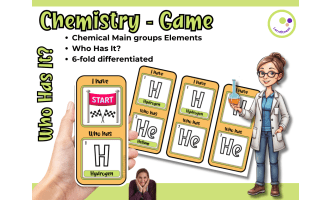
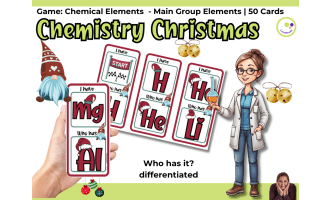
Chemistry Game:
Who Has It? – A Simple and Engaging Chemistry Game for Learning the Chemical Elements
If you teach chemistry, you know that learning the periodic table isn’t always easy for students. Memorizing element symbols and names can feel overwhelming, and worksheets don’t always help. This game is a simple, interactive way to make learning these concepts more natural.
"Who Has It?" is an easy-to-use call-and-response game that gets the whole class involved. Instead of staring at a periodic table, students hear and say element names, making the learning process more active.
How It Works
Each student receives one or more cards. One student starts by saying, “I have sodium. Who has magnesium?” The student with magnesium continues, and the game moves forward until all elements have been matched.
It’s simple, effective, and keeps everyone engaged.
Why Teachers Like It
It turns memorization into an active process.
All students participate, listen, and respond.
It’s flexible – you can play with just a few students or a whole class.
No extra prep – just print the cards and start.
Some teachers like to time the game to add a challenge, while others use it as a quick warm-up before introducing new elements.
What’s Included?
A full set of printable game cards featuring element symbols and names.
Different levels of difficulty – use only names, only symbols, or a mix.
An editable format so you can adjust it to your class needs.
This is a great way to break up traditional lessons and get students learning chemistry in a more natural, low-stress way.
If you're looking for an easy way to help students become more confident with the periodic table, this might be worth trying in your classroom.
Best,
Heike from Lernfitness
Did You Know?
I teach with a certified therapy dog, and together we create a positive and welcoming learning environment. 🐶
Resource Tags
0 Reviews
Check out these other great products