Excess Post-exercise Oxygen Consumption (EPOC)


About This Product
Excess Post-exercise Oxygen Consumption (EPOC): A Comprehensive Teaching Resource
Excess Post-exercise Oxygen Consumption (EPOC) is a comprehensive teaching resource designed for educators, mainly focusing on the causes, effects, and processes of EPOC. This product aims to provide a complete lesson plan for audiences in grades 9 through 11 and focuses primarily on human body science.
The PowerPoint Lesson Presentation
This PowerPoint Lesson Presentation features twelve information-packed slides where students will learn:
- Important terminologies: such as oxygen debt and EPOC.
- Different methods: Three unique methods for better post exercise recovery.
- EPOC Understanding: : Why it occurs and how to implement these recovery methods.
The Learning Objective
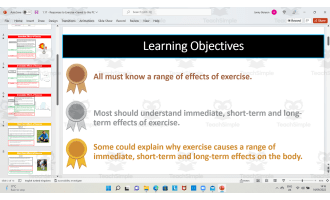
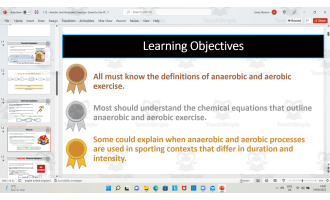
A key objective of this teaching resource is to enable students to explain the impact of EPOC on the human body. Furthermore, it hopes that some learners should be able evaluate use different recovery method in different scenarios.
Versatile Educational Tool
This versatile educational tool can be utilized across various settings due its design approach making adaptable with any teaching modes irrespective of being a classroom lecture (whole group), study circles (small group), or even as homework assignment initiating self-study regime among students. The user-friendly nature owes too because its primary file format being Microsoft PowerPoint thus guaranteeing wide access scope and ease-of-use owing commonplace software. In Conclusion... The Excess Post-Exercise Oxygen Consumption stirves serve as practical utility for educators looking forward engaging yet informative science related learning experience majorly centering around real-life aspects concerning human body studies connecting physical fitness and well-being.What's Included
12 Slide PowerPoint Lesson Presentation
Resource Tags
0 Reviews
Check out these other great products