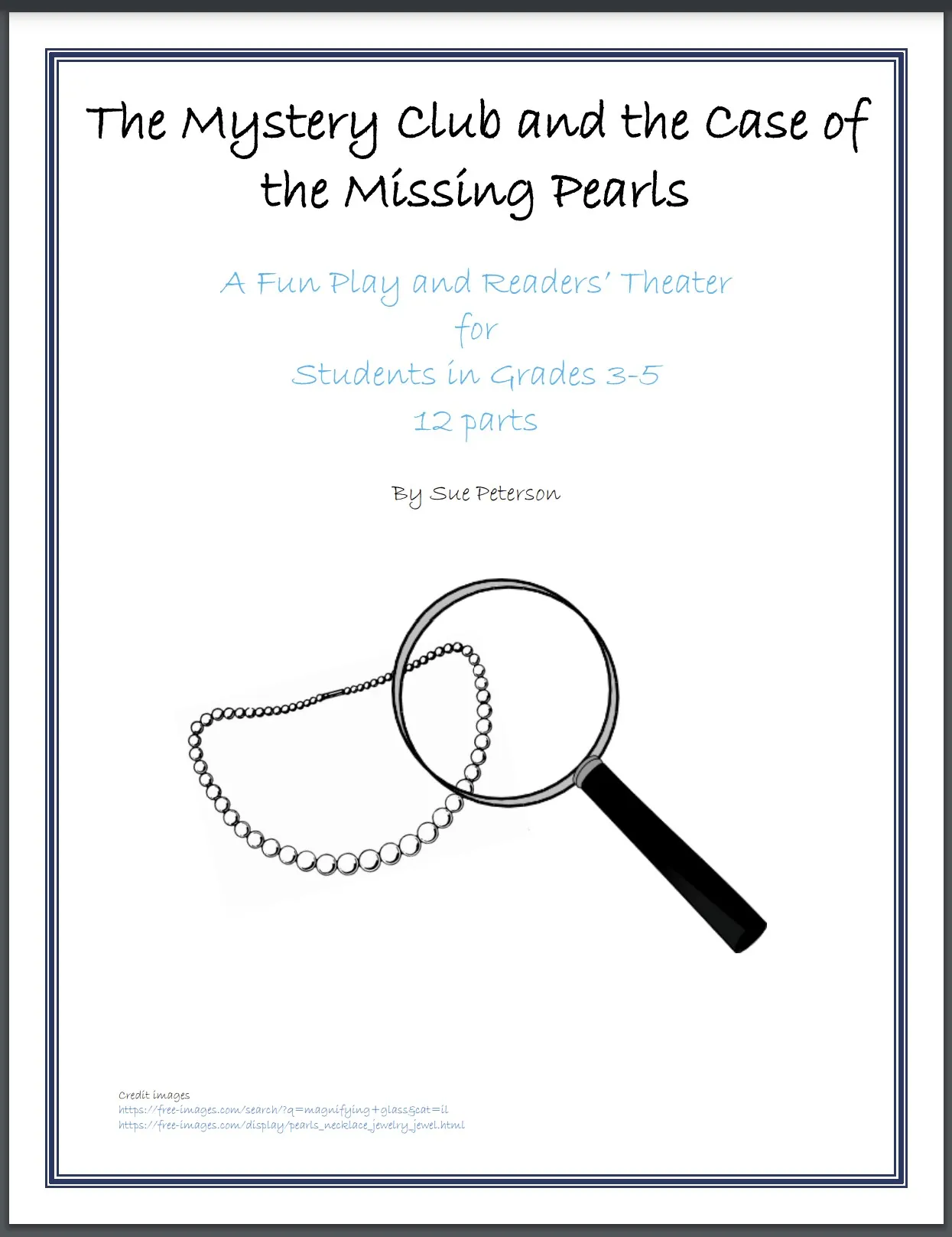
Fun Mystery Theater: The Mystery Club & The Case of the Missing Pearls
- Grades
- Grades 3–5
- Pages
- 15
- File type
- Answer key
- Included


- Subject
- Creative Arts, Drama
- Topic
- Mystery Theater, Play Script
- Resource types
- Activities
- Answer key
- Included
- Standards
- RL.3.3
Product description
From the author
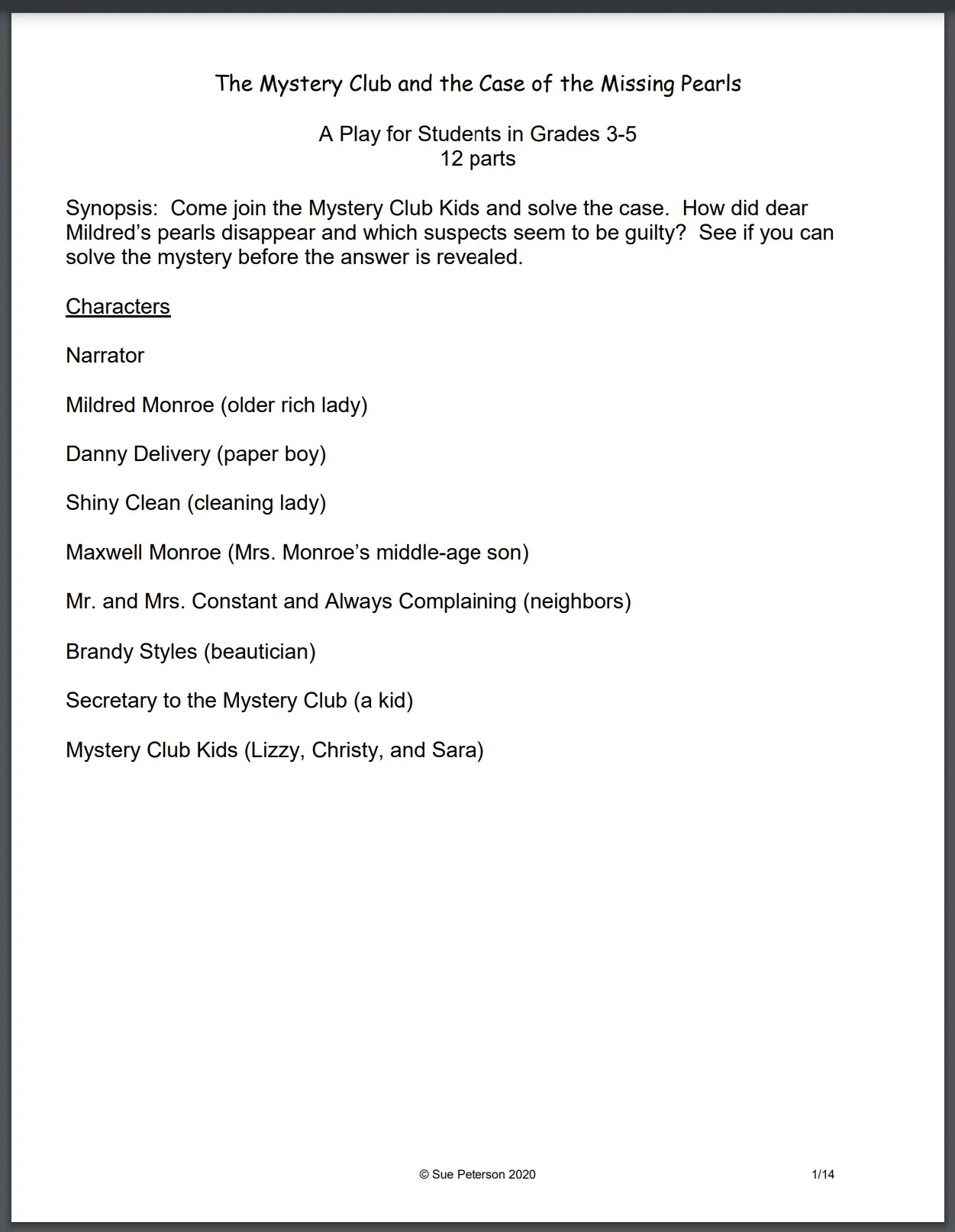
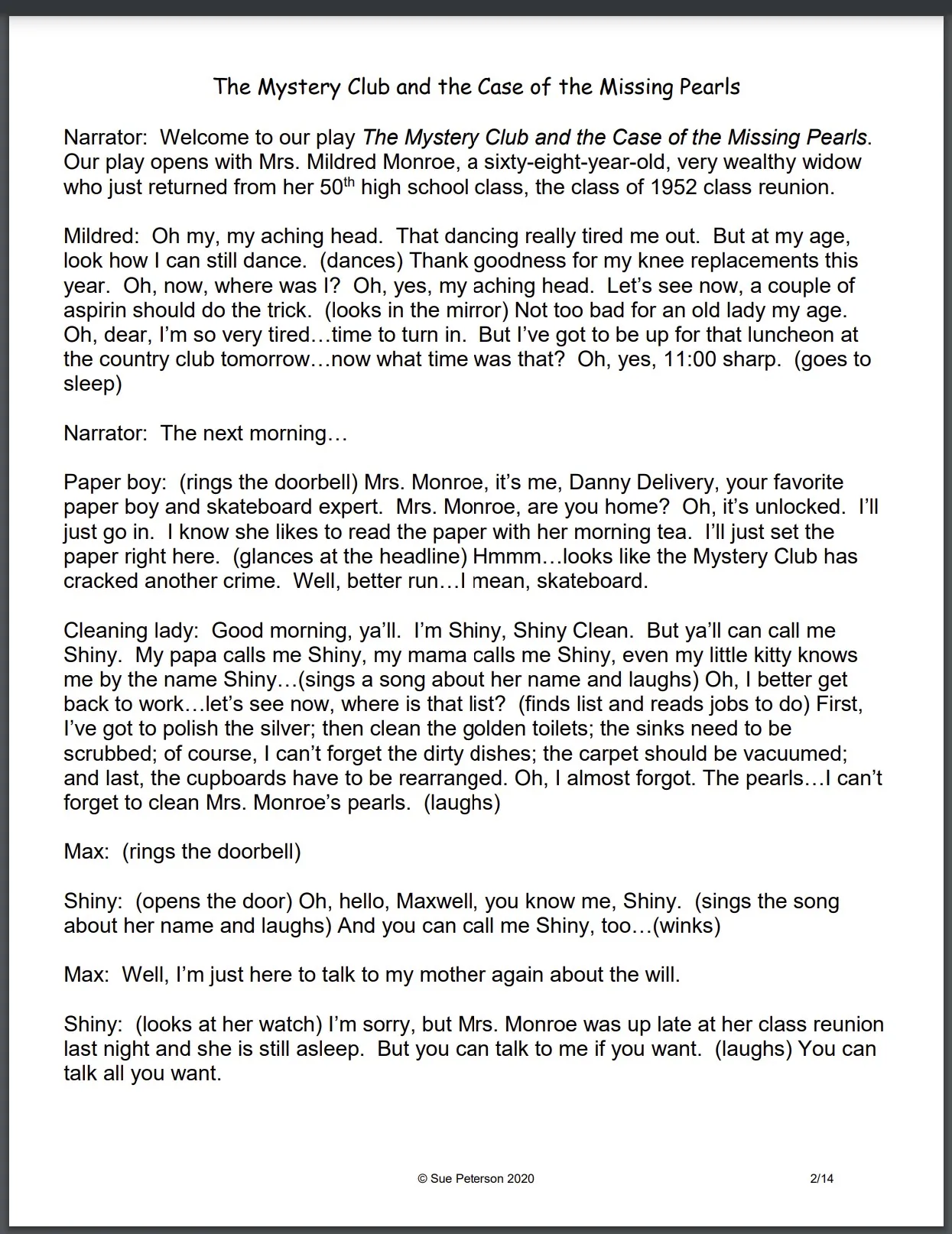
The Mystery Club and the Case of the Missing Pearls is a cleverly written mystery play featuring 12 acting parts, primarily targeting grades 3-5. The engaging resource turns your classroom into a lively stage where students derive an unmatched thrill from the unfolding drama. Through this experience, they build various learning skills, all in an atmosphere of camaraderie, intrigue, and thrilling mystery. Not to mention, this priceless experience that shapes their school memories forever!
A Peek into the Storyline!
The plot propels your students into solving an enthralling mystery centering around Mildred's missing pearls under mysterious circumstances— triggering lively discussions to solve the mystery of what happened to Mildred's pearls? Will your students figure out the mystery before the end of the play?
The Skills Focus
Fun Mystery Theater - The Mystery Club & the Case of the Missing Pearls predominantly focuses on Balanced Literacy. It also fosters the development of various complementary skills:
Nurtures character development insights focusing on purpose and point of view for creative/critical thinking paths
Supports plot sequencing and character analysis after reading in role
Promotes comprehension processes within reading activities
Fosters vocabulary growth
Correlates to numerous CCSS ELA-Literacy Standards
You can readily download this wonderful drama as a 15-page, easy-to-follow PDF. It's time for action - Play away, educators!
Related resources
More resources teachers may find useful
24 related resources were found using this product's title, contributor, categories and tags.




In the classroom
Teaching tips & learning objectives

Learning objectives
Students will perform a 12-part readers' theater script aloud, reading character dialogue with expression.
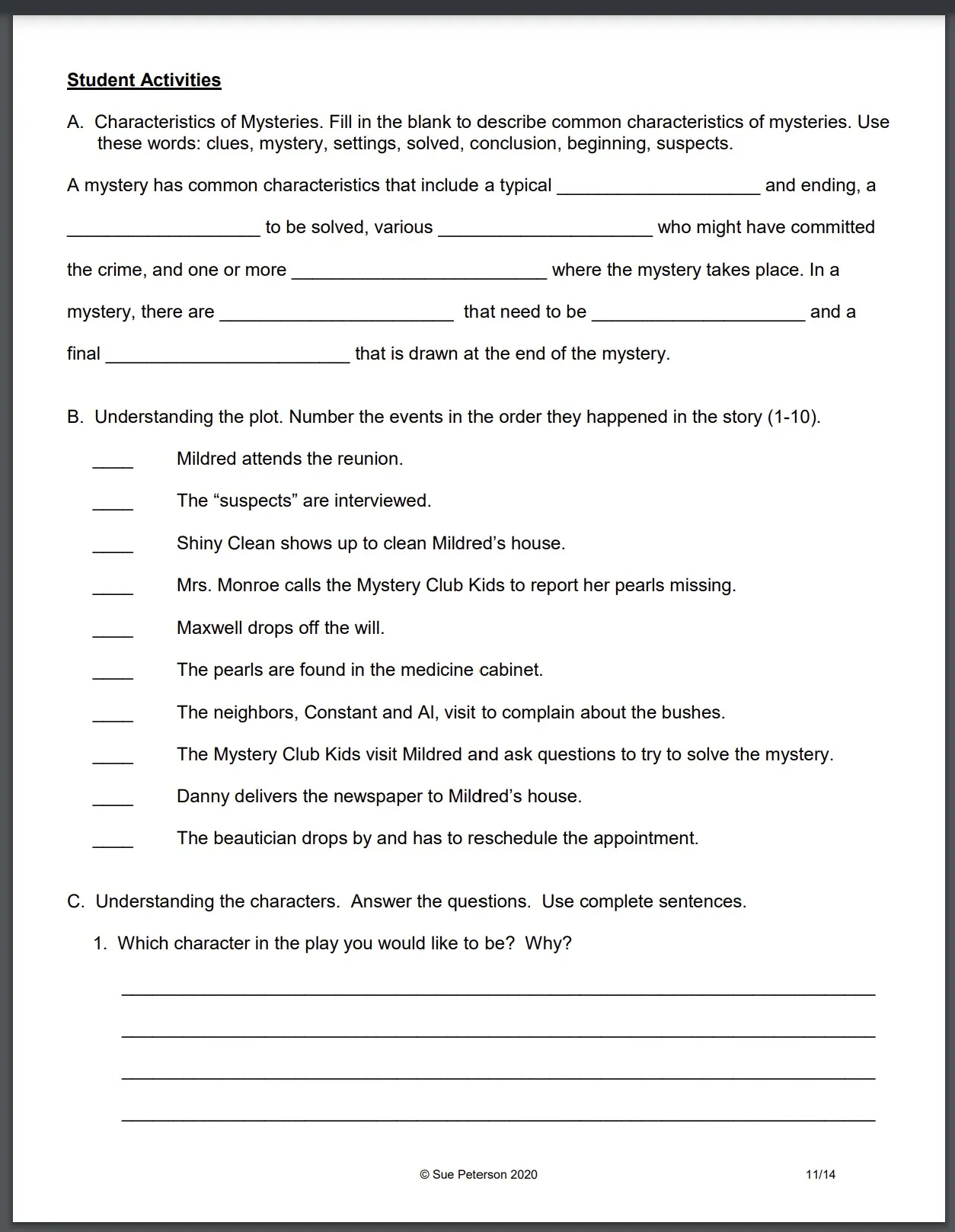
Students will describe common characteristics of a mystery (beginning, suspects, settings, clues, conclusion) using vocabulary from the play.
Students will sequence ten events from the play in the order they occurred.

Teaching tips
- Assign the twelve roles from the cast list before rehearsal.
- Use the alternate-ending task after students understand the original resolution.
In the script, “belated husband” should read “late husband.” The teacher activity page also has “Mystery Cub” instead of “Mystery Club.” The pearls are found in a medicine cabinet; do not describe the disappearance as a proven theft.

Skills covered
Dramatic reading and performance — students voice one of 12 distinct roles in a scripted readers' theater play.
Plot sequencing — students number ten events from the play in the order they occurred.
Narrative writing with dialogue — students draft an alternate ending to the mystery using character dialogue.
Good to know
Questions teachers ask about this resource
What writing task follows the mystery?
Students write a different ending using dialogue. Other activities address plot sequence, character, setting and the author’s word choices.

No reviews yet
Downloaded this resource? Tell other teachers how it went.
Curriculum
Standards, concepts & topics
Standards
 Standards
- RL.3.3
Core concepts
 Core concepts
Mystery genre elements
Readers' theater / drama structure
Plot sequencing
Character analysis
 Topics
Explore more
Categories this resource belongs to
Explore related searches
More to explore