I HAVE, WHO HAS? SPANISH GAME | LAS VERDURAS


Adult Education, Elementary, Early Learning, High School, Homeschool Resources, Middle School, Not Grade Specific


About This Product
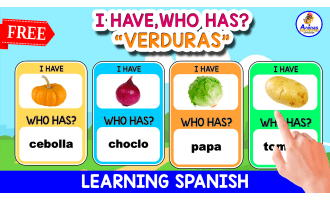
I HAVE, WHO HAS? SPANISH GAME | LAS VERDURAS
MAIN INFORMATION OF THE AUTHOR:
1) What specific skills are developed using this resource?
Students will be able to develop their attention, concentration, creativity, and imagination skills. It will also allow students to develop their cognitive skills such as comprehension, analysis, and others.
2) Who is the ideal audience for this document?
This document and/or teaching resource is primarily intended for young students, meaning those between the ages of 5 and 12, in other words, students in early childhood and/or primary education. However, it can also be used by the general public if required.
3) What recommendations are there for making the most of this resource?
To make the most of this resource, I recommend first analyzing it, then looking at the specific topic your student needs to learn and assess whether my resource addresses it. I also ask you to consider how you will print it.
4) Is this material up to date with the latest educational changes?
Yes, this material primarily addresses all learning theories about children, which tell us that children should learn in an educational and fun way.
5) What printing format guarantees the best results?
I recommend printing this document in PDF format. I would also ask you to carefully check whether you have a color or black and white printer.
OTHERS FREE RESOURCES FOR YOU:
DOT-DOT OF FRUITS:https://teachsimple.com/product/dot-do-activity-of-fruits-4-free-pages
ANIMAL SHADOWS:https://teachsimple.com/product/animal-shadows-1-free-worksheet
SECONDARY AND COMPLEMENTARY INFORMATION OF THIS EDUCATIONAL RESOURCE:
1) How can this resource be implemented in the classroom?
You can print this document and use it first both in the classroom and at home. You can also use it individually and in groups.
2) What additional materials are needed to supplement its use?
Your students may need crayons, pencils, markers, and sometimes scissors. We recommend assessing the additional materials and having them ready when using the worksheet.
3) What educational standards were considered in its creation?
It was not developed based on any standard.
Resource Tags
0 Reviews
Check out these other great products