Mean, Median, Mode, Range Notes and Pixel Art Digital and Printable


About This Product
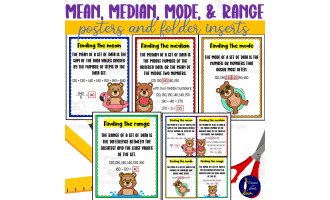
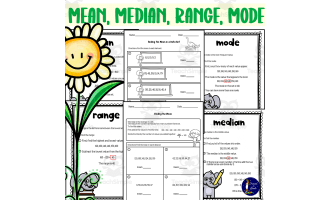
This “Mean, Median, Mode, Range Notes and Pixel Art” resource is designed to engage students in the understanding of mean, median, mode and range.
Educational and Engaging:
This resource is for students from 5th to 7th grade, providing them with a comprehensive understanding of mean, median, mode, and range. The interactive notes are followed by a pixel art activity that transforms the worksheet in an engaging game.
Digital and Printable Flexibility:
Being both printable and digital this product is suited for traditional classroom and remote learning as well.
Perfect for:
Math Centers
Homework
Enrichment Activities
End of year review
Emergency sub plan
Self-Checking and Immediate Feedback:
The digital version of the pixel art activity is self-checking, offering students immediate feedback on their answers.
As they solve each problem, the correct answers a part of the pixel art is revealed, while the incorrect answers prompt them to try again.
This feature not only reinforces learning but also adds an element of excitement to the process.
A Tool for Teachers:
Teachers will find this resource to be a valuable addition to their toolkit.
It requires no preparation and is ready to share with students as-is. The self-checking mechanism allows educators to easily monitor progress and identify areas where students may need additional support.
This “Mean, Median, Mode, Range Notes and Pixel Art” resource is more than just a teaching tool—it’s it's a way to teach in a more engaging and inspiring way.
By combining the rigor of mathematics with the fun of art, we’ve created a product that students will love and teachers will appreciate.
Embrace this engaging approach to learning and watch as your students’ understanding and enthusiasm for math reach new heights!
What's included:
A pdf with the printable version of the notes and activity.
Lint to the digital version
Solution
Resource Tags
0 Reviews
Check out these other great products