Science: Biomes and Ecosystems


Science, Life Sciences, Biology, Earth and Environmental Sciences, Earth Sciences, Environmental Science


About This Product
Product Overview: Science: Biomes and Ecosystems
This product serves as a teaching tool for educators instructing students on life sciences, particularly focusing on both aquatic and terrestrial biomes. It is designed to stimulate children's natural curiosity and provide insight into the world's biodiversity.
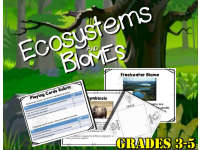
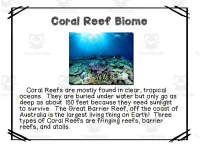
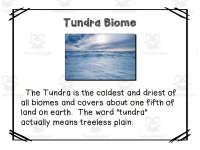
Main Elements:- Interactive Activities: The package includes multiple learning tools such as flip books, brochures, and an engaging 'playing cards' project.
- 'Playing Cards' Project: This activity helps familiarize students with all nine biomes included in this package. It combines creative expression with knowledge assimilation.
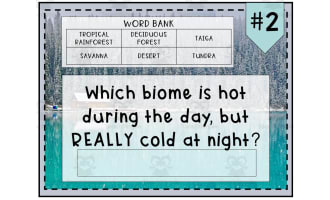
- Tactical Challenge: A competitive element is integrated which pairs students together in a challenge based on image recognition or revealing facts about different biomes.
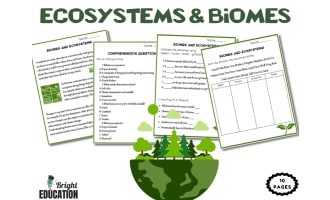
- Illuminating Passages & Articles: The package contains non-fiction short passages for each environment along with insightful articles exploring complex concepts like symbiosis and competition amongst organisms within ecosystems.
Detailed instructions for teachers along with a criterion-based rubic are provided for implementing lessons appropriately. There are potential applications during whole class sessions or small group activities, even as homework assignments amplifying schema of biology amongst the student populace.
Target Audience & Format:This resource is suitable for grade 3 to grade 6 students. Delivered as a PDF document revolving around subjects like Earth Sciences, Biology & Environmental Science, it makes environmental science more approachable by reducing theoretical learning hurdles which may discourage young learners from actively participating during lessons. Incorporation of this product promises immense invigoration within any science classroom demonstrating efficacy in enhancing pupil understanding of Life Sciences while simultaneously making the journey enjoyably interactive overall.
Resource Tags
0 Reviews
Check out these other great products