Structure of the Skeleton


About This Product
Title: Structure of the Skeleton
Revolutionize your anatomy lessons with the 'Structure of the Skeleton' PowerPoint resource. As a comprehensive lesson plan, it delves into the complex world of bone types and structures found within the human skeleton system. With 22 well-structured slides, it becomes an integral tool for stimulating engaging intellectual discourse among ninth, tenth, and eleventh-grade students.
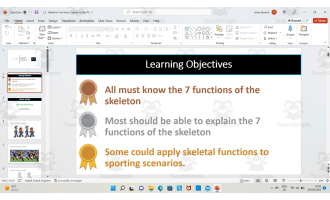
Understandably, different bones in our bodies serve unique functions based on their shapes - a concept our PowerPoint lesson seeks to demystify effectively. The progressive learning objectives aim to familiarize learners with various bone shapes at first. From thereon, most students should grasp how distinct bone forms determine corresponding functionality.
- The advanced curriculum layer encourages some high-performing learners to associate specific bone roles with sporting situations—a key strategy in applying theoretical knowledge to real-life scenarios handy for sports enthusiasts or future professionals in physical therapies or orthopedics.
So how best can you utilize this resource? Options abound! Modify it for larger group discussions or break down sections for thorough small group examinations. It pairs nicely with hands-on activities that emphasize understanding over mere memorization—an excellent practical application indeed! Homework assignments too become more exciting as you can chop up bits and pieces from this versatile educational tool; after all, independent study does enhance long-term retention!
It's designed considering no-nonsense educators who value direct instruction without sacrificing engagement nor compromising understanding—just pure skeletal anatomy relation to functionality. Simplicity meets quality education: file format is Microsoft PowerPoint which promotes an easy download and seamless integration process into your normal teaching program.In essence, 'Structure of The Skeleton' elegantly melds science-based factual information unfold systematically throughout its slides— perfect mutual tools teachers and homeschoolers alike need when dealing with adolescent learners exploring basic anatomy concepts by themselves or within collaborative groups.
What's Included
22 Slide PowerPoint Lesson
0 Reviews
Check out these other great products