resources by type
resources by grade
resources by subject
other resources

2,688 products added recently

Human Body Lesson Plans

Explore the intricacies of the human body with lesson plans that make anatomy accessible and engaging. Covering systems like circulatory, respiratory, and digestive, these resources use models and experiments to illustrate functions. Incorporate them to promote health awareness and curiosity about how our bodies work.

Relevant
alt down
Any Time
alt down
filter by
alt down
All File Types
alt down
filter nav Show filters
Sort by: Relevant
CLEAR
resources by type
Activities
down arrow
Classroom Decor
down arrow
Teacher Tools
up arrow
Anchor Charts
Assessments
Charts
DBQ's
Diagrams
Graphic Organizers
Lesson Plans
Literacy Readers
Outlines
Presentations
Quizzes and Tests
down arrow
Rubrics
Templates
Worksheets & Printables
down arrow
resources by grade
Early Learning
down arrow
Pre-K
down arrow
Elementary
down arrow
Middle School
down arrow
High School
down arrow
Adult Education
Not Grade Specific
resources by subject
Creative Arts
down arrow
ELA
down arrow
Holiday & Seasonal
down arrow
Life Studies
down arrow
Math
down arrow
P.E. & Health
down arrow
Social Studies
down arrow
Special Resources
down arrow
Science
up arrow
Basic Science
down arrow
Chemistry
Earth and Environmental Sciences
down arrow
Life Sciences
up arrow
Biology
Human Body
Animals
Insects
Nature & Plants
Physics
Technology
down arrow
Foreign Languages
down arrow
Resources for Teachers
down arrow
other resources
Common Core
Homeschool Resources
down arrow
Montessori
Research
STEM
All About The Brain | Human Body Video Lesson

All About The Brain | Human Body Video Lesson
Science, Life Sciences, Human Body, Not Grade Specific, Lesson Plans, Teacher Tools

Discover the "All About The Brain" Human Body Video Lesson - an engaging and insightful educational tool specially designed for teachers seeking to deepen their students' knowledge of the most intricate organ in the human body, the brain. This 10-minute video lesson comes in a high-quality MP4 format, ensuring seamless integration into any modern classroom environment. Expertly developed with captivating visuals, easy-to-understand explanations, and interactive components, this video lesson is perfect for laying the foundations or reinforcing key concepts related to brain structure and functionality. Students will be immersed in learning as they explore this amazing organ from various angles. Ideal for use across different grade levels and subject areas such as science, biology or psychology where lessons on human anatomy or neuroscience are part of your curriculum. This flexible digital educational resource can be effortlessly adapted into your current lesson plans or used independently as a valuable supplementary tool to encourage further understanding. Elevate your students' comprehension of the human brain by incorporating TeachSimple.com's "All AboutThe Brain" Human Body Video Lesson into your repertoire of outstanding instructional materials!

Author Educational Voice

Tags The Brain, Human Body, Video, Science Lesson, Interactive

Anxiety Management & Stress-Relief Breathing Exercise Worksheets

Anxiety Management & Stress-Relief Breathing Exercise Worksheets
STEM, Special Resources, Life Skills, Social Emotional Learning (SEL), Social Skills, Special Education Needs (SEN), Speech Therapy, Science, Life Sciences, Human Body, Homeschool Curriculum, Homeschool Templates, Grade 6, 7, 8, 9, Worksheets & Printables, Word Problems, Worksheets, Workbooks, Word Searches, Teacher Tools, Lesson Plans, Quizzes and Tests, Quizzes, Tests

This complete resource for anxiety management & stress relief using breathing exercise worksheets includes everything needed for middle school students. It is designed to be both printable (digital/electronic) and neuroscience-based and consists of 41 pages of student worksheets, real-world case studies, fill in the blank knowledge checks and numerous practical breathing protocols (Box Breathing, 4-7-8 Breath, Resonant Breathing, Physiological Sigh, Extended Exhale, Alternate Nostril Breathing and 5-4-3-2-1 Sensory Grounding) along with teacher answer keys, conceptual visuals and a full trauma informed implementation guide. This curriculum teaches students in 6th, 7th and 8th grades to interrupt amygdala hijacks, switch from the sympathetic "fight, flight or freeze" to the parasympathetic "rest and digest" and develop lifelong emotional resilience through the science of somatic agency, vagus nerve stimulation, neuroplasticity and autonomic nervous system regulation. This PDF product is perfect for school counseling, advisory periods, special education and homeschool implementation. There is no prep work necessary for immediate implementation in the classroom or at home. Keywords: anxiety worksheets for middle school students, breathing exercises for relieving stress for teens, anxiety management neuroscience based printable, somatic breathing toolkit, middle school social emotional learning curriculum, tools for testing anxiety, breathing activities for social anxiety. Parents & Teachers Love This Program Because: Science Supported but Student Friendly: This program teaches students the real science (amygdala, vagus nerve, heartbeat, myelination) behind their feelings in a way that helps them stop blaming themselves for the way they feel and begins to help them take charge of who they are by understanding how their body works. No Prep, Ready to Use: The program comes with student worksheets/answer keys, teacher projectables/visuals, and teacher implementation guides (these guides include trauma informed scripts) for busy community counselors, social-emotional teachers, and parents to use to implement this program with ease. The Efficacy of the Program has been Proven over and over Again Through the Use of the Program Addresses Multiple Anxiety Triggers (such as academic tests, social/cafeterias, digital overstimulation, athletic performance, and sleep difficulties) in multiple ways along with the use of protocols which work in real-world education settings. Creates Resilience Long-term: This program teaches daily habits and neuroplasticity, enabling the student to not only survive through anxiety attacks but also rewire their brain to have a calmer baseline state. An Inclusive and Trauma Informed Program: The program includes opt-out options, soft gazing instead of closing your eyes (making it safe for all students), and addresses the awkwardness associated with these activities, therefore making it safe and respectful for all students! Designation of Eligible Student Group (Overall Analysis of Document): The full curriculum covers the department for the 6th-8th grades (a.k.a. middle school or early adolescent age ~ 11-14). All research studies used in the curriculum have both 7th and 8th graders; the neurobiology part discusses the “development mismatch” between an adolescent’s limbic system and their prefrontal cortex; and every worksheet is designed for the life of a middle school student (i.e. school-themed exams, cafeteria social anxiety, hallway anxiety, sports pressure, digital anxiety). Therefore, the program is inappropriate for elementary students (too advanced) or high school students (language and examples are appropriate for the maturity level of students in grades 6-8). Copyright and Terms of Use This Book is copyrighted by Syed Hammad Rizvi for individual and classroom use only; you may not alter, resell or share the content. You may not place this Book on the web so that others may download it free of charge or for any other purpose (e.g., providing an online file, etc.). If you wish to share the Book with your colleagues, please purchase an additional license from Teachsimple. Thank you for your consideration of these Terms of Use. This Book is presented to you by Syed Hammad Rizvi in a very happy manner!

Author Creative Book Store

Rating

Tags AnxietyManagement, MiddleSchoolAnxiety, BreathingExercisesForTeens, StressReliefForKids, SELWorksheets, NeuroscienceForKids, AnxietyManagementForMiddleSchool, BreathingExercisesForMiddleSchool, StressReliefWorksheets, MiddleSchoolSEL

Lesson Plan on the Respiratory System - Grades 9-12

Lesson Plan on the Respiratory System - Grades 9-12
Biology, Life Sciences, Science, Human Body, Grade 9, 10, 11, 12, Activities, Worksheets & Printables, Lesson Plans, Teacher Tools

Bring the human respiratory system to life in your classroom with this dynamic 90-minute lesson designed for Grades 9–12. Centered around the engaging video “Respiratory System of the Human Body – How the Lungs Work!” , this lesson transforms complex anatomy and physiology into an accessible, student-friendly experience. The lesson kicks off with a fun and interactive mind map activity to activate prior knowledge, then guides students through video-based learning with pause points for discussion and clarification. A comprehensive student worksheet reinforces key concepts with multiple-choice questions, labeling diagrams, vocabulary matching, short-answer responses, and even a creative writing task. You'll love how the material appeals to visual, auditory, and kinesthetic learners, while also promoting scientific literacy and critical thinking. Best of all, everything you need is ready to go—perfect for busy teachers who want a rich, standards-aligned lesson without the prep work. Whether you're covering body systems or just need an engaging sub plan, this resource will help your students breathe easy while mastering essential biology content. Plug it in today and watch your class come alive with curiosity and understanding!

Author Bright Classroom Ideas Marketplace

Rating

Tags Respiratory, System, Human, Body, Biology, Lesson, Plan

Ocean Plastic Pollution – Data Analysis & Advocacy Sheets

Ocean Plastic Pollution – Data Analysis & Advocacy Sheets
Science, Earth and Environmental Sciences, Earth Sciences, Environmental Science, Geology, Space, Life Sciences, Nature & Plants, STEM, Human Body, Grade 6, 7, 8, 9, 10, 11, 12, Worksheets & Printables, Workbooks, Worksheets, Word Searches, Teacher Tools, Assessments, Lesson Plans, Quizzes and Tests, Quizzes, Tests

This 55-page comprehensive, interdisciplinary curriculum will allow you to turn your classroom into an environmental action lab focused on ocean plastic pollution. Designed to bridge cutting-edge marine science with civic advocacy, it provides students with opportunities to move beyond passive learning and into actual environmental action based on evidence. The curriculum consists of three phases that take students through a complete educational process. In Phase 1, Theoretical Framework gives students all of the background knowledge necessary for them as citizens to become advocates for change through evidence-based advocacy strategies (i.e., the Coriolis Effect; chemical properties of polymers; biodegradability; accumulation and magnification of toxins in food webs; marine ecosystems) designed using science and basic tenets of physics & chemistry that are used in designing marine policies. In Phase 2, Application Phase, students have the opportunity to apply what they have learned through 10 worksheets that require analytical thinking skills (i.e., interpreting data sets; calculating numbers; ecological reasoning; evaluating corporations' environmental claims) in the creation of project proposals, respectively, regarding greenwashing, greenhouse gas emission reductions. In Phase 3, Instructional Materials, teacher support is provided (i.e., graphic organizers; rubric; answer keys with rational explanations; pacing guide; differentiation strategies, etc.) for successful implementation of the curriculum across disciplines. Students will have the opportunity to analyze real-world examples of ocean plastic pollution facts, including: the Great Pacific Garbage Patch, Henderson Island, Midway Atoll; develop a quantitative analysis of the rate of time it takes for PVC plastic to decompose; create maps showing the locations of the locations of plastic and non-plastic debris along ocean currents; analyze data related to the successful clean up of beaches and oceans and use such information in forming international legislation that seeks to eliminate as much plastic pollution as possible through public awareness campaigns such as "I Love My Ocean" public service announcements etc. Students compose policy memos formally addressed to elected representatives. The materials will help students build skills and competencies in the areas of data literacy, systems thinking, scientific writing, persuasive communication and authentic political agency through a pressing global issue — marine plastic pollution. Topics Covered: Environmental Science, Earth Science, Marine Biology, Chemistry (Polymer Science), Economics, Civics/Government, ELA (Persuasive Writing, Research), Mathematics (Data Analysis, Percent Calculations, Unit Conversions). You will get: Theoretical Resource: Four Chapters (Pgs. 1 - 10); Structured Worksheets for Students (10 Worksheets with 100+ Questions) (Pgs. 11 - 22); Three High Contrast Pedagogical Visual Diagrams (Lifecycle Flowchart, Bar Chart, Advocacy Framework); Complete Comprehensive Answer Keys for Each Question with Model Response; Graded Rubric (100 Point) for Final Policy Memo Project; Flexible Pacing Guide (20 days of Instruction in a 4 week period); Strategies for Differentiation for 3 Learner Profiles; Cross Curricular Activity Connection (Science, ELA, Math, C.S.S., Art); Teacher's Resource List (documentaries, interactive tools, essential readings); Final Note to Educators with Pedagogy Philosophy. Keywords: ocean plastic pollution, microplastics worksheet, marine debris, environmental science curriculum, ocean gyres lesson, bioaccumulation, biomagnification, greenwashing, single use plastics, Extended Producer Responsibility, policy memo project, STEM environmental education, data analysis science, middle school science, high school environmental science, science resources, civic advocacy project, ocean conservation, sustainability education, plastic pollution unit. PARENTS/TEACHERS ENJOY THIS CURRICULUM VERSION: Interdisciplinary - Covers Several Subjects with One Resource. This PDF Combines Science, Math Writing (ELA), Economics, Social Studies, & Civics into a Single Resource - Teachers Save Time By Not Having to Create Multiple Lesson Plans. Provides Cross-Curricular Value - Administrators/Parents Can Easily See Cross-Curricular Value of Lesson. Teaches Real-World Skills, Not Just Testing. Students Learn to Analyze Data Sets, Recognize Corporate Greenwashing, Develop Legislation &Write Policy Memos to Real See Elected Officials Using Many of the Same Skills That Will Benefit Them as They Enter College/Career &Participate In A Democratic Society. Ready for Implementation- Complete Answer Keys with Detailed Model Responses; Grading Rubric (100 Points), Pacing Guide (4 weeks); Differentiation Strategies for 3 Different Learner Profiles; Cross-Curricular Connections for This Curriculum Make Implementation Possible Immediately After Prep Work is Finished. Addresses An Urgent, Student-Motivating Issue. Ocean plastic pollution is one of the most obvious environmental crises our kids face; this curriculum connects with the concern they currently have & creates meaningful, engaging learning through rigorous science & civic engagement vs passive acknowledgment of a problem. Sufficiently Rigor for Advanced Students While Use Infrastructure to Support Struggling Learners - There Are Strategies for Supporting Struggling Readers, Advanced Learners Please Readers, English Language Learners Located In The Resource. TARGET STUDENT GRADE LEVELS : This PDF is appropriate for the following grade levels based on an in-depth study of various types of complexity factors: vocabulary (CPV), level of math (CPSM), level of writing (CPW), and level of conceptual depth (CPD). Primary Target Grades 7-10 Core Worksheets for Grades 7-8: Worksheets are intended for core subject teachers scaffolding; fill-in-the-blank and short answer sections of worksheets allow for guided reading. Independent Engagement for Grades 9-10: Students will have the ability to fully engage in all theoretical materials, perform calculations, write policy memorandums, and create advocacy campaigns. Secondary Target Grades 11-12 (AP Environmental Science/AP Language) Advanced students in all areas of study will benefit from the economic analysis, sections on international law, critique of greenwashing, and sections on writing policy briefs at college preparatory level. Also Appropriate for: Gifted/Advanced Programs (grades 6 and up) Environmental Clubs/Extracurricular Programs (all ages) College Level Environmental Science 101 (Community College Level) Adult Education/Homeschool (Middle School & High School Level) Copyright/Usage Terms : Despite being created by Syed Hammad Rizvi, this book belongs solely to him, and it may not be modified or sold without his consent. You are allowed to make copies for your use; however, you may not post or upload copies on-line or anywhere else that they would be available to the general public. If you wish to share this book with other educators, you can purchase additional copies of the same license from Teachsimple. By following these rules, you uphold the terms of use. This product has been lovingly produced with the help of Syed Hammad Rizvi

Author Creative Book Store

Rating

Tags OceanPlasticPollution, PlasticPollution, Microplastics, MarineDebris, EnvironmentalScience, MiddleSchoolScience, HighSchoolScience, ScienceTeacher, DigitalDownload, HomeschoolScience

Free Science Interactive Hangman / Traits and Reproduction Vocabulary
Free Download

Free Science Interactive Hangman / Traits and Reproduction Vocabulary
Science, Life Sciences, Human Body, Biology, Grade 8, Teacher Tools, Lesson Plans

Interactive Science Vocabulary Hangman for 8th Grade Reproduction and Traits Engage your 8th grade science students with this interactive hangman game to help them learn and review key vocabulary words and definitions related to traits, reproduction, and characteristics. This 24-slide PowerPoint game allows students to practice 24 important 8th grade science terms first before playing a lively round of hangman. To play, students guess letters and if correct, the letters fall into place. Incorrect guesses lead to drawing another body part of the hangman. With multiple visuals and built-in reviews, this activity stimulates intelligence, builds concentration and retention, and increases science vocabulary and pronunciation skills. Use it for whole-group practice, individual review, or even homework for a fun way to reinforce 8th grade science curriculum on traits and reproduction. More Spanish games and activities for math, language arts, and more levels available in our TpT store.

Author ShapeUp-N-Matematicas y Lenguaje

Tags Reproduction, Traits, Traits And Reproduction, Chromosomes, Fertilization, Ribosomes, Dna, Human Feature, Interactive Activity, Small Or Whole Group

All About The Ears | Human Body Video Lesson

All About The Ears | Human Body Video Lesson
Science, Life Sciences, Human Body, Not Grade Specific, Lesson Plans, Teacher Tools

This human body video lesson is all about the ears. Students will love this engaging and interactive video. This video serves as a great introduction or review video for your learners. This is a 12-minute video lesson.

Author Educational Voice

Tags Ears, Human Body, Science, Science Video, Video Lesson

The Human Body Gr. 4-6

The Human Body Gr. 4-6
Science, Life Sciences, Human Body, Grade 4, 5, Teacher Tools, Lesson Plans

The Human Body Gr. 4-6 This invaluable teaching resource provides an in-depth exploration of the key systems of human body including: The Skeletal System The Muscular System The Respiratory System The Circulatory System The Digestive System, And the Nervous System. Who is this for? This product is elegantly crafted for grade 4 to 6 learners and primarily falls under the broad category of science, with a central focus on human biology. An Eye on Holistic Education An essential element setting this curriculum apart lies in its unique fusion of varied learning methods aimed at reinforcing information retention. These include: Avenues for cognitive development: Creative art-based tasks fostering imagination and cognitive prowess among students. Kinetic learning: Inclusion of physical activities enhancing motor skills while consolidating learnings from each lesson. Literacy Skills Enhancement: Carefully structured tasks ensuring continuous creative writing practice eventually ending up enhancing verbal capabilities considerably. Numeracy Skills Development: Fusion of mathematics-related activities leads to practical applications, strengthening numeracy skills and extending benefits beyond a science-oriented teaching plan. Flexibility & Adaptability – A Teacher’s Delight! This curriculum has been ingeniously designed with optional activities catering to educators' varying teaching styles or specific classroom requirements promoting adaptability whether it is intended for group instruction, small group involvement, or individual assignments. Pleasurable Revision! - To ensure adequate revision while keeping the fun element alive, incorporated within are engaging crossword puzzles and heighten engagement-level word-search games. Organised Evaluation – The Cherry on Top The product is carefully topped with systematically integrated answer keys aiding prompt evaluation, enabling timely feedback hence strengthening consistent progress monitoring efforts. In conclusion, The Human Body Gr. 4-6 serves as an indispensable resource for teachers empowering not just the creation of a comprehensive lesson plan but facilitates in nurturing curiosity about human anatomy among middle-school students.

Author Classroom Complete Press

Tags PDF

90' Lesson on The Five Senses

90' Lesson on The Five Senses
Biology, Life Sciences, Science, Human Body, Grade 1, 2, 3, Lesson Plans, Teacher Tools, Worksheets & Printables

For first through third grades, this 90-minute course makes the five senses come to life in a way that is both instructive and genuinely enjoyable. We begin with "The Five Senses | The Dr. Binocs Show"—a video that kids genuinely like watching—and then go into activities that allow them to immediately apply what they have learned. The hands-on part is where the real magic happens. Students participate in a "Sound Hunt" to identify various sounds, become "Color Detectives" looking for particular colors across the classroom, and reach into mystery bags to make educated guesses about what's inside based only on feel and scent. There will be many "ooh!" and "what IS that?" moments. It goes beyond simply listing the five senses, though. We've included opportunities for children to relate their feelings to what they're going through. A warm blanket makes you feel secure. A song we love brings us joy. We are reminded of home by the scent of freshly made cookies. Children naturally acquire empathy and emotional awareness thanks to these small connections. The worksheet encourages children to think creatively while cooperating through matching games, sketching prompts, and reflection questions. Simply print and go—no difficult preparation is required. This scientific lesson is perfect if you're searching for one that also fosters emotional intelligence. Your pupils will exercise teamwork, hone their observational abilities, and get a greater understanding of how their senses influence each day.

Author Bright Classroom Ideas Marketplace

Rating

Tags Five Senses, Sense, Human, Body, Biology, Lesson, Sel, Worksheet, Elementary

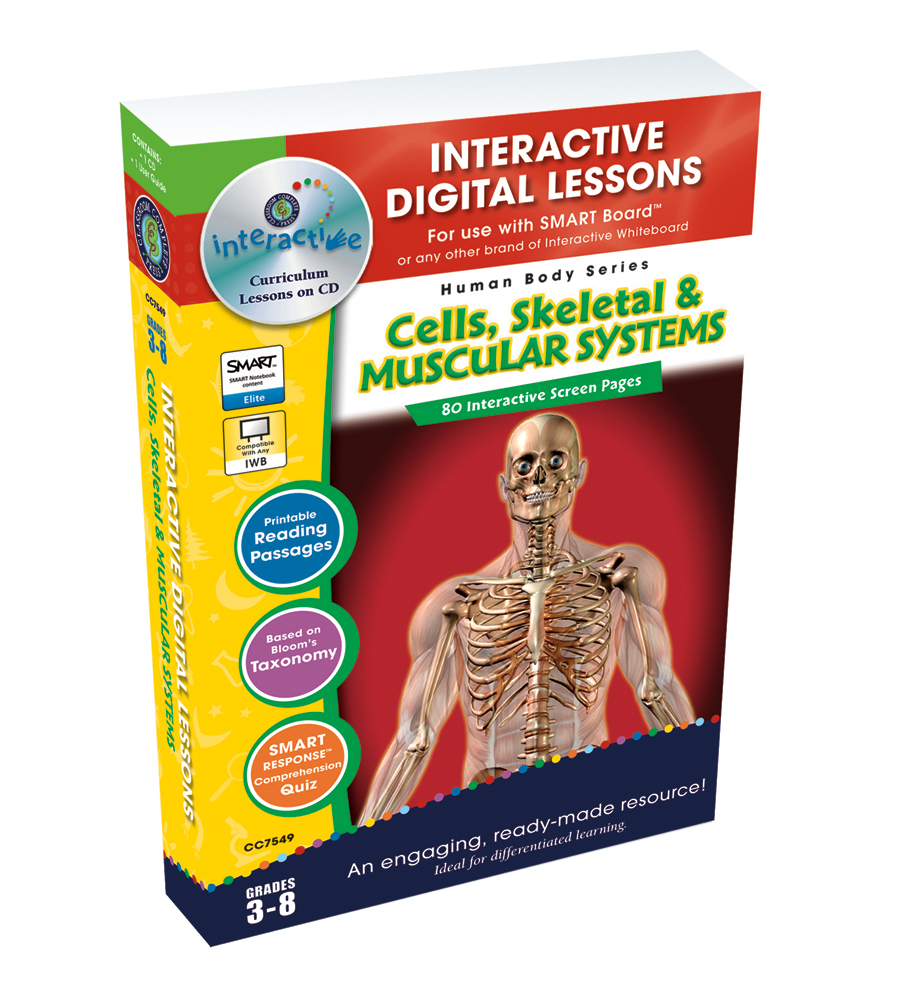
Cells, Skeletal & Muscular Systems: Cells, Tissues, Organs & Systems Gr. 5-8

Cells, Skeletal & Muscular Systems: Cells, Tissues, Organs & Systems Gr. 5-8
Science, Life Sciences, Human Body, Grade 5, 6, 7, 8, Teacher Tools, Lesson Plans

Introduction Cells, Skeletal & Muscular Systems: Cells, Tissues, Organs & Systems Gr. 5-8 is a comprehensive science teaching resource tailored for grades 5 to 8. This resource explores human anatomy and biology in a way that is both accessible and engaging for younger learners. About the Chapter Slice : An in-depth look into cells — the fundamental building blocks of life. A study on how specialized cells group together to form tissues. An exploration of how tissues combine further to create organs. A detailed understanding of organ systems—how individual organs function within these systems. Detailed Coverage of Body Systems The resource covers the eight primary systems within the human body— including respiratory, circulatory, digestive systems among others—all introduced with precision and clarity. Further focus on muscular and skeletal system provide depth for learners interested in these areas. Engaging Activities: This product file offers various pre-reading tasks along with hands-on activities that promote active participation from students during class or home-based study sessions – suitable not only for whole groups but also small clusters or independent homework assignments. Note:All content aligns accurately with state standards as well as integrates Bloom's Taxonomy framework - ensuring academically rigorous content while leveraging STEM initiatives—the modern interdisciplinary education approach that connects Science elements effectively. Included are attractive color mini posters as visual aids supporting kinesthetic learning. In Conclusion... Consider "Cells, Skeletal & Muscular Systems: Cells, Tissues, Organs & Systems Gr. 5-8", a significant investment in your students' understanding of human biology. Inspire their curiosity and aid their exploration of the science within themselves.

Author Classroom Complete Press

Tags PDF

Cells, Skeletal & Muscular Systems: What Are Organs & Organ Systems? Gr. 5-8

Cells, Skeletal & Muscular Systems: What Are Organs & Organ Systems? Gr. 5-8
Science, Life Sciences, Human Body, Grade 5, 6, 7, 8, Teacher Tools, Lesson Plans

Cells, Skeletal & Muscular Systems: What Are Organs & Organ Systems? Gr. 5-8 A comprehensive teaching resource tailored for students in Grades 5 through 8. This resource dives into the fascinating world of human anatomy, with focus on cells, and the skeletal and muscular systems. Teaching Cell Structure & Function This product delves into cell structure and function with clear lessons targeting all student levels. Special attention is given to specialized cell types - helping students understand that not all cells are created equal. From here, learners can appreciate how different cells come together to form tissues and eventually organs and organ systems. An Overview of Eight Different Organ Systems Circulatory System Respiratory System Nervous System Digestive System Excretory System Reproductive System The organ systems are distinctly detailed within this course material for ease of understanding. In-depth Studies: Muscular & Skeletal Systems In-depth studies then follow on two very integral human body components: the muscular system and skeletal system. Educational Approaches: The manual can be used during classroom interactive sessions (whole-group overview or small group focused study) . The manual can also serve as homework material. Bonus Educational Features: Reading Passages Pre-reading Activities Sequential Lesson Plans Mini Posters Colorful Visually Enhances Learning Evaluation & Assessment : Test Prep Tools Bloom's Taxonomy High-quality Content that Aligns with State Standards covers STEM initiatives.

Author Classroom Complete Press

Tags PDF, The Organs In The Muscular System, Are Organs Muscles

Free Science Human Microbiome Vocabulary Interactive Review
Free Download

Free Science Human Microbiome Vocabulary Interactive Review
Science, Life Sciences, Human Body, Basic Science, Grade 7, Teacher Tools, Lesson Plans

Human Microbiome Vocabulary Words to Review and Reinforce Definitions of the 7TH Grade Science curriculum . Students will learn and practice terms through definitions and characteristics. The engaging activity promotes collaboration and class discussion as students review terms definitions, and more with multiple visuals and learning formats like multiple choice questions, memory games, hang-man, and others. This versatile resource can be used for whole-group instruction, small-group practice, or independent work, just practice the words and then review them by choosing the correct one, it will self-correct you until you choose the correct answer Practice your Vocabulary with this Free Interactive Game Introduce young learners to a variety of visuals with this entertaining digital game. Students will see the names and images of different words and definitions; exercising visual memory and concentration. This self-checking activity can be played independently or as a whole class game projected on a smartboard. The vibrant slideshow stimulates engagement while building construction classification skills. students will build their knowledge of important terms and definitions while having fun playing games. This activity stimulates intelligence, builds concentration, reinforces letter recognition, improves spelling and pronunciation, and engagingly expands vocabulary. It's a perfect supplement for your lesson. Check our shop, material, and products for more interactive construction vocabulary reviews covering other topics like human microbiome, metabolism, and more grade levels in science and Spanish language arts. Download this versatile 32-slide PowerPoint today!

Author ShapeUp-N-Matematicas y Lenguaje

Tags SCIENCE, Human Microbiome, Bacteria, Infection, Microbiome , Microorganism, Cells, Antibiotic, Cell, Scientific Argument

Circulatory, Digestive & Reproductive Systems - Digital Lesson Plan Gr. 5-8 - FLASH-PC

Circulatory, Digestive & Reproductive Systems - Digital Lesson Plan Gr. 5-8 - FLASH-PC
Science, Life Sciences, Human Body, Grade 3, 4, 5, 6, 7, 8, Teacher Tools, Lesson Plans

Sure, here you go: ``` The Circulatory, Digestive & Reproductive Systems - Digital Lesson Plan Gr. 5-8 - FLASH-PC This is a highly interactive teaching resource designed to navigate the curiosity of students through the miracles of human anatomy. This accessible educational tool ideally caters to educators seeking effective and engaging methods for teaching grades 3rd through 8th about our body systems. Lesson Contents In this digital lesson plan, students venture through the functions of circulatory, digestive, and reproductive systems across an impressively detailed 80-screen page format. Learners acquire an immersive insight into human physiology by: Fully understanding how kidneys and intestines efficiently liberate us from harmful waste Stepping into the complex processes within our stomach turning food into fuel for our bodies Infiltrating the journey of blood as red blood cells The course also answers that age-old question all children ponder eventually – How are babies made? Walking them sensitively yet factually through stages of development offers unique perspectives on reproduction. Interactive Learning Activities This comprehensive package heightens student involvement with numerous interactive activities such as: 'Pre-and post-reading tasks' , 'Test preparation materials' , 'Memory match games' , '); ' Crossword puzzles' and 'Word searches', which challenge their newly learned vocabulary, 'Supplemental video & audio content' for visual and auditory learners. Benefits for Teachers Designed specifically with teachers' needs in mind, this tool can be smoothly implemented as part of a whole group session where lively discussion can be facilitated or used in smaller groups where personalized learning experiences can be curated according to each child's capability pace. It is also suitable for assigning enriching homework exercises. Its comprehensive adherence to state standards and alignment with Bloom's Taxonomy makes it a reliable tool for addressing mandated curriculum goals while fostering higher-order thinking skills among students. Ease of Access This software package is easily downloadable as a PC software file-type. Teachers worldwide will find that enlightening human anatomy sessions are just a click away. With the Circulatory, Digestive & Reproductive Systems - Digital Lesson Plan for grades 5 through 8, teaching human body dynamics becomes an enlightening journey rather than a difficult task. ```

Author Classroom Complete Press

Tags Software (PC)

Circulatory, Digestive & Reproductive Systems: From Stomach to Fuel Gr. 5-8

Circulatory, Digestive & Reproductive Systems: From Stomach to Fuel Gr. 5-8
Science, Life Sciences, Human Body, Grade 5, 6, 7, 8, Teacher Tools, Lesson Plans

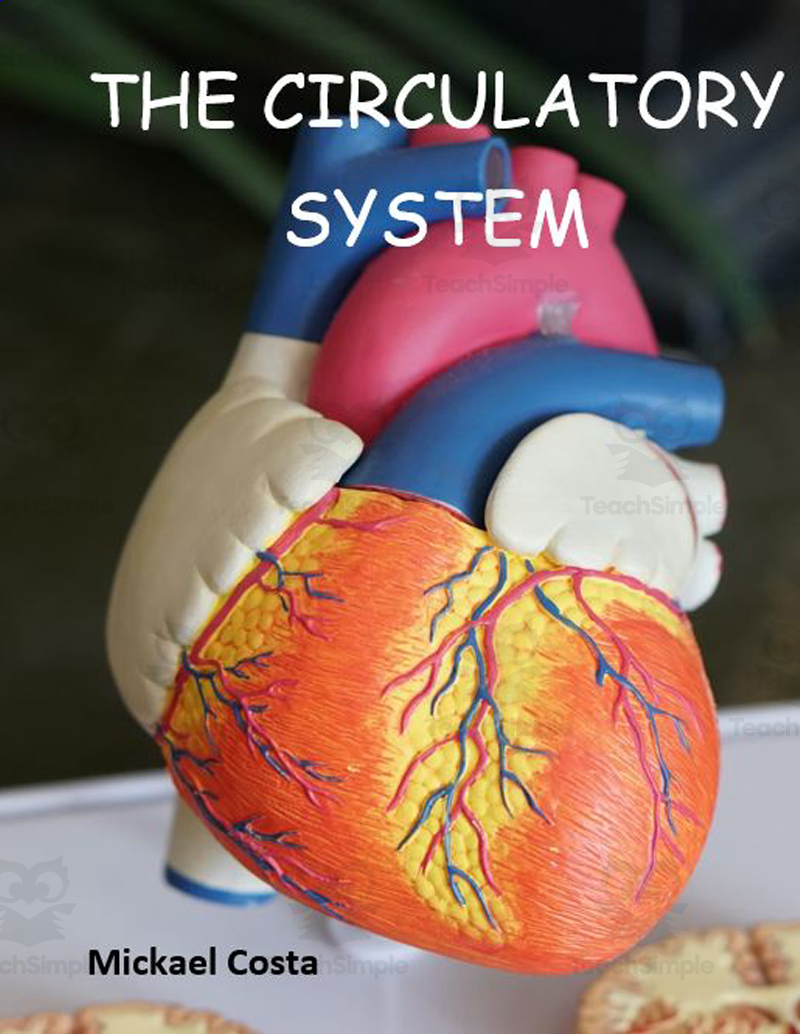
The Circulatory, Digestive & Reproductive Systems: From Stomach to Fuel Teaching Resource This is a comprehensive teaching resource suitable for students from grades 5 to 8 with a focus on the circulatory, digestive, and reproductive systems. Major body systems are discussed in detail: Circulatory System: Detailed study about blood vessels and the heart. Digestive System: Highlights the path food takes from mouth to large intestine and how food is transformed into fuel. Auxillary Organ Functions: Understanding how organs like liver, lungs, skin work together in flushing out toxins from our bodies. Moving forward in complexity, it dives into biology subjects such as nephrology (study of kidneys)and gastroenterology (study of intestines). Finally free students learn "the makings of life" -- How sperm cell & egg cell merge leading up till birth. The educational tool serves best for: Whole group discussions - Enables interactive participation among learners > Small group activities > - Promotes supportive learning environment > Data Retention methods included: -*Engaging reading passages -*Interactive student-led classroom activities *Test preparation materials: -Assists in gauging learner's knowledge retention. -Includes set of color mini posters catering visual learners reinforcing comprehension. Bloom's Taxonomy principals fostering holistic growth: -The product promotes critical thinking abilities thus mapping STEM initiative encouraging scientific investigation skills. -This PDF aligns state standards with curriculum for science teachers dealing specifically with human body subtopics. -Lastly, it is a teaching tool designed to cater each learner type hence keeping classrooms engaging. An absolute ally for educators nurturing inquisitive young minds by manifesting wonder of science within themselves!

Author Classroom Complete Press

Tags PDF

Circulatory,Digestive & Reproductive Systems: The Circulatory System - Blood Vessels - FLASH-PC

Circulatory,Digestive & Reproductive Systems: The Circulatory System - Blood Vessels - FLASH-PC
Science, Life Sciences, Human Body, Common Core, Grade 5, 6, 7, 8, Teacher Tools, Lesson Plans

Circulatory, Digestive & Reproductive Systems: The Circulatory System - Blood Vessels - FLASH-PC Geared towards students in grades 5 through 8, this lesson plan dives into the complexities of blood vessels prominent in these three core systems. Offering a comprehensive approach, this resource includes: Reading Passages: Tailored to simplify even complex concepts. 'Before You Read' questions: To gauge prior knowledge and stimulate interest. 'After You Read' queries: Designed for reinforcing learned content. This well-rounded method facilitates key concepts to cement in students' minds. Included Supplemental Printables Packed with supplemental printables useful across various teaching scenarios like whole-class instruction or smaller group activities, these resources bring added visual context for enhanced understanding. An Engaging Package The package also includes interactive activities offering hands-on opportunities for learners—a sure way to maintain high educational value while drumming up excitement. A handy addition is vocabulary flashcards focusing on critical terminologies—use them as classroom resources or homework tasks—students will find these flexible reference tools enable independent learning each time they use it. Incorporation of Audio and Video Learning Methods To appeal to diverse learners, FLASH-PC incorporates both audio and video into its expansive set of tools. The product features video clips for visual enthusiasts while auditory learners will benefit from the audio tracks included. Bloom's Taxonomy Principles and Compliance with CCSS Standards: The product design is underscored by Bloom's Taxonomy principles and complies with Common Core State Standards (CCSS)—a pedagogically sound feature, ensuring compliance with established curriculum requirements—a factor educators will definitely find valuable! Software file types: The importance of suitable software file types is taken into account—necessary PC software files come as part of this excellent teaching resource. So, turn complex lessons into engaging sessions with this dynamic product geared towards simplifying the learning process for both educators and students alike!

Author Classroom Complete Press

Tags Software (PC)

Sustainable Energy Projects Handbook - Environmental Science Book

Sustainable Energy Projects Handbook - Environmental Science Book
Earth and Environmental Sciences, Science, Earth Sciences, Environmental Science, Geology, Space, Life Sciences, Human Body, Nature & Plants, Physics, Grade 6, 7, 8, 9, 10, 11, 12, Experiments, Activities, Projects, Lesson Plans, Teacher Tools, Workbooks, Worksheets & Printables

Explore the realm of environmental science and sustainable energies with the “Sustainable Energy Projects Handbook - Environmental Science” authored by Syed Hammad Rizvi - an essential handbook that must be present in every school library or educational institution offering environmental science courses for middle school and high school students interested in renewable energies and environmental conservation. This comprehensive 370-page handbook specifically written with grades 6-12 in mind addresses tough subject matters related to ecosystems, natural resources, water & carbon cycle processes, biodiversity conservation, fossil fuels effects, and developing contemporary renewable sources of solar photovoltaics, wind turbines, hydroelectricity, geothermal power, biomass biofuels, and ocean tidal power. Jam-packed with do-it-yourself projects (including solar oven designs & DIY models of wind turbines), case studies of successful community sustainable initiatives all over the world, as well as useful guides in project planning & budgeting analysis, risk assessment & management, product life cycle assessment & carbon footprint calculations, & methods of air & water pollutants control strategies included in this handbook encourage critical thinking & environmental education. It is STEM & SDGs compatible & suitable for teachers or parents looking for hands-on environmental science & sustainable education projects. Keywords: environmental science middle school textbook, sustainable energy projects for middle school students, renewable energy resource for teenagers, climate change lesson plans grades 6-12, environmental education book on STEM and environment, biodiversity and conservation guide, homemade solar wind hydro energy projects for kids, energy conservation education resource, eco-friendly ideas for a science project, environmental energy advocacy for a high school. Why Parents/Schools Love It : Comprehensive and Curriculum-Aligned: It encompasses a broad array of environmental science-related subjects from basic to advanced level projects, aligning perfectly and facilitating a complete understanding of sustainability and renewable energy. Hands-on Learning Activities: It includes various DIY and case studies that help students take part in hands-on learning by making difficult concepts such as solar and wind power more interesting and accessible to them. Fosters Environmental Responsibility: Equips young learners with knowledge about climate change, biodiversity, and values for preparing environmentally responsible global citizens for the future. Engaging and Accessible Language: Presented in clear, technical writing style that appeals to teens, with cross-discipline knowledge from biology, physics, as well as ethics. Adaptive to Various Settings: Designed to fit a multitude of settings, including educational use in the classroom, homeschooling, science fairs, or even clubs, offering tools for measuring the impact of the project. Target Students/Classes : On the basis of a comprehensive assessment of the material, structure, and language of the book, which varies from the basic notions of sustainability, ecosystems, energy fundamentals, renewables, and reaches its climax with the advanced notions of project development, assessment of the environmental implications of such projects (LCA, footprints, etc.), policies, to action, the intended recipients of the material’s scope and focus can be determined to be students between the ages of 11-18, i.e. from grades 6 to 12. Grades 6-8 (Middle School): Best for introductory classes for environmental science, basic cycles, human effects, biodiversity, and simple energy principles, with the goal of creating engagement through DIY projects. Grades 9-12 (High School): More suited for advanced classes in environmental science, earth science, or AP environmental science, focusing on renewable technologies, integration, feasibility analysis, risk analysis, and goals for sustainability in more real-world examples and discussions. Again, this would correlate with the intended audience of grades 6-12 and the progressive level of complexity from the book. Copyright/Terms of Use : This book has been copyrighted by Syed Hammad Rizvi. This educational resource may be used for personal and single class use. You may not, under any circumstances, reproduce, distribute, and sell any part of this resource. This means you may not post this resource on the Internet so it could be downloaded from anywhere. If you would like to share this resource with others, you can purchase more licenses through Teachsimple. Thank you for following the guidelines for use! It is all happily offered by Syed Hammad Rizvi

Author Creative Book Store

Rating

Tags SustainableEnergy, EnvironmentalScience, RenewableEnergy, SolarEnergy, WindEnergy, HydroPower, GeothermalEnergy, BiomassEnergy, OceanEnergy, ClimateChange

Circulatory, Digestive & Reproductive Systems Gr. 5-8

Circulatory, Digestive & Reproductive Systems Gr. 5-8
Science, Life Sciences, Human Body, Grade 5, 6, 7, 8, Teacher Tools, Lesson Plans

Circulatory, Digestive & Reproductive Systems Gr. 5-8 This engaging resource provides a comprehensive exploration of the human body for students in grades 5-8. It simplifies intricate concepts and sequentially uncovers the layers of our biological systems. The Journey Begins: The Circulatory System The educational adventure starts with an examination of the circulatory system which essentially includes arteries, veins and capillaries - our vital lifelines for oxygen delivery. This section even empowers students to understand their own pulse dynamics! From Circulation to Digestion The lesson seamlessly transitions to digestion, presenting how food travels from mouth to stomach and is converted into energy-providing molecules. In addition, it elucidates how humans extract nutrients while expelling non-digestible waste—a key process in maintaining wellness. Diving Deep Into The Excretory System: A significant segment is dedicated towards studying this complex network that assists with waste disposal. To demo these ideas interactively, teachers can guide an activity where students build a model kidney; offering them firsthand experience on its functions! Reproductive Science – Miracle of Life: A fascinating ending note—your inside-the-body tour concludes with reproductive science—exploring how two cells unite to spark life itself! Note: Adhering strictly with Next Generation State Standards along with Bloom's Taxonomy and STEAM initiatives; this teaching tool ensures maximal alignment. Whether utilized as class-wide lessons or small group activities or homework tasks - "Circulatory, Digestive & Reproductive Systems Gr. 5-8" can adapt across multiple formats. This package also includes: Additional exercises like crossword puzzles and word searches. A useful comprehension quiz. All these features aim at cementing the learned concepts through creative interaction! Data Delivery Format This product is conveniently provided in plain PDF format. This practical and effective resource focuses on middle-grade science curricula predominantly emphasizing human body studies. Thus, it caters exceedingly well to traditional school teachers as well as homeschooling parents alike—by bestowing an invaluable hands-on experience via its interactive lessons and pragmatic activities.

Author Classroom Complete Press

Tags PDF

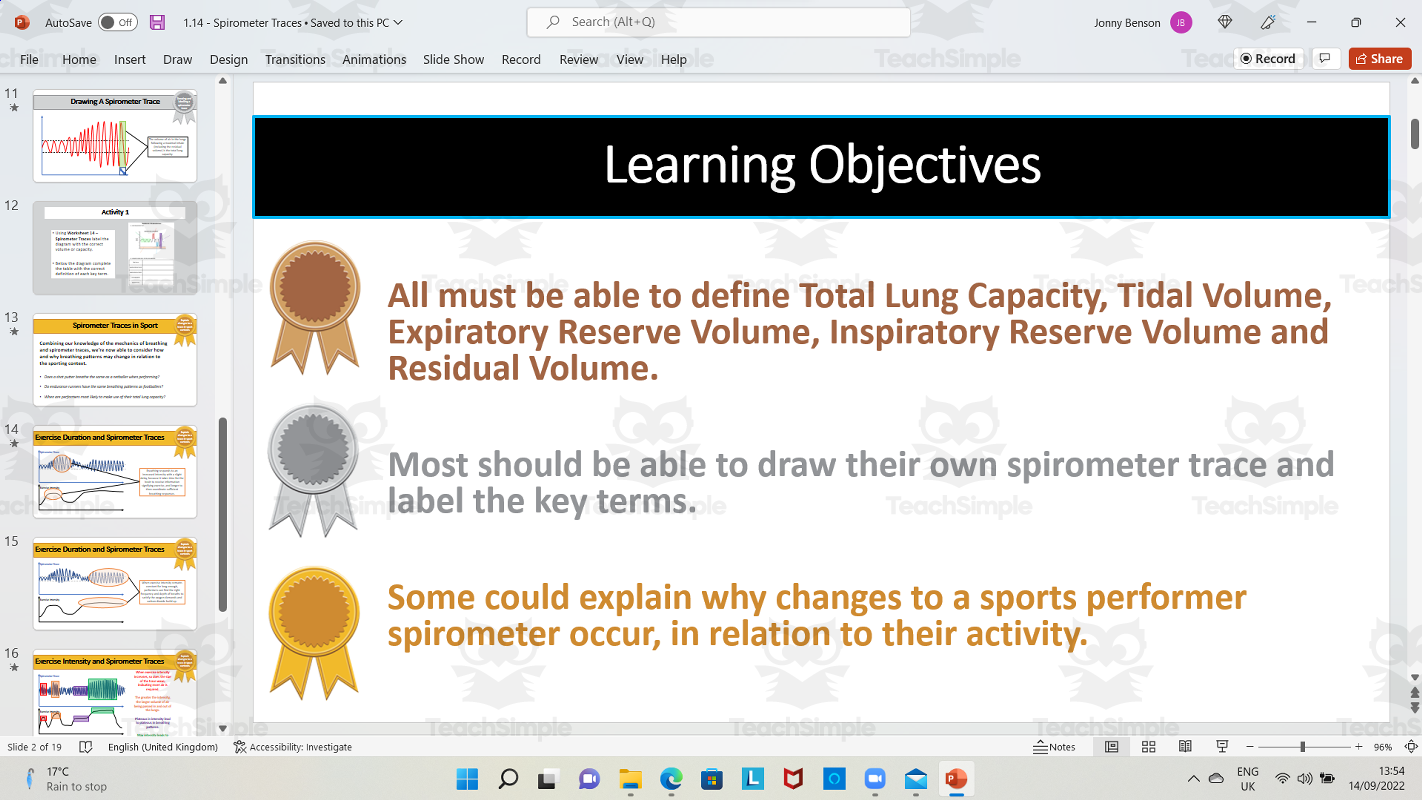
Senses, Nervous & Respiratory Systems: The Respiratory System - Lungs Gr. 5-8

Senses, Nervous & Respiratory Systems: The Respiratory System - Lungs Gr. 5-8
Science, Life Sciences, Human Body, Grade 5, 6, 7, 8, Teacher Tools, Lesson Plans

Senses, Nervous & Respiratory Systems: The Respiratory System - Lungs Gr. 5-8 This comprehensive resource is tailored to meet the needs of science teachers instructing students in grades five through eight. Focusing on the wonderful complexity of the respiratory system with special attention on our lungs, this tool aligns well with State Standards and embraces Bloom's Taxonomy and STEM initiatives. Ideal for Simplifying Complex Topics Giving accurate clarity and understanding when explaining complex scientific areas like the human body's nervous and respiratory systems or our five senses' organs can be challenging. With this resource, such topics are simplified into easy-to-understand content packed with reading passages, comprehension questions, hands-on activities as well as visual aids like color mini posters. Comprehensive Lessons: Learn creative analogies like why our lungs resemble a train station while answering fascinating questions like how long a nerve cell actually is! In-depth Exploration: Dive deep into significant elements of the nervous system including brain parts, spinal cord features and nerve functions broken down for easier absorption. Fascinating Discovery: Unpack what happens every time we inhale or exhale air—everyday experiences made intriguing! Gauging Learning Progression To monitor student learning effectively throughout this course, it includes useful testing preparation resources along with a final quiz—these checkpoints ensure enriching bioscience proficiency is achieved by each student. A Flexible Tool for Diverse Classroom Environments This versatile educational tool works equally well in whole-group settings or smaller group classes. No matter your instruction method whether public schooling or homeschooling—the Senses Nervous & Respiratory Systems: The Respiratory System - Lungs Gr. 5-8 fits perfectly in any learning schedule. Available in PDF format, this ready-to-go solution ensures easy usability and compatibility making it a refreshing addition to human body lesson plans!

Author Classroom Complete Press

Tags PDF

Senses, Nervous & Respiratory Systems - Digital Lesson Plan Gr. 5-8 - FLASH-MAC

Senses, Nervous & Respiratory Systems - Digital Lesson Plan Gr. 5-8 - FLASH-MAC
Science, Life Sciences, Human Body, Grade 3, 4, 5, 6, 7, 8, Teacher Tools, Lesson Plans

The Senses, Nervous & Respiratory Systems - Digital Lesson Plan Gr. 5-8 for FLASH-MAC This highly interactive and robust teaching resource is designed to stimulate curiosity while promoting deep understanding of the human body, making it an excellent choice for educators who aim to make complex scientific concepts more tangible and engaging. Key Features: Comprehensive coverage: The digital lesson plan covers three major systems in our bodies: the senses, nervous system, and respiratory system. It presents an exploratory journey through each integral part of these systems. Educational alignment: Perfectly suited for Grades 5-8 range and aligned with both state standards as well as Bloom's Taxonomy. Interactive elements: Offers reading passages, before-and-after reading activities, memory match games and even word searches! Versatility in implementation: Effortlessly adapt across whole group sessions or smaller clusters or be utilized effectively as enriching homework assignments outside classroom environment. Auxiliary features:Incorporates supporting video & audio components along with crossword puzzles stimulating lateral thinking processes along academic improvement An impactful learning voyage encapsulated within a Software (Mac) File An amazing journey just 80 screen-pages long that goes beyond traditional science textbooks making the human body never more fascinating!<p

Author Classroom Complete Press

Tags Software (Mac)

Biomimetic Engineering &Regenerative Design:A K-12 Vertical Curriculum

Biomimetic Engineering &Regenerative Design:A K-12 Vertical Curriculum
Science, Basic Science, Life Sciences, Animals, Biology, Human Body, Nature & Plants, Physics, Technology, Engineering, Grade 2, 3, 4, 5, 9, 10, 11, 12, Worksheets & Printables, Worksheets, Workbooks, Word Searches, Dot To Dots, Teacher Tools, Assessments, Lesson Plans, Presentations, Quizzes and Tests

With this K-12 Biomimetic Engineering &amp; Regenerative Design Curriculum Framework, show the student the future of STEM education through a complete, ready-to-use, vertically scaffolded transition from traditional ‘take/make/dispose’ mindsets to innovation inspired by nature! This digital PDF is composed of 35 pages full of professionally-designed and thoroughly researched and organized resources to develop your students’ biomimetic engineering and regenerative design skills: Phase 1: Core Theory includes a comprehensive introduction to the subject with four chapters of in-depth theory, and real-world case studies (The Shinkansen bullet train, Namib Desert beetle, Eastgate Centre’s termite mounds, Lloyd Crossing); Phase 2: Student Workbook contains 10 well-developed, engaging, standards-aligned worksheets for student to use to complete Morphological Mapping, Fluid Dynamics, Structural Integrity, Thermoregulation, Water Harvesting, Structural Color, Kinetic Plant Mechanism, Ecosystem Emulation, and Capstone Regenerative Design Project; Phase 3: Visuals &amp; Teacher Resources provides all of the tools needed for the teacher to use the above materials (printable posters, K-12 Vertical Articulation Map, Biomimetic Design Spiral visual, and Paradigm Shift graph) This curriculum framework is a perfect fit for use in biomimicry, regenerative design, environmental engineering and next-generation STEM/STEAM classrooms. Vertical scaffolding is included (i.e., K-5: Observation &amp; Empathy → 6-8: Mechanism &amp; Translation → 9-12: Chemistry, Thermodynamics &amp; Systems), thus allowing all students to develop their understanding of ecological literacy at an intuitive level from kindergarten through graduation! This framework provides fill-in-the-blank theory prompts, hands-on sketching and calculating, design challenge, and “Function First” taxonomy training on all projects using databases. The materials in this framework require no preparation on the part of the teacher as all links may be instantly downloaded from your computer, printed and used in Google Classroom! What Parents/Schools Appreciate: Preparation for Success in the Looking Future: The curriculum helps develop important skills for the 21st Century such as systems thinking, creating circular designed systems and creating regenerative innovations through hands-on projects and real-world examples that teach STEM concepts and Next Generation Science Standards (NGSS). It also develops the skills students will need to pursue green careers. Zero Preparation Time with Immediate Engagement : Teachers can drum up hours of quality instructional time, as the curriculum has ready-to-print theory chapters, 10 scaffolded worksheets, beautiful visual examples, case studies and lots of real-world examples of biomimicry hands-on projects. This makes for very engaged students in the classroom. Eco-Positive Effect: The curriculum helps provide a paradigm shift from the phrase "sustainable" to helping to regenerate the Earth's environment and teach both parents and administrators about ecological literacy and a higher sustainable carbon footprint. Aligned Across Multiple Grade Levels and All Have Inclusive Loosely Related Activities from Pre K to 12 All Have Common Curriculum- The curriculum support teachers in changing their instruction to a more differentiated style across multiple grade levels, providing differentiated instruction and methods to support students demonstrating gifted abilities! Quality and Professionally-Low Cost: Because of the high quality of the product (design, scientific accuracy, posters, and capstone project), it should cost much more than its price tag indicates. Target Students/Classes : The intended audience for this curriculum is K-12, and if you are looking for a curriculum for K-12, you will find that this is an appropriate curriculum to teach students/ classes; It includes and has built-in differentiation, making it easy to teach every student/ class at any level ( K-12). Elementary (K-5) – emphasis on observing and being empathetic towards others. Teachers can use this curriculum with elementary school Science, Nature Studies, and early STEM Clubs. Middle School (grades 6-8) – Using Mechanisms to Translate- Teachers can use this curriculum to teach their students about how mechanisms work and how they relate to life science, physical science, engineering electives, and project-based learning. High School- (grades 9-12): Chemistry, Thermodynamics &amp; Systems- Teachers can use this curriculum with their high school biology, physics, environmental science, engineering, architecture, and AP/IB STEM classes. The curriculum will be great for educators who work in the public/ private K-12 systems, homeschoolers ( families), STEM coaches, after-school programs, and makerspace facilitators. It can be used throughout a district or school. Copyright and Terms of Use This book was written by Syed Hammad Rizvi and all rights are reserved to him. This book is for the purpose of personal use, or single class use only. You may NOT modify, reproduce, or distribute this book in any way. In other words, do not place this on the internet where it is available for anyone to download. If you wish to share this product with colleagues, please purchase additional licenses at Teachsimple. We appreciate your support in following this agreement. This product was happily created for you by Syed Hammad Rizvi.

Author Creative Book Store

Rating

Tags K12Curriculum, STEMEducation, STEAMEducation, ScienceTeachers, ElementarySTEM, MiddleSchoolSTEM, HighSchoolSTEM, HomeschoolCurriculum, ProjectBasedLearning, NGSS

I WONDER - What Is A Neuron | Animated Video Lesson

I WONDER - What Is A Neuron | Animated Video Lesson
Biology, Life Sciences, Science, Human Body, STEM, Grade 3, 4, 5, 6, 7, 8, 9, Lesson Plans, Teacher Tools

Video Overview The human body is full of fascinating wonders to learn. This video is created to help the students recognize the anatomy and the job of the human body. I WONDER - What Is A Neuron | Animated Video Lesson Every part and organ in our human body is vital so let's see how important they are. Have you ever imagined how we look like if we didn't have a skeleton? Did you know that because we have our amazing muscles we can stand! Do you know how many teeth do we have? Have you ever wondered about the food journey inside our body? Can you name all the glands in our body? Why do we have skin? Our nervous system is really good at sending signals. Can you tell us more about it? Are you really good at Mathematics, painting, or any other thing? You should really thank your brain about it! The famous five senses are really doing a great work? Can you explain how every sense works? I WONDER - What Is A Neuron | Animated Video Lesson The video is perfect for encouraging the researching skills for the students, while learning more about our fantastic human body. I WONDER - What Is A Neuron | Animated Video Lesson This friendly designed video is suitable for students at school, homeschooling, and as a group activity. Format Available in MP4 format.

Author Educational Voice

Tags What Is A Neuron, What Is A Neuron Video, Neuron, Neuron Facts, Neuron Facts For Kids, Neuron Video, Neuron Video For Kids, Nervous System, Nervous System Facts, Nervous System Facts For Kids

I WONDER - Why Are White Blood Cells So Important | Animated Video

I WONDER - Why Are White Blood Cells So Important | Animated Video
Human Body, Life Sciences, Science, Biology, STEM, Grade 6, 7, 8, 9, 10, 11, 12, Lesson Plans, Teacher Tools

Video Overview The human body is full of fascinating wonders to learn. This video is created to help the students recognize the anatomy and the job of the human body. I WONDER - Why Are White Blood Cells So Important | Animated Video Lesson Every part and organ in our human body is vital so let's see how important they are. Have you ever imagined how we look like if we didn't have a skeleton? Did you know that because we have our amazing muscles we can stand! Do you know how many teeth do we have? Have you ever wondered about the food journey inside our body? Can you name all the glands in our body? Why do we have skin? Our nervous system is really good at sending signals. Can you tell us more about it? Are you really good at Mathematics, painting, or any other thing? You should really thank your brain about it! The famous five senses are really doing a great work? Can you explain how every sense works? I WONDER - Why Are White Blood Cells So Important | Animated Video Lesson The video is perfect for encouraging the researching skills for the students, while learning more about our fantastic human body. I WONDER - Why Are White Blood Cells So Important | Animated Video Lesson This friendly designed video is suitable for students at school, homeschooling, and as a group activity. Format Available in MP4 format.

Author Educational Voice

Tags Why Are White Blood Cells So Important, Why Are White Blood Cells So Important Facts, White Blood Cells, White Blood Cells Facts, White Blood Cells Facts For Kids, White Blood Cells Video, White Blood Cells Video For Kids

I WONDER - What Happens When The Liver Gets Damaged | Animated Video

I WONDER - What Happens When The Liver Gets Damaged | Animated Video
Biology, Life Sciences, Science, Human Body, STEM, Grade 5, 6, 7, 8, 9, 10, 11, Lesson Plans, Teacher Tools

Video Overview The human body is full of fascinating wonders to learn. This video is created to help the students recognize the anatomy and the job of the human body. I WONDER - What Happens When The Liver Gets Damaged | Animated Video Lesson Every part and organ in our human body is vital so let's see how important they are. Have you ever imagined how we look like if we didn't have a skeleton? Did you know that because we have our amazing muscles we can stand! Do you know how many teeth do we have? Have you ever wondered about the food journey inside our body? Can you name all the glands in our body? Why do we have skin? Our nervous system is really good at sending signals. Can you tell us more about it? Are you really good at Mathematics, painting, or any other thing? You should really thank your brain about it! The famous five senses are really doing a great work? Can you explain how every sense works? I WONDER - What Happens When The Liver Gets Damaged | Animated Video Lesson The video is perfect for encouraging the researching skills for the students, while learning more about our fantastic human body. I WONDER - What Happens When The Liver Gets Damaged | Animated Video Lesson This friendly designed video is suitable for students at school, homeschooling, and as a group activity. Format Available in MP4 format.

Author Educational Voice

Tags What Happens When The Liver Gets Damaged, What Happens When The Liver Gets Damaged Video, Liver, Liver Facts, Liver Facts For Kids, Liver Video, Liver Video For Kids, Liver Damaged, Liver Damaged Facts

All About Healthy Eating | Human Body Video Lesson

All About Healthy Eating | Human Body Video Lesson
Science, Life Sciences, Human Body, Not Grade Specific, Lesson Plans, Teacher Tools

All About Healthy Eating | Human Body Video Lesson All About Healthy Eating | Human Body Video Lesson is specifically designed to equip educators with a comprehensive resource on healthy eating. This video lesson of 8 minutes provides a thorough overview on the necessity and advantages of proper nutrition in relation to the human body. The content is primarily intended for Science lessons but can be smoothly integrated into various grade levels owing to its generic nature, serving as an effective instructional guide for diverse educators – from public school teachers educating classrooms or small groups, to homeschoolers structuring individual study sessions. Thorough Coverage on Healthy Eating Habits This human body video lesson gives exhaustive coverage of healthy eating habits. The engaging and interactive nature of this video allows teachers to effectively communicate the importance of nutritious food intake while maintaining student interest piqued. If you feel unsure about addressing this complex subject matter, this visual guide not only clarifies what constitutes healthy eating but also showcases how proper diet fuels bodily functions. It acts as both an excellent beginner's resource as well as concise revision material for reinforcing previously taught lessons on nutrition or the human body. Tech-Friendly Resource Material The MP4 file format ensures easy access irrespective of your tech-setup, A perfect fit for different teaching scenarios - from personal computer viewing at home to classroom viewing using projectors or interactive whiteboards. Enhance Understanding Among Students Add All About Healthy Eating | Human Body Video Lesson into your educational weapons today! This potent teaching aid can significantly enhance education while making learning thoroughly enjoyable for students.

Author Educational Voice

Tags Healthy Eating, Nutrition, Human Body, Video Lesson, Educational

Senses,Nervous & Respiratory Systems: The Senses of Taste and Smell - FLASH-PC

Senses,Nervous & Respiratory Systems: The Senses of Taste and Smell - FLASH-PC
Science, Life Sciences, Human Body, Common Core, Grade 5, 6, 7, 8, Teacher Tools, Lesson Plans

The Senses, Nervous & Respiratory Systems: The Senses of Taste and Smell - FLASH-PC An invaluable teaching resource for educators looking to enrich their curriculum while aligning it with Common Core State Standards, specifically designed for students in grades 5 through 8. This digital asset focuses on the physiological aspects of the human body. Introduction Comprehensively exploring taste and smell senses, part of the nervous and respiratory systems, this resource provides educators with a variety of tools such as: Reading Passages: Allow students to absorb essential information concerning these sensory systems. 'Before You Read' questions: Effectively gauge student's pre-existing understanding and kindle curiosity about the topic at hand. 'After You Read' questions: Help assess acquired knowledge while stimulating critical thinking skills inherent within Bloom's Taxonomy learning objectives. Fostering Development & Comprehension This engagement strategy not only aids older children's cognitive development but also fosters a comprehensive approach towards grasping scientific concepts. Accompanying printables provide tangible materials reinforcing learnt concepts by integrating classroom-based knowledge into day-to-day activities whereas vocabulary flash cards empower students with subject-specific terminology. Interactive Activities Create hands-on learning opportunities fostering individualized learning circumstances adjustable based on learners' needs. Incorporation of Video Elements Seamlessly incorporated video elements offer visual insights into these intricate systems enhancing overall understanding whilst catering to varying learning styles among pupils. As software explicitly crafted for PCs - flexibility in deployment options allows versatility across whole group lessons, small group activities or homework assignments facilitating differentiated instruction fitting various pedagogical strategies. Conclusion The Senses Nervous & Respiratory Systems: The Sense of Taste and Smell – Flash PC optimize science instruction at primary levels equipping young minds with foundational knowledge pertaining human physiology vital towards further comprehension of complex topics down their educational journey.

Author Classroom Complete Press

Tags Software (PC)