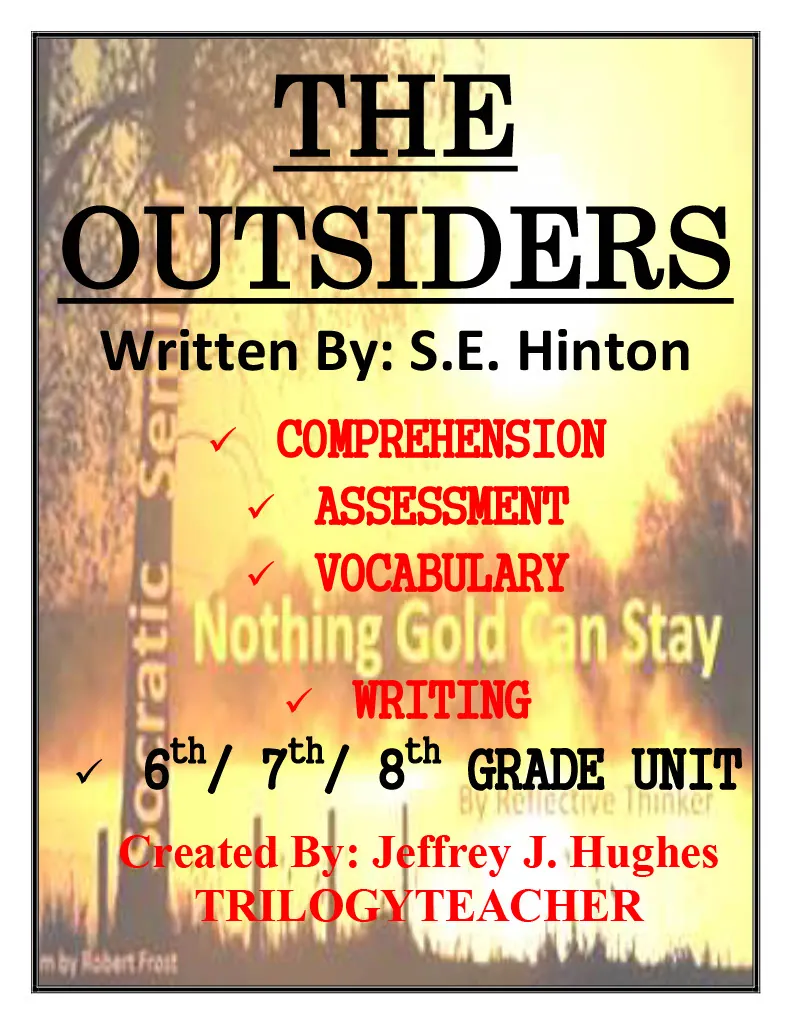
"The Outsiders" Novel Study Unit
- Grades
- Grades 6–8, Middle School
- File type
- Preparation
- Print ready


- Subject
- ELA, Literature, Vocabulary
- Topic
- The Outsiders, literature
- Resource types
- Novel Studies, Worksheets & Printables, Quizzes and Tests
- Preparation
- Print ready
- Standards
- CCSS.RL.6.1 CCSS.L.6.4 +1
About this resource
What's inside this resource
Related resources
More resources teachers may find useful
24 related resources were found using this product's title, contributor, categories and tags.


In the classroom
Teaching tips & learning objectives

Learning objectives
Cite textual evidence to answer chapter comprehension questions
Use context clues to determine the meaning of unfamiliar vocabulary
Identify and interpret figurative language within the novel's chapters

Teaching tips
Model how to complete the discussion questions using the first chapter or two before releasing students to work independently or in groups
Use the "Souvenir Walking Tour" activity to get students moving and comparing answers after a worksheet or quiz
Have each student keep a dedicated folder for all worksheets, quizzes, and tests to support review before the final test

Skills covered
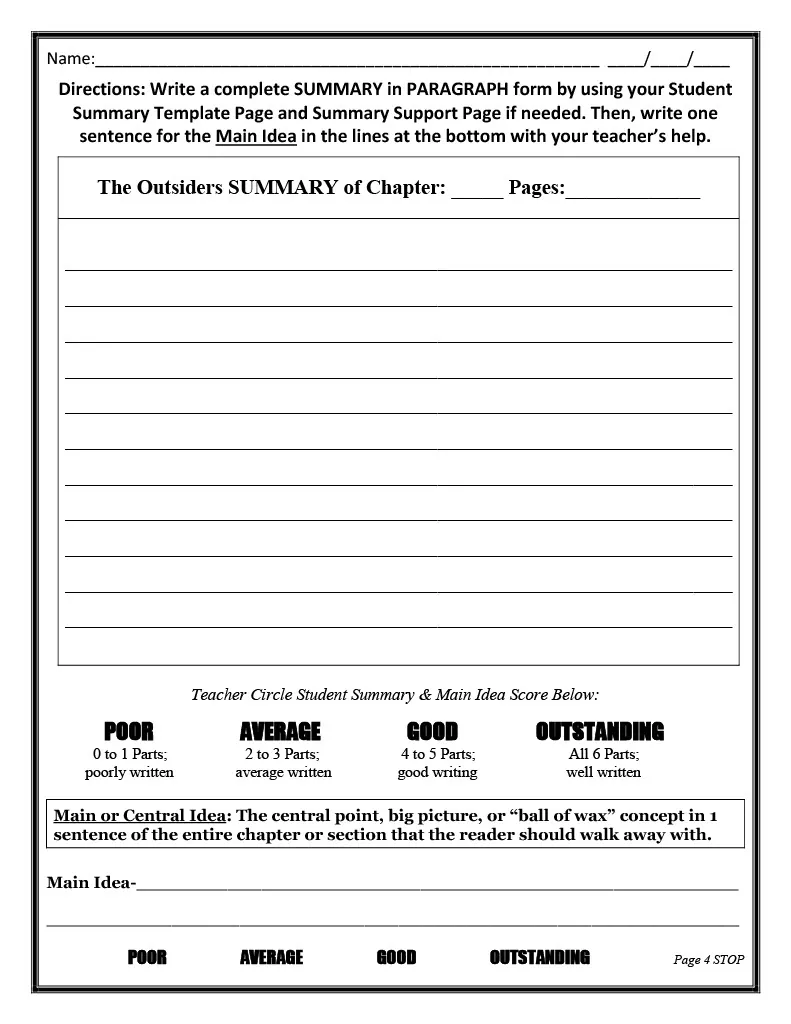
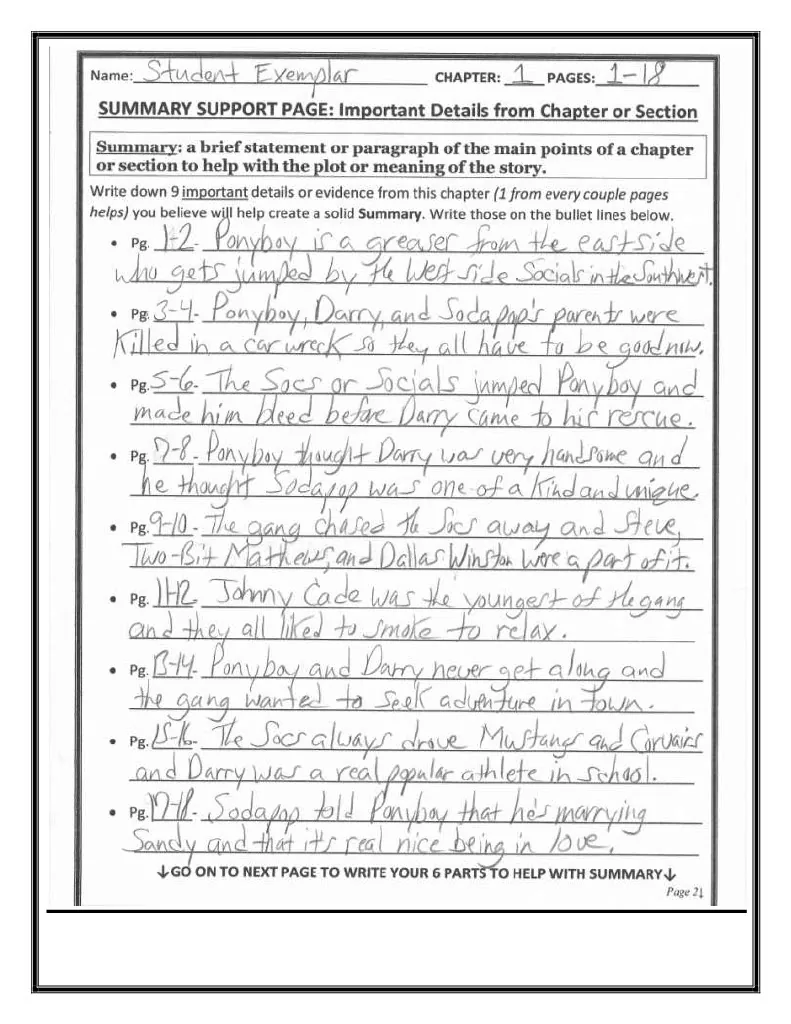
Reading comprehension — students answer 20 to 25 plot-based questions per chapter using textual evidence from the novel.
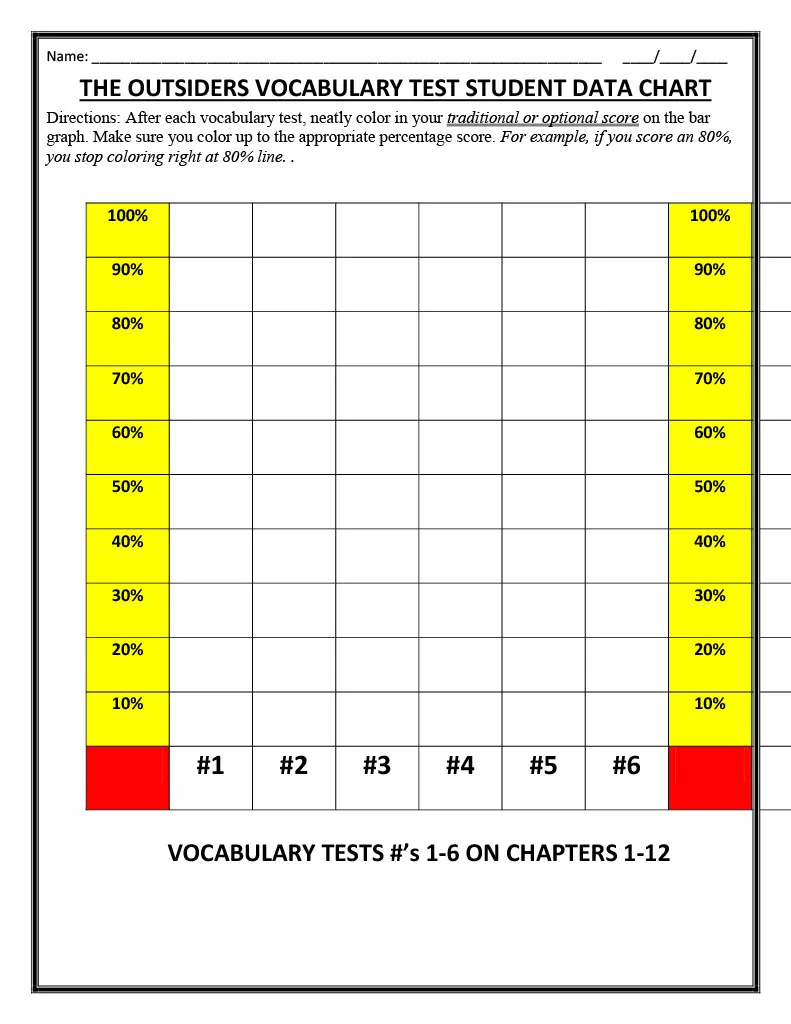
Context-clue vocabulary — students use blanks and definitions to identify five mystery vocabulary words per chapter.
Figurative language analysis — students locate similes and other figurative language in a chapter-specific word search activity.
Good to know
Questions teachers ask about this resource
How are the multiple three-question quizzes for each chapter meant to be used?
The teacher instructions describe three options: giving all three quizzes after the full worksheet is finished, giving each quiz after the pages it covers, or using extra quizzes as retakes for students who need a second chance.
What is the purpose of the pre-chapter vocabulary page at the start of each lesson?
It introduces words students will need to understand the upcoming chapter and previews terms that reappear on the vocabulary tests and the final exam, so the instructions recommend quizzing students on it orally before reading.

No reviews yet
Downloaded this resource? Tell other teachers how it went.
Curriculum
Standards, concepts & topics
Standards
 Standards
- CCSS.RL.6.1 — Cite textual evidence to support analysis of what the text says explicitly as well as inferences drawn from the text.
- CCSS.L.6.4 — Determine or clarify the meaning of unknown and multiple-meaning words and phrases based on grade 6 reading and content, choosing flexibly from a range of strategies. a. Use context (e.g., the overall meaning of a sentence or paragraph; a word’s position or function in a sentence) as a clue to the meaning of a word or phrase. b. Use common, grade-appropriate Greek or Latin affixes and roots as clues to the meaning of a word (e.g., audience, auditory, audible). c. Consult reference materials (e.g., dictionaries, glossaries, thesauruses), both print and digital, to find the pronunciation of a word or determine or clarify its precise meaning or its part of speech. d. Verify the preliminary determination of the meaning of a word or phrase (e.g., by checking the inferred meaning in context or in a dictionary).
- CCSS.RL.6.4 — Determine the meaning of words and phrases as they are used in a text, including figurative and connotative meanings; analyze the impact of a specific word choice on meaning and tone.
Core concepts
 Core concepts
novel study
reading comprehension
vocabulary in context
figurative language
point of view
 Topics
Explore related searches
More to explore
You may also like