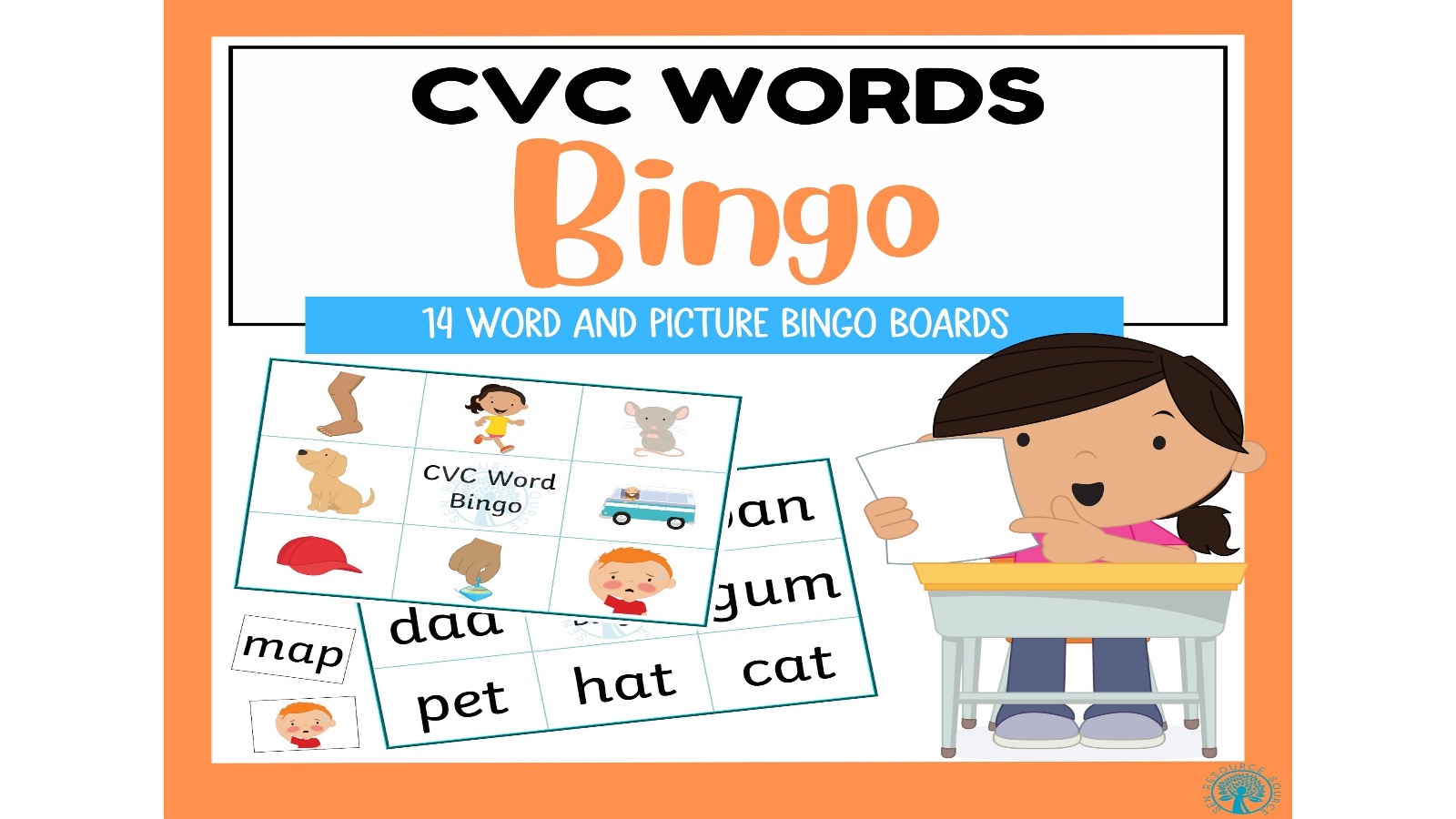
CVC Word Bingo
A CVC-word bingo game to give emerging readers practice recognizing and reading consonant-vowel-consonant words.




1,349 resources
Explore English Language Arts games that engage students. Improve literacy with fun and interactive activities.
Explore sub-categories
10 sub-categories · 1,349 resources
A CVC-word bingo game to give emerging readers practice recognizing and reading consonant-vowel-consonant words.

Use the monster activity to practice giving and following descriptions in English. One student draws from spoken clues while others describe the reference, making clear communication part of the game. Follow the drawing with vocabulary review and partner practice so students can try both speaking and listening roles.

Provide multiple game-based review formats (task cards, Jeopardy-style PowerPoint, Google Slides version) to build reading comprehension and higher-order-thinking vocabulary around the novel Hatchet by Gary Paulsen.
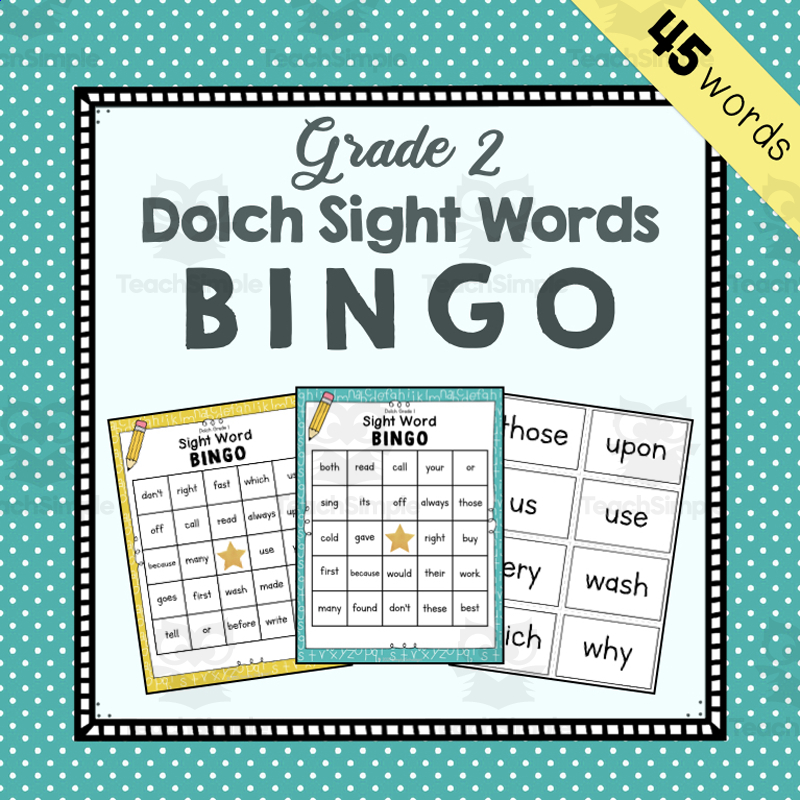
Build second-grade Dolch sight-word recognition through a bingo game using the 45-word Grade 2 Dolch word list.

A set of bingo cards using the first 100 Fry sight words, for practicing high-frequency word recognition through a bingo game.
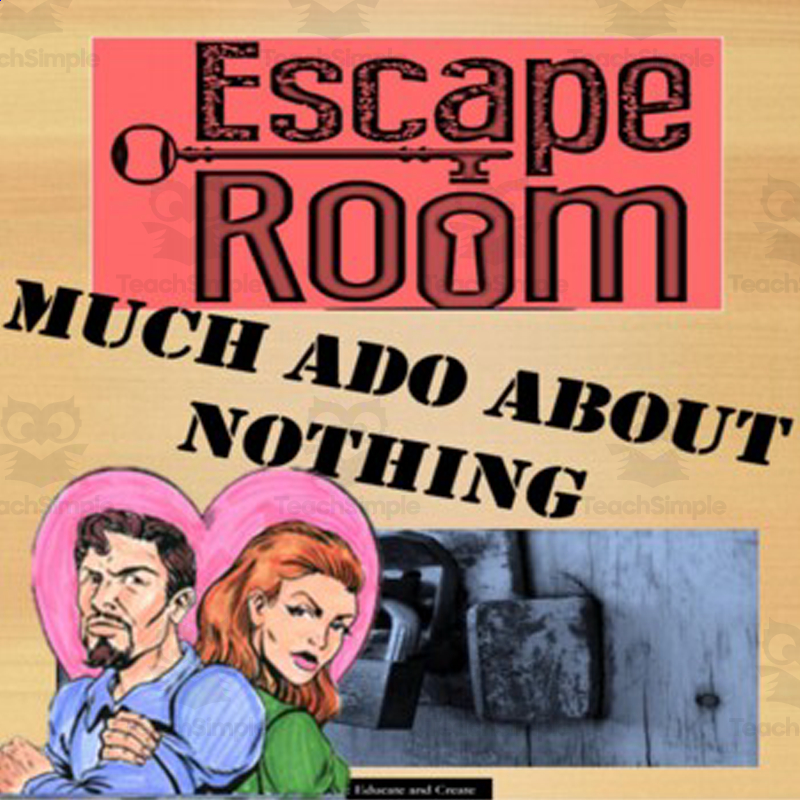
A group escape-room game reviewing plot, characters, and close reading of Shakespeare's Much Ado About Nothing.
 Free download
 Practice reading/blending CVC words through a two-player fishing-themed board game.
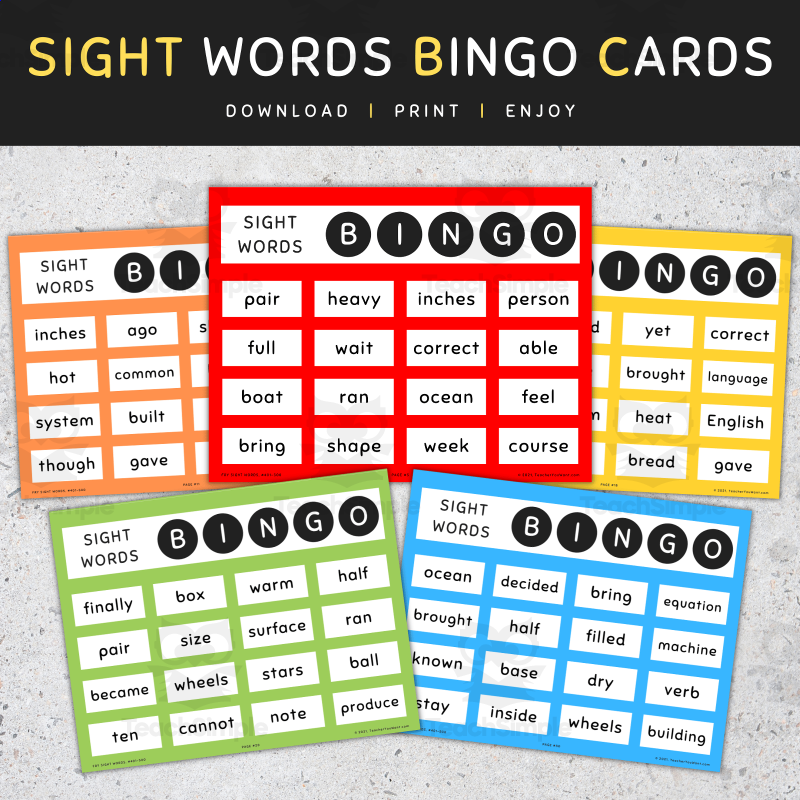
Provide bingo cards for practicing Fry's fifth hundred sight words (words #401-500) as a high-frequency word recognition game.
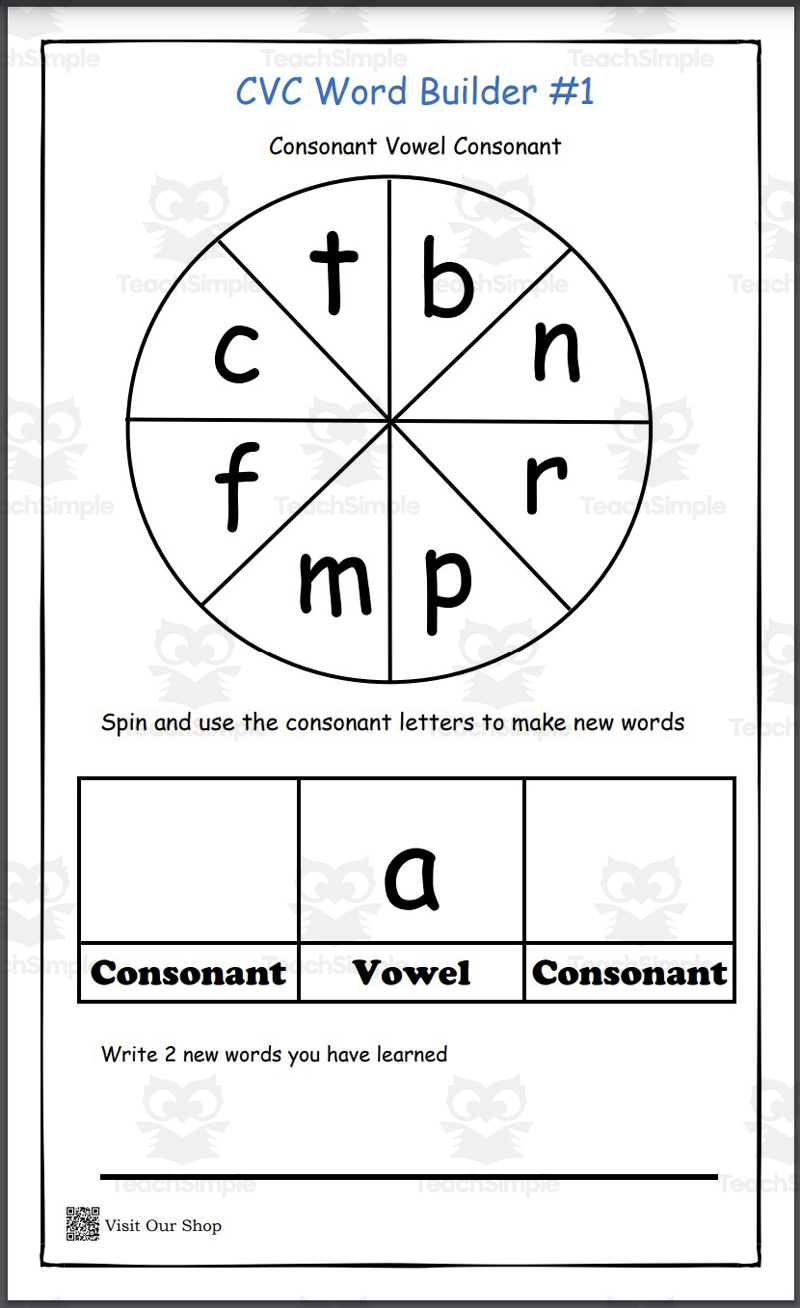
A spinner-based CVC word-building game where students combine consonants with a fixed vowel to build and write new CVC words.

A memory-matching (concentration) card game that helps students practice identifying cause-and-effect pairs, usable as a whole-class game or independent reading-center activity.
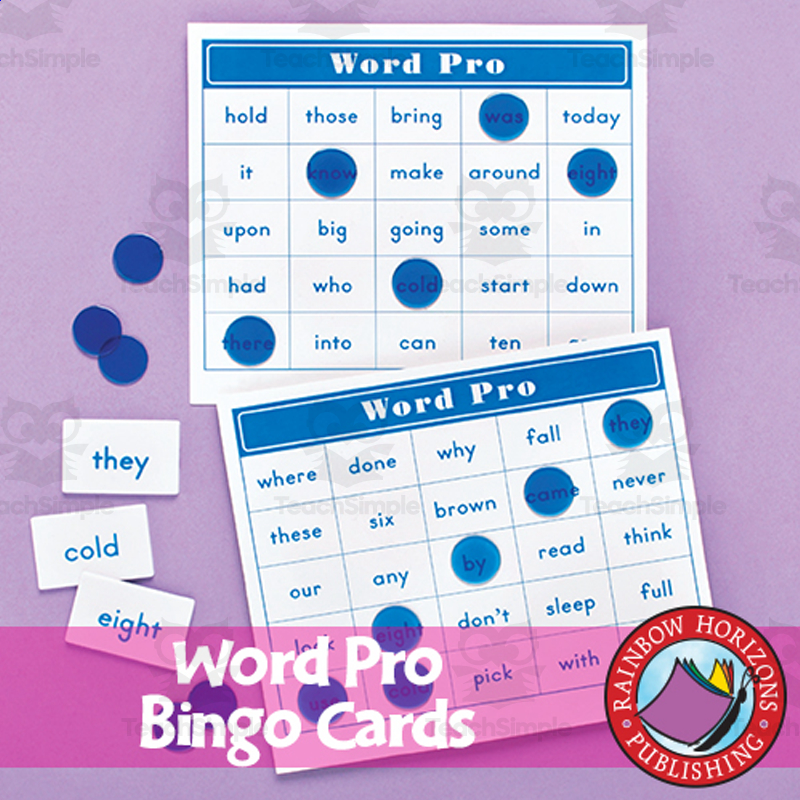
Give students recognition and practice with all 220 Dolch high-frequency sight words through a bingo-style game.
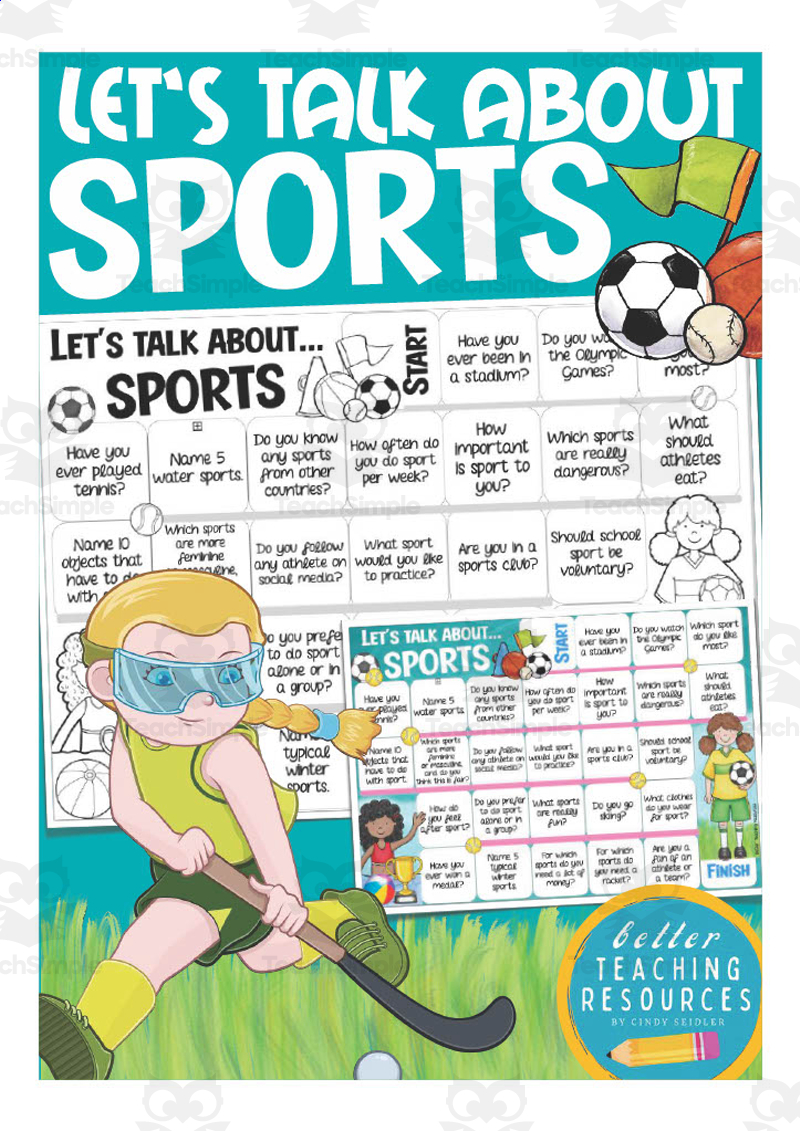
Sport-themed discussion questions fill a printable board game, where each square asks something different — from “Have you ever been in a stadium?” to “Should school sport be voluntary?” and “For which sports do you need a racket?”. Students move around the board with a die and take turns answering whichever question they land on, speaking or writing their response in English. Prompts range from simple personal-experience questions and sports vocabulary to open-ended opinion topics about fairness, spending, and safety in sport, giving speakers at different levels something to respond to. The printable board is the resource itself; a die and player markers are not included and need to be supplied separately.

Develop recognition and memorization of the 52 Dolch primer sight words through a bingo-style game, plus track individual student progress.

A Jeopardy-style review game (PowerPoint and Google Slides versions) plus printable task cards covering setting, characters, plot, and theme of the novel The Giver, playable in whole group, small group, or distance-learning settings.
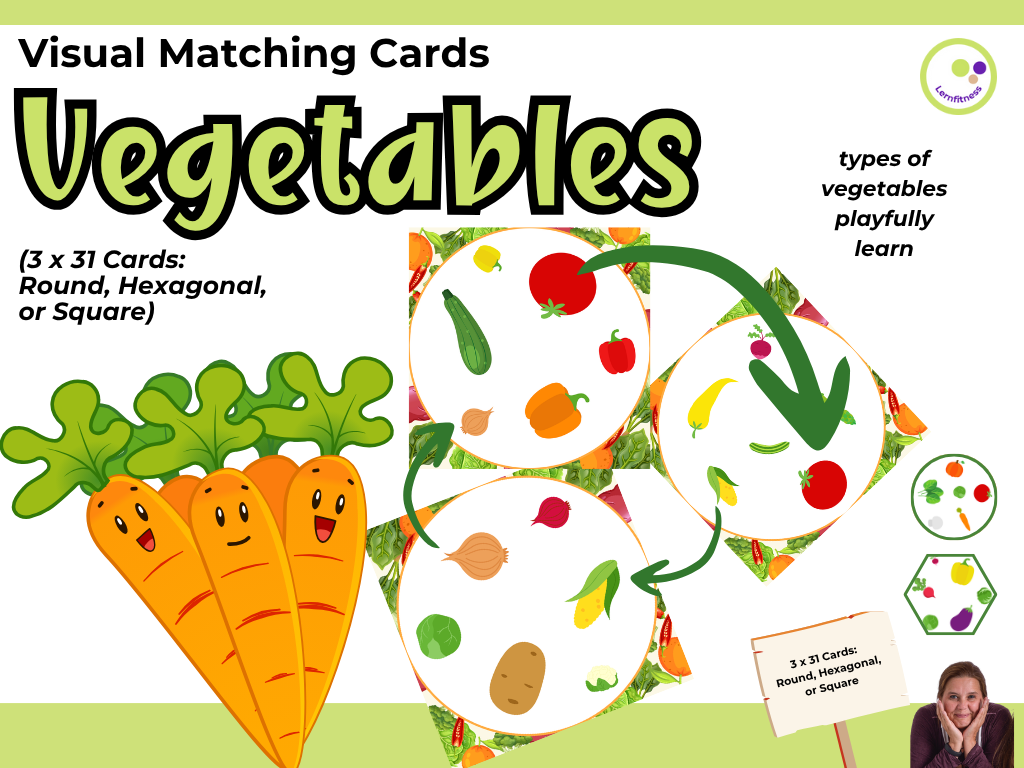
A visual vocabulary matching card game built around vegetable images, used to build English vocabulary for vegetable names while playing a memory/matching game.

A set of 16 bingo-based phonics games ('Basic Code') for practicing blending, segmenting, and phoneme manipulation, progressing from single-letter sounds through early digraphs.

Sight-word recognition and fluency practice for the Grade 3 Dolch sight word list, using bingo game cards and a tracking checklist.
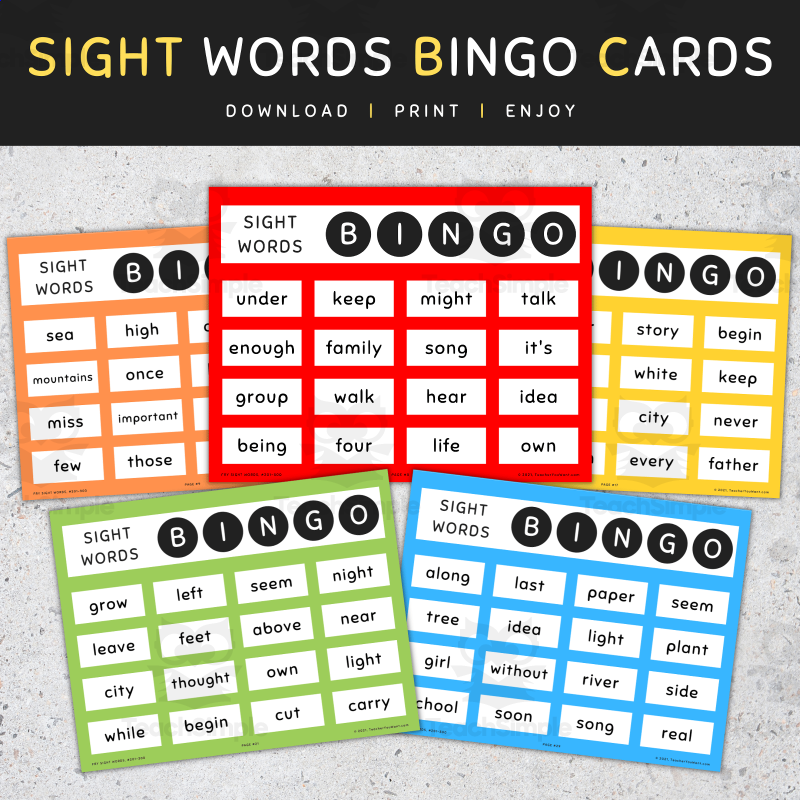
Bingo game cards for practicing the 3rd 100 Fry sight words (words 201-300), used for sight word recognition and reading fluency practice.
 Free download
 Practice and introduce Pre-Primer level (and full 220-word) Dolch high-frequency sight words through a BINGO game, flashcards, and word lists.
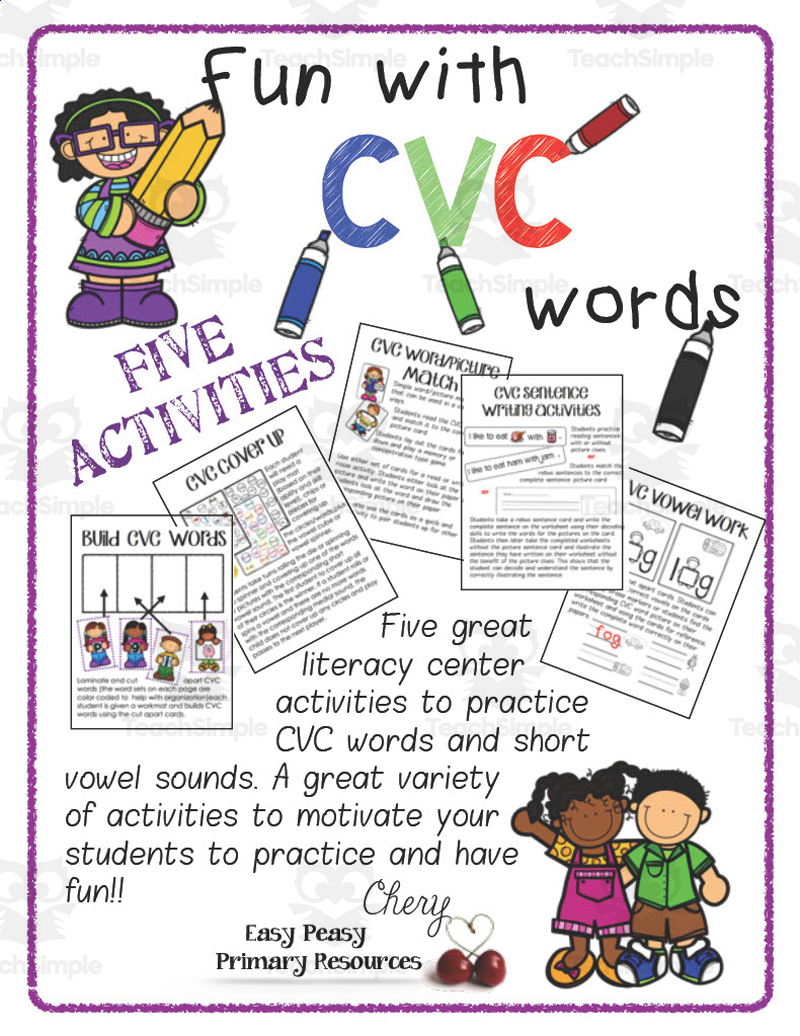
Practice reading and building CVC (consonant-vowel-consonant) words and short vowel sounds through five literacy center activities.
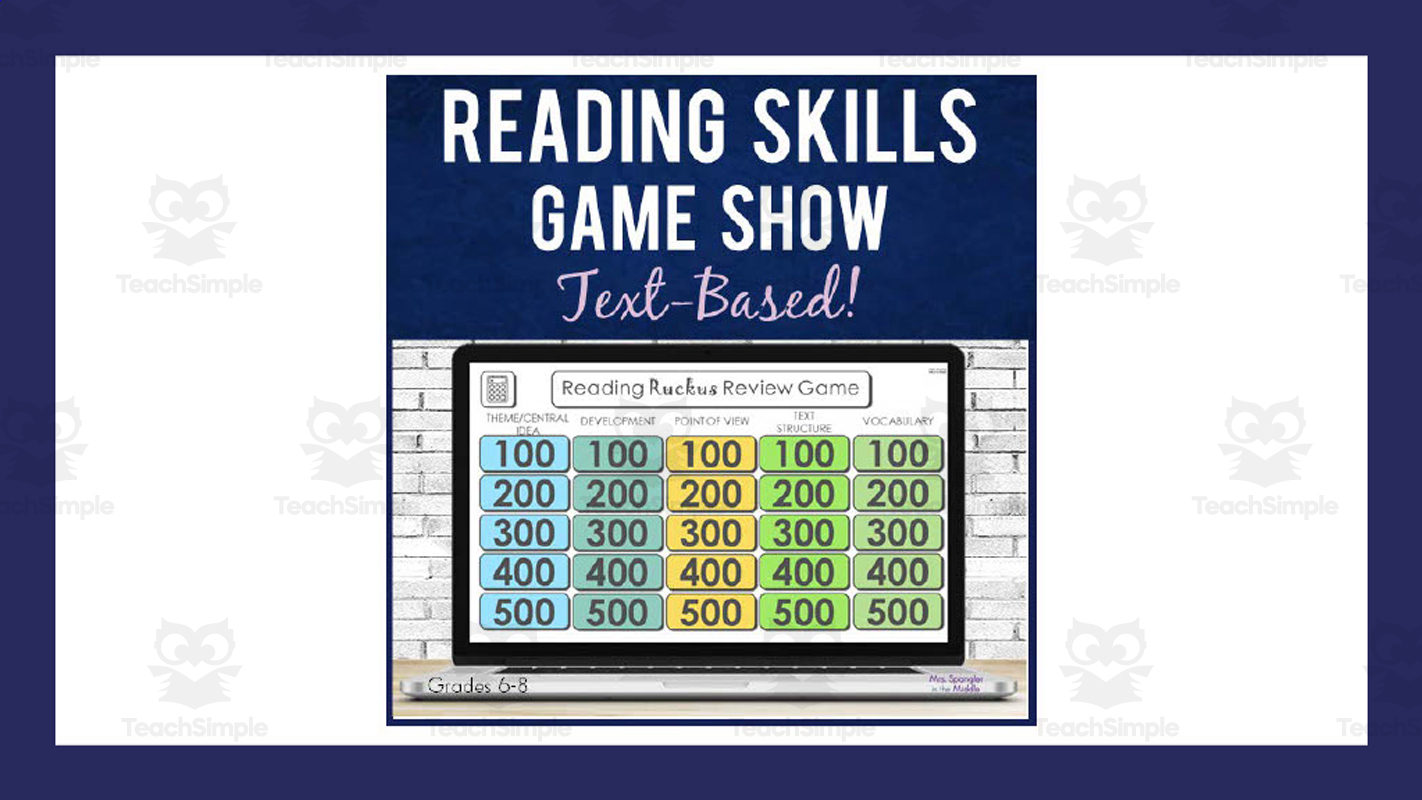
A Jeopardy-style review game (digital PowerPoint/Google Slides board plus a companion nonfiction reading passage) for reviewing reading skills: theme/central idea, development, point of view, text structure, and vocabulary.

Bingo-format assessment/review game covering multiple 2nd grade reading skill areas (e.g. syllables, rhyming words, digraphs), designed for homeschool/co-op use.
A review game ('I Have, Who Has?') that reinforces nonfiction/informational text vocabulary terms tied to Reading Informational (RI) standards.
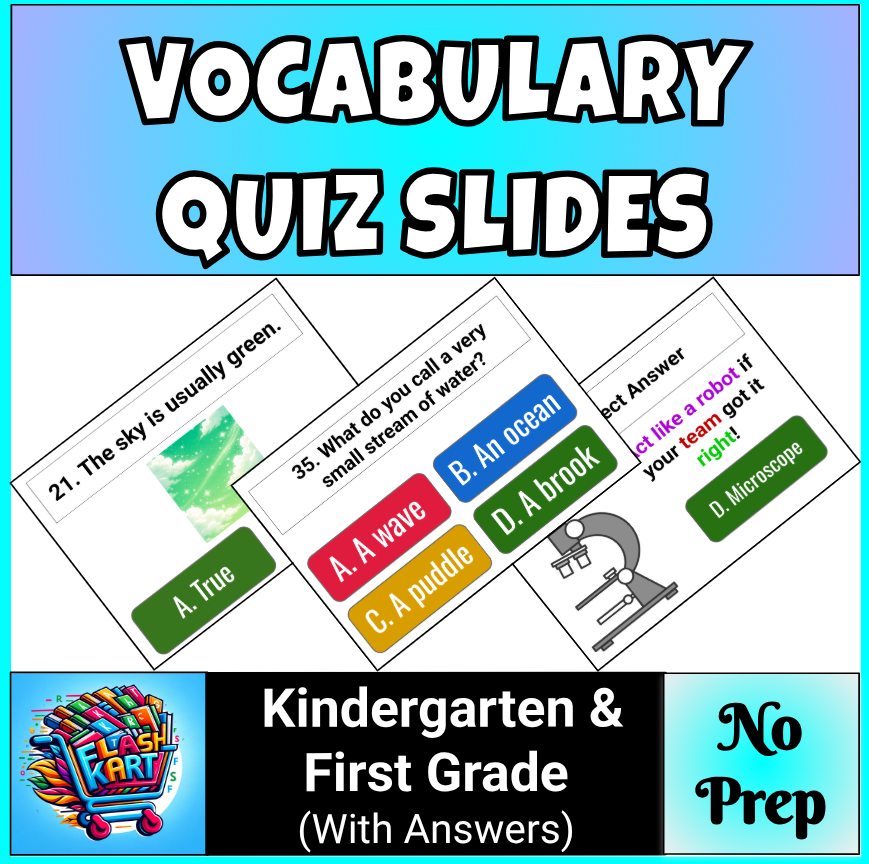
A team-based, movement-oriented vocabulary quiz game ('Word Power Quiz') designed to re-energize young ESL/vocabulary learners with a brain-break format while reviewing basic vocabulary.