There Will Come Soft Rains: Full Lesson Plan w/ PowerPoints & Graphic…


- Grades
- Grades 9–12, High School
- File type
- Multiple File Types


- Subject
- ELA, Literature
- Topic
- Ray Bradbury, Soft Rains
- Resource types
- Lesson Plans, Teacher Tools
About this resource
What's inside this resource
There Will Come Soft Rains: Full Lesson Plan w/ PowerPoints & Graphic Organizers
This comprehensive teaching resource is created to bring Ray Bradbury's acclaimed text to life in the classroom. Ideal for high school and homeschooling curriculums focused on literary exploration.
Offered Formats:- PDF ready-to-print resources
- Word document for personalization
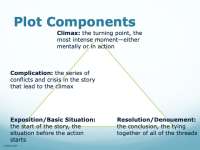
- Plot Diagramming Tools
- Character Charts
- Thematic Diagrams
- Suitable for whole group instruction or research-based small group activities outside class hours.
- Incorporates peer evaluation sheets fostering teamwork skills while allowing independent assessment. i> Literacy skills reinforcement such as reading comprehension with corresponding worksheets complete with answer keys. All these enable immediate feedback on student performance helpful in planning future lessons. Finally, this package also includes .
In summary - There Will Come Soft Rains: Full Lesson Plan w/ Powerpoints & Graphic Organizers is a must-have enriching analysis experience making it an essential teaching resource material.
Specially designed to boost students' understanding of narrative strategies.
Literary Concepts:
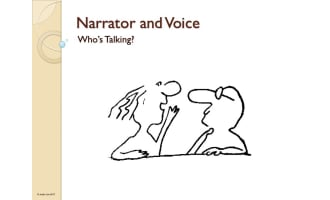
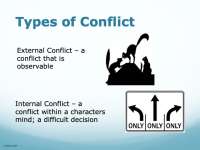
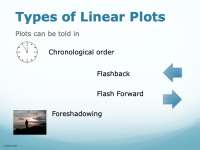
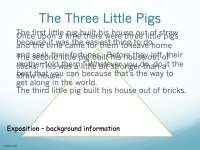
The resource reinforces important literary concepts such as Foreshadowing, Figurative Language, Imagery and Symbolism.The PowerPoint slides cover topics including Narrator and Voice, Plot Structure, Irony and Ambiguity, Educational Components Highlights:
Related resources
More resources teachers may find useful
24 related resources were found using this product's title, contributor, categories and tags.


In the classroom
Teaching tips & learning objectives

Learning objectives
Students can identify and apply literary terms related to setting and theme in Bradbury's story.
Students can practice reading fluency through oral cloze and choral reading techniques.
Students can practice higher-level thinking skills — predicting, inference, analysis, and synthesis — through guided and independent comprehension questions.

Teaching tips
Introduce key terms with the Theme PowerPoint before reading, so students have vocabulary in hand before the guided-reading portion begins.
Use the oral cloze technique during guided reading — read aloud and pause on strategic words for students to fill in — to build active listening alongside fluency.
Use the write-pair-share protocol for inference and opinion questions rather than fact-based ones, so students first write a complete-sentence answer individually before discussing it with a partner.

Skills covered
Literary analysis — identifying and explaining setting, theme, personification, and imagery within Bradbury's text.
Textual comprehension — answering close-reading questions in complete sentences with supporting inference.
Collaborative discussion — using the write-pair-share protocol to structure peer discussion of open-ended questions.
Good to know
Questions teachers ask about this resource
What do the model responses cover?
Model responses are provided for the ten comprehension questions in the worksheet's "Questions For Thought" section; the more open-ended literary-focus and critical-thinking sections are left for student response.
How does the write-pair-share protocol fit into the lesson?
Students first write their own complete-sentence answer individually, then pair up to read questions and answers to each other before the teacher opens a whole-class discussion using pre-selected student responses.

No reviews yet
Downloaded this resource? Tell other teachers how it went.
Resource details
Concepts & topics
Core concepts
 Core concepts
theme and setting analysis
close reading comprehension
write-pair-share discussion protocol
 Topics
Explore more
Categories this resource belongs to
Explore related searches
More to explore
You may also like