search
user.png
vertical menu

Waldorf Education Curriculum - A Comprehensive Guide

Waldorf Education Curriculum - A Comprehensive Guide preview

Waldorf Education Curriculum - A Comprehensive Guide preview 2
Waldorf Education Curriculum - A Comprehensive Guide preview 3

Look Inside · 10 pages

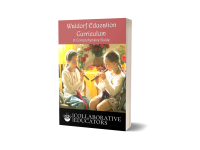
Cover of Waldorf Education Curriculum: A Comprehensive Guide, credited to Collaborative Educators
Cover of the Waldorf curriculum reference ebook
Introduction to the guide: Waldorf education's history, Anthroposophy, and goals for child development
Page 2: History, philosophy, and curriculum goals
Waldorf principles section covers child development, holistic learning, arts, teacher relationships, and routines
Page 3: Core principles of Waldorf education
Curriculum stages overview follows practical life skills, covering early childhood and grades 1–8 and 9–12
Page 4: Practical skills and curriculum stages
Early childhood section explains imitation, movement, nature, storytelling, free play, and nurturing environments
Page 5: Early childhood learning, ages 0–7
Lower school overview introduces grades 1–7, from fairy tales and beginning literacy to Renaissance inquiry
Page 6: Lower school grade overviews begin
Grade-level overview continues with grade 8 revolutions and grades 9–12 themes, ending with senior projects
Page 7: Grade 8 and upper school overviews
Key curriculum features section covers storytelling, crafts, festivals, social development, languages, and nature
Page 8: Key features of the curriculum
Arts integration section covers visual arts, performance, handcrafts, and eurythmy before introducing science
Page 9: Arts integration and science introduction
Science and math section continues with observation and practical math, followed by humanities and mythology
Page 10: Science, math, and humanities
Attributes
Add To Collection
Add to collection Add to collection

About This Product

Austrian philosopher and scientist Rudolf Steiner established the Waldorf educational approach in 1919. The basis of Waldorf education lies in Anthroposophy's belief that humans have a body, soul, and spirit that develop over time. Steiner believed that education must nurture these facets collectively to shape holistic individuals capable of making innovative and empathetic contributions to society.

The main emphasis of the Waldorf philosophy is on a student-focused method, adjusting the curriculum to meet the distinct developmental needs of children at different stages of life. Learning in education focuses on arts, movement, storytelling, and nature, offering a hands-on and experiential educational experience. This contrasts with conventional, exam-driven educational methods, as Waldorf seeks to develop emotional intelligence, creativity, and social awareness, in addition to intellectual skills.

This ebook contains all the necessary information about the principles, philosophy, and various stages of the Waldorf Curriculum. It also describes the subjects and assessments of it.

0 Reviews

Explore related searches