Crash Course Government Episode | 48 - Monetary and Fiscal Policy

- Year groups
- Years 8–11 (Key Stages 3–4)
- File type
- Microsoft Word
- Editable
- Yes


- Subject
- Social Studies
- Topic
- Crash Course Videos, Monetary Policy
- Resource types
- Worksheets
- Editable
- Yes
From the author
About this resource
Related resources
More resources teachers may find useful
More resources on the same subject and topic.



In the classroom
Teaching tips & learning objectives

Learning objectives
Explain how Federal Reserve actions influence the money supply
Distinguish monetary policy from federal fiscal policy
Describe why Social Security and Medicare remain major mandatory spending programs

Teaching tips
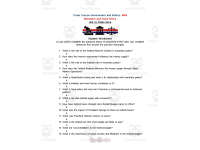
Complete the five Federal Reserve prompts as one block before beginning the taxation and budget section.
Build a two-column comparison from the worksheet: central-bank actions on one side and congressional tax or spending choices on the other.

Skills covered
Economic-policy comparison — learners distinguish central-bank tools from taxing and spending decisions.
Cause-and-effect reasoning — responses connect reserve rules, rates, or bond transactions with money circulation.
Budget analysis — students interpret mandatory spending through Social Security, Medicare, and other uncontrollable items.

No reviews yet
Downloaded this resource? Tell other teachers how it went.
Resource details
Concepts & topics
Core concepts
 Core concepts
Monetary policy
Fiscal policy
Federal Reserve
Mandatory spending
 Topics
Explore more
Categories this resource belongs to
Explore related searches



More to explore