



2,786 products added recently
Page 773 - Newest Teaching Resources

 Show filters

Back to School - All About Me - My T-shirt
ELA, Writing, Creative Writing, Grade 3, 4, 5, 6, 7, 8, 9, 10, Activities, Worksheets & Printables, Worksheets
Back to School All About Me My T-shirt This back to school activity allows students to creatively share information about themselves at the start of a new school year. Students complete an engaging T-shirt worksheet by filling it in with words, images, and colors that represent their personality, hobbies, goals, and more. Teachers can implement this either individually, in small groups, or with the whole class to build classroom community. It encourages self-reflection and self-expression. Children can present their completed T-shirt worksheet to classmates to practice public speaking skills. The worksheet also serves as a keepsake for teachers and parents to see how their student sees themselves at this stage of development. Use this fun back to school icebreaker to set the tone for a great year of learning!
Author Teach To Heaven, Reoulita.com
Tags All About Me, Back To School, My Favourites, First Day Of School, Worksheet

Back to School - About Me - MY FAVOURITES
ELA, Writing, Grade 1, 2, 3, 4, Worksheets & Printables, Worksheets
Back to School - About Me - My Favorites Help students reflect on their interests and share information about themselves with this back-to-school "All About Me" activity. Students complete a printable worksheet answering questions about their favorite things - such as their favorite food, color, toy, etc. This can be used individually or in small groups at the start of the school year so students can find commonalities and get to know their new classmates. Teachers can also use it as a writing prompt for students to expand on by writing a descriptive paragraph. The completed worksheets then make great visuals to display in the classroom or incorporate into student-made "Meet the Teacher" brochures.
Author Teach To Heaven, Reoulita.com
Tags All About Me, Back To School, First Day Of School, My Favourites, Worksheet
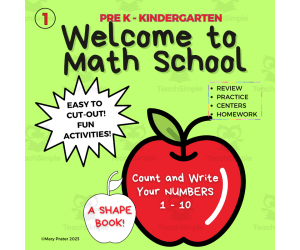
Welcome Back to School: Kinder Math 1-10
Math, Early Math, Numbers, Kindergarten, Preschool, Activities, Worksheets & Printables, Worksheets
Numbers 1-10 Activity Book Practice Kindergarten is the resource you need to start the school year! It will also work great for Preschool. Teachers/Parents get ready for the new school year for preschool or kindergarten. This is a numbers 1-10 shape book that is packed with fun activities. This Numbers 1-10 Activity Book Practice Kindergarten booklet is in the shape of an apple and is an easy cut-out for young students. Each page of this resource is dedicated to one number, it shows that number on the top of the page. Then there is a line for students to practice tracing the actual number. Next, students are asked to color the amount represented on crayons, circle the target number within a box of various numbers, and fill in the amount of squares represented by the number. Next is for students to write the missing number and the very last activity is the number line from 1-10 for students to practice counting. Overall, this resource is a wonderful one for students to learn and practice the numbers from 1-10. This Numbers 1-10 Activity Book Practice Kindergarten booklet is the 1st in a series of 5 number booklets leading up to the number 100. CONTENTS: tracing ten frames recognize numbers counting missing number number order color by number cut and paste This is a PDF with 18 pages.
Author The Kinder Lady
Tags Kinder Math, Numbers 1-10, Counting, Writing Numbers, Tracing Numbers

Sample Science Fiction Story w/ Analysis Activities – Secondary ELA
ELA, Reading, Reading Comprehension, Literature, Writing, Grade 8, 9, 10, 11, 12, Activities, Worksheets & Printables, Worksheets
This no-prep short science fiction story with analysis activities is perfect for a 1-2 day sub plan or as an introduction to a larger unit on story-genre or creative writing. Richard Post’s “The Hallway” will appropriately introduce the elements of science fiction stories to your students, and the included analysis questions and response essay assignment are designed to build strong analysis and writing skills. Planning a week-long unit around this resource could not be easier! Start by handing out the story and analysis questions to your students and let them read the story and answer the questions (or read the story aloud and answer the questions as a discussion - your choice!). Once you feel your students are ready for their understanding of the story to be assessed, hand out the literary analysis essay assignment. The essay's prompt is based upon response questions and the worksheet also includes literary analysis writing tips, a peer review checklist, and Common Core-aligned rubric for straightforward grading. Your download includes the following: - The short science fiction narrative "The Hallway," by Richard Post (written exclusively for The Language of Educational Art) - 8 accompanying response questions (w/ answer key) designed to further your students' understanding of the structure and thematic concepts found in science fiction stories - A self-checking Easel activity version of the analysis questions - A literary analysis essay assignment that builds on students' understanding of "The Hallway" and how science fiction narratives are structured (40 points - tied to 4 Common Core Standards) SYNOPSIS OF ‘THE HALLWAY': It's 2141, and Dr. Abraham Lazarouch has spent the past eighty years inventing the technology to cure death. Facing his "original-life" mortality, Dr. Lazarouch reflects on his long career while being prepared for life as a BioDroid. But what awaits the doctor on the far end of the Hallway? ABOUT THE AUTHOR: Richard Post came late to writing YA literature, but he has been a storyteller and raconteur his entire life. When he’s not writing short stories for The Language of Educational Art, he enjoys fishing for rock bass on Higgins Lake, hunting pheasants on the farms of mid-Michigan, bottling sun pickles (here's his famous recipe ), hosting “whoopie” parties for his grandchildren, and playing cribbage. He lives with his wife Beverly in St. Louis, Michigan and Orange Beach, Alabama. Although this resource can be fitted for any secondary Language Arts classroom, it has been carefully designed to work best in grades 9 through 12. The included activities and rubric are subtly but specifically tied to Common Core ELA Standards for Language (1 and 2), Reading Literature (2), and Writing (2). This resource is provided as a print-ready, bookmarked, and adjustable PDF file. This resource contains 13 pages.
Author The Language of Educational Art, LLC
Tags Science Fiction, Literary Analysis, Sample Essay, Essay

Aunt Flossie's Hats and Crab Cakes Later Book Companion
ELA, Reading, Reading Comprehension, Literature, Grade 2, 3, 4, Teacher Tools, Graphic Organizers, Worksheets & Printables, Novel Studies, Activities, Worksheets
This picture book companion is a complete supplemental resource for the book Aunt Flossie's Hats (and Crab Cakes Later) by Elizabeth Fitzgerald Howard. It includes 27 print-and-go reading activities to choose from, making this resource ideal for customizing learning to your student's specific needs and academic abilities. Students will investigate characters, identify story elements, determine the theme, practice plotting story events, compare & contrast, make predictions, inferences, & connections, answer questions that require them to think beyond the text, and much more! Students will be captivated by the stimulating activities, while educators will value the saved effort in searching for premium resources to tackle complex reading concepts. The activities on offer aim to promote advanced cognitive skills, urge students to cite textual justifications for their conclusions, and motivate them to articulate their personal opinions and views. ⭐️This Resource Includes:⭐️ ◾ Making Predictions: Before reading the book, students will make predictions about the text. ◾ Story Elements: Students fill in the boxes with words & pictures to represent the story elements. ◾ Sequencing: Students will retell & illustrate the important parts of the story. ◾ Summary: Students complete the Somebody, Wanted, Because, But, So graphic organizer and write a summary of the story. ◾ Story Event Sort: Students will describe a scene or event from the story that fits into each of the categories & explain how the event made them feel & how it relates to the category. ◾ Cause & Effect (simplified): Students are given either the cause or effect and will cut & match up cause & effect cards, then paste them in the correct boxes (ANSWER KEY included). ◾ Cause & Effect: Students cut & match up cause & effect cards, then paste them in the correct boxes (ANSWER KEY included). ◾ Visualizing Aunt Flossie's Hats: Students read the descriptions of Aunt Flossie's hats from the story and draw pictures of what they visualize the hats to look like. ◾ Making Inferences: Students use clues & schema to make inferences while reading the story. ◾ Using Details to Make Inferences: Students will make inferences using the provided details from the story. ◾ Making Connections: Students make connections to an event from the story. ◾ Character Inside & Out (Sarah): Students include details from the story to describe what the character says, thinks, does, and feels. ◾ Character Inside & Out (Susan): Students include details from the story to describe what the character says, thinks, does, and feels. ◾ Character Inside & Out (Aunt Flossie): Students include details from the story to describe what the character says, thinks, does, and feels. ◾ Character Feelings (Sarah & Susan): Students describe how the characters’ feelings change throughout the story & give examples of the events that cause them to feel the way they do. ◾ Character Feelings (Aunt Flossie): Students describe how the character's feelings change throughout the story & give examples of the events that cause them to feel the way they do. ◾ Character Summary: Students summarize the main character of the story. ◾ Character Perspective: Students will compare Rubina's perspective to Sana's perspective in the story by drawing a picture and adding words to the thought bubbles. ◾ Sketch a Scene From the Story: Students will draw a scene from the story and explain why it's important to the plot. ◾ Setting Influences the Plot: Students will draw a scene from the story that takes place in one of the settings and write about what happened there and why it was important to the plot. ◾ Theme: Students answer the questions to determine which theme best fits the story and provide text evidence to support their choice. ◾ Thinking About the Text: Students will answer the questions about the story & include examples from the text to support their answers. ◾ Thank You Aunt Flossie: Students imagine they are Sarah or Susan and write Aunt Flossie a thank-you note to explain why spending Sunday afternoons with her made such special memories. ◾ Wait... There's More!: Students will write about what happens next in the story. ◾ My Special Memory: Students write about a piece of clothing, jewelry, hat, shoes, or other item that reminds them of a special memory. ◾ Families are Special: Students will brainstorm their family's traditions, things that make their family unique, and special things they do with their family. Then, they will compare and contrast their family with a classmate's family using a Venn diagram. ◾ Book Review: Students will color in the stars to rate how much they enjoyed the book and draw a new cover & their favorite character from the story. Then, they will explain why other kids should or should not read it. 💡Need ideas for different ways you can implement these activities? ◾ Focus on different reading skills each day for targeted instruction, and have students complete a corresponding printable to check for understanding. ◾ During centers, students can independently read the story again and complete an activity that reviews a previously taught concept. ◾ Work with students on a reading concept they struggle with during guided reading or strategy groups. ◾ Students work with a partner or in literature circles to complete additional reading activities. This resource is for extension read-aloud activities only. The book is not included. ⭐️You may also like: ⭐ TEXT SET #1: "The Importance of Friendship" ◾ A Weekend With Wendell Read Aloud Book Companion Activities for IRA ◾ First Come the Zebra Read Aloud Book Companion Activities for IRA ◾ This is Our House Read Aloud Book Companion Activities for IRA ◾ Horace and Morris But Mostly Dolores Read Aloud Book Companion Activities for IRA ◾ The Old Woman Who Named Things Read Aloud Book Companion Activities for IRA TEXT SET #3: "Finding Your Way in a New Place" ◾ Grandfather Counts Read Aloud Book Companion Activities for IRA ◾ The Have a Good Day Cafe, Read Aloud Book Companion Activities for IRA ◾ Roses for Gita Read Aloud Book Companion Activities for IRA ◾ Mango, Abuela, and Me, Read Aloud Book Companion Activities for IRA ◾ Home at Last Read Aloud Book Companion Activities for IRA TEXT SET #7: "Exploring Narrative Nonfiction" ◾ Cactus Hotel Read Aloud Book Companion Activities for IRA ◾ A Log's Life Read Aloud Book Companion Activities for IRA ◾ Salmon Stream Read Aloud Book Companion Activities for IRA ◾ Think of an Eel Read Aloud Book Companion Activities for IRA ✨Be sure to check out my storefront here: https://teachsimple.com/contributor/creatively-gifted
Author Creatively Gifted
Tags IRA, Picture Book Activities, Read Aloud Lessons, Interactive Read Aloud Activities, Elementary Reading, Reading Comprehension, Fountas And Pinnell IRA, Family, Second Grade, Memory Stories

Bigmama's by Donald Crews Read Aloud
ELA, Reading, Reading Comprehension, Literature, Grade 2, 3, 4, Read Alouds, Activities
This picture book companion is a complete supplemental resource for the book Bigmama's by Donald Crews. It includes 27 print-and-go reading activities to choose from, making this resource ideal for customizing learning to your student's specific needs and academic abilities. Students will investigate characters, identify story elements, determine the theme, practice plotting story events, compare & contrast, make predictions, inferences, & connections, answer questions that require them to think beyond the text, and much more! Students will be captivated by the stimulating activities, while educators will value the saved effort in searching for premium resources to tackle complex reading concepts. The activities on offer aim to promote advanced cognitive skills, urge students to cite textual justifications for their conclusions, and motivate them to articulate their personal opinions and views. ⭐️This Resource Includes:⭐️ ◾ Making Predictions: Before reading the book, students will make predictions about the text. ◾ Story Elements: Students fill in the boxes with words & pictures to represent the story elements. ◾ Sequencing: Students will retell & illustrate the important parts of the story. ◾ Summary: Students complete the Somebody, Wanted, Because, But, So graphic organizer and write a summary of the story. ◾ Recalling Events in Chronological Order: Students will describe and illustrate four events from the story in chronological order. ◾ Story Event Sort: Students will describe a scene or event from the story that fits into each of the categories & explain how the event made them feel & how it relates to the category. ◾ Making Inferences: Students use clues & schema to make inferences while reading the story. ◾ Using Details to Make Inferences: Students will read the details from the story, answer the questions, and highlight or underline the supporting evidence (ANSWER KEY included). ◾ Making Connections: Students make connections to events in the story. ◾ Character Inside & Out: Students include details from the story to describe what the characters say, think, do, and feel. ◾ Character Feelings: Students describe how the characters' feelings change throughout the story & give examples of the events that cause them to feel the way they do. ◾ Character Summary: Students summarize the main character of the story. ◾ Sketch a Scene From the Story: Students will draw a scene from the story and explain why it's important to the plot. ◾ Setting Influences the Plot: Students will draw a scene from the story that takes place in one of the settings and write about what happened there and why it was important to the plot. ◾ Setting the Scene: Students identify three different settings in the story and explain how they know that the setting changed. ◾ 3-2-1: Students will list three things the author did at Bigmama's, 2 activities from the story they would like to try, and one word that describes spending time at Bigmama's. ◾ Author's Message: Students describe four important events from the story in chronological order and answer the questions about the author's message. ◾ Theme: Students answer the questions to determine which theme best fits the story and provide text evidence to support their choice. ◾ Thinking About the Text: Students will answer the questions about the story & include examples from the text to support their answers. ◾ Then & Now: Students will describe something that the author did at Bigmama's house when he was young. Then, they will describe what they think he would do now at Bigmama's, as an adult. ◾ Wait... There's More!: Students will write about what happens next in the story. ◾ My Special Memory: Students write about a special day or moment in their lives. ◾ Families are Special: Students will brainstorm their family's traditions, things that make their family unique, and special things they do with their family. Then, they will compare and contrast their family with a classmate's family using a Venn diagram. ◾ Book Review: Students will color in the stars to rate how much they enjoyed the book and draw a new cover & their favorite character from the story. Then, they will explain why other kids should or should not read it. ◾ Story Details Crossword Puzzle: Students will use the clues to fill in the puzzle (ANSWER KEY included). This resource is for extension read-aloud activities only. The book is not included. ⭐️You may also like: ⭐ TEXT SET #1: "The Importance of Friendship" ◾ A Weekend With Wendell Read Aloud Book Companion Activities for IRA ◾ First Come the Zebra Read Aloud Book Companion Activities for IRA ◾ This is Our House Read Aloud Book Companion Activities for IRA ◾ Horace and Morris But Mostly Dolores Read Aloud Book Companion Activities for IRA ◾ The Old Woman Who Named Things Read Aloud Book Companion Activities for IRA TEXT SET #3: "Finding Your Way in a New Place" ◾ Grandfather Counts Read Aloud Book Companion Activities for IRA ◾ The Have a Good Day Cafe, Read Aloud Book Companion Activities for IRA ◾ Roses for Gita Read Aloud Book Companion Activities for IRA ◾ Mango, Abuela, and Me, Read Aloud Book Companion Activities for IRA ◾ Home at Last Read Aloud Book Companion Activities for IRA TEXT SET #7: "Exploring Narrative Nonfiction" ◾ Cactus Hotel Read Aloud Book Companion Activities for IRA ◾ A Log's Life Read Aloud Book Companion Activities for IRA ◾ Salmon Stream Read Aloud Book Companion Activities for IRA ◾ Think of an Eel Read Aloud Book Companion Activities for IRA ✨Be sure to check out my storefront here: https://teachsimple.com/contributor/creatively-gifted
Author Creatively Gifted
Tags IRA, Picture Book Activities, Read Aloud Lessons, Interactive Read Aloud Activities, Elementary Reading, Reading Comprehension, Fountas And Pinnell IRA, Family, Second Grade, Memory Stories

Informative Writing: Step-by-Step Arctic Writing Prompts
Creative Arts, Art, ELA, Reading, Reading Comprehension, Grammar, Strategies, Language Development, Spelling, Writing, Science, Life Sciences, Animals, Grade 3, 4, 5, Writing Prompts, Worksheets & Printables
If you need an engaging way to teach informative writing, look no further than this Informative Writing: Step-by-Step Arctic Writing Prompts unit! Perfect for elementary teachers and homeschoolers alike, this NO PREP resource covers the five steps of informative writing—research and brainstorming; main ideas and supporting details; introduction and conclusion; draft, edit, and revise; and final draft—using a cross-curricular approach and Arctic theme. Each day's lesson addresses one step. Differentiated graphic organizers—primary lines, regular lines, and no lines—are included to match the student's handwriting skill level. This Informative Writing: Step-by-Step Arctic Writing Prompts is A GREAT ADDITION TO YOUR: Arctic unit study Writing lessons or centers English language arts (ELA) or science class Bellringers Morning work Emergency sub plans ...or just for fun! ELEMENTS INCLUDED in this Informative Writing: Step-by-Step Arctic Writing Prompts: 79 PDF pages Teacher instructions Interactive online presentation for teaching every step of the informative writing process Opener and conclusion examples (12 cards) Roll an informative paragraph or essay Informative writing prompts (432 combinations) Descriptive, how-to/sequence, chronological timeline, cause and effect, compare and contrast, and problem and solution research graphic organizers (3 differentiated levels) Informative writing graphic organizers (3 differentiated levels) Writing rubrics (teacher and student) Optional step-by-step student guide and checklist handout Optional sentence starters and transitions handout Optional 100 common adjectives, verbs, adverbs, prepositions, and conjunctions handout BONUS DOWNLOAD: Paragraph elements practice exercises Help your students become expert informative writers! Whether you're looking for an introduction to informative writing or an assessment of prior knowledge, this resource has something for everyone. CROSS-CURRICULAR SUBJECTS COVERED: Art (drawing and coloring) Critical thinking English language arts Grammar Reading Research Science Spelling Writing Looking for more step-by-step informative writing units? I have you covered! Check out great themes like sharks , space , dinosaurs , spring flowers , St. Patrick's Day , Earth Day , and more on my contributor page !
Author Heather Huhman
Tags Informative Writing, Early Writing, Beginner Writing, Elementary Writing, Paragraph Writing, Essay Writing, Arctic, Northern Lights, Glaciers, Climate Change

When I Was Young in the Mountains Read Aloud
ELA, Reading, Reading Comprehension, Literature, Grade 2, 3, 4, Read Alouds, Activities
This picture book companion is a complete supplemental resource for the book When I Was Young in the Mountains by Cynthia Rylant. It includes 26 print-and-go reading activities to choose from, making this resource ideal for customizing learning to your student's specific needs and academic abilities. Students will investigate characters, identify story elements, determine the theme, practice plotting story events, compare & contrast, make predictions, inferences, & connections, answer questions that require them to think beyond the text, and much more! Students will be captivated by the stimulating activities, while educators will value the saved effort in searching for premium resources to tackle complex reading concepts. The activities on offer aim to promote advanced cognitive skills, urge students to cite textual justifications for their conclusions, and motivate them to articulate their personal opinions and views. ⭐️This Resource Includes:⭐️ ◾ Making Predictions: Before reading the book, students will make predictions about the text. ◾ Story Elements: Students fill in the boxes with words & pictures to represent the story elements. ◾ Sequencing: Students will retell & illustrate the important parts of the story. ◾ Summary: Students complete the Somebody, Wanted, Because, But, So graphic organizer and write a summary of the story. ◾ Recalling Events in Chronological Order: Students will describe and illustrate four events from the story in chronological order. ◾ Story Event Sort: Students will describe a scene or event from the story that fits into each of the categories & explain how the event made them feel & how it relates to the category. ◾ Making Inferences: Students use clues & schema to make inferences while reading the story. ◾ Author's Message: Students describe four important events from the story in chronological order and answer the questions about the author's message. ◾ Making Connections: Students make connections to events in the story. ◾ Sketch a Scene From the Story: Students will draw a scene from the story and explain why it's important to the plot. ◾ Setting Influences the Plot: Students will draw a scene from the story that takes place in one of the settings and write about what happened there and why it was important to the plot. ◾ Setting Swap: Students draw a scene from the story in a beach setting and a desert setting. Then, they explain what would change and what would stay the same. ◾ Character Inside & Out: Students include details from the story to describe what the character says, thinks, does, and feels. ◾ Character Feelings: Students describe how the character's feelings change throughout the story & give examples of the events that cause them to feel the way they do. ◾ Character Change: Students will explain how the character changed from the beginning to the end of the story and describe the events that caused the change to happen. ◾ Character Summary: Students summarize the main character of the story. ◾ Theme: Students answer the questions to determine which theme best fits the story and provide text evidence to support their choice. ◾ Thinking About the Text: Students will answer the questions about the story & include examples from the text to support their answers. ◾ 3-2-1: Students will list three challenges, 2 activities from the story they would like to try, and one word that describes life in the mountains. ◾ Compare & Contrast: Students will compare and contrast what life was like long ago to what life is like now using information from the story and background knowledge. ◾ Then & Now: Students will describe something that the narrator did when she was young and in the mountains. Then, describe what they think she does now, as an adult, when she's in the mountains. ◾ Wait... There's More!: Students will write about what happens next in the story. ◾ Someone Special: Students write a paragraph about a parent, grandparent, brother, sister, or someone special in their life and describe what makes them unique. ◾ Memories in the Mountains: Students recall the author's favorite mountain memories from her childhood, draw illustrations with captions to describe each event, and include information from the story as well as their own imagination. ◾ Book Review: Students will color in the stars to rate how much they enjoyed the book and draw a new cover & their favorite character from the story. Then, they will explain why other kids should or should not read it. ◾ Vocabulary Crossword Puzzle: Students use the clues to fill in the puzzle. Words can go across or down. Letters are shared when the words intersect (ANSWER KEY included). This resource is for extension read-aloud activities only. The book is not included. ⭐️You may also like: ⭐ TEXT SET #1: "The Importance of Friendship" ◾ A Weekend With Wendell Read Aloud Book Companion Activities for IRA ◾ First Come the Zebra Read Aloud Book Companion Activities for IRA ◾ This is Our House Read Aloud Book Companion Activities for IRA ◾ Horace and Morris But Mostly Dolores Read Aloud Book Companion Activities for IRA ◾ The Old Woman Who Named Things Read Aloud Book Companion Activities for IRA TEXT SET #3: "Finding Your Way in a New Place" ◾ Grandfather Counts Read Aloud Book Companion Activities for IRA ◾ The Have a Good Day Cafe, Read Aloud Book Companion Activities for IRA ◾ Roses for Gita Read Aloud Book Companion Activities for IRA ◾ Mango, Abuela, and Me, Read Aloud Book Companion Activities for IRA ◾ Home at Last Read Aloud Book Companion Activities for IRA TEXT SET #7: "Exploring Narrative Nonfiction" ◾ Cactus Hotel Read Aloud Book Companion Activities for IRA ◾ A Log's Life Read Aloud Book Companion Activities for IRA ◾ Salmon Stream Read Aloud Book Companion Activities for IRA ◾ Think of an Eel Read Aloud Book Companion Activities for IRA ✨Be sure to check out my storefront here: https://teachsimple.com/contributor/creatively-gifted
Author Creatively Gifted
Tags IRA, Picture Book Activities, Read Aloud Lessons, Interactive Read Aloud Activities, Elementary Reading, Reading Comprehension, Fountas And Pinnell IRA, Family, Second Grade, Memory Stories

I Love Saturdays y Domingos Read Aloud
ELA, Reading, Reading Comprehension, Literature, Grade 2, 3, 4, Read Alouds, Activities
This picture book companion is a complete supplemental resource for the book I Love Saturdays y Domingos by Alma Flor Ada. It includes 26 print-and-go reading activities to choose from, making this resource ideal for customizing learning to your student's specific needs and academic abilities. Students will investigate characters, identify story elements, determine the theme, practice plotting story events, compare & contrast, make predictions, inferences, & connections, answer questions that require them to think beyond the text, and much more! Students will be captivated by the stimulating activities, while educators will value the saved effort in searching for premium resources to tackle complex reading concepts. The activities on offer aim to promote advanced cognitive skills, urge students to cite textual justifications for their conclusions, and motivate them to articulate their personal opinions and views. ⭐️This Resource Includes:⭐️ ◾ Making Predictions: Before reading the book, students will make predictions about the text. ◾ Story Elements: Students fill in the boxes with words & pictures to represent the story elements. ◾ Sequencing: Students will retell & illustrate the important parts of the story. ◾ Summary: Students complete the Somebody, Wanted, Because, But, So graphic organizer. ◾ Recalling Events in Chronological Order (with Grandma & Grandpa): Students will describe and illustrate four memories of the narrator's time with her Grandma & Grandpa. ◾ Recalling Events in Chronological Order (with Abuelita & Abuelito): Students will describe and illustrate four memories of the narrator's time with Abuelito & Abuelita. ◾ Compare & Contrast: Students will compare and contrast the activities the little girl in the story likes to do with each set of grandparents. ◾ Story Event Sort: Students will describe a scene or event from the story that fits into each of the categories & explain how the event made them feel & how it relates to the category. ◾ Making Inferences: Students use clues & schema to make inferences while reading the story. ◾ Making Connections: Students make connections to an event from the story. ◾ Character Inside & Out (Narrator): Students include details from the story to describe what the character says, thinks, does, and feels. ◾ Character Inside & Out (Grandma): Students include details from the story to describe what the character says, thinks, does, and feels. ◾ Character Inside & Out (Grandpa): Students include details from the story to describe what the character says, thinks, does, and feels. ◾ Character Inside & Out (Abuelita): Students include details from the story to describe what the character says, thinks, does, and feels. ◾ Character Inside & Out (Abuelito): Students include details from the story to describe what the character says, thinks, does, and feels. ◾ Character Traits: Students choose character traits that describe both sets of grandparents and provide evidence from the text to support those traits. ◾ Character Feelings: Students describe how the character's feelings change throughout the story & give examples of the events that cause them to feel the way they do. ◾ Character Change: Students will explain how the character changed from the beginning to the end of the story and describe the events that caused the change to happen. ◾ Character Summary: Students summarize the main character of the story. ◾ Character Acrostic Poem: Students will write an acrostic poem to describe the main character. ◾ Sketch a Scene From the Story: Students draw a scene from the story & explain why it's important to the plot. ◾ Setting Influences the Plot: Students will draw a scene from the story that takes place in one of the settings and write about what happened there and why it was important to the plot. ◾ Theme: Students answer the questions to determine which theme best fits the story and provide text evidence to support their choice. ◾ Thinking About the Text: Students will answer the questions about the story & include examples from the text to support their answers. ◾ Wait... There's More!: Students will write about what happens next in the story. ◾ Spanish & English Crossword Puzzle: Students use the clues to fill in the puzzle. Words can go across or down. Letters are shared when the words intersect (ANSWER KEY included). ◾ Book Review: Students rate how much they enjoyed the book, draw a new cover & their favorite character from the story, and explain why other kids should or should not read it. This resource is for extension read-aloud activities only. The book is not included. ⭐️You may also like: ⭐ TEXT SET #1: "The Importance of Friendship" ◾ A Weekend With Wendell Read Aloud Book Companion Activities for IRA ◾ First Come the Zebra Read Aloud Book Companion Activities for IRA ◾ This is Our House Read Aloud Book Companion Activities for IRA ◾ Horace and Morris But Mostly Dolores Read Aloud Book Companion Activities for IRA ◾ The Old Woman Who Named Things Read Aloud Book Companion Activities for IRA TEXT SET #3: "Finding Your Way in a New Place" ◾ Grandfather Counts Read Aloud Book Companion Activities for IRA ◾ The Have a Good Day Cafe, Read Aloud Book Companion Activities for IRA ◾ Roses for Gita Read Aloud Book Companion Activities for IRA ◾ Mango, Abuela, and Me, Read Aloud Book Companion Activities for IRA ◾ Home at Last Read Aloud Book Companion Activities for IRA TEXT SET #7: "Exploring Narrative Nonfiction" ◾ Cactus Hotel Read Aloud Book Companion Activities for IRA ◾ A Log's Life Read Aloud Book Companion Activities for IRA ◾ Salmon Stream Read Aloud Book Companion Activities for IRA ◾ Think of an Eel Read Aloud Book Companion Activities for IRA ✨Be sure to check out my storefront here: https://teachsimple.com/contributor/creatively-gifted
Author Creatively Gifted
Tags IRA, Picture Book Activities, Read Aloud Lessons, Interactive Read Aloud Activities, Elementary Reading, Reading Comprehension, Fountas And Pinnell IRA, Family, Second Grade, Memory Stories

The Rainbow Tulip, by Pat Mora Read-Aloud Book Companion
ELA, Reading, Reading Comprehension, Literature, Grade 2, 3, 4, Read Alouds, Activities
This picture book companion is a complete supplemental resource for the book The Rainbow Tulip by Pat Mora. It includes 25 print-and-go reading activities to choose from, making this resource ideal for customizing learning to your student's specific needs and academic abilities. Students will investigate characters, identify story elements, determine the theme, practice plotting story events, compare & contrast, make predictions, inferences, & connections, answer questions that require them to think beyond the text, and much more! Students will be captivated by the stimulating activities, while educators will value the saved effort in searching for premium resources to tackle complex reading concepts. The activities on offer aim to promote advanced cognitive skills, urge students to cite textual justifications for their conclusions, and motivate them to articulate their personal opinions and views. ⭐️This Resource Includes:⭐️ ◾ Making Predictions: Before reading the book, students will make predictions about the text. ◾ Story Elements: Students fill in the boxes with words & pictures to represent the story elements. ◾ Sequencing: Students will retell & illustrate the important parts of the story. ◾ Summary: Students complete the Somebody, Wanted, Because, But, So graphic organizer and write a summary of the story. ◾ Story Event Sort: Students will describe a scene or event from the story that fits into each of the categories & explain how the event made them feel & how it relates to the category. ◾ Making Inferences: Students use clues & schema to make inferences while reading the story. ◾ Illustrating Inferences: Students read the text taken from the story, make inferences, and draw pictures to illustrate what they visualize. ◾ Making Connections: Students make connections to an event from the story. ◾ Character Inside & Out (Stella): Students include details from the story to describe what the character says, thinks, does, and feels. ◾ Character Inside & Out (Mamá): Students include details from the story to describe what the character says, thinks, does, and feels. ◾ Character Inside & Out (Papá): Students include details from the story to describe what the character says, thinks, does, and feels. ◾ Character Feelings (Stella): Students describe how the character's feelings change throughout the story & give examples of the events that cause them to feel the way they do. ◾ Character Change (Stella): Students will explain how the character changed from the beginning to the end of the story and describe the events that caused the change to happen. ◾ Character Summary: Students summarize the main character of the story. ◾ Character Perspective: Students will compare Stella's perspective to Mamá's perspective in the story by drawing a picture and adding words to the thought bubbles. ◾ Character Acrostic Poem: Students will write an acrostic poem to describe Stella. ◾ Sketch a Scene From the Story: Students will draw a scene from the story and explain why it's important to the plot. ◾ Setting Influences the Plot: Students will draw a scene from the story that takes place in one of the settings and write about what happened there and why it was important to the plot. ◾ Theme: Students answer the questions to determine which theme best fits the story and provide text evidence to support their choice. ◾ Thinking About the Text: Students will answer the questions about the story & include examples from the text to support their answers. ◾ Wait... There's More!: Students will write about what happens next in the story. ◾ Sticky Situations: Students describe and illustrate four situations in the story where Mamá's struggle to communicate in English causes her to experience difficulties. ◾ Dare to Be Different: Students respond to questions about being different. ◾ Book Review: Students will color in the stars to rate how much they enjoyed the book and draw a new cover & their favorite character from the story. Then, they will explain why other kids should or should not read it. This resource is for extension read-aloud activities only. The book is not included. ⭐️You may also like: ⭐ TEXT SET #1: "The Importance of Friendship" ◾ A Weekend With Wendell Read Aloud Book Companion Activities for IRA ◾ First Come the Zebra Read Aloud Book Companion Activities for IRA ◾ This is Our House Read Aloud Book Companion Activities for IRA ◾ Horace and Morris But Mostly Dolores Read Aloud Book Companion Activities for IRA ◾ The Old Woman Who Named Things Read Aloud Book Companion Activities for IRA TEXT SET #3: "Finding Your Way in a New Place" ◾ Grandfather Counts Read Aloud Book Companion Activities for IRA ◾ The Have a Good Day Cafe, Read Aloud Book Companion Activities for IRA ◾ Roses for Gita Read Aloud Book Companion Activities for IRA ◾ Mango, Abuela, and Me, Read Aloud Book Companion Activities for IRA ◾ Home at Last Read Aloud Book Companion Activities for IRA TEXT SET #7: "Exploring Narrative Nonfiction" ◾ Cactus Hotel Read Aloud Book Companion Activities for IRA ◾ A Log's Life Read Aloud Book Companion Activities for IRA ◾ Salmon Stream Read Aloud Book Companion Activities for IRA ◾ Think of an Eel Read Aloud Book Companion Activities for IRA ✨Be sure to check out my storefront here: https://teachsimple.com/contributor/creatively-gifted
Author Creatively Gifted
Tags IRA, Picture Book Activities, Read Aloud Lessons, Interactive Read Aloud Activities, Elementary Reading, Reading Comprehension, Fountas And Pinnell IRA, Family, Second Grade, Memory Stories

Bugs A to Z Read Aloud Book Companion
ELA, Reading, Reading Comprehension, Literature, Science, Life Sciences, Insects, Grade 2, 3, 4, Read Alouds, Activities
This picture book companion is a complete supplemental resource for the book Bugs A to Z by Caroline Lawton. It includes 21 print-and-go reading activities to choose from, making this resource ideal for customizing learning to your student's specific needs and academic abilities. Students will investigate various bugs and insects, conduct research, identify true and false details, compare & contrast, make inferences and connections, learn and apply new vocabulary, answer questions that require them to think beyond the text, and much more! Students will be captivated by the stimulating activities, while educators will value the saved effort in searching for premium resources to tackle complex reading concepts. The activities on offer aim to promote advanced cognitive skills, urge students to cite textual justifications for their conclusions, and motivate them to articulate their personal opinions and views. ⭐️This Resource Includes:⭐️ ◾ Who Am I?: Students will match the bugs in the word bank to the descriptions and draw and color a picture of each bug (ANSWER KEY INCLUDED). ◾ Bug Word Scramble: Students use the details from the book to unscramble the words (ANSWER KEY INCLUDED). ◾ Fly, Crawl, or Hop?: Students cut out the bugs, sort them based on how they move around, and then glue them on the chart (ANSWER KEY INCLUDED). ◾ Fact or Fiction: Students determine whether the details are facts from the story or made-up. ◾ True or False (bubble answers ONLY): Students read the details and determine if they are true or false (ANSWER KEY INCLUDED). ◾ True or False (bubble answers & correcting the false details): Students determine if the details are true or false and rewrite the false statements to make them true (ANSWER KEY INCLUDED). ◾ Bug Trading Cards: Students create trading cards for their six favorite bugs from the book. ◾ Butterfly Match-Up: Students cut out the butterflies below and glue them in the correct description box (ANSWER KEY INCLUDED). ◾ All Kinds of Bugs Crossword Puzzle: Students use the clues and the word bank to fill in the crossword puzzle (ANSWER KEY INCLUDED). ◾ Creepy Crawlers Crossword Puzzle: Students use the clues and the word bank to fill in the crossword puzzle (ANSWER KEY INCLUDED). ◾ Things That Fly Crossword Puzzle: Students use the clues and the word bank to fill in the crossword puzzle (ANSWER KEY INCLUDED). ◾ Incredible Insects Word Search Puzzle: Students use the clues to fill in the puzzle. Words can go across or down. Letters are shared when the words intersect (ANSWER KEY INCLUDED). ◾ Insects With Wings Word Search Puzzle: Students use the clues to fill in the puzzle. Words can go across or down. Letters are shared when the words intersect (ANSWER KEY INCLUDED). ◾ Bugs A-Z Yearbook: Students will draw and label bugs for each superlative. ◾ Book Review: Students will rate and review the book. ◾ Investigating Insects (4 versions are included): Students roll a die to see which insect they will research to learn more about. Then, they conduct research using teacher-approved websites and informational texts to look for information to answer the provided questions. ◾ Bugs A-Z Matching Game: Cut out the picture and description cards. Students match the bug to the correct description. This can be played in a variety of ways, such as as a matching game or a memory game. Students can play at their table groups, with a partner, or in centers. ◾ 24 - Bug Bingo Cards (3x3): Students match the clues to the bugs pictured on their bingo cards using a dot marker or bingo chip to mark each bug as it is described or called out. If they get four in a row, they call BINGO and win. ◾ 24 - Bug Bingo Cards (4x4): Students match the clues to the bugs pictured on their bingo cards using a dot marker or bingo chip to mark each bug as it is described or called out. If they get four in a row, they call BINGO and win. ◾ Bug Bingo PowerPoint Presentation: This PowerPoint presentation can be used when you play Bug Bingo to project random bugs from the book onto the screen. Just open PowerPoint in presentation mode and click the button to show randomized slides of the bugs. This resource is for extension read-aloud activities only. The book is not included. ⭐️You may also like: ⭐ TEXT SET #1: "The Importance of Friendship" ◾ A Weekend With Wendell Read Aloud Book Companion Activities for IRA ◾ First Come the Zebra Read Aloud Book Companion Activities for IRA ◾ This is Our House Read Aloud Book Companion Activities for IRA ◾ Horace and Morris But Mostly Dolores Read Aloud Book Companion Activities for IRA ◾ The Old Woman Who Named Things Read Aloud Book Companion Activities for IRA TEXT SET #3: "Finding Your Way in a New Place" ◾ Grandfather Counts Read Aloud Book Companion Activities for IRA ◾ The Have a Good Day Cafe, Read Aloud Book Companion Activities for IRA ◾ Roses for Gita Read Aloud Book Companion Activities for IRA ◾ Mango, Abuela, and Me, Read Aloud Book Companion Activities for IRA ◾ Home at Last Read Aloud Book Companion Activities for IRA TEXT SET #7: "Exploring Narrative Nonfiction" ◾ Cactus Hotel Read Aloud Book Companion Activities for IRA ◾ A Log's Life Read Aloud Book Companion Activities for IRA ◾ Salmon Stream Read Aloud Book Companion Activities for IRA ◾ Think of an Eel Read Aloud Book Companion Activities for IRA ✨Be sure to check out my storefront here: https://teachsimple.com/contributor/creatively-gifted
Author Creatively Gifted
Tags IRA, Picture Book Activities, Read Aloud Lessons, Interactive Read Aloud Activities, Elementary Reading, Reading Comprehension, Fountas And Pinnell IRA, Family, Second Grade, Memory Stories

Bugs for Lunch Read Aloud Book Companion
ELA, Reading, Reading Comprehension, Literature, Science, Life Sciences, Insects, Grade 2, 3, 4, Read Alouds, Activities
This picture book companion is a complete supplemental resource for the book Bugs for Lunch by Margery Facklam. It includes 15 print-and-go reading activities to choose from, making this resource ideal for customizing learning to your student's specific needs and academic abilities. Students will investigate various bugs and insects, conduct research to learn more about people all over the world who eat bugs, compare & contrast, make inferences and connections, learn and apply new vocabulary, answer questions that require them to think beyond the text, and much more! Students will be captivated by the stimulating activities, while educators will value the saved effort in searching for premium resources to tackle complex reading concepts. The activities on offer aim to promote advanced cognitive skills, urge students to cite textual justifications for their conclusions, and motivate them to articulate their personal opinions and views. ⭐️This Resource Includes:⭐️ ◾ Bug Lunch Match-Up: Students cut out the insects and glue them in the box next to who might eat them for lunch (ANSWER KEY INCLUDED). ◾ Who Am I?: Students will match the insects and animals in the word bank to the descriptions below. Then, for each one, draw and color a picture (ANSWER KEY INCLUDED). ◾ Words That Rhyme: Students read the word pairs and come up with other words that rhyme. ◾ Word Scramble: Students use the details from the book to unscramble the words (ANSWER KEY INCLUDED). ◾ 3-2-1: Students will describe three ways that the animals or insects in the book catch their lunch, explain two things they learned, and name one animal or insect they want to learn about and explain why. ◾ Write & Illustrate a Poem: Students choose an animal or insect not featured in the book and write a four-line poem about it. Then they create an illustration to go with their poem. ◾ Crossword Puzzle: Students use the clues and the word bank to fill in the crossword puzzle (ANSWER KEY INCLUDED). ◾ Word Search Puzzle: Students use the clues to fill in the puzzle. Words can go across or down. Letters are shared when the words intersect (ANSWER KEY INCLUDED). ◾ Bug-tastic Recipe: Students create a bug-based recipe. They will list the ingredients, write step-by-step cooking instructions, and draw a picture of your bug-inspired dish. ◾ Crawly Café Menu: Students create a bug-based menu for breakfast, lunch, or dinner. ◾ Book Review: Students will rate and review the book. ◾ Buggy Bites Around the World: Students will scan the QR code to learn more about people all over the world who eat bugs. Then, in the boxes on the map below, they will describe what bugs are eaten in each country. ◾ Critter Research (3 versions are included): Students roll a die to see which insect or animal they will research to learn more about. Then, they conduct research using teacher-approved websites and informational texts to look for information to answer the provided questions. This resource is for extension read-aloud activities only. The book is not included. ⭐️You may also like: ⭐ TEXT SET #1: "The Importance of Friendship" ◾ A Weekend With Wendell Read Aloud Book Companion Activities for IRA ◾ First Come the Zebra Read Aloud Book Companion Activities for IRA ◾ This is Our House Read Aloud Book Companion Activities for IRA ◾ Horace and Morris But Mostly Dolores Read Aloud Book Companion Activities for IRA ◾ The Old Woman Who Named Things Read Aloud Book Companion Activities for IRA TEXT SET #3: "Finding Your Way in a New Place" ◾ Grandfather Counts Read Aloud Book Companion Activities for IRA ◾ The Have a Good Day Cafe, Read Aloud Book Companion Activities for IRA ◾ Roses for Gita Read Aloud Book Companion Activities for IRA ◾ Mango, Abuela, and Me, Read Aloud Book Companion Activities for IRA ◾ Home at Last Read Aloud Book Companion Activities for IRA TEXT SET #7: "Exploring Narrative Nonfiction" ◾ Cactus Hotel Read Aloud Book Companion Activities for IRA ◾ A Log's Life Read Aloud Book Companion Activities for IRA ◾ Salmon Stream Read Aloud Book Companion Activities for IRA ◾ Think of an Eel Read Aloud Book Companion Activities for IRA ✨Be sure to check out my storefront here: https://teachsimple.com/contributor/creatively-gifted
Author Creatively Gifted
Tags IRA, Picture Book Activities, Read Aloud Lessons, Interactive Read Aloud Activities, Elementary Reading, Reading Comprehension, Fountas And Pinnell IRA, Family, Second Grade, Memory Stories
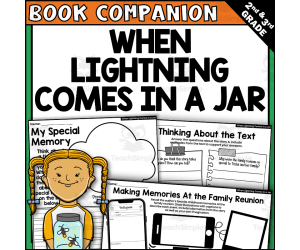
When Lightning Comes in a Jar Book Companion
ELA, Reading, Reading Comprehension, Literature, Science, Life Sciences, Insects, Grade 2, 3, 4, Teacher Tools, Graphic Organizers, Worksheets & Printables, Novel Studies, Activities, Games, Worksheets
This picture book companion is a complete supplemental resource for the book When Lightning Comes in a Jar by Patricia Polacco. It includes 28 print-and-go reading activities to choose from, making this resource ideal for customizing learning to your student's specific needs and academic abilities. Students will investigate characters, identify story elements, determine the theme, practice plotting story events, compare & contrast, make predictions, inferences, & connections, answer questions that require them to think beyond the text, and much more! Students will thoroughly enjoy the captivating activities, and you'll value the time saved from scouring for advanced resources to address challenging reading concepts. The offered activities are crafted to foster higher-order thinking, prompt students to present textual proof for their reasoning, and inspire them to share their personal insights and viewpoints. ⭐️This Resource Includes:⭐️ ◾ Making Predictions: Before reading the book, students make predictions about the text. ◾ Story Elements: Students fill in the boxes with words & pictures to represent the story elements. ◾ Sequencing: Students will retell & illustrate the important parts of the story. ◾ Recalling Events in Chronological Order: Students will describe and illustrate four events in the story in chronological order. ◾ Summary: Students complete the Somebody, Wanted, Because, But, So graphic organizer and write a summary of the story. ◾ Story Event Sort: Students will describe a scene or event from the story that fits into each of the categories & explain how the event made them feel & how it relates to the category. ◾ Making Inferences: Students use clues & schema to make inferences while reading the story. ◾ Making Connections: Students make connections to an event from the story. ◾ Character Inside & Out: Students include details from the story to describe what the characters say, think, do, and feel. ◾ Character Feelings: Students describe how the characters' feelings change throughout the story & give examples of the events that cause them to feel the way they do. ◾ Character Development: Students select the character traits that best describe Trisha at different times throughout the story and provide examples from the book to support each character trait. ◾ Character Change: Students will explain how the character changed from the beginning to the end of the story and describe the events that caused the change to happen. ◾ Character Summary: Students summarize the main character of the story. ◾ Sketch a Scene From the Story: Students will draw a scene from the story and explain why it's important to the plot. ◾ Setting Influences the Plot: Students will draw a scene from the story that takes place in one of the settings, write about what happened there, & explain why it is important to the plot. ◾ Setting the Scene: Students identify three different settings in the story and explain how they know that the setting changed. ◾ 3-2-1: Students will list three of Trisha's favorite things about her family reunion, 2 activities from the story they would like to try, and one word that describes Trisha's family reunion. ◾ Author's Message: Students describe four important events from the story and put them in chronological order. Then, answer the questions about the author's message. ◾ Theme: Students answer the questions to determine which theme best fits the story and provide text evidence to support their choice. ◾ Thinking About the Text: Students will answer the questions about the story & include examples from the text to support their answers. ◾ Then & Now: Students will describe something the author, Patricia Polacco, did as a young girl at her family reunions, write about something she might do at her family reunions now that she is older, and draw illustrations to go with their writing. ◾ Wait... There's More!: Students will write about what happens next in the story. ◾ My Special Memory: Students write about a special day or moment in their lives. ◾ Making Memories at the Family Reunion: Students recall the author's favorite childhood memories at the family reunion and draw illustrations with captions to describe each event. ◾ Families are Special: Students will brainstorm their family's traditions, things that make their family unique, and special things they do with their family. Then, they will compare and contrast their family with a classmate's family using a Venn diagram. ◾ Dear Patricia Polacco: Students write a letter to Patricia Polacco, the author and illustrator, sharing their reactions to the story, and asking her at least one question. ◾ Book Review: Students will color in the stars to rate how much they enjoyed the book and draw a new cover & their favorite character from the story. Then, they will explain why other kids should or should not read it. ◾ Family Traditions Survey: Students will answer questions about their own family traditions. This resource is for extension read-aloud activities only. The book is not included. ⭐️You may also like: ⭐ TEXT SET #1: "The Importance of Friendship" ◾ A Weekend With Wendell Read Aloud Book Companion Activities for IRA ◾ First Come the Zebra Read Aloud Book Companion Activities for IRA ◾ This is Our House Read Aloud Book Companion Activities for IRA ◾ Horace and Morris But Mostly Dolores Read Aloud Book Companion Activities for IRA ◾ The Old Woman Who Named Things Read Aloud Book Companion Activities for IRA TEXT SET #3: "Finding Your Way in a New Place" ◾ Grandfather Counts Read Aloud Book Companion Activities for IRA ◾ The Have a Good Day Cafe, Read Aloud Book Companion Activities for IRA ◾ Roses for Gita Read Aloud Book Companion Activities for IRA ◾ Mango, Abuela, and Me, Read Aloud Book Companion Activities for IRA ◾ Home at Last Read Aloud Book Companion Activities for IRA TEXT SET #7: "Exploring Narrative Nonfiction" ◾ Cactus Hotel Read Aloud Book Companion Activities for IRA ◾ A Log's Life Read Aloud Book Companion Activities for IRA ◾ Salmon Stream Read Aloud Book Companion Activities for IRA ◾ Think of an Eel Read Aloud Book Companion Activities for IRA ✨Be sure to check out my storefront here: https://teachsimple.com/contributor/creatively-gifted
Author Creatively Gifted
Tags IRA, Picture Book Activities, Read Aloud Lessons, Interactive Read Aloud Activities, Elementary Reading, Reading Comprehension, Fountas And Pinnell IRA, Family, Second Grade, Memory Stories
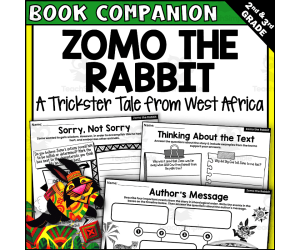
Zomo the Rabbit: A Trickster Tale Read Aloud Book Companion
ELA, Reading, Reading Comprehension, Literature, Grade 2, 3, 4, Read Alouds, Activities
This picture book companion is a complete supplemental resource for the book Zomo the Rabbit: A Trickster Tale from West Africa by Gerald McDermott. It includes 27 print-and-go reading activities to choose from, making this resource ideal for customizing learning to your student's specific needs and academic abilities. Students will investigate characters, identify story elements, determine the theme, practice plotting story events, compare & contrast, make predictions, inferences, & connections, answer questions that require them to think beyond the text, and much more! Students will thoroughly enjoy the captivating activities, and you'll value the time saved from scouring for advanced resources to address challenging reading concepts. The offered activities are crafted to foster higher-order thinking, prompt students to present textual proof for their reasoning, and inspire them to share their personal insights and viewpoints. ⭐️This Resource Includes:⭐️ ◾ Elements of a Trickster Tale Anchor Chart or Notes Handout: Color and B&W ◾ Making Predictions: Before reading the book, students will make predictions about the text. ◾ Elements of a Trickster Tale: Students fill in the chart with the details of the story that characterize it as a trickster tale. ◾ Trickster Tale Tidbits: Students will answer the questions with details from the story that proves it's a trickster tale. ◾ Story Elements: Students fill in the boxes with words & pictures to represent the story elements. ◾ Sequencing: Students will retell & illustrate the important parts of the story. ◾ Retell the Story: Students retell the beginning, middle, and end of story with text and illustrations. ◾ Recalling events in Chronological Order: Students describe and illustrate four major events in the story in chronological order. ◾ Summary: Students complete the Somebody, Wanted, Because, But, So graphic organizer and write a summary of the story. ◾ Story Event Sort: Students will describe a scene or event from the story that fits into each of the categories & explain how the event made them feel & how it relates to the category. ◾ Making Inferences: Students use clues & schema to make inferences while reading the story. ◾ Making Connections: Students make connections to an event from the story. ◾ Author's Message: Students describe four important events from the story in chronological order and answer the questions about the author's message. ◾ Character Inside & Out: Students include details from the story to describe what the character says, thinks, does, and feels. ◾ Character Feelings: Students describe how the character's feelings change throughout the story & give examples of the events that cause them to feel the way they do. ◾ Character Development: Students select the character traits that best describe the character at different times throughout the story and provide examples from the book to support each character trait. ◾ Character Change: Students will explain how the character changed from the beginning to the end of the story and describe the events that caused the change to happen. ◾ Sketch a Scene From the Story: Students draw a scene from the story & explain why it's important to the plot. ◾ Setting Influences the Plot: Students will draw a scene from the story that takes place in one of the settings and write about what happened there and why it was important to the plot. ◾ Setting the Scene: Students identify three different settings in the story and explain how they know that the setting changed. ◾ Theme: Students answer the questions to determine which theme best fits the story and provide text evidence to support their choice. ◾ Thinking About the Text: Students will answer the questions about the story & include examples from the text to support their answers. ◾ 3-2-1: Students will list three tricks that Zomo played on the other animals, 2 lessons that can be learned from the story, and one word that describes Zomo the Rabbit. ◾ The Way to Wisdom: Students identify the three things the Sky God asked Zomo in return for granting him wisdom. ◾ Wanted Poster: Students create a wanted poster for Zomo the Rabbit. ◾ Sorry, Not Sorry: Students state their opinion on whether Zomo is selfish or just determined. Then, based on their opinion, students will write an apology note or a note to defend Zomo's actions. ◾ Wait... There's More!: Students will write about what happens next in the story. ◾ Book Review: Students color in the stars to rate how much they enjoyed the book and draw a new cover & their favorite character from the story. Then, they will explain why other kids should or should not read it. 💡Need ideas for different ways you can implement these activities? ◾ Focus on different reading skills each day for targeted instruction, and have students complete a corresponding printable to check for understanding. ◾ During centers, students can independently read the story again and complete an activity that reviews a previously taught concept. ◾ Work with students on a reading concept they struggle with during guided reading or strategy groups. ◾ Students work with a partner or in literature circles to complete additional reading activities. This resource is for extension read-aloud activities only. The book is not included. ⭐️You may also like: ⭐ TEXT SET #1: "The Importance of Friendship" ◾ A Weekend With Wendell Read Aloud Book Companion Activities for IRA ◾ First Come the Zebra Read Aloud Book Companion Activities for IRA ◾ This is Our House Read Aloud Book Companion Activities for IRA ◾ Horace and Morris But Mostly Dolores Read Aloud Book Companion Activities for IRA ◾ The Old Woman Who Named Things Read Aloud Book Companion Activities for IRA TEXT SET #3: "Finding Your Way in a New Place" ◾ Grandfather Counts Read Aloud Book Companion Activities for IRA ◾ The Have a Good Day Cafe, Read Aloud Book Companion Activities for IRA ◾ Roses for Gita Read Aloud Book Companion Activities for IRA ◾ Mango, Abuela, and Me, Read Aloud Book Companion Activities for IRA ◾ Home at Last Read Aloud Book Companion Activities for IRA TEXT SET #7: "Exploring Narrative Nonfiction" ◾ Cactus Hotel Read Aloud Book Companion Activities for IRA ◾ A Log's Life Read Aloud Book Companion Activities for IRA ◾ Salmon Stream Read Aloud Book Companion Activities for IRA ◾ Think of an Eel Read Aloud Book Companion Activities for IRA ✨Be sure to check out my storefront here: https://teachsimple.com/contributor/creatively-gifted
Author Creatively Gifted
Tags IRA, Picture Book Activities, Read Aloud Lessons, Interactive Read Aloud Activities, Elementary Reading, Reading Comprehension, Fountas And Pinnell IRA, Second Grade, Trickster Tales, Zomo The Rabbit
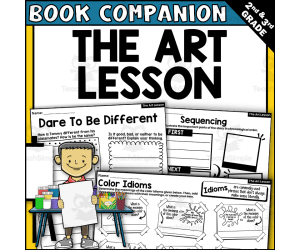
The Art Lesson Read Aloud Book Companion
ELA, Reading, Reading Comprehension, Literature, Grade 2, 3, 4, Lesson Plans, Teacher Tools
This picture book companion is a complete supplemental resource for the book The Art Lesson by Tomie dePaola. It includes 28 print-and-go reading activities to choose from, making this resource ideal for customizing learning to your student's specific needs and academic abilities. Students will investigate characters, identify story elements, determine the theme, practice plotting story events, compare & contrast, make predictions, inferences, & connections, answer questions that require them to think beyond the text, and much more! Students will thoroughly enjoy the captivating activities, and you'll value the time saved from scouring for advanced resources to address challenging reading concepts. The offered activities are crafted to foster higher-order thinking, prompt students to present textual proof for their reasoning, and inspire them to share their personal insights and viewpoints. ⭐️This Resource Includes:⭐️ ◾ Making Predictions: Before reading the book, students will make predictions about the text. ◾ Story Elements: Students fill in the boxes with words & pictures to represent the story elements. ◾ Sequencing: Students will retell & illustrate the important parts of the story. ◾ Recalling events in Chronological Order: Students describe and illustrate four major events in the story in chronological order. ◾ Summary: Students complete the Somebody, Wanted, Because, But, So graphic organizer and write a summary of the story. ◾ Story Event Sort: Students will describe a scene or event from the story that fits into each of the categories & explain how the event made them feel & how it relates to the category. ◾ Making Inferences: Students use clues & schema to make inferences while reading the story. ◾ Making Connections: Students make connections to an event from the story. ◾ Notice & Note: Students will notice the important details the author includes in the text & illustrations and take notes on what they notice. ◾ Author's Message: Students describe four important events from the story in chronological order and answer the questions about the author's message. ◾ Character Inside & Out (Tommy): Students include details from the story to describe what the character says, thinks, does, and feels. ◾ Character Traits: Students choose 2 important character traits that describe the main character and provide evidence from the text to support their choices. ◾ Character Feelings: Students describe how the character's feelings change throughout the story & give examples of the events that cause them to feel the way they do. ◾ Character Development: Students select the character traits that best describe Tommy at different times throughout the story and provide examples from the book to support each character trait. ◾ Character Change: Students will explain how the character changed from the beginning to the end of the story and describe the events that caused the change to happen. ◾ Sketch a Scene From the Story: Students will draw a scene from the story and explain why it's important to the plot. ◾ Setting Influences the Plot: Students will draw a scene from the story that takes place in one of the settings and write about what happened there and why it was important to the plot. ◾ Theme: Students answer the questions to determine which theme best fits the story and provide text evidence to support their choice. ◾ Thinking About the Text: Students will answer the questions about the story & include examples from the text to support their answers. ◾ Color Idioms: Students determine the meanings of the color idioms given below. Then, add three more color idioms with their meanings, or create your own. ◾ Dare to Be Different: Students will answer questions about the character in the story and being different or unique. ◾ Doing Our Favorite Things: Students draw one of the characters in the story doing his or her favorite thing and draw themselves doing their favorite thing. ◾ Sensory Details: Students choose an event from the story and describe it using the five senses. ◾ Wait... There's More!: Students will write about what happens next in the story. ◾ Book Review: Students will color in the stars to rate how much they enjoyed the book and draw a new cover & their favorite character from the story. Then, they will explain why other kids should or should not read it. ◾ Biography Brochure: Students conduct research to learn more about the author, Tomie dePaola's life, and create a brochure. ◾ Biography One-Pager: Students research further into the life of Tomie dePaola and complete the biography handout. ◾ Acrostic Poem: Students write an acrostic poem that includes facts and describes the author, Tomie dePaola. 💡Need ideas for different ways you can implement these activities? ◾ Focus on different reading skills each day for targeted instruction, and have students complete a corresponding printable to check for understanding. ◾ During centers, students can independently read the story again and complete an activity that reviews a previously taught concept. ◾ Work with students on a reading concept they struggle with during guided reading or strategy groups. ◾ Students work with a partner or in literature circles to complete additional reading activities. This resource is for extension read-aloud activities only. The book is not included. ⭐️You may also like: ⭐ TEXT SET #1: "The Importance of Friendship" ◾ A Weekend With Wendell Read Aloud Book Companion Activities for IRA ◾ First Come the Zebra Read Aloud Book Companion Activities for IRA ◾ This is Our House Read Aloud Book Companion Activities for IRA ◾ Horace and Morris But Mostly Dolores Read Aloud Book Companion Activities for IRA ◾ The Old Woman Who Named Things Read Aloud Book Companion Activities for IRA TEXT SET #3: "Finding Your Way in a New Place" ◾ Grandfather Counts Read Aloud Book Companion Activities for IRA ◾ The Have a Good Day Cafe, Read Aloud Book Companion Activities for IRA ◾ Roses for Gita Read Aloud Book Companion Activities for IRA ◾ Mango, Abuela, and Me, Read Aloud Book Companion Activities for IRA ◾ Home at Last Read Aloud Book Companion Activities for IRA TEXT SET #7: "Exploring Narrative Nonfiction" ◾ Cactus Hotel Read Aloud Book Companion Activities for IRA ◾ A Log's Life Read Aloud Book Companion Activities for IRA ◾ Salmon Stream Read Aloud Book Companion Activities for IRA ◾ Think of an Eel Read Aloud Book Companion Activities for IRA ✨Be sure to check out my storefront here: https://teachsimple.com/contributor/creatively-gifted
Author Creatively Gifted
Tags IRA, Picture Book Activities, Read Aloud Lessons, Interactive Read Aloud Activities, Elementary Reading, Reading Comprehension, Fountas And Pinnell IRA, Second Grade, Tomie Depaola, Author Study

Nana Upstairs & Nana Downstairs Book Companion
ELA, Reading, Reading Comprehension, Literature, Grade 2, 3, 4, Teacher Tools, Graphic Organizers, Worksheets & Printables, Novel Studies, Activities, Worksheets
This picture book companion is a complete supplemental resource for the book Nana Upstairs & Nana Downstairs by Tomie dePaola. It includes 31 print-and-go reading activities to choose from, making this resource ideal for customizing learning to your student's specific needs and academic abilities. Students will investigate characters, identify story elements, determine the theme, practice plotting story events, compare & contrast, make predictions, inferences, & connections, answer questions that require them to think beyond the text, and much more! Students will thoroughly enjoy the captivating activities, and you'll value the time saved from scouring for advanced resources to address challenging reading concepts. The offered activities are crafted to foster higher-order thinking, prompt students to present textual proof for their reasoning, and inspire them to share their personal insights and viewpoints. ⭐️This Resource Includes:⭐️ ◾ Making Predictions: Before reading the book, students will make predictions about the text. ◾ Story Elements: Students fill in the boxes with words & pictures to represent the story elements. ◾ Sequencing: Students will retell & illustrate the important parts of the story. ◾ Recalling events in Chronological Order: Students describe and illustrate four major events in the story in chronological order. ◾ Summary: Students complete the Somebody, Wanted, Because, But, So graphic organizer and write a summary of the story. ◾ Story Event Sort: Students will describe a scene or event from the story that fits into each of the categories & explain how the event made them feel & how it relates to the category. ◾ Cause & Effect (simplified): Students are given either the cause or effect and will cut & match up cause & effect cards, then paste them in the correct boxes (ANSWER KEY included). ◾ Cause & Effect: Students cut & match up cause & effect cards, then paste them in the correct boxes (ANSWER KEY included). ◾ Making Inferences: Students use clues & schema to make inferences while reading the story. ◾ Making Connections: Students make connections to an event from the story. ◾ Notice & Note: Students will notice the important details the author includes in the text & illustrations and take notes on what they notice. ◾ Author's Message: Students describe four important events from the story in chronological order and answer the questions about the author's message. ◾ Character Inside & Out (Tommy): Students include details from the story to describe what the character says, thinks, does, and feels. ◾ Character Inside & Out (Nana Upstairs): Students include details from the story to describe what the character says, thinks, does, and feels. ◾ Character Inside & Out (Nana Downstairs): Students include details from the story to describe what the character says, thinks, does, and feels. ◾ Character Traits: Students choose 4 important character traits that describe the main character and provide evidence from the text to support their choices. ◾ Character Feelings: Students describe how the character's feelings change throughout the story & give examples of the events that cause them to feel the way they do. ◾ Character Development: Students select the character traits that best describe Tommy at different times throughout the story and provide examples from the book to support each character trait. ◾ Character Change: Students will explain how the character changed from the beginning to the end of the story and describe the events that caused the change to happen. ◾ Sketch a Scene From the Story: Students will draw a scene from the story and explain why it's important to the plot. ◾ Setting Influences the Plot: Students will draw a scene from the story that takes place in one of the settings and write about what happened there and why it was important to the plot. ◾ Theme: Students answer the questions to determine which theme best fits the story and provide text evidence to support their choice. ◾ Thinking About the Text: Students will answer the questions about the story & include examples from the text to support their answers. ◾ Thinking Beyond the Text: Students will answer questions that require them to think beyond the text. ◾ Sensory Details: Students choose an event from the story and describe it using the five senses. ◾ Wait... There's More!: Students will write about what happens next in the story. ◾ Something Special: Students draw pictures of Tommy & Nana Upstairs doing something special and of themselves doing something special with an older family member or friend. Then, they compare and contrast Tommy & Nana's relationship to their relationship with an older relative or friend. ◾ Book Review: Students will color in the stars to rate how much they enjoyed the book and draw a new cover & their favorite character from the story. Then, they will explain why other kids should or should not read it. ◾ Biography Brochure: Students conduct research to learn more about the author, Tomie dePaola's life, and create a brochure. ◾ Biography One-Pager: Students research further into the life of Tomie dePaola and complete the biography handout. ◾ Acrostic Poem: Students write an acrostic poem that includes facts and describes the author, Tomie dePaola. 💡Need ideas for different ways you can implement these activities? ◾ Focus on different reading skills each day for targeted instruction, and have students complete a corresponding printable to check for understanding. ◾ During centers, students can independently read the story again and complete an activity that reviews a previously taught concept. ◾ Work with students on a reading concept they struggle with during guided reading or strategy groups. ◾ Students work with a partner or in literature circles to complete additional reading activities. This resource is for extension read-aloud activities only. The book is not included. ⭐️You may also like: ⭐ TEXT SET #1: "The Importance of Friendship" ◾ A Weekend With Wendell Read Aloud Book Companion Activities for IRA ◾ First Come the Zebra Read Aloud Book Companion Activities for IRA ◾ This is Our House Read Aloud Book Companion Activities for IRA ◾ Horace and Morris But Mostly Dolores Read Aloud Book Companion Activities for IRA ◾ The Old Woman Who Named Things Read Aloud Book Companion Activities for IRA TEXT SET #3: "Finding Your Way in a New Place" ◾ Grandfather Counts Read Aloud Book Companion Activities for IRA ◾ The Have a Good Day Cafe, Read Aloud Book Companion Activities for IRA ◾ Roses for Gita Read Aloud Book Companion Activities for IRA ◾ Mango, Abuela, and Me, Read Aloud Book Companion Activities for IRA ◾ Home at Last Read Aloud Book Companion Activities for IRA TEXT SET #7: "Exploring Narrative Nonfiction" ◾ Cactus Hotel Read Aloud Book Companion Activities for IRA ◾ A Log's Life Read Aloud Book Companion Activities for IRA ◾ Salmon Stream Read Aloud Book Companion Activities for IRA ◾ Think of an Eel Read Aloud Book Companion Activities for IRA ✨Be sure to check out my storefront here: https://teachsimple.com/contributor/creatively-gifted
Author Creatively Gifted
Tags IRA, Picture Book Activities, Read Aloud Lessons, Interactive Read Aloud Activities, Elementary Reading, Reading Comprehension, Fountas And Pinnell IRA, Second Grade, Tomie Depaola, Author Study
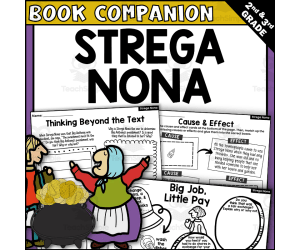
Strega Nona Read Aloud Book Companion
ELA, Reading, Reading Comprehension, Literature, Grade 2, 3, 4, Read Alouds, Activities
This picture book companion is a complete supplemental resource for the book Strega Nona by Tomie dePaola. It includes 34 print-and-go reading activities to choose from, making this resource ideal for customizing learning to your student's specific needs and academic abilities. Students will investigate characters, identify story elements, determine the theme, practice plotting story events, compare & contrast, make predictions, inferences, & connections, answer questions that require them to think beyond the text, and much more! Students will thoroughly enjoy the captivating activities, and you'll value the time saved from scouring for advanced resources to address challenging reading concepts. The offered activities are crafted to foster higher-order thinking, prompt students to present textual proof for their reasoning, and inspire them to share their personal insights and viewpoints. ⭐️This Resource Includes:⭐️ ◾ Making Predictions: Before reading the book, students will make predictions about the text. ◾ Story Elements: Students fill in the boxes with words & pictures to represent the story elements. ◾ Sequencing: Students will retell & illustrate the important parts of the story. ◾ Recalling events in Chronological Order: Students describe and illustrate four major events in the story in chronological order. ◾ Summary: Students complete the Somebody, Wanted, Because, But, So graphic organizer and write a summary of the story. ◾ Story Event Sort: Students will describe a scene or event from the story that fits into each of the categories & explain how the event made them feel & how it relates to the category. ◾ Cause & Effect (simplified): Students are given either the cause or effect and will cut & match up cause & effect cards, then paste them in the correct boxes (ANSWER KEY included). ◾ Cause & Effect: Students cut & match up cause & effect cards, then paste them in the correct boxes (ANSWER KEY included). ◾ Problem & Solution: Students will answer questions related to the problem & solution in the story. ◾ Making Inferences: Students use clues & schema to make inferences while reading the story. ◾ Making Connections: Students make connections to an event from the story. ◾ Notice & Note: Students will notice the important details the author includes in the text & illustrations and take notes on what they notice. ◾ Author's Message: Students describe four important events from the story in chronological order and answer the questions about the author's message. ◾ Character Inside & Out (Strega Nona): Students include details from the story to describe what the character says, thinks, does, and feels. ◾ Character Inside & Out (Big Anthony): Students include details from the story to describe what the character says, thinks, does, and feels. ◾ Character Feelings (Strega Nona): Students describe how the character's feelings change throughout the story & give examples of the events that cause them to feel the way they do. ◾ Character Feelings (Big Anthony): Students describe how the character's feelings change throughout the story & give examples of the events that cause them to feel the way they do. ◾ Character Development (Strega Nona): Students select the character traits that best describe Strega Nona at different times throughout the story and provide examples from the book to support each character trait. ◾ Character Development (Big Anthony): Students select the character traits that best describe Big Anthony at different times throughout the story and provide examples from the book to support each character trait. ◾ Character Change (Strega Nona): Students will explain how the character changed from the beginning to the end of the story and describe the events that caused the change to happen. ◾ Character Change (Big Anthony): Students will explain how the character changed from the beginning to the end of the story and describe the events that caused the change to happen. ◾ Sketch a Scene From the Story: Students will draw a scene from the story and explain why it's important to the plot. ◾ Setting Influences the Plot: Students will draw a scene from the story that takes place in one of the settings and write about what happened there and why it was important to the plot. ◾ Theme: Students answer the questions to determine which theme best fits the story and provide text evidence to support their choice. ◾ Thinking About the Text: Students will answer the questions about the story & include examples from the text to support their answers. ◾ Thinking Beyond the Text: Students will answer questions that require them to think beyond the text. ◾ Big Job, Little Pay: Students will answer questions about the deal Strega Nona made with Big Anthony and what she paid him for all the work he had to do. ◾ Big Anthony's Big Apology: Students write an apology note to Strega Nona from Big Anthony. ◾ Sensory Details: Students choose an event from the story and describe it using the five senses. ◾ Wait... There's More!: Students will write about what happens next in the story. ◾ Book Review: Students will color in the stars to rate how much they enjoyed the book and draw a new cover & their favorite character from the story. Then, they will explain why other kids should or should not read it. ◾ Biography Brochure: Students conduct research to learn more about the author, Tomie dePaola's life, and create a brochure. ◾ Biography One-Pager: Students research further into the life of Tomie dePaola and complete the biography handout. ◾ Acrostic Poem: Students write an acrostic poem that includes facts and describes the author, Tomie dePaola. This resource is for extension read-aloud activities only. The book is not included. ⭐️You may also like: ⭐ TEXT SET #1: "The Importance of Friendship" ◾ A Weekend With Wendell Read Aloud Book Companion Activities for IRA ◾ First Come the Zebra Read Aloud Book Companion Activities for IRA ◾ This is Our House Read Aloud Book Companion Activities for IRA ◾ Horace and Morris But Mostly Dolores Read Aloud Book Companion Activities for IRA ◾ The Old Woman Who Named Things Read Aloud Book Companion Activities for IRA TEXT SET #3: "Finding Your Way in a New Place" ◾ Grandfather Counts Read Aloud Book Companion Activities for IRA ◾ The Have a Good Day Cafe, Read Aloud Book Companion Activities for IRA ◾ Roses for Gita Read Aloud Book Companion Activities for IRA ◾ Mango, Abuela, and Me, Read Aloud Book Companion Activities for IRA ◾ Home at Last Read Aloud Book Companion Activities for IRA TEXT SET #7: "Exploring Narrative Nonfiction" ◾ Cactus Hotel Read Aloud Book Companion Activities for IRA ◾ A Log's Life Read Aloud Book Companion Activities for IRA ◾ Salmon Stream Read Aloud Book Companion Activities for IRA ◾ Think of an Eel Read Aloud Book Companion Activities for IRA ✨Be sure to check out my storefront here: https://teachsimple.com/contributor/creatively-gifted
Author Creatively Gifted
Tags IRA, Picture Book Activities, Read Aloud Lessons, Interactive Read Aloud Activities, Elementary Reading, Reading Comprehension, Fountas And Pinnell IRA, Second Grade, Tomie Depaola, Author Study

Bill and Pete Go Down the Nile Book Companion & Read-Aloud Activities
ELA, Reading, Reading Comprehension, Literature, Grade 2, 3, 4, Read Alouds, Activities
Bring ancient Egypt to life with Bill and Pete Go Down the Nile. This picture book companion includes over 30 engaging print-and-go activities to reinforce reading skills and extend learning. Students will analyze characters, plot events, make inferences, determine themes, and more during and after reading the story. The resource is designed for whole group, small group, centers, or independent work. Extend the adventure with nonfiction text features like vocabulary puzzles, graphic organizers on mummies and pyramids, an Egypt brochure, author study materials on Tomie dePaola, and suggestions for further research projects. This comprehensive companion fosters higher-order thinking while capturing students' interests.
Author Creatively Gifted
Tags IRA, Picture Book Activities, Read Aloud Lessons, Interactive Read Aloud Activities, Elementary Reading, Reading Comprehension, Fountas And Pinnell IRA, Second Grade, Tomie Depaola, Author Study

Tops and Bottoms Read Aloud Book Companion
ELA, Reading, Reading Comprehension, Literature, Grade 2, 3, 4, Read Alouds, Activities
This picture book companion is a complete supplemental resource for the book Tops and Bottoms by Janet Stevens. It includes 29 print-and-go reading activities to choose from making this resource ideal for customizing learning to your student's specific needs and academic abilities. Students will investigate characters, identify story elements, determine the theme, practice plotting story events, compare & contrast, make predictions, inferences, & connections, answer questions that require them to think beyond the text, and much more! Students will thoroughly enjoy the captivating activities, and you'll value the time saved from scouring for advanced resources to address challenging reading concepts. The offered activities are crafted to foster higher-order thinking, prompt students to present textual proof for their reasoning, and inspire them to share their personal insights and viewpoints. ⭐️This Resource Includes:⭐️ ◾ Elements of a Trickster Tale Anchor Chart or Notes Handout: Color and B&W ◾ Making Predictions: Before reading the book, students will make predictions about the text. ◾ Elements of a Trickster Tale: Students fill in the chart with the details of the story that characterize it as a trickster tale. ◾ Trickster Tale Tidbits: Students will answer the questions with details from the story that proves it's a trickster tale. ◾ Story Elements: Students fill in the boxes with words & pictures to represent the story elements. ◾ Sequencing: Students will retell & illustrate the important parts of the story. ◾ Recalling events in Chronological Order: Students describe and illustrate four major events in the story in chronological order. ◾ Summary: Students complete the Somebody, Wanted, Because, But, So graphic organizer and write a summary of the story. ◾ Story Event Sort: Students will describe a scene or event from the story that fits into each of the categories & explain how the event made them feel & how it relates to the category. ◾ Making Inferences: Students use clues & schema to make inferences while reading the story. ◾ Making Connections: Students make connections to an event from the story. ◾ Author's Message: Students describe four important events from the story in chronological order and answer the questions about the author's message ◾ Character Traits: Students choose the most important character traits that describe each of the characters and give 1-2 examples from the story that support the traits they chose. ◾ Character Inside & Out (Hare): Students include details from the story to describe what the character says, thinks, does, and feels. ◾ Character Inside & Out (Bear): Students include details from the story to describe what the character says, thinks, does, and feels. ◾ Character Feelings (Hare): Students describe how the character's feelings change throughout the story & give examples of the events that cause them to feel the way they do. ◾ Character Feelings (Bear): Students describe how the character's feelings change throughout the story & give examples of the events that cause them to feel the way they do. ◾ Character Development (Hare): Students select the character traits that best describe the character at different times throughout the story and provide examples from the book to support each character trait. ◾ Character Development (Bear): Students select the character traits that best describe the character at different times throughout the story and provide examples from the book to support each character trait. ◾ Character Change (Hare): Students will explain how the character changed from the beginning to the end of the story and describe the events that caused the change to happen. ◾ Character Change (Bear): Students will explain how the character changed from the beginning to the end of the story and describe the events that caused the change to happen. ◾ Sketch a Scene From the Story: Students draw a scene from the story & explain why it's important to the plot. ◾ Setting Influences the Plot: Students will draw a scene from the story that takes place in one of the settings and write about what happened there and why it was important to the plot. ◾ Setting the Scene: Students identify three different settings in the story and explain how they know that the setting changed. ◾ Tops or Bottoms?: Students will draw the vegetables that were planted for each harvest, include details to show the parts of the plants that grow above the ground and the parts that grow below the ground, and answer the questions. ◾ Theme: Students answer the questions to determine which theme best fits the story and provide text evidence to support their choice. ◾ Thinking About the Text: Students will answer the questions about the story & include examples from the text to support their answers. ◾ Tricked Again: Students will draw a picture of what they think Bear is thinking when he realizes Hare has misled him again and is taking the corn. Then, they will draw a picture of Hare and add what he is thinking or might say when he realizes he has been able to mislead Bear yet again. ◾ Wait... There's More!: Students will write about what happens next in the story. ◾ Book Review: Students color in the stars to rate how much they enjoyed the book and draw a new cover & their favorite character from the story. Then, they will explain why other kids should or should not read it. 💡Need ideas for different ways you can implement these activities? ◾ Focus on different reading skills each day for targeted instruction, and have students complete a corresponding printable to check for understanding. ◾ During centers, students can independently read the story again and complete an activity that reviews a previously taught concept. ◾ Work with students on a reading concept they struggle with during guided reading or strategy groups. ◾ Students work with a partner or in literature circles to complete additional reading activities. This resource is for extension read-aloud activities only. The book is not included. ⭐️You may also like: ⭐ TEXT SET #1: "The Importance of Friendship" ◾ A Weekend With Wendell Read Aloud Book Companion Activities for IRA ◾ First Come the Zebra Read Aloud Book Companion Activities for IRA ◾ This is Our House Read Aloud Book Companion Activities for IRA ◾ Horace and Morris But Mostly Dolores Read Aloud Book Companion Activities for IRA ◾ The Old Woman Who Named Things Read Aloud Book Companion Activities for IRA TEXT SET #3: "Finding Your Way in a New Place" ◾ Grandfather Counts Read Aloud Book Companion Activities for IRA ◾ The Have a Good Day Cafe, Read Aloud Book Companion Activities for IRA ◾ Roses for Gita Read Aloud Book Companion Activities for IRA ◾ Mango, Abuela, and Me, Read Aloud Book Companion Activities for IRA ◾ Home at Last Read Aloud Book Companion Activities for IRA TEXT SET #7: "Exploring Narrative Nonfiction" ◾ Cactus Hotel Read Aloud Book Companion Activities for IRA ◾ A Log's Life Read Aloud Book Companion Activities for IRA ◾ Salmon Stream Read Aloud Book Companion Activities for IRA ◾ Think of an Eel Read Aloud Book Companion Activities for IRA ✨Be sure to check out my storefront here: https://teachsimple.com/contributor/creatively-gifted
Author Creatively Gifted
Tags IRA, Picture Book Activities, Read Aloud Lessons, Interactive Read Aloud Activities, Elementary Reading, Reading Comprehension, Fountas And Pinnell IRA, Second Grade, Tops And Bottoms, Trickster Tales

Bill and Pete Book Companion Read Aloud
ELA, Reading, Reading Comprehension, Literature, Grade 2, 3, 4, Read Alouds, Activities
Bill and Pete Book Companion Read Aloud This supplemental resource for the picture book Bill and Pete by Tomie dePaola includes 31 print-and-go activities to help teachers customize learning according to students' needs. The activities encourage thinking beyond the text to foster higher-order thinking skills. Students will investigate characters, identify story elements, plot events, compare and contrast, make predictions, inferences and connections, and more. Questions require textual evidence to support reasoning and prompt personal insights. Implementation ideas include: targeted instruction focusing on different reading skills each day; independent centers where students revisit the text using a new activity ; guided reading groups to address struggles; literature circles for deeper discussion. Activities are organized into sections: Before Reading: Making predictions During Reading: Identifying story elements; Sequencing events; Recalling chronological order; Completing a story elements graphic organizer and summary; Categorizing story events by theme; Drawing comic book scenes; Identifying problems and solutions; Making inferences using textual clues; Making personal connections; Annotating the author's details; Determining the message After Reading: Analyzing characters through actions, thoughts, feelings; Plotting feelings and causes throughout the arc; Selecting adjectives to describe characters at various points and justify with text; Explaining key changes; Considering importance of settings; Determining theme with text support; Answering analysis questions; Using sensory details to describe events; Speculating on what happens next; Critiquing with ratings, drawing, and recommendation; Reading an informational text on related content Author Extensions: Researching author's life to create biography brochure, one-pager, and acrostic poem With its range of creative and thoughtful activities covering essential reading skills, this resource allows teachers to save time while challenging students.
Author Creatively Gifted
Tags IRA, Picture Book Activities, Read Aloud Lessons, Interactive Read Aloud Activities, Elementary Reading, Reading Comprehension, Fountas And Pinnell IRA, Second Grade, Tomie Depaola, Author Study
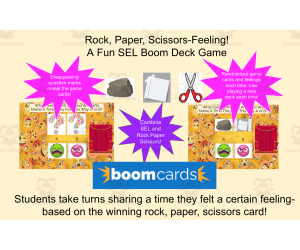
SEL Boom Deck-Rock, Paper, Scissors-Feeling! A Fun SEL Game!
Special Resources, Social Emotional Learning (SEL), Social Skills, Special Education Needs (SEN), Speech Therapy, Preschool, Grade 1, 2, 3, Games, Activities
In this 24-playing card SEL Boom Deck, students will play the rock, paper, scissors game and practice sharing their feelings! If playing for a whole class lesson, 2 students come up to the Smartboard or projector and one is person A and the other is person B. Person A touches the disappearing question mark above A to reveal either a rock, paper, or scissors image. Person B does the same. Then the winner of the rock, paper, scissors card game will share a time they felt the feeling below the winning card (either A or B). Students can also act out the feeling as well. The winner then drags and drops the feeling onto the stage where the image will disappear. The person who lost the game will stay at the board until they also get a turn. You can play this as a whole class, center activity, or with partners-it is up to you! The directions are for a whole classroom lesson but you can tweak it to work for your class and your lesson planning. This resource will allow students to practice self-awareness, social awareness, and emotion management. Simply download the PDF and you can click on the image to access the Boom Deck. To use Boom Cards, you must be connected to the Internet. Boom Cards play on modern browsers (Chrome, Safari, Firefox, and Edge). Apps are available for modern Android, iPads, iPhones, and Kindle Fires. For security and privacy, adults must have a Boom Learning account to use and assign Boom Cards. You will be able to assign the Boom Cards you are buying with "Fast Pins," (a form of play that gives instant feedback to students for self-grading Boom Cards). For assignment options that report student progress back to you, you will need to purchase a premium account. If you are new to Boom Learning, you will be offered a free trial of our premium account. Read here for details: http://bit.ly/BoomTrial .
Author Jennifer Moyer Taylor
Tags Rock Paper Scissors Game , Social-emotional Learning, Sel, Feelings, Emotions, Games, Boom Deck, Social Skills, Icebreakers, Morning Meeting

Letter O Patterns
Math, Patterns, Early Math, Kindergarten, Preschool, Activities, Worksheets & Printables, Worksheets
Students will practice continuing patterns with this letter O themed patterning worksheet and hands on center set. All the pictures in this patterning set start with the short sound of the letter O. This worksheet and center packet uses the following pattern types: AB, AAB, ABB, AABB, and ABC. What is Included: * 1 complete the pattern worksheet with 6 patterns * 5 continue the pattern strips * pieces for students to use to continue the patterns How to Use * Independent Practice * Small Group Activity * Math Center * Homework * Sub Pans * File Folder Activity * Baking Tray Activity * Morning Activity The patterning worksheet is a no prep, print and go, activity for teachers to give to students to complete. The worksheet allows students to cut out the objects and complete the pattern by pasting the correct picture to the end of the pattern sequence. Students may color the worksheet if they desire to do so. The center activity is a low prep activity . The teacher needs to print out the pattern strips and pieces, and then laminate them if desired. This patterning activity can be placed in a file folder, attached to magnets for a baking tray activity or placed in baskets or tubs for morning activities or math center activities. The patterning center is an easy center to prep and easy to clean up for students. Skills Assessed: * Completing Patterns * Continuing Patterns * Following Directions By connecting the patterning pages to the letter the students is learning allows students to have further exposure to the phonic skills they are working on while doing a math concept at the same time. Students will see many pictures of words that begin with the letter O while completing the patterning worksheet and center activity .
Author The Connett Connection
Tags Alphabet Activities, Patterning Center, Patterning Activity, Making Patterns, Completing Patterns, Continuing Patterns, AB Patterns, AAB Patterns, Letter O, Letter O Activities

Letter O Mazes
ELA, Language Development, Phonics, Kindergarten, Preschool, Mazes, Worksheets, Worksheets & Printables
Letter O Mazes is a phonics resource for preschool and kindergarten students to practice recognizing and tracing the uppercase and lowercase letter O. Students follow the target letter through mazes of increasing difficulty. The packet includes 4 letter O maze worksheets differentiated for various skill levels. Using these no-prep printables, educators can assess and strengthen letter recognition, fine motor skills, following directions, and distinguishing skills. Letter O Mazes creates an engaging, independent or small group activity for literacy centers , station rotation, morning work, homework, sub plans, and more. To extend the activity, students can use bingo dabbers, dot markers, manipulatives or art supplies when tracing. Teachers may also laminate the mazes for a reusable write and wipe format. With ample, differentiated practice distinguishing and tracing the letter O, this resource helps early learners master this key phonics skill.
Author The Connett Connection
Tags Alphabet Activities, Alphabet Worksheets, Alphabet Mazes, Letter Recognition, Identifying Letters, Preschool Worksheets, Letter Of The Week, Letter O, Letter O Worksheets, Letter O Activities
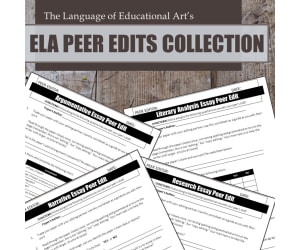
ELA Essays Peer Edits Collection
ELA, Strategies, Grade 6, 7, 8, 9, 10, 11, 12, Activities
" ELA Essays Peer Edits Collection" is an ideal activity for secondary students and classrooms looking to improve their students' essay writing and editing skills. This comprehensive set of peer edit worksheets spans four fundamental essay formats: Argument, Research, Literary Analysis, and Narrative writing. Thoughtfully crafted for adaptability, these worksheets are compatible with any essay assignment and existing rubric. The objective of this resources is to teach students about the writing process while working with a partner and analyzing in-depth their classmates' work. Students will learn important editing and publishing skills using these seamlessly created step-by-step peer review worksheets. Your students will be amazed at how much these review worksheets improve their writing! These user-friendly worksheets guide students through the process of assessing their peers' essays while saving precious classroom time (an excellent activity for substitute teacher days!). Students will begin by finding a partner to exchange papers with, then following our clearly defined directions to review each others essay drafts two times, first for grammar and a second time for content tied to the requirements of the assigned essay type. They will be asked to provide feedback via checkmarks, short answer, and rubric review. This is a great activity for teachers frustrated that students are "not reading the rubric." This peer review requires them to understand it! Each review also includes a rubric linked to the Common Core Speaking and Listening Standard 1, ensuring a smooth grading process for educators looking to grade the difficult-to-assess idea of teamwork and working together. This resource includes the following: 1. An argumentative essay peer review activity 2. A research essay peer review activity 3. A literary analysis essay peer review activity 4. A narrative writing peer review activity Although this resource can be fitted for any secondary Language Arts classroom, it has been carefully designed to work best in grades 9, 10, 11, and 12. The included teacher-review rubric is subtly but specifically tied to Common Core ELA Standards for Speaking and Listening 1. The Language of Educational Art’s " ELA Essays Peer Edits Collection" is provided as a print-ready, bookmarked, and adjustable PDF file. This resource contains 8 Pages.
Author The Language of Educational Art, LLC
Tags Exposition, Creative Writing, Peer Edits, Argument, Research