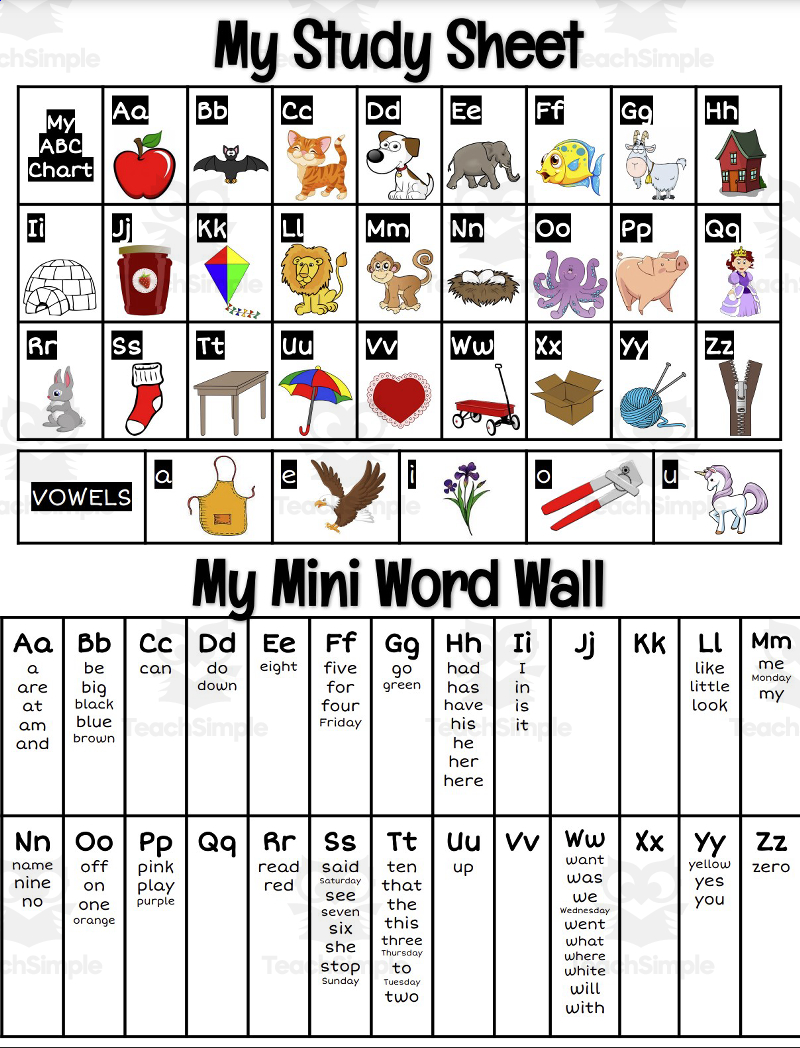
ABC Study Sheet
Serve as a quick-reference study sheet covering the alphabet, vowels, and common sight words for early readers/writers.




665 resources
Find charts organized by subject area. Access visual aids tailored to specific disciplines for targeted learning.
Explore sub-categories
8 sub-categories · 665 resources
Serve as a quick-reference study sheet covering the alphabet, vowels, and common sight words for early readers/writers.

Provide a star-emoji themed whole-class behavior clip chart to help students track and reflect on collective classroom behavior.
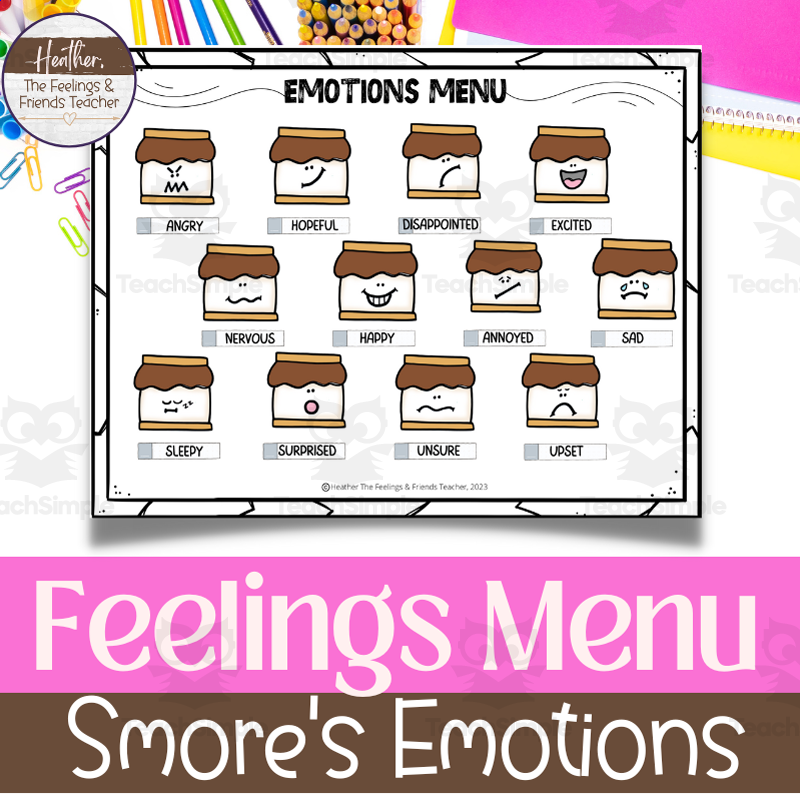
S'mores Emotions Menu: Feelings Chart and Reference Poster Help young students recognize, label, and understand emotions with this printable emotions menu. It promotes social-emotional learning by visually labeling 10 common feelings like happy, sad, angry, and more. Cute themed characters depict corresponding facial expressions to…
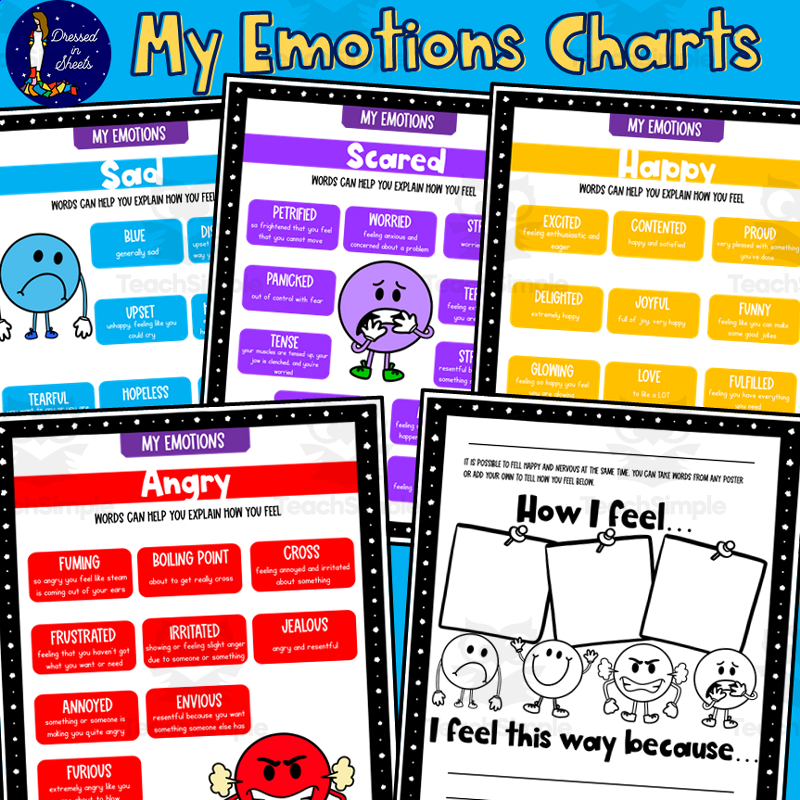
Vocabulary reference charts giving students a range of word choices for expressing four basic emotions (sad, happy, angry, scared), plus a follow-up self-expression worksheet.

Give students a graphic-organizer overview of human prehistory, from early hominids through the rise of cities, and have them trace how agriculture led to civilization.
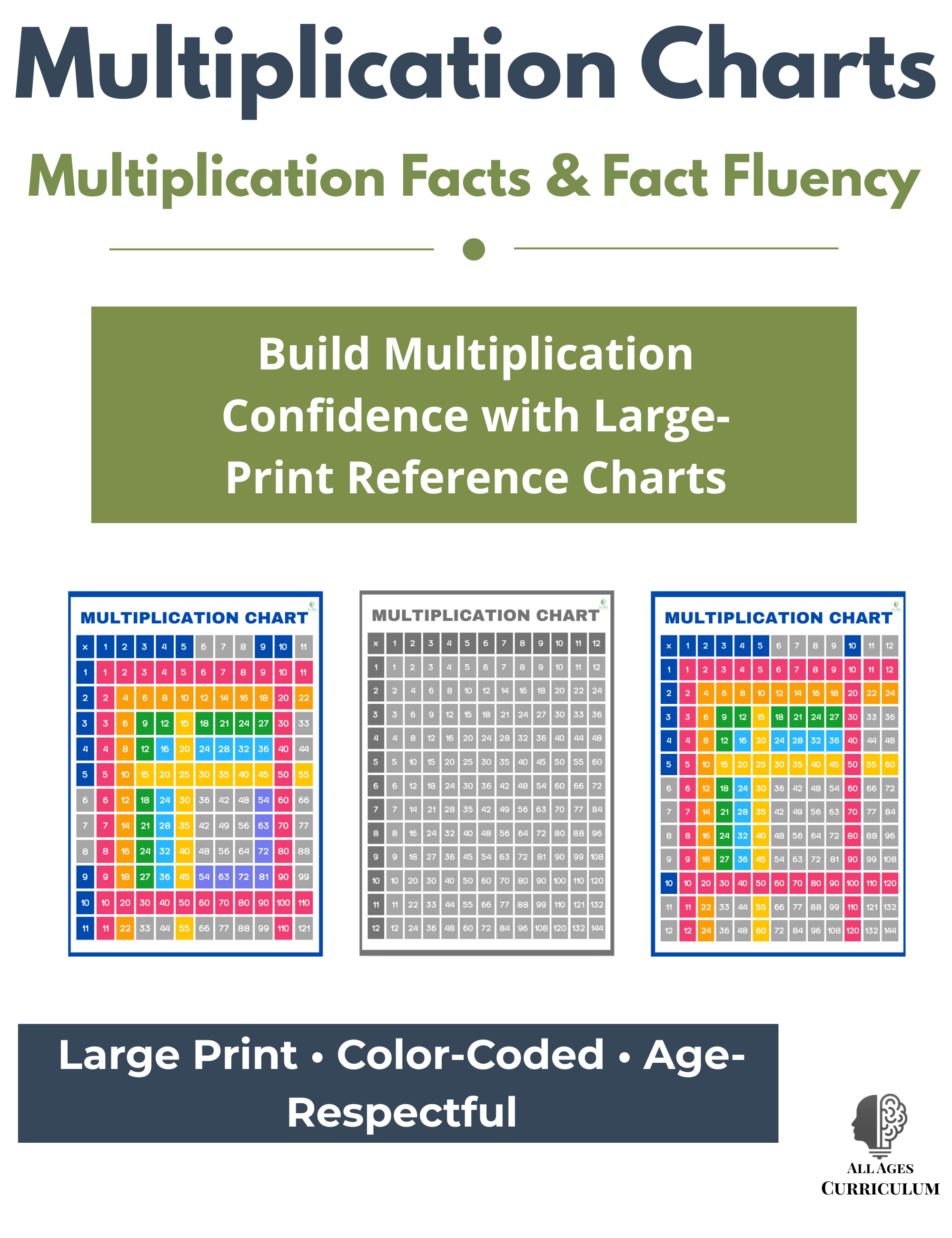
Large-print multiplication charts/posters intended to support multiplication fact fluency and pattern recognition, marketed for older struggling learners as classroom posters or desk charts.

A one-page printable reference chart listing consonant blends for lower-elementary students learning or reviewing phonemes.
 Free download
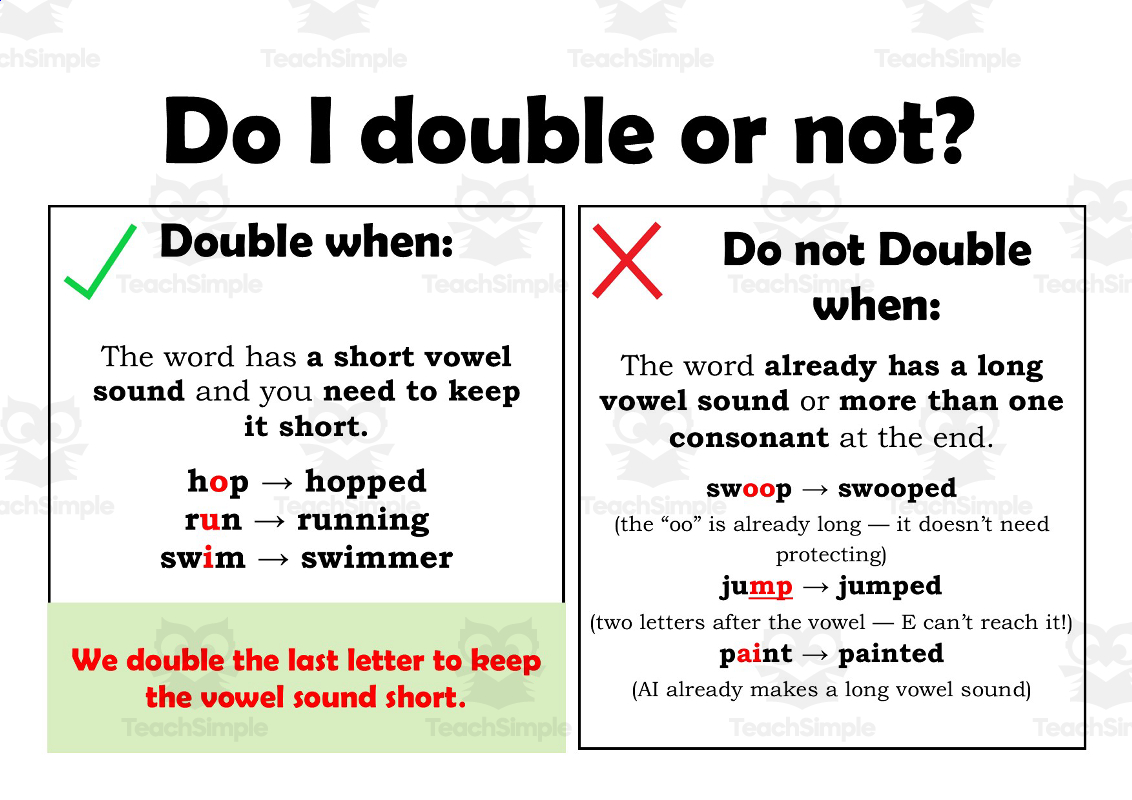
 A4 reference poster explaining the consonant-doubling spelling rule (when to double the final consonant before adding a suffix).
 Free download
 A one-page A-to-Z alphabet poster pairing each letter with an animal illustration, for phonics/letter-sound recognition display or handout use.

A five-level behavior chart contains "WOW!", "Way to Go", "Ready to Learn", "Stop & Think" and "Teacher Choice". A separate page has numbered tabs 1 through 25 to cut out and attach to magnets. Instead of clothespins, the design lets a teacher slide each numbered magnet between behavior levels, which the file notes makes moving students "easily... without bulky clothespins." Sized for an 11x17 print, the chart functions as a whole-class visual management tool posted on a board or wall. It supplies the level labels and 25 numbered student tabs but no accompanying lesson or script for introducing the system to students. For a student who needs more detailed data than clip-chart levels provide, time-on-task observation forms track on-task, off-task, and redirected behavior in structured intervals.
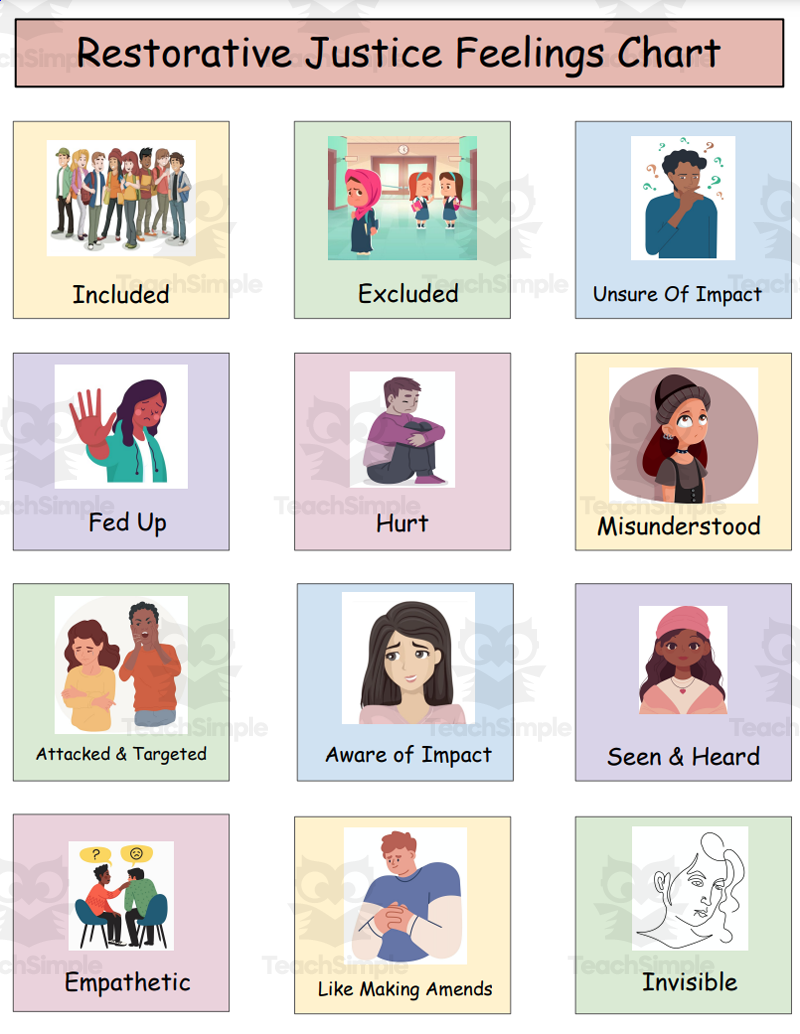
A single-page feelings/emotions reference chart supporting restorative-justice conversations and conflict resolution.

Keep a letter-and-picture reference nearby as children connect spoken sounds with written letters. The chart includes familiar examples such as apple and bear, while fox shows the ending sound associated with x. Alphabet references come in color and black and white. Separate short/long vowel charts provide paired examples for comparing the vowel sounds.

A one-page printable reference sheet summarizing the Renaissance, trade routes/goods linking Europe-Asia-Africa, key Renaissance figures, and world religion locations circa 1500 AD, aligned to a state history standard (SOL 2).

Provides multiplication times-table reference charts/posters for classroom wall display, covering multiplication facts from 1x through 12x.
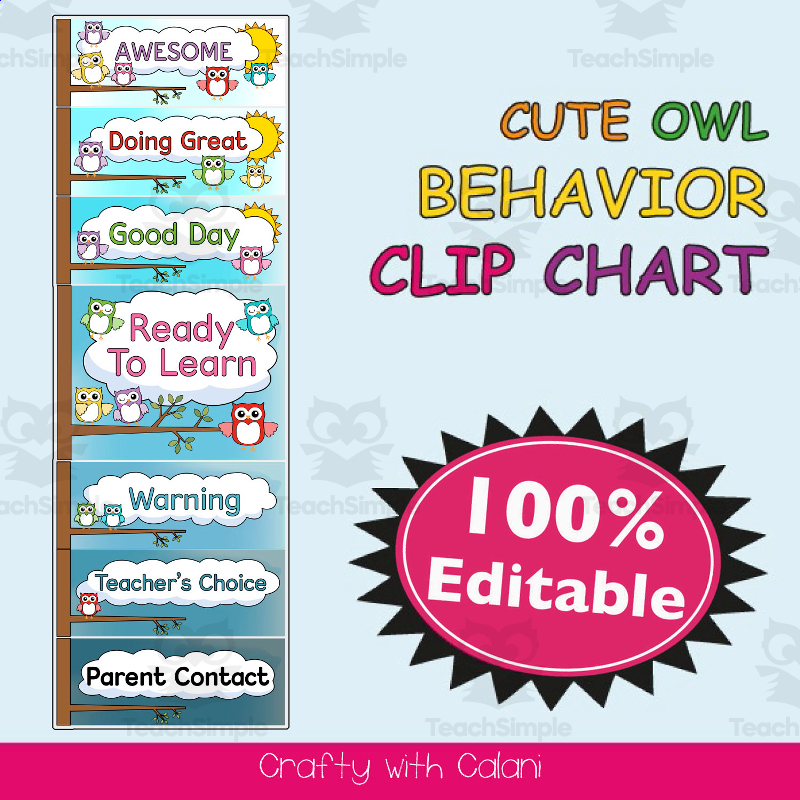
An editable, owl-themed behavior clip chart for classroom decor and visual behavior tracking.
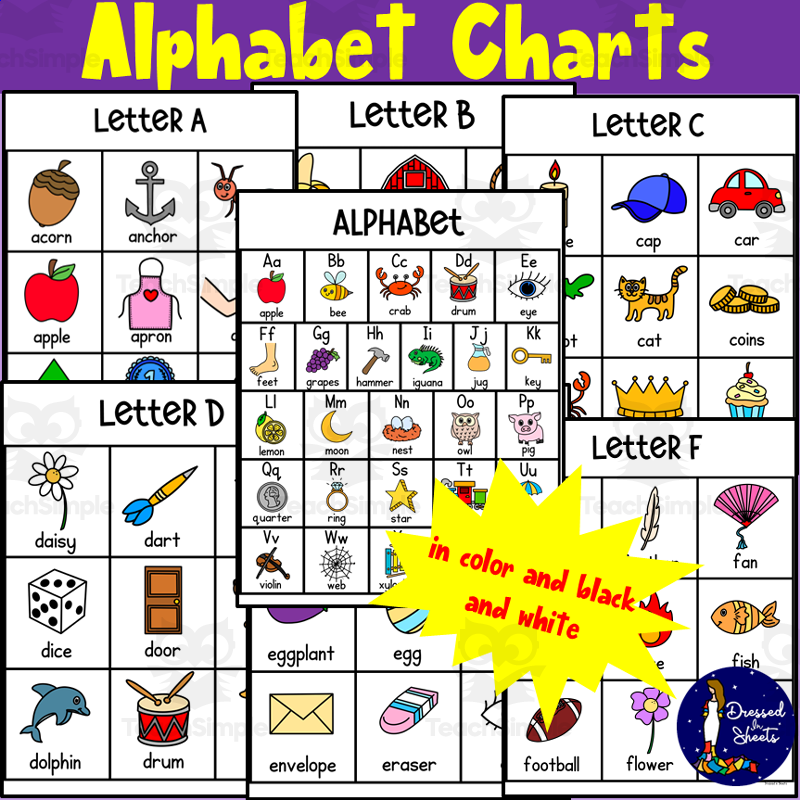
Printable alphabet reference charts pairing each letter with several picture-word examples, used for reading/writing/spelling practice and as a classroom or individual reference.

Teach the alphabet by pairing each letter with an animal (A-Z classroom reference poster).
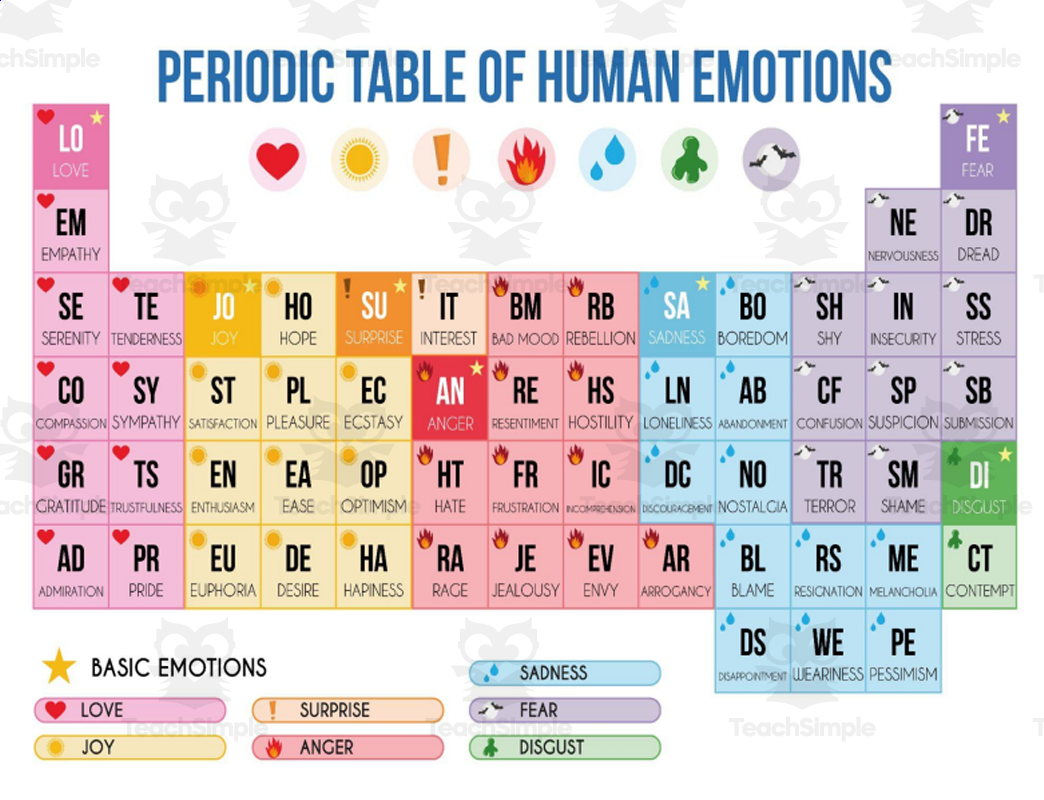
The chart uses the visual structure of a periodic table to bring many feeling words together on one page. Students can locate a familiar emotion and compare it with another label during a class discussion. Use the poster as a vocabulary reference or invite learners to choose a word that fits a fictional character's experience.

A one-page chart and comprehension worksheet teaching the four types of government used in ancient Greek city-states (monarchy, aristocracy, oligarchy, direct democracy).
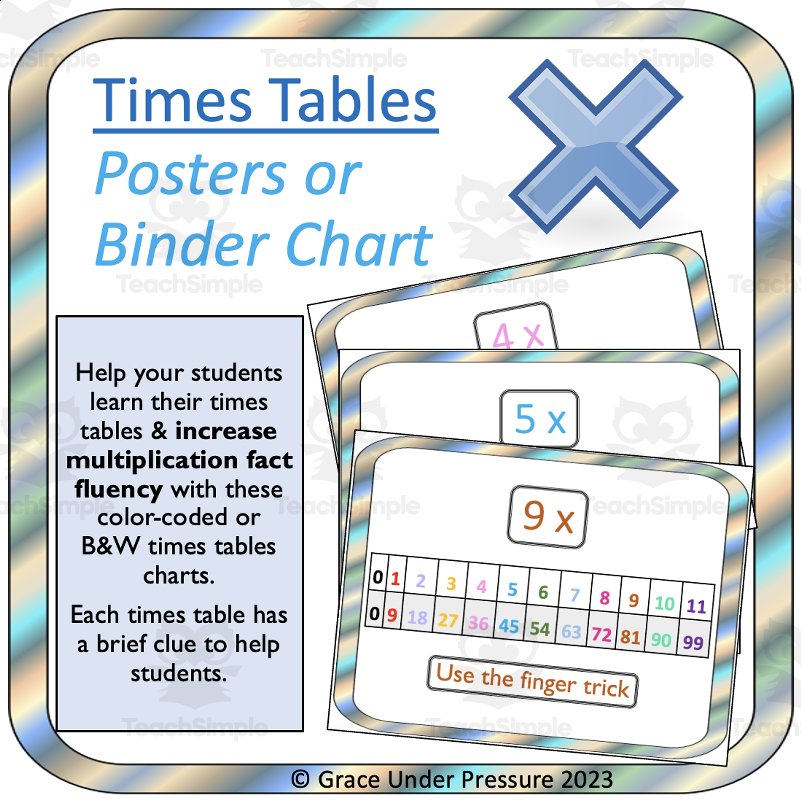
Help students memorize multiplication facts (0-11 times tables) with reference charts that include a mnemonic clue per table.

A reference 'phonics dictionary' of word lists organized by short and long vowel spelling patterns, paired with vowel anchor charts, to support comprehension of vowel spelling patterns for grades 3-6.

Teaches students to distinguish between 'tattling' and 'reporting' and gives structured ways to handle the urge to tattle.
 Free download
 A phonic sounds reference chart mapping letter/grapheme combinations to example words, for use with a systematic phonics program (Reading Made Simple, Level 1).
 Free download
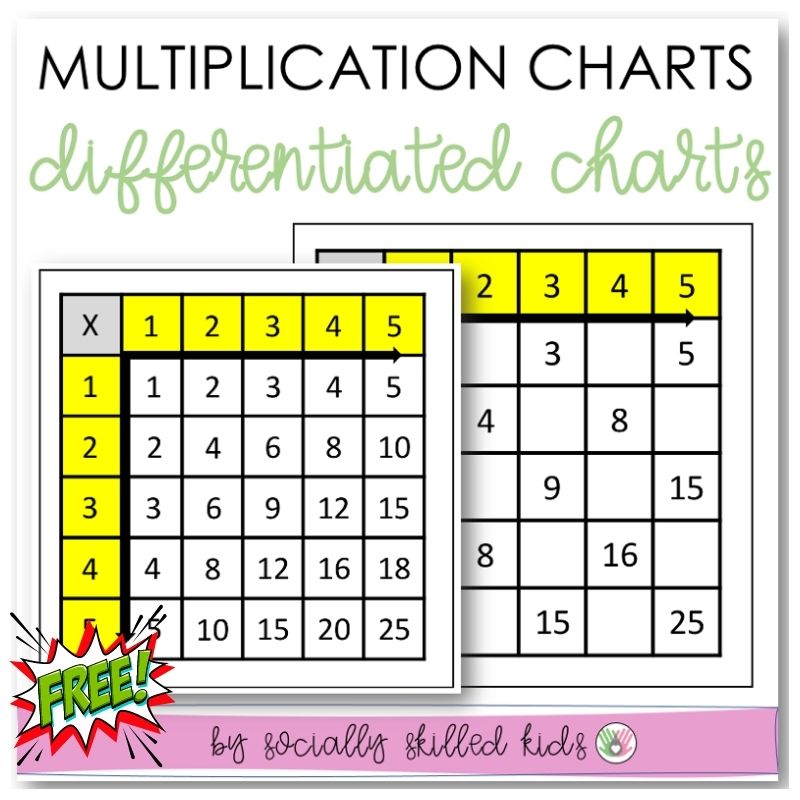
 Provide a differentiated set of 1-5 times-table multiplication charts, progressing from fully completed to blank, for children who benefit from less information per page.