



2,486 products added recently
Page 2 - 5th Grade Lesson Plans
Prepare your fifth graders for future challenges with lesson plans that promote higher-order thinking and mastery of key concepts. These resources encourage collaboration and in-depth exploration across subjects. Use them to guide your students toward readiness for middle school.

 Show filters

Diggers Reading Comprehension Passage - Cored Ed Encyclopedia
ELA, Language Development, Reading Comprehension, Reading, Science, Technology, Social Studies, Engineering, History, Physics, Grade 2, 3, 4, 5, Worksheets & Printables, Worksheets, Teacher Tools, Centers, Activities, Writing Prompts, Assessments, Quizzes and Tests, Quizzes, Lesson Plans
This diggers reading comprehension with lesson plan includes: Visualization (on the front cover) Start your lesson by taking a minute to think and share something about the topic. Read the script aloud (slowly), perhaps prepare some music or sound effects. Student close their eyes and let their imaginations wander. Students open their eyes, read the question aloud and give them a few minutes to complete. Ask a few students to share or keep answers until the end to compare with what they learn in the passage. Quick pause—thousands of Cored Education products are included with your TeachSimple membership. Download links and encyclopedia index available here. Pre-Reading Trivia Students will write down one thing they already know about the subject and then read five more facts and discuss. These facts are fun, and the students will enjoy learning about the subject before reading more. Give 1 minute for students to write what they already know (no pressure—best guess is fine). Read the five facts together. After each fact, do ask a student for their opinion, was it surprising? Set a purpose by asking students to highlight/underline one fact they want to learn more about during the reading. Reading Passage The text is a high-interest reading passage with set paragraphs, roughly three to four paragraphs long. It contains a variety of themes about the topic, anywhere from history to technology. The passage is between 250 and 350 words in length. First, ask students to look at the headings and see what they’ll learn about today. What do they know about the topic/heading? First read options: Teacher read-aloud (best for support). Partner reading (paragraph by paragraph). While reading, students underline important details, and vocabulary words they think may come up in the questions section. Mixed Questions The first question page contains four multiple-choice questions, each with a choice of four answers, and three written response questions that require a sentence or two from the student. Students complete the mcqs first independently, then review quickly as a class. For the 3 written responses, try to get students giving the answer with some form of evidence: “I think ___ because the text says ___.” If students get stuck, send them back to check the passage. Vocabulary Questions Practice seven key words from the text in this section across two activities. First section is scrambled words where students will unscramble three words given a clue for each. The second section is a word to meaning matching activity. Before starting, have some students read out words they underlined in the passage. Ask students to say the word and read aloud the sentence(s) around each word. Ask students to do scrambled words and the matching exercise in pairs then go through answers as a class. For the scrambled spelling task, get four pairs to come up to the board and write the words for extra practice with the other student reading out the clue. For the matching task, prompt students to give full sentences: “I matched ___ with ___ because ___.” Creative Writing In this question, the student will be required to write a five to eight sentence paragraph on a question related to the topic. Before starting, ask students write down 3 key ideas they are going to include in their piece. Ask students for ideas to share around the class to help those struggling. Pro writing expectations: 5–8 sentences At least 2 facts or details from the passage At least 2 vocabulary words from the previous page Students read their paragraphs while classmates listen for facts and vocabulary words. Extension Activities This page is optional for fast finishers or to take home. There are several activities, each one requiring a different skill. Do some, do none, do all, completely optional - but you will feel reassured knowing every possibility is planned for. Includes summary writting question and additional facts. Answer Key There are answers for the multiple-choice questions, written response questions have sample answers, vocabulary answers and if there is a summary question then a sample summary will be provided as well. Lesson Plan Included Customized lesson plan for this lesson is included. Lesson Snapshot Title: Diggers Genre: Nonfiction (informational text with headings) Subject: Science (Engineering & Technology) / Reading (Informational Text) Primary Topic: How diggers work and what they build Estimated Guided Reading Level (A–Z): P What This Lesson Teaches Best Explains key parts of a digger and what they do (cab on a turning platform; tracks or wheels; long arm and bucket). Describes how diggers changed over time—from hand digging to steam shovels to modern excavators using hydraulics. Teaches how hydraulics works in simple cause-and-effect terms (a small push becomes a bigger push through pressure in a system). Connects machines to real construction jobs (foundations, roads, clearing broken concrete, paths for water and sewer lines). Uses headings to organize information into sections (history, hydraulics, and what gets built). Learning Goals Students will describe how a digger moves and turns using details from the text. Students will explain at least two things a digger’s bucket can do on a building site. Students will explain how digging tools changed from long ago to modern excavators, using evidence from the passage. Students will explain how hydraulics helps a small joystick move a giant bucket, based on the text. Students will identify why oil is used as the hydraulic liquid in many machines, using details from the passage. Students will describe why some digging must be slow and careful, according to the passage. Key Vocabulary From the Text trench — a long, dug-out cut in the ground. excavators — digging machines that grew from power shovels. hydraulics — science of pushing liquids so pressure travels. cylinders — parts helped by oil to do powerful work. pressurized — under pressure (like oil that helps systems work). FULL CATALOG OF DOWNLOAD LINKS AND ENCYCLOPEDIA INDEX HERE
Author Cored Education
Rating
Tags Vocabulary, Reading Comprehension, Reading Passages, Lesson Plans, Ela Lesson Plans, Reading Comprehension Lesson Plans, Pre-reading, Science Lesson Plans, Engineering, Physics

Walkie-Talkies Reading Comprehension Passage - Cored Ed Encyclopedia
ELA, Language Development, Reading Comprehension, Reading, Pre-Reading, Science, Social Studies, History, Technology, Physics, Grade 2, 3, 4, 5, Worksheets & Printables, Worksheets, Teacher Tools, Centers, Activities, Writing Prompts, Assessments, Quizzes and Tests, Quizzes, Lesson Plans
This walkie-talkies reading comprehension with lesson plan includes: Visualization (on the front cover) Start your lesson by taking a minute to think and share something about the topic. Read the script aloud (slowly), perhaps prepare some music or sound effects. Student close their eyes and let their imaginations wander. Students open their eyes, read the question aloud and give them a few minutes to complete. Ask a few students to share or keep answers until the end to compare with what they learn in the passage. Quick pause—thousands of Cored Education products are included with your TeachSimple membership. Download links and encyclopedia index available here. Pre-Reading Trivia Students will write down one thing they already know about the subject and then read five more facts and discuss. These facts are fun, and the students will enjoy learning about the subject before reading more. Give 1 minute for students to write what they already know (no pressure—best guess is fine). Read the five facts together. After each fact, do ask a student for their opinion, was it surprising? Set a purpose by asking students to highlight/underline one fact they want to learn more about during the reading. Reading Passage The text is a high-interest reading passage with set paragraphs, roughly three to four paragraphs long. It contains a variety of themes about the topic, anywhere from history to technology. The passage is between 250 and 350 words in length. First, ask students to look at the headings and see what they’ll learn about today. What do they know about the topic/heading? First read options: Teacher read-aloud (best for support). Partner reading (paragraph by paragraph). While reading, students underline important details, and vocabulary words they think may come up in the questions section. Mixed Questions The first question page contains four multiple-choice questions, each with a choice of four answers, and three written response questions that require a sentence or two from the student. Students complete the mcqs first independently, then review quickly as a class. For the 3 written responses, try to get students giving the answer with some form of evidence: “I think ___ because the text says ___.” If students get stuck, send them back to check the passage. Vocabulary Questions Practice seven key words from the text in this section across two activities. First section is scrambled words where students will unscramble three words given a clue for each. The second section is a word to meaning matching activity. Before starting, have some students read out words they underlined in the passage. Ask students to say the word and read aloud the sentence(s) around each word. Ask students to do scrambled words and the matching exercise in pairs then go through answers as a class. For the scrambled spelling task, get four pairs to come up to the board and write the words for extra practice with the other student reading out the clue. For the matching task, prompt students to give full sentences: “I matched ___ with ___ because ___.” Creative Writing In this question, the student will be required to write a five to eight sentence paragraph on a question related to the topic. Before starting, ask students write down 3 key ideas they are going to include in their piece. Ask students for ideas to share around the class to help those struggling. Pro writing expectations: 5–8 sentences At least 2 facts or details from the passage At least 2 vocabulary words from the previous page Students read their paragraphs while classmates listen for facts and vocabulary words. Extension Activities This page is optional for fast finishers or to take home. There are several activities, each one requiring a different skill. Do some, do none, do all, completely optional - but you will feel reassured knowing every possibility is planned for. Includes summary writting question. Answer Key There are answers for the multiple-choice questions, written response questions have sample answers, vocabulary answers and if there is a summary question then a sample summary will be provided as well. Lesson Plan Included Customized lesson plan for this lesson is included. Lesson Snapshot Title: Walkie-Talkies Genre: Nonfiction (informational text) Subject: Science & Technology (Informational Reading) Primary Topic: How walkie-talkies work, history, and clear communication Estimated Guided Reading Level (A–Z): P What This Lesson Teaches Best Explains how a walkie-talkie works as a handheld two-way radio that switches from listening to sending when the talk button is pressed. Builds understanding of shared communication rules , including that only one radio can transmit at a time and messages stay “short and clear.” Introduces a simple history of portable radios , from early military use (including a “packset” and the Motorola SCR-300) to later helpers on job sites. Highlights how word choice matters when people share the air, connecting clear/kind words to teamwork and getting things done. Uses comparisons and descriptive language (e.g., “scratchy,” “like a distant whisper,” “lighter than a deck of cards”) to help readers picture sound and size. Learning Goals Students will describe what a walkie-talkie is and what it can do (send and receive messages). Students will explain what happens when the talk button is pressed and why the radio listens most of the time. Students will identify at least two ways early walkie-talkies differed from many walkie-talkies today. Students will describe why teams keep messages short and clear when using walkie-talkies. Students will use evidence from the text to explain what “over” means in walkie-talkie talk. Key Vocabulary From the Text antenna — the part that sticks up to help signals travel. channel — a shared path where people hear the same messages. portable — easy to carry from place to place. transmit — send a message through the air. rugged — strong and built to last. FULL CATALOG OF DOWNLOAD LINKS AND ENCYCLOPEDIA INDEX HERE
Author Cored Education
Rating
Tags Vocabulary, Reading Comprehension, Reading Passages, Lesson Plans, Ela Lesson Plans, Reading Comprehension Lesson Plans, Pre-reading, Science Lesson Plans, History Lesson Plans, Technology

Guided Reading Activities and Lesson Plans Fiction Set 2 - Family
ELA, Reading, Reading Comprehension, Common Core, ESL, Language Development, Pre-Reading, Vocabulary, Resources for Teachers, Grade 4, 5, Worksheets & Printables, Worksheets, Lesson Plans, Teacher Tools
Guided Reading Activities with Lesson Plans Fiction Set 2 Note: This download DOES NOT include the passages themselves. If you have not already done so, download in a format of your choice in the "reading links" section below. Overview The perfect companion materials for Cored Education reading comprehension downloads. This collection provides structured lessons designed to enhance students' reading, comprehension, vocabulary, and creative thinking. Each lesson follows a consistent format that includes pre-reading activities to engage students, vocabulary-building exercises, comprehension checks, creative writing prompts, and discussion topics that promote critical thinking. The lessons are designed to foster active participation, encourage reflection, and develop key literacy skills through interactive and immersive learning experiences. The series is ideal for guided reading sessions, providing teachers with a comprehensive toolkit to engage students in both individual and group activities, enhancing their understanding of text and expanding their language skills. Includes Guided Reading Materials For: 1.Birthday Lessons 2.Funny Cousin 3.Favorite Aunt 4.Grandma Can Dance 5.Sisterly Love 6.A Not So Relaxing Hike 7.On the Coaster 8.Grandma's Tulips 9.Father's Day 10.Healthier Lifestyle Reading Links: This is the guided reading materials version and DOES NOT include the passages themselves. The passages related to this download are available here in GOOGLE Docs, GOOGLE Forms, GOOGLE Slides. PDF, PPT, WORD. Google Docs Google Forms Google Slides PDF PPT Word Key Features: Engaging Lesson Structure: Each lesson follows a clear and predictable format, which includes pre-reading discussions, vocabulary exercises, reading activities, and creative tasks to maintain student engagement. Vocabulary Development: Focus on introducing and applying new vocabulary in context, helping students internalize new words and use them effectively. Comprehension and Reflection: The lessons include comprehension questions and reflective prompts that encourage students to think critically about the text and its themes. Creative Writing and Discussion: Opportunities for students to express themselves through writing and group discussions, reinforcing their understanding while fostering creativity. Interactive and Student-Centered: The activities are designed to be interactive, allowing students to engage directly with the content and each other, promoting active learning. FULL CATALOG OF DOWNLOAD LINKS HERE Grade 4/5 Links Fiction Set 1 - Animals Google Docs Google Forms Google Slides PDF PPT Word Guided Reading Materials Fiction Set 2 - Family Google Docs Google Forms Google Slides PDF PPT Word Guided Reading Materials Fiction Set 3 - Friends Google Docs Google Forms Google Slides PDF PPT Word Guided Reading Materials Fiction Set 4 - School Google Docs Google Forms Google Slides PDF PPT Word Guided Reading Materials Fiction Set 5 - Sports Google Docs Google Forms Google Slides PDF PPT Word Guided Reading Materials Nonfiction Set 1 - Birds Google Docs Google Forms Google Slides PDF PPT Word Guided Reading Materials Nonfiction Set 2 - Insects Google Docs Google Forms Google Slides PDF PPT Word Guided Reading Materials Nonfiction Set 3 - Mammals Google Docs Google Forms Google Slides PDF PPT Word Guided Reading Materials Nonfiction Set 4 - Nature Google Docs Google Forms Google Slides PDF PPT Word Guided Reading Materials Nonfiction Set 5 - Sea Animals Google Docs Google Forms Google Slides PDF PPT Word Guided Reading Materials Reading Passages Overview Each passage is especially written for Grade 4-5 students, including key vocabulary required for this age group. Topics are varied and are accompanied by colorful graphics. Topics are meant to educate, yet entertain the modern student. These passages are perfect for the modern classroom. Whereas textbooks can become outdated in no time, any changes to technology or the world will result in updates to this product. Mixed Questions The mixed questions section of each lesson includes a variation of five comprehension, vocabulary and math questions. In addition, key reading strategies are frequently covered including cause & effect, summarizing, compare & contrast and making conclusions. Two or three of the questions will be MCQs and other questions will require a written response of some kind. Full answers and example responses appear at the end of the lesson. Spelling & Vocab Each reading passage contains a variety of words and phrases designed for Grade 4-5 students. Spelling and vocab activities provide the opportunity to build fluency with these words. As it can become quite mundane doing the same activities over and over, each lesson in a set will contain a different spelling and vocab activity . Activities include: spelling games, sentence match-ups, mixed-up text and decoding words from the lesson. Writing Prompts Writing prompts are designed to continue the theme or lessons learned in the story. Students are persuaded to write in a variety of ways and each prompt includes several cues to help. As with the spelling/vocab section, writing prompts will vary. This includes research pieces, reading responses, poetry and creative writing prompts. Full Answer Keys Full answer keys and sample responses are provided so no matter how busy you are, you know you're covered! Mixed question answers provide evidence from the text, math questions contain the relevant workings. Answers are designed for use by the teacher, but also suitable as a handout to the student. Just for Fun Each lesson will have a bonus extension exercise. This is something fun to extend the lesson with. You can find these at the end of each lesson, titled Just for Fun. Just for Funs are optional. Some you may like, some you may not. Either way, they are there to do with as you wish. For similar downloads and other frees, do check out Cored Group on TeachSimple.
Author Cored Education
Tags Elementary, Reading, Comprehension, Vocabulary, Answers, Ccss, Guided Reading, Guided Reading Activity, Guided Reading Lesson Plans, Guided Reading Lesson Plan

All About Lake Baikal | Geographical Wonders Video Lesson
Social Studies, Geography, Grade 3, 4, 5, 6, 7, Lesson Plans, Teacher Tools
This animated geography video lesson is all about Lake Baikal. Students will love this engaging and interactive video as they learn more about geographical wonders and landforms. This video serves as a great introduction or review video for your learners. This is a 10-minute geography video lesson.
Author Educational Voice
Tags Geography Lesson, Social Studies Video, Landforms, Landmarks, Lake Baikal
Gasoline Reading Comprehension Passage - Cored Ed Encyclopedia
ELA, Reading Comprehension, Reading, Science, Technology, Earth and Environmental Sciences, Pre-Reading, Language Development, Vocabulary, Physics, Grade 2, 3, 4, 5, Worksheets & Printables, Worksheets, Teacher Tools, Centers, Activities, Writing Prompts, Assessments, Quizzes and Tests, Quizzes, Lesson Plans
This gasoline reading comprehension with lesson plan includes: Visualization (on the front cover) Start your lesson by taking a minute to think and share something about the topic. Read the script aloud (slowly), perhaps prepare some music or sound effects. Student close their eyes and let their imaginations wander. Students open their eyes, read the question aloud and give them a few minutes to complete. Ask a few students to share or keep answers until the end to compare with what they learn in the passage. Quick pause—thousands of Cored Education products are included with your TeachSimple membership. Download links and encyclopedia index available here. Pre-Reading Trivia Students will write down one thing they already know about the subject and then read five more facts and discuss. These facts are fun, and the students will enjoy learning about the subject before reading more. Give 1 minute for students to write what they already know (no pressure—best guess is fine). Read the five facts together. After each fact, do ask a student for their opinion, was it surprising? Set a purpose by asking students to highlight/underline one fact they want to learn more about during the reading. Reading Passage The text is a high-interest reading passage with set paragraphs, roughly three to four paragraphs long. It contains a variety of themes about the topic, anywhere from history to technology. The passage is between 250 and 350 words in length. First, ask students to look at the headings and see what they’ll learn about today. What do they know about the topic/heading? First read options: Teacher read-aloud (best for support). Partner reading (paragraph by paragraph). While reading, students underline important details, and vocabulary words they think may come up in the questions section. Mixed Questions The first question page contains four multiple-choice questions, each with a choice of four answers, and three written response questions that require a sentence or two from the student. Students complete the mcqs first independently, then review quickly as a class. For the 3 written responses, try to get students giving the answer with some form of evidence: “I think ___ because the text says ___.” If students get stuck, send them back to check the passage. Vocabulary Questions Practice seven key words from the text in this section across two activities. First section is scrambled words where students will unscramble three words given a clue for each. The second section is a word to meaning matching activity. Before starting, have some students read out words they underlined in the passage. Ask students to say the word and read aloud the sentence(s) around each word. Ask students to do scrambled words and the matching exercise in pairs then go through answers as a class. For the scrambled spelling task, get four pairs to come up to the board and write the words for extra practice with the other student reading out the clue. For the matching task, prompt students to give full sentences: “I matched ___ with ___ because ___.” Creative Writing In this question, the student will be required to write a five to eight sentence paragraph on a question related to the topic. Before starting, ask students write down 3 key ideas they are going to include in their piece. Ask students for ideas to share around the class to help those struggling. Pro writing expectations: 5–8 sentences At least 2 facts or details from the passage At least 2 vocabulary words from the previous page Students read their paragraphs while classmates listen for facts and vocabulary words. Extension Activities This page is optional for fast finishers or to take home. There are several activities, each one requiring a different skill. Do some, do none, do all, completely optional - but you will feel reassured knowing every possibility is planned for. Includes summary writting question and additional facts. Answer Key There are answers for the multiple-choice questions, written response questions have sample answers, vocabulary answers and if there is a summary question then a sample summary will be provided as well. Lesson Plan Included Customized lesson plan for this lesson is included. Lesson Snapshot Title: Gasoline Genre: Nonfiction (informational text) Subject: Science Primary Topic: What gasoline is, how it works, and impacts Estimated Guided Reading Level (A–Z): Q What This Lesson Teaches Best Explains what gasoline is and why it must be handled carefully because it “can catch fire very easily.” Describes how gasoline helps a car engine work (a spark burns gasoline in a controlled way to move parts that turn the wheels). Traces a brief history of gasoline’s changing value (from “leftover” in 1859 to useful once automobiles appeared in 1892). Introduces the idea of octane ratings and how they relate to engine “knocking” and early ignition. Connects gasoline use to environmental effects (vapors can pollute; burning creates gases including carbon dioxide) and mentions cleaner travel choices. Learning Goals Students will identify what gasoline is and where it comes from (petroleum/crude oil from deep underground). Students will describe how gasoline is used inside a car engine to help make the wheels turn. Students will explain how gasoline changed from being thrown away to becoming a valuable fuel. Students will explain what “octane” measures and how it relates to engine knocking. Students will describe two ways gasoline can affect the air (vapors and burning gases). Students will name choices mentioned in the text for using less gasoline (electric vehicles, bikes, buses, walking). Key Vocabulary From the Text gasoline — fuel liquid used in many cars. petroleum — thick oil material gasoline is made from. crude — raw oil from deep underground. kerosene — lamp fuel people wanted in 1859. octane — rating showing resistance to early ignition. FULL CATALOG OF DOWNLOAD LINKS AND ENCYCLOPEDIA INDEX HERE
Author Cored Education
Rating
Tags Vocabulary, Reading Comprehension, Reading Passages, Lesson Plans, Ela Lesson Plans, Reading Comprehension Lesson Plans, Pre-reading, Science Lesson Plans, Earth Science, Physics
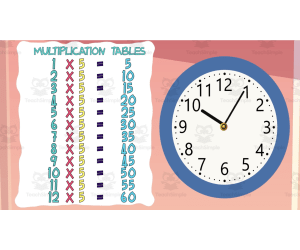
All About Using Timetables | Animated Math Video Lesson
Math, Multiplication and Division, Division, Grade 3, 4, 5, Lesson Plans, Teacher Tools
All About Using Timetables Animated Math Video Lesson The All About Using Timetables Animated Math Video Lesson is a tool uniquely designed for simplifying the learning process for Grade 3, Grade 4, and Grade 5 students. This invaluable resource is exclusively crafted for math educators seeking an engaging approach in teaching multiplication and timetable concepts. Product Features An animated math video approximately 11 minutes long. Serves as both an introductory tool and a review material. To support learning effectively, it provides step-by-step guidance on how to proficiently handle timetables Lively animations and colorful visuals make learning interactive and engaging more than traditional methods. The flexibility of the All About Using Timetables Animated Math Video Lesson allows it to be utilized in various educational settings be it a full classroom lecture or smaller settings like tutoring sessions or even homeschooling situations. Ease of Access Bundled as a single MP4 file, this resource is easily accessible across different digital platforms without requiring additional software or applications. Teachers can conveniently integrate into their lessons whether they are conducting classes remotely or at school. They even have the option to assign this dynamic video lesson as homework if it best suits their teaching strategy. In summary,the All About Using Timetables Animated Math Video Lesson , with its versatile approach towards making multiplication concepts easier through timetable analysis, will prove enormously useful for teachers who aim to enhance student's grasp using engaging resources.<footer
Author Educational Voice
Tags Timetable Usage, Multiplication Problems, Animated Math Video, Interactive Learning, Flexible Teaching

Defining Words Supplementary Materials Grade 5-6 (PDF)
ELA, Language Development, ESL, Common Core, Resources for Teachers, Vocabulary, Grade 5, 6, 7, Worksheets & Printables, Worksheets, Quizzes and Tests, Teacher Tools, Tests, Assessments, Lesson Plans
Defining Words Supplementary Materials Note: This download DOES NOT include the tests themselves. You can still make use of these materials without them but they are recommended. Download in a format of your choice in the "Links" section below. In the Supplementary Pack Interactive Ice Breakers: Engaging warm-up activities that introduce students to key ELA concepts, such as quick capitalization corrections and punctuation challenges. Guided Practice: Structured teacher-led exercises that reinforce grammar and punctuation rules, helping students identify and apply them correctly in sentences. Group and Partner Tasks: Collaborative activities where students work together to edit sentences, correct capitalization, and improve punctuation through peer discussion and teamwork. Independent Worksheets: Carefully designed worksheets that provide focused practice, allowing students to apply learned concepts and refine their skills independently. Exit Tasks: Quick assessments at the end of each lesson, prompting students to reflect on what they’ve learned and apply their knowledge in writing and editing tasks. Links Matching Words to Definition Matching Definition to Words Accurately Defining Meanings More Defining Word Practice Google Docs Google Forms Google Slides PDF PPT Word FULL CATALOG OF DOWNLOAD LINKS HERE Grade 5/6 Links: Capitalization & Punctuation Google Docs Google Forms Google Slides PDF PPT Word Free Supplementary Materials Pack Adjectives Google Docs Google Forms Google Slides PDF PPT Word Free Supplementary Materials Pack Nouns Google Docs Google Forms Google Slides PDF PPT Word Free Supplementary Materials Pack Pronouns Google Docs Google Forms Google Slides PDF PPT Word Free Supplementary Materials Pack Verbs Google Docs Google Forms Google Slides PDF PPT Word Free Supplementary Materials Pack Prefixes & Suffixes Google Docs Google Forms Google Slides PDF PPT Word Free Supplementary Materials Pack Sentence Structure Google Docs Google Forms Google Slides PDF PPT Word Free Supplementary Materials Pack Subject Verb Agreement Google Docs Google Forms Google Slides PDF PPT Word Free Supplementary Materials Pack Tenses Google Docs Google Forms Google Slides PDF PPT Word Free Supplementary Materials Pack Context Clues Google Docs Google Forms Google Slides PDF PPT Word Free Supplementary Materials Pack Defining Words Google Docs Google Forms Google Slides PDF PPT Word Free Supplementary Materials Pack Fill in the Blanks Google Docs Google Forms Google Slides PDF PPT Word Free Supplementary Materials Pack Homophones Google Docs Google Forms Google Slides PDF PPT Word Free Supplementary Materials Pack Synonyms Google Docs Google Forms Google Slides PDF PPT Word Free Supplementary Materials Pack ELA Review Questions Overview Questions have three answer choices. There are a handful of pictures on each test for aesthetic purposes, as well as a review sheet covering most of the topics covered in the product. Introduction or Example Sheet Each topic will include an introduction or example sheet to go through first with your students. Full Answer Keys Full answer keys and sample responses are provided so no matter how busy you are, you know you're covered! For More Like This For similar downloads and other frees, do check out Cored Group on TeachSimple.
Author Cored Education
Tags Elementary, Answers, Ccss, Common Core, Tests, Test Prep, Assessment, Grade 5, Grade 6, Vocabulary

All About Victoria Falls | Geographical Wonders Video Lesson
Social Studies, Geography, Grade 3, 4, 5, 6, 7, Lesson Plans, Teacher Tools
All About Victoria Falls: Geographical Wonders Video Lesson The All About Victoria Falls: Geographical Wonders Video Lesson serves as a reliable educational resource for educators seeking engaging and informative content. This 11-minute animated video offers a vivid visual tour about Victoria Falls, one of the world's most remarkable geographical wonders. Aimed At Students from Grade 3 to Grade 7 Primarily designed for students from grade 3 to grade 7, this resource is fitting for Social Studies classes with subjections in Geography. The lesson helps learners understand the grandeur and significance of various landforms, with a particular focus on Victoria Falls. An Engaging Learning Experience With its lively animation and interactive format, the video can capture students' attention effectively while imparting factual knowledge about geography. It provides thorough information on its topic in an engaging manner that appeals to young minds, making learning not just insightful but also enjoyable. Educators may utilize this video lesson in numerous ways to enhance their curriculum's effectiveness. Whether used as commencement material or part of review exercises, it ensures comprehension through visualization - an approach highly encouraged in teaching basic geography concepts. Multimedia Enabled Format The lesson comprises an MP4 file format which makes it accessible across different digital platforms without compromising quality—another vital benefit considering today's virtual learning requirements. In summary, The All About Victoria Falls: Geographical Wonders Video Lesson is more than just an educational tool—it’s an engaging way to explore the world from classroom settings or home-study environments alike—making geography fun and fascinating for learners at multiple levels.
Author Educational Voice
Tags Victoria Falls, Geographical Wonders, Landforms, Interactive Learning, Virtual Education

Lesson Plan on Solar Eclipse
Space, Earth and Environmental Sciences, Science, Grade 3, 4, 5, Lesson Plans, Teacher Tools, Worksheets & Printables
Students in Grades 3 through 5 may learn about the amazing science underlying a solar eclipse with this entertaining and instructive worksheet. This downloadable resource, which is in line with classroom discussions and visual learning, introduces crucial words like umbra, penumbra, and antumbra while reinforcing fundamental ideas like the Sun, Moon, and Earth's alignment. A range of interactive exercises are included in the worksheet to improve understanding and critical thinking. Students will label diagrams, identify several eclipse types, match terminology to definitions, highlight safe viewing techniques, and fill in the spaces using what they have learned from the lesson. To make the eclipse experience more realistic in the classroom, a hands-on model exercise of commonplace items is also recommended. An answer key is included to support independent or guided learning. Ideal for use after watching the educational Dr. Binocs video on solar eclipses, this worksheet serves as both a fun follow-up and an effective assessment tool. Whether used in class or for homework, it helps young learners grasp this amazing celestial event in an age-appropriate and exciting way.
Author Bright Classroom Ideas Marketplace
Rating
Tags Solar, Eclipse, Lesson, Plan, Grade 3, Grade 4, Grade 5, Astronomy, Science, Worksheet

Gamified Algebra Adventures - Mathematics
Math, Algebra, Early Math, Basic Operations, Numbers, Patterns, Place Value, Graphing, Measurements, Money, Grade 2, 3, 4, 5, 9, 10, 11, 12, Activities, Games, Projects, Centers, Teacher Tools, Assessments, Charts, Diagrams, Lesson Plans, Presentations
Embark on an adventure in the world of algebra with Gamified Algebra Adventures: Mathematics, an extensive and engaging high school algebra workbook that translates challenging mathematical concepts to adventurous and fun missions. Written by Syed Hammad Rizvi, this 466-page digital textbook for grade 9 to 12 encompasses fundamental concepts of algebra ranging from basic to advanced topics such as: • Variables • Expressions • Equations • Inequalities • Functions • Linear Systems • Polynomials • Factoring • Quadratics • Rational Expressions • Radicals With adventurous names for every chapter like "The Algebraic Quest Begins: Unveiling Variables," "The Great Math Treasure Hunt," and "Navigating the Mathematical Maze," Gamified Algebra Adventures: Mathematics is an engaging math textbook that combines the concepts of algebra with fun adventures that are apt for grade 9 to 12 in math. This textbook has been optimized with SEO keywords that enable viewers to easily access it while giving parents and teachers complete guidance on how to accomplish high school math for teenagers with its gamified algebra lessons that are perfect for making math fun and easy while improving grades in math. Why Parents/Schools Love It: Engaging Gamified Learning Platform: Chapters mapped as ‘adventure quests’ and case studies help transform boring sessions of learning Algebra into thrilling missions, encouraging students and overcoming math phobias. All-Rounded Coverage: This textbook covers 104 chapters with explanations on how to solve algebra problems starting from the basics of variables to the advanced topic of radicals. Applications: These models can include the behavior of the economy, physics, and other fields, where the use of mathematics can be demonstrated in applicatio Flexible and Inexpensive: The digital version is ideal for homeschooling or as a supplement for the classroom as well as for individual self-study with easy-to-understand text. Helps to Build Confidence and Skills: It is designed to emphasize the mastery of problem solving, visual models and representation, and generalization concepts in order to prepare the students for tests and college studies. Target Students : On the basis of an overall analysis of the Table of Contents and some sampled material from different chapters (starting off with basics, for example, variables and expressions in initial chapters, then moving on to more complex subjects in quadratic equations, rational expressions, and radical equations in Latter chapters), it can be said that this particular book has applications for grades 9 to 12, and it fits into an overall curriculum for Algebra I and Algebra II, starting off with basics for those who were beginners (beginning grade 9 or an initial course in algebra, appropriate for those at grades 10 to 12 or those pursuing an advanced course in algebra). Additionally, it can be used by Middle-grade kids switching to High school or by those heading off to college for pre-calculus prep. Copyright/Terms of Use : This Book was copyrighted by Syed Hammad Rizvi. The use of this resource shall be for non-commercial purposes only. You shall not copy and redistribute, or sell any portion of this resource. What this means, among other things, is that you cannot upload it on the Internet so it can be downloaded by anyone on the Internet. In case you need to share this resource with fellow teachers, you can purchase the license from Teachsimple. Thank you for abiding by the conditions. This product is, of course, brought to you by Syed Hammad Rizvi
Author Creative Book Store
Rating
Tags GamifiedAlgebraAdventures, AlgebraWorkbook, HighSchoolMath, GamifiedLearning, MathAdventures, Grades9to12Math, InteractiveAlgebraGuide, AlgebraForTeens, STEMEducationResources, HomeschoolAlgebra
Water Reading Comprehension Passage - Cored Ed Encyclopedia
ELA, Language Development, Reading Comprehension, Reading, Pre-Reading, Science, Technology, Physics, Earth and Environmental Sciences, Earth Sciences, Grade 2, 3, 4, 5, Worksheets & Printables, Worksheets, Teacher Tools, Centers, Activities, Writing Prompts, Assessments, Quizzes and Tests, Quizzes, Lesson Plans
This water reading comprehension with lesson plan includes: Visualization (on the front cover) Start your lesson by taking a minute to think and share something about the topic. Read the script aloud (slowly), perhaps prepare some music or sound effects. Student close their eyes and let their imaginations wander. Students open their eyes, read the question aloud and give them a few minutes to complete. Ask a few students to share or keep answers until the end to compare with what they learn in the passage. Quick pause—thousands of Cored Education products are included with your TeachSimple membership. Download links and encyclopedia index available here. Pre-Reading Trivia Students will write down one thing they already know about the subject and then read five more facts and discuss. These facts are fun, and the students will enjoy learning about the subject before reading more. Give 1 minute for students to write what they already know (no pressure—best guess is fine). Read the five facts together. After each fact, do ask a student for their opinion, was it surprising? Set a purpose by asking students to highlight/underline one fact they want to learn more about during the reading. Reading Passage The text is a high-interest reading passage with set paragraphs, roughly three to four paragraphs long. It contains a variety of themes about the topic, anywhere from history to technology. The passage is between 250 and 350 words in length. First, ask students to look at the headings and see what they’ll learn about today. What do they know about the topic/heading? First read options: Teacher read-aloud (best for support). Partner reading (paragraph by paragraph). While reading, students underline important details, and vocabulary words they think may come up in the questions section. Mixed Questions The first question page contains four multiple-choice questions, each with a choice of four answers, and three written response questions that require a sentence or two from the student. Students complete the mcqs first independently, then review quickly as a class. For the 3 written responses, try to get students giving the answer with some form of evidence: “I think ___ because the text says ___.” If students get stuck, send them back to check the passage. Vocabulary Questions Practice seven key words from the text in this section across two activities. First section is scrambled words where students will unscramble three words given a clue for each. The second section is a word to meaning matching activity. Before starting, have some students read out words they underlined in the passage. Ask students to say the word and read aloud the sentence(s) around each word. Ask students to do scrambled words and the matching exercise in pairs then go through answers as a class. For the scrambled spelling task, get four pairs to come up to the board and write the words for extra practice with the other student reading out the clue. For the matching task, prompt students to give full sentences: “I matched ___ with ___ because ___.” Creative Writing In this question, the student will be required to write a five to eight sentence paragraph on a question related to the topic. Before starting, ask students write down 3 key ideas they are going to include in their piece. Ask students for ideas to share around the class to help those struggling. Pro writing expectations: 5–8 sentences At least 2 facts or details from the passage At least 2 vocabulary words from the previous page Students read their paragraphs while classmates listen for facts and vocabulary words. Extension Activities This page is optional for fast finishers or to take home. There are several activities, each one requiring a different skill. Do some, do none, do all, completely optional - but you will feel reassured knowing every possibility is planned for. Includes summary writting question. Answer Key There are answers for the multiple-choice questions, written response questions have sample answers, vocabulary answers and if there is a summary question then a sample summary will be provided as well. Lesson Plan Included Customized lesson plan for this lesson is included. Lesson Snapshot Title: Water Genre: Nonfiction (informational text) Subject: Science (Earth & Physical Science) / Informational Reading Primary Topic: Water cycle, where water is found, and H₂O Estimated Guided Reading Level (A–Z): R What This Lesson Teaches Best Explains how water changes state and moves around Earth (puddle → vapor → clouds → rain/snow). Builds background knowledge about where Earth’s water is found (oceans, glaciers/ice caps, lakes/rivers, underground aquifers, air as vapor). Introduces key science ideas about what water is made of (hydrogen + oxygen; water as a compound; H₂O; molecule). Highlights an important property of water: when it freezes, it expands and floats , allowing fish to swim below lake ice. Connects science to real life by describing how people move and clean water (pipes, filters, treatment) and why keeping water clean matters. Learning Goals Students will explain what happens to some puddle water when it shrinks in the sun. Students will describe at least three places water is found on Earth or in living things, using details from the text. Students will identify what scientists learned in the late 1700s about what water is made from. Students will explain why ice can float on liquid water, based on the passage. Students will describe one way people make water safer to drink that is stated in the text. Key Vocabulary From the Text vapor — water as an invisible gas in the air. glaciers — large masses of ice that store fresh water. aquifers — underground places where water is stored. compound — something made from two different gases joined together. molecule — a tiny particle that makes up water (H₂O). FULL CATALOG OF DOWNLOAD LINKS AND ENCYCLOPEDIA INDEX HERE
Author Cored Education
Rating
Tags Vocabulary, Reading Comprehension, Reading Passages, Lesson Plans, Ela Lesson Plans, Reading Comprehension Lesson Plans, Pre-reading, Science Lesson Plans, Technology, Earth Science
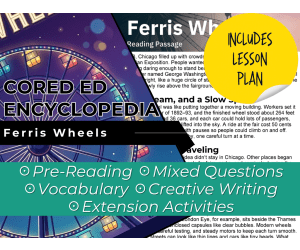
Ferris Wheels Reading Comprehension Passage - Cored Ed Encyclopedia
ELA, Reading Comprehension, Reading, Science, Technology, Language Development, Social Studies, History, Pre-Reading, Writing, Grade 2, 3, 4, 5, Worksheets & Printables, Worksheets, Teacher Tools, Centers, Activities, Writing Prompts, Assessments, Quizzes and Tests, Quizzes, Lesson Plans
This Ferris wheels reading comprehension with lesson plan includes: Visualization (on the front cover) Start your lesson by taking a minute to think and share something about the topic. Read the script aloud (slowly), perhaps prepare some music or sound effects. Student close their eyes and let their imaginations wander. Students open their eyes, read the question aloud and give them a few minutes to complete. Ask a few students to share or keep answers until the end to compare with what they learn in the passage. Quick pause—thousands of Cored Education products are included with your TeachSimple membership. Download links and encyclopedia index available here. Pre-Reading Trivia Students will write down one thing they already know about the subject and then read five more facts and discuss. These facts are fun, and the students will enjoy learning about the subject before reading more. Give 1 minute for students to write what they already know (no pressure—best guess is fine). Read the five facts together. After each fact, do ask a student for their opinion, was it surprising? Set a purpose by asking students to highlight/underline one fact they want to learn more about during the reading. Reading Passage The text is a high-interest reading passage with set paragraphs, roughly three to four paragraphs long. It contains a variety of themes about the topic, anywhere from history to technology. The passage is between 250 and 350 words in length. First, ask students to look at the headings and see what they’ll learn about today. What do they know about the topic/heading? First read options: Teacher read-aloud (best for support). Partner reading (paragraph by paragraph). While reading, students underline important details, and vocabulary words they think may come up in the questions section. Mixed Questions The first question page contains four multiple-choice questions, each with a choice of four answers, and three written response questions that require a sentence or two from the student. Students complete the mcqs first independently, then review quickly as a class. For the 3 written responses, try to get students giving the answer with some form of evidence: “I think ___ because the text says ___.” If students get stuck, send them back to check the passage. Vocabulary Questions Practice seven key words from the text in this section across two activities. First section is scrambled words where students will unscramble three words given a clue for each. The second section is a word to meaning matching activity. Before starting, have some students read out words they underlined in the passage. Ask students to say the word and read aloud the sentence(s) around each word. Ask students to do scrambled words and the matching exercise in pairs then go through answers as a class. For the scrambled spelling task, get four pairs to come up to the board and write the words for extra practice with the other student reading out the clue. For the matching task, prompt students to give full sentences: “I matched ___ with ___ because ___.” Creative Writing In this question, the student will be required to write a five to eight sentence paragraph on a question related to the topic. Before starting, ask students write down 3 key ideas they are going to include in their piece. Ask students for ideas to share around the class to help those struggling. Pro writing expectations: 5–8 sentences At least 2 facts or details from the passage At least 2 vocabulary words from the previous page Students read their paragraphs while classmates listen for facts and vocabulary words. Extension Activities This page is optional for fast finishers or to take home. There are several activities, each one requiring a different skill. Do some, do none, do all, completely optional - but you will feel reassured knowing every possibility is planned for. Includes summary writting question and additional facts. Answer Key There are answers for the multiple-choice questions, written response questions have sample answers, vocabulary answers and if there is a summary question then a sample summary will be provided as well. Lesson Plan Included Customized lesson plan for this lesson is included. Lesson Snapshot Title: Ferris Wheels Genre: Nonfiction (Informational Text) Subject: Social Studies (History) / Science & Technology / Reading (Informational Text) Primary Topic: Origins, design, and purpose of Ferris wheels Estimated Guided Reading Level (A–Z): P What This Lesson Teaches Best Explains the origin story of the first Ferris wheel at the 1893 Chicago world’s fair and why people wanted a daring new attraction. Uses clear facts and measurements (about 264 feet/80 meters , 36 cars , ride cost and time) to build informational reading skills. Shows how Ferris wheels spread to new places and why they’re also called “observation wheels” (because looking is part of the fun). Compares past and present Ferris wheels, including modern wheels built for slow sightseeing like the London Eye with enclosed capsules. Highlights how modern wheels rely on strong steel, careful testing, and steady motors for smooth turns. Learning Goals Students will describe why the 1893 world’s fair crowd wanted something “brand-new” to see. Students will identify key details about the first Ferris wheel (height, number of cars, ride time, and cost). Students will explain why Ferris wheels are also called “observation wheels” using evidence from the text. Students will describe how Ferris wheels spread to other places after Chicago, including the example in Vienna. Students will compare how some Ferris wheels are designed for thrills versus slow sightseeing today. Key Vocabulary From the Text Exposition — a huge fair where inventions and exhibits are shown. engineer — a person who designs and builds things. fairgrounds — the area where a fair is held. capsules — closed pods that carry riders on a wheel. skyline — the outline of a city’s buildings against the sky. FULL CATALOG OF DOWNLOAD LINKS AND ENCYCLOPEDIA INDEX HERE
Author Cored Education
Rating
Tags Vocabulary, Reading Comprehension, Reading Passages, Lesson Plans, Ela Lesson Plans, Reading Comprehension Lesson Plans, Pre-reading, Science Lesson Plans, Social Studies Lesson Plans, History

How to Write a Book Report: Oral Book Reports
ELA, Writing, Common Core, Grade 5, 6, 7, 8, Teacher Tools, Lesson Plans
How to Write a Book Report: Oral Book Reports This is an essential teaching resource created with the focus on enhancing the language arts and writing abilities of students in grade 5 through grade 8. This learning tool, mainly intended for public school teachers and homeschooling parents, ensures effective development of students' book reporting skills by turning it into a fun and enjoyable experience. The teaching resource presents content that follows Bloom’s Taxonomy guidelines. You can use it to supplement your existing curriculum or as independent work for your students. It includes clear, organized instructions covering both drafting and revision phases. What's Inside: 24 Printable Pages: The package consists of 24 print-ready pages in PDF format. Six-Color Graphic Organizers: These help introduce skill focus areas and assist students in creating compelling book reports. Add-on Resources: Worksheets such as word puzzles complement the comprehension quiz while keeping learning interesting. If you are wondering how best to assess your pupils' progress,' implementation guide ' along with an 'assessment rubric' has also been provided for objective evaluation. This comprehensive toolkit suits whole group discussions or small parallel groups working independently from each other. It also works great as homework assignments designed to enhance individual learning. With this all-inclusive resource at disposal, you have everything needed under one roof! Note: Using How To Write A Book Report: Oral Book Reports , not only simplifies your task but also ensures alignment with Common Core State Standards expectations — leaving no stone unturned!
Author Classroom Complete Press
Tags Oral Book Reports, Language Writing, Listening Skills, Speaking Skills, Writing Tasks, How To Write A Book Report Middle School, Book Reports For 8th Grade
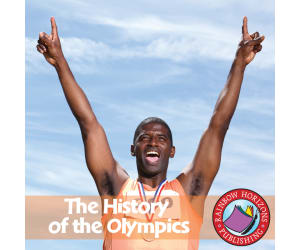
The History of the Olympics Gr. 4-6
ELA, Reading, Grade 4, 5, Teacher Tools, Lesson Plans
The History of the Olympics Gr. 4-6 An engaging teaching resource suitable for educators looking to combine language arts lessons with historical and cultural studies. This resource provides a unique insight into the thrilling world of the Olympics, making learning both interactive and enjoyable. Target Audience This 49-page PDF primarily targets grade 4 to 6 students, focusing on enhancing language arts skills while imparting knowledge about global historical events. Presentation Method The material is presented in a newspaper column-like structure. It includes various reading materials, captivating charts , intriguing research activities, and immersive writing assignments concerning Olympic history. Regular classroom instruction time Small group activities Individual assignments Consider assigning relevant sections as homework tasks during an entire school week focusing on the included topics. Flexible Lesson Plans The provided lesson plans are both flexible and comprehensive - meaning educators can adapt them based on their specific class schedules or teaching strategies without missing important outcomes. A major project is included allowing students to demonstrate their creativity. A Relief From Routine Textbook-Based Learning This resource offers relief from routine textbook-based learning while still imparting enriching insights about worldwide athletic competitions known as the Olympics Games which date back millennia ago! Such dimensional insight can spark valuable discussions about global camaraderie via sportsmanship. Additional Features The bundle comes with handy features like crossword puzzles and word search grids designed to enhance recall and retention. Additionally, it includes answer keys to make the educator's job seamlessly efficient. Summary The History of The Olympics Gr. 4-6 embraces fundamental aspects needed for comprehensive learning - engagement, versatility, thoroughness - making history alive and relatable to young learners.
Author Classroom Complete Press
Tags Literacy, Olympics, History, Reading Passages, Crossword Puzzles

Adaptive Executive Functioning Mastery: A K-Adult Scaffolding Frame
ELA, Resources for Teachers, Classroom Management, Community Building, Social Emotional Learning (SEL), Special Resources, Life Skills, Social Skills, Special Education Needs (SEN), Speech Therapy, Grade 1, 2, 3, 4, 5, 10, 11, Worksheets & Printables, Worksheets, Workbooks, Teacher Tools, Assessments, Diagrams, Lesson Plans, Presentations, Outlines, Literacy Readers
The Adaptive Executive Functioning Mastery: A K-Adult Scaffolding Framework contains everything needed for educators to implement effective executive functioning (working memory, inhibitory control, cognitive flexibility, task initiation, time blindness, metacognition, etc.) in all levels of education from kindergarten through adult. The workbook comprises: • In-depth theory chapters on cognitive load, dynamic scaffolding, and the function of the prefrontal cortex. • 10 fillable student worksheets with real life case studies. • Teacher/facilitator implementation guide with teacher supports such as fading protocols. • Printable visuals (Neuro-Developmental Continuum; Adaptive Scaffolding Matrix; Emotional Regulation Loop). • Answer Key for assessments. An essential part of this workbook is that it will help to reduce environmental friction and support the autonomous development of exobrains that fade into an internal mastery. It is suitable for use in special education, general education, homeschooling, college support programs, and/or in the coaching of adults. This digital download is immediately available via PDF format as well as in a format that may be accessed using Notion. No preparation required. Why Parents and Schools Are Fans : Evidence-based but usable immediately: Break down the latest neuroscience (prefrontal cortex, cognitive load theory, Vygotsky ZPD) into zero-prep, easy-to-use worksheets and visuals for teachers to use on Monday. Neuro-affirmative and compassionate: Replace "laziness" and "try harder" with practical scaffolding that respects how the brain is wired so that the number of meltdowns, anxiety, and learned helplessness decreases. Built-in fading and autonomy: The Bridge-and-Fade Protocol has 4 phases with clearly defined transitional points will reduce dependence on the scaffolding of adults for each student to develop independence and report the skill as internalized. Saves time in planning: Diagnostic answer keys, visual resources, and Notion/PDF hybrid options will save teachers hours of planning for busy IEPs, 504s, and RTI meetings. Versatile across the lifespan: One purchase will allow the entire school to utilize the tools (PreK-12 and adult transitions) or a family will be able to use the tools with their child from kindergarten through college and into their career. Target Audiences and Student Classifications : This Framework has been purposely created for life cycle growth from beginning of time with K-Adult. This Framework identifies all target audiences as follows: Early Childhood/Primary (ages 4-9): Pre-K-3 Special ed., and needs-based learning support. Elementary to Middle Schools (Ages 6-13): 4-8 Special Needs, RtI 2nd/3rd Tier (Academic Interventions) Classrooms, ADHD/Autism support classrooms. High Schools (Ages 14-18): 9-12 Intervention Support Classrooms, Study Skills classrooms, Transition to College programs. Adults & College Students (ages 19+) - Univesity Disability Services, Adult ADHD Coaches, Workplace Executive Skill Training, Homeschool High School/College Preparation. Cross-setting Users: Special Needs and General Education Teachers working with Neurodivergent Students, School Guidance Counselors, Occupational/Physical Therapists, Parents of Neurodivergent Students, Corporate Neurodiversity Trainers/Service Providers. Copyright / Terms of Use: Syed Hammad Rizvi holds copyrights to this book. This resource is for personal use only and may only be used in one classroom at a time. You may not modify, redistribute or sell any part of this resource. In other words, you cannot upload this resource to the Internet for others to find and download publicly. If you would like to share this resource with other educators, you must purchase additional licenses through Teachsimple. Thank you for being respectful of these terms of use. Syed Hammad Rizvi is excited to offer this product.
Author Creative Book Store
Rating
Tags ExecutiveFunctioning, ADHDResources, Neurodivergent, SpecialEducation, ExecutiveFunction, ADHDWorksheets, TeacherResources, IEPTools, 504Plan, Neurodiversity

Global Warming EFFECTS: Climate and Human Health - FLASH-PC
Science, Earth and Environmental Sciences, Environmental Science, Common Core, Grade 5, 6, 7, 8, Teacher Tools, Lesson Plans
Global Warming EFFECTS: Climate and Human Health - FLASH-PC This is a comprehensive teaching resource designed to equip educators with the necessary tools to guide students in understanding the intricate relationship between climate and human health, particularly within the context of global warming. Suitable for middle-school grades five through eight, this tool effectively integrates technology and pedagogical design to foster active learning and student engagement. Features: A computer-based software that provides curriculum -aligned content promoting deep comprehension of environmental science. Versatile teaching resources available in varied formats - from reading passages to interactive activities enriched with vibrant graphics. Inclusion of guiding questions before reading materials prepare students for new ideas. Similarly, post-reading questions help assess their grasp on initial understanding. Printable resources that offer teachers tangible material for classroom use or homework assignments, enhancing both on-screen educational activities as well as off-screen applications. In addition: This invaluable resource pack also includes vocabulary flashcards aiding key scientific terminologies instruction. To ensure complex topics are easily understood animated visuals have been incorporated alongside embedded audios offering detailed narratives which can be replayed by students anytime for mastering concepts better. Precisely aligned with Common Core State Standards for its readable content, it strictly adheres to Bloom's Taxonomy principles ensuring consistent intellectual rigor favoring cognitive development during classroom instructions or independent study periods. To summarize: 'Global Warming EFFECTS: Climate & Human Health - FLASH-PC' is an inclusive digital solution meeting diverse learning styles including visual aids, teacher-guided discussions & self-learning modules thus ensuring meaningful scientific education exploration during formative years.
Author Classroom Complete Press
Tags Software (PC)

Unsinkable Sub, The: Ready-Made Lessons for Last-Minute Days
, Grade 4, 5, 6, Teacher Tools, Lesson Plans
The Unsinkable Sub: Ready-Made Lessons for Last-Minute Days The Unsinkable Sub: Ready-Made Lessons for Last-Minute Days is an indispensable teaching resource designed to provide assistance whenever it's needed most. This versatile and convenient tool is the perfect solution for those last-minute, unexpected changes that can cause chaos in a carefully planned day. Comprehensive Details This valuable compilation comprises a total of 226 ready-to-print pages housed within one easily accessible PDF format. It hosts ten comprehensive chapters, with each offering thorough instructions and materials necessary to enact an entire day's worth of engaging, theme-based activities. Suitability Primarily suited for teachers instructing grades 4 through 6, the Unsinkable Sub speaks across various content areas and aligns with diverse curricular elements. The carefully crafted lessons serve as excellent options to integrate into regular lesson planning or as appealing educational supplements that blend seamlessly with pre-existing schedules. Purpose: This resource stands out because of its utility in unpredictable circumstances - be it a field trip unexpectedly postponed due to bad weather, or sudden cancellation of school events like assemblies. Equally practical when there's need for substitute teachers or when educators face packed calendars without any spare moment left to fabricate fresh lesson plans – here lies their quick resort supporting learning continuity & productivity even at short notice. Versatility: The flexible structure allows educators freedom in tailoring this scholarly kit according to their specific needs ─ befitting large classroom environments where concepts require reinforcement through group work; more intimate spaces needing focused attention on smaller groups; or even independent homework assignments encouraging individual knowledge assimilation. In Essence In essence, Unsinkable Sub: Ready-Made Lessons for Last-Minute Days pledges readiness at hand ─ guaranteeing organized education experiences irrespective of unforeseen timesavers taken by surprise while upholding committed nurturing towards ambitiously identifying pupil literacies beyond regular schools' reactive influences. So no matter how tumultuous your workday appears suddenly – calm those agitated waters knowing you're equipped with this unsinkable buoy to the rescue.
Author Classroom Complete Press
Tags Sub Lessons, Theme Activities, School Assembly, Substitute Teachers, Procedures

Properties of Matter: Physical Properties of Matter Gr. 5-8
Science, Physics, Grade 5, 6, 7, 8, Teacher Tools, Lesson Plans
Properties of Matter: Physical Properties of Matter Gr. 5-8 Properties of Matter: Physical Properties of Matter Gr. 5-8 is a comprehensive teaching resource that simplifies complex scientific concepts for middle school students (grades 5 to 8). This product is an important slice from the full lesson plan on "Properties of Matter", making it an ideal teaching tool. Fundamentally, this resource helps students understand what matter is and what it isn't. It explores the differences between a mixture and a solution through interactive learning experiences, with hands-on activities aiding in understanding physical and chemical transformations experienced by matter. The language and vocabulary used are simplified to make scientific ideas easier to grasp. The product does not merely tell but show how various properties interact. This enables grasp on otherwise abstract concepts. Included Materials and Activities: Apart from introspective reading passages, Intriguing experiments Purposeful activities-aligned with grades 5 through 8 learning capabilities This resource also includes colored mini posters that can be effectively used during test prep sessions, helping in uniting the class under shared objectives. An Ideal Teaching Aid: The elements within this set ensures that educators can offer optimal science experience through whole group instruction or small groups discussions or even while assigning homework. Further emphasizing its strategic design, it aligns well with state standards along with Bloom's Taxonomy and STEM initiatives. One advantage is its flexible format as a PDF file type which enhances accessibility across different digital platforms facilitating ease in dynamic classroom settings accommodating evolving teaching methods. In conclusion, Properties of Matter: Physical Properties of Matter Gr. 5-8 makes educating easier!
Author Classroom Complete Press
Tags PDF, Properties Of Matter Lesson Plan

Da Vinci Unit Study
Creative Arts, Art, Grade 4, 5, 6, Lesson Plans, Teacher Tools
This unit study book is a compilation of nine individual mini units I wrote as I taught a hands-on science class based on Leonardo da Vinci over the course of a year and a half
Author Creative Learning Connection
Tags Da Vinci, Activity, Unit

Embracing Cultural Diversity: Ireland: A Cross-Curricular Lesson Plan
Social Studies, Geography, Grade 5, 6, Teacher Tools, Lesson Plans
Embracing Cultural Diversity: Ireland: A Cross-Curricular Lesson Plan "Embracing Cultural Diversity: Ireland" is a comprehensive teaching resource crafted exclusively for fifth and sixth-grade educators. This lesson plan offers students a deep dive into the rich, multi-faceted culture of Ireland, imparting nuanced knowledge on its history, cultural traditions, geography and more. This resource package is a 13-page PDF filled with meticulously prepared content that takes both tutor and learners on a captivating excavation of this European island nation. The contents are highly informative, effortless to browse through with no extra preparation required - simply print out the pages as and when necessary. Key Components: An integral piece of this name="lesson_plan" lesson plan is the included educational text. It throws light onto an array of tenets central to Irish culture in an engaging yet easy-to-teach manner. Incorporating it into existing social studies curriculums or using it as an independent class discussion topic is straightforward. Complementing this learning material are cross-curricular activities that help reinforce concepts perceived in the instructional text section. They encourage thoughtful contemplation among learners whilst cementing key points related to Ireland's distinctive cultural identity. The package also houses extension ideas which augments or open potential avenues for advanced exploration using initial dialogue topics or student queries as base points. These suggestions add elasticity across various subject areas propelling interdisciplinary understanding alongside fostering appreciation for diversity. A Versatile Resource: In short, this lesson plan acts as a cultural passport ushering learners into Irish culture through its blend of information-rich lessons and versatile activities. This proves a valuable tool for educators looking to kindle student curiosity, understanding and respect for diverse global cultures.
Author Classroom Complete Press
Tags Culture, Diversity Lesson, Ireland, Geography Worksheets, Social Studies Lesson Plan, Diversity Lesson Plans, Diversity Lesson Plan
Capitalism vs. Communism: The Industrial Revolution Gr. 5-8
Social Studies, Government, Grade 5, 6, 7, 8, Teacher Tools, Lesson Plans
"Capitalism vs. Communism: The Industrial Revolution Gr. 5-8" A teaching resource catering to educators instructing the subject of government under social studies, this tool seeks to provide students from grades 5 through 8 an immersive perspective on capitalism and communism's rise, conflicts, deviations, milestones and more. Capitalist & Communist Concepts: Key understanding of capitalism's growth traversing from Great Depression times to the Cold war era Differentiates between a capitalistic economy and a communist one while throwing light on globalized economies Captures the socio-economic aftermath of catastrophic events like Dust Bowl and role of New Deal in recovery Experience History: An encompassing representation of societal changes during Industrial Revolution driving individuals towards communism The Infamous Cold War: Presents informative digest exploring how these two economic titans competed with each other during the Cold War era alongside showing capitalistic evolution thereafter. Role-Playing learning exercises: Fruitful role-play exercises let students experience shopping in communist countries thereby illuminating potential lifestyle changes due to governing economic system. In-depth Study Topics & Activities: Musing over potential risks posed by monopolies in capitalist economies Inca civilization as an analogue example for communal societies resonating with communist ideas An understanding about globalization - its international importance for businesses today *All content complies with state standards while leveraging Bloom’s Taxonomy aiding solid comprehension across grade levels. Reinforcement activities include writing tasks and quizzes enhancing assimilation and engagement* Additional Details: The resource is best utilized as a PDF download for smooth and handy reference during large, small group or individual learning sessions apart from homework assignments An answer key is provided, boosting the utility factor of this resource for educators around the world
Author Classroom Complete Press
Tags PDF, Industrial Revolution Communism, Communism In The Industrial Revolution, Communism Industrial Revolution
Conservation: Ocean Water Resources: Where Is Earth’s Salt Water? Gr. 5-8
Science, Earth and Environmental Sciences, Environmental Science, Grade 5, 6, 7, 8, Teacher Tools, Lesson Plans
Conservation: Ocean Water Resources: Where Is Earth's Salt Water? Gr. 5-8 is a compelling teaching resource designed to explore the significance of conserving the vast oceans. Particularly crafted for Grade 5 to Grade 8 students, including public school teachers and homeschoolers, it fits perfectly into Science and Environmental Science curriculum. In-depth Learning Experience This instructive tool offers an absorbing learning experience allowing educators to create a dynamic learning environment. It encourages interactive engagement with exercises such as developing a board game illustrating climate change effects on Earth's oceans – promoting creativity alongside better grasp of real-world issues. Vivacious Topics Covered The water cycle explanation about ocean comprising most of Earth's salt water. The influence humans have on salt lakes. The adverse impact of climate change on sectors like farming and fishing due to shifts in ocean currents. In addition, classrooms can delve deeper into environmental conservation through intriguing case studies such as evaluating circumstances surrounding a container ship losing several containers during a Pacific storm. This develops learners' problem-solving skills by viewing situations from various perspectives. Beyond Theory: Practical Applications Learners are empowered to create their own saltwater versions mirroring Earth’s oceans for hands-on experiments - grounding abstract theories into authentic experiences while instilling enthusiasm towards knowledge acquisition. Compliant with Bloom’s Taxonomy and STEAM initiatives guidelines, it includes additional captivating activities keeping students intellectually taken in throughout lessons. Tailored Teaching Tools: Graphic Organizers: \n Crossword Puzzles: \n Word Searches: \n Comprehension quizzes accompanied by answer keys: This instructional kit is supplied as a ready-to-print PDF file, enabling educators to personalize lesson plans with small group assignments or homework tasks whichever is preferable. Sustainability: Taking Responsibility To foster responsible learning, it provides beneficial guidance on measures to protect the oceans. Ultimately, Conservation: Ocean Water Resources: Where Is Earth's Salt Water? Gr. 5-8 functions not just as a teaching resource but also an exceptional tool in nurturing environmentally conscious future global citizens.
Author Classroom Complete Press
Tags Science Assessment, Conservation, Earth, Salt Water, Ocean Water
Global Warming EFFECTS: Sea Level Changes - FLASH-PC
Science, Earth and Environmental Sciences, Environmental Science, Common Core, Grade 5, 6, 7, 8, Teacher Tools, Lesson Plans
Global Warming EFFECTS: Sea Level Changes - FLASH-PC Introduce your students to the fascinating world of environmental science with Global Warming EFFECTS: Sea Level Changes - FLASH-PC. This teaching tool simplifies complex concepts catering to grades 5 through 8. The Journey Begins with Understanding Global Warming This digital material commences with intriguing reading passages about global warming. It then navigates towards its effects, before arriving at its contribution towards global sea level changes. Critical Thinking Skills Enhancement To engage students in deep understanding, innovative 'before you read' and 'after you read' activities are incorporated following Bloom's Taxonomy principles for nurturing theme-adapted critical thinking skills. Built-in vocabulary flash cards , interactive media content like videos and audio supplements create a beneficial blend that caters to different learning styles. Tailorable printables add fun to the learning process, making environmental science easy-to-grasp and enjoyable. Educational Alignment : Adhering Standards Effortlessly All set to align perfectly with Common Core State Standards, this resource can be efficiently used as part of whole group instructions or utilized for small group discussions or even assigned tasks. It is flexible! In Essence, Leveraging Global Warming EFFECTS: Sea Level Changes - FLASH-PC offers educators an effective way for breeding future environment-conscious citizens inside classrooms or homes! A perfect choice for public school teachers and homeschoolers alike!
Author Classroom Complete Press
Tags Software (PC)

Passport Series: Central and South America
Social Studies, Geography, Grade 5, 6, 7, 8, 9, Teacher Tools, Lesson Plans
Passport Series: Central and South America A comprehensive teaching resource designed with the goal of taking the students on a thrilling journey across the globe, Passport Series: Central and South America is a treasure trove that contains eight distinct books covering over fifty countries spanning all seven continents with specific focus on Central and South America. Each country's study includes elements such as history, culture, language, cuisine, and much more. Going Beyond Standard Textbook Learning The Passport Series introduces 164 reproducible pages for every possible classroom scenario. These sheets offer cross-curricular reinforcement and additional content aimed at stimulating student understanding of diverse cultures worldwide. The interactive resources range from: Fascinating activities, Intriguing recipes To engaging games , makes each lesson interactive and fun. Awe-Inspiring Visual Aids This learning resource transcends mere geographical knowledge via its awe-inspiring illustrations and vivid photography. Such visual aids work to kindle a sense of wanderlust in learners giving them the feel like they're traversing these foreign lands right from their classrooms! Versatile Resource Fit For Various Settings Teachers can conveniently use this versatile resource for settings such as: Whole group instruction sessions or Gin smaller study groups focused on more detailed discussions about these varied global regions . In issuing it as homework assignments that not only provide productive tasks but also incite curiosity about places far away from home. </lI> In conclusion, The Passport Series is an expansive product designed keeping in mind students ranging from Grade 5 to Grade 9 is a worthy addition to any teacher's arsenal of resources who strives towards the goal of molding well-rounded global citizens out of their everyday local learners.
Author Classroom Complete Press
Tags Social Studies, Geography, Around The World, Expressions, Language