



2,382 products added recently
Page 41 - 5th Grade Lesson Plans
Prepare your fifth graders for future challenges with lesson plans that promote higher-order thinking and mastery of key concepts. These resources encourage collaboration and in-depth exploration across subjects. Use them to guide your students toward readiness for middle school.

 Show filters

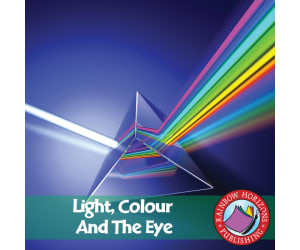
Light, Colour And The Eye Gr. 4-6
Science, Physics, Grade 4, 5, Teacher Tools, Lesson Plans
Light, Colour and the Eye Gr. 4-6 Teaching Resource Light, Colour and the Eye Gr. 4-6 is a crucial teaching resource engineered to aid in knowledge transmission across grades 4,5,and 6. This valuable tool primarily focuses on physical science uniting theories with practical experiments. Covered Topics Light/colour phenomena The visual capabilities of humans The intriguing world of luminous and illuminated objects Data on properties such as transparency, translucency, and opacity of various objects Fascinating Discoveries in Light's Properties: In this section, students get an opportunity to demystify concepts like light's ability to travel in straight lines and its refraction through prisms resulting into rainbow colours . The Human Eye Section: This section imparts knowledge about different parts of the eye via fun-filled experiments observIng pupil size changes under different situations & locating individual blind spots. Included Helpful Tools: Kid-engaging passages for reading, - Ensuring interaction between tutors & learners throughout study sessions. Crossword puzzle & Word search game/,/l> - Allowing participants to not only refresh memories but also enjoy lesson times by participation into thought-provoking activities accelerating learning process... A comprehensive assessment system combined with answer keys./,/l> This precious resource comes handy for whole class study plans or small group discussions aimed at specific lessons ensuring all-inclusive learning sessions making this knowledge disseminating process a fun-filled affair! A critical teaching aid available in an easily downloadable PDF format tailored specifically from Grade 4 to Grade 6, promising sure shot cognitive growth!
Author Classroom Complete Press
Tags PDF

Insects Reading Comprehension Passage - Cored Ed Encyclopedia
ELA, Reading Comprehension, Reading, Science, Pre-Reading, Language Development, Life Sciences, Insects, Earth and Environmental Sciences, Vocabulary, Grade 2, 3, 4, 5, Worksheets & Printables, Worksheets, Teacher Tools, Centers, Activities, Writing Prompts, Assessments, Quizzes and Tests, Quizzes, Lesson Plans
This Insects reading comprehension with lesson plan includes: Visualization (on the front cover) Start your lesson by taking a minute to think and share something about the topic. Read the script aloud (slowly), perhaps prepare some music or sound effects. Student close their eyes and let their imaginations wander. Students open their eyes, read the question aloud and give them a few minutes to complete. Ask a few students to share or keep answers until the end to compare with what they learn in the passage. Quick pause—thousands of Cored Education products are included with your TeachSimple membership. Download links and encyclopedia index available here. Pre-Reading Trivia Students will write down one thing they already know about the subject and then read five more facts and discuss. These facts are fun, and the students will enjoy learning about the subject before reading more. Give 1 minute for students to write what they already know (no pressure—best guess is fine). Read the five facts together. After each fact, do ask a student for their opinion, was it surprising? Set a purpose by asking students to highlight/underline one fact they want to learn more about during the reading. Reading Passage The text is a high-interest reading passage with set paragraphs, roughly three to four paragraphs long. It contains a variety of themes about the topic, anywhere from history to technology. The passage is between 250 and 350 words in length. First, ask students to look at the headings and see what they’ll learn about today. What do they know about the topic/heading? First read options: Teacher read-aloud (best for support). Partner reading (paragraph by paragraph). While reading, students underline important details, and vocabulary words they think may come up in the questions section. Mixed Questions The first question page contains four multiple-choice questions, each with a choice of four answers, and three written response questions that require a sentence or two from the student. Students complete the mcqs first independently, then review quickly as a class. For the 3 written responses, try to get students giving the answer with some form of evidence: “I think ___ because the text says ___.” If students get stuck, send them back to check the passage. Vocabulary Questions Practice seven key words from the text in this section across two activities. First section is scrambled words where students will unscramble three words given a clue for each. The second section is a word to meaning matching activity. Before starting, have some students read out words they underlined in the passage. Ask students to say the word and read aloud the sentence(s) around each word. Ask students to do scrambled words and the matching exercise in pairs then go through answers as a class. For the scrambled spelling task, get four pairs to come up to the board and write the words for extra practice with the other student reading out the clue. For the matching task, prompt students to give full sentences: “I matched ___ with ___ because ___.” Creative Writing In this question, the student will be required to write a five to eight sentence paragraph on a question related to the topic. Before starting, ask students write down 3 key ideas they are going to include in their piece. Ask students for ideas to share around the class to help those struggling. Pro writing expectations: 5–8 sentences At least 2 facts or details from the passage At least 2 vocabulary words from the previous page Students read their paragraphs while classmates listen for facts and vocabulary words. Extension Activities This page is optional for fast finishers or to take home. There are several activities, each one requiring a different skill. Do some, do none, do all, completely optional - but you will feel reassured knowing every possibility is planned for. Includes summary writting question and additional facts. Answer Key There are answers for the multiple-choice questions, written response questions have sample answers, vocabulary answers and if there is a summary question then a sample summary will be provided as well. Lesson Plan Included Customized lesson plan for this lesson is included. Lesson Snapshot Title: Insects Genre: Nonfiction (informational text) Subject: Reading (Informational Text) / Life Science Primary Topic: Insect body parts, growth, history, and study Estimated Guided Reading Level (A–Z): R What This Lesson Teaches Best Identifies core insect body parts and features (head, thorax, abdomen; six legs; antennae; compound eyes; many have wings). Explains how insects grow using an outside skeleton (exoskeleton) and why molting is needed as they get bigger. Describes butterfly life stages as an example of changing shape in stages (egg, caterpillar, chrysalis, winged adult). Connects insects to deep time and evidence from fossils (oldest known flying insects in the Carboniferous Period; many species today). Introduces how people study and classify insects over time (Aristotle, Carl Linnaeus, and modern entomology). Learning Goals Students will identify the three main insect body parts and describe what each part includes. Students will explain why insects must molt as they grow, using the idea of an exoskeleton. Students will describe the butterfly’s life stages in order, using details from the passage. Students will explain what fossils reveal about early flying insects and how insect groups changed over time. Students will define entomology and describe tools scientists use to study insects. Key Vocabulary From the Text thorax — middle body part where legs attach. abdomen — back body section behind the thorax. antennae — feelers that taste the air. exoskeleton — hard outer coat that works like a skeleton. entomology — the study of insects. FULL CATALOG OF DOWNLOAD LINKS AND ENCYCLOPEDIA INDEX HERE
Author Cored Education
Rating
Tags Vocabulary, Reading Comprehension, Reading Passages, Lesson Plans, Ela Lesson Plans, Reading Comprehension Lesson Plans, Pre-reading, Science Lesson Plans, Life Science, Insects

I WONDER - What Type Of Rock Is Gneiss | Animated Video Lesson
Geography, Social Studies, Grade 3, 4, 5, 6, 7, 8, 9, Lesson Plans, Teacher Tools
Video Introduction An amazing video designed for the students to learn more about famous places in different countries. I WONDER - What Type Of Rock Is Gneiss | Animated Video Lesson What do you know about this place? Do you know in which part of the world it is? Have you ever visited this place? If yes, can you tell us more about your adventure, and what do you like the most about this place? Do you like reading about Geography? What is your favorite country in the whole world? If you are going on a trip where it will be? Which country? What you are going to see there? Does this country has a famous place to visit? I WONDER - What Type Of Rock Is Gneiss | Animated Video Lesson The activity is perfect for encouraging the researching skills for the students, while learning more about this fantastic place. I WONDER - What Type Of Rock Is Gneiss | Animated Video Lesson This friendly designed video is suitable for students at school, homeschooling, and as a group activity. Format Available in MP4 format.
Author Educational Voice
Tags What Type Of Rock Is Gneiss, What Type Of Rock Is Gneiss Video, Gneiss, Gneiss Facts, Gneiss Facts For Kids, Gneiss Video, Gneiss Video For Kids, Rock, Rocks, Rocks Video

Yoga Reading Comprehension Passage - Cored Ed Encyclopedia
ELA, Language Development, Reading Comprehension, Reading, History, Social Studies, Pre-Reading, P.E. & Health, Yoga, Geography, Grade 2, 3, 4, 5, Worksheets & Printables, Worksheets, Teacher Tools, Centers, Activities, Writing Prompts, Assessments, Quizzes and Tests, Quizzes, Lesson Plans
This yoga reading comprehension with lesson plan includes: Visualization (on the front cover) Start your lesson by taking a minute to think and share something about the topic. Read the script aloud (slowly), perhaps prepare some music or sound effects. Student close their eyes and let their imaginations wander. Students open their eyes, read the question aloud and give them a few minutes to complete. Ask a few students to share or keep answers until the end to compare with what they learn in the passage. Quick pause—thousands of Cored Education products are included with your TeachSimple membership. Download links and encyclopedia index available here. Pre-Reading Trivia Students will write down one thing they already know about the subject and then read five more facts and discuss. These facts are fun, and the students will enjoy learning about the subject before reading more. Give 1 minute for students to write what they already know (no pressure—best guess is fine). Read the five facts together. After each fact, do ask a student for their opinion, was it surprising? Set a purpose by asking students to highlight/underline one fact they want to learn more about during the reading. Reading Passage The text is a high-interest reading passage with set paragraphs, roughly three to four paragraphs long. It contains a variety of themes about the topic, anywhere from history to technology. The passage is between 250 and 350 words in length. First, ask students to look at the headings and see what they’ll learn about today. What do they know about the topic/heading? First read options: Teacher read-aloud (best for support). Partner reading (paragraph by paragraph). While reading, students underline important details, and vocabulary words they think may come up in the questions section. Mixed Questions The first question page contains four multiple-choice questions, each with a choice of four answers, and three written response questions that require a sentence or two from the student. Students complete the mcqs first independently, then review quickly as a class. For the 3 written responses, try to get students giving the answer with some form of evidence: “I think ___ because the text says ___.” If students get stuck, send them back to check the passage. Vocabulary Questions Practice seven key words from the text in this section across two activities. First section is scrambled words where students will unscramble three words given a clue for each. The second section is a word to meaning matching activity. Before starting, have some students read out words they underlined in the passage. Ask students to say the word and read aloud the sentence(s) around each word. Ask students to do scrambled words and the matching exercise in pairs then go through answers as a class. For the scrambled spelling task, get four pairs to come up to the board and write the words for extra practice with the other student reading out the clue. For the matching task, prompt students to give full sentences: “I matched ___ with ___ because ___.” Creative Writing In this question, the student will be required to write a five to eight sentence paragraph on a question related to the topic. Before starting, ask students write down 3 key ideas they are going to include in their piece. Ask students for ideas to share around the class to help those struggling. Pro writing expectations: 5–8 sentences At least 2 facts or details from the passage At least 2 vocabulary words from the previous page Students read their paragraphs while classmates listen for facts and vocabulary words. Extension Activities This page is optional for fast finishers or to take home. There are several activities, each one requiring a different skill. Do some, do none, do all, completely optional - but you will feel reassured knowing every possibility is planned for. Includes summary writting question. Answer Key There are answers for the multiple-choice questions, written response questions have sample answers, vocabulary answers and if there is a summary question then a sample summary will be provided as well. Lesson Plan Included Customized lesson plan for this lesson is included. Lesson Snapshot Title: Yoga Genre: Nonfiction (informational text) Subject: Social Studies & Health/SEL (culture and well-being) / Informational Reading Primary Topic: Yoga’s origins, key ideas, and modern practice Estimated Guided Reading Level (A–Z): Q Support pages present: pre-reading trivia, mixed questions, vocabulary activities, creative writing, extension activities, and an answer key. What This Lesson Teaches Best Explains yoga as an old practice that began in India and grew over time. Defines what the word “yoga” can mean in the passage (“yoke” or “union,” like two things working as one). Describes key tools in yoga: body positions, steady breathing, and quiet attention (and how breathing can steady the mind). Introduces “sutras” and explains that Patanjali gathered yoga ideas into short lines meant to be remembered, including a description of yoga as a path with eight “limbs.” Traces how yoga changed in the 1900s, noting that teachers such as Tirumalai Krishnamacharya helped create modern postural yoga with flowing sequences taught in classes. Learning Goals Students will describe what the passage says the word “yoga” can mean. Students will identify tools the passage says yoga uses (body positions, steady breathing, quiet attention). Students will explain why careful breathing matters in some yoga traditions, using details from the text. Students will describe what sutras are and why they were written, according to the passage. Students will summarize how yoga changed in the 1900s based on the passage’s timeline. Key Vocabulary From the Text Sanskrit — a very old language from India. traditions — ways people practice and pass ideas over time. sutras — short lines of teaching meant to be remembered. meditation — a quiet practice to help the mind rest. asana — a steady seat for meditation, not a gym pose. FULL CATALOG OF DOWNLOAD LINKS AND ENCYCLOPEDIA INDEX HERE
Author Cored Education
Rating
Tags Vocabulary, Reading Comprehension, Reading Passages, Lesson Plans, Ela Lesson Plans, Reading Comprehension Lesson Plans, Pre-reading, Social Studies Lesson Plans, Yoga, History

I WONDER - What Did Roman Children Do For Fun | Animated Video Lesson
History: Europe, History, Social Studies, History: Ancient, Grade 4, 5, 6, 7, 8, 9, 10, Lesson Plans, Teacher Tools
Video Introduction An amazing video designed for the students to learn more about history. I WONDER - What Did Roman Children Do For Fun | Animated Video Lesson Do you like history? Which topic do you really enjoy about history? Have you ever read an interesting fact about the Vikings? If yes, can you mention them? What do you like most about the Victorian era? Can you name all the Tudors? Have you ever wondered how people used to live in ancient Japan and ancient China? Do you know any interesting facts about ancient Egyptians and the Pharaohs? Have you ever visited South America? What do you know about Incas and Aztecs? Celtic culture was really one of a kind, can you name any of the places that Celts used to live in? Imagine yourself living during the ancient Roman empire, how your life will look like? Ancient Greece was an amazing place to live in. What do you know about ancient Greek life? I WONDER - What Did Roman Children Do For Fun | Animated Video Lesson The video is perfect for encouraging the researching skills for the students, while learning more about history. I WONDER - What Did Roman Children Do For Fun | Animated Video Lesson This friendly designed video is suitable for students at school, homeschooling, and as a group activity. Format Available in MP4 format.
Author Educational Voice
Tags What Did Roman Children Do For Fun, What Did Roman Children Do For Fun Video, Roman Children, Roman Children Video, Roman Children Video For Kids, Roman Children Facts, Roman Children Facts For Kids

I WONDER - What Did The Microraptor Eat | Animated Video Lesson
Animals, Life Sciences, Science, History: Ancient, History, Social Studies, History: World, Grade 4, 5, 6, 7, 8, 9, 10, Lesson Plans, Teacher Tools
Video Introduction An amazing video designed for the students to learn more about dinosaurs in different countries. I WONDER - What Did The Microraptor Eat | Animated Video Lesson Do you like dinosaurs? what is your favorite one? Do you own a pet? If yes, tell us more about it, like what its name? And what do you like most about it? Do you think that your pet has been evolved from a dinosaur? Can you write down the characteristics of your favourite dinosaur like it's shape, their rivals, where did it use to live and what was their favourite food? What is the largest and the smallest dinosaur that ever found? Why is the T-rex is so famous? Have you ever read any interesting facts about it? Can you name any of the carnivores or herbivores dinosaurs? I WONDER - What Did The Microraptor Eat | Animated Video Lesson The video is perfect for encouraging the researching skills for the students, while learning more about dinosaurs. I WONDER - What Did The Microraptor Eat | Animated Video Lesson This friendly designed video is suitable for students at school, homeschooling, and as a group activity. Format Available in MP4 format.
Author Educational Voice
Rating
Tags What Did The Microraptor Eat, What Did The Microraptor Eat Video, Microraptor, Microraptor Facts, Microraptor Video, Microraptor Video For Kids, Microraptor Facts For Kids, Dinosaur, Dinosaurs

Growing Minds in Science #1: Lessons for Stimulating Thinking
, Grade 4, 5, 6, 7, 8, Teacher Tools, Lesson Plans
Growing Minds in Science #1: Lessons for Stimulating Thinking An enriching teaching resource designed to stimulate deep thought and exploration in the field of science. Packed with activities aimed at fortifying students' critical thinking skills, this PDF covers various aspects of scientific reasoning and research. Objective of the Teaching Material: The main aim is to encourage minds to grow through knowledge. Educators can plan engaging sessions where students partake in tasks such as classifying items, exploring logical statements requiring evidence-based conclusions, among others. Inclusive Lesson Planning: Features numerous levels of student involvement for grades 4 through 8. Suitable for diverse learner-centered classrooms or homeschooling scenarios. No child is left out with inclusive learning techniques used across lessons. Teacher Guides and Efficiency: Each activity is comprehensively explained through teacher guides included with every task. Lesson preparation becomes simplified enabling educators to adapt instructions based on individual needs or group settings. Growing Minds in Science #1 as a Homework Assignment Tool: This versatile tool goes beyond traditional classroom setup; it works seamlessly as a homework assignment tool too. The research-oriented tasks stimulate self-paced learning and exploration outside school settings resulting in autonomous learners preparing from young ages for future higher-level educations needs. In essence, If you're seeking an all-in-one resource to fuel your students’ curiosity while honing practical scientific skills – Growing Minds In Science #1: Lessons for Stimulating Thinking could be your ideal choice!
Author Classroom Complete Press
Tags Science Lessons, Science Activity, Thinking Skills, Hypothesis, Growing Minds
Reading Comprehension: Sequencing
ELA, Reading, Reading Comprehension, Common Core, Grade 5, 6, 7, 8, Teacher Tools, Lesson Plans
Reading Comprehension: Sequencing This educational resource is a specialized extract from the comprehensive lesson plan Reading Comprehension. Primarily designed for grades 5 through 8 in Language Arts programs, its main goal is to successfully develop a child's reading comprehension and fluency. Reading is undeniably one of the most critical communication skills in our society. Hence, this guide emphasizes several fundamental aspects of reading. It addresses crucial elements such as context clues utilization, ascertainment of passages or stories' main idea correctly and development of inference skills. The user-friendly layout of this teaching aid allows ease in understanding and seamlessly absorbing shared tips. It teaches students about these core components by defining key terms and providing numerous practice opportunities. Key Concepts in Reading The importance of utilizing context clues Ascertaining the correct primary subject matter from passages or stories Cultivating inference abilities for better understanding A noteworthy feature that sets Reading Comprehension: Sequencing apart from other resources is its alignment with two recognized guidelines - Common Core State Standards and Blooms Taxonomy, ensuring aptness for instructional techniques. This impeccably structured resource would prove highly beneficial for educators executing group sessions or overseeing individual study times at school or home - helping improve your students’ comprehension skills significantly. Possible Implementation Methods: Group work discussions focusing on sequencing elements within texts during class periods Distributing pages as homework assignments Finally, it’s worth mentioning that this guide comes as a PDF file making it conveniently accessible across various devices – integrating seamlessly into any teaching plan with broad objectives ranging from enhancing overall reading comprehension to understanding sequence in the larger context of language arts.
Author Classroom Complete Press
Tags PDF
I WONDER - What Do Different Veins And Arteries Do In The Body
Biology, Life Sciences, Science, Human Body, STEM, Grade 4, 5, 6, 7, 8, 9, 10, Lesson Plans, Teacher Tools
Video Overview The human body is full of fascinating wonders to learn. This video is created to help the students recognize the anatomy and the job of the human body. I WONDER - What Do Different Veins And Arteries Do In The Body | Animated Video Lesson Every part and organ in our human body is vital so let's see how important they are. Have you ever imagined how we look like if we didn't have a skeleton? Did you know that because we have our amazing muscles we can stand! Do you know how many teeth do we have? Have you ever wondered about the food journey inside our body? Can you name all the glands in our body? Why do we have skin? Our nervous system is really good at sending signals. Can you tell us more about it? Are you really good at Mathematics, painting, or any other thing? You should really thank your brain about it! The famous five senses are really doing a great work? Can you explain how every sense works? I WONDER - What Do Different Veins And Arteries Do In The Body | Animated Video Lesson The video is perfect for encouraging the researching skills for the students, while learning more about our fantastic human body. I WONDER - What Do Different Veins And Arteries Do In The Body | Animated Video Lesson This friendly designed video is suitable for students at school, homeschooling, and as a group activity. Format Available in MP4 format.
Author Educational Voice
Tags What Do Different Veins And Arteries Do In The Body, What Do Different Veins And Arteries Do In The Body Video, Veins And Arteries, Veins And Arteries Video, Veins And Arteries Video For Kids, Veins And Arteries Facts

Ecosystems: Populations
Science, Earth and Environmental Sciences, Environmental Science, Common Core, Grade 5, 6, 7, 8, Teacher Tools, Lesson Plans
Ecosystems: Populations - A Valuable Teaching Resource The teaching resource, Ecosystems: Populations, is an invaluable asset for educators aiming to add depth and clarity to their students’ understanding of the intricate relationships within ecosystems. This chapter slice from the comprehensive lesson plan "Ecosystems," delves into the fundamental aspects of biotic and abiotic ecosystems in a manner that is truly enriching yet easy-to-follow. Improve Students' Understanding Teachers can enhance student comprehension by dissecting essential contrasts: Producers vs Consumers, Decomposers vs Evolving populations. This resource elucidates changes in ecosystems and provides a keen perspective on Food Chains and Webs—concepts that often baffle students attempting to grasp ecosystem dynamics. The integral role of water cycles interacting with entities ranging from man down to microorganisms. About The Resource This science educational resource offers 27 pages in a ready-to-print PDF format aimed at grade 5-8 curriculum's environmental science subset. The package encompasses reading passages crafted with simplified language and vocabulary which would suit remedial students perfectly without compromising content integrity. Color Mini Posters: The set also includes well-designed color mini posters making visual learning more engaging while complementing each student's unique learning style. Interactive Activities: Adding versatility to its application are interactive activities that promote participation and better retention amongst learners. All content aligns with Common Core State Standards—an indicative of its relevancy—while also adhering meticulously to Bloom's Taxonomy—an effective methodology encouraging higher forms of thinking among learners—and STEM initiatives that reflect real-world situations thereby fostering critical thinking skills beyond classroom boundaries. Make it a part of your teaching arsenal Embrace this tool as part of your teaching arsenal; impart pivotal scientific knowledge proficiently, equipped by 'Ecosystems: Populations' today. Let us simplify the route to understanding the intricate harmony within Earth's diverse ecosystems while instilling values of environmental stewardship in our young learners.
Author Classroom Complete Press
Tags Science Lesson Plan, Ecosystems Lesson, Ecosystems Text, Populations, Environment

Connecting Words Intermediate ESL ELA TEFL Lesson Plan
ELA, Language Development, ESL, Grade 4, 5, 6, 7, 8, 9, 10, 11, 12, Teacher Tools, Lesson Plans
This is anESL ELA and TEFL intermediate lesson plan worksheet set for Connecting Words. In this TEFL resource students will learn how to add connecting words to their English vocabulary to help improve their fluency. Connecting words help us to build bigger and better sentences. Connecting words are words like additionally, however, moreover, and, again, firstly, what's more etc. They enable us to create better fluency in both written and speaking English. Students will learn more about these and then complete the various exercises to follow, which will assess their comprehension and implement grammar skills. Here is what is included in this lesson plan: flash cards warmer conversation questions main use, construction open questions closed questions activity writing drill extra study. The TEFL resource is available in PDF with 33 ready to print pages and one digital access file. A part of it is on Google Apps. The answer key is also included for reference.
Author TEAM TEFL
Tags Sequencing, ESL Lesson, Cause And Effect, Connecting Words, Comparisons
I WONDER - What Does Sunset Look Like On Mars | Animated Video Lesson
Space, Earth and Environmental Sciences, Science, Grade 3, 4, 5, 6, 7, 8, 9, Lesson Plans, Teacher Tools
Video Introduction An amazing video designed for the students to learn more about space facts. I WONDER - What Does Sunset Look Like On Mars | Animated Video Lesson Have you ever thought about travelling to space?! Join us with this amazing video about The Moon Ganymede. Can you name any three facts about The Moon Ganymede? How amazing is space! Let's discover some amazing facts about planets and moons! Do you know that we have two kinds of planets in our solar system? Can you name the planets based upon their core type? I WONDER - What Does Sunset Look Like On Mars | Animated Video Lesson The video is perfect for encouraging the researching skills for the students, while learning more about the fantastic space. I WONDER - What Does Sunset Look Like On Mars | Animated Video Lesson This friendly designed video is suitable for students at school, homeschooling, and as a group activity. Format Available in MP4 format.
Author Educational Voice
Rating
Tags What Does Sunset Look Like On Mars, Mars, Mars Facts, Mars Facts For Kids, Mars Video, Mars Video For Kids, Sunset On Mars, Sunset On Mars Facts, Sunset On Mars Video, Sunset On Mars Facts For Kids
I WONDER - What Are Cricket Bats Made From | Animated Video Lesson
Sports, P.E. & Health, Grade 4, 5, 6, 7, 8, 9, 10, Lesson Plans, Teacher Tools
Video Introduction An amazing video designed for the students to learn more about sports in different countries. I WONDER - What Are Cricket Bats Made From | Animated Video Lesson What is your favorite sport? Tell us more about it. Who is your favorite athlete? Or what is your favorite team? Do you know who invented basketball? When basketball has been invented? Can you tell us where is the first time it has been played? Have you ever played soccer or football? If yes, tell us what was your position: A goal keeper, midfield player, or a defender? Do you like watching golf? If yes who is your favorite player? Can you name the differences between tennis and ping pong? Have you ever played volleyball on the beach? When it has been officially recognized by the Olympics? Do you like watching Formula 1 races? If yes, who is your favorite team or driver? Have you ever tried to play handball? If yes tell us more. Do you like watching people skiing or surfing? I WONDER - What Are Cricket Bats Made From | Animated Video Lesson The video is perfect for encouraging the researching skills for the students, while learning more about this sport. I WONDER - What Are Cricket Bats Made From | Animated Video Lesson This friendly designed video is suitable for students at school, homeschooling, and as a group activity. Format Available in MP4 format.
Author Educational Voice
Rating
Tags What Are Cricket Bats Made From, What Are Cricket Bats Made From Video, Cricket Bats, Cricket Bats Video, Cricket Bats Video For Kids, Cricket Bats Facts, Cricket Bats Facts For Kids, Cricket
I WONDER - What Do Red Pandas Eat | Animated Video Lesson
STEM, Animals, Life Sciences, Science, Biology, Grade 1, 2, 3, 4, 5, 6, 7, 8, Lesson Plans, Teacher Tools
Video Introduction Animal kingdoms are full of fascinating wonders to learn. This video is designed for the students to learn more about animals in different countries. I WONDER - What Do Red Pandas Eat | Animated Video Lesson Do you like animals? what is your favorite one? Do you own a pet? If yes, tell us more about it, like what its name? And what do you like most about it? What are the animal kingdoms? Can you write down the characteristics of each animal class like mammals, birds, reptiles, amphibian, fish and mollusks. Do you know that some animals can sing, can you name any of them? What is the largest and the smallest mammal in the world? What is the largest and the smallest bird in the world? What is the largest and the smallest fish in the world? I WONDER - What Do Red Pandas Eat | Animated Video Lesson The video is perfect for encouraging the researching skills for the students, while learning more about these fantastic animals. I WONDER - What Do Red Pandas Eat | Animated Video Lesson This friendly designed video is suitable for students at school, homeschooling, and as a group activity. Format Available in MP4 format.
Author Educational Voice
Tags What Do Red Pandas Eat, What Do Red Pandas Eat Video, Red Pandas, Red Panda, Red Pandas Food, Red Pandas Food Facts, Red Pandas Food Facts For Kids, Red Pandas Food Video, Red Pandas Food Video For Kids

How to Write a Book Report: Kinds of Book Reports
ELA, Writing, Common Core, Grade 5, 6, 7, 8, Teacher Tools, Lesson Plans
How to Write a Book Report: Kinds of Book Reports An invaluable teaching resource designed for educators seeking to improve their students' book reporting skills. This resource focuses on the different types of book reports, introducing students to various formats and approaches. The concept of writing a book report often induces groans among the students. Yet, this elegantly crafted workbook is designed to engage pupils in an interactive learning process that demystifies the art of book reporting. Characterized by clear instruction during drafting and revision phases, this tool presents opportunities for learners from 5th grade through 8th grade, making it suitable for a broad range of language arts classes. Applicable across multiple educational structures such as public school classrooms or homeschooling scenarios Can be implemented in several ways - it can serve as core content during whole group instruction or used as reference material in small learning groups. Useful as supplementary homework exercise allowing learners additional practice outside formal class hours. Based on Bloom's Taxonomy learning objectives,the workbook provides thorough insights into the correct form and mechanics pertinent to all types of book reports. Further enhancing its usability is its adherence with Common Core State Standards which ensure compatibility with globally accepted student-learning outcomes. In addition to delivering comprehensive instructional content housed within vibrant six color graphic organizers that review skill focus areas and guide students through productive writing processes; This resource presents an implementation guide for educators coupled with an effective assessment rubic, Rounding off its offering are entertaining word puzzles and comprehension quiz that blends education with fun while stimulating cognition amongst learners The entire content package comes consolidated within one product file; delivered in PDF format providing uncomplicated access while preserving quality.
Author Classroom Complete Press
Tags PDF

I WONDER - Did Columbus See Anything Unusual On The Way To America
Biographies, Social Studies, Grade 4, 5, 6, 7, 8, 9, 10, Lesson Plans, Teacher Tools
Video Introduction An amazing video designed for the students to learn more about famous people in different countries. I WONDER - Did Columbus See Anything Unusual On The Way To America | Animated Video Lesson History is full of impressive people who changed history and the way we live! So tell us who is your role model? Cn you tell us his / her story? Why did you choose that person? Have you ever thought about who invented the gum and why he invented it? Or who is the first one in history to look up above and wonder why we can't fly then started to invent the first plane? Do you think that life would be the same if the Bluetooth and the Wi-Fi haven't been invented? I WONDER - Did Columbus See Anything Unusual On The Way To America | Animated Video Lesson The video is perfect for encouraging the researching skills for the students, while learning more about this fantastic place. I WONDER - Did Columbus See Anything Unusual On The Way To America | Animated Video Lesson This friendly designed video is suitable for students at school, homeschooling, and as a group activity. Format Available in MP4 format.
Author Educational Voice
Rating
Tags Did Columbus See Anything Unusual On The Way To America, Columbus, Columbus Facts, Columbus Video, Columbus Video For Kids, Columbus Facts For Kids, American History, Finding America

I WONDER - How Strong Are Leopards | Animated Video Lesson
STEM, Biology, Life Sciences, Science, Animals, Grade 1, 2, 3, 4, 5, 6, 7, 8, Lesson Plans, Teacher Tools
Video Introduction Animal kingdoms are full of fascinating wonders to learn. This video is designed for the students to learn more about animals in different countries. I WONDER - How Strong Are Leopards | Animated Video Lesson Do you like animals? what is your favorite one? Do you own a pet? If yes, tell us more about it, like what its name? And what do you like most about it? What are the animal kingdoms? Can you write down the characteristics of each animal class like mammals, birds, reptiles, amphibian, fish and mollusks. Do you know that some animals can sing, can you name any of them? What is the largest and the smallest mammal in the world? What is the largest and the smallest bird in the world? What is the largest and the smallest fish in the world? I WONDER - How Strong Are Leopards | Animated Video Lesson The video is perfect for encouraging the researching skills for the students, while learning more about these fantastic animals. I WONDER - How Strong Are Leopards | Animated Video Lesson This friendly designed video is suitable for students at school, homeschooling, and as a group activity. Format Available in MP4 format.
Author Educational Voice
Tags How Strong Are Leopards, How Strong Are Leopards Video, Leopards, Leopards Facts, Leopards Facts For Kids, Leopards Video, Leopards Video For Kids, Leopard, Leopard Facts, Leopard Facts For Kids

I WONDER - Can We See Uranus From Earth | Animated Video Lesson
Space, Earth and Environmental Sciences, Science, Grade 4, 5, 6, 7, 8, 9, 10, Lesson Plans, Teacher Tools
Video Introduction An amazing video designed for the students to learn more about space facts. I WONDER - Can We See Uranus From Earth | Animated Video Lesson Do you like reading about space? If yes, what is your favorite topic? What do you know about our solar system? What is the smallest planet in our solar system? What is the biggest planet in our solar system? What is the hottest planet in our solar system? And what is the coldest one? Do you think there are aliens? If yes, what do you think they look like? What do they eat and how they speak to each other? Where do they live? What is a galaxy? And what is a milky way? Have you recently saw a shooting star? If yes, tell us more about it, like when did it happen and where? What is a blackhole? Can a blackhole gets bigger by time? Do you like counting the stars? What do you think a star is made of? I WONDER - Can We See Uranus From Earth | Animated Video Lesson The video is perfect for encouraging the researching skills for the students, while learning more about the fantastic space. I WONDER - Can We See Uranus From Earth | Animated Video Lesson This friendly designed video is suitable for students at school, homeschooling, and as a group activity. Format Available in MP4 format.
Author Educational Voice
Tags Can We See Uranus From Earth, Can We See Uranus From Earth Video, Uranus, Uranus Facts, Uranus Facts For Kids, Uranus Video, Uranus Video For Kids, Space, Space Facts, Space Video For Kids
I WONDER - Is There Any Dinosaurs Alive Today | Animated Video Lesson
Animals, Life Sciences, Science, History: Ancient, History, Social Studies, History: World, Grade 3, 4, 5, 6, 7, 8, 9, Lesson Plans, Teacher Tools
Video Introduction An amazing video designed for the students to learn more about dinosaurs in different countries. I WONDER - Is There Any Dinosaurs Alive Today | Animated Video Lesson Dinosaurs are really huge creatures. Do you think there was tiny dinosaurs living on earth? Or are there any dinosaurs live till now?! How big was the t-rex? And how heavy it was? Do you know how each dinosaur gets its name? And who named them? What do you think the dinosaurs favourite food? Do you think there were flying dinosaurs? I WONDER - Is There Any Dinosaurs Alive Today | Animated Video Lesson The video is perfect for encouraging the researching skills for the students, while learning more about dinosaurs. I WONDER - Is There Any Dinosaurs Alive Today | Animated Video Lesson This friendly designed video is suitable for students at school, homeschooling, and as a group activity. Format Available in MP4 format.
Author Educational Voice
Rating
Tags Is There Any Dinosaurs Alive Today, Dinosaurs, Dinosaurs Facts, Dinosaurs Video, Dinosaurs Facts For Kids, Dinosaurs Video For Kids, Dinosaur, Dinosaur Facts, Dinosaur Video, Dinosaur Facts For Kids
I WONDER - What Uses Do Fruits Have | Animated Video Lesson
Nature & Plants, Life Sciences, Science, STEM, Grade 5, 6, 7, 8, 9, 10, 11, Teacher Tools, Lesson Plans
Video Introduction An amazing video designed for the students to learn more about STEM. I WONDER - What Uses Do Fruits Have | Animated Video Lesson Do you like STEM subjects? what is your favorite one? Have you ever tried to plant a seed? If yes, tell us more about it. Or have you ever tried to invent something? If yes, tell us more about it. And how do you think it will help us? Have you ever seen a microorganism under a microscope? What was it? And how it looked like? Mathematics is a marvelous subject. Let' sharpen our brains and solve some equations. Do you like timetable tricks? What is your favorite one? Do you know how to code? Have you ever created an app or a game before? If yes, how was it like? I WONDER - What Uses Do Fruits Have | Animated Video Lesson The video is perfect for encouraging the researching skills for the students, while learning more about this fantastic topic. I WONDER - What Uses Do Fruits Have | Animated Video Lesson This friendly designed video is suitable for students at school, homeschooling, and as a group activity. Format Available in MP4 format.
Author Educational Voice
Tags What Uses Do Fruits Have, What Uses Do Fruits Have Video, Fruits, Fruits Facts, Fruits Facts For Kids, Fruits Video, Fruits Video For Kids, Fruits Facts Video For Kids, Stem, Stem Video
I WONDER - How Long Do Orangutans Live | Animated Video Lesson
STEM, Animals, Life Sciences, Science, Biology, Grade 1, 2, 3, 4, 5, 6, 7, 8, Lesson Plans, Teacher Tools
Video Introduction Animal kingdoms are full of fascinating wonders to learn. This video is designed for the students to learn more about animals in different countries. I WONDER - How Long Do Orangutans Live | Animated Video Lesson Do you like animals? what is your favorite one? Do you own a pet? If yes, tell us more about it, like what its name? And what do you like most about it? What are the animal kingdoms? Can you write down the characteristics of each animal class like mammals, birds, reptiles, amphibian, fish and mollusks. Do you know that some animals can sing, can you name any of them? What is the largest and the smallest mammal in the world? What is the largest and the smallest bird in the world? What is the largest and the smallest fish in the world? I WONDER - How Long Do Orangutans Live | Animated Video Lesson The video is perfect for encouraging the researching skills for the students, while learning more about these fantastic animals. I WONDER - How Long Do Orangutans Live | Animated Video Lesson This friendly designed video is suitable for students at school, homeschooling, and as a group activity. Format Available in MP4 format.
Author Educational Voice
Tags How Long Do Orangutans Live, How Long Do Orangutans Live Video, Orangutans, Orangutan, Orangutans Facts, Orangutans Facts For Kids, Orangutans Video, Orangutans Video For Kids, Orangutan Video
I WONDER - Can All Glass Be Recycled | Animated Video Lesson
Earth Sciences, Earth and Environmental Sciences, Science, Environmental Science, Grade 3, 4, 5, 6, 7, 8, 9, Lesson Plans, Teacher Tools
Video Introduction An amazing video designed for the students to learn more about STEM. I WONDER - Can All Glass Be Recycled | Animated Video Lesson Our environment is so precious, can you name different ways to help our environment to be clean? Have you ever recycled a material? If yes, tell us what was the material was it paper, plastic, glass or aluminum? How did you recycled it? What are the types of clean energy? How do hydro power works? Where can we find wind turbines? What is climate change? And what we can do to stop it? What are the different types of ecosystems? I WONDER - Can All Glass Be Recycled | Animated Video Lesson The video is perfect for encouraging the researching skills for the students, while learning more about this fantastic topic. I WONDER - Can All Glass Be Recycled | Animated Video Lesson This friendly designed video is suitable for students at school, homeschooling, and as a group activity. Format Available in MP4 format.
Author Educational Voice
Rating
Tags Can All Glass Be Recycled, Recycling Glass, Recycling Glass Facts, Recycling Glass Facts For Kids, Recycling Glass Video, Recycling Glass Video For Kids, Recycling, Recycling Facts, Recycling Video

I WONDER - What Skills Do Parrots Have | Animated Video Lesson
STEM, Animals, Life Sciences, Science, Biology, Grade 1, 2, 3, 4, 5, 6, 7, 8, Lesson Plans, Teacher Tools
Video Introduction Animal kingdoms are full of fascinating wonders to learn. This video is designed for the students to learn more about animals in different countries. I WONDER - What Skills Do Parrots Have | Animated Video Lesson Do you like animals? what is your favorite one? Do you own a pet? If yes, tell us more about it, like what its name? And what do you like most about it? What are the animal kingdoms? Can you write down the characteristics of each animal class like mammals, birds, reptiles, amphibian, fish and mollusks. Do you know that some animals can sing, can you name any of them? What is the largest and the smallest mammal in the world? What is the largest and the smallest bird in the world? What is the largest and the smallest fish in the world? I WONDER - What Skills Do Parrots Have | Animated Video Lesson The video is perfect for encouraging the researching skills for the students, while learning more about these fantastic animals. I WONDER - What Skills Do Parrots Have | Animated Video Lesson This friendly designed video is suitable for students at school, homeschooling, and as a group activity. Format Available in MP4 format.
Author Educational Voice
Tags What Skills Do Parrots Have, What Skills Do Parrots Have Video, Parrots, Parrot, Parrots Facts, Parrots Facts For Kids, Parrots Video, Parrots Video For Kids, Parrot Facts, Parrot Video

I WONDER - Why Are Invertebrates Important | Animated Video Lesson
Animals, Life Sciences, Science, Biology, STEM, Grade 1, 2, 3, 4, 5, 6, 7, 8, Lesson Plans, Teacher Tools
Video Introduction Animal kingdoms are full of fascinating wonders to learn. This video is designed for the students to learn more about animals in different countries. I WONDER - Why Are Invertebrates Important | Animated Video Lesson Do you like animals? what is your favorite one? Do you own a pet? If yes, tell us more about it, like what its name? And what do you like most about it? What are the animal kingdoms? Can you write down the characteristics of each animal class like mammals, birds, reptiles, amphibian, fish and mollusks. Do you know that some animals can sing, can you name any of them? What is the largest and the smallest mammal in the world? What is the largest and the smallest bird in the world? What is the largest and the smallest fish in the world? I WONDER - Why Are Invertebrates Important | Animated Video Lesson The video is perfect for encouraging the researching skills for the students, while learning more about these fantastic animals. I WONDER - Why Are Invertebrates Important | Animated Video Lesson This friendly designed video is suitable for students at school, homeschooling, and as a group activity. Format Available in MP4 format.
Author Educational Voice
Tags Why Are Invertebrates Important, Why Are Invertebrates Important Video, Invertebrates, Invertebrate, Invertebrates Facts, Invertebrates Facts For Kids, Invertebrates Video, Invertebrates Video For Kids