



2,365 products added recently
Page 51 - 5th Grade Lesson Plans
Prepare your fifth graders for future challenges with lesson plans that promote higher-order thinking and mastery of key concepts. These resources encourage collaboration and in-depth exploration across subjects. Use them to guide your students toward readiness for middle school.

 Show filters


I WONDER - What Are Aquatic Plants | Animated Video Lesson
Science, Nature & Plants, Life Sciences, Grade 5, 6, 7, 8, 9, 10, Lesson Plans, Teacher Tools
Video Introduction An amazing activity designed for the students to learn more about STEM. I WONDER - What Are Aquatic Plants | Animated Video Lesson Do you like STEM subjects? what is your favorite one? Have you ever tried to plant a seed? If yes, tell us more about it. Or have you ever tried to invent something? If yes, tell us more about it. And how do you think it will help us? Have you ever seen a microorganism under a microscope? What was it? And how it looked like? Mathematics is a marvelous subject. Let' sharpen our brains and solve some equations. Do you like timetable tricks? What is your favorite one? Do you know how to code? Have you ever created an app or a game before? If yes, how was it like? I WONDER - What Are Aquatic Plants | Animated Video Lesson The video is perfect for encouraging the researching skills for the students, while learning more about this fantastic topic. I WONDER - What Are Aquatic Plants | Animated Video Lesson This friendly designed video is suitable for students at school, homeschooling, and as a group activity. Format Available in MP4 format.
Author Educational Voice
Tags What Are Aquatic Plants, What Are Aquatic Plants Video, Aquatic Plants, Aquatic Plants Facts, Aquatic Plants Facts For Kids, Aquatic Plants Video, Aquatic Plants Video For Kids, Aquatic Plant

I WONDER - What Instruments Are In The Brass Section
Music, Creative Arts, Grade 3, 4, 5, 6, 7, 8, 9, Lesson Plans, Teacher Tools
Video Introduction An amazing video designed for the students to learn more about music. I WONDER - What Instruments Are In The Brass Section | Animated Video Lesson The brass section features powerful and dynamic instruments that can produce a wide range of tones, from soft and mellow to bright and heroic. Trumpets have a brilliant, piercing sound, often used for fanfares or energetic melodies. Trombones have a rich, full tone and can slide between notes, creating a unique, expressive sound. French horns have a warm, velvety quality, and they often play sustained harmonies or gentle melodies. Tubas are the largest brass instruments, providing a deep, resonant foundation for the brass section and the entire orchestra. I WONDER - What Instruments Are In The Brass Section | Animated Video Lesson The video is perfect for encouraging the artistic skills for the students, while learning more about this fantastic topic. I WONDER - What Instruments Are In The Brass Section | Animated Video Lesson This friendly designed video is suitable for students at school, homeschooling, and as a group activity. Format Available in MP4 format.
Author Educational Voice
Rating
Tags What Instruments Are In The Brass Section, What Instruments Are In The Brass Section Video, Brass Instruments, Brass Instruments Facts, Brass Instruments Video, Brass Instruments Video For Kids, Brass Instruments Facts For Kids
Number & Operations: Percentages with Fractions - Practice the Skill 2 - PC Software
Math, Percentages, Common Core, Grade 3, 4, 5, Teacher Tools, Lesson Plans
Number & Operations: Percentages with Fractions - Practice the Skill 2 - PC Software This educational resource is expertly created to bolster understanding of percentages and fractions within number operations. Primarily targeting Grade 3-5 students, this software is a staple for any forward-thinking educator. Core Features Tailored Curriculum Content: This involves timed drill activities that prompt students to find equivalent fractions for supplied percentages. Linguistic Inclusivity: While having English as a default medium for voice over and text, Spanish counterparts are not forgotten– making this tool useful across diverse linguistic classrooms. Versatile Implementation: The software seamlessly aligns with Common Core State Standards and adheres to the guidelines stipulated by NCTM standards thus promoting learners' comprehensive understanding of mathematics pertaining to percentages and fractions. Note: The product comes ready-to-use immediately upon purchase as a zipped file containing the PC software. Simply unzip on your computer system and proceed with enriching experience it offers! Incorporating Number & Operations: Percentages with Fractions – Practice the Skill II- PC Software into your teaching regime will not only enhance mathematical proficiency but also foster multilingual skills amongst learners. An essential tool indeed!
Author Classroom Complete Press
Tags Percentages Lesson Plan, Fractions Lesson Plan, Math Skills, Operations, Math Printables

The Adventures of Tom Sawyer: Exploring Literature Teaching Unit
ELA, Literature, Grade 3, 4, 5, 6, Teacher Tools, Lesson Plans
Exploring Literature is a complete teaching unit designed to give you everything needed to help students understand and appreciate fine literature. This exciting approach includes classroom-tested activities sure to save you hours of valuable preparation time.
Author Classroom Complete Press
Tags The Adventures Of Tom Sawyer, Teacher Unit, Reading Comprehension, Lesson Plan, Literature, The Adventures Of Tom Sawyer Lesson Plans Middle School

I WONDER - Why Do Walruses Have Tusks | Animated Video Lesson
STEM, Biology, Life Sciences, Science, Animals, Grade 1, 2, 3, 4, 5, 6, 7, 8, Lesson Plans, Teacher Tools
Video Introduction Animal kingdoms are full of fascinating wonders to learn. This video is designed for the students to learn more about animals in different countries. I WONDER - Why Do Walruses Have Tusks | Animated Video Lesson Do you like animals? what is your favorite one? Do you own a pet? If yes, tell us more about it, like what its name? And what do you like most about it? What are the animal kingdoms? Can you write down the characteristics of each animal class like mammals, birds, reptiles, amphibian, fish and mollusks. Do you know that some animals can sing, can you name any of them? What is the largest and the smallest mammal in the world? What is the largest and the smallest bird in the world? What is the largest and the smallest fish in the world? I WONDER - Why Do Walruses Have Tusks | Animated Video Lesson The video is perfect for encouraging the researching skills for the students, while learning more about these fantastic animals. I WONDER - Why Do Walruses Have Tusks | Animated Video Lesson This friendly designed video is suitable for students at school, homeschooling, and as a group activity. Format Available in MP4 format.
Author Educational Voice
Tags Why Do Walruses Have Tusks, Why Do Walruses Have Tusks Video, Walruses Tusks, Walruses Tusks Facts, Walruses Tusks Facts For Kids, Walruses Tusks Video, Walruses Tusks Video For Kids, Walrus

I WONDER - What Are Natural Pesticides | Animated Video Lesson
Science, Insects, Life Sciences, Nature & Plants, Biology, Grade 5, 6, 7, 8, 9, 10, Lesson Plans, Teacher Tools
Video Introduction An amazing video designed for the students to learn more about STEM. I WONDER - What Are Natural Pesticides | Animated Video Lesson Plants world is really fascinating! Do you know that some flowers eat insects? Some other plants like to grow on walls can you mention any? Do you know what is the difference between fungicide and pesticide? If yes, Can you tell us more about it? What is nuclear energy? Is it safe to use it? Do you think it is a clean energy? Have you ever read about potential energy? If yes, tell us what it is? Do you think that potential energy can be converted into another form of energy? How it happens? I WONDER - What Are Natural Pesticides | Animated Video Lesson The video is perfect for encouraging the researching skills for the students, while learning more about this fantastic topic. I WONDER - What Are Natural Pesticides | Animated Video Lesson This friendly designed video is suitable for students at school, homeschooling, and as a group activity. Format Available in MP4 format.
Author Educational Voice
Rating
Tags What Are Natural Pesticides, Natural Pesticides, Natural Pesticides Facts, Natural Pesticides Video, Natural Pesticides Video For Kids, Natural Pesticides Facts For Kids, Pesticides, Pesticides Facts

I WONDER - Who Is Jane Goodall | Animated Video Lesson
Biographies, Social Studies, Grade 4, 5, 6, 7, 8, 9, 10, Lesson Plans, Teacher Tools
Video Introduction An amazing video designed for the students to learn more about famous people in different countries. I WONDER - Who Is Jane Goodall | Animated Video Lesson Do you know this person? How much do you know about him/her? Who is your idol? Why did you choose this person? Tell us more about him/her? Who is your favorite athlete? Or what is your favorite team? Have you recently heard a story about a famous person? Who was this person? Can you tell us more about him/her. Who is your favorite president, king, or queen? Why you chose that person? In your country, who are the most famous people? What did they do? Can you tell us more about them. What is your favorite invention? Who invented it? Who is your favorite artist? What is the most famous thing he/she have done? What is the most enjoyable you have read before? Who wrote it? I WONDER - Who Is Jane Goodall | Animated Video Lesson The video is perfect for encouraging the researching skills for the students, while learning more about this fantastic place. I WONDER - Who Is Jane Goodall | Animated Video Lesson This friendly designed video is suitable for students at school, homeschooling, and as a group activity. Format Available in MP4 format.
Author Educational Voice
Rating
Tags Who Is Jane Goodall, Who Is Jane Goodall Video, Jane Goodall, Jane Goodall Facts, Jane Goodall Video, Jane Goodall Video For Kids, Jane Goodall Facts For Kids, Jane Goodall Life, Famous People

Classification & Adaptation: Invertebrates Gr. 5-8
Science, Life Sciences, Biology, Grade 5, 6, 7, 8, Teacher Tools, Lesson Plans
Classification & Adaptation: Invertebrates Gr. 5-8 A comprehensive teaching resource adopting an innovative approach to learning about animal classification and adaptation that effectively simplifies complex scientific concepts for students in grades 5-8. Main Features: Provides clear instruction on how to classify animals into two primary groups: vertebrates and invertebrates. Differentiates between endothermic (warm-blooded) and ectothermic (cold-blooded) animals. Captivating case study on Koala adaptations, providing real-world context for theoretical knowledge. Covers evolution topics with a focus on fossil records, offering insights into historical evolutionary changes within species. Included Activities: 'How Important Are Thumbs?' A hands-on activity enhancing learning retention of the classification topic while fostering curiosity about biology's wonders! 'The Lake Habitat Thermometer' An interactive experimental methodology for better understanding of animal adaptations in different environments! 'A Day in the Life of a Paleontologist' An engaging simulation game illustrating practicality of the information on fossils studied during the lessons! The resource is designed with flexibility in mind - it is perfect for either whole-class instruction or small group intervention sessions. It can also be assigned as independent work or homework. The downloadable PDF file format offers unparalleled convenience – simply download once and reuse countless times without hassle or worry about physical storage constraints or degradation over time. Incorporated in the lesson content is test preparation material – enhancing academic performance by equipping students with necessary skills for excelling during assessment periods. Also included are vibrant colored mini posters that further supplement visual learning while making lessons engagingly interactive for students. Conclusion: Classification & Adaptation: Invertebrates Gr. 5-8 is a valuable addition to any educator's toolkit, designed to promote more tangible and engaging learning experiences in biological sciences for middle school students.
Author Classroom Complete Press
Tags PDF

I WONDER - Why Did The Apatosaurus Have A Long Neck And Tail
History: Ancient, History, Social Studies, History: World, Animals, Life Sciences, Science, Grade 3, 4, 5, 6, 7, 8, 9, Lesson Plans, Teacher Tools
Video Introduction An amazing video designed for the students to learn more about dinosaurs in different countries. I WONDER - Why Did The Apatosaurus Have A Long Neck And Tail | Animated Video Lesson Do you like dinosaurs? what is your favorite one? Do you own a pet? If yes, tell us more about it, like what its name? And what do you like most about it? Do you think that your pet has been evolved from a dinosaur? Can you write down the characteristics of your favourite dinosaur like it's shape, their rivals, where did it use to live and what was their favourite food? What is the largest and the smallest dinosaur that ever found? Why is the T-rex is so famous? Have you ever read any interesting facts about it? Can you name any of the carnivores or herbivores dinosaurs? I WONDER - Why Did The Apatosaurus Have A Long Neck And Tail | Animated Video Lesson The video is perfect for encouraging the researching skills for the students, while learning more about dinosaurs. I WONDER - Why Did The Apatosaurus Have A Long Neck And Tail | Animated Video Lesson This friendly designed video is suitable for students at school, homeschooling, and as a group activity. Format Available in MP4 format.
Author Educational Voice
Rating
Tags Why Did The Apatosaurus Have A Long Neck And Tail, Why Did The Apatosaurus Have A Long Neck And Tail Video, Apatosaurus, Apatosaurus Facts, Apatosaurus Video, Apatosaurus Facts For Kids, Apatosaurus Video For Kids

I WONDER - Who First Had Dogs As Pets | Animated Video Lesson
History, Social Studies, History: Europe, Animals, Life Sciences, Science, History: Ancient, History: African, History: Asian, Grade 1, 2, 3, 4, 5, 6, 7, 8, Lesson Plans, Teacher Tools
Video Introduction An amazing video designed for the students to learn more about history. I WONDER - Who First Had Dogs As Pets | Animated Video Lesson Do you like history? Which topic do you really enjoy about history? Have you ever read an interesting fact about the Vikings? If yes, can you mention them? What do you like most about the Victorian era? Can you name all the Tudors? Have you ever wondered how people used to live in ancient Japan and ancient China? Do you know any interesting facts about ancient Egyptians and the Pharaohs? Have you ever visited South America? What do you know about Incas and Aztecs? Celtic culture was really one of a kind, can you name any of the places that Celts used to live in? Imagine yourself living during the ancient Roman empire, how your life will look like? Ancient Greece was an amazing place to live in. What do you know about ancient Greek life? I WONDER - Who First Had Dogs As Pets | Animated Video Lesson The video is perfect for encouraging the researching skills for the students, while learning more about history. I WONDER - Who First Had Dogs As Pets | Animated Video Lesson This friendly designed video is suitable for students at school, homeschooling, and as a group activity. Format Available in MP4 format.
Author Educational Voice
Tags Who First Had Dogs As Pets, Who First Had Dogs As Pets Video, Dogs, Dogs Facts, Dogs Facts For Kids, Dogs Video, Dogs Video For Kids, Dogs History, Pets, Pets Video

I WONDER - What Are Different Types Of Decomposers | Animated Video
Earth Sciences, Earth and Environmental Sciences, Science, Environmental Science, Grade 5, 6, 7, 8, 9, 10, 11, Teacher Tools, Lesson Plans
Video Introduction An amazing video designed for the students to learn more about STEM. I WONDER - What Are Different Types Of Decomposers | Animated Video Lesson Do you like STEM subjects? what is your favorite one? Have you ever tried to plant a seed? If yes, tell us more about it. Or have you ever tried to invent something? If yes, tell us more about it. And how do you think it will help us? Have you ever seen a microorganism under a microscope? What was it? And how it looked like? Mathematics is a marvelous subject. Let' sharpen our brains and solve some equations. Do you like timetable tricks? What is your favorite one? Do you know how to code? Have you ever created an app or a game before? If yes, how was it like? I WONDER - What Are Different Types Of Decomposers | Animated Video Lesson The video is perfect for encouraging the researching skills for the students, while learning more about this fantastic topic. I WONDER - What Are Different Types Of Decomposers | Animated Video Lesson This friendly designed video is suitable for students at school, homeschooling, and as a group activity. Format Available in MP4 format.
Author Educational Voice
Tags What Are Different Types Of Decomposers, What Are Different Types Of Decomposers Video, Different Types Of Decomposers, Different Types Of Decomposers Facts, Different Types Of Decomposers Video, Different Types Of Decomposers Facts For Kids

I WONDER - What Is The Glacier Palace On The Matterhorn Animated Video
Geography, Social Studies, Grade 4, 5, 6, 7, 8, 9, 10, Lesson Plans, Teacher Tools
Video Introduction An amazing video designed for the students to learn more about famous places in different countries. I WONDER - What Is The Glacier Palace On The Matterhorn | Animated Video Lesson What do you know about this place? Do you know in which part of the world it is? Have you ever visited this place? If yes, can you tell us more about your adventure, and what do you like the most about this place? Do you like reading about Geography? What is your favorite country in the whole world? If you are going on a trip where it will be? Which country? What you are going to see there? Does this country has a famous place to visit? I WONDER - What Is The Glacier Palace On The Matterhorn | Animated Video Lesson The activity is perfect for encouraging the researching skills for the students, while learning more about this fantastic place. I WONDER - What Is The Glacier Palace On The Matterhorn | Animated Video Lesson This friendly designed video is suitable for students at school, homeschooling, and as a group activity. Format Available in MP4 format.
Author Educational Voice
Tags What Is The Glacier Palace On The Matterhorn, What Is The Glacier Palace On The Matterhorn Video, Matterhorn, Matterhorn Facts, Matterhorn Facts For Kids, Matterhorn Video, Matterhorn Video For Kids

Economy and Entrepreneurship Unit
Social Studies, Economics, Research, Grade 4, 5, 6, Lesson Plans, Teacher Tools
This is an Economy and Entrepreneurship Unit designed with your upper grade students in mind. It is an extensive unit full of resources and activities that will teach them more about concepts such as supply and demand, earning profits, becoming an entrepreneur, etc. There are 8 steps for students to complete with the final project being Market Day - a day for students to make products or services and sell them to the school. Your students will love such an engaging and interactive way to learn these social studies concepts.
Author Kerry Boles
Tags Economy, Economics, Social Studies Unit, Entrepreneurship, Supply And Demand, Whole Group, Research Project, Classroom Economy, Literature
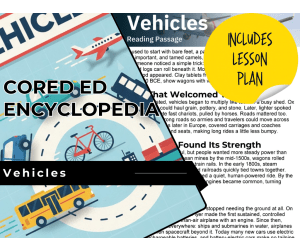
Vehicles Reading Comprehension Passage - Cored Ed Encyclopedia
ELA, Language Development, Reading Comprehension, Reading, Pre-Reading, Science, Technology, Engineering, History, Social Studies, Grade 2, 3, 4, 5, Worksheets & Printables, Worksheets, Teacher Tools, Centers, Activities, Writing Prompts, Assessments, Quizzes and Tests, Quizzes, Lesson Plans
This vehicles reading comprehension with lesson plan includes: Visualization (on the front cover) Start your lesson by taking a minute to think and share something about the topic. Read the script aloud (slowly), perhaps prepare some music or sound effects. Student close their eyes and let their imaginations wander. Students open their eyes, read the question aloud and give them a few minutes to complete. Ask a few students to share or keep answers until the end to compare with what they learn in the passage. Quick pause—thousands of Cored Education products are included with your TeachSimple membership. Download links and encyclopedia index available here. Pre-Reading Trivia Students will write down one thing they already know about the subject and then read five more facts and discuss. These facts are fun, and the students will enjoy learning about the subject before reading more. Give 1 minute for students to write what they already know (no pressure—best guess is fine). Read the five facts together. After each fact, do ask a student for their opinion, was it surprising? Set a purpose by asking students to highlight/underline one fact they want to learn more about during the reading. Reading Passage The text is a high-interest reading passage with set paragraphs, roughly three to four paragraphs long. It contains a variety of themes about the topic, anywhere from history to technology. The passage is between 250 and 350 words in length. First, ask students to look at the headings and see what they’ll learn about today. What do they know about the topic/heading? First read options: Teacher read-aloud (best for support). Partner reading (paragraph by paragraph). While reading, students underline important details, and vocabulary words they think may come up in the questions section. Mixed Questions The first question page contains four multiple-choice questions, each with a choice of four answers, and three written response questions that require a sentence or two from the student. Students complete the mcqs first independently, then review quickly as a class. For the 3 written responses, try to get students giving the answer with some form of evidence: “I think ___ because the text says ___.” If students get stuck, send them back to check the passage. Vocabulary Questions Practice seven key words from the text in this section across two activities. First section is scrambled words where students will unscramble three words given a clue for each. The second section is a word to meaning matching activity. Before starting, have some students read out words they underlined in the passage. Ask students to say the word and read aloud the sentence(s) around each word. Ask students to do scrambled words and the matching exercise in pairs then go through answers as a class. For the scrambled spelling task, get four pairs to come up to the board and write the words for extra practice with the other student reading out the clue. For the matching task, prompt students to give full sentences: “I matched ___ with ___ because ___.” Creative Writing In this question, the student will be required to write a five to eight sentence paragraph on a question related to the topic. Before starting, ask students write down 3 key ideas they are going to include in their piece. Ask students for ideas to share around the class to help those struggling. Pro writing expectations: 5–8 sentences At least 2 facts or details from the passage At least 2 vocabulary words from the previous page Students read their paragraphs while classmates listen for facts and vocabulary words. Extension Activities This page is optional for fast finishers or to take home. There are several activities, each one requiring a different skill. Do some, do none, do all, completely optional - but you will feel reassured knowing every possibility is planned for. Includes summary writting question. Answer Key There are answers for the multiple-choice questions, written response questions have sample answers, vocabulary answers and if there is a summary question then a sample summary will be provided as well. Lesson Plan Included Customized lesson plan for this lesson is included. Lesson Snapshot Title: Vehicles Genre: Nonfiction (Informational text) Subject: Social Studies / Science & Technology Primary Topic: How transportation changed from wheels to flight Estimated Guided Reading Level (A–Z): P Support pages: Pre-reading trivia, mixed questions, vocabulary practice, creative writing, extension activities, and an answer key. Support-page QA check: Some vocab items don’t match the exact word forms in the passage (e.g., chariot vs chariots , battery vs batteries , submarine vs submarines , locomotive vs locomotives ). What This Lesson Teaches Best Sequence of transportation changes over time: Moves from walking/animals, to logs/sledges, to wooden wheels and wagons, to roads and coaches, to steam locomotives, motor vehicles, and airplanes. How inventions improved travel and hauling: Explains how wheels, roads, tracks/railroads, and engines made travel smoother, faster, and able to carry heavier loads. Using headings to organize information: Section headings (“Roads…,” “When Steam…,” “A Lift Into the Air”) help readers track time periods and big shifts. Key historical details in an informational text: Includes dates and examples such as Uruk clay tablets (3700–3500 BCE) and the Wright Flyer flight (December 17, 1903). Modern tech and environmental impact: Notes electric motors, rechargeable batteries, and “no tailpipe exhaust,” ending with a question about helping the planet. Learning Goals Students will describe how people traveled and carried loads before wheels, using details from the passage. Students will identify how wheels changed what vehicles could do (hauling goods and moving more easily). Students will explain how roads and railroads affected travel and connected places, based on the text. Students will summarize the “biggest leap” in travel described in the passage and name the example given. Students will use headings and key details to retell the passage’s main changes in transportation in order. Key Vocabulary From the Text sledge — a sled that helps heavy things slide. Mesopotamia — an ancient region where Uruk was located. spoked — having thin supports connecting wheel center to rim. locomotives — train engines that pull cars on tracks. rechargeable — can be filled with power again. FULL CATALOG OF DOWNLOAD LINKS AND ENCYCLOPEDIA INDEX HERE
Author Cored Education
Rating
Tags Vocabulary, Reading Comprehension, Reading Passages, Lesson Plans, Ela Lesson Plans, Reading Comprehension Lesson Plans, Pre-reading, Science Lesson Plans, Technology, History Lesson Plans

I WONDER - How Do You Find The Perimeter Of a Rectangle
STEM, Geometry, Math, Grade 3, 4, 5, 6, 7, 8, 9, Lesson Plans, Teacher Tools
Video Introduction An amazing video designed for the students to learn more about STEM. I WONDER - How Do You Find The Perimeter Of a Rectangle | Animated Video Lesson Do you like STEM subjects? what is your favorite one? Have you ever tried to plant a seed? If yes, tell us more about it. Or have you ever tried to invent something? If yes, tell us more about it. And how do you think it will help us? Have you ever seen a microorganism under a microscope? What was it? And how it looked like? Mathematics is a marvelous subject. Let' sharpen our brains and solve some equations. Do you like timetable tricks? What is your favorite one? Do you know how to code? Have you ever created an app or a game before? If yes, how was it like? I WONDER - How Do You Find The Perimeter Of a Rectangle | Animated Video Lesson The video is perfect for encouraging the researching skills for the students, while learning more about this fantastic topic. I WONDER - How Do You Find The Perimeter Of a Rectangle | Animated Video Lesson This friendly designed video is suitable for students at school, homeschooling, and as a group activity. Format Available in MP4 format.
Author Educational Voice
Tags How Do You Find The Perimeter Of A Rectangle, Perimeter Of A Rectangle, Perimeter Of A Rectangle Facts, Perimeter Of A Rectangle Facts Ffor Kids, Perimeter Of A Rectangle Video, Perimeter Of A Rectangle Video For Kids
I WONDER - Can You See The Planet Mercury From Earth | Animated Video
Space, Earth and Environmental Sciences, Science, Grade 4, 5, 6, 7, 8, 9, 10, Lesson Plans, Teacher Tools
Video Introduction An amazing video designed for the students to learn more about space facts. I WONDER - Can You See The Planet Mercury From Earth | Animated Video Lesson Do you like reading about space? If yes, what is your favorite topic? What do you know about our solar system? What is the smallest planet in our solar system? What is the biggest planet in our solar system? What is the hottest planet in our solar system? And what is the coldest one? Do you think there are aliens? If yes, what do you think they look like? What do they eat and how they speak to each other? Where do they live? What is a galaxy? And what is a milky way? Have you recently saw a shooting star? If yes, tell us more about it, like when did it happen and where? What is a blackhole? Can a blackhole gets bigger by time? Do you like counting the stars? What do you think a star is made of? I WONDER - Can You See The Planet Mercury From Earth | Animated Video Lesson The video is perfect for encouraging the researching skills for the students, while learning more about the fantastic space. I WONDER - Can You See The Planet Mercury From Earth | Animated Video Lesson This friendly designed video is suitable for students at school, homeschooling, and as a group activity. Format Available in MP4 format.
Author Educational Voice
Tags Can You See The Planet Mercury From Earth, Can You See The Planet Mercury From Earth Video, Planet Mercury, Planet Mercury Facts, Planet Mercury Facts Or Kids, Planet Mercury Video, Earth, Earth Video

World War I: Woodrow Wilson's Fourteen Points Gr. 5-8
Social Studies, History, History: World, Grade 5, 6, 7, 8, Teacher Tools, Lesson Plans
World War I: Woodrow Wilson's Fourteen Points Gr. 5-8 is an extensive teaching resource designed to offer students a thorough understanding of the Great War, that occurred from 1914 to 1918. This resource promotes in-depth discussions regarding nationalism, imperialism and militarism as it intricately details the causes of the war. A clear sequence of events leading to major conflicts emerging from volatile tensions in Europe are provided for easier understanding. The assassination of Archduke Franz Ferdinand is also covered extensively within this educational tool. The section on World War I: Woodrow Wilson's Fourteen Points: Detailed comprehension about America's involvement in the global crisis during this period is promoted. Topics such as residential resentment due to Lusitania’s sinking and threats posed by decoded plans for mainland attacks that led U.S into this heated battle ground are elaborated upon. Furthermore, President Woodrow Wilson’s strategic presentation of his Fourteen Point peace program before Congress provides valuable insights into diplomatic negotiations carried out during turbulent times. Comprehensive view on technological advances and their implications on strategies adopted during warfare are presented —showcasing how industrial-era innovations shaped combat approaches all through. Treaty Of Versailles: This lesson plan takes special care not only to highlight battles fought but also its aftermath with special focus on Treaty Of Versailles' crucial role reshaping continuous alterations occurring within Europe’s geography post-war. This teaching guide can be utilized for: Whole group lessons Detailed small group discussions Independent homework assignments or supplementary projects focusing on World History subject matter Alligned accurately to your State Standards and structured according to Bloom’s Taxonomy, this package also encompasses a range of learning aids like: Crossword puzzles Word searches Comprehension quizzes Answer keys for reinforcing knowledge. Available conveniently in PDF file format , this resource is easy to download, share and print for class usage.
Author Classroom Complete Press
Tags PDF

I WONDER - What Did The Baryonyx Eat | Animated Video Lesson
Animals, Life Sciences, Science, History: Ancient, History, Social Studies, History: World, Grade 4, 5, 6, 7, 8, 9, 10, Lesson Plans, Teacher Tools
Video Introduction An amazing video designed for the students to learn more about dinosaurs in different countries. I WONDER - What Did The Baryonyx Eat | Animated Video Lesson Do you like dinosaurs? what is your favorite one? Do you own a pet? If yes, tell us more about it, like what its name? And what do you like most about it? Do you think that your pet has been evolved from a dinosaur? Can you write down the characteristics of your favourite dinosaur like it's shape, their rivals, where did it use to live and what was their favourite food? What is the largest and the smallest dinosaur that ever found? Why is the T-rex is so famous? Have you ever read any interesting facts about it? Can you name any of the carnivores or herbivores dinosaurs? I WONDER - What Did The Baryonyx Eat | Animated Video Lesson The video is perfect for encouraging the researching skills for the students, while learning more about dinosaurs. I WONDER - What Did The Baryonyx Eat | Animated Video Lesson This friendly designed video is suitable for students at school, homeschooling, and as a group activity. Format Available in MP4 format.
Author Educational Voice
Rating
Tags What Did The Baryonyx Eat, What Did The Baryonyx Eat Video, Baryonyx, Baryonyx Facts, Baryonyx Video, Baryonyx Facts For Kids, Baryonyx Video For Kids, Dinosaur, Dinosaurs, Dinosaur Video

Animals of Africa | Africa Unit Study | Geography Bundle
Social Studies, Geography, Grade 3, 4, 5, 6, 7, Lesson Plans, Teacher Tools
The Animals of Africa | Continent of Africa Unit Study | Geography Bundle This educational resource is ideal for educators teaching geography or social studies to students in grades 3 through 7. It provides a detailed study on the diverse wildlife that call the African continent home, thereby offering engaging learning experiences. Resource Contents: A set of 12 detailed animal fact cards, each featuring a vibrant picture on the front and interesting facts about each creature's habits, habitat, and characteristics on the back. These animals include: Zebra Lion Giraffe Baboon Oryx Antelope Hyena Hippo Rhino Crocodile Wildebeest Warthog and Africans Elephants. A printable coloring booklet where students can color an image of each animal while recording key facts. An animal report template for summarizing their findings. An animal matching worksheet for reinforcement. A set of mini photos perfect for map-centric activities. Numerous printable coloring pages depicting every featured African creature. This bundle doesn't just educate but also encourages civic responsibility by linking wildlife conservation to its teaching practice via service learning opportunities.This resource can diversify its utility across different learner preferences making it relevant in diverse settings - from group’s activities to individual assignments. On download you will receive zip file containing a richly populated PDF totaling 78 pages, a google doc guide along with preview images. No matter if your teaching scenario is online or within brick-and-mortar classrooms; the animals of Africa | continent of Africa unit study | geography bundle is committed to aiding effective instruction and helping students understand key aspects related to African wildlife and more broadly global geography
Author Simply Schoolgirl
Tags African Animals, Geography, Wildlife Conservation, Service Learning, Educational Resource

I WONDER - Is All Bacteria Bad | Animated Video Lesson
Human Body, Life Sciences, Science, Biology, STEM, Grade 5, 6, 7, 8, 9, 10, Lesson Plans, Teacher Tools
Video Overview The human body is full of fascinating wonders to learn. This video is created to help the students recognize the anatomy and the job of the human body. I WONDER - Is All Bacteria Bad | Animated Video Lesson Every part and organ in our human body is vital so let's see how important they are. Have you ever imagined how we look like if we didn't have a skeleton? Did you know that because we have our amazing muscles we can stand! Do you know how many teeth do we have? Have you ever wondered about the food journey inside our body? Can you name all the glands in our body? Why do we have skin? Our nervous system is really good at sending signals. Can you tell us more about it? Are you really good at Mathematics, painting, or any other thing? You should really thank your brain about it! The famous five senses are really doing a great work? Can you explain how every sense works? I WONDER - Is All Bacteria Bad | Animated Video Lesson The video is perfect for encouraging the researching skills for the students, while learning more about our fantastic human body. I WONDER - Is All Bacteria Bad | Animated Video Lesson This friendly designed video is suitable for students at school, homeschooling, and as a group activity. Format Available in MP4 format.
Author Educational Voice
Tags Is All Bacteria Bad, Is All Bacteria Bad Video, Bacteria, Bacteria Facts, Bacteria Facts For Kids, Bacteria Video, Bacteria Video For Kids, Microorganism, Microorganisms, Microorganism Facts
California Gold Rush Unit
Social Studies, History, History: USA, Research, Grade 4, 5, Lesson Plans, Teacher Tools
Product Title: California Gold Rush Unit Step back in time with students to the era of the California Gold Rush - a period that significantly shaped America's history. This expansive bundle offers engaging instruction materials for Grade 4 and 5 educators, primarily focusing on social studies and US history. Carefully developed for practicality, adaptability, and effectiveness, this unit provides a comprehensive assembly of teaching tools. It features richly detailed CLOSE reading nonfiction passages detailing key aspects of the Gold Rush. The passages come with corresponding text-dependent questions, devised to foster critical thinking skills while developing a robust understanding of historical phenomena. Vocabulary cards furnished with definitions support enhancing learners' word recall power and language comprehension relating to each passage. A thoroughly detailed PowerPoint (or handout), elucidating the steps of CLOSE reading helps bolster your arsenal. One other unique feature in this dynamic bundle is a "California Gold Rush Research Report element". As an ideal hands-on assignment which encourages students’ research skills, it also helps solidify comprehension about key concepts related to the topic at hand. This unit comprises diverse graphical organizers such as: Venn Diagrams for comparing differences and similarities; Tree Map Organizers enabling grammar analysis regarding parts of speech from texts; Common Core Essential Questions designed as summative assessment tools or performance tasks through simulation real world context scenarios based on close readings conducted during lessons. Educators will find great flexibility within this package. Every class is different - as are their individual learning needs - hence why you can implement each resource flexibly according to your classroom requirements or teaching environments whether it be small groups, whole group instructions or even used as homework assignments. Remember, variety complements teaching methods very well — so feel free harmoniously integrating other educational multimedia sources such as books or videos alongside these compelling resources for maximum educational impact!
Author The Teacher Team
Tags California Gold Rush, Social Studies, US History, CLOSE Reading, Research Report

I WONDER - What Is The Smallest Amphibian In The World
STEM, Animals, Life Sciences, Science, Biology, Grade 1, 2, 3, 4, 5, 6, 7, 8, Lesson Plans, Teacher Tools
Video Introduction Animal kingdoms are full of fascinating wonders to learn. This video is designed for the students to learn more about animals in different countries. I WONDER - What Is The Smallest Amphibian In The World | Animated Video Lesson Do you like animals? what is your favorite one? Do you own a pet? If yes, tell us more about it, like what its name? And what do you like most about it? What are the animal kingdoms? Can you write down the characteristics of each animal class like mammals, birds, reptiles, amphibian, fish and mollusks. Do you know that some animals can sing, can you name any of them? What is the largest and the smallest mammal in the world? What is the largest and the smallest bird in the world? What is the largest and the smallest fish in the world? I WONDER - What Is The Smallest Amphibian In The World | Animated Video Lesson The video is perfect for encouraging the researching skills for the students, while learning more about these fantastic animals. I WONDER - What Is The Smallest Amphibian In The World | Animated Video Lesson This friendly designed video is suitable for students at school, homeschooling, and as a group activity. Format Available in MP4 format.
Author Educational Voice
Tags What Is The Smallest Amphibian In The World, What Is The Smallest Amphibian In The World Video, Smallest Amphibian In The World, Smallest Amphibian In The World Video, Smallest Amphibian In The World Facts

I WONDER - How Have Humans Contributed To The Greenhouse Effect
Earth Sciences, Earth and Environmental Sciences, Science, Environmental Science, Grade 4, 5, 6, 7, 8, 9, 10, Lesson Plans, Teacher Tools
Video Introduction An amazing video designed for the students to learn more about STEM. I WONDER - How Have Humans Contributed To The Greenhouse Effect | Animated Video Lesson Do you like STEM subjects? what is your favorite one? Have you ever tried to plant a seed? If yes, tell us more about it. Or have you ever tried to invent something? If yes, tell us more about it. And how do you think it will help us? Have you ever seen a microorganism under a microscope? What was it? And how it looked like? Mathematics is a marvelous subject. Let' sharpen our brains and solve some equations. Do you like timetable tricks? What is your favorite one? Do you know how to code? Have you ever created an app or a game before? If yes, how was it like? I WONDER - How Have Humans Contributed To The Greenhouse Effect | Animated Video Lesson The video is perfect for encouraging the researching skills for the students, while learning more about this fantastic topic. I WONDER - How Have Humans Contributed To The Greenhouse Effect | Animated Video Lesson This friendly designed video is suitable for students at school, homeschooling, and as a group activity. Format Available in MP4 format.
Author Educational Voice
Tags How Have Humans Contributed To The Greenhouse Effect, How Have Humans Contributed To The Greenhouse Effect Video, Greenhouse Effect, Greenhouse Effects, Greenhouse Effect Facts, Greenhouse Effect Video
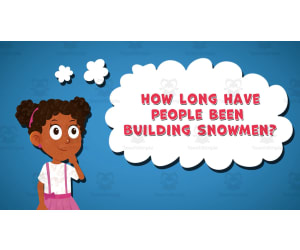
I WONDER - How Long Have People Been Building Snowmen | Animated Video
History: Ancient, History, Social Studies, History: World, Grade 2, 3, 4, 5, 6, 7, 8, Lesson Plans, Teacher Tools
Video Introduction An amazing video designed for the students to learn more about history. I WONDER - How Long Have People Been Building Snowmen | Animated Video Lesson Do you like history? Which topic do you really enjoy about history? Have you ever read an interesting fact about the Vikings? If yes, can you mention them? What do you like most about the Victorian era? Can you name all the Tudors? Have you ever wondered how people used to live in ancient Japan and ancient China? Do you know any interesting facts about ancient Egyptians and the Pharaohs? Have you ever visited South America? What do you know about Incas and Aztecs? Celtic culture was really one of a kind, can you name any of the places that Celts used to live in? Imagine yourself living during the ancient Roman empire, how your life will look like? Ancient Greece was an amazing place to live in. What do you know about ancient Greek life? I WONDER - How Long Have People Been Building Snowmen | Animated Video Lesson The video is perfect for encouraging the researching skills for the students, while learning more about history. I WONDER - How Long Have People Been Building Snowmen | Animated Video Lesson This friendly designed video is suitable for students at school, homeschooling, and as a group activity. Format Available in MP4 format.
Author Educational Voice
Tags How Long Have People Been Building Snowmen, How Long Have People Been Building Snowmen Video, Snowmen, Snowman, Snowman Facts, Snowman Facts For Kids, Snowman Video, Snowman Video For Kids