3,921 products added recently
Page 7 - Physics Lesson Plans
Bring physics to life with lesson plans that simplify concepts such as motion, energy, and forces. These resources provide experiments and demonstrations that make learning interactive. Use them to help students grasp the laws governing the physical world and appreciate the relevance of physics in everyday life.
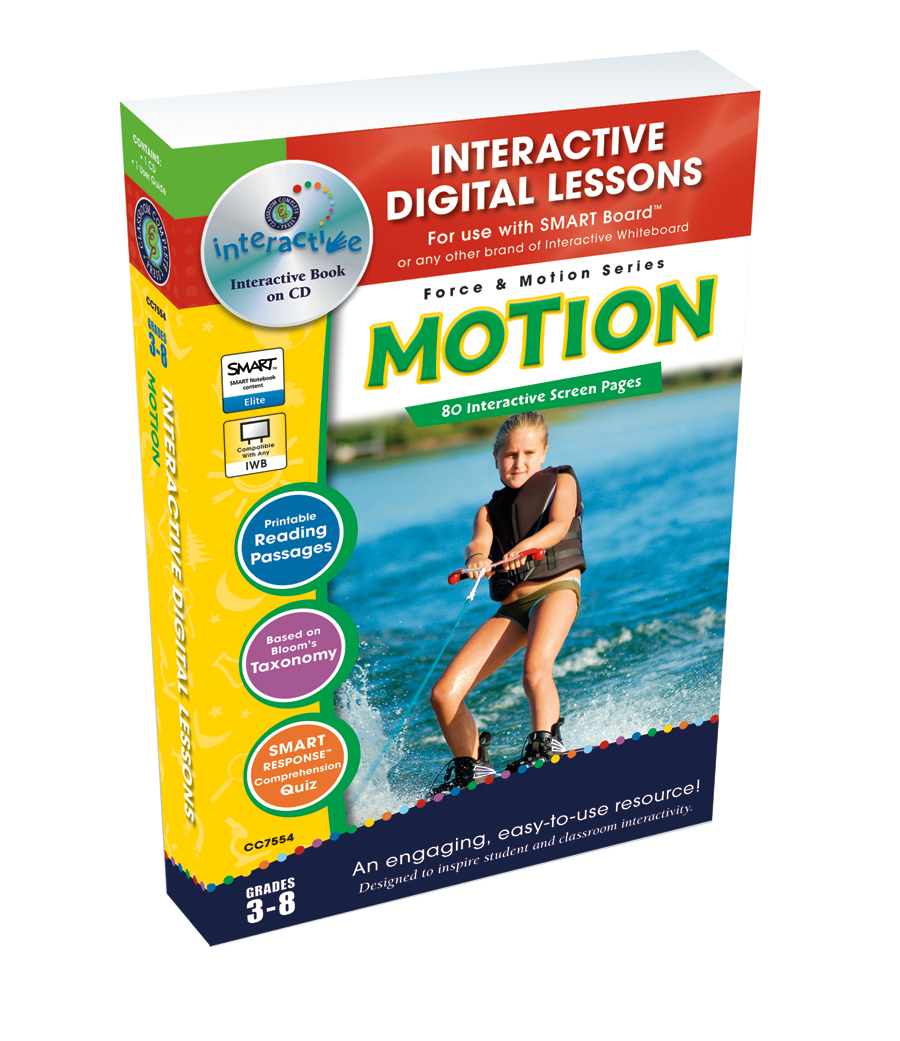
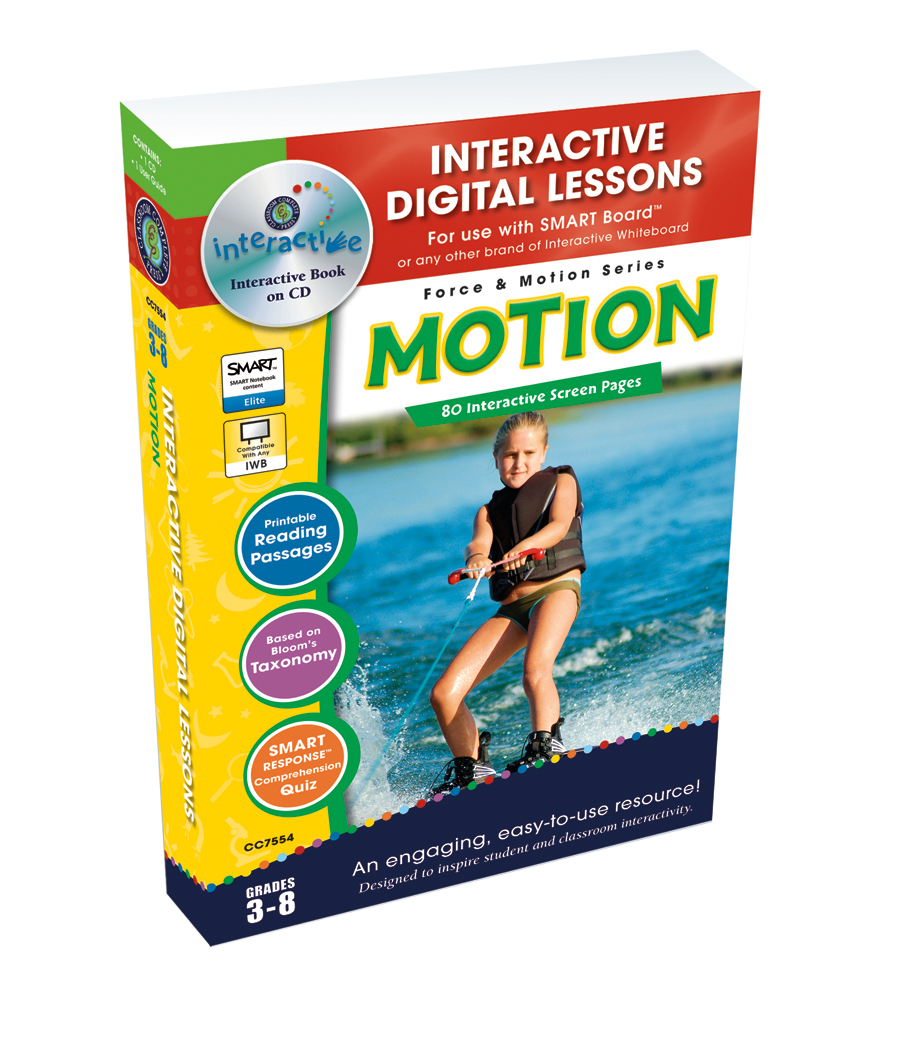
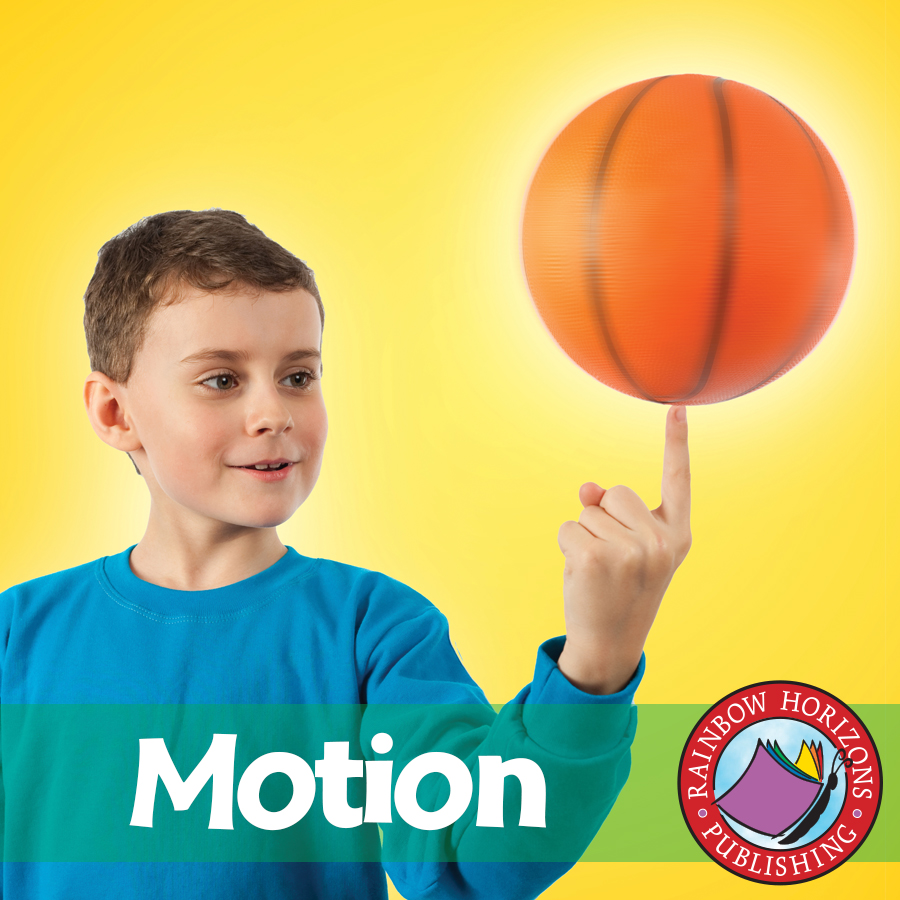
Motion: What is Motion? - FLASH-PC
Science, Physics, Common Core, Grade 5, 6, 7, 8, Teacher Tools, Lesson Plans
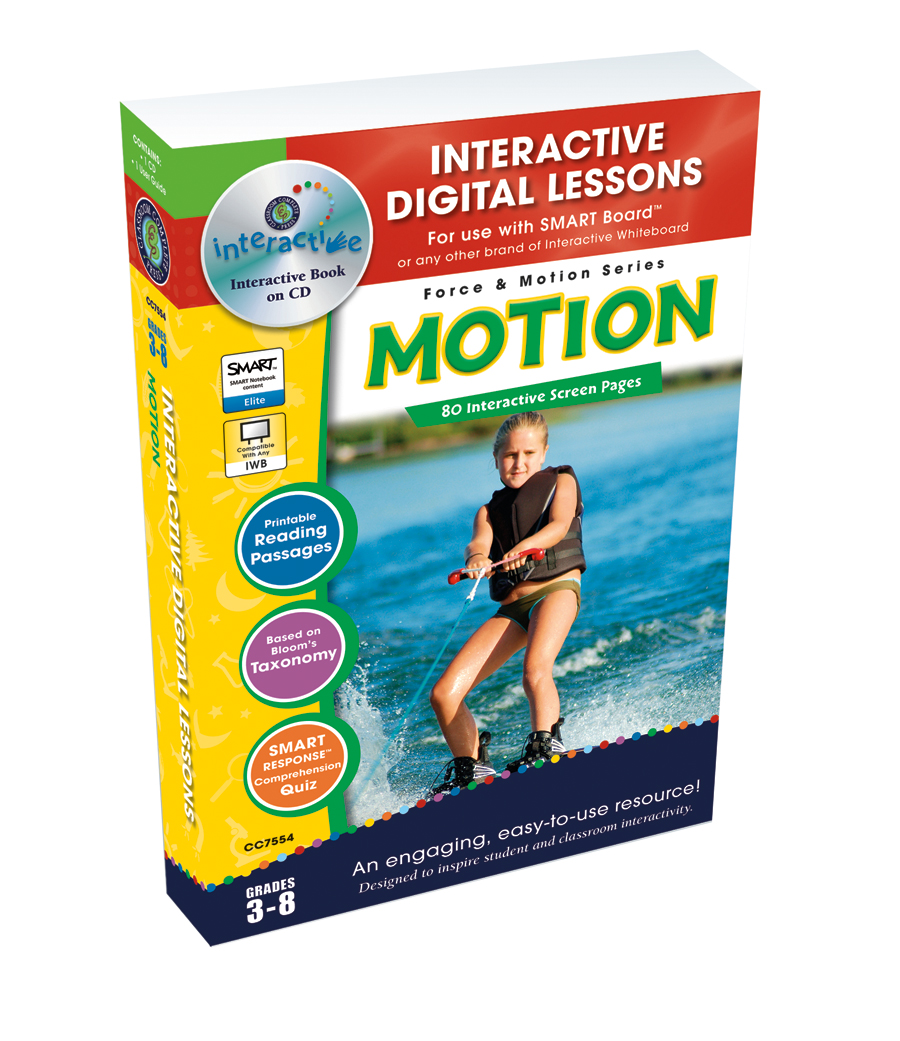
Motion: What is Motion? - FLASH-PC A highly useful teaching resource, especially designed to assist educators from public school teachers to homeschoolers in conveying the concept of Motion. It has been created as an optimal tool for learners within the bracket of Grade 5 through Grade 8. Focus and Content Includes Science with a primary focus on Physics. Presents curriculum -oriented content around the integral question: "What is motion?" This dynamic learning aid presents a wealth of informative material derived from precise scientific resources. The resources house reading passages that provide learners with an understanding of motion. 'Before you read' and 'after you read' questions help foster comprehension and reinforces learning. Provided Material: Vocabulary flashcards detailing crucial terminology related to motion, ensuring clear communication when furthering their scientific knowledge base. The package extends beyond typical resources by presenting printable materials, allowing tutors the ability to broaden their teaching tools within classroom environments or home education settings. Incorporates video and audio mediums coupled with interactive activities as reinforcement mechanisms enabling long-term retention of course content for young learners. This product adheres strictly to Common Core State Standards while mirroring Bloom's Taxonomy principles. Motion: What is Motion - FLASH-PC: - Formulated keeping modern educational needs in mind. - Operates as user-friendly software for PC. - Ensures high-quality science education delivery. Multipurpose Application: Can be used within small group discussions or designated homework assignments – catering flexibility, variety, and comprehensiveness. A versatile instrument within any educational setup – public schools or home-based learning scenarios. Aim: To facilitate profound understanding of motion among learners, making Physics an accessible, engaging and enriching field for young minds.
Author Classroom Complete Press
Tags Software (PC)
I WONDER - What Does A Resistor Do In A Circuit | Animated Video
Physics, Science, STEM, Grade 6, 7, 8, 9, 10, 11, 12, Lesson Plans, Teacher Tools
Video Introduction An amazing video designed for the students to learn more about STEM. I WONDER - What Does A Resistor Do In A Circuit | Animated Video Lesson Do you like STEM subjects? what is your favorite one? Have you ever tried to plant a seed? If yes, tell us more about it. Or have you ever tried to invent something? If yes, tell us more about it. And how do you think it will help us? Have you ever seen a microorganism under a microscope? What was it? And how it looked like? Mathematics is a marvelous subject. Let' sharpen our brains and solve some equations. Do you like timetable tricks? What is your favorite one? Do you know how to code? Have you ever created an app or a game before? If yes, how was it like? I WONDER - What Does A Resistor Do In A Circuit | Animated Video Lesson The video is perfect for encouraging the researching skills for the students, while learning more about this fantastic topic. I WONDER - What Does A Resistor Do In A Circuit | Animated Video Lesson This friendly designed video is suitable for students at school, homeschooling, and as a group activity. Format Available in MP4 format.
Author Educational Voice
Tags What Does A Resistor Do In A Circuit, What Does A Resistor Do In A Circuit Video, Resistor, Resistor Facts, Resistor Facts For Kids, Resistor Video, Resistor Video For Kids, Circuit, Circuit Facts
Guided Reading Level M - Acid Rain (with Lesson Plan)
ELA, Resources for Teachers, Reading Comprehension, Reading, Science, Technology, Physics, Life Sciences, Earth and Environmental Sciences, Environmental Science, Grade 2, 3, 4, Worksheets & Printables, Worksheets, Teacher Tools, Centers, Activities, Literacy Readers, Quizzes, Quizzes and Tests, Assessments, Lesson Plans
This Guided Reading Book - Acid Rain (Level M) with lesson plan includes: Guided Reading Color Label (front cover x1) This is a quick way to match the book’s demands to what students can generally handle.. The overall goal is to use the level/color to pick books for several smaller groups. To qualify for a certain level, a student is expected to read a book from that level with about 90–94% accuracy. If a student is consistently accurate and understands, move up a level. If the student is struggling at that level, drop down and add more support. Each student will improve at completely different rates, but it is generally one of the best ways to check progress across the class. DOWNLOAD THE CATALOG TO VIEW ALL GUIDED READING BOOKS AVAILABLE (SORTED LEVELS A-Z) Pre-Reading Question (x1) Teacher asks the prompt aloud, can be while showing the cover or first page. Students share what they already know, or make educated guesses from the cover. Prompt them to use the target vocabulary. Write some of their responses on the board to look back at during the reading. Vocabulary Words (x5) Introduce the five words, best doing it one at a time. Start by saying it, while students repeat and then see if anyone knows what it means before reading further. Read through the meaning and try to briefly connect each word to a picture or gesture so it’s meaningful. Ask students to flip through the book pages and point to where they see each of the vocabulary words. While reading the book pause upon coming across one of the vocab words or read the sentence twice to make sure students understand the word has appeared. Optional: Ask students to raise hands whenever they see/hear one of the new words. Guided Reading Pages (x10) Check the book snapshot (below) for: primary topic - do you need to prep extra reading or intro materials on this? what is taught best - decide on 1-2 bullets to focus on, use the prompt or words provided here for best results. learning goals - what you are checking for students to be able to do after the session, elicit answers using prompts or words provided. key vocabulary (see section above). questions overview - so you know what is coming up and if you need to prep extra materials to assist understanding. Run the lesson You may have already looked at a few of the pages together, but you can show them some of the pictures again first to set meaning. Depending on how much time you have and how familiar your students are with guided reading class, you may want to read the book aloud first with the group first. Students whisper or partner read, while you listen in. If time, do it as a group, one student reading a page each. Use the guided page’s prompts to coach: “Check the picture / does it make sense?” “Point under the words / try the first sound” “Reread the sentence smoothly”. Try to focus more on one student per session (rotating every time), so you can work out if they are ready to move up or need to move down a level. Comprehension Questions (back cover x3) This is your way to check that students didn’t just say the words, but actually understood the text. First, let students answer by pointing to the page/picture and saying a short sentence. After any answer, follow with: “Show me where you found that in the text.” In bigger groups, have partners answer first (10–20 seconds), then call on 2–3 students to share. Differentiation tips: Emerging speakers/struggling readers: oral + pointing On-level: oral in a full sentence Higher: one written sentence or draw + label Book Snapshot Title: Acid Rain Genre: Nonfiction (informational science text) Subject: Science (Earth & Environmental Science) Primary Topic: Causes, effects, and solutions for acid rain Estimated Guided Reading Level (A–Z): M What This Book Teaches Best Explains how human activities (factories, power plants, and vehicles) change the chemistry of the air by releasing gases into the sky. Describes a chemical reaction in the clouds where gases mix with water vapor and oxygen to form acids that stay suspended in the air. Defines acid rain as acids falling to the ground as rain or snow, and notes it can also fall as fog or as dry dust during a drought. Uses the pH scale to compare normal rain (about 5.6) to acid rain (often between 4.2 and 4.4). Shows environmental impacts on forests (nutrients dissolving; difficulty taking up water) and on lakes/streams (changes to water chemistry that affect fish and other animals). Learning Goals Describe how rain is part of the water cycle and helps plants and animals survive. Identify gases released by factories, power plants, and vehicles that contribute to acid rain. Explain how gases high in the clouds can react and form acids that stay in the air. Use details from the text to compare normal rain and acid rain using pH numbers. Describe how acid rain can affect forests, lakes, streams, fish, birds, and other animals. Explain one way people can help reduce acid rain by using cleaner energy sources. Key Vocabulary From the Text chemistry — how materials can change when they mix. atmosphere — the air that surrounds Earth. reaction — a change that happens when substances mix. drought — a long time with little or no rain. nutrients — substances living things need to grow healthy. Discussion Prompts Pre-reading question: What do you think might happen when gases from cars and factories mix with water in the air? Comprehension questions: What gases do factories and power plants release when they burn fuels like coal? Comprehension questions: What happens to these gases high in the clouds, according to the text? Comprehension questions: What is one way people can help reduce acid rain in this book? Printing Tips 1. Best Printing Method (Recommended) “Booklet” Printing (Best if Available) If your printer or PDF viewer supports Booklet Printing , use this. Settings to use: Print mode: Booklet Paper size: Letter or A4 (either works) Orientation: Landscape Print on both sides: Yes Flip on: Short edge Scaling: Fit to printable area Booklet subset: First test: Front sides only Then: Back sides only This will automatically: Pair pages correctly Put the cover on the outside Align everything for folding After printing, fold in half and staple along the spine . 2. If “Booklet” Printing Is NOT Available You can still print this correctly with manual duplex printing . Step-by-step: Open the PDF. Choose Print . Set: Orientation: Landscape Pages per sheet: 1 Print on both sides: Yes Flip on: Short edge Print all pages . Because each PDF page already contains two facing book pages, the result will still fold cleanly into a book. Thousands of Cored Education products are included with your TeachSimple membership. Download links and encyclopedia index available here.
Author Cored Education
Rating
Tags Reading Comprehension, Reading Passages, Reading, Guided Reading, Guided Reading Lesson Plan, Guided Reading Activity, Pre-reading, Science Lesson Plans, Earth Science, Physics
Biodesign & Bio-Art Unleash Creativity with Living Systems for Innovat
Health, P.E. & Health, Mental Health, Physical Education, Basic Science, Science, Biology, Life Sciences, Human Body, Physics, Homeschool Curriculum, Grade 9, 10, 11, 12, Lesson Plans, Teacher Tools, Assessments, Workbooks, Worksheets & Printables, Presentations
Unlock the creative power of biology! “Biodesign & Bio-Art: Unleash Creativity with Living Systems for Innovators” is the ultimate resource for the next generation of biological and creative minds. With this book, students will no longer be passive recipients of knowledge; they will instead take an active part in the process of innovation. Paddle into the world of 80 fascinating chapters where the basics of life, such as cells, DNA, and biotic systems, are first introduced, followed by the fascinating applications of such knowledge through biomimetics, biomaterials, or living art. The students will be able to learn design concepts from nature, materials developed out of fungus or bacteria, genetics, and ethics. Chock-full of smart insights, practical case studies, and visionary project ideas, this volume is more than an educational textbook - it is a springboard that launches young scholars into their future careers in biodesign, synthetic biology, and more. This textbook is suitable and ideal for STEM and STEAM education as it encourages critical thinking, practical application, and an deep appreciation and respect for natural intelligence. Empower young minds with all the knowledge and inspiration needed to create their beautiful and sustainable world. Technical Features: 80 Chapters of core biology and innovative applications. Interdisciplinary Fusion: It seamlessly integrates biology, art, design, and engineering. Future-Focused Skills Biomimicry/Biofabrication/ Genetic Engineering/ Project-Based Learning It encourages project-based learning with algae, fungi, and bacteria, among many others. Appropriate for STEM/STEAM: Aligns with current learning outcomes for critical thinking and creativity. Why Parents & Schools Will Love It: Prepares for the Future: Beyond book memorization, the university will provide knowledge of applicable, interdisciplinary skills essential for the job market in areas such as biotechnology, sustainable design, and ecological engineering. Fosters Critical & Ethical Thinking: It not only describes how to manipulate life, but also goes in-depth on why and whether they should, as it strives to promote ethical thinking. Interests Varied Students: Exquisitely designed for both scientifically inclined and creatively inclined students, highlighting the need for both qualities in order to truly innovate. This is perfect for getting students who would otherwise be uninterested in a systemized subject. Aligned with Modern STEM/STEAM Objectives: It wholly supports education schemes combined with Science, Technology, Engineering, Art, and Mathematics learning and applications. Comprehensive & All-in-One Resource: touches on a vast range of topics—from cell biology to bio-art, making it a helpful textbook or supplement for a variety of lessons and pursuits. Student Audience Primary: High School Students, Grades 10-12 (ages 15-18). The sophistication of material, chapter organization, and conceptual difficulty (such as central dogma, ethics of genetic engineering) are precisely suited to highly advanced high school programs for biology and art. Secondary Level: Honors/AP level grade 9 students and first year college or university-level introductory courses for biology, bio-design, or Arts courses. Audience Niche: Targeting aspiring scientists, artists, designers, and any student looking at STEM/STEAM, environmental science, sustainable designs, biotechnology, conceptual art, and more. Copyright/Terms of Use "This Book is copyrighted by Syed Hammad Rizvi." "You may only use this resource personally, and within one classroom." "You are not permitted to change, distribute, or sell copies of parts or whole of this resource." In other words, "You are not permitted to put it on the internet where it can be downloaded." If you would like to share the resource within your school, you can purchase additional licenses from Teachers Pay Teachers. I appreciate you following these terms of use. This product is proudly brought to you by Syed Hammad Rizvi
Author Creative Book Store
Rating
Tags Biodesign, BioArt, STEMeducation, STEAMlearning, BiologyBook, ScienceArt, Biomimicry, BioFabrication, HomeschoolScience, HighSchoolBiology
I WONDER - How Can Wind Energy Be Used | Animated Video Lesson
Earth Sciences, Earth and Environmental Sciences, Science, Environmental Science, Physics, Grade 4, 5, 6, 7, 8, 9, 10, Lesson Plans, Teacher Tools
Video Introduction An amazing video designed for the students to learn more about famous phenomena in different countries. I WONDER - How Can Wind Energy Be Used | Animated Video Lesson What do you know about this phenomenon? Where it happens? When it happens? What are the safety measures that we should take to be safe during this phenomenon? Are there any other places in the world that experienced this phenomenon? If yes, tell us more about them. Why do you think it happens? Do you like reading about Geography? What is your favorite country in the whole world? I WONDER - How Can Wind Energy Be Used | Animated Video Lesson The video is perfect for encouraging the researching skills for the students, while learning more about this fantastic phenomenon. I WONDER - How Can Wind Energy Be Used | Animated Video Lesson The video is perfect for encouraging the researching skills for the students, while learning more about this fantastic phenomenon. Format Available in a PDF format.
Author Educational Voice
Rating
Tags How Can Wind Energy Be Used, How Can Wind Energy Be Used Video, Wind Energy, Wind Energy Video, Wind Energy Facts, Wind Energy Facts For Kids, Wind Energy Video For Kids, Wind
Force: Kinds of Force Gr. 5-8
Science, Physics, Grade 5, 6, 7, 8, Teacher Tools, Lesson Plans
Force: Kinds of Force Gr. 5-8 Introducing a comprehensive teaching tool designed for students from grades 5 to 8, the Force: Kinds of Force Gr. 5-8 resource. This practical and user-friendly resource simplifies complex scientific concepts, preparing students to understand real-world applications of physics-related principles. Overview: This integral part of the 'Force' lesson plan tackles various kinds of forces that work on contact and at a distance. The explanations are in straightforward language with precise vocabulary for an easier grasp. Coverage: Balanced and unbalanced forces Weight and gravity Magnetic and electrostatic forces The interactions between multiple forces are also covered along with how they combine to establish the total force impacting an object. Presentation: The resource is set out systematically into separate sections which include: Comprehensive reading passages Preparatory activities before readings Follor-up activities post readings suited to Bloom's Taxonomy and STEM initiatives Learner Engagement: To maintain engagement among learners, this guide includes: Educational games like crosswords & word searches, Alongside comprehension quizzes designed for reinforcing learned concepts. Also included are vibrant mini posters that assist in consolidating lessons learnt & Test preparation materials as well. Ease Of Use: The product comes as a downloadable PDF file format ensuring easy access at any time. It can be used in a whole group in classroom settings, small study groups or even individual assignments or homework tasks. Aligned With Standards: Neatly aligned with State Standards , This teaching tool is a dependable learning companion that aids students' understanding of daily life physics.
Author Classroom Complete Press
Tags PDF
Lesson 3.2 - Force Diagrams
Science, Chemistry, Physics, Grade 6, 7, 8, 9, 10, 11, 12, Lesson Plans, Teacher Tools
Lesson 3.2 - Force Diagrams : A significant teaching resource, primarily useful for grade 6 through grade 12 students who want to understand the foundations of net forces and balanced/unbalanced forces, targeted at Integrated Chemistry & Physics syllabus. The kit includes: '3.2 Force Diagrams Notes': These notes provide comprehensive instructions on identifying the net force acting upon an object and assessing whether these forces are balanced or unbalanced. Two versions exist: Version A, which offers blanks for student interaction, while version B, completely filled in, perfect for absentees or additional aid seekers. '3.2 Force Diagrams Practice': This practice sheet engages students by allowing them to sketch their own net force diagrams and decipher if there are imbalances or balances within their drawings. '3.2 Force Diagrams Mini-Poster' activity: Here learners get to profit from demonstrating their understanding by creating unique scenarios involving forces—transferring this into illustrating both force and net-force diagrams . A beneficial twelve slide whiteboard practice PowerPoint material that immediately gauges student comprehension during lessons themselves—promoting quick yet efficient knowledge evaluation. An additional PowerPoint note document ensures easy delivery of presentations spotlighting learning objectives and associated beginning questions regarding the subject matter itself. This product aligns with specific Indiana State Standards (ICP.3.2), particularly concerning Integrated Chemistry & Physics instruction spectrum. The files provided come in editable .docx or .pptx formats giving educators autonomy over adjusting file content according to particular needs while PDF renditions guarantee a simple viewing experience across any software platforms capable of running PDF files such as Adobe Reader]. Make sure to have a fitting software platform before downloading. Highly adaptive within various educational setting range—whole-group discussions, small group work, or individual assignments—Lesson 3.2 - Force Diagrams , effortlessly adapts to varied teaching methods aiming at enriching student insights into the elementary principles of forces.
Author Integrated Chemistry and Physics
Tags Force Diagrams, Net Forces, Balanced Forces, Unbalanced Forces, Integrated Chemistry And Physics
I WONDER - Can Friction Occur In Liquids | Animated Video Lesson
Physics, Science, Grade 4, 5, 6, 7, 8, 9, 10, Lesson Plans, Teacher Tools
Video Introduction An amazing activity designed for the students to learn more about STEM. I WONDER - Can Friction Occur In Liquids | Animated Video Lesson Do you like STEM subjects? what is your favorite one? Have you ever tried to plant a seed? If yes, tell us more about it. Or have you ever tried to invent something? If yes, tell us more about it. And how do you think it will help us? Have you ever seen a microorganism under a microscope? What was it? And how it looked like? Mathematics is a marvelous subject. Let' sharpen our brains and solve some equations. Do you like timetable tricks? What is your favorite one? Do you know how to code? Have you ever created an app or a game before? If yes, how was it like? I WONDER - Can Friction Occur In Liquids | Animated Video Lesson The video is perfect for encouraging the researching skills for the students, while learning more about this fantastic topic. I WONDER - Can Friction Occur In Liquids | Animated Video Lesson This friendly designed video is suitable for students at school, homeschooling, and as a group activity. Format Available in MP4 format.
Author Educational Voice
Tags Can Friction Occur In Liquids, Can Friction Occur In Liquids Video, Friction, Friction Facts, Friction Facts For Kids, Friction Video, Liquid, Liquids , Liquids Facts, Liquids Facts For Kids
The Gut Microbiome & Brain Connection Worksheets
P.E. & Health, Health, Mental Health, Mindfulness, Physical Education, Sports, Yoga, Science, Physics, Chemistry, Grade 6, 7, 8, 9, 10, 11, 12, Worksheets & Printables, Workbooks, Worksheets, Word Searches, Teacher Tools, Lesson Plans, Quizzes and Tests, Quizzes, Tests, Assessments
Unlock the Science of Mood! A Comprehensive Gut-Brain Connection Unit for Health & Biology Are your students struggling with anxiety, stress, or low moods? Are you looking for a way to connect biology and nutrition to real-world mental health and Social-Emotional Learning (SEL)? This comprehensive, no-prep digital unit, "The Gut-Brain Connection: How Fermented Foods Impact Mood and Anxiety," is the resource you need. It provides a fascinating, scientifically-backed exploration of the gut microbiome and its direct link to our brains. Empower your students with the knowledge to understand and "bio-hack" their own mental well-being through nutrition! This 46-page resource is perfect for health, biology, or life science classes and is designed to be engaging, rigorous, and easy to implement. Students will move from understanding the theory to applying it to their own lives. ► What's Included in This 46-Page Unit? Phase 1: Core Content & Theory (Student Textbook): In-depth yet easy-to-understand chapters covering: The Gut-Brain Axis & The "Second Brain" The Vagus Nerve & Neurotransmitters (Serotonin, GABA) The Science of Probiotics, Fermentation, and Short-Chain Fatty Acids (SCFAs) Specific Mood-Boosting Foods: Kefir, Kimchi, Sauerkraut, and Miso Real-world case studies on managing anxiety and mood. Phase 2: Student Workbook (10 Worksheets): A complete workbook to test comprehension and critical thinking. Activities include: Vocabulary mapping and fill-in-the-blanks True/False/Nuance analysis Scenario analysis and case study questions Personal reflection and data collection A capstone project: "Synthesizing the Science: Your Gut-Brain Action Plan." Phase 3: Visuals & Teacher Resources (The Ultimate Time-Saver!): 3 High-Quality Visual Diagrams: Perfect for projectors or as printable posters (The Vagus Nerve Highway, Data Literacy Chart, Fermented Foods Mind Map). Comprehensive Answer Key: Detailed answers for every single question in the student workbook. Teacher Implementation Guide: A day-by-day pacing guide for a 3-day micro-unit, including objectives, instructional strategies, and discussion prompts. This isn't just a lesson; it's a powerful tool that gives students agency over their health. It demystifies anxiety and provides actionable, science-based steps for a healthier mind. Download today to bring this game-changing topic to your classroom! Keywords: Gut-Brain Axis, Gut Health, Mental Health, Anxiety, Nutrition, Health Curriculum, Biology, Middle School Health, High School Health, Probiotics, Fermented Foods, Social-Emotional Learning (SEL), Worksheets, Lesson Plan, No-Prep, Printable, Digital, Science, Serotonin, GABA, Vagus Nerve, Microbiome. Why Parents/Schools Love It: Empowers Students with Actionable Knowledge: It moves beyond theory, teaching students practical, dietary strategies they can use to manage their own mood and anxiety. Bridges Science with Social-Emotional Learning (SEL): This unit perfectly integrates rigorous biology with the critical topic of mental wellness, showing students the direct connection between what they eat and how they feel. Scientifically Accurate & Rigorous: The content is based on modern nutritional psychiatry, providing credible and trustworthy information that demystifies complex biological processes. Comprehensive & No-Prep Resource: With a student reader, 10 worksheets, visual aids, and a full answer key, this unit saves teachers valuable prep time and is ready to print or use digitally immediately. Addresses a Timely and Critical Topic: In a world where student anxiety is on the rise, this resource tackles the issue head-on from a fresh, biological perspective, removing stigma and promoting proactive health. Target Audience : Based on the content's language, complexity, and explicit mention on page 2 ("Grade 6 Health scholars"), primary target is: Grade 6 Health and Science Teachers. However, the material can easily be adapted for a broader range. should also target: Grades 7-9 Health, Life Science, and Biology Teachers. High School Psychology or Home Economics/Nutrition Teachers. Homeschooling Parents teaching middle or early high school science and health. Copyright/Terms of Use: This Book was copyrighted by Syed Hammad Rizvi. This resource is for personal and single classroom use only. You may not alter, redistribute, or sell any part of this resource. In other words, you may not put it on the Internet where it could be publicly found and downloaded. If you want to share this resource with colleagues, please purchase additional licenses from Teachsimple. Thank you for respecting these terms of use. This product is happily brought to you by Syed Hammad Rizvi
Author Creative Book Store
Rating
Tags GutBrainAxis, GutBrainConnection, GutMicrobiome, Microbiome, Probiotics, MentalHealth, MentalWellness, AnxietySupport, AnxietyRelief, StudentMentalHealth
I WONDER - What Jobs Can Lasers Do | Animated Video Lesson
Physics, Science, Grade 6, 7, 8, 9, 10, 11, 12, Lesson Plans, Teacher Tools
Video Introduction An amazing activity designed for the students to learn more about STEM. I WONDER - What Jobs Can Lasers Do | Animated Video Lesson Do you like STEM subjects? what is your favorite one? Have you ever tried to plant a seed? If yes, tell us more about it. Or have you ever tried to invent something? If yes, tell us more about it. And how do you think it will help us? Have you ever seen a microorganism under a microscope? What was it? And how it looked like? Mathematics is a marvelous subject. Let' sharpen our brains and solve some equations. Do you like timetable tricks? What is your favorite one? Do you know how to code? Have you ever created an app or a game before? If yes, how was it like? I WONDER - What Jobs Can Lasers Do | Animated Video Lesson The video is perfect for encouraging the researching skills for the students, while learning more about this fantastic topic. I WONDER - What Jobs Can Lasers Do | Animated Video Lesson This friendly designed video is suitable for students at school, homeschooling, and as a group activity. Format Available in MP4 format.
Author Educational Voice
Tags What Jobs Can Lasers Do, What Jobs Can Lasers Do Video, Lasers, Laser, Lasers Jobs, Lasers Jobs Video, Lasers Jobs Facts, Lasers Jobs Facts For Kids, Lasers Video For Kids, Lasers Facts For Kids
Motion: Vibrating Motion Gr. 5-8
Science, Physics, Grade 5, 6, 7, 8, Teacher Tools, Lesson Plans
The Motion: Vibrating Motion Grades: 5-8. This comprehensive educational resource is an essential chapter from our complete "Motion" lesson plan designed to simplify the basics of motion for young learners. It is suitable for teachers and homeschooling parents alike. Types of Motion Covered Linear Accelerating Rotating Oscillating Including real-life applications and solar system instances! This resource comes equipped with: Reading Passages: Simplifying complex motion ideas into digestible formats for middle school learners. Comprehension Questions: Formulated to assess students' understanding and retention of the materials discussed. Color Mini Posters: Visually appealing context that aids recall. All terms are simplified! We've been sure to make all scientific jargon digestible, regardless of language ability. Vocabulary Games Included Crossword puzzles Word searches/li> To help with word familiarity tied to the topic in a fun way. A comprehension quiz is provided as well. The entire content aligns with state standards guidelines and Bloom's Taxonomy principles, supportive of current STEM initiatives. All lesson plans come as PDF files compatible with both digital classrooms or traditional print-and-use methods. Guyiding Principles: The Resource Works Best For: Whole group instruction Small groups Homework assignments "All this makes the Motion: Vibrating Motion Gr. 5 -8 a top-notch supplemental material for teaching Physics to middle graders."
Author Classroom Complete Press
Tags PDF
Motion: Velocity and Speed - FLASH-PC
Science, Physics, Common Core, Grade 5, 6, 7, 8, Teacher Tools, Lesson Plans
Motion: Velocity and Speed - FLASH-PC A meticulously crafted teaching resource for students in grades 5 through 8, focusing on the fundamental principles of physics including velocity and speed. Primarily designed as a supplementary tool for science educators' lesson plan. Common Core State Standards Integration The resource plays a pivotal role in helping teachers firmly embed complex scientific concepts into comprehensible lessons, supporting the Common Core State Standards educational initiative. Informative Reading Passages: Well-curated content not only promotes knowledge recollection, but also deepens subject matter understanding. Targeted Questions: Skillfully positioned both pre and post-reading, these inquiries activate prior knowledge while sharpening comprehension skills. Versatility & Engagement This digital package shatters conventional worksheet boundaries to encourage diverse learning approaches by offering the following interactive multimedia aids: Educational Videos: Visually convey motion's core principles for visual learners. Audiobooks Adaptation: An inclusive measure accommodating auditory learners. Vocabulary Enhancement & Flexible Application A special focus is placed on fostering vocabulary retention through accessible digital flashcards featuring crucial scientific terms tied to each topic discussed, thus bolstering students' language acquisition regarding critical scientific terminology. Taking into account varying classroom environments, selective strategies are available including: Rousing whole-group discussions to uncover layers of speed, Distributing velocity-focused tasks among smaller clusters for greater engagement and nuanced understanding. With qualities allowing it to serve as additional homework material or even an independent study aid, Motion: Velocity and Speed - FLASH PC projects a sublime blend of comprehensive physics instruction with digital convenience. Every learner, regardless of their individual paths, can harness the power to grasp challenging concepts like velocity and speed with ease.
Author Classroom Complete Press
Tags Software (PC)
Lesson 2.1 - Distance & Displacement
Science, Chemistry, Physics, Common Core, Grade 6, 7, 8, 9, 10, 11, 12, Lesson Plans, Teacher Tools
Lesson 2.1 - Distance & Displacement: A Comprehensive Teaching Resource This resource is a comprehensive package designed for those tackling the important concepts of distance and displacement in Physical Sciences. A complete set of Notes on Distance and Displacement Two versions available – (A) fill in the blanks for interactive learning, and (B) complete notes as a ready reference or for students with special needs. Custom Worksheets to Practice Skills: Students can practice finding an object's distance or displacement using graphical representations of movements. Inclusive design with a standard (A) version and tailored (B) version to cater to varied learning paces among scholars. Slick PowerPoint Notes: An ideal solution that streamlines lesson delivery regardless of class size, converting scientific explanations into engaging presentations. Included Also Are: "Objectives & Sample Starter Questions" : sets clear goals for understanding the concept at hand while initiating meaningful discussion starts. A resource perfectly aligned with 2016 Indiana State Standards: This resource tailors perfectly into your curriculum requirements—whether it’s public schools or homeschooling settings alike. Diverse File Formats Available: .docx files for adaptability based on individual educator’s preferences plus .pdf files perfect as quick-reference non-editable versions requiring any PDF viewer like Adobe Reader. Ideal For Grades 6-12 : This comprehensive guide allows students between Grade 6 to Grade 12 comprehend how to distinguish between distance and displacement, and determine their values either from graphical or mathematical representation against time. Transform teaching the notion of Distance & Displacement into an enjoyable experience with this comprehensive and concise resource.
Author Integrated Chemistry and Physics
Tags Distance, Displacement, Notes, Worksheets, PowerPoint
Exciting Inventions Gr. 4-8
Science, Physics, Grade 4, 5, Teacher Tools, Lesson Plans
Exciting Inventions Gr. 4-8 Exciting Inventions Gr. 4-8 is an engaging teaching resource that inspires students in Grades 4 to Grade 8. This tool sparks curiosity about exciting real-world inventions, highlighting interesting stories of how everyday items like Frisbee and popsicles came into being. Main Features: Returns scientific concepts comprehensible and concrete Presents a fluid direct instruction format with rich core content Incorporates diverse reading passages to enrich knowledge and stoke creativity A 'learn by doing approach' that hosts various activities measurably advancing learners' understanding Included crosswords and word searches make learning fun as well as educational, ensuring essential fact-retention about various inventions. This versatile teaching tool can function excellently within different instructional methodologies – from structuring whole-group teaching sessions in classrooms to managing small group instruction at home-schooling setups or serving as homework assignments, all depending on educators' discretion. To further ease the burden for teachers, Exciting Inventions Gr. 4-8 includes a reproducible student handbook - an excellent time-saver during classroom planning or remote schooling sessions In addition, it syncs with optional lessons integrated within the resource offering flexibility in tailoring lesson plans according to specific needs or interests. Inclusivity of significant project ideas related to drafting original inventions for an 'Invention Convention,' where pupils get practical experience showcasing their inventiveness, The sheer convenience of having all these gripping features tucked into a single PDF file makes this product very user-friendly indeed! The Conclusion: Exciting Inventions Gr. 4-8 serves as an inspiring springboard for inquiry for learner's minds.
Author Classroom Complete Press
Tags PDF
I WONDER - What Causes Reflection, Refraction And Echoes
Physics, Science, Grade 6, 7, 8, 9, 10, 11, 12, Lesson Plans, Teacher Tools
Video Introduction An amazing video designed for the students to learn more about STEM. I WONDER - What Causes Reflection, Refraction And Echoes | Animated Video Lesson Do you like STEM subjects? what is your favorite one? Have you ever tried to plant a seed? If yes, tell us more about it. Or have you ever tried to invent something? If yes, tell us more about it. And how do you think it will help us? Have you ever seen a microorganism under a microscope? What was it? And how it looked like? Mathematics is a marvelous subject. Let' sharpen our brains and solve some equations. Do you like timetable tricks? What is your favorite one? Do you know how to code? Have you ever created an app or a game before? If yes, how was it like? I WONDER - What Causes Reflection, Refraction And Echoes | Animated Video Lesson The video is perfect for encouraging the researching skills for the students, while learning more about this fantastic topic. I WONDER - What Causes Reflection, Refraction And Echoes | Animated Video Lesson This friendly designed video is suitable for students at school, homeschooling, and as a group activity. Format Available in MP4 format.
Author Educational Voice
Tags What Causes Reflection, Refraction And Echoes , What Causes Reflection, Refraction And Echoes Video, Reflection, Reflection Video, Refraction, Refraction Video, Echoes , Echoes Video, Echoes Facts
Energy: Other Forms of Potential Energy
Science, Physics, Common Core, Grade 5, 6, 7, 8, Teacher Tools, Lesson Plans
Energy: Other Forms of Potential Energy This invaluable teaching resource is designed to demystify the concept of energy and its many forms. Specifically tailored for grades 5-8, it aims to simplify this typically complex subject. About: The product focuses on "Other Forms of Potential Energy" from the complete lesson plan 'Energy'. The chapter enlightens students about various kinds of energy like Mechanical, Thermal, Sound waves, as well as Light energy. It goes beyond traditional definitions such as 'the ability to do work', fostering a deeper understanding about the various facets of energy. Presentation and Implementation: The tool uses simplified language and vocabulary, making it ideal for lower grade levels or remedial students. This includes reading passages coupled with student activities designed to enhance retention and enable practical application of theoretical knowledge. Fully adaptable in implementation ; whether for large groups where learners can collectively explore ideas, small group discussions targeted at individual comprehension or personal exploration through homework activities. Included are color mini posters that stimulate visual learning while adding vibrancy to any study space. All content aligns with Common Core State Standards (CCSS) catering effectively not just public school teachers but homeschoolers alike. Benefits: A comprehensive packet in PDF format making distribution easy whether physically or digitally. Academic instructions formulated with techniques derived from Bloom's Taxonomy and STEM initiatives guarantees high pedagogical reliability. In Summary: If you want your student(s) either solidifying their foundational knowledge on potential energy or delving into how energy moves & changes – Energy: Other Forms of Potential Energy serves as a comprehensive guide enriching scientific literacy.
Author Classroom Complete Press
Tags PDF
Engines Reading Comprehension Passage - Cored Ed Encyclopedia
ELA, Reading Comprehension, Reading, Science, Technology, Pre-Reading, Language Development, Physics, History, Social Studies, Grade 2, 3, 4, 5, Worksheets & Printables, Worksheets, Teacher Tools, Centers, Activities, Writing Prompts, Assessments, Quizzes and Tests, Quizzes, Lesson Plans
This engines reading comprehension with lesson plan includes: Visualization (on the front cover) Start your lesson by taking a minute to think and share something about the topic. Read the script aloud (slowly), perhaps prepare some music or sound effects. Student close their eyes and let their imaginations wander. Students open their eyes, read the question aloud and give them a few minutes to complete. Ask a few students to share or keep answers until the end to compare with what they learn in the passage. Quick pause—thousands of Cored Education products are included with your TeachSimple membership. Download links and encyclopedia index available here. Pre-Reading Trivia Students will write down one thing they already know about the subject and then read five more facts and discuss. These facts are fun, and the students will enjoy learning about the subject before reading more. Give 1 minute for students to write what they already know (no pressure—best guess is fine). Read the five facts together. After each fact, do ask a student for their opinion, was it surprising? Set a purpose by asking students to highlight/underline one fact they want to learn more about during the reading. Reading Passage The text is a high-interest reading passage with set paragraphs, roughly three to four paragraphs long. It contains a variety of themes about the topic, anywhere from history to technology. The passage is between 250 and 350 words in length. First, ask students to look at the headings and see what they’ll learn about today. What do they know about the topic/heading? First read options: Teacher read-aloud (best for support). Partner reading (paragraph by paragraph). While reading, students underline important details, and vocabulary words they think may come up in the questions section. Mixed Questions The first question page contains four multiple-choice questions, each with a choice of four answers, and three written response questions that require a sentence or two from the student. Students complete the mcqs first independently, then review quickly as a class. For the 3 written responses, try to get students giving the answer with some form of evidence: “I think ___ because the text says ___.” If students get stuck, send them back to check the passage. Vocabulary Questions Practice seven key words from the text in this section across two activities. First section is scrambled words where students will unscramble three words given a clue for each. The second section is a word to meaning matching activity. Before starting, have some students read out words they underlined in the passage. Ask students to say the word and read aloud the sentence(s) around each word. Ask students to do scrambled words and the matching exercise in pairs then go through answers as a class. For the scrambled spelling task, get four pairs to come up to the board and write the words for extra practice with the other student reading out the clue. For the matching task, prompt students to give full sentences: “I matched ___ with ___ because ___.” Creative Writing In this question, the student will be required to write a five to eight sentence paragraph on a question related to the topic. Before starting, ask students write down 3 key ideas they are going to include in their piece. Ask students for ideas to share around the class to help those struggling. Pro writing expectations: 5–8 sentences At least 2 facts or details from the passage At least 2 vocabulary words from the previous page Students read their paragraphs while classmates listen for facts and vocabulary words. Extension Activities This page is optional for fast finishers or to take home. There are several activities, each one requiring a different skill. Do some, do none, do all, completely optional - but you will feel reassured knowing every possibility is planned for. Includes summary writting question and additional facts. Answer Key There are answers for the multiple-choice questions, written response questions have sample answers, vocabulary answers and if there is a summary question then a sample summary will be provided as well. Lesson Plan Included Customized lesson plan for this lesson is included. Lesson Snapshot Title: Engines Genre: Nonfiction (Informational Text) Subject: Science (Physical Science/Technology) / Reading (Informational Text) Primary Topic: How engines turn energy into motion Estimated Guided Reading Level (A–Z): P What This Lesson Teaches Best Explains the core idea that an engine turns energy into motion , using heat, fuel, or electricity to make parts move. Builds understanding of how steam engines work (boiling water makes steam push a piston) and how designs became more efficient (Watt’s separate condenser idea). Describes internal combustion engines and the four-step cycle (take in, squeeze, burn/push, exhaust) that repeats. Connects parts and motion: pistons moving back-and-forth can turn a crankshaft to keep rotation going. Introduces electric motors as another way to change energy into motion using magnetism and current to spin a shaft. Learning Goals Students will explain how an engine changes energy into motion using heat, fuel, or electricity. Students will describe how steam can push a piston in an early steam engine. Students will explain why a separate condenser made a steam engine design more efficient. Students will identify how an internal combustion engine makes motion by burning fuel inside a chamber. Students will list the four repeated steps of a four-stroke engine as stated in the passage. Students will describe how an electric motor uses magnetism and current to spin a shaft. Key Vocabulary From the Text piston — a part pushed by steam or hot gases. condenser — a part that cools steam somewhere else. combustion — burning fuel to make hot gases. crankshaft — a part that keeps turning as pistons move. magnetism — a force used with current to make a shaft spin. FULL CATALOG OF DOWNLOAD LINKS AND ENCYCLOPEDIA INDEX HERE
Author Cored Education
Rating
Tags Vocabulary, Reading Comprehension, Reading Passages, Lesson Plans, Ela Lesson Plans, Reading Comprehension Lesson Plans, Pre-reading, Science Lesson Plans, Technology, Physics
Lesson 7.3 - Nuclear Energy
Science, Chemistry, Physics, Grade 6, 7, 8, 9, 10, 11, 12, Lesson Plans, Teacher Tools
Lesson 7.3 - Nuclear Energy This comprehensive teaching resource aims to enhance student learning of nuclear energy for grades 6 through 12. The guide focuses on various components of nuclear energy, including nuclear fusion, nuclear fission, and radioactive decay. Nuclear Energy Notes: Detailed notes outlining significant differences between the three main types of nuclear energy. These are available in two versions - An interactive format for students to fill in blanks as they learn and a full version which is ideal for absent learners or those needing extra support. Nuclear Energy Simulation: An engaging tool accessed via a provided URL that allows students to study effects of nuclear fission on different nuclei. Nuclear Energy Reading: A segment presenting pro and con arguments from two separate articles at varying lexile levels to cater to different student proficiencies. PowerPoint Notes: Teaching points presented in an easy-to-show format suitable for class time. Objectives & Starter Questions: Prompts designed to get students thinking about core topics before diving into detailed discussions. All the files included can be downloaded as .docx (for Word), .pptx (for PowerPoint) files if revisions are required or .pdf files for quick access without any modifications needed. Lesson 7.3 - Nuclear Energy closely aligns with the Integrated Chemistry & Physics criteria specified by Indiana State Standards making it a perfect educational tool suitable for public educators and homeschooling parents alike..
Author Integrated Chemistry and Physics
Tags Nuclear Fusion, Nuclear Fission, Radioactive Decay, Pros And Cons, Critical Thinking
I WONDER - What Affect Does Gravity Have On Humans | Animated Video
Physics, Science, Biology, Life Sciences, Grade 4, 5, 6, 7, 8, 9, 10, Lesson Plans, Teacher Tools
Video Introduction An amazing activity designed for the students to learn more about STEM. I WONDER - What Affect Does Gravity Have On Humans | Animated Video Lesson Do you like STEM subjects? what is your favorite one? Have you ever tried to plant a seed? If yes, tell us more about it. Or have you ever tried to invent something? If yes, tell us more about it. And how do you think it will help us? Have you ever seen a microorganism under a microscope? What was it? And how it looked like? Mathematics is a marvelous subject. Let' sharpen our brains and solve some equations. Do you like timetable tricks? What is your favorite one? Do you know how to code? Have you ever created an app or a game before? If yes, how was it like? I WONDER - What Affect Does Gravity Have On Humans | Animated Video Lesson The video is perfect for encouraging the researching skills for the students, while learning more about this fantastic topic. I WONDER - What Affect Does Gravity Have On Humans | Animated Video Lesson This friendly designed video is suitable for students at school, homeschooling, and as a group activity. Format Available in MP4 format.
Author Educational Voice
Tags What Affect Does Gravity Have On Humans, What Affect Does Gravity Have On Humans Video, Gravity, Gravity Facts, Gravity Facts For Kids, Gravity Video, Gravity Video For Kids, Gravity And Human Body
I WONDER - What Can X-Rays Be Used For | Animated Video Lesson
Physics, Science, Grade 6, 7, 8, 9, 10, 11, 12, Lesson Plans, Teacher Tools
Video Introduction An amazing activity designed for the students to learn more about STEM. I WONDER - What Can X-Rays Be Used For | Animated Video Lesson Do you like STEM subjects? what is your favorite one? Have you ever tried to plant a seed? If yes, tell us more about it. Or have you ever tried to invent something? If yes, tell us more about it. And how do you think it will help us? Have you ever seen a microorganism under a microscope? What was it? And how it looked like? Mathematics is a marvelous subject. Let' sharpen our brains and solve some equations. Do you like timetable tricks? What is your favorite one? Do you know how to code? Have you ever created an app or a game before? If yes, how was it like? I WONDER - What Can X-Rays Be Used For | Animated Video Lesson The video is perfect for encouraging the researching skills for the students, while learning more about this fantastic topic. I WONDER - What Can X-Rays Be Used For | Animated Video Lesson This friendly designed video is suitable for students at school, homeschooling, and as a group activity. Format Available in MP4 format.
Author Educational Voice
Tags What Can X-Rays Be Used For, What Can X-Rays Be Used For Video, X-Rays, X-Rays Facts, X-Rays Facts For Kids, X-Rays Video, X-Rays Video For Kids, X-Ray, Physics, Physics Facts
I WONDER - How Do Electric Cars Work | Animated Video Lesson
Physics, Science, STEM, Grade 6, 7, 8, 9, 10, 11, 12, Lesson Plans, Teacher Tools
Video Introduction An amazing video designed for the students to learn more about STEM. I WONDER - How Do Electric Cars Work | Animated Video Lesson Do you like STEM subjects? what is your favorite one? Have you ever tried to plant a seed? If yes, tell us more about it. Or have you ever tried to invent something? If yes, tell us more about it. And how do you think it will help us? Have you ever seen a microorganism under a microscope? What was it? And how it looked like? Mathematics is a marvelous subject. Let' sharpen our brains and solve some equations. Do you like timetable tricks? What is your favorite one? Do you know how to code? Have you ever created an app or a game before? If yes, how was it like? I WONDER - How Do Electric Cars Work | Animated Video Lesson The video is perfect for encouraging the researching skills for the students, while learning more about this fantastic topic. I WONDER - How Do Electric Cars Work | Animated Video Lesson This friendly designed video is suitable for students at school, homeschooling, and as a group activity. Format Available in MP4 format.
Author Educational Voice
Tags How Do Electric Cars Work, How Do Electric Cars Work Video, Electric Cars, Electric Car, Electric Cars Facts, Electric Cars Facts For Kids, Electric Cars Video, Electric Cars Video For Kids, Electric Cars Facts Video For Kids
I WONDER - What Is Radiation | Animated Video
Chemistry, Science, Physics, STEM, Grade 6, 7, 8, 9, 10, 11, 12, Lesson Plans, Teacher Tools
Video Introduction An amazing video designed for the students to learn more about STEM. I WONDER - What Is Radiation | Animated Video Lesson Do you like STEM subjects? what is your favorite one? Have you ever tried to plant a seed? If yes, tell us more about it. Or have you ever tried to invent something? If yes, tell us more about it. And how do you think it will help us? Have you ever seen a microorganism under a microscope? What was it? And how it looked like? Mathematics is a marvelous subject. Let' sharpen our brains and solve some equations. Do you like timetable tricks? What is your favorite one? Do you know how to code? Have you ever created an app or a game before? If yes, how was it like? I WONDER - What Is Radiation | Animated Video Lesson The video is perfect for encouraging the researching skills for the students, while learning more about this fantastic topic. I WONDER - What Is Radiation | Animated Video Lesson This friendly designed video is suitable for students at school, homeschooling, and as a group activity. Format Available in MP4 format.
Author Educational Voice
Tags What Is Radiation, What Is Radiation Video, Radiation, Radiation Facts, Radiation Facts For Kids, Radiation Video, Radiation Facts Video, Radiation Facts Video For Kids, Science Video For Kids
I WONDER - Are All Metals Magnetic | Animated Video Lesson
Physics, Science, STEM, Grade 6, 7, 8, 9, 10, 11, 12, Lesson Plans, Teacher Tools
Video Introduction An amazing video designed for the students to learn more about STEM. I WONDER - Are All Metals Magnetic | Animated Video Lesson Do you like STEM subjects? what is your favorite one? Have you ever tried to plant a seed? If yes, tell us more about it. Or have you ever tried to invent something? If yes, tell us more about it. And how do you think it will help us? Have you ever seen a microorganism under a microscope? What was it? And how it looked like? Mathematics is a marvelous subject. Let' sharpen our brains and solve some equations. Do you like timetable tricks? What is your favorite one? Do you know how to code? Have you ever created an app or a game before? If yes, how was it like? I WONDER - Are All Metals Magnetic | Animated Video Lesson The video is perfect for encouraging the researching skills for the students, while learning more about this fantastic topic. I WONDER - Are All Metals Magnetic | Animated Video Lesson This friendly designed video is suitable for students at school, homeschooling, and as a group activity. Format Available in MP4 format.
Author Educational Voice
Tags Are All Metals Magnetic, Are All Metals Magnetic Video, Metals, Metals Facts, Metals Facts For Kids, Metals Video For Kids, Magnet, Magnet Facts, Magnet Facts For Kids, Magnet Video For Kids
I WONDER - How Does G-Force Affect Formula Drivers | Animated Video
Sports, P.E. & Health, Physics, Science, Grade 4, 5, 6, 7, 8, 9, 10, Lesson Plans, Teacher Tools
Video Introduction An amazing video designed for the students to learn more about sports in different countries. I WONDER - How Does G-Force Affect Formula Drivers | Animated Video Lesson What is your favorite sport? Tell us more about it. Who is your favorite athlete? Or what is your favorite team? Do you know who invented basketball? When basketball has been invented? Can you tell us where is the first time it has been played? Have you ever played soccer or football? If yes, tell us what was your position: A goal keeper, midfield player, or a defender? Do you like watching golf? If yes who is your favorite player? Can you name the differences between tennis and ping pong? Have you ever played volleyball on the beach? When it has been officially recognized by the Olympics? Do you like watching Formula 1 races? If yes, who is your favorite team or driver? Have you ever tried to play handball? If yes tell us more. Do you like watching people skiing or surfing? I WONDER - How Does G-Force Affect Formula Drivers | Animated Video Lesson The video is perfect for encouraging the researching skills for the students, while learning more about this sport. I WONDER - How Does G-Force Affect Formula Drivers | Animated Video Lesson This friendly designed video is suitable for students at school, homeschooling, and as a group activity. Format Available in MP4 format.
Author Educational Voice
Rating
Tags How Does G-Force Affect Formula Drivers, How Does G-Force Affect Formula Drivers Video, G-Force In Formula, G-Force, G-Force Facts, G-Force Video, Formula Drivers, Formula Drivers Video