3,923 products added recently
Page 4 - Social Skills Lesson Plans
Empower your students with lesson plans that focus on building essential social skills. These resources cover topics like active listening, conflict resolution, and teamwork through interactive activities. Use them to enhance your students' ability to interact positively and effectively with others.
Trauma-Informed Coping Strategies & Burnout Prevention
Life Skills, Special Resources, Social Emotional Learning (SEL), Social Skills, Special Education Needs (SEN), Speech Therapy, STEM, Resources for Teachers, Classroom Management, Community Building, Grade 9, 10, 11, 12, Worksheets & Printables, Workbooks, Worksheets, Word Searches, Teacher Tools, Lesson Plans, Quizzes and Tests, Quizzes, Tests, Assessments
Do you have academically smart students who feel apathetic? Do you see signs of burnout: perfectionism, worry, sleepless nights, and lack of will to study any further? The current academic environment seems to be a very stressful place to be in. For students in advanced placement programs such as AP, IB, and other similar programs, the intense search for success often leads to chronic levels of stress, anxiety, and burnout. Traditional advice on time management and wellness simply does not work in this situation – since what they need is not effort but rather the functioning of their nervous systems in survival mode. The name of the program is Trauma-Informed Coping Strategies and Burnout Prevention: Self-Awareness Strategies for High School Students. This is not just another workbook. It is a well-developed curriculum based on neurobiological principles that helps the students deal with stress and avoid burnout. This guide helps the students stop looking at stress as a psychological phenomenon. What is Included in the 34-Page Material? Section One: The Structural Nature of Academic Resilience: This part of the paper presents concise information regarding the reason behind burnout. The section also teaches students about the neurobiology of stress such as the HPA Axis, Allostatic Load and Window of Tolerance which are important concepts in the educational field. It also features such significant ideas as Strategic Underachievement and Harm Reduction. Section Two: The Student Workbook (11 Self-Tests): This part be viewed as the basis of the whole curriculum and through the help of 11 intense self-tests the educators will be able to explain the nature of stress. Among the themes discussed are; the Burnout Proximity Scale, Nervous system and perfectionism tests, Assessment of Energy Expenditure and Time- Blindness, The External Forces and the Relational Boundaries, The Imposter and Academic Worth, Acute crisis and Grounding. Section Three: Visuals and Teacher/Counselor Resources: This section is important for the teachers and educators due to the fact it contains the following diagrams; the Academic Burnout Cascade, Trauma-Informed Coping Matrix and The Self-Auditing Cycle. Moreover, as far as the teacher can reach the information concerning students’ needs and problems. In that way, the person will be able to remain at the correct track. This tool is ideal for all kinds of professionals such as counselors, psychologists, teachers in health and wellness classes, and people working with the youth. With it, you will be able to help these students successfully survive high school along with creating essential skills they need during college years and in their lives. Keywords: social emotional learning, mental health, preventing burnout, stress management, skills of study, executive function skills, high school, AP, IB, college preparation, academic resilience, coping skills, trauma informed, workbook, anxiety, perfectionism, school counselor Reasons Why Parents/Schools Appreciate It: Evidence-Based Approach: The program doesn’t consist only of generic self-care tips, rather it provides students with an understanding of neurobiology behind stress. Promotes Self-Awareness in Students: The self-audit format allows students to put themselves in control of their situations and helps them to learn how to analyze their own states of well-being and develop useful skills. Presents a Well-defined, Actionable Approach: The program brings a unique mix of theory and practice, offering students all necessary tools to create their own management plan. Includes All Necessary Resources for Teachers: The comprehensive Teacher Guide, diagnostic rubrics and facilitation scripts turn this program into a plug-and-play solution for counselors and teachers. Develops Resilience: The skills developed will allow individuals to set personal boundaries, manage emotions, think differently, and separate self-esteem from success. Intended Target Audience: The targeted audiences would vary in the context of the subject matter discussed (AP, IB, highly competitive college admission procedures, neurobiology). Main Audience: Gifted students and high school students in grades 10–12. Among this group of students, there are many advanced courses (AP, IB, Dual Enrollment) students who experience problems relating to the college admission process. Minor Audience: School counselors this program can be used successfully in individual and group counseling. Health, wellness, and psychology teachers this program can be used as a multi-week unit in their classes. Advisory / homeroom teachers this program will serve as a useful resource for the school SEL curriculum. Proactive students and parents of gifted kids who need a practical instrument to cope with school stress. Copyright and Other Legal Issues Copyright on this Book rests with Syed Hammad Rizvi. This material is created for your own personal and one day classroom uses. You may not modify, market or sell any part of this resource. In other words, you must not place it on web for public access. If you wish to share this material with your colleagues, please purchase additional copies from Teachsimple.
Author Creative Book Store
Rating
Tags AcademicBurnout, StudentBurnout, StressManagement, AcademicStress, StudentAnxiety, TestAnxiety, Perfectionism, Procrastination, Overwhelm, StudentMentalHealth
Health 2nd Grade Unit 3: Nutrition and Physical Activity
P.E. & Health, Health, Physical Education, Special Resources, Life Skills, Social Emotional Learning (SEL), Social Skills, Grade 2, Lesson Plans, Teacher Tools, Worksheets & Printables, Worksheets
For 2nd Grade Health there are seven standards that need to be taught. Unit 1 Personal Health Unit 2 Growth and Development Unit 3 Nutrition and Physical Activity Unit 4 Substance Use and Abuse Unit 5 Injury/ Violence Prevention Control and Safety Unit 6 Prevention/Control of Disease Unit 7 Environmental Consumer Health These units can be taught out of order. They are only numbered for your convenience. At the end of each unit, there is an assessment to test students’ understanding. Through using this Health 2nd Grade Unit 3: Nutrition and Physical Activity students will explore and learn to identify: * Healthy foods they should and foods that they should not eat that are unhealthy for their bodies. * Physical activities beneficial to their health and suggestions of which types of activities they can do. * Consequences of being active vs inactive * Students will also learn the importance of eating a healthy balanced diet and the benefits of being physically active at school, at home, and with their friends. This unit meets Common Core Standards for 2nd grade health. A total of 10 pages for this 2nd Grade Health Unit 3 on Nutrition and Physical Activity. At the end of the unit, there is an assessment to check for understanding. There are seven units that cover all the health requirements for second grade. Here are the links to other health units: Health 2nd Grade Unit 1: Personal Health Health 2nd Grade Unit 2: Growth and Development Health 1st Grade Unit 3: Nutrition and Physical Activity Health 2nd Grade Unit 4: Substance Use and Abuse Health 2nd Grade Unit 5: Injury / Violence Prevention and Safety Health 2nd Grade Unit 6: Prevention / Control of Disease Health 2nd Grade Unit 7: Environmental / Consumer Health 2nd grade Coronavirus / Covid-19 Facts
Author K-5 Treasures
Tags Health Unit, Nutrition, Physical Activity, Healthy Food, 2nd Grade Health, Second Grade Health, Physical Health, Eating Healthy, Health Resources, 2nd Grade Health Resources
Traffic Light Feelings – SEL Self-Regulation Lesson
Special Resources, Social Emotional Learning (SEL), Special Education Needs (SEN), Social Skills, Speech Therapy, Kindergarten, Preschool, Grade 1, 2, Teacher Tools, Lesson Plans
In this 7-slide Google Slides Lesson Presentation, students will learn about the Traffic Light Feelings. This is a self-regulation tool that helps students identify when they are being unsafe, have a big emotion, and need to stop. Red feelings are feelings that are BIG such as really angry, scared, unsafe, or out of control. Students will learn the phrase STOP, SLOW AND GO strategy. The yellow light represents feelings that are silly, excited, worried, stressed, or frustrated. The green light represents feelings that are good for class, with peers in the class or when they need to focus on a task. There is a sorting activity with 18 sorting cards. Some of the scenarios on the cards are; kids who are too excited and silly with their parent, a child who is very upset and visibly crying, 2 kids arguing, 2 kids fighting, a child who is calm, a child who is reading, a child who is proud about graduating, a child who is raising their hand, a child in their own personal space bubble, a child who is frustrated about breaking a toy, a child who is thinking, a child who is running from a crocodile, children who are jumping in excitement, a child scared about talking in front of an audience, etc. First, you can show the 7 slide presentation with animations throughout the presentation. Next, the students will work in partners/group to do the sorting activity. They will get a sorting sheet and 18 cards. Print off a sorting sheet and 18 cards for each partnership/group. Lastly, invite students back at their own desk to color in their traffic light coloring sheet and think of the different feelings represented in each light. There are 7 slides in the presentation for the class and there are 5 slides that contain the sorting activity, sorting cards, and coloring sheet. For a wonderful extension activity, check out my Boom Deck about Traffic Light Feelings with audio here: https://teachsimple.com/product/sel-boom-deck-traffic-light-feelings-with-audio
Author Jennifer Moyer Taylor
Rating
Tags Self-regulation, Sel, Social Emotional Learning, School Counseling, Social Skills, Handout, Sorting Activity, Special Education, Self-awareness, Feelings
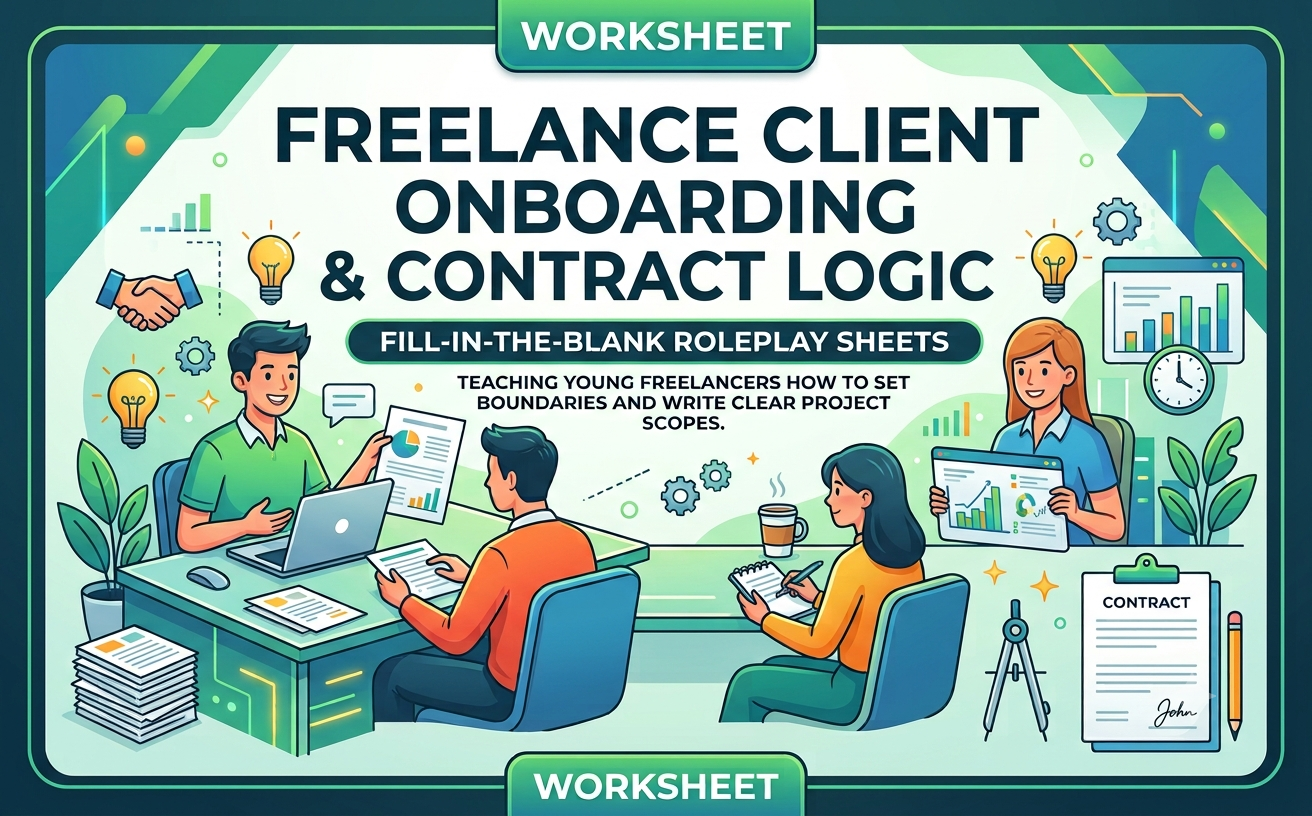
Boundary Setting & Healthy Relationships Scenario Worksheets
Special Resources, Life Skills, Social Emotional Learning (SEL), Social Skills, Special Education Needs (SEN), Speech Therapy, STEM, Resources for Teachers, Classroom Management, Community Building, Grade 6, 7, 8, 9, 10, 11, 12, Worksheets & Printables, Workbooks, Worksheets, Word Searches, Teacher Tools, Assessments, Lesson Plans, Quizzes and Tests, Quizzes, Tests
Presented in an easy-to-use format that is ready for use immediately, the Boundary Setting and Healthy Relationships Scenarios Worksheet is a collection of 40 pages of worksheets focused on Teaching S.E.L. (Social & Emotional Learning) skills to adolescents. Containing relevant and up-to-date research, these worksheets help teachers foster students’ development of strong social and emotional skills through hands-on experiences, supported based on both interpersonal neurobiology and cognitive-behavioral principles. Using interactive worksheets, students will engage with realistic (and often high-stake) scenarios that depict physically, emotionally, cognitively, materially, and digitally/cyberly, from peers, from family, from romantic partners, and much more, as they explore consent and communicating when under stress, the fawn response vs. fight or flight response, location tracking, the rupture and repair cycle, trauma dumping, peer pressure, etc. Using guided written prompts as well as fill-in-the-blank and scripting exercises with reflection questions and self-assessments, students will grow their understanding of and ability to demonstrate self-control, stay calm under pressure, use assertive communication with others, and ultimately build a lifetime of autonomy through satisfying relationships. Included with the worksheets are a full Visual Asset Library (boundary typology continuum, discomfort-resolution flowchart, spheres of digital agency), complete answer keys; example responses; foundational knowledge quizzes; and an extensive Teacher Implementation Guide including psychological safety protocols, differentiation between middle and high school, and detailed information about how to use this resource in the classroom or during counseling sessions, with homeschoolers, or in youth programs. This digital (PDF) resource is the ideal tool for teachers to develop emotional regulation, distress tolerance, assertive communication, and autonomous interpersonal relationships for students as they learn to navigate friendships, romantic partnerships, social media, and family dynamics from a place of confidence and respect. Reasons why Parents/Schools Appreciate It: Trauma-Informed and Psychologically Safe: Explicitly identified protocols (Third Party Rule, opt-out options, validation versus correction) that allow for the protection of vulnerable students while still getting credit for the Social and Emotional Learning standards. Entirely "Ready to Go" and requires no prep time (40 pages of theory, 10 Scenario Worksheets, visual aids, answer keys and individualised teacher guides). Print once and immediatley begin teaching. Relevance with Real Life: Addresses current adolescent issues such as cyber boundaries, tracking locations, group chat pressure, love bombing and smear campaigns through engaging, appropriate, context sensitive scenarios. Demonstrated Skill-Building: Transition from theory to practice using scripting, somatic awareness and mastery reflections, creating measurable improvement in assertiveness and self-esteem. Flexible and Scalable (can be used by teachers in whole classes, small groups, individually or as independent study). Can be adapted from Middle School up to High School. Target Student Grade Levels: The curriculum is intended for students in grades 6 through 12 (middle and high school) as well as for teachers implementing it in classrooms. This is reflected in the Teacher Implementation Guide, sections beginning on pages 39-40, with examples of differentiation for middle schoolers and high schoolers as described below: For middle schoolers (grades 6-8), examples are provided, emphasizing peer relationships and how those relationships can lead to digital exclusion, as well as using a scripted role-playing activity. For high schoolers (grades9-12), the focus is on the complexities/differences of exploring nuances, emotional manipulation, gaslighting, intimate partner relationships, and the interconnectedness of digital technologies. The curriculum can be effectively used in Health, Social Emotional Learning (SEL), Advisory, Psychology, Counseling, Life Skills, and Advisory/Homeroom classes, as well as in after school programming, by school counselors, through families who are homeschooling, and by youth groups. Terms of Use / Copyright: This document is copyrighted to Syed Hammad Rizvi. This product is to be used only for personal and individual use in your classroom, and may not be modified or reused in any way, including the distribution or the selling of this document. This means that you may not put this on the Internet for the public to download. If you would like to distribute this item to other teachers, please purchase a new license from Teachsimple. Thank you for respecting these terms of use. This item is supplied by Syed Hammad Rizvi.
Author Creative Book Store
Rating
Tags BoundarySetting, HealthyRelationships, SEL, SocialEmotionalLearning, SELcurriculum, TeenBoundaries, DigitalBoundaries, ConsentEducation, BoundarySettingWorksheets, HealthyRelationshipsWorksheets
1st grade Coronavirus / Covid-19 Facts
P.E. & Health, Health, Special Resources, Life Skills, Social Emotional Learning (SEL), Social Skills, Kindergarten, Grade 1, Teacher Tools, Lesson Plans, Worksheets & Printables, Worksheets
First Grade Coronavirus Facts simplifies a complex topic for young learners. This informative lesson teaches essential information about COVID-19, including what it is, how it spreads, and how to stay safe. Presented in straightforward language, it covers the virus's origins and transmission. Students gain key understandings like hand washing, mask wearing, and social distancing. Educators can facilitate rich discussions to build health awareness. The material suits whole-group instruction or independent learning centers. This timely resource equips first grade classrooms with age-appropriate details about the coronavirus pandemic. Included are a total of 13 pages with lots of activities for young learners. There are seven units that cover all the health requirements for first grade. Here are the links to other health units: Health 1st Grade Unit 1: Personal Health by Teach Simple Health 1st Grade Unit 2: Growth and Development by Teach Simple Health 1st Grade Unit 3: Nutrition and Physical Activity by Teach Simple Health 1st Grade Unit 4: Substance Use and Abuse by Teach Simple Health 1st Grade Unit 5: Injury / Violence Prevention and Safety by Teach Simple Health 1st Grade Unit 6: Prevention / Control of Disease by Teach Simple Health 1st Grade Unit 7: Environmental / Consumer Health by Teach Simple You can also teach your students about keeping yourself safe by studying about the Coronavirus, where and when it started and facts that plagued our world with this virus. 1st grade Coronavirus / Covid-19 Facts by Teach Simple This unit meets Common Core Standards.
Author K-5 Treasures
Tags Coronavirus, Covid-19 Facts, Pandemic, Spread Of Virus, 1st Grade Health, First Grade Health, Health Resources , Health Worksheets, Worksheets On Health, Worksheets On Covid
Crowdfunding Campaign Launch Planners
Special Resources, Life Skills, Social Emotional Learning (SEL), Social Skills, Special Education Needs (SEN), Resources for Teachers, Classroom Management, Community Building, STEM, Research, Grade 6, 7, 8, 9, 10, 11, 12, Workbooks, Worksheets & Printables, Worksheets, Word Searches, Teacher Tools, Assessments, Lesson Plans, Quizzes and Tests, Quizzes, Tests
Transform your students from passive learners into active entrepreneurs! Are you looking for a project-based learning (PBL) unit that brings real-world business, economics, and mathematics to life? This comprehensive curriculum guides students through the high-stakes, logical puzzle of launching a product on crowdfunding platforms like Kickstarter or Indiegogo. This isn't just another business plan template. This 44-page, in-depth unit moves beyond marketing fluff and dives deep into the gritty, unforgiving mathematics of product fulfillment and supply chain logistics. Students will act as logistical architects, learning that a successful business isn't just about a great idea—it's about flawless execution. ▶ WHAT'S INSIDE THIS COMPLETE UNIT? Part 1: In-Depth Theory Guide (Chapters 1-4): A professional-grade guide covering the core concepts: The Economics of Crowdfunding: Uncover the hidden fees and calculate the "True Cost" of a funding goal. Behavioral Economics & Pricing: Learn the psychology of reward tiers using concepts like anchoring and the decoy effect. Global Shipping Logistics: Master the devastating impact of Dimensional Weight (DIM), Harmonized System (HS) codes, and international fulfillment hubs. Risk Mitigation & Margin Preservation: Build a contingency matrix and use algebraic modeling to create financial buffers that ensure profitability. Part 2: Student Workbook (10 Worksheets): Rigorous, scaffolded worksheets that put theory into practice. Students will calculate COGS, platform fees, shipping costs, break-even points, and contingency buffers through real-world scenarios. Critical thinking prompts ensure deep understanding. Part 3: Teacher & Visual Resources: Everything you need to teach with confidence! Pedagogical Visuals: Three ready-to-print or projectable anchor charts visually explaining Reward Tier Pricing, Dimensional Weight, and Global Logistics. Comprehensive Answer Key: A full, step-by-step answer key for all 10 student worksheets. Teacher Implementation Guide: Includes a 5-day pacing guide, discussion prompts, classroom demonstration ideas, and enrichment opportunities for advanced students. ▶ PERFECT FOR: High School Business or Entrepreneurship Classes Career and Technical Education (CTE) Programs AP Macroeconomics or Microeconomics (as a real-world application project) Financial Literacy and Math Electives Homeschool curriculum for high schoolers interested in business. Equip your students with the practical math, critical thinking, and financial literacy skills they need to survive in the modern economy. Download now and bring the ultimate business challenge into your classroom! Keywords: Crowdfunding, Kickstarter, Business Plan, Entrepreneurship Project, Project-Based Learning, PBL, High School Business, Economics, Supply Chain, Logistics, Cost of Goods Sold, COGS, Profit Margin, Financial Literacy, CTE, Student Workbook, Answer Key Why Parents/Schools Love It: Real-World Application: It moves economics and math from abstract theory into a tangible, modern context (Kickstarter!) that students find engaging, teaching skills directly applicable to today's economy. Develops Critical 21st-Century Skills: This unit forces students to synthesize data, perform multi-step calculations, think critically about risk, and solve complex logistical problems—skills that are essential for any future career. Comprehensive & Turnkey Solution: This isn't just a worksheet; it's a complete, ready-to-use instructional unit. The included theory, visuals, answer key, and teacher guide save educators dozens of hours of prep time. Rigorous & High-Level: The curriculum respects students' intelligence by presenting them with authentic, high-stakes challenges. It avoids "fluff" and focuses on the rigorous logic and math required to actually run a business, preparing them for post-secondary education and beyond. Target Audience : Based on the content, language ("Grade 11 business and economics students"), and structure, target: Primary Target: High School Teachers of grades 10-12 for subjects like Business, Entrepreneurship, Economics (including AP), and Marketing. The CTE (Career and Technical Education) market is perfect for this. Secondary Target: Homeschool Parents of high school students who are looking for advanced, project-based curriculum that teaches practical life skills. Tertiary Target: College Instructors for introductory business or entrepreneurship courses, who could use this as a practical, foundational module. Copyright/Terms of Use: This Book was copyrighted by Syed Hammad Rizvi. This resource is for personal and single classroom use only. You may not alter, redistribute, or sell any part of this resource. In other words, you may not put it on the Internet where it could be publicly found and downloaded. If you want to share this resource with colleagues, please purchase additional licenses from Teachsimple. Thank you for respecting these terms of use. This product is happily brought to you by Syed Hammad Rizvi
Author Creative Book Store
Rating
Tags Crowdfunding, Entrepreneurship, Kickstarter, SupplyChain, BusinessLogistics, ProfitMargin, CostOfGoodsSold , COGS, ProductLaunch, StartupLife
Put-Down SEL Presentation
Special Resources, Social Emotional Learning (SEL), Social Skills, Grade 3, 4, 5, 6, Teacher Tools, Lesson Plans, Worksheets & Printables, Writing Prompts
The Put-Down SEL Lesson An educational resource designed to instruct students on understanding and managing verbal and nonverbal put-downs. This comprehensive teaching tool is suitable for Grades 3 through 6, and includes an interactive presentation combined with innovative handouts. Presentation Structure A seven-slide presentation focuses on the rudimentary yet significant issue among school-age children - the use of disheartening words or gestures towards each another. During this spirited lesson, students as a group identify what constitutes a put-down in both verbal and nonverbal forms. Lively Discussions & Engaging Activities Educators trigger discussions by reading passages from selected books that link to the theme of put-downs. The Crumpled Heart activity provides a metaphorical representation of the impact of hurtful words or actions. Multimedia elements like video clips offer opportunities for whole group involvement, with each student counting instances of 'put-downs' in media content; this aims at increasing awareness about harmful remarks found in everyday media consumption. 'Tally Put-Down Homework' empowers children beyond classroom boundaries; students tally instances showcasing verbal or non-verbal put-downs from TV shows or books they interact with at home. Included Handouts & Focus Areas This PowerPoint-based package includes three detailed handouts catering to different learning styles while encouraging active participation during class activities and quiet times alike. Under special resources, the plan focuses explicitly on Social Emotional Learning (SEL). The Put-Down SEL Lesson integrates dynamic teaching techniques geared towards creating an inclusive environment fostering empathy among students - making it a valuable addition to the repertoire for public school teachers and homeschoolers alike. For more SEL resources, activities, SEL coloring pages, SEL presentations, please visit my store at: https://teachsimple.com/contributor/jennifer-moyer-taylor I am a full-time school counselor for grades kindergarten through 8th graders and I test all of my SEL products on my students at my school. My SEL products are truly "kid tested" and "kid approved".
Author Jennifer Moyer Taylor
Tags Social Emotional Learning, Verbal Put-Downs, Nonverbal Put-Downs, Classroom Activities, SEL Presentations, SEL Activity, School Counseling, SEL
SLANT Strategy Lesson-A lesson about paying attention and listening
Special Resources, Social Emotional Learning (SEL), Social Skills, Special Education Needs (SEN), Grade 3, 4, 5, 6, 7, 8, 9, 10, Teacher Tools, Lesson Plans
In this resource, students will learn about the strategy called S.L.A.N.T. This is a strategy to teach students how to pay attention and listen. This can be such a critical skill when students are in school, at home, and with their friends. SLANT stands for S-Sit up, L-Lean forward, A-Ask questions, N-Nod head, T-Track the speaker. Students will first be asked about what does "paying attention" and "listening" mean. They will also be encouraged to talk about who and what they need to pay attention to and listen to at home and school. Then they will learn about the SLANT strategy. They will be asked to participate in a partner activity in which they will tell about a happy memory for 2-3 minutes with a beginning, middle, and end for the story. They will then ask their partner a question about their memory to see if they were listening. The partner is allowed to ask 1-2 questions if they are unclear about some details. Next, they will swap roles and the person who shared is now the listener and vice versa. The PPT slideshow will prompt some questions about what was easy or challenging about this activity. The last part of the lesson is a fun game called "When someone claps twice." This is such a fun game that your students will want to play again and again. I placed this at the end of the lesson because you can play it as many times as time allows. There are 27 commands in the game . The teacher begins the game by passing out a strip of paper to each student. Some students may get 2 strips as there are 27 strips and you may not have 27 students. That is o.k.! It adds to the challenges. After the teacher claps twice, the student with the command "When the teacher claps twice, ..." needs to do the task on their strip of paper. Then the next student needs to do the task after the student does their task and so on. To reinforce the SLANT strategy, you can print off either slide 5 or 10 and put up in the classroom.
Author Jennifer Moyer Taylor
Tags SLANT, Listening, Paying Attention, Focus, School Counseling, Special Education, Social Skills, Friendship Skills, Behavior Management
Are You An Optimist or Pessimist SEL presentation & Survey!
Special Resources, Life Skills, Social Emotional Learning (SEL), Social Skills, Grade 4, 5, 6, 7, 8, 9, 10, Teacher Tools, Lesson Plans, Worksheets & Printables, Presentations, Assessments
Are You An Optimist or Pessimist SEL Presentation Lesson Plan With Student Survey is a resource designed to bring educational lessons on optimism and pessimism directly into the classroom. Perfect for educators of grades 4 through 10, this tool is equally useful for both public school teachers employing enhanced teaching techniques and homeschooled students. This lesson plan revolves around a 20-slide PowerPoint presentation, offering clear guidance to students through each stage of the learning course. The content includes two embedded videos (located at slide numbers 9 and 10) which serve as visual aids to better understand the topic. The first segment features seven quick question image prompts intended to engage student thought processes - these can be conducted via stand-up/sit-down methods or simple hand raising. This is followed by an interactive survey where participants score their answers based on personal feelings, fostering open dialogue among peers about their choices. Detailed answer sheets are provided post-survey; these aim at easy comprehension by all participants, thus making life skill education seamless! The final slide inducts additional resources - links that guide students towards strategies employed for developing optimistic thinking over pessimistic attitudes. Furthermore, enjoyable GIFS strewn throughout ensure that sessions remain lively and engaging until the end! Note: This resource primarily uses Microsoft PowerPoint; ensuring a flawless backdrop for memorable lessons. Optimally designed for whole-class settings, small group discussions, individual activities or even homework assignments; its versatility makes it adaptable across various teaching scenarios needing minimal preparation beforehand (except printing survey documents). This is a wonderful lesson that students LOVE. They get to discover a bit about themselves as well as get to know the other students around them. For more products and resources like these to teach SEL and SEN lessons, please go to: https://teachsimple.com/contributor/jennifer-moyer-taylor You may also enjoy my lesson on introverts versus extroverts here: https://teachsimple.com/product/are-you-an-introvert-or-extrovert-lesson-with-kahoot-and-student-survey
Author Jennifer Moyer Taylor
Tags Optimism, Pessimism, Lesson Plan, SEL Presentations, Survey, School Counseling, SEL, Social Emotional Learning, Health, Social Skills
Social Emotional Learning Unit: Feelings & Emotions Activities
Special Resources, Social Skills, Preschool, Grade 1, 2, Lesson Plans, Teacher Tools
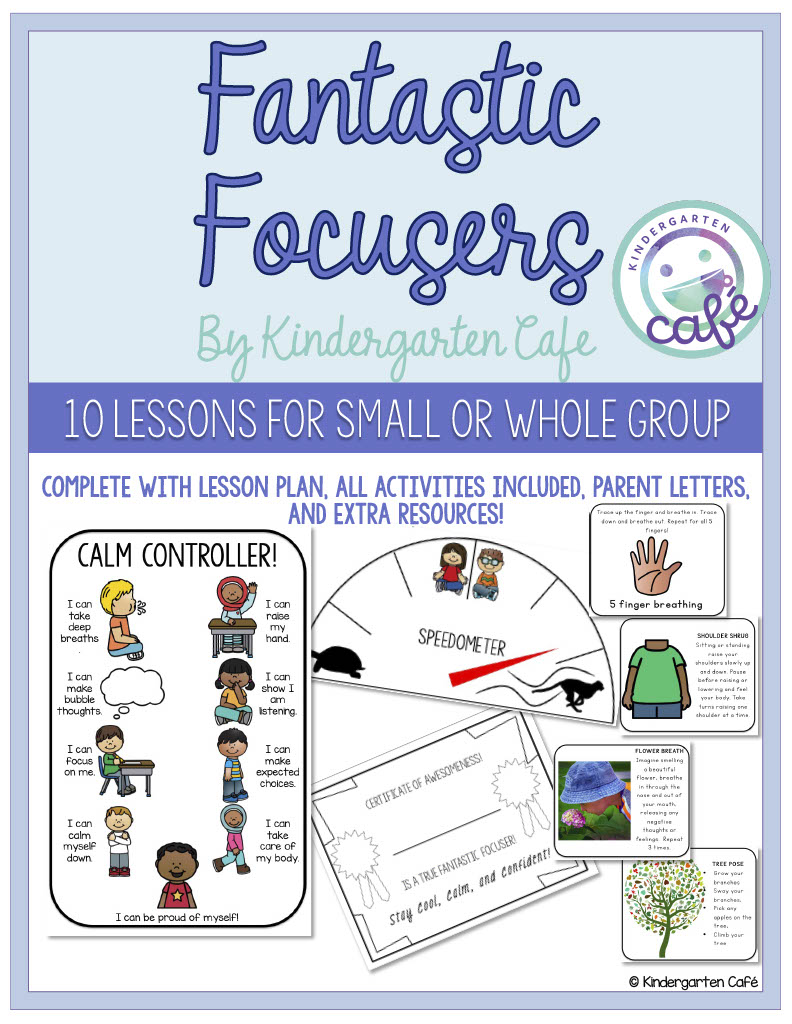
The Social Emotional Learning Unit: Feelings & Emotions Activities is a 33-page resource full of ideas, lessons and printables to teach students about feelings and emotions. You will receive a handout that includes teaching points, read-alouds, videos and extra activities. There is a letter to caregivers to support feelings and emotions at home. After learning about feelings and emotions, students will get to write about what they've learned and practice their reading skills with the emergent reader. There are posters that can be printed for display within a calm down corner as well as spinners for students to choose something they can do when they are mad or frustrated.
Author Kindergarten Cafe
Tags Feelings, Emotions, Activities, Social, Emotional, Feelings Emotions Activities, Feelings/emotions Activities
Mindfulness for Exam Stress – Focused Attention Worksheets
Life Skills, Special Resources, Social Emotional Learning (SEL), Social Skills, Special Education Needs (SEN), Speech Therapy, STEM, Resources for Teachers, Classroom Management, Community Building, Grade 6, 7, 8, 9, 10, 11, 12, Worksheets & Printables, Workbooks, Worksheets, Word Searches, Teacher Tools, Assessments, Lesson Plans, Presentations, Quizzes and Tests, Tests
A complete 40-page workbook to promote the use of mindfulness and learn how to manage exam stress using neuroscience-based methods. This workbook includes clear theoretical concepts (e.g., "Amygdala Hijacking", "Working Memory Bottleneck", "Default Mode Network versus Task Positive Network") paired with a total of 10 student worksheets, 3 visually appealing colored models for use throughout the course, an answer key that shows all answers for the worksheets and a teacher guide to implementation. In addition to theory, there are practical tools to help the student manage their stress level and perform well on assessments. Practical tools include: Cognitive Defusion (to eliminate the "failure script" you tell yourself), using Somatic Mapping and micro-interventions (e.g., Physiological Sigh, 5-4-3-2-1 Grounding, Box Breathing), using the POP (Pause, Observe, Proceed) method to eliminate "blanks" on assessments, utilizing pre-test mental rehearsal and post-test decompression exercises. This workbook is perfect for use in the classroom, individual counseling sessions, study skills programs, or home schooling. It is available for immediate digital download, and can be printed from your computer or used in your digital course materials with no preparation needed. These strategies have been researched and proven to effectively lower levels of test anxiety and provide access to your working memory when under pressure to perform. Reasons Parents and Schools Love this Product: Science-based methods that help students calm themselves when they take exams through teaching them how to control their brains instead of just telling them to calm themselves down. No preparation required on the part of teachers with regard to having materials like worksheets, visuals, answer keys, and an implementation guide to use immediately in their classrooms or with students who need support. Helps develop true resilience by teaching students ways to cope with anxiety over a lifetime rather than relying on temporary motivation techniques. All micro-interventions available through this product can be done without being seen or heard, therefore making it more conducive to use during exam time. Very easy for both parents and counselors to understand how to use the micro-interventions in a way that they will get maximum benefit from doing so; great for SEL programs, study skills classes, or using at home. Intended Readers : The target audience for this resource is students who belong to the ages of 12-16 (Grades 7-10). The research case studies were conducted with 7th grade (ADHD/test anxiety), 8th grade, 9th grade and 10th grade (AP Biology) students. The resource sections of the Teacher Implementation Guide focus on the students themselves as they relate to their neurodevelopmental stage (middle and early high school). This resource is perfect for middle school (Grades 7-8) and early high school (Grades 9-10) students, who are preparing for any number of major exams, standardized exams and high stakes assessments (i.e., any subject). Not intended for elementary students (too difficult) or late high school/college students (the language and examples were written specifically for the adolescent population). Copyright / Terms of Use : This book is copyrighted to Syed Hammad Rizvi. It should only be used by you or as a single classroom reference resource. You cannot edit, share, or sell anything contained in this book, so please do not upload it to the internet and make it available for download to anyone else. If you would like to share this book with co-workers, please purchase another copy of this book through Teachsimple and respect the above terms of use. Thanks for using and supporting this product from Syed Hammad Rizvi!
Author Creative Book Store
Rating
Tags Mindfulness, TestAnxiety, ExamStress, StressRelief, AnxietyRelief, MentalHealth, SelfCare, SEL, SocialEmotionalLearning, MindfulnessForStudents
SEL Unit – Respect Activities & Lessons
Special Resources, Social Skills, Preschool, Grade 1, 2, Lesson Plans, Teacher Tools
The Social Emotional Learning Unit: Respect Activities is a 14-page resource full of ideas, lessons and printables to teach students about respect. You will receive a handout that includes teaching points, read-alouds, videos and extra activities. There is a letter to caregivers to support respect at home. After learning about respect, students will get to write about what they've learned and practice their reading skills with the emergent reader.
Author Kindergarten Cafe
Rating
Tags Social, Emotional, Social Skills Curriculum, Respect Curriculum, Respect Activities, Activities To Teach Respect, Respect Activities For Elementary, Activities That Teach Respect
Daily Social & Workplace Skills: Social Media Behaviors & Cyber Bullying Gr. 6-12
Special Resources, Social Skills, Grade 6, 7, 8, 9, 10, 11, 12, Teacher Tools, Lesson Plans
Daily Social & Workplace Skills: Social Media Behaviors & Cyber Bullying Gr. 6-12 This teaching resource focuses on the development of crucial social skills required for everyday life and career success. Designed for Grade 6-12 students, it is a versatile tool compatible with various educational environments, including public schools or homeschool curricula. Main Topics: Time management Daily routines Making appointments Filling out forms Telephone manners In addition to this, theoretical information is complemented by hands-on activities like crossword puzzles or reading passages. Digital Space Behavior and Cyberbullying The material extends its coverage to include proper texting etiquette and responsible behavior on social media platforms. The module also addresses the increasingly important issue of cyberbullying, helping students grasp modern etiquette norms in both physical and digital environments. Educational Settings and Methods of Implementation: This content can be utilized by individual learners working from home or implemented efficiently in small group settings during classroom instruction. These resources can also be used as homework assignments extending learning beyond school. The Product Details: One product file provided in PDF format under the special resources category with subsubject focusing on social skills enhancement. ' 'This instructional material does align with state standards while being designed considering Bloom's Taxonomy.` The aim? To provide educators access to teaching materials that simplify understanding essential life skills without making lessons overly complicated or confusing. The final note? This resource helps equip your students better prepare for real-world situations by enhancing their understanding of critical societal norms while being approachable at all learning levels. It's a successful blend of high-interest concepts with low vocabulary, making it a valuable teaching asset.
Author Classroom Complete Press
Tags PDF
Bullying and Bystander Lesson
Special Resources, Social Skills, Grade 5, 6, 7, 8, 9, 10, Teacher Tools, Lesson Plans
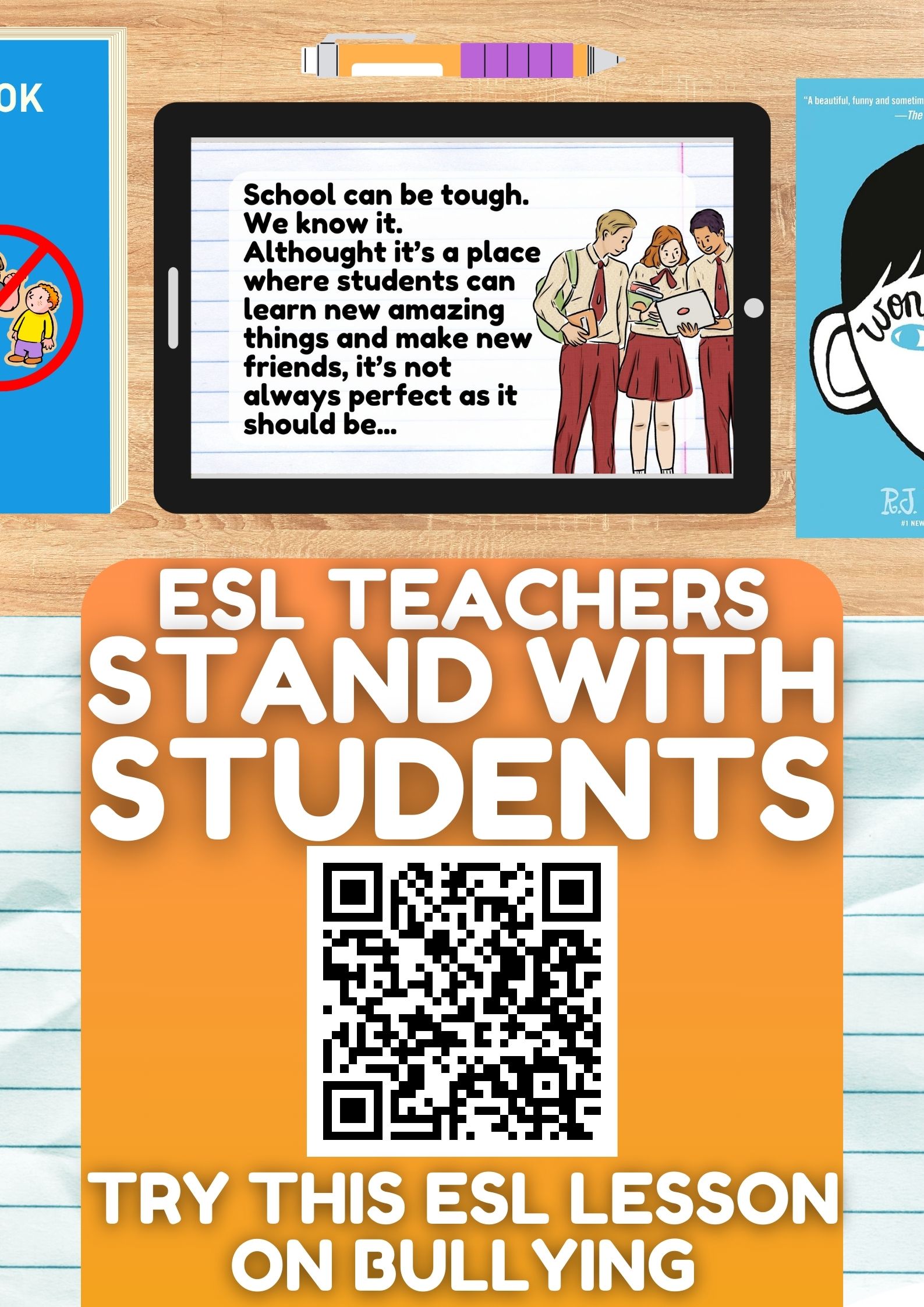
Bullying and Bystander Lesson This is an invaluable teaching resource designed to help students in grades 5 through 10 understand the dynamics between bullies and bystanders. Offering real-world examples, interactive video content, and thought-provoking discussions, this lesson plan uniquely addresses the pressing issue of bullying and its effects. Understanding Bullying In this lesson, learners explore their viewpoints regarding what constitutes bullying. Vivid examples are provided to further expand their knowledge about various types of bullies. The Role of Bystanders In a continued quest for knowledge, students delve into the concept of being a bystander. This understanding makes them aware how they can potentially influence or stop bullying situations. Interactive Videos One prominent feature that bolsters our resource's effectiveness is its approach towards enriching student learning through perspective-broadening video links appreciated by students which cover both bullies' behavior patterns and the essence of kindness. Suggested Resources: Kathryn Otoshi's acclaimed book 'One' Videos covering critical issues like cyberbullying Note: This comprehensive lesson includes real-life narratives from famous personalities who were bullied during their formative years proving significant life lessons are learned not just from books but lived experiences too. Digital Formatting & Delivery Methods This PowerPoint lesson plan is integrated with other interactive elements such as relevant videography ideas ensuring optimal student engagement whether used in whole group sessions or small learning units including homeschool environments or even as homework assignments creating long-lasting impressions beyond classrooms. Our digital resource is offered in ready-to-use PDF format making it easy for educators planning curriculums focusing on personal development skills among young learners particularly navigating critical social situations identified under Special Resources – Social Skills within the realm of education. The Bullying and Bystander Lesson is a must-have tool for any educators ready to address this sensitive yet essential subject matter with their students.
Author All About Food and Life Skills
Tags Bullying, Bystanders, Dynamics, Examples, Teaching Resource, One Kathryn Otoshi Lesson Plans, One By Kathryn Otoshi Activities
Health | 3rd Grade Unit 2: Growth and Development
P.E. & Health, Life Studies, Physical Education, Health, Special Resources, Life Skills, Social Emotional Learning (SEL), Social Skills, Grade 3, Teacher Tools, Lesson Plans, Worksheets & Printables, Worksheets
This 3rd Grade Health Unit focuses on Growth and Development and is essential to help students with their health and wellness. There are seven units in all taught in 3rd grade that focus on health. These units include: Unit 1 that focuses on Personal Health and Wellness Unit 2 that focuses on Growth and Development Unit 3 teaches students about Nutrition and Physical Activity and how to eat right and stay active Unit 4 that helps students with Substance Use and Abuse and how to avoid bad substances Unit 5 that will teach students about Injury/ Violence Prevention Control and Safety Unit 6 that covers what happened during Covid and how to protect themselves while learning about Prevention/Control of Disease Unit 7 discusses our environment and how to help save our planet with Environmental Consumer Health These units all about health can be taught out of order. They are only numbered for your convenience. At the end of each unit, there is an assessment to test students’ understanding. Through using this Health 3rd Grade Unit 2: Growth and Development, students will be able to study and learn about body organs, our body systems, and their emotional and physical features. Included in this 3rd Grade Health Unit are the following: In this unit, students will learn about several different organs in the body including: brain, lungs, heart, liver, kidneys, and the small and large intestines. They will find a worksheet with a blank body and label all these parts after reading about these vital organs. Students will also learn about the many different body systems we have which include: skeletal and nervous systems, circulatory system, digestive system, respiratory system, muscular system, and learn about our skin and hair. They will assemble in order how these systems look in a body as they compile a book. They will also label each system after looking a drawings. They will explore the emotional and physical features of people when they are sad, surprised, happy, etc. Lastly, they will compare their physical features to other classmates and come to understand how our genes are all different. This unit meets Common Core Standards. It is 13 pages of fun engaging activities! At the end of the unit, there is an assessment to check for understanding. There are seven units that cover all the health requirements for 3rd grade. Here are the links to other health units:
Author K-5 Treasures
Rating
Tags Health Unit, Personal Health, Healthy Goals, Unhealthy Choices, Health Activities, Physical Goals, Health Goals, Health And Wellness, 3rd Grade Health, Third Grade Health
Health 2nd Grade Unit 6: Prevention / Control of Disease
P.E. & Health, Health, Physical Education, Special Resources, Life Skills, Social Emotional Learning (SEL), Social Skills, Grade 2, Teacher Tools, Lesson Plans, Worksheets & Printables, Worksheets
For 2nd Grade Health there are seven standards that need to be taught. Unit 1 Personal Health Unit 2 Growth and Development Unit 3 Nutrition and Physical Activity Unit 4 Substance Use and Abuse Unit 5 Injury/ Violence Prevention Control and Safety Unit 6 Prevention/Control of Disease Unit 7 Environmental Consumer Health This Health 2nd Grade Unit 6: Prevention / Control of Disease covers topics such as: * Communicable vs non-communicable diseases with a cut, sort, and paste activity. * What to do when you are sick and how not to spread germs. * Steps to wash hands effectively. * Overall personal hygiene worksheets. * Vocabulary words related to dental care. * This 2nd Grade Health Unit even covers Covid 19 and how it started and its effects on the body and how to prevent the spread of this disease. With this 2nd grade health unit, students will be able to understand how to better prevent the spread of diseases. It is a great way to help them learn how to stay healthy and well at home, at school, and in public places. At the end of the unit, there is an assessment to check for understanding. A total of 31 pages for 2nd Grade Health on Prevention and Control of Disease. There are seven units that cover all the health requirements for second grade. Here are the links to other health units: Health 2nd Grade Unit 1: Personal Health Health 2nd Grade Unit 2: Growth and Development Health 1st Grade Unit 3: Nutrition and Physical Activity Health 2nd Grade Unit 4: Substance Use and Abuse Health 2nd Grade Unit 5: Injury / Violence Prevention and Safety Health 2nd Grade Unit 6: Prevention / Control of Disease Health 2nd Grade Unit 7: Environmental / Consumer Health 2nd grade Coronavirus / Covid-19 Facts This unit meets Common Core Standards.
Author K-5 Treasures
Tags Health Unit, Prevention, Control Of Disease, Germs, Second Grade Health, 2nd Grade Health, Healthy Activities, Healthy Habits, Coronavirus, Health Resources For 2nd Grade
I WONDER - How Can You Stay Safe Online | Animated Video
Computer Science, Technology, Science, Social Emotional Learning (SEL), Special Resources, Life Skills, Social Skills, Grade 4, 5, 6, 7, 8, 9, 10, Lesson Plans, Teacher Tools
Video Introduction An amazing video designed for the students to learn more about social and soft skills in our daily life. I WONDER - How Can You Stay Safe Online | Animated Video Lesson Have you ever read about soft skills or social skills? If yes, can you tell us more about them? Body language is so important for us to learn about, as it teaches us how to deliver the correct message to the people we are talking to, and get the right message from the people who talk to us, by simply reading their body language. What do you know about etiquette? Do you know that every country has got its unique etiquette? What do you know about online etiquette? What is your strongest soft/social skill? Can you name other social or soft skills? Do you think we should be always nice to our friends and family? Do you think we should be kind with animals? Have you ever read about online etiquette? If yes, tell us more about it. What are the essential skills that we should have while dealing with people online? I WONDER - How Can You Stay Safe Online | Animated Video Lesson The video is perfect for encouraging the researching skills for the students, while learning more about these fantastic social and soft skills in our daily life. I WONDER - How Can You Stay Safe Online | Animated Video Lesson This friendly designed video is suitable for students at school, homeschooling, and as a group activity. Format Available in MP4 format.
Author Educational Voice
Rating
Tags How Can You Stay Safe Online, How Can You Stay Safe Online Video, Stay Safe Online, Stay Safe Online Facts, Stay Safe Online Video, Stay Safe Online Video For Kids, Stay Safe Online Facts For Kids
Daily Social & Workplace Skills: Friendships, Communication & Problem Solving Gr. 6-12
Special Resources, Social Skills, Grade 6, 7, 8, 9, 10, 11, 12, Teacher Tools, Lesson Plans
Daily Social & Workplace Skills: Friendships, Communication & Problem Solving Gr. 6-12 An invaluable tool for educators, this resource enhances students' social skills in the workplace and everyday life. It is suitable for grades 6 through 12. The resource covers essential topics such as: Time management, Daily planning, Making appointments, and Form filling. This resource not only provides theoretical knowledge but also prepares students for real-world scenarios they will encounter in the workplace. It focuses on advanced communication skills like "texting manners, email etiquette and telephonic conversations". Additionally, it touches upon maintaining decorum on social media platforms. Versatility of Teaching Aid This teaching aid proves versatile since educators can effectively incorporate it into whole group activities or small group sessions. It doubles as a homework assignment where students can apply what they've learned outside the classroom context. Inclusive Design Features Graphic organizers : They serve as visual aids to break down complex ideas into simple fragments. Real-world activities: These bridge theory with practical applications making learning more engaging. Crosswords and word searches: Facilitate active learning while comprehension quizzes help gauge student progress. Coverage of Subject Matter The comprehensive coverage encompasses subjects related specifically to social skills including daily routines maintaining amicable relationships with colleagues volunteer work culture etc—staying within state-defined standards aligns tightly with Bloom's Taxonomy's mission fostering cognitive domain development. Convenient Format Designed in a convenient PDF format, educators can easily download and print or use digitally. An absolute requisite for those looking to empower their students with fundamental social and workplace skills.
Author Classroom Complete Press
Tags PDF
Social Skills: Collaboration Gr. 6-12+
Special Resources, Social Skills, Common Core, Grade 6, 7, 8, 9, 10, 11, 12, Teacher Tools, Lesson Plans
Social Skills: Collaboration Gr. 6-12+ is a comprehensive teaching resource specifically tailored for grade 6-12 students, forming an essential part of the broader "Real World Life Skills - Social Skills" curriculum . Unique Educational Resource With Real-Life Applications This material equips learners with social skills vital for adult life such as: Identifying positive and negative traits Forming long-lasting relationships Avoiding undesirable behaviors Emphasizing Responsible Independence The teaching resource also emphasizes self-reliance through independence and responsibility, helping students understand the importance of saying 'no' under certain circumstances—an essential ingredient to personal development that's often overlooked in standard curriculums. Nurturing Personal Accountability & Handling Criticism This resource helps build personal accountability through correct demeanor while handling criticism—a unique feature designed to keep classes engaging, regardless of whether they're delivered via webcam or in-person.. Inspiring Collaborative Learning Experiences The product offers: It encourages collaboration and keeps the classroom strongly interactive. Prompting a Progress-Minded mindset: Learners receive guidance on breaking unhealthy habits with an engaging 30-day interactive challenge! Inculcating politeness rules: Practical etiquette lessons help ensure respectful behavior among peers creating a harmonious learning environment. The PDF-type lessons included in this resource consists of: Educative reading passages, Creative graphic organizers, Additional Quiz Components following Bloom's Taxonomy aligning with your state standards Give Students an Edge with this Collaborative Learning Resource This resource, whether used for whole group tasks or individual homework assignments, promotes team bonding, punctuality and accountability among students while enhancing their overall social skills.
Author Classroom Complete Press
Tags PDF
Emotional Regulation & "Size of the Problem" Mapping
Special Resources, Life Skills, Social Emotional Learning (SEL), Social Skills, Special Education Needs (SEN), Speech Therapy, STEM, Resources for Teachers, Classroom Management, Community Building, Grade 1, 2, 3, 4, 5, 6, 7, 8, Teacher Tools, Assessments, Lesson Plans, Quizzes and Tests, Quizzes, Tests, Worksheets & Printables, Workbooks, Worksheets, Word Searches
Have you had enough of students throwing tantrums over minor issues? This COMPLETE set of materials will help you to promote emotional regulation in your classroom and/or counselling office. This complete print-and-go curriculum will teach students in grades 1 – 3 the important difference between a “glitch” and an “emergency.” Based upon the popular “Size of The Problem” concept, this toolkit goes far beyond simple worksheets by providing a comprehensive, neuroscience-based approach to building self-regulation skills. This is not just a bunch of activities; it is a comprehensive multi-week program that allows students to learn how their brain works, understand the size of their problems, and respond to those problems with appropriate emotional responses. This program can be used by any teacher, school counselor, special education teacher, or occupational therapist. WHAT IS IN THE PACKAGE - 43 Pages of High Value Content Part 1 – Theory and Clinical Guide (11 Pages) – A detailed educator guide to why the approach is used. This section will include an explanation of the neurobiology of an "amygdala hijack," a review of the principles of Cognitive Behavioural Therapy (CBT), and an explanation of the research supporting visual scales as an assessment tool for young learners. Part 2 – Engaging Student Workbook (20 Pages) – 10 Scaffolded Worksheets: Fun, relatable activities that allow the learners to develop their ability to identify problem sizes and their reaction to those problems. Topics Include: Problem Thermometer, Reaction Rulers, The Match Game, Shrink the Mismatch, What If? Lab, Body Signals, Perspective Taking, and a Personal Problem Map. Part 3 – Teacher Resources and Visuals (12 Pages) – 3 Visual Models for teachers: Classroom poster ("The Proportional Magnitude Scale"), an assessment matrix, and a cognitive mapping flowchart – all are perfect for use as anchor charts and for daily reference. Answer Keys for the student worksheets make it easy to assess your students. Detailed Implementation Guide for teachers: This guide contains a detailed week by week implementation plan for introducing conceptual information and providing reinforcement for long-lasting effects, including scripts and suggestions for implementation activities. Support your students as they develop a base of emotional awareness and skills to be able to deal with emotions throughout their life. Provide your students with the opportunity to not only deal with their emotional responses but to also develop the ability to know, evaluate and manage their emotional responses. CATEGORIES OF LEARNERS: Elementary Education, Social Emotional Learning; Copywriter; Emotion Regulator; Teacher; Student; Self-Regulator; Reference; Help With; Size Of The Problem; Coping Skills; Student Management; Meltdowns; Workbook; Worksheets; Visuals; Posters; Anchor Charts-School; Elementary Grades: 1st, 2nd, 3rd; School Counseling; Special Education; CBT. Reasons for Parents/Schools to Appreciate: Science Based Approach: Proven theories of neurobiology and cognitive behavioral therapy (CBT) provide a scientific basis for the works that are performed based on their use. Develops Lifelong Skills for Children: Children acquire a language and visual representations of their feelings, enabling them to have the tools they need to cope and manage their feelings as well develop independence and resiliency. Reduces Disruption in Classrooms: Students become more self-regulated and are less likely to act out over little things such as breaking a crayon or losing a game. Therefore, there is increased time for typical learning. A Complete Program: The online program is complete and provides all of the materials needed to teach the program to students. Teachers and counselors do not need to create or gather materials themselves; the time savings are significant! Target audience: According to the content, language, and examples of your product (for example, "first through third grades", 7-9 year-old case studies) the target is: Main Student Audience: 1st Grade to 3rd Grade students (6-9 years). Main Buyer Audience: Elementary school teachers, special education teachers, school counsellors, school psychologists, occupational therapists (OT's), child therapists, and the concerned parents of children who have difficulties regulating their emotions. Terms of Use and Copyright : Syed Hammad Rizvi is the owner of this copyrighted book; it is for individual and personal (one classroom) use only. You cannot modify, redistribute, or sell this item or any part of it anywhere else. You are not permitted to post it to the internet so that anyone can find it and download it. If you wish to share it with others, please purchase additional licenses from Teachsimple. Thanks for respecting these terms. Syed Hammad Rizvi (h) is honored to provide you with this resource!
Author Creative Book Store
Rating
Tags SocialEmotionalLearning, SEL, EmotionalRegulation, SelfRegulation, CopingSkills, MindfulnessForKids, EmotionalIntelligence, SocialSkills, Feelings, SizeOfTheProblem
I WONDER - What Is An Internet Troll | Animated Video Lesson
Life Skills, Special Resources, Social Emotional Learning (SEL), Social Skills, Computer Science, Technology, Science, Grade 4, 5, 6, 7, 8, 9, 10, Lesson Plans, Teacher Tools
Video Introduction An amazing video designed for the students to learn more about social and soft skills in our daily life. I WONDER - What Is An Internet Troll | Animated Video Lesson Have you ever read about soft skills or social skills? If yes, can you tell us more about them? Body language is so important for us to learn about, as it teaches us how to deliver the correct message to the people we are talking to, and get the right message from the people who talk to us, by simply reading their body language. What do you know about etiquette? Do you know that every country has got its unique etiquette? What do you know about online etiquette? What is your strongest soft/social skill? Can you name other social or soft skills? Do you think we should be always nice to our friends and family? Do you think we should be kind with animals? Have you ever read about online etiquette? If yes, tell us more about it. What are the essential skills that we should have while dealing with people online? I WONDER - What Is An Internet Troll | Animated Video Lesson The video is perfect for encouraging the researching skills for the students, while learning more about these fantastic social and soft skills in our daily life. I WONDER - What Is An Internet Troll | Animated Video Lesson This friendly designed video is suitable for students at school, homeschooling, and as a group activity. Format Available in MP4 format.
Author Educational Voice
Rating
Tags What Is An Internet Troll, What Is An Internet Troll Video, Internet Troll, Internet Troll Facts, Internet Troll Video, Internet Troll Facts For Kids, Internet Troll Video For Kids, Troll, Trolls
Kindergarten Health: Unit 5
P.E. & Health, Life Studies, Physical Education, Health, Special Resources, Life Skills, Social Emotional Learning (SEL), Social Skills, Kindergarten, Lesson Plans, Teacher Tools, Worksheets & Printables, Worksheets
For Kindergarten Health there are seven standards that need to be taught to achieve healthy habits! Unit 1 Personal Health Unit 2 Growth and Development Unit 3 Nutrition and Physical Activity Unit 4 Substance Use and Abuse Unit 5 Injury/ Violence Prevention Control and Safety Unit 6 Prevention/Control of Disease Unit 7 Environmental Consumer Health These units can be taught out of order. They are only numbered for your convenience. Through using this Kindergarten Health: Unit 5, students will explore and learn to identify daily healthy habits. Included in this unit : Students will learn what to do if they are lost by learning their phone numbers of a parent or guardian. Students will also learn their address and full name, and guardian's names if lost. Students will complete a cut and paste activity for when to call 911 and when not to call 911. Students will learn about bike safety and the signals used when riding a bike. Playground safety is also taught in this unit . Learning about stranger danger is outlined in this unit with a cut and paste activity . Lastly, students will learn about bullying and what it means to be bullied and what to do. This excellent product comprises 11 pages chock-full of useful resources aimed at fostering critical life skills for the well-being of young learners. Embrace Kindergarten Health: Unit 5 in your classroom today! There are seven units that cover all the health requirements for Kindergarten. Here are the links to other health units: Kindergarten Health: Unit 1 Personal Health Kindergarten Health: Unit 2 Growth and Development Kindergarten Health: Unit 3 Nutrition and Physical Activity Kindergarten Health: Unit 4 Substance Use and Abuse Kindergarten Health: Unit 5 Injury / Violence Prevention Control and Safety Kindergarten Health: Unit 6 Prevention / Control of Disease Kindergarten Health: Unit 7 Enviromental Consumer Health You can also teach your students about keeping yourself safe by studying about the Coronavirus, where and when it started and facts that plagued our world with this virus. Kindergarten Health: Covid 19 / Coronavirus Facts This unit meets Common Core Standards.
Author K-5 Treasures
Tags Health Worksheets, Health, Kindergarten Health, Personal Health, Kids Health, Worksheets On Health, Elementary Health, Healthy Foods, Healthy Habits, Health Units
Social Emotional Learning Unit: Listening Activities
Special Resources, Social Skills, Preschool, Grade 1, 2, Lesson Plans, Teacher Tools
The Social Emotional Learning Unit: Listening Activities is an 18-page resource full of ideas, lessons and printables to teach students about listening skills. You will receive a handout that includes teaching points, read-alouds, videos and extra activities. There is a letter to caregivers to support listening skillsat home. After learning about effective ways of listening, students will get to write about what they've learned and practice their reading skills with the emergent reader.
Author Kindergarten Cafe
Tags Listening Activities, Emergent Reader, Listening Ears, Writing Activity, Learning Unit
Health 1st Grade Unit 3: Nutrition and Physical Activity
P.E. & Health, Health, Physical Education, Special Resources, Life Skills, Social Emotional Learning (SEL), Social Skills, Grade 1, Lesson Plans, Teacher Tools, Worksheets & Printables, Worksheets
For 1st Grade Health there are seven standards that need to be taught. Unit 1 Personal Health Unit 2 Growth and Development Unit 3 Nutrition and Physical Activity Unit 4 Substance Use and Abuse Unit 5 Injury/ Violence Prevention Control and Safety Unit 6 Prevention/Control of Disease Unit 7 Environmental Consumer Health These units can be taught out of order. They are only numbered for your convenience. At the end of each unit, there is an assessment to test students’ understanding. Through using this Health 1st Grade Unit 3: Nutrition and Physical Activity students will explore and learn to identify: * Students will be able to categorize healthy foods. * Students will be able to identify healthy foods and physical activities to help them stay healthy. * Students will be able to identify active verses inactive and understand the consequences of being active vs inactive At the end of the unit, there is an assessment to check for understanding. A total of 11 pages for Health 1st Grade Unit 3: Nutrition and Physical Activity. There are seven units that cover all the health requirements for first grade. Here are the links to other health units: Health 1st Grade Unit 1: Personal Health Health 1st Grade Unit 2: Growth and Development Health 1st Grade Unit 3: Nutrition and Physical Activity Health 1st Grade Unit 4: Substance Use and Abuse Health 1st Grade Unit 5: Injury / Violence Prevention and Safety Health 1st Grade Unit 6: Prevention / Control of Disease Health 1st Grade Unit 7: Environmental / Consumer Health You can also teach your students about keeping yourself safe by studying about the Coronavirus, where and when it started and facts that plagued our world with this virus. 1st grade Coronavirus / Covid-19 Facts by Teach Simple This unit meets Common Core Standards.
Author K-5 Treasures
Tags Health Unit, Nutrition, Physical Activity, Healthy Foods, Active Vs. Inactive, 1st Grade Health, First Grade Health, Personal Health, Physical Activities, 1st Grade Resources