2,788 products added recently
Parts of and Anatomy of By Subject
Prompt Engineering Game Kits: Seasonal & Holiday Challenge for Future
Life Studies, Business, Technology, Science, Computer Science, STEM, Special Resources, Life Skills, Social Emotional Learning (SEL), Social Skills, Homeschool Curriculum, Homeschool Templates, Grade 9, 10, 11, 12, Worksheets & Printables, Parts of and Anatomy of, Workbooks, Worksheets, Word Searches, Writing Prompts, Teacher Tools, Assessments, Lesson Plans, Presentations
Take your classroom to the next level with the most powerful AI tool for education: "AI Prompt Engineering Game Kits: Seasonal & Holiday Challenges for Future-Ready Classrooms!" – a 43-page printable PDF toolkit with an interactive digital companion to bring generative AI to Grades 6-12 classrooms. This professionally developed digital tool makes prompt engineering accessible to all, transforming it from an esoteric idea into an artistic skill for budding students. From basic principles involving role assignment, task definition, context delivery, constraints, to output format, to more expert strategies involving chain-of-thought prompts, few-shot prompts, deconstructing complex prompts, to constraint prompts, this tool is an unrivaled aid for educators. Organized in three levels: Phase 1: Core Content & Theory (encompassing topics of foundation, advanced procedures, ethics in AI, bias reduction, challenge development); Phase 2: Student Workbook (consisting of gamified tasks); and Phase 3: Visuals & Teacher Resources (incorporating keys, implementation handouts, graphics), this resource set equips teachers with strategies for encouraging AI teamwork through interactive challenges related to seasons/holidays. Some of these challenges encompass: creating biographies for Thanksgiving, making scavenger hunt riddles for Halloween, conceptualizing a Winter Solstice poetic sequence or an Enchanted Ice Garden Festival, celebrating the Lunar New Year. Why Parents/Schools Love It: Future-Proof Skills Development: Provides the skills that students need to have as AI system designers and as responsible digital citizens, helping them succeed in an AI-enhanced future. Engaging Learning: Thematic challenges based on seasonal activities like Halloween puzzles and Thanksgiving tales make abstract concepts like AI fun and applicative for students. Ethical Emphasis and Safety: Weaves together information on bias in AI systems,accuracy,privacy,and responsible integration to assist in creating an excellent moral foundation for appropriate technology use in a safe and suitable environment for Easy Implementation and Differentiation: Also includes teacher keys, visuals, and frameworks, making easy integration possible without prep, and providing support for all levels of learners. Established Pedagogic Effectiveness: Founded upon the tenets of constructivism, project learning, and design, it moves the evaluation point from outcome to process and teamwork. Target Classes/Students : The resource explicitly targets students in Grades 6 through 12, based on a complete analysis of the PDF, its theoretical underpinnings, methodological framework, chapter breakdowns, student workbook challenges, teacher resources, and implementation guide. It also differentiates by age group to optimize engagement: Grades 6-8: Outlines structured, foundational challenges to build basic understanding of prompt engineering, with simpler tasks such as brainstorming themes or generating short narratives, emphasizing engagement through familiar holiday contexts and guided iteration. Grades 9-12: High School Students - Assigns more open-ended and complex problems to higher-order techniques, including ethical dilemmas, bias analysis, and sophisticated outputs, such as multi-stage event planning or nuanced creative writing, in order to afford the opportunity for deepened critical thinking and real-world application. This targeting allows for appropriate rigor at each age group, where younger students receive concrete and gamified activities, while older students take the work into the realms of ethical and interdisciplinary extensions. Copyright/Terms of Use : This Book is copyrighted by Syed Hammad Rizvi. This material is for a single classroom use only. It may not be copied or altered in any way. In other words, it may not be placed on the Internet where it will be generally accessible for download. If you are interested in sharing the resource with other colleagues, you can purchase additional licenses through TpT. Thank you for honoring the terms of use. "This product is happily brought to you by Syed Hammad Rizvi"
Author Creative Book Store
Rating
Tags AIPromptEngineering, AIinEducation, PromptEngineeringGuide, EducationalAI, ClassroomAIActivities, FutureReadyClassrooms, SeasonalAIChallenges, HolidayAIProjects, EthicalAI, DigitalCitizenship
Anatomy of a Wildfire Poster | Printable Science / Geography Educational Poster
Science, Earth and Environmental Sciences, Earth Sciences, Not Grade Specific, Parts of and Anatomy of, Worksheets & Printables
A beautiful hand-illustrated watercolor print featuring a wildfire with the different parts labeled labels. An ideal accompaniment to science, nature , or geography study. To create a lasting and tactile item I highly recommend printing the file onto watercolor paper, it creates a beautiful finish and really looks like you are handling original paintings.
Author Fiddleticks Education
Tags Anatomy, Geography, Science, Wildfire Posters
Anatomy of Black Garden Ant
Science, Life Sciences, Animals, Grade 1, 2, 3, Parts of and Anatomy of, Worksheets & Printables
A beautiful hand-illustrated watercolor print is featuring the different life stages of the Black Garden ant complete with labels . Great for learning more about these fascinating creatures, using in nature study, or just as a display print. To create a lasting and tactile item, I highly recommend printing the file onto watercolor paper. It creates a beautiful finish and looks like you are handling original paintings.
Author Fiddleticks Education
Tags Ant, Watercolor, Animals, Anatomy
Anatomy of a Mute Swan Flashcards
Science, Life Sciences, Animals, Preschool, Grade 1, 2, Parts of and Anatomy of, Worksheets & Printables
A beautiful hand-illustrated watercolor print featuring the Anatomy of a Mute Swan. Great for learning more about this fascinating creature, using in nature study, or just as a beautiful display print.
Author Fiddleticks Education
Tags Anatomy , Swan , Flashcards, Science
Powered Neuro-Inclusive Micro-Learning Strategy Cards for Diverse
Science, Technology, Computer Science, Engineering, Special Resources, Social Emotional Learning (SEL), Special Education Needs (SEN), STEM, Life Skills, ELA, Grade 2, 3, 4, 5, 9, 10, 11, 12, Worksheets & Printables, Flashcards, Parts of and Anatomy of, Word Problems, Workbooks, Worksheets, Writing Prompts, Teacher Tools, Assessments, Lesson Plans
Unlocks the future of inclusive education with this 49-page ultimate resource: "AI-Powered Neuro-Inclusive Micro-Learning Strategy Cards for Diverse Classrooms (Ready!)" – an innovative and educator-recommended resource that disrupts and transforms K-12 educational strategies for the better. This downloadable pdf resource pushes the boundaries of neuro-inclusive education practices, micro-learning best practices, and responsible AI applications, covering all theoretical aspects of neuro-inclusive educational practices, micro-learning best practices, AI applications, and a lot more with its profound evidence-based resources on UDL, Cognitive Load Factors, and Constructivist concepts, with actual demonstration cases from elementary and high school levels, strategy card templates for creative development on worksheets and ethics of AI applications for educational environments, all crafted together for optimal cognitive engagement and minimizing educational barriers for effective personalized cognitive educational development. Perfect for special education resources, differentiated resources for personalized educational practices, and educational management tools, this SEO-optimized resource for educators helps and enables all educators for preparation of balanced cognitive educational morsels for enhanced cognitive engagements, motivation, and academic achievement for students across diverse K-12 educational environments. Keywords: Neuro-inclusive educational practices for classrooms, AI-based educational resources for classrooms, Micro-learning for neuro-diverse students, K-12 Neuro-inclusive educational practices, UDL resources for classrooms. Why Parents/Schools Love It: Personalized and Inclusive Strategy: Enables teachers to provide personalized education support for neurodiverse students, making them less frustrated and more confident using bite-sized and adjustable strategies such as tools for students with ADHD or autistic students. Time-Saving AI Integration: “Ethical AI capabilities offer real-time analytics, personalized content, and feedback loops that ease the instructor’s workload and help enhance outcomes in a K-12 classroom.” Results That Speak for Themselves: Proven on the evidence-based frameworks of UDL and Cognitive Load Theory, as well as illustrated cases of 20% or greater retention and engagement rates, there is no doubt that it helps students significantly. Versatile & Ready to Use: Comes with strategy cards, worksheets, & writing prompts that teachers can print out for instant use in their classrooms, thus being very useful in encouraging motivation, managing cognitive overload, & ensuring equitable education. Future-Proof Designs: equipped with ethical AI tools and frameworks that protect consumer and individual rights to privacy and mitigate biases, to ready and prepare learners for a technology-driven and worldwide environment while focusing on teaching and learning. Targeted Classes/Students : After thoroughly evaluating the entire 49-page PDF file, which contains information on foundational theory (Chapters 1-3), the design and execution of strategy cards (Chapter 4), worksheets for practice, ethical issues, case studies, and advanced topics, it is clear that the guide is designed for use in K-12 education environments. It applies to all grade levels, Kindergarten through 12th grade, with a focus on neurodiverse students. Specific suggestions are included for: Elementary School Students (Grades K-5): Underlying concepts may target fractions, reading comprehension, or social-emotional control, with examples such as Northwood Elementary focusing on ADHD, Dyslexia, and Autistic students during grades 3-5. Designed specifically for students who profit from visual supports and time-dosing assistance with their learning and attention. Middle School Students (6-8): Focuses on executive functioning assistance, multi-step task planning (ecosystems lesson for instance), AI-powered modifications for ESL, anxious, gifted students. Case examples, like Summit Ridge Middle School, discuss differentiating for students with learning disabilities. High School Students(9-12): Focuses on difficult topics in geometry proofs, formulas for volume, and abstract ideas, using micro-learning for dyscalculia, slow processing, and high-functioning autism. Examples include Emerald High School’s geometry in the 9th grade, which emphasize challenging concepts. Copyright/Terms of Use : This Book was copyrighted by Syed Hammad Rizvi. This document or textbook is exclusively for non-commercial personal and classroom use only. You are not allowed to copy, distribute, or sell any portion of this document or textbook through the Internet for public download. If you would like to share this resource with others in your workplace, please purchase additional licenses from Teachsimple. We appreciate your respect for these guidelines for use. This product is proudly brought to you by Syed Hammad Rizvi
Author Creative Book Store
Rating
Tags NeuroInclusiveEducation, AIPoweredLearning, MicroLearningStrategies, K12InclusivePedagogy, NeurodiversityInClassrooms, UDLPrinciples, CognitiveLoadTheory, EthicalAIInEducation, ADHDTeachingTools, DyslexiaSupportResources
Anatomy of a Bald Eagle
Science, Life Sciences, Animals, Grade 3, 4, 5, Parts of and Anatomy of, Worksheets & Printables
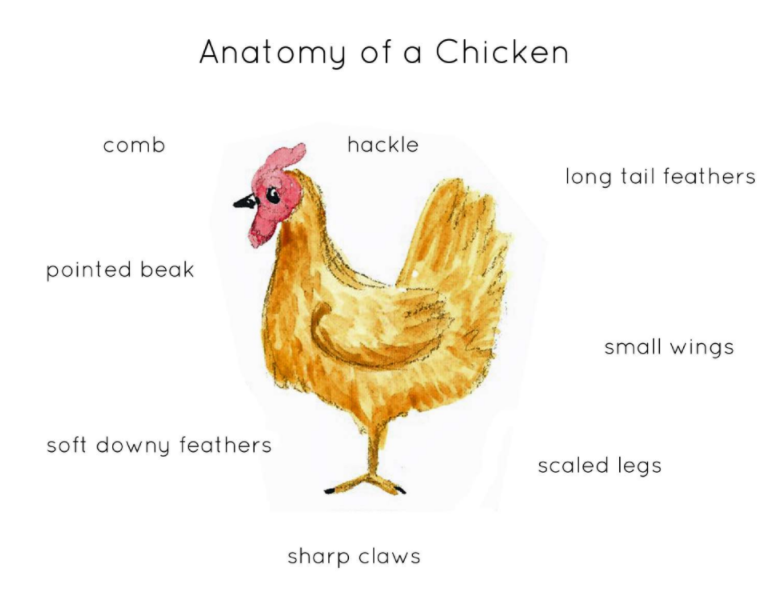
Anatomy of a Bald Eagle hand-illustrated watercolor flashcards . To create a tactile finished item, I highly recommend printing onto high-quality paper. I like to use watercolor paper as this also allows the children to add their own paintings to the pages they create and means that every piece looks and feels like an original painting.
Author Fiddleticks Education
Tags Eagle, Anatomy, Watercolor, Animals, Bald Eagle Anatomy Diagram, Bald Eagles Anatomy
Anatomy of a Grey Wolf
Science, Life Sciences, Animals, Not Grade Specific, Parts of and Anatomy of, Worksheets & Printables
A great activity for learning the anatomy of a wolf! All the illustrations included in my products are lovingly hand-drawn and painted by myself.
Author Fiddleticks Education
Tags Anatomy, Grey, Wolf, Animal, Cut And Paste
Anatomy of an Ant Colony Poster
Science, Life Sciences, Animals, Not Grade Specific, Parts of and Anatomy of, Worksheets & Printables
Anatomy of an Ant Colony Poster Discover the intricacies of the insect world with our hand-illustrated, educational resource: Anatomy of an Ant Colony Poster. It presents a unique view into a bustling ant colony through the depiction of a detailed cross-section both above and below ground. A meticulously designed visual feast, this poster offers students an innovative path to immerse themselves in zoological studies. It embodies artistry as well as academic insight, featuring comprehensive labels throughout to inspire easy learning about these fascinating insects and their social structure. Flexibility across multiple age groups and academic levels The Anatomy of an Ant Colony Poster is not grade-specific, ensuring its flexibility across multiple age groups and academic levels—making it equally suited for public school settings or independent homeschooling environments. This enchanting tool can serve as fuel for science lessons, enhancing engagement during group discussions or individual assignments. Teachers can also utilize it as part of homework assignments for independent study or nature-study projects. Real-life habitats: This resource provides a great starting point to introduce basic zoology concepts while sparking curiosity about nature's design principles. Detailed life- cycle : From work structures to feeding habits—even explaining how ants build their intricate colonies –the details addressed within the poster encourage students' observational skills and their understanding about animal kingdoms. Educators freedom with printing preferences This teaching aid unfolds in a PDF format that allows educators freedom with printing preferences based on their teaching needs and student accessibility. A standout recommendation is printing onto watercolor paper which enhances the artistic features and lifelike accuracy while adding relevance and depth to student interaction with this lively material. Drawing upon art's innate allure to engage young minds more effectively into complex life sciences topics like Zoology—the Anatomy of an Ant Colony Poster encompasses much more than purely instruction; it transforms facts into tangible knowledge that stimulates further exploration towards our natural world's wonders.
Author Fiddleticks Education
Tags Ant Colonies, Insect Anatomy, Educational Poster, Zoology, Nature Study, Anatomy Of An Ant
Cells: The Parts of a Cell
Science, Life Sciences, Biology, Common Core, Grade 5, 6, 7, 8, Parts of and Anatomy of, Worksheets & Printables
Cells: The Parts of a Cell - An Essential Teaching Resource Cells: The Parts of a Cell is an invaluable educational resource for those aiming to enhance their students' understanding in biology, focusing specifically on cell structure and function. This teaching material is highly effective for educators teaching fifth through eighth grades. Simplified Learning Approach The unique method of presentation used in Cells: The Parts of a Cell simplifies complex ideas. Topics such as single-celled and multi-cellular organisms, human cell reproduction, as well as diffusion and osmosis are explained clearly which makes it easier even for remedial students to grasp. Diverse Layouts & Activities Detailed reading passages: These can be used during whole-class instruction or personal study sessions. Multicolored mini posters: Greatly benefits visual learners or acts as handy references during study periods. Flexible student activities: Can be implemented independently or in collaborative groups making organization effortless. Educational Standard Alignment An impressive asset of Cells: The Parts of a Cell, is its alignment with recognized standards like the Common Core State Standards plus Bloom's Taxonomy & STEM initiatives objectives ensuring enriched lessons focused on developing cognitive processes along with delivering relevant knowledge. Varying Implementation Methods Support This resource proves highly adaptable supporting multiple methods implementation depending on what best fits your class - from whole-group instruction, small-group collaborative learning to independent/home-based education. eAccessibility & Integration The provided easy-to-access PDF file ensures seamless addition to any digital education toolbox without compatibility issues. As a result, Cells: The Parts Of A Cell embodies a leading edge blend of technology and pedagogy.
Author Classroom Complete Press
Tags PDF
British National Flower Anatomy Posters | Set of 4 Flower Anatomy Posters | Shamrock, Daffodil, Thistle & Rose Posters
Science, Earth and Environmental Sciences, Earth Sciences, Not Grade Specific, Parts of and Anatomy of, Worksheets & Printables
This set included 4 beautiful hand-illustrated watercolor prints featuring the 4 national flowers making up the countries of the British Isles, the Shamrock, Daffodil, Thistle, and Rose. Great for learning more about these beautiful plants, using in nature study, geography lessons, or just as a display print. To create a lasting and tactile item I highly recommend printing the file onto watercolor paper, it creates a beautiful finish and really looks like you are handling original paintings.
Author Fiddleticks Education
Tags British National Flower , Shamrock, Daffodil, Thistle & Rose Posters, Set Of 4 Flower, Anatomy Of Rose Flower, Anatomy Of Rose, Anatomy Of A Rose Flower, Flower Anatomy Word Search, Rose Flower Anatomy, Rose Flower Diagram, Anatomy Flower, Anatomy Of A Rose, Rose Anatomy
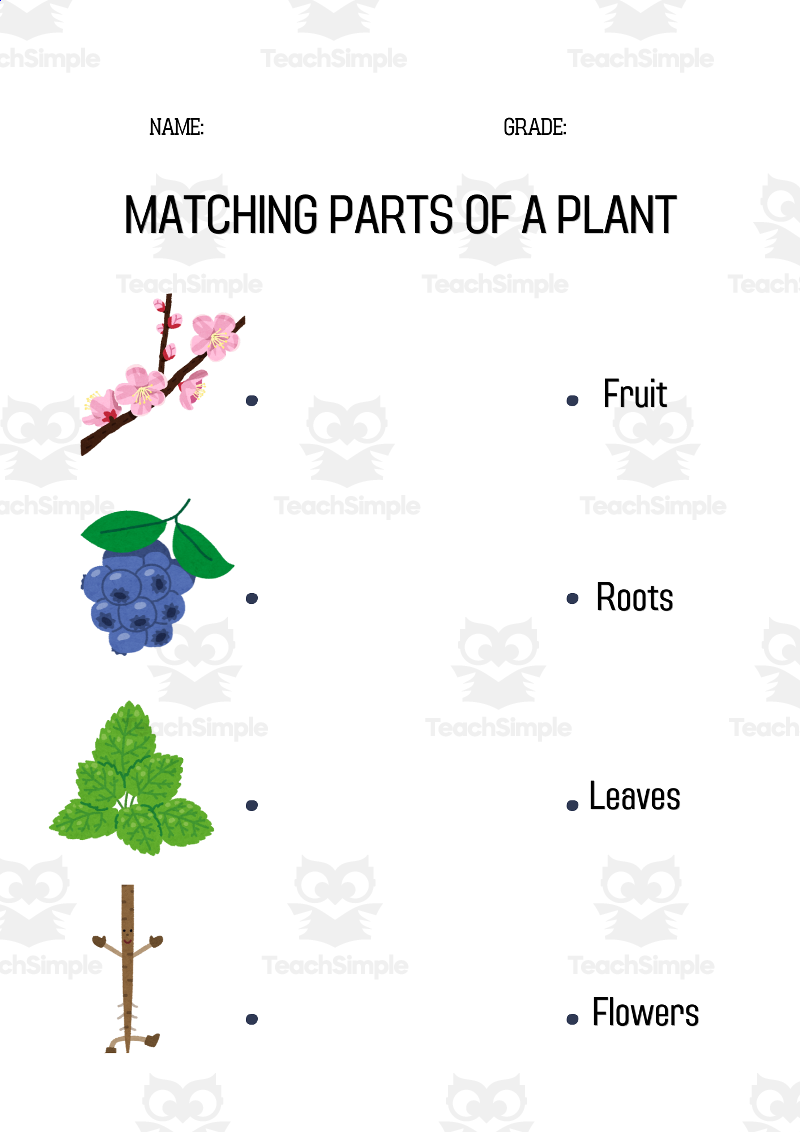
The Plants We Eat: A Parts of a Plant Sort
Science, Life Sciences, Biology, Nature & Plants, Preschool, Kindergarten, Grade 1, Parts of and Anatomy of, Worksheets & Printables
Did you know we can eat all parts of plants. This parts of a plant sorting activity includes real images of fruits and vegetables to sort by where they can be found on a plant. This sort includes flowers, seeds, leaves, stems, roots, and fruits. There are 6 images for each plant part. Pictures Included: Flowers: artichoke, broccoli, cauliflower, dandelion, honeysuckle, squash blossom Fruits: apple, banana, blueberry, lime, pepper, raspberry Leaves: kale, lettuce, mint, parsley, purple cabbage, spinach Roots: carrot, garlic, onion, parsnip, radish, sweet potato Seeds: almonds, beans, coconut, corn, peas, sesame seeds Stems: asparagus, bamboo shoots, celery, leek, rhubarb, scallions The plants sorting mats come in two formats. The first set are full page sorting mats where students place the pictures directly on the mats. The second set contains header cards that the picture cards can be placed under. The header cards are available in 2 sizes, one is large sized for table top activities and the other is small enough to fit in a task box. How to Use: Students will place the sorting mats on a table or on the floor. They will look at each plant picture and place it on the correct mat. Where to Use: Science Center - The teacher can place the mats and cards in the science center for students to work independently or with a partner to complete. Morning Tub or Basket - The teacher can place the mats and cards in a morning bin for students to work on while their classmates arrive to class. Small Group Activity - The teacher can lead this sorting activity with a small group of students at a time. The real photographs in this set provide students with easy to recognize images of different edible plants. These mats and cards are a low prep science center for teachers to prepare. The cards will need to be printed and cut out. This center should be laminated for durability.
Author The Connett Connection
Tags Plants We Eat, Parts Of A Plant, Science Sort, Plant Sort
Life Cycle of a Fern Worksheet - Plant Science Unit Study
Montessori, Life Sciences, Science, Biology, Nature & Plants, STEM, Kindergarten, Preschool, Grade 1, 2, 3, Classroom Decor, Bulletin Boards, Posters, Flashcards, Worksheets & Printables, Parts of and Anatomy of, Coloring Pages, Worksheets
Have you ever noticed ferns growing in shady forests or gardens? Unlike most plants, ferns don’t grow from seeds! In this exciting science unit, we will explore the unique life cycle of a fern and learn fun facts about these ancient plants. Get ready to discover, cut, paste, and color! What’s Inside Your Fern Life Cycle Worksheet? Fern Fun Facts – Learn where ferns grow, how they reproduce, and why they have been around for millions of years! Life Cycle Diagram – A simple and clear chart showing each stage of a fern’s life, from spore to full-grown plant. Cut-and-Paste Activity – Arrange the life cycle in the correct order by cutting and pasting the stages. Flashcards – Use these picture cards to help remember each step in a fern’s growth. Bonus Coloring Page – Get creative and color a beautiful fern! Why This Worksheet is Perfect for You! Makes learning about plants fun and interactive. Helps develop sequencing and problem-solving skills. Teaches the importance of ferns in nature and their role in ecosystems. Includes hands-on activities to reinforce learning. What Will You Learn? The unique life cycle of a fern, including spores, gametophytes, and adult ferns. How ferns reproduce without flowers or seeds. Why ferns are important for the environment. How to use sequencing and observation skills in a fun way! Let’s grow our knowledge and explore the fascinating life cycle of a fern together!
Author Perfect_Printables
Tags Fern Life Cycle, Plant Science Worksheet, Botany Activities For Kids, Life Cycle Printables, Biology For Kids, STEM Plant Study, Educational Worksheets, Kindergarten Learning, Montessori Botany, Plant Reproduction
Hummingbird Life Cycle Worksheet- Bird Science Unit Study
Montessori, Biology, Life Sciences, Science, Animals, STEM, Kindergarten, Preschool, Grade 1, 2, 3, Posters, Classroom Decor, Flashcards, Worksheets & Printables, Parts of and Anatomy of
Let your kids learn about most amazing and tiny bird with this " Hummingbird Life Cycle Worksheet ! Perfect for curious young learners, this science unit introduces students to the incredible journey of a hummingbird—from tiny egg to a fast-flying adult. With colorful facts and interactive activities, kids will explore how these tiny birds grow, change, and thrive in nature. What’s Included In this File? Hummingbird Overview: A simple, kid-friendly introduction to hummingbirds—where they live, what they eat, and what makes them so special. Life Cycle Diagram: A clear and easy-to-read chart that shows each stage of a hummingbird’s life, from egg to adult. Cut-and-Paste Activity: A hands-on activity that lets students cut out, organize, and sequence the stages of the life cycle. Flashcards: Visual tools that help reinforce science vocabulary and life cycle steps. Bonus Coloring Page: A relaxing and creative way for students to review while coloring a cute hummingbird. This worksheet is Perfect For: Bird and nature-themed science units Spring or garden lessons Classroom centers or homeschool learning Kids who love animals and outdoor exploration What you will learn from this worksheet? Identify and understand the life stages of a hummingbird Learn fun facts about how hummingbirds grow and survive Develop sequencing, observation, and vocabulary skills This worksheet makes science fun, simple, and exciting—just like the hummingbird itself!
Author Perfect_Printables
Rating
Tags Hummingbird Life Cycle, Hummingbird Worksheet, Bird Science Unit, Biology For Kids, Hummingbird Activities, , STEM Bird Study, Hummingbird Growth Stages
Anatomy of a Leopard Seal
Science, Life Sciences, Animals, Grade 1, 2, 3, 4, 5, Parts of and Anatomy of, Worksheets & Printables
Anatomy of a Leopard Seal depicts a playful leopard seal with colorful anatomical labels . This hand-illustrated watercolor print engages students while teaching facts about the leopard seal's bodily systems and features. Educators can facilitate whole-group instruction by projecting the image and asking students to identify parts of the seal. Alternatively, they may print copies for small groups to label independently and present their findings. Students will enjoy learning more about the fauna of Antarctica through this vibrant display print. Whether admiring the artistry or analyzing the content, Anatomy of a Leopard Seal offers an entertaining way to explore science.
Author Fiddleticks Education
Tags Poster, Leopard, Seal, Anatomy, Watercolor, Seals Anatomy
Brush Up On Parts Of Speech (9-14 years)
ELA, Grammar, Grade 4, 5, 6, Parts of and Anatomy of, Worksheets & Printables
Brush Up On Parts Of Speech teaches children ages 9-14 parts of speech and other language skills. This resource pack helps improve grammar, punctuation, spelling, sentence structure, and use of literary devices through structured exercises and answer keys. With concise lessons covering key grammar concepts, Brush Up On Parts Of Speech supports individual or whole-group instruction. Students complete worksheets independently then check answers. Alternatively, an educator leads lessons for a small group session with worksheets for extra practice later. This comprehensive pack develops language abilities crucial for strong reading and writing skills. A series of 8 tests with answer keys assesses areas like vocabulary, capitalization, punctuation, and spelling. Tracking progress through assessments allows a teacher to customize follow-up lessons accordingly.
Author Guinea Pig Education
Tags Parts Of Speech, Verbs, Adjectives, Nouns, Prepositions
Your First Digital Empire A Teen's Blueprint to Building an Online
Career, Life Studies, Business, Coaching, Finance, Home Economics, Leadership, Research, Life Skills, Special Resources, Grade 6, 7, 8, 9, 10, 11, 12, Assessments, Teacher Tools, Centers, Activities, Lesson Plans, Templates, Parts of and Anatomy of, Worksheets & Printables, Workbooks
Building your First Digital Empire: A Teen’s Roadmap to Establishing an Online Presence, Content Production, and Revenue Streams in the Creator Economy Empower the next generation of digital entrepreneurs with this complete guide created for teens between 14 and 18-years-old. Your First Digital Empire offers an actionable roadmap for teens who wish to leverage their passions for profits within the ever-growing creator economy. Authored by Syed Hammad Rizvi, this manual provides not only theoretical solutions for: Finding your niche and developing a personal brand Engaging content on platforms like YouTube, TikTok, or Instagram, among others Monetizing your influence through sponsorships, digital products, affiliate marketing, and much more Balancing legal and ethical requirements and issues as a young content creator Filled with real-life examples, activity tasks, and expert advice, this book is the perfect springboard for any teenager wanting to establish a sustainable presence online, grow their loyal community, and monetize doing the things they're passionate about. Be it the gaming, fashion, education, or lifestyle niches, all the necessary advice is present in this guide to kick-start their successful journey. Your First Digital Empire is perfect for students, young businessmen, educators, and parents who want to learn the latest knowledge.
Author Creative Book Store
Rating
Tags TeenEntrepreneur, CreatorEconomy, DigitalLiteracy, PersonalBranding, ContentCreation, Monetization, OnlineSafety, StudentEntrepreneur, ParentingTeens, EdTech
Anatomy of a Badger
Science, Life Sciences, Animals, Grade 3, 4, 5, Parts of and Anatomy of, Worksheets & Printables
Anatomy of a Badger: An Interactive Teaching Resource Anatomy of a Badger is designed to augment the learning experience for 3rd, 4th, and 5th grade students in science class, with a particular focus on zoology. It acts as an engaging and interactive tool for introducing wildlife biology through visual stimuli. Product Contents: Hand-illustrated watercolor flashcards depicting badger anatomy Digital downloadable file in PNG format sized for A4 paper The resource's highlight are sparkling watercolor flashcards that capture the anatomical details of badgers authentically. Presenting these vibrant images can grasp young learners' interest as they explore the fascinating world of animal structures. To enhance its effectiveness, we recommend printing this educational material on high-quality paper for durability and improved sensory appeal. To add an interactive learning component, one might choose watercolor paper that allows learners to apply their own paintwork over existing illustrations. Note: Upon purchase, educators get access to a ready-to-print digital copy. Versatility at its Core: Anatomy of a Badger can be utilized during whole group sessions or small group activities; it potentially functions as homework assignments too. Encouraging children towards independent exploration furthers their understanding about animal anatomy organically. Fostering Dynamic Learning Experiences! Incorporating Anatomy of a Badger into your instructional routine creates exciting and immersive science classes – promoting interest-driven learning grounded by facts with guided discovery. The advantages yielded using visual aids can noticeably bolster information retention while stimulating curiosity about diverse creatures populating our natural world. To sum up, Anatomy of a Badger provides a simple yet enriching aid in teaching zoology, molding potential young biologists to have adequate foundational knowledge about various animals' anatomic complexities - notably starting with badgers!
Author Fiddleticks Education
Tags Badger Anatomy, Wildlife Biology, Zoology Education, Visual Aids, Animal Structures
Life Cycle of a Woolly Bear Caterpillar Worksheet - Insect Science
Montessori, Insects, Life Sciences, Science, Biology, STEM, Kindergarten, Preschool, Grade 1, 2, 3, Posters, Classroom Decor, Flashcards, Worksheets & Printables, Parts of and Anatomy of
Let's introduce your students to the amazing transformation of the Woolly Bear Caterpillar with this fun and educational worksheet pack! Perfect for young learners, this resource helps kids explore each stage of the woolly bear’s life cycle in a simple, hands-on way. From fuzzy little caterpillar to beautiful Isabella tiger moth, this science unit makes learning about insects exciting and easy to understand. What’s Inside In This File? : Woolly Bear Overview: A short and engaging description of what makes woolly bear caterpillars special, where they live, and what they turn into. Life Cycle Diagram: A clearly labeled chart showing the stages from egg to caterpillar to chrysalis to moth. Cut-and-Paste Activity: A fun sequencing activity where kids can cut and arrange the stages of the life cycle. Flashcards: Visual learning tools to help students remember each stage. Bonus Coloring Page: A creative way to reinforce learning while coloring a woolly bear caterpillar or moth. This Worksheet is Perfect For: Insect and animal science units Fall or seasonal studies Classroom centers and homeschool lessons Nature-themed activities What your students will learn from this file? Identify the stages of a woolly bear caterpillar’s life Understand insect metamorphosis Strengthen sequencing and observation skills This worksheet is a fun mix of science and creativity that brings the life of the woolly bear caterpillar to life for curious young learners!
Author Perfect_Printables
Rating
Tags Woolly Bear Caterpillar , Life Cycle, Caterpillar Worksheet, Insect Science Unit, Life Cycle Printables, Homeschool Science, Biology For Kids, Montessori Insect Unit, Caterpillar To Moth, Insect Study
Life Cycle of a Silkworm Moth Worksheet - Insect Science Unit Study
Montessori, Animals, Life Sciences, Science, Biology, Insects, Kindergarten, Preschool, Grade 1, 2, 3, Projects, Activities, Posters, Classroom Decor, Flashcards, Worksheets & Printables, Parts of and Anatomy of
Let’s explore the amazing transformation of the silkworm moth. This Life Cycle of a Silkworm Moth Worksheet is a fun and educational way for kids to learn about insects and how they grow. This worksheet is perfect for science lessons homeschool studies and hands on classroom activities this worksheet helps students discover the full journey of a silkworm from tiny egg to flying moth What is Inside the Silkworm Moth Life Cycle Worksheet Silkworm Overview: A simple explanation of what silkworms are where they live and how they are connected to silk. Life Cycle Diagram :A clear and labeled chart showing each stage egg larva pupa and adult moth Cut and Paste Activity: A fun hands on task to help kids arrange the life stages in the correct order Flashcards : Picture cards to help remember each step of the life cycle Bonus Coloring Page You will get a silkworm coloring page with this worksheet as bonus. Why This Worksheet is Great for Kids Easy to understand and engaging for young learners Builds science knowledge and sequencing skills Encourages observation and curiosity about insects Perfect for unit studies on insects moths or the natural world What Will You Learn: The four main stages of the silkworm moth life cycle How silkworms change at each stage of growth Why silkworms are important in nature and how they help people This resource makes learning about insects fun simple and meaningful Let us discover the life of the silkworm moth together through interactive activities and fun facts
Author Perfect_Printables
Rating
Tags Silkworm Moth, Bugs Insects, Silkworm Life Cycle, Silkworm Moth Worksheet, Insect Science Unit, Life Cycle, Silkworm Activities, Insect Study, Nature Study, Metamorphosis
Spring - Parts of a Plant
Science, Life Sciences, Nature & Plants, Preschool, Kindergarten, Grade 1, Parts of and Anatomy of, Worksheets & Printables
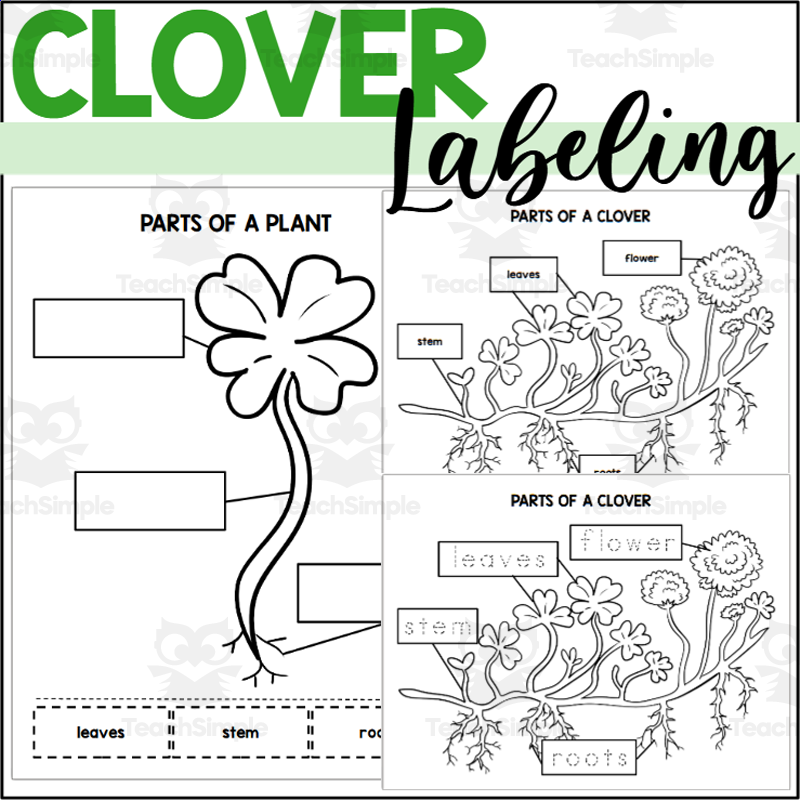
A fun Spring-themed labeling worksheet for your students to learn printables /parts-of-and-anatomy-of">parts of a flower and their names. Cut and paste the plant words on the bottom of the page to the correct part of the flower.
Author Cherry Workshop
Tags Plants, Science, Spring, Flower, Labeling
Anatomy of a Pygmy Three Toed Sloth
Science, Life Sciences, Human Body, Grade 2, 3, 4, 5, Parts of and Anatomy of, Worksheets & Printables
Beautifully handpainted watercolor flashcard featuring the Anatomy of a Pygmy Three-Toed Sloth. Instant Download, print as many copies as you like and turn them into display prints for your wall. To create a tactile finished item, I highly recommend printing onto high-quality paper. I like to use watercolor paper as the texture is beautiful to handle.
Author Fiddleticks Education
Tags Poster, Sloth, Animals, Anatomy, Watercolour
The Quantum Leap:Unlocking the Mysteries of Quantum Computing for Teen
Career, Life Studies, Research, Technology, Science, Computer Science, Life Skills, Special Resources, Social Skills, Special Education Needs (SEN), Grade 6, 7, 8, 9, 10, 11, 12, Lesson Plans, Teacher Tools, Worksheets & Printables, Workbooks, Parts of and Anatomy of, Presentations, Outlines, Centers, Activities
Explore the quantum revolution with The Quantum Leap: Unlocking the Mysteries of Quantum Computing for Teens, written by Syed Hammad Rizvi – a comprehensive resource for upfront and center students interested in innovative and advanced applications in computer science and related physics and technological domains. A thorough and correct resource on understanding complex ideas such as a bit compared to a qubit, quantum superpositions and entanglements, quantum gate and quantum circuit designs, Shor's algorithm and Grover's algorithm, and further applications in drug development simulation, economic modeling simulation, climate simulation modeling, and quantum cryptography beyond post-quantum cryptography. This 351-page book serves a thorough introduction to computer and physics students who are interested in understanding advanced computer applications and related physics. The Quantum Leap serves a detailed platform for students to learn about quantum paralleling, quantum correction, and quantum internet connectivity. Perfectly effective and aptly SEO-ed for educators on quantum mechanics resources and applications. A necessary read for students and professionals interested in quantum physics and computer applications. Why Parents/Schools Love It: Sparks STEM Passion: Makes the concept of quantum computing easy to understand for teens by comparing it to things they know and love, sparking their interest in the technological applications of the future such as artificial intelligence and cryptography. Teaches Future-Proof Skills: The course deals with applications, ethics, and future career options, providing students with knowledge required for in-demand jobs in quantum technology. Accessible and Engaging: Step-by-step analyses and context knowledge provided help make difficult subjects more accessible, overcoming intimidation factors and encouraging critical thinking. Comprehensive Curriculum Fit: It is compatible with the computer science and physics curriculum of high schools and is very suitable for being incorporated in the classroom or homeschooling settings. Encourages Ethical Awareness: It deals with the effects, limitations, and initiatives taken around the world, thus instilling ethical innovation in the minds. Target Student Classes: Having considered the entire contents and structure of this book and its intended audience from various perspectives such as its front cover and introduction chapters, it is intended for high school students from Grades 10 to 12 and aged 15 to 18 years. It commences from a level of basic discussion on classical and quantum fundamentals such as superpositions and entanglement concepts and then proceeds to more complex aspects of quantum studies such as algorithms and error correction strategies based on assumed foundational knowledge and interests but without rigorous prerequisite knowledge. Hence it is intended for high school seniors enrolled in introductory computer science studies at college or more in-depth math and physics studies at school levels above Grades 9; it may also serve Grade 9 students who take more challenging subjects at school and college-level new students at introductory stages as add-on reading contents, while its mainstream audience would be Grades 10 to 12 students in line with its teen-level comparison aids and refraining from more mature themes of mathematics chapters. Copyright/Terms of Use : This Book was copyrighted by Syed Hammad Rizvi. You may use this resource for personal and single class use. You are not authorized to modify, redistribute, and sell this resource or its part. That means you are not authorized to upload this resource to the Internet so people can freely access and download it. If you wish to share these resources with others in your workplace or with classmates at school, then go ahead and buy additional licenses from Teachsimple. "This product is happily brought to you by Syed Hammad Rizvi"
Author Creative Book Store
Rating
Tags QuantumComputingForTeens, QuantumLeapBook, UnlockQuantumMysteries, QubitsForBeginners, SuperpositionExplained, EntanglementForKids, QuantumAlgorithmsTeens, ShorsAlgorithmGuide, GroversSearchTeen, QuantumComputing2026
The Plants We Eat: A Parts of a Plant Anchor Charts and Posters
Science, Life Sciences, Nature & Plants, Biology, Kindergarten, Preschool, Grade 1, Parts of and Anatomy of, Worksheets & Printables
Did you know we can eat all parts of plants. This parts of a plant anchor chart posters includes real images of fruits and vegetables for students to familiarize themselves with all the parts of a plant they can eat! This poster set includes flowers, seeds, leaves, stems, roots, and fruits. There are 6 images for each plant part. Pictures Included: Flowers: artichoke, broccoli, cauliflower, dandelion, honeysuckle, squash blossom Fruits: apple, banana, blueberry, lime, pepper, raspberry Leaves: kale, lettuce, mint, parsley, purple cabbage, spinach Roots: carrot, garlic, onion, parsnip, radish, sweet potato Seeds: almonds, beans, coconut, corn, peas, sesame seeds Stems: asparagus, bamboo shoots, celery, leek, rhubarb, scallions How to Use: These charts can be used as wall decor in a science center or as an instructional tool to teach about the plants we eat. By relating the science standard of identifying parts of a plant to foods that students commonly eat, it will ensure that students have fun and stay engaged with learning about plants! Where to Use: Wall Display in a Science Center - Place these posters on the wall of a science center while you are learning about the parts of plants. They can also be placed in a science center simply as a reference tool for students to use while completing other plant based activities. Instructional Tool - These posters make an excellent instructional tool for teachers to use to introduce to students the concept of parts of a plant in relation to the foods we eat. The real photographs in this set provide students with easy to recognize images of different edible plants. Students will love seeing all the pictures of the different kinds of plants that they can actually eat. These anchor charts and posts are no prep. The posters just need to be printed out and laminated for durability if desired.
Author The Connett Connection
Tags Plants We Eat, Parts Of A Plant
Anatomy of a Scottish Wild Cat
Science, Life Sciences, Animals, Grade 2, 3, 4, 5, Parts of and Anatomy of, Worksheets & Printables
Anatomy of a Scottish Wild Cat: An Educational Resource Anatomy of a Scottish Wild Cat is an engaging scientific teaching resource designed to ignite students' curiosity in the dynamic field of zoology. It focuses on the intricate anatomy of the elusive Scottish wild cat. Incorporating both art and science, this tool features an exquisite hand-illustrated watercolor print equipped with detailed anatomical labels. This resource invites students to explore not only biological intricacies but also appreciate art's crucial contribution in elucidating educational concepts. Specially crafted for students from Grade 2 through 5, it can be implemented across various learning environments - be it conventional classrooms or homeschooling settings. Suitable for whole class instruction as well as small group activities, teachers can opt to: Integrate this during interactive classroom discussions on animal anatomy. Assign it as an independent exploration activity prompting student-led investigation. Apart from its instructional value, this resource may also serve as a striking classroom decor that fosters an invigorating atmosphere for studying nature-based subjects. For maximum aesthetic appeal without compromising its educational essence, teachers are advised to print this provided PDF file onto watercolor paper to mimic the texture and depth often associated with original artwork that resonates with younger learners. In Conclusion: With diverse applications ranging from facilitating discovery learning about zoology among young learners all while beautifying classrooms and learning spaces, Anatomy of a Scottish Wild Cat remains visually appealing while being academically beneficial. Its seamless combination of artistic design elements with accurate biological labelling makes education about animal anatomy both visually appealing and profoundly impactful—one step at a time.
Author Fiddleticks Education
Tags Scottish Wild Cat, Zoology, Anatomy, Educational Resource, Watercolor Print