resources by type
resources by grade
resources by subject
other resources
Relevant
alt down
Any Time
alt down
filter by
alt down
All File Types
alt down
filter nav Show filters
Sort by: Relevant
CLEAR
resources by type
Activities
down arrow
Classroom Decor
down arrow
Teacher Tools
down arrow
Worksheets & Printables
up arrow
Drawing Templates & Outlines
Flashcards
Novel Studies
Parts of and Anatomy of
Task Cards
Word Problems
Writing Prompts
Worksheets
down arrow
Workbooks
resources by grade
Early Learning
down arrow
Pre-K
down arrow
Elementary
down arrow
Middle School
down arrow
High School
down arrow
Adult Education
Not Grade Specific
resources by subject
Creative Arts
down arrow
ELA
up arrow
Language Development
down arrow
Literature
down arrow
Reading
down arrow
Writing
down arrow
Holiday & Seasonal
down arrow
Life Studies
down arrow
Math
down arrow
P.E. & Health
down arrow
Social Studies
down arrow
Special Resources
down arrow
Science
down arrow
Foreign Languages
down arrow
Resources for Teachers
down arrow
other resources
Common Core
Homeschool Resources
down arrow
Montessori
Research
STEM
The Cognitive Cartographer: A Sensory-Integrated Framework for Complex

The Cognitive Cartographer: A Sensory-Integrated Framework for Complex
ELA, Language Development, ESL, Phonics, Reading, Library, Reading Comprehension, Strategies, Writing, Creative Writing, Grade 6, 7, 8, 9, 10, 11, 12, Worksheets & Printables, Parts of and Anatomy of, Workbooks, Worksheets, Word Searches, Writing Prompts, Teacher Tools, Charts, Lesson Plans, Quizzes and Tests

The Cognitive Cartographer: A Framework for Integrating Sensory Experiences When Analyzing & Synthesizing Complex Narratives Utilizing this revolutionary sensory-integrated 33-page framework, students go from “reading” complex narratives to actively creating a map of the experience using chronotopes, sensory anchors, thematic ley lines, emotional topography and a node/edge network to represent character relationships. This resources includes a digital PDF of: Phase 1 (Core Theory): Overview of narrative architecture, sensory epistemology; cartographic synthesis; and meta-narrative construction with original examples (The Glass Citadel, The Flooded City of Oakhaven, The Silk Rebellion). Phase 2 (Student Workbook): 10 scaffolded, ready-to-use worksheets addressing: scene topography; character geography; ecology of conflict; auditory/olfactory resonance; velocity of time; thematic ley lines; point of view cartography; emotional journey; socio-historical biome; and capstone master atlas synthesis. Phase 3 (Teacher Resources): includes visual schematics (Sensory Integrated Matrix; Cognitive Synthesis Map; Scaffolding Progression Chart), detailed guide for implementing the framework, pacing of the implementation for 7-12th grades, and an annotated example (Markus Zusak’s The Book Thief). Perfect for middle and high school English/Language Arts, honors and AP Literature classes. Aligned to Common Cores, State ELA Standards and College Readiness Skills. Instant Digital Download with No Preparation Required. Elevate student engagement, critical thinking and empathetic analysis through the use of this deeply human-centered literature toolkit. What Parents & Schools Appreciate About It: Building superior skills of advanced thinking (critical thinking), empathy, and spatial reasoning that traditional worksheet activities can't provide, students will actually "map" out a story instead of just summarizing it. Provides teachers with an easy way to save hours of planning time, by providing 10 ready-to-print worksheet activities, visual anchors, and complete implementation guidelines. Fully aligned to the ELA standards and makes all abstract concepts (theme, character motivation, unreliable narration) more concrete and engaging for reluctant readers. Provides differentiated scaffolding for all levels of learners from novice to expert, with defined continuums across grade levels. Develops lifelong reading habits by teaching children to "experience" literature using their bodies and senses versus only using their eyes. Target Group: 7-12 Teachers & Students an Expected Audience Group Based Upon Full PDF Analysis of ESL Programs The Following are Groups Targeted by Grade Levels of the Curriculum Project: 7-8 Grades: Provide guidance for sensory literals in keeping with the use of literary devices (mapping provided). 9-10 Grades: Providing students with the opportunity to create connections between their curricular experiences through mapping of literature. 11-12 Grades/Honors/AP Literature: Providing students with the opportunity to synthesize literature through the use of metanarrative, development of genres and development of multiple author texts using non-linear/fragment methodology. It is suggested that these materials will be utilized in all secondary programs where students experience difficulty analyzing literature through a traditional sequential format of reading literature. There are also other uses for this educational material, i.e., homeschooling, gifted curriculum, and literacy intervention programming. Copyright/Terms of Use Copyright is owned by Syed Hammad Rizvi. The items in this resource can be used for personal and/or classroom purposes only. You cannot modify, redistribute or sell any portion of this resource. Therefore, you cannot share this resource on the internet in a way that would allow others to access and download the resource publicly. If you would like to share this resource with other educators, you may purchase an additional license through Teachsimple. Thank you for complying with these terms and conditions. Syed Hammad Rizvi enjoys bringing you this product.

Author Creative Book Store

Rating

Tags CognitiveCartographer, SensoryIntegratedELA, LiteraryMapping, CognitiveCartography, EnglishLanguageArts, MiddleSchoolELA, HighSchoolELA, SecondaryELA, APLiterature, APLit

Brush Up On Punctuation And Parts Of Speech (9-14 years)

Brush Up On Punctuation And Parts Of Speech (9-14 years)
ELA, Grammar, Grade 4, 5, 6, 7, Parts of and Anatomy of, Worksheets & Printables

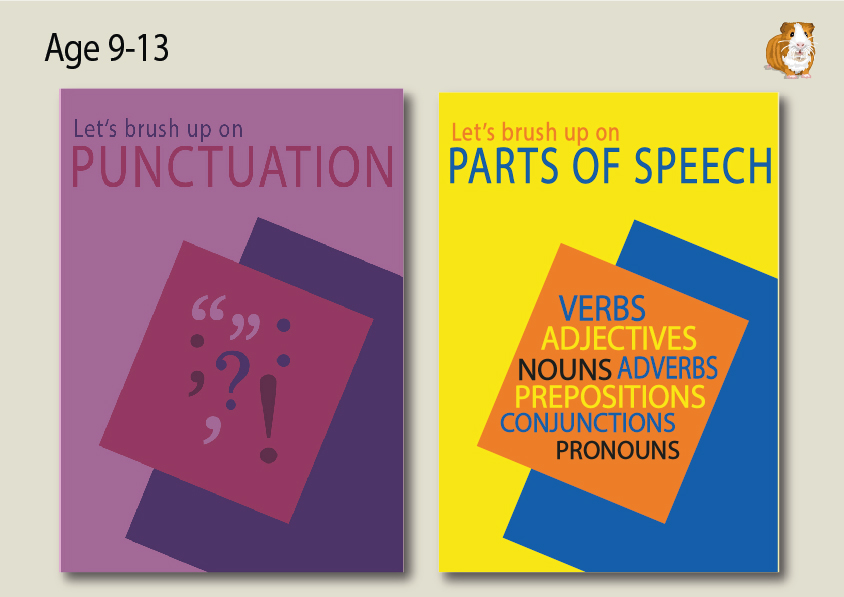
Brush Up On Punctuation And Parts Of Speech (9-14 years) This is a comprehensive teaching resource tailored to optimize language arts instruction for students in grades 4 through 7. The two-pack set offers an integrated approach to vital Grammar components, promoting fluency and simplicity in English language learning. Main Features: Enhances critical English skills including spelling, punctuation, and grammar. Reinforces use of literary devices such as similes and metaphors. Designed for simplicity while being comprehensive in structure. The resource can be seamlessly incorporated into any classroom setting. Its versatility allows it to serve whole classrooms or individual support needs equally well. Regular homework assignments are easily planned thanks to the structured exercises included along with answer pages. Bonus Features: Presents eight assessment tests around key competencies like vocabulary usage, punctuation mastery etc.. Answers provided eliminate the need for educators having craft their own feedback tools. Please note that you will need a PDF reader to open the worksheets after downloading. The Benefit: This set proves transformative for English education journeys by encouraging simplified teaching approaches towards mastering punctuation and parts of speech. With Brush Up On Punctuation And Parts Of Speech (9-14 years), better grammar is just a workbook away!</p

Author Guinea Pig Education

Tags Punctuation, Parts Of Speech, Language Arts, Grammar Skills, English Education

Parts of Speech, Grammar, Word Sorts, Sentences & More

Parts of Speech, Grammar, Word Sorts, Sentences & More
ELA, Grammar, Grade 1, 2, Parts of and Anatomy of, Worksheets & Printables

Do your students need some work withSingular/Plural; Common, Proper and Possessive Nouns;Nouns/Verbs; Pronouns/Nouns; Past/ Present Verbs; Adjectives; End Punctuation; Noun/verb Agreement?Well...thisParts of Speech Sortwill help your kiddos know the difference between all these terms and parts of speech! These Parts of Speech sorts are aligned withCommon Core Conventions of Standard Englishand cover many of the literacy standards in this strand. Theseready to use worksheetscan be used in many ways: ♥ As reinforcement and practice during station work ♥ Morning Work ♥ Homework ♥ RTI ♥ Lessons for a substitute teacher. They are ready to use…NO PREP.Sorts are an easy way to reinforce a pre-taught skill and can also be used as aninformal assessment.My kiddos LOVED doing sorts duringWork Work for Daily 5 /Literacy Stations. What’s Included: 1. Singular and Plural Noun Sorts 2. Noun and Verb Sorts 3. Noun and Pronoun Sorts 4. Proper and Common Noun Sorts 5. Noun and Adjective sort 6. Past and Present Verb Sort 7. Possessive Noun and Noun Sorts 8. Noun Clause and Verb Clause Sorts 9. Complete the missing part of the sentence worksheets, which includes Noun/Verb Agreement 10. Correctly creating and writing sentences

Author Sunshine and Lollipops

Tags Parts Of Speech, Grammar, Word Sorts, Sentences, English Printable

Daffodils Kindergarten Science Projects + Lesson Outline

Daffodils Kindergarten Science Projects + Lesson Outline
Science, Life Sciences, Nature & Plants, Writing, ELA, Creative Writing, Kindergarten, Grade 1, Teacher Tools, Outlines, Parts of and Anatomy of, Worksheets & Printables

Take the humble Daffodil and transform it into an engaging Kindergarten Science Project that your pupils will love this spring. You will be able to cover much of the Curriculum for Science (Plants) without your pupils knowing they are learning. Suggestions are made and resources are provided to enable you to integrate your science work with language (poetry) and creativity. Who is it for? This Daffodils Science project is intended to be used with Kindergarten and Grade 1 children. Home educators can also use it in the course of nature study/Science learning. What does it contain? · PowerPoint The pack comes with an 18-slide PowerPoint, which can be used to either start your lesson or as a recap at the end. The PowerPoint begins with the bulb under the ground waiting for spring, and then shows how the Daffodil grows. It teaches about the parts of a Daffodil: the bulb, stem, leaves, buds, calyx (the papery covering protecting the buds), petals, trumpet and pollen. The PowerPoint is a taught lesson and comes with sound. · Lesson outlines Two lesson outlines are provided, one for ages 5-6 and another for ages 6-7, though other ages might also benefit. It can be used successfully with mixed age-range classes. Notes as to how to dissect a Daffodil. · Worksheets/Activities · Label the parts of a Daffodil. · 5 pages to make a Daffodil diary: choice of coloured or black/white front cover. Let the children make observations of a Daffodil growing near them that can be observed easily. · Poetry work – read the poem ‘Daffodils’ by William Wordsworth (provided) and use our suggestions to think about the poem. · Acrostic worksheets for pupils to write their own Daffodils acrostic poem. · Daffodil writing paper For display: Beautiful original photos · A5 photos of parts of a Daffodil · A4 pictures and vocabulary cards for Daffodil Life Cycle: use for Science work, language or display, word walls, etc… · Display headers What is included? 1 18-slide PowerPoint 1 PDF file with 47 pages

Author Lilibette's Resources

Rating

Tags Daffodils, Daffodils Life Cycle, Daffodils Science, Daffodils Plants Lesson, Daffodil Life Cycle, Kindergarten Science Projects, Nature, Plants, Parts Of A Flower

Parts of Speech Interactive Unit

Parts of Speech Interactive Unit
ELA, Grammar, Grade 2, 3, 4, 5, Parts of and Anatomy of, Worksheets & Printables

This resource is a Parts of Speech Interactive Unit. Whether you're using these slides for whole class review or distance learning, it's as easy as assigning it to students' Google Classroom. Interactive lessons and activities included for: - Nouns - verbs - Adjectives - Adverbs

Author The Language of Learning

Tags Google Classroom, Parts Of Speech, Interactive Lesson, Grammar Lesson, Grammar Activities

Parts of Speech: Common Nouns Lesson

Parts of Speech: Common Nouns Lesson
ELA, Grammar, Grade 1, 2, 3, 4, Parts of and Anatomy of, Worksheets & Printables

Parts of Speech: Common Nouns Lesson Plan This interactive Common Nouns lesson plan teaches 1st-4th grade students the fundamentals of common nouns through three tailored Microsoft PowerPoint presentations. Students will apply reading, critical thinking, and problem solving skills as they learn to identify and properly use common nouns. The presentations feature class discussions, practice activities, and answer keys to check student understanding. Educators can implement this Common Nouns lesson in various ways - whole group instruction, small group work, individual assignments, or homework. This teaching resource helps instructors effectively explain the purpose of common nouns to early elementary students.

Author Ezee 101

Tags Collective Nouns, Grammar, Common Nouns, Parts Of Speech, Reading Passage

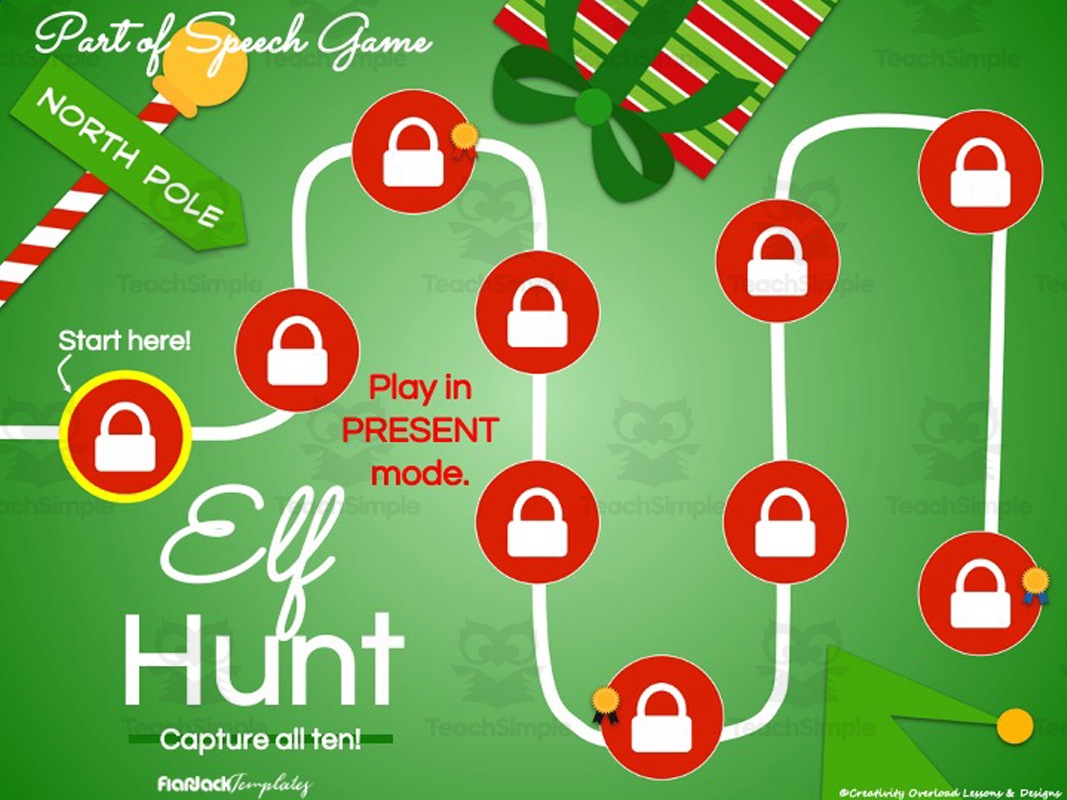
Elf Hunt Parts of Speech Digital Game

Elf Hunt Parts of Speech Digital Game
ELA, Grammar, Grade 3, 4, 5, 6, Parts of and Anatomy of, Worksheets & Printables

This resource is an Elf Hunt Parts of Speech Digital Game. This game covers: - Common nouns - Adjectives - Adverbs - Verbs - Proper nouns - Pronouns - Conjunctions If you are introducing, reviewing or assessing these skills, this game is a fun and interactive way to do so! Students will answer questions on each slide, build the elf and collect ribbons as they go!

Author Creativity Overload

Tags Parts Of Speech, Grammar Station, Winter, Adjectives, Common Nouns, Hunt Parts

Powered Neuro-Inclusive Micro-Learning Strategy Cards for Diverse

Powered Neuro-Inclusive Micro-Learning Strategy Cards for Diverse
Science, Technology, Computer Science, Engineering, Special Resources, Social Emotional Learning (SEL), Special Education Needs (SEN), STEM, Life Skills, ELA, Grade 2, 3, 4, 5, 9, 10, 11, 12, Worksheets & Printables, Flashcards, Parts of and Anatomy of, Word Problems, Workbooks, Worksheets, Writing Prompts, Teacher Tools, Assessments, Lesson Plans

Unlocks the future of inclusive education with this 49-page ultimate resource: "AI-Powered Neuro-Inclusive Micro-Learning Strategy Cards for Diverse Classrooms (Ready!)" – an innovative and educator-recommended resource that disrupts and transforms K-12 educational strategies for the better. This downloadable pdf resource pushes the boundaries of neuro-inclusive education practices, micro-learning best practices, and responsible AI applications, covering all theoretical aspects of neuro-inclusive educational practices, micro-learning best practices, AI applications, and a lot more with its profound evidence-based resources on UDL, Cognitive Load Factors, and Constructivist concepts, with actual demonstration cases from elementary and high school levels, strategy card templates for creative development on worksheets and ethics of AI applications for educational environments, all crafted together for optimal cognitive engagement and minimizing educational barriers for effective personalized cognitive educational development. Perfect for special education resources, differentiated resources for personalized educational practices, and educational management tools, this SEO-optimized resource for educators helps and enables all educators for preparation of balanced cognitive educational morsels for enhanced cognitive engagements, motivation, and academic achievement for students across diverse K-12 educational environments. Keywords: Neuro-inclusive educational practices for classrooms, AI-based educational resources for classrooms, Micro-learning for neuro-diverse students, K-12 Neuro-inclusive educational practices, UDL resources for classrooms. Why Parents/Schools Love It: Personalized and Inclusive Strategy: Enables teachers to provide personalized education support for neurodiverse students, making them less frustrated and more confident using bite-sized and adjustable strategies such as tools for students with ADHD or autistic students. Time-Saving AI Integration: “Ethical AI capabilities offer real-time analytics, personalized content, and feedback loops that ease the instructor’s workload and help enhance outcomes in a K-12 classroom.” Results That Speak for Themselves: Proven on the evidence-based frameworks of UDL and Cognitive Load Theory, as well as illustrated cases of 20% or greater retention and engagement rates, there is no doubt that it helps students significantly. Versatile &amp; Ready to Use: Comes with strategy cards, worksheets, &amp; writing prompts that teachers can print out for instant use in their classrooms, thus being very useful in encouraging motivation, managing cognitive overload, &amp; ensuring equitable education. Future-Proof Designs: equipped with ethical AI tools and frameworks that protect consumer and individual rights to privacy and mitigate biases, to ready and prepare learners for a technology-driven and worldwide environment while focusing on teaching and learning. Targeted Classes/Students : After thoroughly evaluating the entire 49-page PDF file, which contains information on foundational theory (Chapters 1-3), the design and execution of strategy cards (Chapter 4), worksheets for practice, ethical issues, case studies, and advanced topics, it is clear that the guide is designed for use in K-12 education environments. It applies to all grade levels, Kindergarten through 12th grade, with a focus on neurodiverse students. Specific suggestions are included for: Elementary School Students (Grades K-5): Underlying concepts may target fractions, reading comprehension, or social-emotional control, with examples such as Northwood Elementary focusing on ADHD, Dyslexia, and Autistic students during grades 3-5. Designed specifically for students who profit from visual supports and time-dosing assistance with their learning and attention. Middle School Students (6-8): Focuses on executive functioning assistance, multi-step task planning (ecosystems lesson for instance), AI-powered modifications for ESL, anxious, gifted students. Case examples, like Summit Ridge Middle School, discuss differentiating for students with learning disabilities. High School Students(9-12): Focuses on difficult topics in geometry proofs, formulas for volume, and abstract ideas, using micro-learning for dyscalculia, slow processing, and high-functioning autism. Examples include Emerald High School’s geometry in the 9th grade, which emphasize challenging concepts. Copyright/Terms of Use : This Book was copyrighted by Syed Hammad Rizvi. This document or textbook is exclusively for non-commercial personal and classroom use only. You are not allowed to copy, distribute, or sell any portion of this document or textbook through the Internet for public download. If you would like to share this resource with others in your workplace, please purchase additional licenses from Teachsimple. We appreciate your respect for these guidelines for use. This product is proudly brought to you by Syed Hammad Rizvi

Author Creative Book Store

Rating

Tags NeuroInclusiveEducation, AIPoweredLearning, MicroLearningStrategies, K12InclusivePedagogy, NeurodiversityInClassrooms, UDLPrinciples, CognitiveLoadTheory, EthicalAIInEducation, ADHDTeachingTools, DyslexiaSupportResources

Grammar Go Fish: Parts of Speech Review Game (Summer Edition)

Grammar Go Fish: Parts of Speech Review Game (Summer Edition)
Holiday & Seasonal, ELA, Seasons, Summer, Grammar, Grade 2, 3, 4, Parts of and Anatomy of, Worksheets & Printables

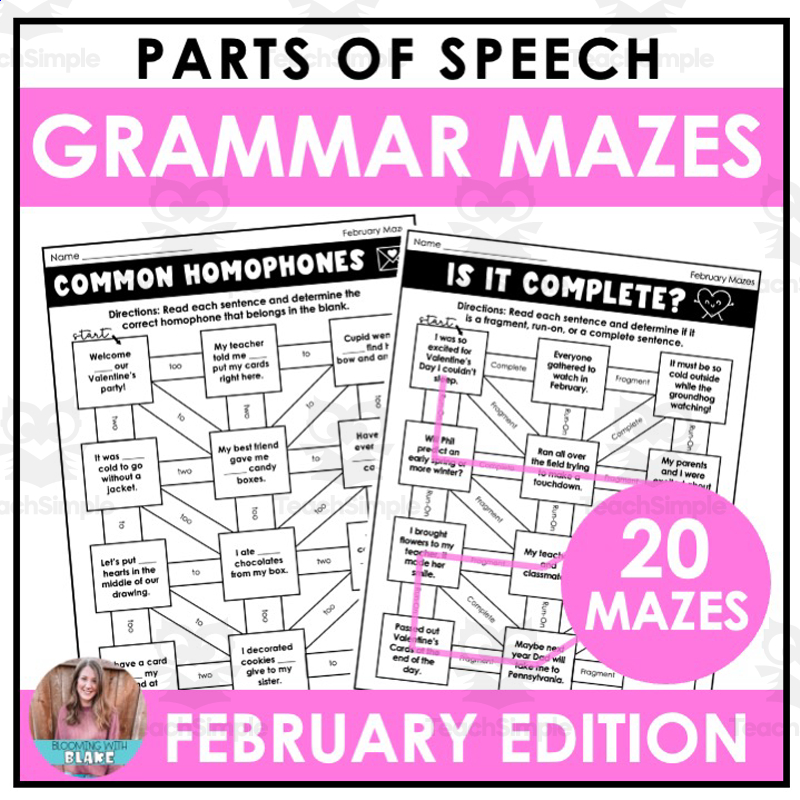
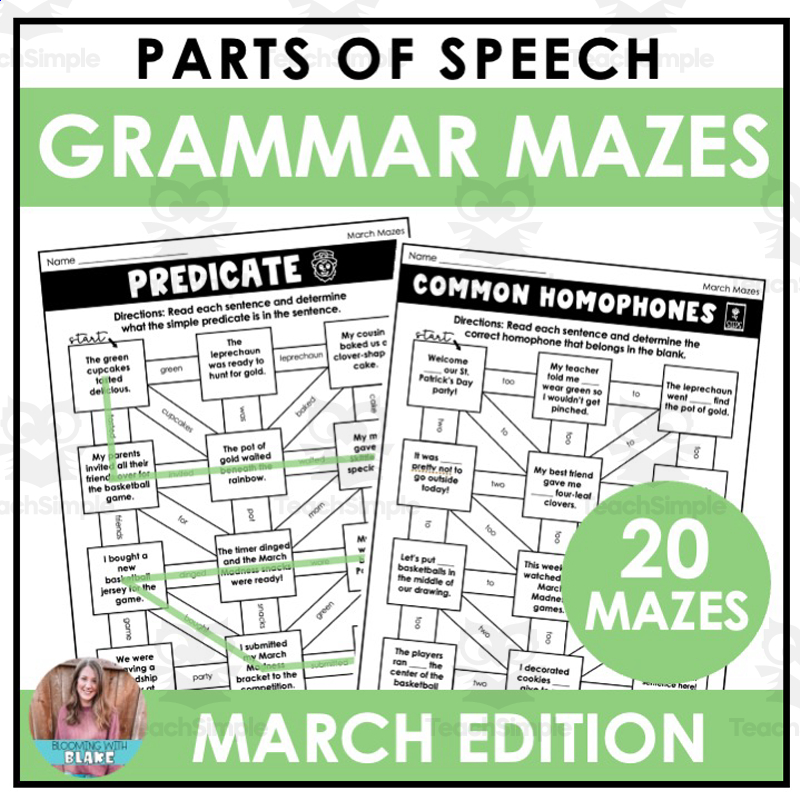
Grammar Go Fish: Parts of Speech Review Game (Summer Edition) Grammar Go Fish: Parts of Speech Review Game (Summer Edition) has been meticulously devised to serve as a significant teaching tool targeted at enhancing the grammar skills of grade 2-4 learners. This engaging game is an interactive medium, augmenting the language arts capabilities amidst students. Features The provided downloadable PDF version diverges from customary teaching techniques and constructs a comprehensive learning ordeal which could be appreciated in different scenarios, resulting in its broad selection by both public school educators and homeschooling caretakers alike. The game advances the comprehension pertaining to key parts of speech -verbs, nouns, pronouns, and adjectives. Kids interpret sentences given on pleasingly designed summer-themed cards from the kit and ascertain the desired part of speech signified by underlined expressions. They engross deeply into grammar notions while they assemble sets matching with identical part-of-speech classifications. Incorporation of unambiguous guidelines facilitates usage even for instructors unfamiliar with 'Go Fish' style games. Furthermore enhanced usability includes distinctive word bank choices custom-made for diverse learning capabilities— ensuring every pupil feels included and not strained beyond capacity. The inclusion comprises 22 pages featuring spring graphics radiating a calm summer environment—perfect to encapsulate joyous summer vacations while upholding maintained concentration towards learning elements. A salient characteristic about availing it as a PDF hands total power over to instructors with regard to utilization approach—they can choose deployment within whole class settings or smaller groups engaged in literacy centers ; all finding substantial benefit from this resourceful tool. Supplementary box storage cover eases storage & transfer; moreover appropriate as homework assignments or swift revision within spare classroom periods. Summary Grammar Go Fish: Parts of Speech Review Game (Summer Edition) concurrently acts as an educational kit and entertaining diversion that serves multiple benefits — from fostering creativity to boosting grammatical prowess. It’s a perfect choice for ones on the lookout for effective teaching tools that can capture and retain young learners' interest while imparting knowledge about fundamental language arts concepts.

Author Blooming with Blake

Tags Grammar, Parts Of Speech, Language Arts, Review Game, Summer

Lesson 9: Adverbs - When and When Not to Use Adverbs - A Visit to Grammer's House with Mr. Butt and Bonefish - How to Use the Eight Parts of Speech

Lesson 9: Adverbs - When and When Not to Use Adverbs - A Visit to Grammer's House with Mr. Butt and Bonefish - How to Use the Eight Parts of Speech
ELA, Writing, Creative Writing, Grammar, Language Development, Vocabulary, Grade 3, 4, 5, 6, Parts of and Anatomy of, Worksheets & Printables

Lesson 9: Adverbs - When and When Not to Use Adverbs - A Visit to Grammer's House with Mr. Butt and Bonefish - How to Use the Eight Parts of Speech This must-have teaching resource for educators in grades 3 through 6, focuses on the critical domain of Language Arts. The product addresses subtopics like Creative Writing, Grammar, Vocabulary, and Writing. The lesson aims at assisting students in understanding the pivotal role adverb use plays in enhancing sentence structure quality. It educates learners when it would be beneficial to enlist an adverb or replace it with a more potent verb; this understanding can help them develop more forceful writing styles over time. Packaging Details: A zipped folder containing PowerPoint lessons that act as vibrant visual aids during instruction, greatly benefiting visual learners. Stories embedded within these lessons vividly illustrate each concept being taught now enhance fill-in-the-blank retention rates among students. Review Session: The package also includes engaging review sessions that follow each lesson—reinforcing revision using PowerPoint Lesson Review(s). These sessions can effectively be used in various scenarios — whole group discussions or small group activities. Evaluation An additional Word Document Assessment Lesson(s) allows real-time evaluation of how well students have understood and absorbed the lesson content. These assessments indicate any comprehension level discrepancies among different learners; it leaves room for personalizing subsequent lessons based on individual learning needs or repeating the lesson if necessary. Note: The product also includes fun activities that make learning exciting – taking away from any preexisting notions about grammar being boring! In conclusion, 'Lesson 9: Adverbs' stands as a comprehensive package for young minds to foster strong linguistic foundations and makes language arts instruction both understandable and impactful for both public school educators and homeschooling efforts.

Author Scary Good Writing With Mr. Butt and Bonefish

Tags Adverbs, Sentence Structure, Writing Enhancement, Language Arts, Parts Of Speech

It's Fall! Kindergarten Math & Literacy Center: Parts of a Book

It's Fall! Kindergarten Math & Literacy Center: Parts of a Book
ELA, Language Development, Pre-Reading, Kindergarten, Preschool, Grade 1, Parts of and Anatomy of, Worksheets & Printables

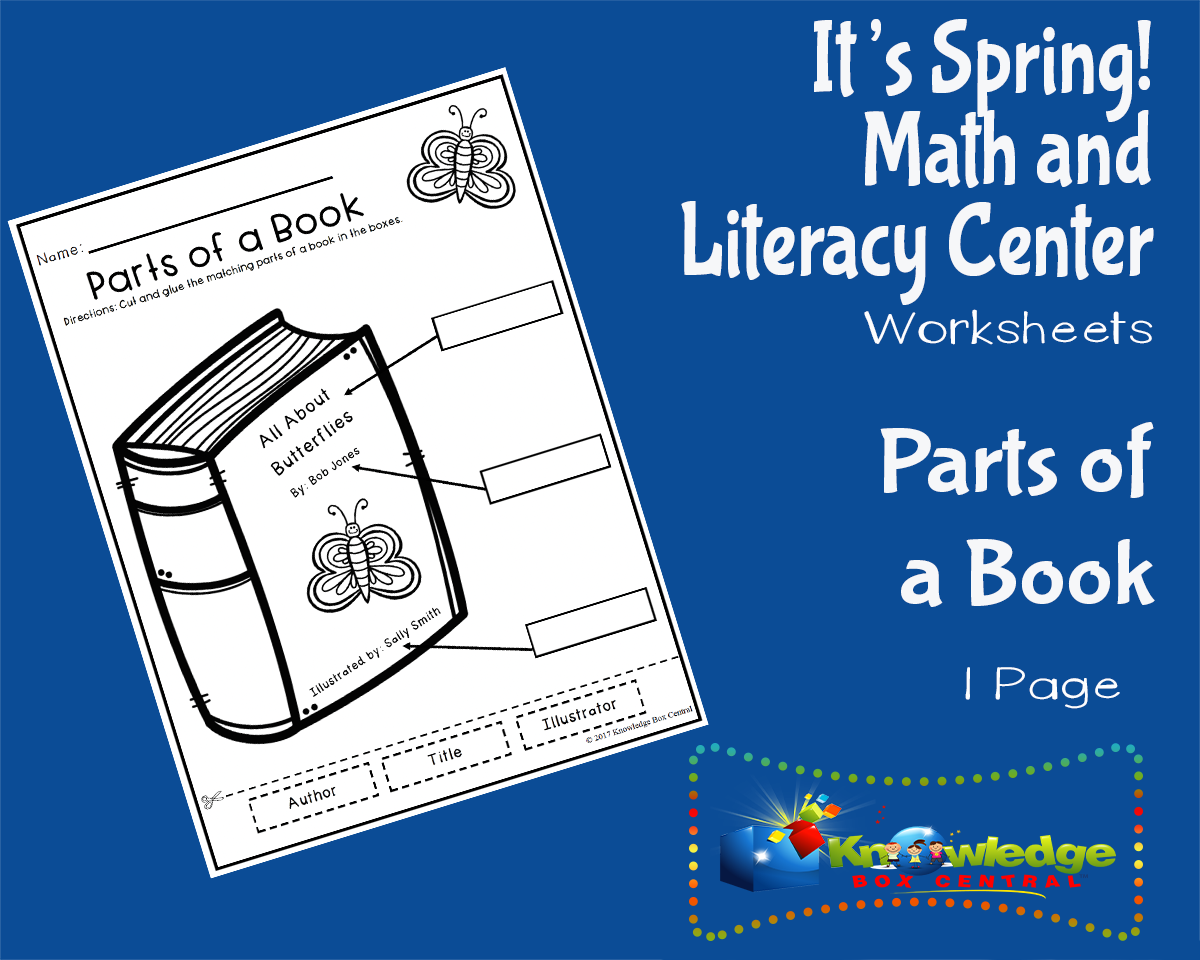
Introducing: It's Fall! Kindergarten Math &amp; Literacy Center: Parts of a Book With a refreshing seasonal theme, this educational tool blends literacy and numeracy activities tailored for preschool up to grade 1 children. By incorporating elements of fall into regular kindergarten material, it keeps content appealing while enabling teachers to relate classroom learning with daily surroundings. Key Feature The resource places emphasis on teaching students about the distinct components of a book – an essential understanding as they progress academically. With 'It's Fall!', early learners can acquire these concepts in an intuitive and enjoyable way. About the Package This package comprises four pages of activities meticulously designed aligning with Common Core Standards for Kindergarten. The provided resources nurture linguistic development along with basic mathematical skills among young learners. To make your planning easier, all materials are available as PDF files, ideal for printing or electronic sharing – befitting homeschoolers or traditional school settings alike. Suitability: The worksheets can fit effortlessly in your teaching plans irrespective if you're conducting one-on-one sessions or facilitating larger group activities. You have flexibility to adapt these materials tailored to specific educational needs which give way for diverse implementation methods (from whole-group instruction to smaller subgroups). You could also assign them as additional homework tasks. In Summation: This pedagogical instrument serves as an indispensable aid promoting basic language arts instruction focused mostly on pre-reading skills. It provides adaptable formats that are favorable when handling mixed-ability classrooms throughout different academic sessions. Making it indeed every teacher’s go-to resource during fall season! The aid lets learning evolve into a playful activity by merging the excitement of holidays within scholarly structures, thus exposing children to the enchanting world of books and numbers in an engaging fun way.

Author Knowledge Box Central

Tags Fall Activities, Literacy Center, Math Skills, Parts Of A Book, Kindergarten

Lesson 8: Conjunctions - Connecting Ideas with Conjunctions - A Visit to Grammer's House with Mr. Butt and Bonefish - How to Use the Eight Parts of Speech

Lesson 8: Conjunctions - Connecting Ideas with Conjunctions - A Visit to Grammer's House with Mr. Butt and Bonefish - How to Use the Eight Parts of Speech
ELA, Writing, Creative Writing, Grammar, Language Development, Vocabulary, Grade 3, 4, 5, 6, Parts of and Anatomy of, Worksheets & Printables

About this product: The whys and ways students can connect their thoughts in their writing. Each lesson contains a story that illustrates the concept being taught. This is followed by an assessment to evaluate a student’s understanding of the concept and a lesson review. If students need more help, have them repeat this lesson.

Author Scary Good Writing With Mr. Butt and Bonefish

Tags Grammar, Eight Parts Of Speech, Nouns, Verbs, Verb Tense, Adjectives, Interjections, Conjunctions, Prepositions, Adverbs

It's Winter! Kindergarten Math & Literacy Center: Parts of a Book

It's Winter! Kindergarten Math & Literacy Center: Parts of a Book
ELA, Language Development, Pre-Reading, Kindergarten, Preschool, Grade 1, Parts of and Anatomy of, Worksheets & Printables

It's Winter! Kindergarten Math & Literacy Center: Parts of a Book This is a teaching resource designed for educators focusing on season-themed learning. During winter, it transforms your classroom into an engaging literacy and math center that aligns with the Kindergarten Common Core standards. Target Users and Applications: The product is ideal for teaching about parts of a book cover among kindergarten students and first graders. It also offers relevant learning materials for preschoolers, thus making it useful across various early education grades. Besides language arts lessons about authors or illustrators, it provides avenues to interest students in reading protocols. Being available as an easily downloadable PDF file ensures flexibility, aiding teacher-led group work or centers . Inclusions and Usability: The package includes four pages and one worksheet that does not require any preparation from teachers. This makes it apt for morning work or homework assignments. You can personalize student experiences according to strengths while staying aligned with common core targets due to its usability. An Integration of Language Arts and Mathematics: - The resource comes integrated with basic but exciting mathematical elements adding depth & holding student interest even during wintry weather. Thus this winter-themed Language Arts resource acts as an effective instrument marrying literacy competencies with foundational numeracy skills - vital during early childhood education years.

Author Knowledge Box Central

Tags Winter, Kindergarten, Literacy, Math Center, Parts Of A Book

Lesson 5 - Ready? Action! How to write with verbs! -  A Visit to Grammar’s House with Mr. Butt and Bonefish- How to Use the Eight Parts of Speech

Lesson 5 - Ready? Action! How to write with verbs! - A Visit to Grammar’s House with Mr. Butt and Bonefish- How to Use the Eight Parts of Speech
ELA, Writing, Creative Writing, Grammar, Language Development, Vocabulary, Grade 3, 4, 5, 6, Parts of and Anatomy of, Worksheets & Printables

Students learn about the different kinds of verbs and how to use them to write with active voice. Each lesson contains a story that illustrates the concept being taught. This is followed by an assessment to evaluate a student’s understanding of the concept and a lesson review. If students need more help, have them repeat this lesson.

Author Scary Good Writing With Mr. Butt and Bonefish

Tags Grammar, Eight Parts Of Speech, Nouns, Verbs, Verb Tense, Adjectives, Interjections, Conjunctions, Prepositions

Parts of Speech: Concrete Nouns Lesson

Parts of Speech: Concrete Nouns Lesson
ELA, Grammar, Grade 1, 2, 3, 4, Parts of and Anatomy of, Worksheets & Printables

Parts of Speech: Concrete Nouns Lesson Plan This interactive PowerPoint resource teaches 1st-4th grade students about concrete nouns through engaging slides and activities. Students will learn the definition of a concrete noun, how to identify concrete nouns, and how to use them properly in writing. The resource includes teacher slides to facilitate whole-class direct instruction and discussion. Separate student slides allow for independent or collaborative practice. Finally, answer key slides support formative assessment . Teachers can facilitate this well-rounded 45-60 minute lesson with the entire class, small groups needing remediation, or advanced learners requiring enrichment. This concrete nouns lesson plan builds a strong grammar foundation while integrating reading, writing, critical thinking, creativity, and problem solving skills.

Author Ezee 101

Tags Grammar, ELA Lesson, Parts Of Speech, Concrete Nouns, Class Discussion

Parts of Speech: Abstract Nouns Lesson

Parts of Speech: Abstract Nouns Lesson
ELA, Grammar, Grade 1, 2, 3, 4, Parts of and Anatomy of, Worksheets & Printables

Parts of Speech: Abstract Nouns Lesson Plan engages students through interactive slides to understand this complex grammar topic. Students will apply reading, critical thinking, and problem-solving skills to learn the definition and proper usage of abstract nouns. The resource explains the purpose and function of abstract nouns, providing examples students can relate to. Next, the lesson facilitates class discussions for students to distinguish between concrete and abstract nouns. Finally, the practice activities reinforce the concepts so learners can confidently employ abstract nouns in their writing. This well-organized PowerPoint can be used for whole-class instruction and includes a presentation for teachers, students, and answer keys. The resource is designed for grades 1-4 language arts or grammar lessons.

Author Ezee 101

Tags Parts Of Speech, Grammar, Abstract Nouns, Class Discussion, Types Of Nouns

Lesson 10: Prepositions - How Prepositions Work - A Visit to Grammer's House with Mr. Butt and Bonefish - How to Use the Eight Parts of Speech

Lesson 10: Prepositions - How Prepositions Work - A Visit to Grammer's House with Mr. Butt and Bonefish - How to Use the Eight Parts of Speech
ELA, Writing, Creative Writing, Grammar, Language Development, Vocabulary, Grade 3, 4, 5, 6, Parts of and Anatomy of, Worksheets & Printables

This lesson breaks down the use of prepositional phrases into easy-to digest chunks that kids can easily understand. Comes with a poster to show how prepositional phrases work. Each lesson contains a story that illustrates the concept being taught and a lesson review. This is followed by an assessment to evaluate a student’s understanding of the concept. If students need more help, have them repeat this lesson.

Author Scary Good Writing With Mr. Butt and Bonefish

Tags Grammar, Eight Parts Of Speech, Nouns , Verbs, Verb Tense, Adjectives, Interjections, Conjunctions, Prepositions, Adverbs

Grammar Go Fish: Parts of Speech Review Game (Winter Edition)

Grammar Go Fish: Parts of Speech Review Game (Winter Edition)
Holiday & Seasonal, ELA, Seasons, Winter, Grammar, Grade 2, 3, 4, Parts of and Anatomy of, Worksheets & Printables

Grammar Go Fish: Parts of Speech Review Game (Winter Edition) An engaging, fun learning resource perfect for educators and homeschoolers alike. Designed for students in grades 2 to 4, this innovative tool transforms language arts lessons into an interesting activity. Packed with Winter-themed sentences, the game offers a unique way to practice critical grammar skills within a familiar Go Fish card game format. A Tool That Promotes Active Learning This tool provides essential grammar review and inspires active learning among students. It's flexible enough to transition from being a whole-group activity in a classroom setting to a small group or independent assignment during homeschooling sessions. A Complete Kit For Seamless Facilitation The Grammar Go Fish game kit is easy to facilitate as it comes with detailed step-by-step instructions. The fifty-two play cards feature vibrant Spring-themed sentences designed primarily for part-of-speech identification practice. Each round prompts ample brain exercise through the underlined grammar component featured in every card sentence. Incorporating Variable Word Banks The Digital file incorporates variable word bank options suitable for differentiated instructional methods. You are granted the freedom as an educator- provide either definitions or just simple word bank choices without definitions! This empowers you to center your pedagogic decisions around your student's needs. Making Language Arts Fun This Winter Season! Kids will be so engrossed they might forget they're even doing schoolwork! Their critical language arts skills get polished seamlessly across twenty-two pages filled with entertainment and education rolled into one neat package. Enhance your educational repertoire with this exciting Parts of Speech Review Game!

Author Blooming with Blake

Tags Grammar, Parts Of Speech, Review Game, Winter Edition, Language Arts

Lesson 11: Conclusion - Wrapping up Grammar in a Blanket - A Visit to Grammer's House with Mr. Butt and Bonefish - How to Use the Eight Parts of Speech

Lesson 11: Conclusion - Wrapping up Grammar in a Blanket - A Visit to Grammer's House with Mr. Butt and Bonefish - How to Use the Eight Parts of Speech
ELA, Writing, Creative Writing, Grammar, Language Development, Vocabulary, Grade 3, 4, 5, 6, Parts of and Anatomy of, Worksheets & Printables

Mr. Butt reunites with Bonefish to finish the lesson on the eight parts of speech.

Author Scary Good Writing With Mr. Butt and Bonefish

Tags Grammar, Eight Parts Of Speech, Nouns , Verbs, Verb Tense, Adjectives, Interjections, Conjunctions, Prepositions, Adverbs

Parts of Speech: Collective Nouns Lesson

Parts of Speech: Collective Nouns Lesson
ELA, Grammar, Grade 1, 2, 3, 4, Parts of and Anatomy of, Worksheets & Printables

Parts of Speech: Collective Nouns Lesson Plan introduces students to collective nouns and how to properly use them. Students will engage in reading, critical thinking, and problem-solving activities across several highly-interactive presentations tailored for various learning modalities. Educators can utilize the lessons for whole-group direct instruction through the teacher presentation, small-group work and collaboration with the student version, independent practice using the student copy, or assess comprehension via the answer key slides. Whether homeschooling, distance learning, or in a traditional classroom environment, this Collective Nouns resource creatively reinforces an essential language arts skill. With focused discussions and targeted practice built-in, students in grades 1-4 will gain linguistic capabilities to eloquently communicate ideas through mastery of collective noun conventions.

Author Ezee 101

Tags Abstract Nouns, Collective Nouns, Grammar, Parts Of Speech, Creative Thinking

Lesson 1: Meet the Teacher - An Introduction to the Course  - A Visit to Grammar's House with Mr. Butt and Bonefish - How to Use the Eight Parts of Speech

Lesson 1: Meet the Teacher - An Introduction to the Course - A Visit to Grammar's House with Mr. Butt and Bonefish - How to Use the Eight Parts of Speech
ELA, Grammar, Language Development, Vocabulary, Writing, Grade 3, 4, 5, 6, Parts of and Anatomy of, Worksheets & Printables

Lesson 1: Meet the Teacher - An Introduction to the Course - A Visit to Grammar's House with Mr. Butt and Bonefish - How to Use the Eight Parts of Speech This educational adventure targets students in grades 3 through 6, emphasizing Language Arts including grammar, vocabulary, and writing activities. Students embark on an imaginative journey with characters Mr. Butt and Bonefish visiting Professor Kell C. Grammar at his unique residence, Grammar’s House. Main Focus: The purpose of each of the eight parts of speech Structure, Function within language communication This resource delivers simple yet effective lessons using practical examples. Also notable is its flexibility that allows varied incorporation into group lessons or separate assignments depending on comprehension levels. Interactive Learning Platform: The lesson designed using Microsoft PowerPoint promotes active student engagement with interactive slides for a combination of learning and enjoyment. Included Supplement: A Scary Good Writing Poster: Reinforces content learned but also serves as inspiration Aim:- The intention is to make integral parts of English language enjoyable thus facilitating skill progression. It lays solid foundation for advanced literacy skills that will be approached in future.

Author Scary Good Writing With Mr. Butt and Bonefish

Tags Grammar, Parts Of Speech, Language Arts, Writing Activities, Interactive Learning

Verb Charades Game – Reinforce Parts of Speech

Verb Charades Game – Reinforce Parts of Speech
ELA, Grammar, Preschool, Grade 1, 2, Parts of and Anatomy of, Worksheets & Printables

Do you want your kiddos to REALLY learn verbs?I am sure you do. This Verb Charades game is a fun, easy and interactive way to reinforce or introduce the concept of verbs! Using Verb Charades and acting out the verbs will support children in understanding that if you can do it, then it is an action verb! Easy to set up and combineslearning and fun which is a winning combination! The directions are similar to the good old game of Charades except you are simplyacting out a verb or verb phrase. My class and I created this game one day when we were learning about verbs. I always enjoy hearing what ideas the class will come up with when you present them with a challenge. Ever since this was created about 10 years ago, my students have LOVED playing it. Some Ideas for USE: You canglue the pictures onto a colored popsicle stick or simply place them in a basket, box or jar. I usually placed the cards on sticksface down in a plastic jar with the sign attached to the front of the jar and kept it by my easel for easy access and it was always a great game to give a sub for a filler. The children alsoenjoyed playing it at Indoor Recess and if they had a choice activity,they would play this in small groups or with a partner! The directionsare similar to the good old game of Charadesexcept you aresimply acting out a verb or verb phrase One child picks from the jar figures out what the picture and word shows, let’s you see it for proof and then acts it out for the class. Theclass gets 3 guesses.Whoever gets it correct, is the next person to act out the verb. Ifno one guesses it, I use my picking sticks, which have the student’s names on them, to randomly choose the next person to act it out! I hope your class enjoys this games as much as mine have! Here is What is Included: 13 Cards with 6 verb images or pictures and words that contain verbs or verb phrases on each card for a total of 78 cards. 2 Different signs for the box or basket to label for storage. Here are some other ways to use this game/resource: Put a selected number of cards in a paper bag and have students pick one out and write a sentences for that word and draw a picture to go with it. Use it in a writing center as described above and pick 5 or more words. Then write sentences to go along with the action words. Have students pick a word and describe the action without naming it and use clues to see if other class members can guess the action. Example: This is something you do when you play baseball. OR have the other students ask the cardholder questions that are answered with YES OR NO. Example: Is it something everyone does? Is it fun to do? This would be great for a Morning Meeting activity. Super for English Language learners to learn vocabulary. I hope your class enjoys this games as much as mine have! ENJOY! Thanks for purchasing, downloading or browsing! I hope this adds a little sunshine to your day!

Author Sunshine and Lollipops

Rating

Tags Action Verb, Grammar Charaders, Grammar Games, Verb Charades, Parts Of Speech, Action Verb Llc, Charades Middle School, Middle School Charades, Parts Anytime, Fun Verb

Lesson 6 - Past Present and Future: How Verb Tenses Work -  A Visit to Grammar’s House with Mr. Butt and Bonefish - How to Use the Eight Parts of Speech

Lesson 6 - Past Present and Future: How Verb Tenses Work - A Visit to Grammar’s House with Mr. Butt and Bonefish - How to Use the Eight Parts of Speech
ELA, Writing, Creative Writing, Grammar, Language Development, Vocabulary, Grade 3, 4, 5, 6, Parts of and Anatomy of, Worksheets & Printables

Lesson 6 - Past Present and Future: How Verb Tenses Work - A Visit to Grammar’s House with Mr. Butt and Bonefish - How to Use the Eight Parts of Speech This innovative teaching resource is available to educators, focusing on teaching students between grades 3 through 6 the concept and usage of past, present, and future verb tenses in writing. The instructional material leverages an engaging story which illustrates how verb tenses work, provoking curiosity in learners that aids their understanding. The teaching aid consists of: PowerPoint lessons: forming the main presentation tool for teachers, Word Document Assessment Lessons: evaluation tests designed to gauge students' comprehension after finishing each part of the instructional material, PowerPoint Lesson Reviews: reinforcement tools for any student seeking additional help. The interactive story necessitates that students create a time travel adventure within their prose. This encourages creative writing skills alongside enhancing grammar understanding all while building vocabulary. Versatile Usage: "Lesson 6" can be used across different settings based on classroom requirements or individual student needs. It fits comfortably in whole group sessions where collaborative learning occurs or smaller groups where more tailored assistance is necessary. Furthermore, it also serves as an intriguing homework assignment allowing learners to independently review at home what they've learned within class. In essence, this integrated approach brings together various aspects of language arts lessons under one accessible digital roof making it a perfect addition for homeschooling parents or public school teachers who are investing into diversified ways for delivering quality education.

Author Scary Good Writing With Mr. Butt and Bonefish

Tags Verb Tenses, Past Present Future, Grammar Instruction, Teaching Resource, Language Arts

Parts of Speech: Proper Nouns Lesson

Parts of Speech: Proper Nouns Lesson
ELA, Grammar, Grade 1, 2, 3, 4, Parts of and Anatomy of, Worksheets & Printables

Parts of Speech: Proper Nouns Lesson Plan for Language Arts This Proper Nouns lesson plan helps early elementary students learn about the proper noun part of speech through interactive presentations. Students will build language skills as they discover what proper nouns are, how to identify them, and when to use capitalization. The step-by-step lesson includes opportunities for whole class discussion about proper noun examples. Differentiated practice activities allow students to apply the grammar concepts they learned. This versatile resource comes with a teacher presentation, student presentation, and answer key to support diverse learning needs. Use these customizable slides during language arts blocks, centers , bell ringers, or homework to bolster grammar proficiency.

Author Ezee 101

Tags Grammar, Parts Of Speech, Proper Nouns, ELA, Class Discussion