2,677 products added recently
Page 15 - 2nd Grade Worksheets
Provide your second graders with worksheets that promote growth in literacy, numeracy, and critical thinking. These resources align with curriculum standards and offer engaging activities. Incorporate them to strengthen understanding and encourage enthusiasm for learning.
Austria Map Geography Word Search 2rd 3th 4th 5th Grade worksheet
Vocabulary, Language Development, ELA, Spelling, Geography, Social Studies, Grade 2, 3, 4, 5, Games, Activities, Word Searches, Worksheets, Worksheets & Printables
Make learning fun with a no-prep, printable vocabulary word search that builds vocabulary, reinforces literacy, and sparks curiosity! Students can explore the new vocabulary words while practicing spelling, scanning for letters, and identifying keywords. A word search can be a perfect and easy-to-use activity to liven up a lesson by combining learning with fun! It is an excellent way to reinforce concepts within a lesson and engage students' hands-on learning. Purpose: This activity allows students to learn new vocabulary words and contextualized vocabulary related to a topic ✏️, improve spelling, reading, and attention to detail 📚, increase awareness of concepts and knowledge about the world at large 🌍, and encourage curiosity and engagement about the topic 🐾. Word searches are a hands-on way to make learning memorable and fun for students - it engages them at all vocabulary levels! How to Do It: 1️⃣ Hand out the word search worksheet. 2️⃣ Introduce any important vocabulary or concepts that fit with the topic. 3️⃣ The students search for the words and circle or highlight each one. 4️⃣ Discuss the importance of the topic or the words that the student found. 5️⃣ Review the answers using the answer key that is included for each product ✅ Perfect For: Grades 2-5 🌟, independent practice, partner work, students who finish early, science or social studies centers, or for substitute plans 🤝 Way of Implementation: Great for independent practice early finishers, partner work, or substitute plans 🤝. Answer Keys: (these will be pencils under your three files: Given for simple checking and self-assessing. Fun Variations: Timed Challenge ⏳ - record how many words students can find in a set time. Partner Puzzle 🤝 - work together to find all of the words. Vocabulary Extension ✏️ - write sentences or a few short paragraphs using the words. Create-Your-Own Word Search 🧩 - have students make their own word search puzzles using the vocabulary. Standards Alignment: Supports CCSS/ELA vocabulary development, and can also connect to NGSS or other relevant standards, depending on the topic. File & Print Info: PDF includes both a color and black and white version, and is ink-friendly to make printing easy. Teacher Tip! Have students learn by being hands-on, engaged, and active while helping them build awareness, vocabulary, and literacy skills around any topic! 🌟
Author Classsimple
Rating
Tags Austria , Map , Geography , Word Search, 2rd 3th 4th 5th Grade , Worksheet , Activity, Austria Map Geography Word Search, Austria Map Geography Word Search 2rd 3th 4th 5th Grade , Austria Map Geography Word Search 2rd 3th 4th 5th Grade Worksheet
Useful Robots Reading Comprehension Passage - Cored Ed Encyclopedia
ELA, Language Development, Reading Comprehension, Reading, Pre-Reading, History, Social Studies, Technology, Science, Earth and Environmental Sciences, Grade 2, 3, 4, 5, Worksheets & Printables, Worksheets, Teacher Tools, Centers, Activities, Writing Prompts, Assessments, Quizzes and Tests, Quizzes, Lesson Plans
This useful robots reading comprehension with lesson plan includes: Visualization (on the front cover) Start your lesson by taking a minute to think and share something about the topic. Read the script aloud (slowly), perhaps prepare some music or sound effects. Student close their eyes and let their imaginations wander. Students open their eyes, read the question aloud and give them a few minutes to complete. Ask a few students to share or keep answers until the end to compare with what they learn in the passage. Quick pause—thousands of Cored Education products are included with your TeachSimple membership. Download links and encyclopedia index available here. Pre-Reading Trivia Students will write down one thing they already know about the subject and then read five more facts and discuss. These facts are fun, and the students will enjoy learning about the subject before reading more. Give 1 minute for students to write what they already know (no pressure—best guess is fine). Read the five facts together. After each fact, do ask a student for their opinion, was it surprising? Set a purpose by asking students to highlight/underline one fact they want to learn more about during the reading. Reading Passage The text is a high-interest reading passage with set paragraphs, roughly three to four paragraphs long. It contains a variety of themes about the topic, anywhere from history to technology. The passage is between 250 and 350 words in length. First, ask students to look at the headings and see what they’ll learn about today. What do they know about the topic/heading? First read options: Teacher read-aloud (best for support). Partner reading (paragraph by paragraph). While reading, students underline important details, and vocabulary words they think may come up in the questions section. Mixed Questions The first question page contains four multiple-choice questions, each with a choice of four answers, and three written response questions that require a sentence or two from the student. Students complete the mcqs first independently, then review quickly as a class. For the 3 written responses, try to get students giving the answer with some form of evidence: “I think ___ because the text says ___.” If students get stuck, send them back to check the passage. Vocabulary Questions Practice seven key words from the text in this section across two activities. First section is scrambled words where students will unscramble three words given a clue for each. The second section is a word to meaning matching activity. Before starting, have some students read out words they underlined in the passage. Ask students to say the word and read aloud the sentence(s) around each word. Ask students to do scrambled words and the matching exercise in pairs then go through answers as a class. For the scrambled spelling task, get four pairs to come up to the board and write the words for extra practice with the other student reading out the clue. For the matching task, prompt students to give full sentences: “I matched ___ with ___ because ___.” Creative Writing In this question, the student will be required to write a five to eight sentence paragraph on a question related to the topic. Before starting, ask students write down 3 key ideas they are going to include in their piece. Ask students for ideas to share around the class to help those struggling. Pro writing expectations: 5–8 sentences At least 2 facts or details from the passage At least 2 vocabulary words from the previous page Students read their paragraphs while classmates listen for facts and vocabulary words. Extension Activities This page is optional for fast finishers or to take home. There are several activities, each one requiring a different skill. Do some, do none, do all, completely optional - but you will feel reassured knowing every possibility is planned for. Includes summary writting question. Answer Key There are answers for the multiple-choice questions, written response questions have sample answers, vocabulary answers and if there is a summary question then a sample summary will be provided as well. Lesson Plan Included Customized lesson plan for this lesson is included. Lesson Snapshot Title: Useful Robots Genre: Nonfiction (Informational passage) Subject: Science & Technology (Engineering/Robotics) Primary Topic: How robots developed and help people Estimated Guided Reading Level (A–Z): P Support pages included: Pre-reading trivia, mixed questions, vocabulary activities, creative writing prompt, extension activities, and an answer key. QA notes on support pages: Support content generally matches the passage; however, the support pages use “automaton” (singular) while the passage uses “automata” (plural), and an extension prompt suggests “hills,” which is not stated in the passage (the passage names rocks and dust). What This Lesson Teaches Best Robots have a history: Explains that long ago people created “automata” that moved using steam, air, water, or falling weights. Modern robots and factory work: Describes an early industrial robot, Unimate, working in 1961 at a General Motors plant handling hot metal parts that were tough and dangerous for people. How robots learn repeatable motions: Shows how a person can guide a robot’s movements while sensors send signals to a computer that stores a pattern to repeat the job. Robots go where people can’t: Highlights the rover Opportunity exploring Mars for years (2004–2018) and sending back clues from rocks and dust. Big idea across time: Connects early moving devices to today’s robots as tools that learned to move, repeat, and help humans discover more. Learning Goals Students will explain what “automata” were and what powered them. Students will describe why Unimate’s factory job mattered for people. Students will identify how a robot can be “taught” motions and then repeat them. Students will summarize how robots can help in places that are risky, far away, or hard to reach. Students will use details from the text to tell what Opportunity did on Mars and what it sent back. Key Vocabulary From the Text automata — moving devices from long ago; not thinking machines. program — give a machine instructions to do a job. industrial — related to factories and making things. sensors — parts that notice and send signals to a computer. rover — a robot vehicle that travels to explore places. FULL CATALOG OF DOWNLOAD LINKS AND ENCYCLOPEDIA INDEX HERE
Author Cored Education
Rating
Tags Vocabulary, Reading Comprehension, Reading Passages, Lesson Plans, Ela Lesson Plans, Reading Comprehension Lesson Plans, Pre-reading, Science Lesson Plans, Technology, History
Around the Home Word List Posters (PDF)
ELA, Language Development, Resources for Teachers, Vocabulary, Spelling, ESL, Grade 2, 3, 4, 5, Worksheets & Printables, Worksheets, Teacher Tools, Centers, Activities, Posters, Classroom Decor
Word List Poster Series This word list poster series is designed for students in grades 2–5. Each printable focuses on a clear, kid-friendly theme and features 8 target vocabulary words with short, student-friendly meanings or fun facts. The clean layout works as both an anchor chart and a write-in sheet, giving students a quick, visual reference they can revisit during centers and independent work. These posters are student-friendly, classroom-ready, and perfect for warmups, vocabulary walls, sub plans, or take-home reference. Display a single poster to support the day’s lesson, or group several to build a themed wall across your unit. Note: Each poster is a companion piece to its matching themed product in the series—pair it with the corresponding maze, wordsearch, or activity pack for a consistent set of 8 focus words. Around the Home Word List 1. Rooms in the House Kitchen, Living room, Bedroom, Bathroom, Dining room, Garage, Laundry room, Attic 2. Furniture & Appliances Chair, Table, Couch, Bed, Refrigerator, Oven, Lamp, Bookshelf 3. Things Found in a Home Clock, Mirror, Rug, Curtains, Doorbell, Pillow, Blanket, Fan 4. Outdoor Spaces Backyard, Porch, Garden, Fence, Driveway, Mailbox, Swing, Treehouse 5. Cleaning & Chores Sweep, Mop, Vacuum, Dust, Laundry, Trash, Dish, Organize 6. Family & Home Activities Bake, Set, Sing, Color, Puzzle, Stretch, Laugh, Snuggle PDF Version Other versions will appear here when available. Follow the store for the lastest on new products. How to Use These Word List Posters Perfect for: Morning work or early-finisher bins Vocabulary centers or anchor walls Holiday/seasonal review lessons Independent stations, sub plans, or take-home reference More Around the Home Themed Products CROSSWORDS WORD SEARCHES MAZES FULL CATALOG OF DOWNLOAD LINKS HERE Themed Word List Posters Links Addition PDF Animals PDF Around the Home PDF Birthday PDF Candy PDF Christmas PDF Cinco de Mayo PDF Clothes PDF Colors PDF Days and Months PDF Division PDF Earth Day PDF Easter PDF Easy Word List Posters PDF Fall PDF Father's Day PDF Food PDF Geography (Set 1) PDF Geography (Set 2) PDF Geography (Set 3) PDF Graduation PDF Health PDF History (Set 1) PDF History (Set 2) PDF History (Set 3) PDF Human Body PDF Kindness PDF Life Skills PDF Mother's Day PDF Multiplication PDF Science (Set 1) PDF Science (Set 2) PDF Science (Set 3) PDF Shapes PDF Social Skills PDF Spring PDF Sports PDF St. Patrick's Day PDF Subtraction PDF Summer PDF Thanksgiving PDF Transport PDF Valentine's Day PDF Winter PDF Word List Posters in Depth Structure Each poster is built around a focused sub-theme and presents 8 target words with short, student-friendly meanings or fun facts. The clean A4 portrait layout works as an anchor chart on your board or as a student reference at desks. These posters are designed as companion pieces to the matching themed products (mazes, wordsearches, activity packs), so the same vocabulary stays visible across your unit. Each poster set includes: A themed word list poster with 8 words + brief meanings/facts A clean, high-contrast layout for easy printing and display Space that can double as write-in/draw-to-show-meaning during centers Themes Included Seasons & Holidays (e.g., Halloween, Easter, Valentine’s Day) Everyday Topics (e.g., Animals, Weather, School) Math & Science Connections (e.g., Number Words, Simple Machines) Special Units (e.g., Health, Earth Day, Sports, Kindness) Each topic reflects real-life experiences and interests while strengthening vocabulary recognition and content understanding in a clear, visual way. Easy extensions (optional) Sketch it: students draw a quick icon for each word Sort it: group words by category (e.g., actions, objects) Star it: highlight “I already know” vs. “I’m learning” words Match it: point to examples in a reading, video, or picture set Say it: brief oral definition or example sentence during share-out Differentiation tips Pre-teach 2–3 anchor words; add the rest later in the week Offer picture cues or gestures for emerging readers/ELLs Let students choose 4 of 8 to focus on first, then build up Color-code by part of speech or concept family for quick scanning For similar downloads and other frees, do check out Cored Group on TeachSimple.
Author Cored Education
Rating
Tags Vocabulary, Spelling, Rooms In The House, Furniture, Home Activities, Posters, Ela Posters, Home Posters, Home Word Lists
Capitalization Practice and Activities, 4th Grade Grammar Worksheets
ELA, Writing, Reading, Grammar, Grade 2, 3, 4, Worksheets, Worksheets & Printables
Capitalization Practice for Grade 4 Reinforce proper capitalization with this engaging 4th grade grammar resource. The 10 worksheets provide practice identifying contexts where capitalization is required, including beginning sentences, proper nouns like people and places, and the pronoun "I." Sentences feature relevant examples like geographical locations and student names to actively involve learners. Aligned to grade 4 curriculum standards, these printables are versatile for whole class, small group, independent, or homework to instill good capitalization habits. Educators can implement these NO PREP capitalization activities to equip 4th graders with the solid language arts foundation vital for future ELA and writing success. The practice builds familiarity through application in an enjoyable way that sets the stage for excellence.
Author TeacherYouWant
Tags Fourth Grade, Grammar, Capital, Worksheets And Activities, Morning Work, Back To School
Free Reading Passage: Pushing and Pulling Forces (Word)
ELA, Reading, Reading Comprehension, Science, Physics, Common Core, Vocabulary, Language Development, ESL, Resources for Teachers, Grade 2, 3, 4, Worksheets & Printables, Worksheets, Assessments, Teacher Tools, Tests, Quizzes and Tests
Free Reading Passage on Pushing and Pulling Forces for Physical Science What's inside this free product? Science Reading Comprehension Passage7 : Pushing and Pulling Forces Independent Word Version: This is the independent Word version containingone lesson with full answer keys. Product Info: 5 PAGES (US English with Answers) Word Version Teaching Duration: 90 Minutes Science Reading Comprehension Outline: Targeted for students in 3rd and 4th grades, these reading passages are enhanced with illustrations and graphs to elucidate critical points. Each lesson aligns with the Common Core State Standards, allowing you to integrate science reading practice effortlessly, knowing that minimal preparation is needed on your part. Each passage comes with a variety of questions in different formats, including multiple-choice formats, data analysis, and fill-in-the-blanks. The topics covered strike a balance between engaging content and core curriculum-based science subjects. Versatile in application, these lessons are suitable for a variety of settings such as whole-class instruction, morning activities, independent desk work, small group discussions, contingency plans for substitute teachers, homework assignments, or even special holiday-themed tasks. FULL CATALOG OF DOWNLOAD LINKS HERE Grade 3/4 Links: Physical Science Part 1 - Properties of Objects and Materials Google Docs/Slides/Forms PDF PPT Word Free Supplementary Pack Accompanying Videos Physical Science Part 2 - Position and Motion of Objects Google Docs/Slides/Forms PDF PPT Word Free Supplementary Pack Accompanying Videos Physical Science Part 3 - Light, Heat, Electricity, Magnetism Google Docs/Slides/Forms PDF PPT Word Free Supplementary Pack Accompanying Videos Life Science Part 1 - Characteristics of Organisms Google Docs/Slides/Forms PDF PPT Word Free Supplementary Pack Accompanying Videos Life Science Part 2 - Life Cycles of Organisms Google Docs/Slides/Forms PDF PPT Word Free Supplementary Pack Accompanying Videos Life Science Part 3 - Organisms and Environments Google Docs/Slides/Forms PDF PPT Word Free Supplementary Pack Accompanying Videos Earth Science Part 1 - Properties of Earth Materials Google Docs/Slides/Forms PDF PPT Word Free Supplementary Pack Accompanying Videos Earth Science Part 2 - Changes in the Earth and Sky Google Docs/Slides/Forms PDF PPT Word Free Supplementary Pack Accompanying Videos Earth Science Part 3 - Objects in the Sky Google Docs/Slides/Forms PDF PPT Word Free Supplementary Pack Accompanying Videos For similar products and other frees, do check out Cored Group on TeachSimple .
Author Cored Education
Tags Science, Elementary, Reading, Comprehension, Vocabulary, Answers, Physics, Physical Science, Ccss, Common Core
Ancient Egypt Reading Comprehension Passage - Cored Ed Encyclopedia
ELA, Language Development, Reading Comprehension, Reading, Social Studies, History, History: Ancient, Writing, Pre-Reading, Vocabulary, Grade 2, 3, 4, 5, Worksheets & Printables, Worksheets, Teacher Tools, Centers, Activities, Writing Prompts, Assessments, Quizzes and Tests, Quizzes, Lesson Plans
This ancient Egypt reading comprehension with lesson plan includes: Visualization (on the front cover) Start your lesson by taking a minute to think and share something about the topic. Read the script aloud (slowly), perhaps prepare some music or sound effects. Student close their eyes and let their imaginations wander. Students open their eyes, read the question aloud and give them a few minutes to complete. Ask a few students to share or keep answers until the end to compare with what they learn in the passage. Quick pause—thousands of Cored Education products are included with your TeachSimple membership. Download links and encyclopedia index available here. Pre-Reading Trivia Students will write down one thing they already know about the subject and then read five more facts and discuss. These facts are fun, and the students will enjoy learning about the subject before reading more. Give 1 minute for students to write what they already know (no pressure—best guess is fine). Read the five facts together. After each fact, do ask a student for their opinion, was it surprising? Set a purpose by asking students to highlight/underline one fact they want to learn more about during the reading. Reading Passage The text is a high-interest reading passage with set paragraphs, roughly three to four paragraphs long. It contains a variety of themes about the topic, anywhere from history to technology. The passage is between 250 and 350 words in length. First, ask students to look at the headings and see what they’ll learn about today. What do they know about the topic/heading? First read options: Teacher read-aloud (best for support). Partner reading (paragraph by paragraph). While reading, students underline important details, and vocabulary words they think may come up in the questions section. Mixed Questions The first question page contains four multiple-choice questions, each with a choice of four answers, and three written response questions that require a sentence or two from the student. Students complete the mcqs first independently, then review quickly as a class. For the 3 written responses, try to get students giving the answer with some form of evidence: “I think ___ because the text says ___.” If students get stuck, send them back to check the passage. Vocabulary Questions Practice seven key words from the text in this section across two activities. First section is scrambled words where students will unscramble three words given a clue for each. The second section is a word to meaning matching activity. Before starting, have some students read out words they underlined in the passage. Ask students to say the word and read aloud the sentence(s) around each word. Ask students to do scrambled words and the matching exercise in pairs then go through answers as a class. For the scrambled spelling task, get four pairs to come up to the board and write the words for extra practice with the other student reading out the clue. For the matching task, prompt students to give full sentences: “I matched ___ with ___ because ___.” Creative Writing In this question, the student will be required to write a five to eight sentence paragraph on a question related to the topic. Before starting, ask students write down 3 key ideas they are going to include in their piece. Ask students for ideas to share around the class to help those struggling. Pro writing expectations: 5–8 sentences At least 2 facts or details from the passage At least 2 vocabulary words from the previous page Students read their paragraphs while classmates listen for facts and vocabulary words. Extension Activities This page is optional for fast finishers or to take home. There are several activities, each one requiring a different skill. Do some, do none, do all, completely optional - but you will feel reassured knowing every possibility is planned for. Includes summary writting question and additional facts. Answer Key There are answers for the multiple-choice questions, written response questions have sample answers, vocabulary answers and if there is a summary question then a sample summary will be provided as well. Lesson Plan Included Customized lesson plan for this lesson is included. Lesson Snapshot Title: Ancient Egypt Genre: Nonfiction (informational passage) Subject: Social Studies Primary Topic: Nile flooding, kingdoms, pyramids, and writing Estimated Guided Reading Level (A–Z): T What This Lesson Teaches Best How the Nile River flooding left dark mud that helped farming and food growth. The meaning of Kemet (“black land”) and why it described the fertile farming strip. How leaders joined Upper Egypt and Lower Egypt into one kingdom, with the pharaoh as a symbol of unity. Key achievements in building and record-keeping (pyramids, scribes, hieroglyphs, papyrus, grain and taxes). How the Rosetta Stone helped scholars decode hieroglyphs by showing the same text in three kinds of writing. Learning Goals Explain how the Nile River’s yearly flooding helped people grow food. Describe why people called the fertile farm area Kemet, or “black land.” Identify ways ancient Egyptians organized and strengthened their kingdom (sharing water, one ruler, a capital). Describe how pyramids changed over time (step pyramid for Djoser and later pyramids at Giza). Explain how scribes used hieroglyphs and papyrus to keep records of grain and taxes. Describe how the Rosetta Stone led to reading hieroglyphs again. Key Vocabulary From the Text fertile — able to grow lots of plants. pharaoh — ruler of ancient Egypt. hieroglyphs — picture symbols used for writing. papyrus — plant paper used for writing. decree — an official order from leaders. FULL CATALOG OF DOWNLOAD LINKS AND ENCYCLOPEDIA INDEX HERE
Author Cored Education
Rating
Tags Vocabulary, Reading Comprehension, Reading Passages, Lesson Plans, Ela Lesson Plans, Reading Comprehension Lesson Plans, Pre-reading, History, Ancient History Lesson Plans, History Lesson Plans
Subject-Verb Agreement Sample - Grades 1-2 Grammar (Word)
ELA, Language Development, ESL, Grammar, Common Core, Resources for Teachers, Grade 1, 2, Teacher Tools, Assessments, Tests, Quizzes and Tests, Worksheets, Worksheets & Printables
Subject-Verb Agreement - 1 Sample Lesson ELA MCQS Overview: In this series of lessons, students will embark on an engaging exploration of the grammar skills that bring our language to life. These lessons are designed to help students identify, understand, and effectively use language arts skills in their writing and speech. Used with the free supplementary materials available for all topics, each lesson builds on the last, offering a mix of direct instruction, interactive group activities, and independent practice. Through fun and creative tasks, students will learn how to recognize grammar in sentences, understand their role in sentences and use them to enhance their own writing and speech. Subject-Verb Agreement Overview: Includes: Intro to Subject-Verb Agreement Match Subject to Verb Match Verb to Subject Additional Practice Word Version This is the Word editable and version. This download is available in GOOGLE Docs, GOOGLE Forms, GOOGLE Slides. PDF, PPT, WORD, check the links below for more details. FULL CATALOG OF DOWNLOAD LINKS HERE Grade 1/2 Links: Capitalization and Punctuation Google Docs Google Forms Google Slides PDF PPT Word Free Supplementary Materials Pack Adjectives Google Docs Google Forms Google Slides PDF PPT Word Free Supplementary Materials Pack Nouns Google Docs Google Forms Google Slides PDF PPT Word Free Supplementary Materials Pack Pronouns Google Docs Google Forms Google Slides PDF PPT Word Free Supplementary Materials Pack Verbs Google Docs Google Forms Google Slides PDF PPT Word Free Supplementary Materials Pack Prefixes & Suffixes Google Docs Google Forms Google Slides PDF PPT Word Free Supplementary Materials Pack Sentence Structure Google Docs Google Forms Google Slides PDF PPT Word Free Supplementary Materials Pack Subject-Verb Agreement Google Docs Google Forms Google Slides PDF PPT Word Free Supplementary Materials Pack ELA Review Questions Overview Questions have three answer choices. There are a handful of pictures on each test for aesthetic purposes, as well as a review sheet covering most of the topics covered in the product. Introduction or Example Sheet Each topic will include an introduction or example sheet to go through first with your students. Full Answer Keys Full answer keys and sample responses are provided so no matter how busy you are, you know you're covered! In the Supplementary Pack Interactive Ice Breakers: Fun, hands-on activities that get students thinking about adjectives right from the start. Guided Practice: Teacher-led exercises that reinforce the day’s lesson, ensuring students can confidently identify and use adjectives. Group and Partner Tasks: Collaborative activities that allow students to work together to solve problems, categorize adjectives, and create descriptive sentences. Independent Worksheets: Structured worksheets that provide individual practice and help solidify understanding of key concepts. Exit Tasks: Quick, reflective activities at the end of each lesson that assess understanding and encourage students to apply what they’ve learned. For similar downloads and other frees, do check out Cored Group on TeachSimple.
Author Cored Education
Tags Elementary, Reading, Comprehension, Vocabulary, Answers, Ccss, Common Core, Spelling, Writing, Passages
Earth Day 100 Frame Missing Number
Math, Numbers, Preschool, Grade 1, 2, Worksheets & Printables, Worksheets
Earth Day 100 Frame Missing Number Earth Day 100 Frame Missing Number is a teaching resource designed to make mathematics more enjoyable for young learners. This set of two worksheets focuses on counting, number recognition, and assessment while adopting an engaging Earth Day theme which can be incorporated within different thematic units. Type 1: Fill in the missing Numbers Worksheet The first type of worksheet features an Earth Day themed one-hundred frame where gaps are left intentionally to challenge students. This method encourages children's skill set in exploring patterns and relationships among numbers up to one hundred. Consequently fostering their thinking ability and numerical literacy. Type 2: Earth Numbers Puzzle The second type entails an intriguing mathematical riddle that piques the curiosity of young minds who love mysteries and puzzles. Numbers concealed under picturesque Earth-Day-themed images have to be discovered using a given code. Not only does this task sharpen counting skills but it also fosters problem-solving abilities of the learners. This product can be utilized in various settings based on instructional needs including whole group instruction, small group activities or even as individual homework assignments, providing flexibility for educators. This product serves early learning through grade two levels with its engaging nature-themed designs woven together with foundational math skills - making learning captivating yet beneficial. Incorporating such resources into teaching strategies not only adds educational value but also instills essential values like sustainability among our future generations. Remember - early investments nurture lifelong dividends!
Author Cherry Workshop
Tags Earth Day, Mathematics, Counting, Number Recognition, Assessment
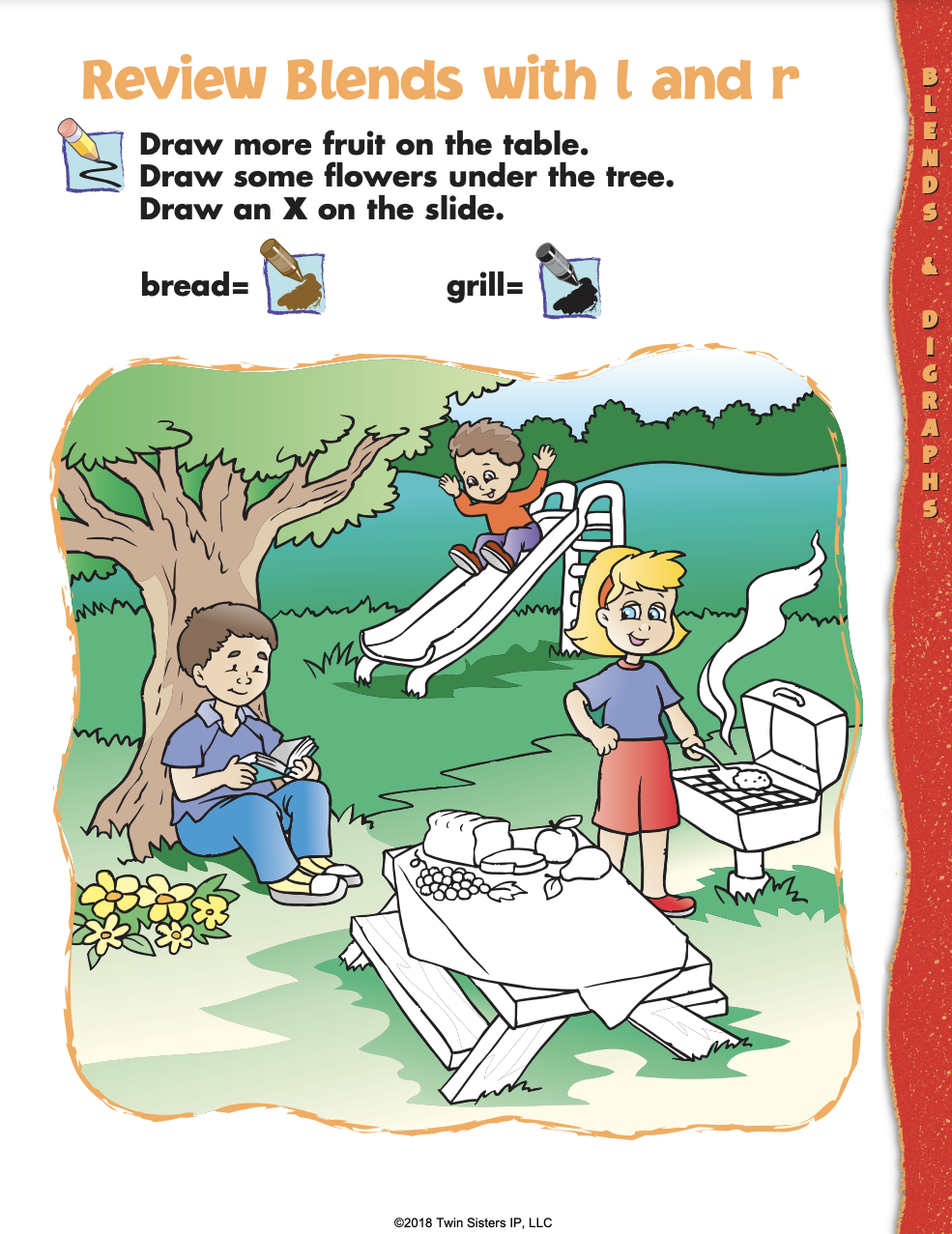
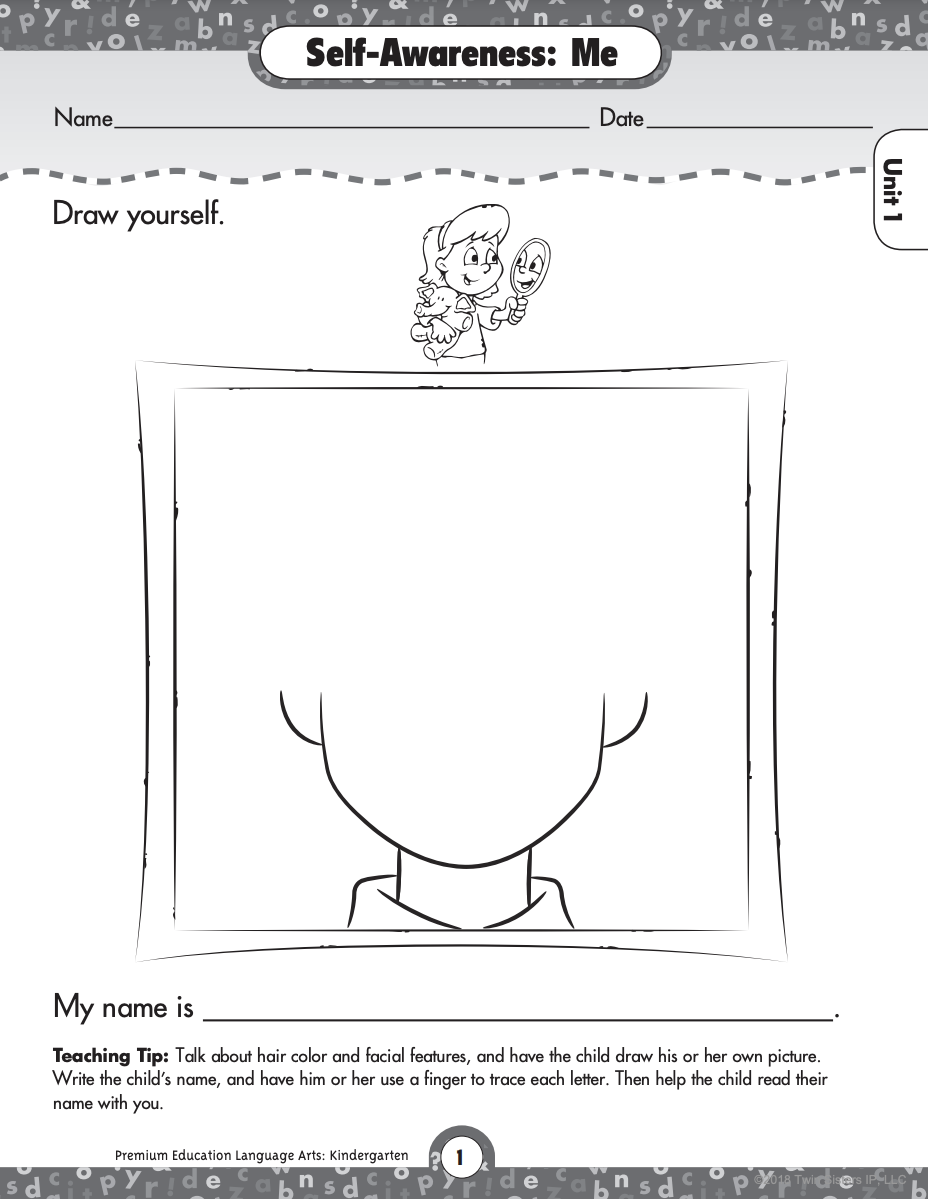
Consonant Sounds Printable Packet
ELA, Language Development, Phonics, Grade 1, 2, 3, Worksheets & Printables, Worksheets
Practice worksheets provide excellent preparation for standardized testing! —Beginning and Ending Consonant Sounds —Long and Short Vowel Sounds
Author Twin Sisters Digital Media
Tags Phonics, Consonant, Sounds, Vowels, Letters
Reading Comprehension Passages Fiction Set 4 - School (Word)
ELA, Reading, Reading Comprehension, Common Core, Vocabulary, Language Development, ESL, Writing, Children’s Literature, Literature, Grade 2, 3, Worksheets & Printables, Worksheets, Writing Prompts, Assessments, Teacher Tools, Tests, Quizzes and Tests
Reading Comprehension Passages Fiction Set 4 Overview Fascinating reading comprehension passages, each with an array of activities included. Stories are written for the modern classroom and topics are designed to promote enthusiasm from each student. Each lesson contains a mixed questions section to check understanding, a vocabulary or spelling activity to help remember key language introduced, and a writing exercise. Full answer keys are provided. For a more detailed overview, check the section under the links at the bottom of this description. Passages Include 1.Don't Tell Anyone: Cherie likes to keep secrets, but her friends don't. 2.Roger's Luck: Roger never wins at anything. Will that change today? 3.Starting Third Grade: Mike feels uneasy at starting a new school year. 4.Bridget's New School: Bridget tries (and fails) to fit in at her new school. 5.Changing the Rules: Jenna changes the rules on her first day. 6.My Love of Art: Read about the author's love of art class in this lesson. Word Version This is the Word editable version. This download is available in GOOGLE Docs, GOOGLE Forms, GOOGLE Slides. PDF, PPT, WORD. FULL CATALOG OF DOWNLOAD LINKS HERE Grade 2/3 Links Fiction Set 1 - Nature Google Docs Google Forms Google Slides PDF PPT Word Guided Reading Materials Fiction Set 2 - Animals Google Docs Google Forms Google Slides PDF PPT Word Guided Reading Materials Fiction Set 3 - Food Google Docs Google Forms Google Slides PDF PPT Word Guided Reading Materials Fiction Set 4 - School Google Docs Google Forms Google Slides PDF PPT Word Guided Reading Materials Fiction Set 5 - Friends Google Docs Google Forms Google Slides PDF PPT Word Guided Reading Materials Fiction Set 6 - Family Google Docs Google Forms Google Slides PDF PPT Word Guided Reading Materials Fiction Set 7 - Sports Google Docs Google Forms Google Slides PDF PPT Word Guided Reading Materials Nonfiction Set 1 - Technology Google Docs Google Forms Google Slides PDF PPT Word Guided Reading Materials Nonfiction Set 2 - Nutrition Google Docs Google Forms Google Slides PDF PPT Word Guided Reading Materials Nonfiction Set 3 - Animals Google Docs Google Forms Google Slides PDF PPT Word Guided Reading Materials Reading Passages Overview Each passage is especially written for Grade 2-3 students, including key vocabulary required for this age group. Topics are varied and are accompanied by colorful graphics. Topics are meant to educate, yet entertain the modern student. These passages are perfect for the modern classroom. Whereas textbooks can become outdated in no time, any changes to technology or the world will result in updates to this product. Mixed Questions The mixed questions section of each lesson includes a variation of fivecomprehension, vocabulary and math questions. In addition, key reading strategies are frequently covered including cause & effect, summarizing, compare & contrast and making conclusions. Three of the questions will be MCQs and two will require a written response of some kind. Full answers and example responses appear at the end of the lesson. Spelling & Vocab Each reading passage contains a variety of words and phrases designed for Grade 2-3 students. Spelling and vocab activities provide the opportunity to build fluency with these words. As it can become quite mundane doing the same activities over and over, each lesson in a set will contain a different spelling and vocab activity . Writing Prompts Writing prompts are designed to continue the theme or lessons learned in the story. Students are persuaded to write in a variety of ways and each prompt includes several cues to help. As with the spelling/vocab section, writing prompts will vary. This includes research pieces, reading responses, poetry and creative writing prompts. Full Answer Keys Full answer keys and sample responses are provided so no matter how busy you are, you know you're covered! Mixed question answers provide evidence from the text, math questions contain the relevant workings. Answers are designed for use by the teacher, but also suitable as a handout to the student. Additional File One lesson will have an additional file. This is something fun to extend the lesson with. For similar downloads and other frees, do check out Cored Group on TeachSimple.
Author Cored Education
Tags Elementary, Reading, Comprehension, Vocabulary, Answers, Ccss, Common Core, Spelling, Writing, Passages
World Vegetarian Day Word Search 2rd 3th 4th 5th Grade worksheet activ
Vocabulary, Language Development, ELA, Spelling, Science, Grade 2, 3, 4, 5, Games, Activities, Word Searches, Worksheets, Worksheets & Printables
Celebrate healthy lifestyles and plant-forward eating with this World Vegetarian Day Word Search! 🥕 Students will engage in food and nutrition vocabulary relating to fruits, vegetables, grains, and beans while also strengthening efforts while spelling, scanning for answers, and practicing word recognition. This engaging, no-prep printable worksheet is a great way to create a fun and active for nutrition knowledge. Purpose: This activity helps students to… Learn and practice new food vocabulary related to vegetarian-friendly foods 🥦 Improve literacy, spelling, and scanning skills ✏️ Enhance awareness about healthy eating and nutrition 🍎 Show respect for varying food choices and lifestyles 🌍 Order of Events / Steps: 1️⃣ Hand out the World Vegetarian Day Word Search worksheet. 2️⃣ Introduce the vocabulary and discuss students' favorite fruits/veggies. 3️⃣ Students circle or highlight the hidden words located within the puzzle. 4️⃣ Close on a whole class discussion regarding healthy food choices. 5️⃣ Grab the answer key to quickly review ✅ Grade or Age: Great for 2nd–5th graders 🌟 Way of Implementation: For independent seatwork, science or health centers, early finishers, partner puzzles, absence plans, morning warm-up activities, etc. 🤝 Resouces: ✅ Yes, included for teacher convenience. Ideas for usage and variations: Timed challenge ⏳ - see who can finish the fastest Partner puzzle 🤝 - solve with a partner Vocabulary extension ✏️ - use the words from the puzzle to write a recipe for a healthy snack Create-your-own 🧩 - challenge your student to create their own food word search Standards: Supports CCSS/ELA vocabulary development and aligned to health education standards for nutrition and wellness 🌿. File Types & Pages: PDF 🖨️ Color + black & white version Ink-friendly option included Answer key : included Teachers - Bring healthy living into your classroom with this World Vegetarian Day Word Search - an engaging way to promote literacy and wellness! 🥕🌎✨
Author Classsimple
Rating
Tags World , Vegetarian , Day, Word Search, 2rd 3th 4th 5th Grade , Worksheet, Activity, World Vegetarian Day , World Vegetarian Day Word Search , World Vegetarian Day Word Search 2rd 3th 4th 5th Grade Worksheet Activity
Science Word Search - Set 3: 1 Page Sample (PDF)
ELA, Language Development, Vocabulary, Spelling, ESL, Resources for Teachers, Science, Physics, Earth and Environmental Sciences, Life Sciences, Grade 2, 3, 4, 5, Worksheets & Printables, Worksheets, Teacher Tools, Centers, Activities, Word Searches
THIS IS A ONE PAGE SAMPLE OF A SIX PAGE WORD SEARCH DOWNLOAD FULL SIX PAGE WORD SEARCH DOWNLOAD INFORMATION This wordsearch series is designed for students in grades 2–5. Each set of wordsearches is built around a clear vocabulary theme, helping students develop word recognition, improve spelling, and boost topic-related understanding through engaging visual puzzles. Every wordsearch also includes a fun hidden shape for students to guess—adding an interactive twist to traditional vocabulary practice. These wordsearches are student-friendly, classroom-ready, and perfect for integrating into literacy warmups, seasonal units, fast-finisher tasks, or home learning extensions. Each puzzle reinforces themed vocabulary in a playful, structured format that keeps learners motivated. Science Word Search Set 3 Word List 1. Human Body Systems Brain, Heart, Lungs, Muscles, Bones, Veins, Digest, Nerves 2. Ecosystems and Food Chains Ecosystem, Habitat, Producer, Consumer, Decomposer, Food Chain, Predator, Prey 3. States of Matter Matter, Solid, Liquid, Gas, Melt, Freeze, Evaporate, Condense 4. Space and the Universe Galaxy, Milky Way, Orbit, Gravity, Black Hole, Meteor, Astronomer, Telescope 5. Plants and Photosynthesis Roots, Stem, Leaf, Flower, Seed, Sunlight, Oxygen, Chlorophyll 6. Simple Machines and Engineering Lever, Pulley, Ramp, Wheel, Axle, Screw, Gears, Invent PDF Version Other versions will appear here when available. Follow the store for the lastest on new products. How to Use These Wordsearches These wordsearches are ideal for: Morning work or early finisher bins Vocabulary centers or anchor activities Holiday or seasonal review lessons Independent literacy stations or take-home enrichment Each puzzle includes a themed word list and a shaped grid for students to complete. Word directions may vary (horizontal, vertical, diagonal), and answer keys are included for easy checking. Optional vocabulary challenges or writing tasks can be added to extend the learning experience. Whether you're reviewing key vocabulary, exploring a seasonal topic, or offering fun literacy practice, these wordsearches provide a flexible and engaging tool to support vocabulary growth in grades 2–5. More Science Themed Products Science Crosswords (Set 1) PDF Science Crosswords (Set 2) PDF Science Crosswords (Set 3) PDF Science Word Searches (Set 1) PDF Science Word Searches (Set 2) PDF FULL CATALOG OF DOWNLOAD LINKS HERE Themed Word Search Links Addition PDF Animals PDF Around the Home PDF Birthday PDF Candy PDF Christmas PDF Cinco de Mayo PDF Clothes PDF Colors PDF Days and Months PDF Division PDF Earth Day PDF Easter PDF Easy Word Searches PDF Fall PDF Father's Day PDF Food PDF Geography (Set 1) PDF Geography (Set 2) PDF Geography (Set 3) PDF Graduation PDF Health PDF History (Set 1) PDF History (Set 2) PDF History (Set 3) PDF Human Body PDF Kindness PDF Life Skills PDF Mother's Day PDF Multiplication PDF Science Word Searches (Set 1) PDF Science Word Searches (Set 2) PDF Science Word Searches (Set 3) PDF Shapes PDF Social Skills PDF Spring PDF Sports PDF St. Patrick's Day PDF Subtraction PDF Summer PDF Thanksgiving PDF Transport PDF Valentine's Day PDF Winter PDF Wordsearches in Depth Structure Each wordsearch is crafted around a focused sub-theme and includes a visual puzzle shaped like a related object (e.g., balloon, gift, snowman). Students complete each puzzle using the provided themed word list, strengthening both content knowledge and spelling skills in a highly engaging format. Each completed set includes: A shaped wordsearch puzzle with 10 vocabulary words A student instruction guide with search directions (horizontal, vertical, diagonal) An answer key for teacher support or student self-checking A Did You Know? fact connected to the theme for enrichment or discussion Themes Included The wordsearches cover a wide range of fun, age-appropriate themes, including: Seasons & Holidays (e.g., Halloween, Easter, Valentine’s Day) Math Concepts (e.g., Addition, Number Words) Everyday Topics (e.g., Animals, Weather, School) Special Units (e.g., Health, Earth Day, Sports, Kindness) Each topic is selected to reflect students’ real-life experiences and interests while reinforcing literacy skills and content understanding in a playful, visual way. For similar downloads and other frees, do check out Cored Group on TeachSimple.
Author Cored Education
Rating
Tags Vocabulary, Spelling, Science, Human Body Systems, Ecosystems, Food Chains, States Of Matter, Plants And Photosynthesis, Science Word Searches, Word Searches
Summer Scrambled Sentences
ELA, Reading, Preschool, Grade 1, 2, Worksheets & Printables, Worksheets
A set of Summer-themed worksheets for your students to unscramble sentences and put them into the correct order. They then write out the complete sentence. .
Author Cherry Workshop
Tags Summer , Reading, Scrambled Sentences, Reading Sentences, Writing, Scrambled Sentences
Toothbrushes Reading Comprehension Passage - Cored Ed Encyclopedia
ELA, Language Development, Reading Comprehension, Reading, Science, Technology, Engineering, History, Social Studies, Life Sciences, Grade 2, 3, 4, 5, Worksheets & Printables, Worksheets, Teacher Tools, Centers, Activities, Writing Prompts, Assessments, Quizzes and Tests, Quizzes, Lesson Plans
This toothbrushes reading comprehension includes: Visualization (on the front cover) Start your lesson by taking a minute to think and share something about the topic. Read the script aloud (slowly), perhaps prepare some music or sound effects. Student close their eyes and let their imaginations wander. Students open their eyes, read the question aloud and give them a few minutes to complete. Ask a few students to share or keep answers until the end to compare with what they learn in the passage. Quick pause—thousands of Cored Education products are included with your TeachSimple membership. Download links and encyclopedia index available here. Pre-Reading Trivia Students will write down one thing they already know about the subject and then read five more facts and discuss. These facts are fun, and the students will enjoy learning about the subject before reading more. Give 1 minute for students to write what they already know (no pressure—best guess is fine). Read the five facts together. After each fact, do ask a student for their opinion, was it surprising? Set a purpose by asking students to highlight/underline one fact they want to learn more about during the reading. Reading Passage The text is a high-interest reading passage with set paragraphs, roughly three to four paragraphs long. It contains a variety of themes about the topic, anywhere from history to technology. The passage is between 250 and 350 words in length. First, ask students to look at the headings and see what they’ll learn about today. What do they know about the topic/heading? First read options: Teacher read-aloud (best for support). Partner reading (paragraph by paragraph). While reading, students underline important details, and vocabulary words they think may come up in the questions section. Mixed Questions The first question page contains four multiple-choice questions, each with a choice of four answers, and three written response questions that require a sentence or two from the student. Students complete the mcqs first independently, then review quickly as a class. For the 3 written responses, try to get students giving the answer with some form of evidence: “I think ___ because the text says ___.” If students get stuck, send them back to check the passage. Vocabulary Questions Practice seven key words from the text in this section across two activities. First section is scrambled words where students will unscramble three words given a clue for each. The second section is a word to meaning matching activity. Before starting, have some students read out words they underlined in the passage. Ask students to say the word and read aloud the sentence(s) around each word. Ask students to do scrambled words and the matching exercise in pairs then go through answers as a class. For the scrambled spelling task, get four pairs to come up to the board and write the words for extra practice with the other student reading out the clue. For the matching task, prompt students to give full sentences: “I matched ___ with ___ because ___.” Creative Writing In this question, the student will be required to write a five to eight sentence paragraph on a question related to the topic. Before starting, ask students write down 3 key ideas they are going to include in their piece. Ask students for ideas to share around the class to help those struggling. Pro writing expectations: 5–8 sentences At least 2 facts or details from the passage At least 2 vocabulary words from the previous page Students read their paragraphs while classmates listen for facts and vocabulary words. Extension Activities This page is optional for fast finishers or to take home. There are several activities, each one requiring a different skill. Do some, do none, do all, completely optional - but you will feel reassured knowing every possibility is planned for. Includes summary writting question. Answer Key There are answers for the multiple-choice questions, written response questions have sample answers, vocabulary answers and if there is a summary question then a sample summary will be provided as well. Lesson Plan Included Customized lesson plan for this lesson is included. Lesson Snapshot Title: Toothbrushes Genre: Nonfiction (informational text) Subject: Science (Health & Technology) Primary Topic: How toothbrushes changed over time Estimated Guided Reading Level (A–Z): R What This Lesson Teaches Best Explains how people cleaned teeth before store-bought toothbrushes by chewing a twig until it turned “fuzzy” and rubbing it on teeth. Shows how evidence from the past (archaeologists finding signs in places like Mesopotamia and Egypt) can tell us about tooth care long ago. Traces the history of the bristled brush from China’s Tang dynasty to Europe in the 1600s, highlighting how inventions travel. Describes how toothbrush designs changed to solve problems (for example, natural bristles staying damp and trapping bacteria). Summarizes key innovations—nylon bristles (1938) and the electric toothbrush (1954)—and connects them to the ongoing goal of protecting teeth. Learning Goals Students will describe how a “chew stick” was used to clean teeth long ago. Students will identify evidence in the text that people cared about clean mouths thousands of years ago. Students will explain how the bristled brush began in China and later spread to Europe. Students will summarize how toothbrush-making changed after 1780 using details about materials and design. Students will explain why inventors searched for new bristle materials and what nylon changed. Students will describe how an electric toothbrush helped brushing by adding steady motion. Key Vocabulary From the Text archaeologists — scientists who study the past using old remains. Mesopotamia — an ancient region where people lived long ago. miswak — a special stick used for cleaning teeth. patent — legal rights that protect an invention. bacteria — tiny germs that can cause problems. FULL CATALOG OF DOWNLOAD LINKS AND ENCYCLOPEDIA INDEX HERE
Author Cored Education
Rating
Tags Vocabulary, Reading Comprehension, Reading Passages, Lesson Plans, Ela Lesson Plans, Reading Comprehension Lesson Plans, Pre-reading, History, History Lesson Plans, Toothbrushes
Guided Reading Level P - Badminton (with Lesson Plan)
ELA, Resources for Teachers, Reading Comprehension, Reading, Pre-Reading, Language Development, Health, P.E. & Health, Sports, Physical Education, Grade 2, 3, 4, Worksheets & Printables, Worksheets, Teacher Tools, Centers, Activities, Literacy Readers, Quizzes, Quizzes and Tests, Assessments
This Guided Reading Book - Badminton (Level P) with lesson plan includes: Guided Reading Color Label (front cover x1) This is a quick way to match the book’s demands to what students can generally handle.. The overall goal is to use the level/color to pick books for several smaller groups. To qualify for a certain level, a student is expected to read a book from that level with about 90–94% accuracy. If a student is consistently accurate and understands, move up a level. If the student is struggling at that level, drop down and add more support. Each student will improve at completely different rates, but it is generally one of the best ways to check progress across the class. DOWNLOAD THE CATALOG TO VIEW ALL GUIDED READING BOOKS AVAILABLE (SORTED LEVELS A-Z) Pre-Reading Question (x1) Teacher asks the prompt aloud, can be while showing the cover or first page. Students share what they already know, or make educated guesses from the cover. Prompt them to use the target vocabulary. Write some of their responses on the board to look back at during the reading. Vocabulary Words (x5) Introduce the five words, best doing it one at a time. Start by saying it, while students repeat and then see if anyone knows what it means before reading further. Read through the meaning and try to briefly connect each word to a picture or gesture so it’s meaningful. Ask students to flip through the book pages and point to where they see each of the vocabulary words. While reading the book pause upon coming across one of the vocab words or read the sentence twice to make sure students understand the word has appeared. Optional: Ask students to raise hands whenever they see/hear one of the new words. Guided Reading Pages (x10) Check the book snapshot (below) for: primary topic - do you need to prep extra reading or intro materials on this? what is taught best - decide on 1-2 bullets to focus on, use the prompt or words provided here for best results. learning goals - what you are checking for students to be able to do after the session, elicit answers using prompts or words provided. key vocabulary (see section above). questions overview - so you know what is coming up and if you need to prep extra materials to assist understanding. Run the lesson You may have already looked at a few of the pages together, but you can show them some of the pictures again first to set meaning. Depending on how much time you have and how familiar your students are with guided reading class, you may want to read the book aloud first with the group first. Students whisper or partner read, while you listen in. If time, do it as a group, one student reading a page each. Use the guided page’s prompts to coach: “Check the picture / does it make sense?” “Point under the words / try the first sound” “Reread the sentence smoothly”. Try to focus more on one student per session (rotating every time), so you can work out if they are ready to move up or need to move down a level. Comprehension Questions (back cover x3) This is your way to check that students didn’t just say the words, but actually understood the text. First, let students answer by pointing to the page/picture and saying a short sentence. After any answer, follow with: “Show me where you found that in the text.” In bigger groups, have partners answer first (10–20 seconds), then call on 2–3 students to share. Differentiation tips: Emerging speakers/struggling readers: oral + pointing On-level: oral in a full sentence Higher: one written sentence or draw + label Book Snapshot Title: Badminton Genre: Nonfiction (informational text) Subject: Reading (Informational Text) / Physical Education Primary Topic: Badminton rules, equipment, and gameplay basics Estimated Guided Reading Level (A–Z): P What This Book Teaches Best Sport history and naming: Explains where badminton came from and how it got its name (including “poona” and “Badminton House”). Equipment features and purpose: Describes the racket (materials, strings, tension) and the shuttlecock’s special design. Court setup and “in” rules: Teaches the court shape, net height, boundary lines, and what it means when the shuttlecock lands on a line. How play works: Breaks down serves, rallies, goals of a rally, and key skills like reflexes and constant movement. Scoring and match format: Defines the “rally point” system and explains best-of-three games to 21 (win by 2). Learning Goals Students will explain how badminton got its name using details from the text. Students will describe the main pieces of equipment (racket and shuttlecock) and what makes the shuttlecock unique. Students will identify key court features (net, lines, boundaries) and state what “in” means when the shuttlecock lands on a line. Students will describe the rules of a legal serve (underhand, below the waist, diagonally to the service court). Students will explain what a rally is and what players try to do during a rally. Students will explain the “rally point” scoring system and how a game is won. Key Vocabulary From the Text specialized — made for one special job or purpose. shuttlecock — the “birdie” hit back and forth. tension — tight pulling strength in the racket strings. diagonally — moving at a slant, not straight across. endurance — being able to keep going a long time. Discussion Prompts Pre-reading question: What rules or equipment might make badminton different from other sports? Comprehension questions: How did badminton get its name, according to the text? Comprehension questions: What makes a badminton serve legal in the text? Comprehension questions: What does the text mean by a “rally point” scoring system? Printing Tips 1. Best Printing Method (Recommended) “Booklet” Printing (Best if Available) If your printer or PDF viewer supports Booklet Printing , use this. Settings to use: Print mode: Booklet Paper size: Letter or A4 (either works) Orientation: Landscape Print on both sides: Yes Flip on: Short edge Scaling: Fit to printable area Booklet subset: First test: Front sides only Then: Back sides only This will automatically: Pair pages correctly Put the cover on the outside Align everything for folding After printing, fold in half and staple along the spine . 2. If “Booklet” Printing Is NOT Available You can still print this correctly with manual duplex printing . Step-by-step: Open the PDF. Choose Print . Set: Orientation: Landscape Pages per sheet: 1 Print on both sides: Yes Flip on: Short edge Print all pages . Because each PDF page already contains two facing book pages, the result will still fold cleanly into a book. Thousands of Cored Education products are included with your TeachSimple membership. Download links and encyclopedia index available here.
Author Cored Education
Rating
Tags Reading Comprehension, Reading Passages, Reading, Guided Reading, Guided Reading Lesson Plan, Guided Reading Activity, Pre-reading, Health Lesson Plans, Sports, P.e.
Data Analysis & Probability - Drill Sheets Vol. 4 Gr. PK-2
Math, Statistics, Grade 1, 2, Worksheets & Printables, Worksheets
Data Analysis & Probability - Drill Sheets Vol. 4 Gr. PK-2 is a comprehensive teaching resource designed to enhance the understanding of data analysis and probability subjects amongst students in pre-kindergarten to second grade. Adhering to NCTM standards, this tool combines fun and learning while helping young minds comprehend fundamental concepts of data analysis and probability. The primary attraction of this resource lies in its structured delivery mode which ensures an optimum learning experience for students at all skill levels. This material excels in providing: Varied difficulty levels & content for differentiated learning, A balanced mix of organizing, analyzing, interpreting & predicting data probabilities suitable for grades PK-2, Holistic coverage on data analysis and probability aiding strong mathematical acumen development besides sculpting critical thinking abilities early. Spicing up the drill sheets are warm-up activities followed by timed drills replicating real-world problem scenarios fostering time-bound analytical decision-making skills. Reflection spaces post-drills encourage introspective learning; also kids get exposed to technology use wherever relevant unleashing them from traditional pen-paper shackles subtly into the awaiting tech-education space. In addition, Data Analysis & Probability - Drill Sheets Vol 4 Gr PK-2 package comes stocked with essential assessment tools and standards rubrics crucial for tracks students' progress objectively while maintaining uniform instructional quality across classrooms be it public schools or home schools. To top it all, along with review sheets you'll discover color activity posters brightening up the classroom ambiance whereas bonus worksheets will ensure your students never run out of practice resources! The material is offered as a PDF file type ensuring easy access coupled with seamless sharing & printing capabilities according to requirements needs. This tool-kit essentially makes teaching math, particularly data analysis & probability, a joyride for tutors and students alike.
Author Classroom Complete Press
Tags PDF
Golf Reading Comprehension Passage - Cored Ed Encyclopedia
ELA, Language Development, Resources for Teachers, Reading Comprehension, Reading, Pre-Reading, Writing, Strategies, Sports, P.E. & Health, Grade 2, 3, 4, 5, Worksheets & Printables, Worksheets, Teacher Tools, Centers, Activities, Writing Prompts, Assessments, Tests, Quizzes and Tests, Quizzes
This golf reading comprehension contains the following: Pre-Reading Trivia Students will write down one thing they already know about the subject and then read five more facts and discuss. These facts are fun, and the students will enjoy learning about the subject before reading more. Reading Passage The text is a high-interest reading passage with set paragraphs, roughly three to four paragraphs long. It contains a variety of themes about the topic, anywhere from history to technology. The passage is between 250 and 350 words in length. Mixed Questions The first question page contains four multiple-choice questions, each with a choice of four answers, and three written response questions that require a sentence or two from the student. Creative Writing In this question, the student will be required to write a five to eight sentence paragraph on a question related to the topic. Extension Activities This page is optional for fast finishers. If there are five to ten minutes left at the end of the lesson, the student can choose one of three activities, each one requiring a different skill. Answer Key There are answers for the multiple-choice questions and three written response questions have sample answers. FULL CATALOG OF DOWNLOAD LINKS AND ENCYCLOPEDIA INDEX HERE Cored Ed Encyclopedia Overview The Cored Ed Encyclopedia is a weekly series of lessons that you can pick up and use right away. These short readings fit into whatever time you have available. Each one includes a warm-up, a reading, and a set of questions, but it’s flexible — you can do just the reading, the full lesson, or skip the writing section if you need to. Each lesson focuses on a single topic so students don’t get lost. The writing is clear but never childish, making it perfect for grades two through five. Topics range from animals and science to history, inventions, and everyday things. No matter the level of the student, everyone should take away at least one new idea or fact from each lesson. The materials are easy to print, easy to explain, and require no setup. They work well for whole-class teaching, partner work, or independent study.
Author Cored Education
Rating
Tags Vocabulary, Spelling, Reading Comprehension, Reading Passages, Cored Encyclopedia, Facts, Reading, Creative Writing, Sports, Golf
Sight Word Emergent Reader Bundle | Printable Booklets
ELA, Reading, Preschool, Grade 1, 2, Worksheets, Worksheets & Printables
This resource is a bundle of emergent readers highlighting a variety of sight words. There are a total of 37 sight word booklets.
Author Kindergarten Cafe
Tags Sight Words, Emergent, Reader, Story Bundle, Printable
Thanksgiving Reading Sight Word Wheels
ELA, Reading, Preschool, Kindergarten, Grade 1, 2, Worksheets & Printables, Worksheets
Thanksgiving Reading Sight Word Wheels The Thanksgiving Reading Sight Word Wheels is an engrossing resource tailored for learners in preschool to grade 2. This efficacious tool with its allure of Thanksgiving-themed designs, targets the cardinal areas of language arts while making reading enjoyable. The fundamental aim is teaching the Dolch sight words: a list of frequent words in written English that aid in attaining reading fluency. It incorporates these key sight words from various levels into its material: Pre-Primer to Second Grade. Total of 179 important sight words over diverse wheeled segments, categorized as per their difficulty levels. 40 Pre-Primer Words, from 'a' to 'you' 52 Primer Words, starting with 'he was' and ending with 'out' Included are advanced vocabulary groups:: 41 First Grade Words, beginning with ‘after’ and concluding with 'when' , A compilation of 46 Second Grade Words, starting from ‘always’ until your.'/> . This product enables diverse teaching strategies – it can be used for one-on-one tutoring sessions using individual wheels or group learning sessions. Apart from classroom use, they can also be utilized as fun homework assignments or innovative home-school activities . An Engaging Learning Adventure! Taking a step further from traditional learning tools, what makes the Thanksgiving Sight Word Wheels stand out is their interactive design. Turning each wheel reveals different sight words, keeping the learning process fun and interesting! You can also print this resource easily as it comes in a PDF format. It includes an extensive scope of vocabulary spread over 80 pages, making it convenient for varying student proficiency levels. Create A Learning Journey With The Thanksgiving Theme The classroom doesn’t have to be boring or stressful, add some turkey-day charm into your teaching methods while aiding reading comprehension skills- get the Thanksgiving Reading Sight Word Wheels today!
Author Teach2Tell
Tags Thanksgiving, Reading, Sight Words, Dolch Words, Vocabulary
Language Arts Review MCQS: Nouns (Word)
ELA, Language Development, ESL, Grammar, Common Core, Grade 1, 2, Worksheets & Printables, Worksheets, Assessments, Teacher Tools, Tests, Quizzes and Tests
Nouns Grammar Practice MCQS: 10 lessons, 150 MCQS, 43 pages ELA MCQS Overview: In this series of lessons, students will embark on an engaging exploration of the grammar skills that bring our language to life. These lessons are designed to help students identify, understand, and effectively use language arts skills in their writing and speech. Used with the free supplementary materials available for all topics, each lesson builds on the last, offering a mix of direct instruction, interactive group activities, and independent practice. Through fun and creative tasks, students will learn how to recognize grammar in sentences, understand their role in sentences and use them to enhance their own writing and speech. Nouns Overview: Includes: Common Nouns Proper Nouns Irregular Plurals Possessive Nouns Collective Nouns Word Version This is the Word editable version. This download is available in GOOGLE Docs, GOOGLE Forms, GOOGLE Slides. PDF, PPT, WORD, check the links below for more details. FULL CATALOG OF DOWNLOAD LINKS HERE Grade 1/2 Links: Capitalization and Punctuation Google Docs Google Forms Google Slides PDF PPT Word Free Supplementary Materials Pack Adjectives Google Docs Google Forms Google Slides PDF PPT Word Free Supplementary Materials Pack Nouns Google Docs Google Forms Google Slides PDF PPT Word Free Supplementary Materials Pack Pronouns Google Docs Google Forms Google Slides PDF PPT Word Free Supplementary Materials Pack Verbs Google Docs Google Forms Google Slides PDF PPT Word Free Supplementary Materials Pack Prefixes & Suffixes Google Docs Google Forms Google Slides PDF PPT Word Free Supplementary Materials Pack Sentence Structure Google Docs Google Forms Google Slides PDF PPT Word Free Supplementary Materials Pack Subject-Verb Agreement Google Docs Google Forms Google Slides PDF PPT Word Free Supplementary Materials Pack ELA Review Questions Overview Questions have three answer choices. There are a handful of pictures on each test for aesthetic purposes, as well as a review sheet covering most of the topics covered in the product. Introduction or Example Sheet Each topic will include an introduction or example sheet to go through first with your students. Full Answer Keys Full answer keys and sample responses are provided so no matter how busy you are, you know you're covered! In the Supplementary Pack Interactive Ice Breakers: Fun, hands-on activities that get students thinking about adjectives right from the start. Guided Practice: Teacher-led exercises that reinforce the day’s lesson, ensuring students can confidently identify and use adjectives. Group and Partner Tasks: Collaborative activities that allow students to work together to solve problems, categorize adjectives, and create descriptive sentences. Independent Worksheets: Structured worksheets that provide individual practice and help solidify understanding of key concepts. Exit Tasks: Quick, reflective activities at the end of each lesson that assess understanding and encourage students to apply what they’ve learned. For similar downloads and other frees, do check out Cored Group on TeachSimple.
Author Cored Education
Tags Elementary, Reading, Comprehension, Vocabulary, Answers, Ccss, Common Core, Spelling, Writing, Passages
Guided Reading Level G - Amazing Inventions (with Lesson Plan)
ELA, Resources for Teachers, Reading Comprehension, Reading, Science, Engineering, Technology, Language Development, Pre-Reading, Vocabulary, Grade 1, 2, 3, Worksheets & Printables, Worksheets, Teacher Tools, Centers, Activities, Literacy Readers, Quizzes, Quizzes and Tests, Assessments, Lesson Plans
This Guided Reading Book - Amazing Inventions (Level G) with lesson plan includes: Guided Reading Color Label (front cover x1) This is a quick way to match the book’s demands to what students can generally handle.. The overall goal is to use the level/color to pick books for several smaller groups. To qualify for a certain level, a student is expected to read a book from that level with about 90–94% accuracy. If a student is consistently accurate and understands, move up a level. If the student is struggling at that level, drop down and add more support. Each student will improve at completely different rates, but it is generally one of the best ways to check progress across the class. DOWNLOAD THE CATALOG TO VIEW ALL GUIDED READING BOOKS AVAILABLE (SORTED LEVELS A-Z) Pre-Reading Question (x1) Teacher asks the prompt aloud, can be while showing the cover or first page. Students share what they already know, or make educated guesses from the cover. Prompt them to use the target vocabulary. Write some of their responses on the board to look back at during the reading. Vocabulary Words (x5) Introduce the five words, best doing it one at a time. Start by saying it, while students repeat and then see if anyone knows what it means before reading further. Read through the meaning and try to briefly connect each word to a picture or gesture so it’s meaningful. Ask students to flip through the book pages and point to where they see each of the vocabulary words. While reading the book pause upon coming across one of the vocab words or read the sentence twice to make sure students understand the word has appeared. Optional: Ask students to raise hands whenever they see/hear one of the new words. Guided Reading Pages (x10) Check the book snapshot (below) for: primary topic - do you need to prep extra reading or intro materials on this? what is taught best - decide on 1-2 bullets to focus on, use the prompt or words provided here for best results. learning goals - what you are checking for students to be able to do after the session, elicit answers using prompts or words provided. key vocabulary (see section above). questions overview - so you know what is coming up and if you need to prep extra materials to assist understanding. Run the lesson You may have already looked at a few of the pages together, but you can show them some of the pictures again first to set meaning. Depending on how much time you have and how familiar your students are with guided reading class, you may want to read the book aloud first with the group first. Students whisper or partner read, while you listen in. If time, do it as a group, one student reading a page each. Use the guided page’s prompts to coach: “Check the picture / does it make sense?” “Point under the words / try the first sound” “Reread the sentence smoothly”. Try to focus more on one student per session (rotating every time), so you can work out if they are ready to move up or need to move down a level. Comprehension Questions (back cover x3) This is your way to check that students didn’t just say the words, but actually understood the text. First, let students answer by pointing to the page/picture and saying a short sentence. After any answer, follow with: “Show me where you found that in the text.” In bigger groups, have partners answer first (10–20 seconds), then call on 2–3 students to share. Differentiation tips: Emerging speakers/struggling readers: oral + pointing On-level: oral in a full sentence Higher: one written sentence or draw + label Book Snapshot Title: Amazing Inventions Genre: Nonfiction (informational text) Subject: Science/Technology + Reading (Informational Text) Primary Topic: Inventions and how they help people Estimated Guided Reading Level (A–Z): G What This Book Teaches Best Introduces common inventions (wheel, lightbulb, telephone, computer, camera, airplane, refrigerator, clock, robot) and what each one does. Explains how inventions help people in everyday life (moving heavy things, seeing in the dark, connecting over distances, doing work quickly, keeping food cold, telling time, doing chores). Builds understanding of technology as something that changes, with “new things… invented every day to help people.” Supports describing key details from short informational passages paired with clear photos. Learning Goals Identify several inventions named in the book and tell what each helps people do. Describe how a wheel helps move heavy things from place to place. Explain how a lightbulb helps people see when it is dark outside. Tell how a telephone connects people who are far apart. Describe one way computers help people work quickly and what they can do. Explain what the book says about technology changing and new inventions helping people. Key Vocabulary From the Text invention — something made for the first time to help people. electricity — power that runs lights and machines. distances — how far apart places are. refrigerator — a machine that keeps food cold. sensors — parts that help a machine notice what is around it. Discussion Prompts Pre-reading question: What inventions do you use, and how do they help you? Comprehension questions: How do wheels help move heavy things from place to place? Comprehension questions: What does a lightbulb help people do when it is dark outside? Comprehension questions: What does the book say about new technology and how it helps people? Printing Tips 1. Best Printing Method (Recommended) “Booklet” Printing (Best if Available) If your printer or PDF viewer supports Booklet Printing , use this. Settings to use: Print mode: Booklet Paper size: Letter or A4 (either works) Orientation: Landscape Print on both sides: Yes Flip on: Short edge Scaling: Fit to printable area Booklet subset: First test: Front sides only Then: Back sides only This will automatically: Pair pages correctly Put the cover on the outside Align everything for folding After printing, fold in half and staple along the spine . 2. If “Booklet” Printing Is NOT Available You can still print this correctly with manual duplex printing . Step-by-step: Open the PDF. Choose Print . Set: Orientation: Landscape Pages per sheet: 1 Print on both sides: Yes Flip on: Short edge Print all pages . Because each PDF page already contains two facing book pages, the result will still fold cleanly into a book. Thousands of Cored Education products are included with your TeachSimple membership. Download links and encyclopedia index available here.
Author Cored Education
Rating
Tags Reading Comprehension, Reading Passages, Reading, Guided Reading, Guided Reading Lesson Plan, Guided Reading Activity, Pre-reading, Science Lesson Plans, Technology, Engineering
Essential English - Grade 2
ELA, Grammar, Grade 2, Worksheets & Printables, Worksheets
Essential English - Grade 2 An incredibly valuable teaching resource crafted meticulously for Grade 2 educators and homeschoolers. This product focuses extensively on the foundational elements of the English language, aimed to boost both written and oral communication skills in students. Description As a part of the broader Essential English series, spanning grades 1-8, this particular edition expounds specifically on key language arts concepts tailored for Grade 2 level. It comprises 55 carefully curated pages featuring pictures and words to facilitate effective learning and understanding. Grade-Appropriate Guidelines Incorporated This resource aids students in identifying different components of sentences such as subjects and predicates. Verb tenses —a critical attribute for constructing meaningful sentences— are also covered extensively to deepen understanding. In addition to recognizing adjectives, mastering the use of adverbs is included ensuring that children grasp essential grammar norms at an early age. The material includes knowledge about capitalization rules along with instruction about commas as necessary Grammar rules . Digital Format Advantage The convenient digital format features a single ready-to-print PDF containing all instructional material across its broad span of 64 pages making it easily accessible at any time. Ideal Use cases: Digest during whole group actives or guided sessions, Employ them during center activities, Earmark as relevant homework assignments aiding extended learning beyond school hours. Simplified Assessments: Sentence construction exercises paired with handy answer keys make assessment straightforward thereby streamlining your teaching process. The Essential English - Grade 2 is indeed indispensable when it comes to grounding firm language arts roots among young learners combining ease-of-use due advantageously designed digital format, making it a pivotal educational tool encapsulating core English language arts concepts.
Author Classroom Complete Press
Tags Grammar Worksheets, Declarative Sentences, Proper Nouns, Homophones, Filling Out Forms
Science Reading Comprehension: Life Cycles of Organisms (PDF)
ELA, Reading, Reading Comprehension, Science, Life Sciences, Biology, Common Core, Animals, Human Body, Grade 2, 3, 4, Worksheets & Printables, Worksheets, Assessments, Teacher Tools, Tests, Quizzes and Tests
Reading Passages on Life Cycles of Organisms for Life Science (Biology) Life Cycles of Organisms: Reading Passages Life Science (Biology): Whether you're aiming to introduce your students to the world of science or simply seeking an uncomplicated reading resource, this no-prep package is a perfect fit. With its colorful design, user-friendly format, and a diverse range of questions and topics, this science reading worksheet set offers a hassle-free and engaging educational experience. Give it a try today to enrich your curriculum effortlessly! What's inside? Part 2 - Life Cycles of Organisms Reading Passage 1: The Life Cycle of Plants Reading Passage 2: The Life Cycle of Animals Reading Passage 3: Heredity Product Info: 18 PAGES (US English with Answers) PDF Version Teaching Duration: 2 Weeks Science Reading Comprehension Outline: Targeted for students in 3rd and 4th grades, these reading passages are enhanced with illustrations and graphs to elucidate critical points. Each lesson aligns with the Common Core State Standards, allowing you to integrate science reading practice effortlessly, knowing that minimal preparation is needed on your part. Each passage comes with a variety of questions in different formats, including multiple-choice formats, data analysis, and fill-in-the-blanks. The topics covered strike a balance between engaging content and core curriculum-based science subjects. Versatile in application, these lessons are suitable for a variety of settings such as whole-class instruction, morning activities, independent desk work, small group discussions, contingency plans for substitute teachers, homework assignments, or even special holiday-themed tasks. FULL CATALOG OF DOWNLOAD LINKS HERE Grade 3/4 Links: Physical Science Part 1 - Properties of Objects and Materials Google Docs/Slides/Forms PDF PPT Word Free Supplementary Pack Accompanying Videos Physical Science Part 2 - Position and Motion of Objects Google Docs/Slides/Forms PDF PPT Word Free Supplementary Pack Accompanying Videos Physical Science Part 3 - Light, Heat, Electricity, Magnetism Google Docs/Slides/Forms PDF PPT Word Free Supplementary Pack Accompanying Videos Life Science Part 1 - Characteristics of Organisms Google Docs/Slides/Forms PDF PPT Word Free Supplementary Pack Accompanying Videos Life Science Part 2 - Life Cycles of Organisms Google Docs/Slides/Forms PDF PPT Word Free Supplementary Pack Accompanying Videos Life Science Part 3 - Organisms and Environments Google Docs/Slides/Forms PDF PPT Word Free Supplementary Pack Accompanying Videos Earth Science Part 1 - Properties of Earth Materials Google Docs/Slides/Forms PDF PPT Word Free Supplementary Pack Accompanying Videos Earth Science Part 2 - Changes in the Earth and Sky Google Docs/Slides/Forms PDF PPT Word Free Supplementary Pack Accompanying Videos Earth Science Part 3 - Objects in the Sky Google Docs/Slides/Forms PDF PPT Word Free Supplementary Pack Accompanying Videos For similar products and other frees, do check out Cored Group on TeachSimple .
Author Cored Education
Rating
Tags Science, Elementary, Reading, Comprehension, Vocabulary, Life Science, Biology, Science Assessments, Reading Comprehension Assessments, Vocabulary Assessments
Reading Comprehension Nonfiction Set 2 - Nutrition (Google Docs)
ELA, Reading, Common Core, Reading Comprehension, ESL, Language Development, Spelling, Vocabulary, Writing, Resources for Teachers, Grade 2, 3, Worksheets & Printables, Worksheets, Assessments, Teacher Tools, Quizzes and Tests, Tests, Centers, Activities, Writing Prompts
Reading Comprehension Passages Nonfiction Set 2 Overview Engaging nonfiction articles, each with a collection of different activities included. Articles are written for the modern classroom and topics are designed to promote enthusiasm from each student. Each lesson contains a mixed questions section to check understanding, a vocabulary or spelling activity to help remember key language introduced, and a writing exercise. Full answer keys are provided. Passages Include 1.Proteins: After water, protein makes up most of the weight in our bodies. 2.Carbohydrates: Carbohydrates are the principal source of energy for the body. 3.Fats: What are trans fats? Learn all about them in this lesson. 4.Milk: There are many kinds of milk, each has its own advantages. 5.Potatoes: Did you know potatoes originate from South America? 6.Composting: Read how to make your very own compost heap in this article. Additional File: Milk: Nutritional Values Printable Docs Version This is the Google Docs editable and fillable version. This download is available in GOOGLE Docs, GOOGLE Forms, GOOGLE Slides. PDF, PPT, WORD. FULL CATALOG OF DOWNLOAD LINKS HERE Grade 2/3 Links Fiction Set 1 - Nature Google Docs Google Forms Google Slides PDF PPT Word Guided Reading Materials Fiction Set 2 - Animals Google Docs Google Forms Google Slides PDF PPT Word Guided Reading Materials Fiction Set 3 - Food Google Docs Google Forms Google Slides PDF PPT Word Guided Reading Materials Fiction Set 4 - School Google Docs Google Forms Google Slides PDF PPT Word Guided Reading Materials Fiction Set 5 - Friends Google Docs Google Forms Google Slides PDF PPT Word Guided Reading Materials Fiction Set 6 - Family Google Docs Google Forms Google Slides PDF PPT Word Guided Reading Materials Fiction Set 7 - Sports Google Docs Google Forms Google Slides PDF PPT Word Guided Reading Materials Nonfiction Set 1 - Technology Google Docs Google Forms Google Slides PDF PPT Word Guided Reading Materials Nonfiction Set 2 - Nutrition Google Docs Google Forms Google Slides PDF PPT Word Guided Reading Materials Nonfiction Set 3 - Animals Google Docs Google Forms Google Slides PDF PPT Word Guided Reading Materials Reading Passages Overview Each passage is especially written for Grade 2-3 students, including key vocabulary required for this age group. Topics are varied and are accompanied by colorful graphics. Topics are meant to educate, yet entertain the modern student. These passages are perfect for the modern classroom. Whereas textbooks can become outdated in no time, any changes to technology or the world will result in updates to this product. Mixed Questions The mixed questions section of each lesson includes a variation of fivecomprehension, vocabulary and math questions. In addition, key reading strategies are frequently covered including cause & effect, summarizing, compare & contrast and making conclusions. Three of the questions will be MCQs and two will require a written response of some kind. Full answers and example responses appear at the end of the lesson. Spelling & Vocab Each reading passage contains a variety of words and phrases designed for Grade 2-3 students. Spelling and vocab activities provide the opportunity to build fluency with these words. As it can become quite mundane doing the same activities over and over, each lesson in a set will contain a different spelling and vocab activity . Writing Prompts Writing prompts are designed to continue the theme or lessons learned in the story. Students are persuaded to write in a variety of ways and each prompt includes several cues to help. As with the spelling/vocab section, writing prompts will vary. This includes research pieces, reading responses, poetry and creative writing prompts. Full Answer Keys Full answer keys and sample responses are provided so no matter how busy you are, you know you're covered! Mixed question answers provide evidence from the text, math questions contain the relevant workings. Answers are designed for use by the teacher, but also suitable as a handout to the student. Additional File One lesson will have an additional file. This is something fun to extend the lesson with. For similar downloads and other frees, do check out Cored Group on TeachSimple.
Author Cored Education
Rating
Tags Elementary, Reading, Comprehension, Vocabulary, Answers, Common Core, Spelling, Writing, Digital Centers, Vocabulary Assessments