2,756 products added recently
Experiments
Make science come alive with experiments that encourage exploration and discovery. This collection includes activities across various scientific disciplines, suitable for different age groups. By incorporating these experiments into your teaching, you can promote critical thinking and a love for science.
Number the Stars STEM Experiment + STEM Project for Grades 4, 5, 6
Science, Technology, Engineering, STEM, Grade 4, 5, 6, Experiments, Activities, Projects, Diagrams, Teacher Tools, Graphic Organizers, Rubrics
This hands-on activity combines creativity and problem-solving as students design and build a basket for Anne Marie to get the package safely to Uncle Henrik, based on the novel Number the Stars! Perfect for integrating literature and science, this challenge encourages students to apply engineering principles using simple materials while fostering teamwork and critical thinking. What’s Inside This Resource: Student Letter: A letter from Anne Marie introduces the challenge, linking the story to a real-world engineering task. Design Loop Graphic: A visual students can attach to their science journals, serving as a step-by-step guide throughout the activity. Detailed Instructions: Choose to print the guide as a packet or have students record each stage in their journals for an interactive experience. Teacher Tips: Practical guidance for crafting a clear problem statement with time constraints, materials, and success criteria tailored to your classroom. Skills Your Students Will Build: ✔ Problem-Solving: Identify obstacles and create inventive solutions. ✔ Engineering Design: Navigate the design loop—plan, construct, test, and refine. This page can easily be enlarged for a classroom poster. ✔ Critical Thinking: Assess their prototype’s performance and pinpoint ways to enhance it. ✔ Teamwork: Collaborate effectively to accomplish shared goals. Versatile Classroom Application: Whether as guided instruction or part of an integrated literature and science unit, this STEM activity encourages students to think creatively, document their process, and meet science and engineering standards. The rubric included is based on engineering concepts, but can also be used as a nonfiction writing rubric for cross-curricular options. Why Educators Love This Resource: ⭐ “My students were fully engaged, combining their passion for reading with STEM!” ⭐ “Simple to set up and encourages creativity and teamwork.” ⭐ “A seamless connection between literature and science for cross-curricular learning!” Empower your students to solve Anne Marie's immediate need and experience the excitement of engineering with this standards-aligned STEM adventure!
Author Kel's Klass
Tags 4th Grade Science Project, 4th Grade Science Experiment, 5th Grade Science Project, 5th Grade Science Experiment, 6th Grade Science Project, 6th Grade Science Experiment, Engineering Diagram, Science Graphic Organizer, Science Rubric, Bridge To Terabithia
Science Activities For Your PreK Classroom
, Preschool, Grade 1, 2, Activities, Experiments
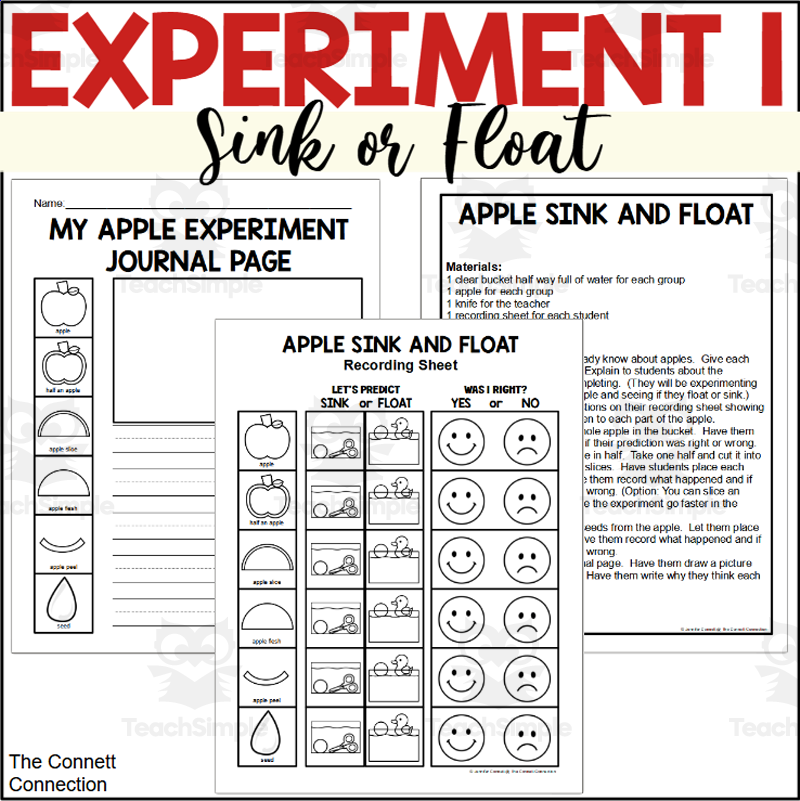
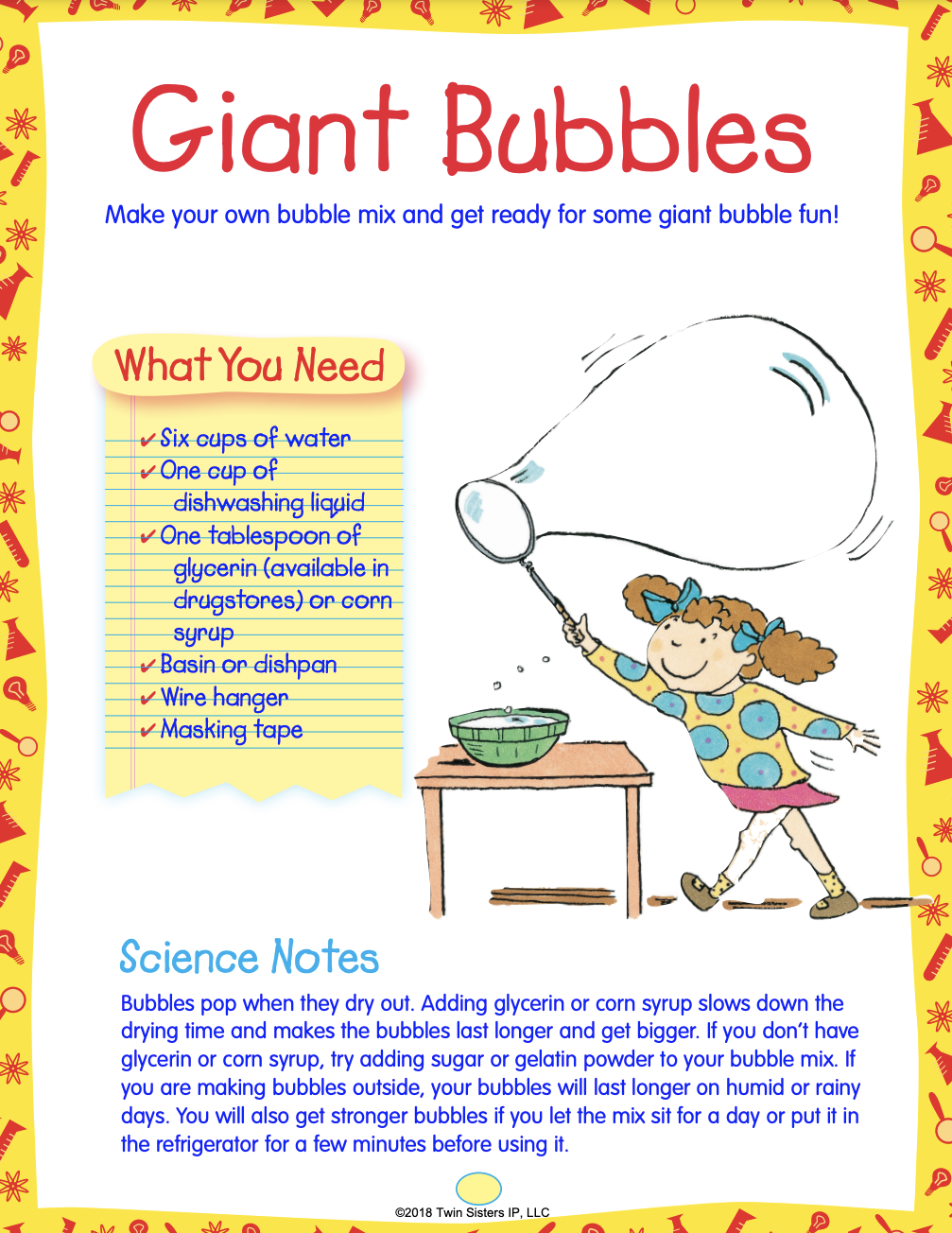
You’re never too young to learn about Science! Includes these fun, easy-to-do craft projects : Giant Bubbles, Windy Day Fun, and Sink or Float?
Author Twin Sisters Digital Media
Tags Crafts, Science, Experiment, Activity, Classroom
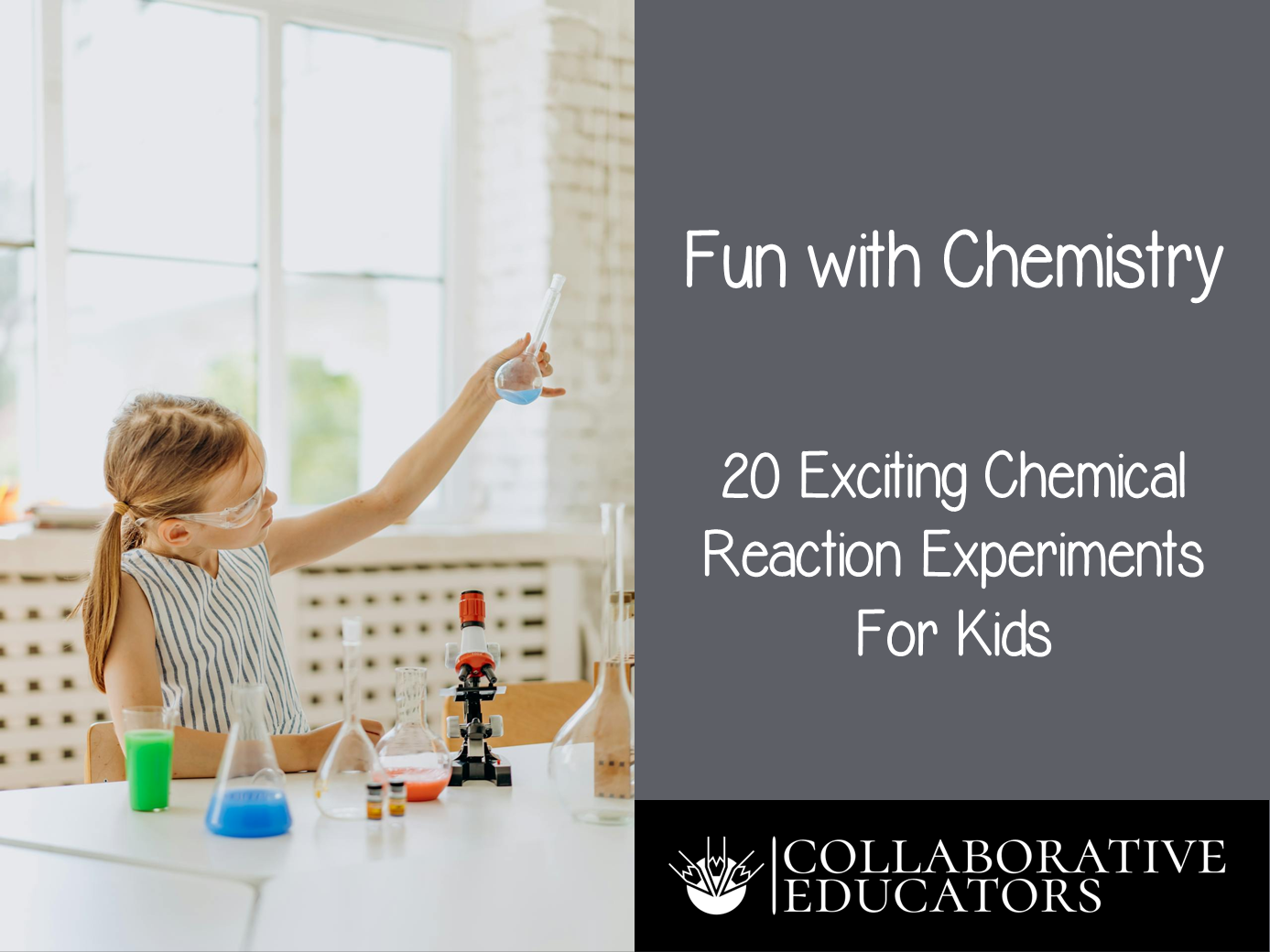
Fun with Chemistry: 20 Exciting Chemical Reaction Experiments For Kids
Chemistry, Science, Elementary, Experiments, Activities
Welcome, young scientists and teachers! This eBook is full of fun and colorful experiments that show how different substances can react to create amazing effects. You will see bubbles, color changes, fizzing eruptions, and even “rockets” that zoom up into the air. As you explore these experiments, remember that science is all about asking questions, observing closely, and having fun learning about the world around us. There are 20 exciting chemistry experiments included. They all involve simple chemical reactions that can be safely performed by kids. For each experiment, the materials are listed, and the step-by-step procedure. Finally, an explanation is given, so as to highlight the science behind the experiment. Last but not least: All experiments must be conducted under strict adult supervision. Always wear safety goggles (or ask an adult to help you wear them) and use the experiments in a safe area where spills can be easily cleaned up.
Author Bright Classroom Ideas Marketplace
Tags Chemistry, Experiment, Kids, Lab, Reaction
Easter Chemistry Bunting - Learn Chemical Elements with Festive Banner
STEM, Science, Chemistry, Physics, Life Sciences, Biology, Grade 6, 7, 8, 9, 10, 11, 12, Activities, Worksheets & Printables, Banners, Classroom Decor, Bulletin Boards, Door Decor, Posters, Word Walls, Labs, Experiments
Easter Chemistry Bunting A Fun & Educational Decoration for Your Science Classroom! 🐰🔬 I love decorating my classroom for different seasons, but I also want my decorations to be educational and useful. That’s why I created this Easter Chemistry Bunting—it brings a bit of spring energy into the classroom while helping students get familiar with the periodic table! Each pennant features an element symbol, name, and atomic number, so students see and recognize them every day—without even thinking about it. It’s such a simple way to reinforce learning while brightening up the room! 🌸 Why This Works So Well in Class ✔ No extra work for you – Just print, cut, and hang. ✔ Students see chemistry every day – Without pressure, they start recognizing elements naturally. ✔ Festive, but not distracting – A bit of color and seasonal fun, while still focused on learning. ✔ Perfect for any science room – Whether in a chemistry class, lab, or hallway, it works anywhere. ✔ Easy to use in lessons – You can even make it interactive with a classroom game! 📌 What’s Included? 📜 127 Printable Pennants – One for each element, showing: ✔ Symbol ✔ Name ✔ Atomic Number 🎨 Colorful, Easter-Themed Designs – Cheerful and bright, but still focused on learning. 🖨 Easy to Print & Adjust – Scale it to fit your classroom space. 📎 Two Hanging Options: ✔ String them together for a banner. ✔ Attach with fasteners for a flexible display. 💡 Ideas for Using It in Class 1️⃣ Print and cut the pennants. 2️⃣ Hang them up in your classroom, hallway, or science lab. 3️⃣ Use them for a quick challenge – Call out an atomic number, and students find the right pennant! 💡 Another idea: Assign an element to each student and have them share a fun fact about it. 🐣 Why Other Teachers Like It ✔ “Students actually look at it and ask about elements—great conversation starter!” ✔ “A simple way to make the classroom feel more engaging.” ✔ “No prep, looks great, and makes chemistry more visible every day.” 🔬 Bring Chemistry into Your Easter Decorations! Instead of just hanging up generic classroom decorations, why not make them meaningful? This bunting adds a touch of spring while keeping students engaged with science. 🚀 Try it out and see how it works in your classroom! 📍 Best wishes, Heike from Lernfitness Did You Know? I teach with a certified therapy dog, and together we create a positive and inspiring learning environment. 🐶✨
Author Lernfitness
Tags Chemistry, Lab, Biology, Laboratory Equipment, Lab Tools, Physics, Bunting, Pennant Banner, Classroom Banner, Chemical Elements
Tiger Rising STEM Experiment + STEM Project for Grades 4, 5, 6
Science, Technology, Engineering, STEM, Grade 4, 5, 6, Experiments, Activities, Projects, Diagrams, Teacher Tools, Graphic Organizers, Rubrics
This hands-on activity combines creativity and problem-solving as students design and build a tower for the safety of the tiger in the novel, Tiger Rising. Perfect for integrating literature and science, this challenge encourages students to apply engineering principles using simple materials while fostering teamwork and critical thinking. What’s Inside This Resource: Student Letter: A letter from Rob Horton introduces the challenge, linking the story to a real-world engineering task. Design Loop Graphic: A visual students can attach to their science journals, serving as a step-by-step guide throughout the activity. Detailed Instructions: Choose to print the guide as a packet or have students record each stage in their journals for an interactive experience. Teacher Tips: Practical guidance for crafting a clear problem statement with time constraints, materials, and success criteria tailored to your classroom. Skills Your Students Will Build: ✔ Problem-Solving: Identify obstacles and create inventive solutions. ✔ Engineering Design: Navigate the design loop—plan, construct, test, and refine. This page can easily be enlarged for a classroom poster. ✔ Critical Thinking: Assess their prototype’s performance and pinpoint ways to enhance it. ✔ Teamwork: Collaborate effectively to accomplish shared goals. Versatile Classroom Application: Whether as guided instruction or part of an integrated literature and science unit, this STEM activity encourages students to think creatively, document their process, and meet science and engineering standards. The rubric included is based on engineering concepts, but can also be used as a nonfiction writing rubric for cross-curricular options. Why Educators Love This Resource: ⭐ “My students were fully engaged, combining their passion for reading with STEM!” ⭐ “Simple to set up and encourages creativity and teamwork.” ⭐ “A seamless connection between literature and science for cross-curricular learning!” Encourage your students to provide a safe haven for the tiger (and Rob and Sistine?) and experience the excitement of engineering with this standards-aligned STEM adventure!
Author Kel's Klass
Tags 4th Grade Science Project, 4th Grade Science Experiment, 5th Grade Science Project, 5th Grade Science Experiment, 6th Grade Science Project, 6th Grade Science Experiment, Engineering Diagram, Science Graphic Organizer, Science Rubric, Tiger Rising
Because of Winn Dixie STEM Experiment + STEM Project for Grades 3-5
Science, Technology, Engineering, STEM, Grade 3, 4, 5, Experiments, Activities, Projects, Diagrams, Teacher Tools, Graphic Organizers, Rubrics
Engage your students in a hands-on STEM challenge inspired by Because of Winn-Dixie! This exciting activity combines engineering, creativity, and problem-solving as students design and build a pet-friendly shelter for Winn-Dixie, the lovable dog who’s afraid of storms. Perfect for blending literature with science, this challenge encourages young minds to apply engineering principles using simple materials, all while developing teamwork, critical thinking, and innovation. What’s Included in This Resource: Student Letter: An engaging letter from Opal invites students to participate in the challenge, drawing a direct connection between the story’s problem and the real-world task. The Design Loop Visual: This visual aid is a great tool for students to glue into their science journals for easy reference. It can easily be enlarged as a classroom poster. Step-by-Step Directions: Detailed instructions that can be printed or written into science journals for a hands-on approach. These directions ensure that students stay on track while working through each part of the challenge. Teacher Notes: Helpful guidance to assist you in creating a clear problem statement, establishing success criteria, and setting time limits and materials. Tailor these instructions to fit your classroom’s needs. Key Skills Developed: ✔ Problem-Solving: Encourage students to identify challenges and develop creative, effective solutions. ✔ Engineering Design: Teach the design process by having students follow the design loop to plan, construct, test, and refine their pet shelters. (Discussing area and perimeter will enhance this design specifically.) ✔ Critical Thinking: Help students evaluate their designs, analyze their prototypes, and identify ways to improve them. ✔ Collaboration: Foster teamwork as students collaborate to achieve a common goal. Flexible Classroom Use: This STEM challenge is perfect for guided instruction or as part of a broader literature and science unit. It provides an opportunity for students to connect their love of reading with real-world applications, improving both their scientific knowledge and creative abilities. Why Teachers Love It: ⭐ “My students were so engaged! It brought their love for reading into STEM learning.” ⭐ “This activity is simple to set up and promotes creativity and teamwork.” ⭐ “The combination of literature and science created an ideal cross-curricular experience for my class.” Inspire your students to help Winn-Dixie solve his stormy dilemma and ignite their passion for engineering with this fun, standards-aligned STEM challenge!
Author Kel's Klass
Tags 4th Grade Science Project, 4th Grade Science Experiment, 5th Grade Science Project, 5th Grade Science Experiment, Engineering Diagram, Science Graphic Organizer, Science Rubric, Because Of Winn Dixie, 3rd Grade Science Project, 3rd Grade Science Experiment
Free Science Chemical Reaction Interactive Vocabulary Review Activity
Science, Basic Science, Life Sciences, Biology, Chemistry, Grade 7, Activities, Experiments, Teacher Tools, Lesson Plans
Free Science Chemical Reaction Vocabulary Review for Grade 7 This interactive PowerPoint teaches and reviews key vocabulary words related to chemical reactions in grade 7 science. It covers concepts like characteristics and the importance of chemical reactions. The presentation features a multiple choice review activity to assess understanding. Students select a letter and the answer is revealed. If incorrect, the answer is marked with an X until the right selection is made. The activity is visual, interactive, and engaging for whole group or independent practice. It's perfect for remote learning. After reviewing the 29 slides, students will have learned and reinforced seventh grade science vocabulary on chemical reactions. The activity is part of a series from ShapeUp-N-Matematicas y Lenguaje focused on middle grades science and Spanish language arts.
Author ShapeUp-N-Matematicas y Lenguaje
Tags Chemical Reaction, Periodic Table, Chemical Structure, Boiling Point, Freezing Point, Endothermic Reaction, Exothermic Reaction, Small Or Whole Group, Interactive Activity, Games
The Mouse and the Motorcycle STEM Experiment + STEM Project
Science, Technology, Engineering, STEM, Grade 3, 4, 5, Experiments, Activities, Projects, Diagrams, Teacher Tools, Graphic Organizers, Rubrics
Help design and build a four-wheeled car for Ralph, the adventurous mouse, from The Mouse and the Motorcycle. Perfect for integrating literature and science, this challenge guides students to apply engineering principles using simple materials while fostering teamwork and critical thinking. What’s Inside This Resource: Student Letter: A fun letter from Ralph introduces the challenge, linking the story to a real-world engineering task. Design Loop Graphic: A visual students can attach to their science journals, serving as a step-by-step guide throughout the activity. Detailed Instructions: Choose to print the guide as a packet or have students record each stage in their journals for an interactive experience. Teacher Tips: Practical guidance for crafting a clear problem statement with time constraints, materials, and success criteria tailored to your classroom. Skills Your Students Will Build: ✔ Problem-Solving: Identify obstacles and create inventive solutions. ✔ Engineering Design: Navigate the design loop—plan, construct, test, and refine. This page can easily be enlarged for a classroom poster. ✔ Critical Thinking: Assess their prototype’s performance and pinpoint ways to enhance it. ✔ Teamwork: Collaborate effectively to accomplish shared goals. Versatile Classroom Application: Whether as guided instruction or part of an integrated literature and science unit, this STEM activity encourages students to think creatively, document their process, and meet science and engineering standards. The rubric included is based on engineering concepts, but can also be used as a nonfiction writing rubric for cross-curricular options. Why Educators Love This Resource: ⭐ “My students were fully engaged, combining their passion for reading with STEM!” ⭐ “Simple to set up and encourages creativity and teamwork.” ⭐ “A seamless connection between literature and science for cross-curricular learning!” Inspire your students to solve Ralph’s problem and discover the joy of engineering with this fun, standards-aligned STEM challenge!
Author Kel's Klass
Tags 4th Grade Science Project, 4th Grade Science Experiment, 5th Grade Science Project, 5th Grade Science Experiment, Engineering Diagram, Science Graphic Organizer, Science Rubric, 3rd Grade Science Project, 3rd Grade Science Experiment, The Mouse And The Motorcycle
Science Action Labs Sound & Light
Science, Physics, Grade 4, 5, 6, 7, 8, Labs, Experiments, Activities
Science Action Labs Sound & Light An exceptional educational resource aimed especially at students in Grades 4-8, focusing predominantly on engaging physical science subtopics. This easy-to-use workbook captivates the minds of budding learners, stimulating their imagination and curiosity through hands-on experience with sound and light concepts. Participatory learning is favored over mere observation. Students engage in entertaining experiments using commonplace objects like mirrors and flashlights to unpack complex scientific principles in a digestible manner. By interacting with sound waves and light as reflected or emitted from these objects, young minds gain better comprehension of scientific theories. Sir Isaac Newton's wisdom is celebrated throughout the pages of this book. Simplified explanations grounded in his concepts build understanding while additional nuggets of information further enrich knowledge, fostering a lighthearted yet potent educational environment for the pupils. Encouragement is key — plentiful doses are offered while confidently guiding learners on their journey. Versatile Usage The Science Action Labs Sound & Light primarily serves classroom usage during whole-group instruction, but also can work effectively for smaller group engagement - such as after-school science clubs or other similar activities. It even supports homeschooling parents looking to reinforced their current curriculum effectively. Instructor’s Asset For added convenience, this tool includes a single manageable PDF file containing 64 print-ready pages formatted for standard paper sizes . This becomes ideal when preparing assignments or practical sessions need to be straightforward! Besides serving as worksheets that underpin knowledge gained during teaching sessions, these materials could also support homework assignments; thus linking school-based learning into home-time follow-up tuning perfectly. In Summary: The Science Action Labs Sound & Light translates abstract scientific theories into tangible understanding via active tasks. Because truly, nothing embeds learning quite like doing!
Author Classroom Complete Press
Tags Action Labs, Science Labs, Sound, Light, Science Worksheet
Photosynthesis Lesson and Experiment for 3rd and 4th Grade Science
Science, Nature & Plants, Life Sciences, Earth and Environmental Sciences, Earth Sciences, Grade 3, 4, 5, Centers, Activities, Labs, Experiments, Worksheets, Worksheets & Printables
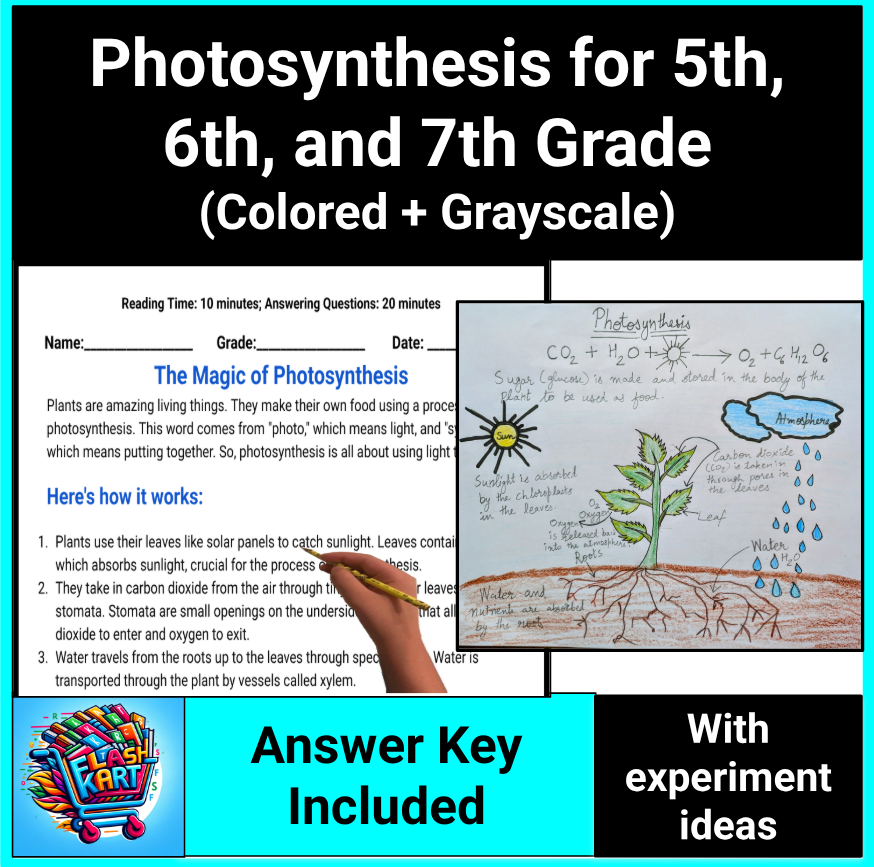
Photosynthesis Lesson, Worksheets, and Experiment How Plants Make Food - 3rd & 4th Grade Science Lesson I created this resource to give students a clear and enjoyable introduction to photosynthesis. The lesson blends reading, discussion, and a hands-on experiment so students can see how plants make their own food in a way that feels real and meaningful. I put this resource together because photosynthesis is one of those topics that becomes much easier to understand when students can read about it and observe it in action. This set offers a mix of activities that help students explore the idea from different angles. What’s inside? A short reading passage that explains photosynthesis Seven comprehension questions with an answer key A step by step experiment using black gram seeds Follow-up discussion questions to guide class conversation Safety notes and cautions for the experiment Two anchor charts that break the process into small pieces A quick True/False activity with answers A diagram activity where students label the photosynthesis process A story-writing page where students write from the point of view of a plant Complete answer keys to all the questions are included in this resource Resource features: I designed this set with 3rd and 4th graders in my mind. The reading level and activities are approachable for that age group. The experiment inside the resource is simple enough for students to complete in small groups, but still gives them something meaningful to observe. I have written all the instructions clearly. Each activity in this resource builds on the previous one so students can connect ideas as they go. This resource also blends science with literacy, drawing, and creative thinking, which makes it easy to fit into a variety of lesson plans or science centers. Ways to use it: Reading activity: Have students read the passage and answer the questions independently or with partners. Vocabulary work: Create a small word wall or glossary for science terms. Hands-on learning: Set up the seed experiment as a class or rotate it through small groups. Science journals: Encourage students to record their predictions and observations throughout the experiment. Art activity: Students can draw and label the parts of a plant involved in photosynthesis. Writing prompt: Let students write a short story from the perspective of a plant creating its own food. Group talk: Compare observations, discuss results, and talk through what might have caused them. Extensions: Students can look at different types of plants and explore how sunlight and environment affect their growth. Usefulness for teachers, homeschoolers, and parents This resource works well as a mini-unit as it requires very little preparation. The activities give students different ways to understand the process of photosynthesis. This resource is suitable for a wide range of learners. It supports reading comprehension, science vocabulary, and basic scientific inquiry skills, all while keeping instructions simple enough for independent use. The experiment uses easy to find materials, and the activities make it simple to incorporate science into home learning or family projects. photosynthesis, 3rd grade science, 4th grade science, anecdotal activity, photosynthesis story, hands-on learning, plant science, reading comprehension, science experiments, STEM, elementary education, homeschool science, nature study, scientific inquiry, vocabulary building, cross-curricular learning, environmental education, chlorophyll experiment, plant growth, science journaling, critical thinking, observation skills, teaching resource, environmental science, anchor charts, photosynthesis experiment
Author FlashKart
Rating
Tags Science, Photosynthesis, Plants, 3rd Grade Science, 4th Grade Science, Photosynthesis Experiment, Science Reading, Sunlight, Science Process, Earth Science
Bridge to Terabithia STEM Experiment + STEM Project for Grades 4, 5, 6
Science, Technology, Engineering, STEM, Grade 4, 5, 6, Experiments, Activities, Projects, Diagrams, Teacher Tools, Graphic Organizers, Rubrics
Bring literature to life with this exciting STEM activity inspired by Bridge to Terabithia! This challenge sparks creativity and problem-solving as students plan and construct a bridge for King Jesse as he plans to make entrance to Terabithia safer. Perfect for blending literature with science, it allows students to explore engineering concepts using simple supplies while promoting teamwork and critical thinking. What’s Inside This Resource: Student Letter: A letter from Jesse introduces the challenge, linking the story to a real-world engineering task. Design Loop Graphic: A visual students can attach to their science journals, serving as a step-by-step guide throughout the activity. Detailed Instructions: Choose to print the guide as a packet or have students record each stage in their journals for an interactive experience. Teacher Tips: Practical guidance for crafting a clear problem statement with time constraints, materials, and success criteria tailored to your classroom. Skills Your Students Will Build: ✔ Problem-Solving: Identify obstacles and create inventive solutions. ✔ Engineering Design: Navigate the design loop—plan, construct, test, and refine. This page can easily be enlarged for a classroom poster. ✔ Critical Thinking: Assess their prototype’s performance and pinpoint ways to enhance it. ✔ Teamwork: Collaborate effectively to accomplish shared goals. Versatile Classroom Application: Whether as guided instruction or part of an integrated literature and science unit, this STEM activity encourages students to think creatively, document their process, and meet science and engineering standards. The rubric included is based on engineering concepts, but can also be used as a nonfiction writing rubric for cross-curricular options. Why Educators Love This Resource: ⭐ “My students were fully engaged, combining their passion for reading with STEM!” ⭐ “Simple to set up and encourages creativity and teamwork.” ⭐ “A seamless connection between literature and science for cross-curricular learning!” Empower your students to solve Jesse’s challenge and experience the excitement of engineering with this standards-aligned STEM adventure!
Author Kel's Klass
Tags 4th Grade Science Project, 4th Grade Science Experiment, 5th Grade Science Project, 5th Grade Science Experiment, 6th Grade Science Project, 6th Grade Science Experiment, Engineering Diagram, Science Graphic Organizer, Science Rubric, Bridge To Terabithia
Culture Lesson: Cultural Norms and Avoiding Stereotypes Worksheets
Social Studies, Psychology, Life Studies, Grade 5, 6, 7, Worksheets & Printables, Worksheets, Activities, Experiments, Lesson Plans, Teacher Tools
Do you want your students in grades 5-7 to learn how to become global citizens who can respect a variety of cultural norms and comprehend cross-cultural differences? Are you looking for a fun way to bring all of these ideas to life? Check out this ready-to-go lesson for your class. This 5-Page PDF is ready to print for your social studies classroom. It includes clear teacher instructions for a fun class simulation where half of your students will act out a new "class norm" (five options are provided such as not raising your hand to ask a question) that the other half of your class won't be expecting. While the simulation is happening, everyone will be working on a three page reading comprehension task. Students will read about cultural norms from around the world (slurping noodles when eating in Japan or nodding one's head to say "no" in Bulgaria). They will imagine how not knowing about the cultural norms in a place where they are travelling could lead to accidental misunderstandings. Students are also taught a simple definition of the concept of stereotypes, and they will think of how they are different from cultural norms. Finally, there is a 1-page reflection with prompts- perfect for after a class discussion. Teacher Instructions: 1. Split your class in two and talk to only one half. 2. Tell them that they will have a new “class cultural norm.” Pick one from the provided ideas. 3. When the whole class is reunited, pass out the reading page & worksheets. Students read about cultural norms and answer the questions. 4. As they work, the selected half will enact their new norm, which will confuse the other half of the class. 5. Once the point has been made, let the other half in on the secret. 6. Have a discussion about cultural norms and give students time to write a reflection about this lesson.
Author Grace Under Pressure
Tags Culture, Stereotypes, Cultural, Culture Worksheets, Cross Culture, Travel, Norms, Cultural Norms, Class Simulation, Simulation
Easter Chemistry Bunting – Color, Decorate & Learn Chemical Elements
STEM, Science, Chemistry, Physics, Life Sciences, Biology, Grade 6, 7, 8, 9, 10, 11, 12, Activities, Worksheets & Printables, Banners, Classroom Decor, Bulletin Boards, Door Decor, Posters, Labs, Experiments, Drawing Templates & Outlines
Easter Chemistry Bunting A Creative Way to Learn the Periodic Table! 🐰🔬🎨 Every year, I like to add a bit of seasonal fun to my classroom. But instead of just decorating, why not make it educational too? That’s why I created this Easter-themed chemistry bunting—a simple but effective way to help students get familiar with the periodic table while being creative. Each pennant features an element’s symbol, name, and atomic number. Instead of memorizing, students color and decorate while naturally recognizing the elements they see every day. It’s low prep for you, fun for them, and adds a nice science-themed touch to your classroom! 🌟 What Makes This So Useful? ✔ Students are learning without even realizing it – They’ll see the elements daily, making them easier to remember. ✔ A great mix of science and creativity – Not just a decoration, but also an interactive classroom activity. ✔ No complicated prep – Just print, color, cut, and hang. ✔ Works for different ages – Ideal for chemistry, STEM, or general science. ✔ Perfect for individual or group work – Let students personalize their elements! 📌 What’s Included? 📜 127 Printable Pennants, featuring: ✔ All 118 main group elements ✔ Element name, symbol, and atomic number 🎨 Bonus: Extra Easter-Themed Pennants – Just for fun! 🖨 Black-and-White Format – Great for coloring and personalizing. 🎨 How to Use It 1️⃣ Print the pennants. 2️⃣ Let students color & decorate their element. 3️⃣ Cut them out and decide how to display them. 4️⃣ Hang them up – either as a bunting or pinned to the board. 💡 Try this: Assign each student an element and have them share one cool fact about it with the class! 🐣 Why Teachers Love It ✔ "I love that it gets students involved in decorating the classroom while reinforcing chemistry!" ✔ "They actually asked about elements while coloring – win-win!" ✔ "Easy to set up, fun, and looks great in my lab!" 🔬 A Simple Way to Make Chemistry Fun! Want to add some springtime energy to your science lessons without extra work? This bunting is an easy way to mix creativity with learning—perfect for chemistry labs, classrooms, and bulletin boards. 🚀 Print, color, and hang—it’s that easy! 📍 Best wishes, Heike from Lernfitness Did You Know? I teach with a certified therapy dog, and together we create a positive and inspiring learning environment. 🐶✨
Author Lernfitness
Tags Chemistry, Lab, Biology, Laboratory Equipment, Lab Tools, Physics, Bunting, Pennant Banner, Classroom Banner, Chemical Elements
Life In Space – Lab Station Activity
Science, Earth and Environmental Sciences, Space, Grade 7, 8, 9, 10, Labs, Experiments, Activities
Life In Space Lab Station Activity Presenting an exclusive and innovative teaching tool, the Life In Space Lab Station Activity . Exploring the areas of space science and Astronomy,, it is tailored for active learning within Grades 7-10. A Multidimensional Learning Platform Unlike others This resource boasts of seven independent yet interconnected learning stations allowing students to engage in comprehensive space-themed activities. The activity styles include but are not limited to: Drawing or constructing Forming opinions on topics Multiple choice questions Video-based learning The flexibility is extended to include enriching research tasks that solidify their learning experience. Navigating Through the Stations The journey begins with understanding historic human space travel, delving deeper into International Space Station (ISS), appreciating the effects of microgravity on health and investigating sustainable long-term solutions for life in space. Note About The Exercise Cards at Each station: "Cards carry instructions about various exercises which range from simple Q&Ato advanced assignments digging deeper into each topic.” The Guided Self-Assessment Passport Sheet Students record their progress through lab stations on a sheet where they answer questions, enabling constant self-evaluation, goal-setting,mapping progressrate both for students themselves and teachers. Bonus Material – Fun With Vocabulary! Bonus content includes word scrambles & searches that extend vocabulary related lessons; ensuring student engagement soars high during every class. This highly interactive program accomodates different strength levels across a mixed ability group. Cooperation during group tasks coexists with independence for solo homework/assignments. WhyChoose "Life In Space - Lab Station Activity ?" "This program stands out for transforming passive lectures into hands-on exploration of the fascinating topic of life beyond Earth's atmosphere." Experience an education resource like no other; placed light years ahead in terms of learning effectiveness.
Author Teach With Fergy
Tags Space Science, Active Learning, Astronomy, Lab Activity, Engagement
Muscular and Skeletal System – Lab Station Activity
Science, Life Sciences, Human Body, Grade 7, 8, 9, 10, 11, 12, Labs, Experiments, Activities
Muscular and Skeletal System Lab Station Activity Dive deep into the muscular and skeletal system with this engaging lab station activity . Specifically designed for middle and high school students, it gets learners up and active while assessing knowledge. The 9 unique stations offer a variety of learning modalities, including building models, conducting research, answering discussion questions, and more. Questions and activities focus on key concepts like muscle growth, bone structure and function, homeostasis, and real-world connections. With minimal prep required and an included answer key, this resource is teacher-approved and student-tested. Use it to complement your unit on body systems or as a review before exams. Modify it to fit any schedule and customize it to various ability levels. This interactive approach keeps students engaged as they learn about this essential bodily system.
Author Teach With Fergy
Tags Muscular, Skeletal, System, Joints, Lab Station, Activities For Skeletal System, Skeletal System Activities For High School Students, Skeletal System Lesson Plans High School, Skeletal System Lab, Skeletal System Activity, Skeletal System Activities
Science Action Labs Astronomy
Science, Earth and Environmental Sciences, Space, Grade 1, 2, 3, Labs, Experiments, Activities
Science Action Labs Astronomy Eager to introduce your young learners to the captivating world of astronomy? Explore with them through our Science Action Labs Astronomy resource, designed ideally for Grades 1, 2, and 3. This dynamic educational tool boasts 64 ready-to-print pages in PDF format, perfect for activities geared towards nurturing their interest and understanding of astronomy. Use it in public schools or whilst homeschooling kids. Unravel the Vast Universe A primary focus polished within this resource is an evolving comprehension of the vastness of our universe. Students would develop insights on how crucial elements like rotation speed and gravity contribute to planetary movement within our solar system- all through exciting experimental learning! Cultural Learning and Historical Figures Weaved into these lessons are interesting folklore surrounding moon superstitions that have spanned cultures across time. We also highlight influential figures who made significant strides within astronomical science, connecting pupils with vibrant pieces of cosmic history. Creative Exploration & Hands-On Learning The resource fosters creativity by encouraging students to design their own Martian Being! On top of this engaging task comes hands-on rainbow-making activities that incorporate learning about chromatics. Evaluation & Cognitive Skill Building Built-in quizzes regularly evaluate progress while reconfirming comprehensive understanding. The interactive questionnaires extend student learning beyond textbook-style memorization - aiding cognitive skills development throughout the process. Versatile Usability Whether it's group classroom sessions, small group pairs or individual homework assignments - its flexible design fits seamlessly into any teaching environment. The product is more than just a teaching aid. It's an interactive, educational catalyst that sparks curiosity about space exploration, and fuels passions for discovery. Embrace the power of innovative learning with Science Action Labs Astronomy , as your pupils unravel mysteries of outer space right from their classrooms!
Author Classroom Complete Press
Tags Astronomers, Astronomy Activities, Science Labs, Action Labs, Astronauts In Space
Science Action Labs Water Science: Active Science with Water
, Grade 4, 5, 6, 7, 8, Labs, Experiments, Activities
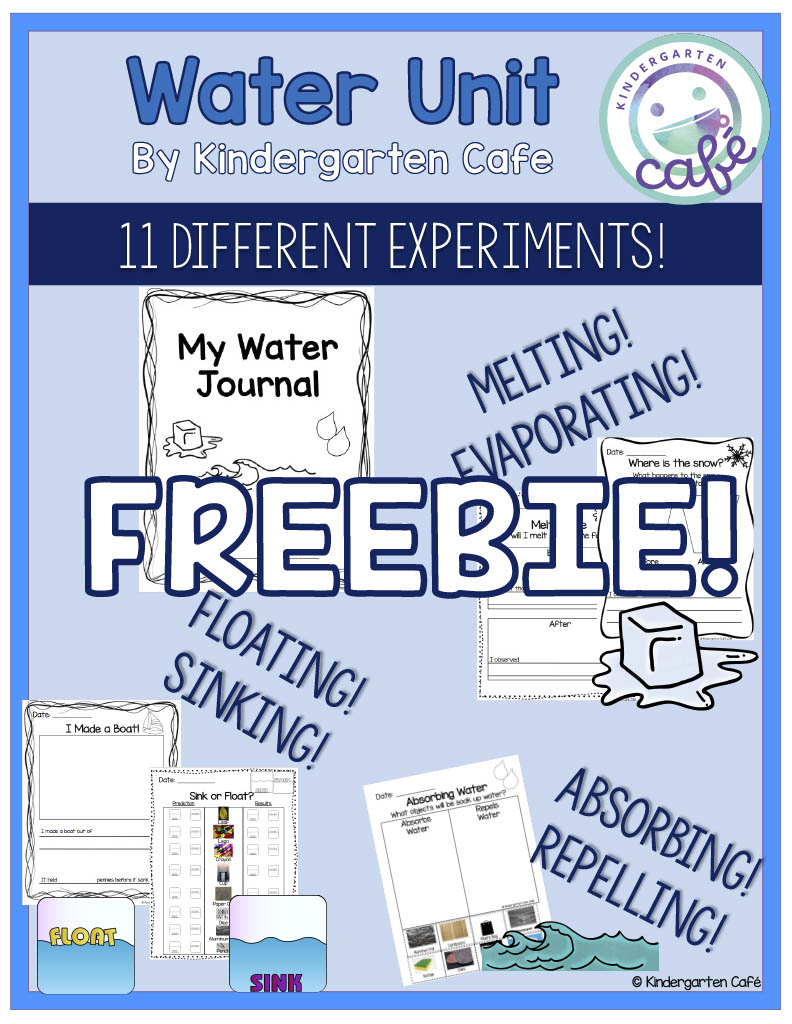
Science Action Labs Water Science: Active Science with Water This enriching resource is designed primarily for students from grade 4 to grade 8, studying general science. It provides a hands-on approach that allows students to actively participate in conducting experiments and investigating various aspects of water. This method cultivates a deeper understanding and appreciation for this integral part of our life and environment. The resource comes in a convenient PDF format, consisting of 64 print-ready pages packed with diverse activities. These activities are designed not only to be educational but also stimulating, fostering excitement as learners explore the following topics: Exploring water pressure Examining buoyancy and surface tension Investigating weather impacts on water The dynamic nature of these resources triggers interest in students while enhancing their critical thinking skills through problem-solving scenarios provided by the experiments . Beyond just Textbooks Theory....Active Learning Alternative! This covers fundamental aspects that stimulate student inquiry about everything related to Hydroscience from natural weather phenomena to physical properties like buoyancy, breaks free from conventional passive learning methodologies. No Significant Prep Work Required! An added benefit? The clear directions accompanying the activities ensure that minimal preparation is necessary on part of the teacher - an important advantage when juggling busy schedules! In conclusion, Educators seeking versatile resources that encourage experiential learning will value investments like Science Action Labs Water Science: Active Science with Water. Its versatility enhances your teaching strategy, ensuring productive exploration time during your assigned science periods while ensuring practical learner experiences they won't soon forget! .
Author Classroom Complete Press
Tags Ice Cube Science, Chemistry Of Water, Water Conservation, Purifying Polluted Water, Science Labs
Magnetic Fields – Lab Station Activity
Science, Physics, Grade 10, 11, 12, Labs, Experiments, Activities
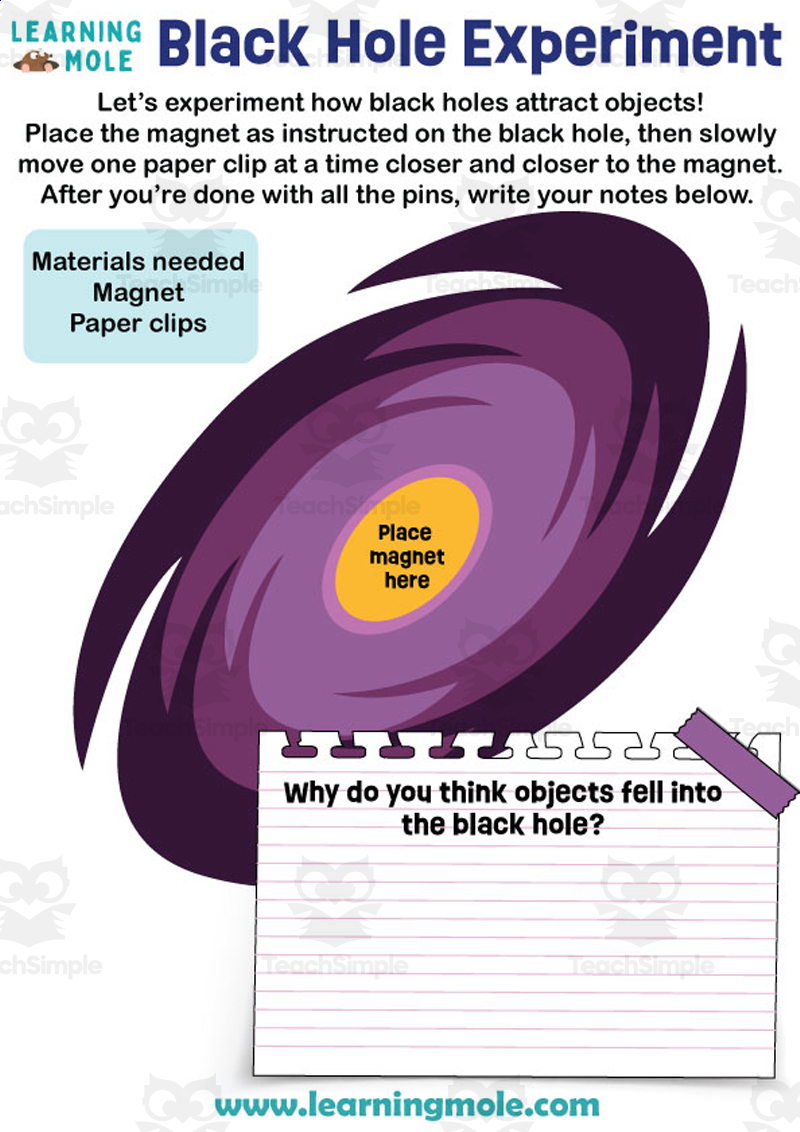
This fully editable Lab Station Activity on Magnetic Fields is meant to get your students out of their seats and engaged in the content. This activity was designed for high school physical science students. Each station not only offers a unique opportunity to test your students' knowledge (offer an opinion, answer questions based on a video or reading, draw, etc.) but also provides a fantastic learning opportunity where your kids are learning through assessment. Each station comes with a description card while some also contain more detailed instructions, a reading, questions to answer, etc. Students are equipped with a recording sheet (passport) to write their answers. There is almost no prep for you. Simply print the cards, lay them out around the room and you're all set. An answer key is also provided where applicable. No prep, no formatting, no issues. Simply download, print (or upload to your class site) and you're all set. This resource is fully editable for your convenience This resource covers the following topics: •Magnet Fields •Law of Magnetic Poles •Permanent vs. Temporary Magnets •Earth’s Magnetic Field •Oersted’s Principal •The Right-Hand Rule •Magnetism and Electricity •Solenoids •Electromagnetism and Electromagnetic Induction •Faraday’s and Lenz’s Laws •Conventional Current and Electron Flow How do the Lab Stations work? Each station is specially designed to be a unique complement to the material while at the same time, provide a valuable learning experience. Below is an overview of how each station works. In your activity , each will be tailored to the specific content. Station 1: Get Hands-On – using their creative skills, students are required to draw or build. Station 2: Research – using a classroom computer or their own device, students must research a specific question/issue surrounding the topic. Station 3: Explain yourself – students write down an opinion to a question in paragraph form. Station 4: Rest Station - students can use this time to catch up on work they didn't have time to complete at a previous station or prepare themselves for an upcoming one. Station 5 - Applicability reading – students read a short passage from an article, website, etc. which directly connects the classroom content to a real-life application. Station 6: Test your knowledge – students answer 5 multiple choice questions than provide a written explanation for how/why they came to their conclusions. Station 7: Learn from the expert – using a classroom computer or their own device, students must watch a short video clip and answer the associated questions. They may stop, rewind and restart as often as they like during the time frame. Station 8 - Rest Station. Station 9: Become the question master – Students must create 2 multiple-choice questions, 2 true/false questions and 1 short answer question. Students must also supply the answers. ------------------------------- You might also be interested in my other lab station activities Physics: • Newton's Three Laws of Motion • Kinetic and Gravitational Potential Energy • Current Electricity and Circuit Diagrams • Static Electricity • Light Optics and the Production of Light • Sound, Sound Energy and Speed • One and Two-Dimensional Motion • Uniform Acceleration • How Planes Fly • Refraction • Friction • Energy and Its Forms • Density and Buoyancy • Electricity Production • Calculating Average Speed, Velocity, and Displacement • Mass, Volume, Density, & Buoyancy • Work and Energy • Renewable Energy • Plate Tectonics • The Rock Cycle • Natural Disasters • Pressure, Volume, and Temperature • Forces • Power • Liquids and Gases • Fossils and Geologic Time • Earthquakes and Volcanoes • Watersheds • Momentum, Conservation of Momentum, and Impulse • Nonrenewable Energy Sources • Projectile Motion • Magnetic Fields Coming Soon: - Work = F x d - The Doppler Effect and Supersonic Travel Biology: • Cell and the Cell Theory • The Human Digestive System • The Circulatory System • The Human Respiratory System • Mitosis and the Cell Cycle • Cellular Respiration and Photosynthesis • Photosynthesis • Cancer: Cell Division Gone Wrong - Volume I • Cancer: Cell Division Gone Wrong - Volume II • Cell Membrane and Transport • Hearing and the Human Ear • The Human Eye • Genetic Material: DNA and RNA • The Nervous System • Energy Flow In Ecosystems • DNA Manipulation and GMOs • Transcription and Translation • Cellular Respiration • Thermoregulation • Proteins and Nucleic Acids • Mutations • Meiosis • DNA, Genes, Chromosomes, and Alleles • Genetic Disorders • Fats • Reproductive Technologies • Muscular and Skeletal System • Integumentary System • Carbohydrates and Lipids Coming Soon: - Excretory system - Endocrine system General Science: • The Scientific Method and Science Skills • The Different Types of Clouds • Meteorology Chemistry: • Atomic Model, Notation and Atoms • Chemical Reactions and Balancing Equations • Molecular and Ionic Compounds • Physical and Chemical Properties & Changes • Acids, Bases, and Neutralization Reactions • The Periodic Table • Single and Double Displacement Reactions • Balancing Chemical Equations • Synthesis, Decomposition and Combustion Reactions • Atomic Theory, Atomic Structure and Isotopes • Types of Bonds and Intermolecular Forces • The Mole/Avogadro's Number • Density and Buoyancy • The Particle Theory and the Classification of Matter • Pure Substances and Mixtures • Solutions and Mechanical Mixtures Coming Soon: - Periodic table group properties Ecology and the Environment: • Ecosystems • The Classification of Living Things • Biodiversity and Invasive Species • The Carbon and Water Cycle • Climate Change • Photosynthesis • Cellular Respiration and Photosynthesis • Ecological Succession • Plant Sexual and Asexual Reproduction • Earth's Seasons • Interactions Within Ecosystems • Physical and Behavioral Adaptations Space Science: • The Life and Death of Stars • The Moon and its Phases • Life In Space • Our Solar System • Solar and Lunar Eclipse • Earth's Seasons • Asteroids, Comets and Meteors These station cards are meant to be used as a lab activity but can also be utilized in a review task before a test or a quiz. Used either way, your students will love it! I know mine do and I'm telling you from first-hand experience as I've used this activity in my own class. ***************************** For free resources, useful teaching tips, and tools, please visit my blog - TeachScienceWithFergy.com If you have any questions please feel free to send me an email - devon@teachwithfergy.com
Author Teach With Fergy
Tags Magnetic, Field, Solenoids, Electron, Lab Station
Pressure, Volume, and Temperature – Lab Station Activity
Science, Chemistry, Grade 8, 9, 10, 11, Labs, Experiments, Activities
Pressure, Volume, and Temperature – Lab Station Activity This dynamic teaching resource designed for middle and high school physical science students brings the classroom to life with interactive activities revolving around pressure-volume-temperature laws. Key Highlights: Station tasks exploring Archimedes' Principle, Avogadro’s Law, Boyle’s Law, Charles's Law and Ideal Gas Law Inclusive lab recording sheets (passports) for documenting observations or answers Activity cards that can be placed around your classroom to turn it into a miniature laboratory Included answer keys for efficient progress tracking and immediate feedback The distinct features of this resource promote an active learning environment. Students are propelled towards collaborative discussions thereby solidifying their understanding of the involved principles. A highlight of added fun: To increase interaction in a less formal setting while ensuring that no learner is left out; two full-time activities—a word scramble and word search are provided. Ready-made answer keys make grading a breeze! Tailored Flexibility: This product fits perfectly into various teaching strategies without straining resources—whether you plan whole-group communal activities or divide students into smaller groups for methodical task completion under your guidance. Towards Promoting Lifelong Learning: The hands-on experience gained from scientific explorations encourages inquiry-based learning. The successful integration in numerous teaching styles aims at fostering engagement which sparks their curiosity paving way for lifelong learners! An essential tool catering not just to public school teachers but homeschooling parents seeking effective teaching aids as well. Digital & Printable Formats: Available in different file types for easy access across digital platforms. It proves proficient for Grade 8-11 science students boosting their comprehension of pressure, volume and temperature thereby enhancing scientific literacy. Experience the joy of teaching with this interactive lab station activity that challenges student understanding and intrigues young minds!
Author Teach With Fergy
Tags Pressure, Volume, Temperature, Lab Station Activity, Active Learning
Science Action Labs Air Science
, Grade 1, 2, 3, Labs, Experiments, Activities
"Science Action Labs Air Science" An engaging approach to teaching air science for students in grades 1-3. Through hands-on simple experiments , students gain a solid foundation on the key concepts including that: Air is transparent Carries weight Exerts pressure and resistance Is composed of different gases. This learning resource contains various activities within its easy-to-use PDF file: Straightforward experimentation, scientific discourse and relatable poems. The opportunity for whole group discovery sessions, small group collaboration exercises or independent work. Including fun games throughout the program that adds a layer of friendly competition reinforcing kinesthetic learners' comprehension skills. Embedded periodic quizzes to measure student progress and reinforce acquired knowledge about air science. With "Science Action Labs Air Science", teaching about elements like air becomes an optimal practical perspective for primary grade levels. Note: Valuable tools need not be expensive components like extensive laboratory sets; sometimes it could be as simple as print-ready pages filled with creative ways to learn life's fundamental theories!</p+
Author Classroom Complete Press
Tags Science Labs, Air Science, Air Pressure, All About Oxygen, Science Experiments
Dear Mr. Henshaw STEM Experiment + STEM Project for Grades 3, 4, 5
Science, Technology, Engineering, STEM, Grade 3, 4, 5, Experiments, Activities, Projects, Diagrams, Teacher Tools, Graphic Organizers, Rubrics
Leigh Botts from Dear Mr. Henshaw needs your help! This STEM project encourages problem-solving as students plan and construct a device that will help protect Leigh's lunch from a sneaky thief. Perfect for blending literature with science, it allows students to explore engineering concepts using simple supplies while promoting teamwork and critical thinking. What’s Inside This Resource: Student Letter: A pleading letter from Leigh introduces the challenge, linking the story to a real-world engineering task. Design Loop Graphic: A visual students can attach to their science journals, serving as a step-by-step guide throughout the activity. Detailed Instructions: Choose to print the guide as a packet or have students record each stage in their journals for an interactive experience. Teacher Tips: Practical guidance for crafting a clear problem statement with time constraints, materials, and success criteria tailored to your classroom. Skills Your Students Will Build: ✔ Problem-Solving: Identify obstacles and create inventive solutions. ✔ Engineering Design: Navigate the design loop—plan, construct, test, and refine. This page can easily be enlarged for a classroom poster. ✔ Critical Thinking: Assess their prototype’s performance and pinpoint ways to enhance it. ✔ Teamwork: Collaborate effectively to accomplish shared goals. Versatile Classroom Application: Whether as guided instruction or part of an integrated literature and science unit, this STEM activity encourages students to think creatively, document their process, and meet science and engineering standards. The rubric included is based on engineering concepts, but can also be used as a nonfiction writing rubric for cross-curricular options. Why Educators Love This Resource: ⭐ “My students were fully engaged, combining their passion for reading with STEM!” ⭐ “Simple to set up and encourages creativity and teamwork.” ⭐ “A seamless connection between literature and science for cross-curricular learning!” Encourage your students to solve Leigh’s challenge and experience the excitement of engineering with this standards-aligned STEM adventure!
Author Kel's Klass
Tags 4th Grade Science Project, 4th Grade Science Experiment, 5th Grade Science Project, 5th Grade Science Experiment, Engineering Diagram, Science Graphic Organizer, Science Rubric, 3rd Grade Science Project, 3rd Grade Science Experiment, Dear Mr. Henshaw
Science Action Labs Electricity & Magnetism
Science, Physics, Grade 4, 5, 6, 7, 8, Labs, Experiments, Activities
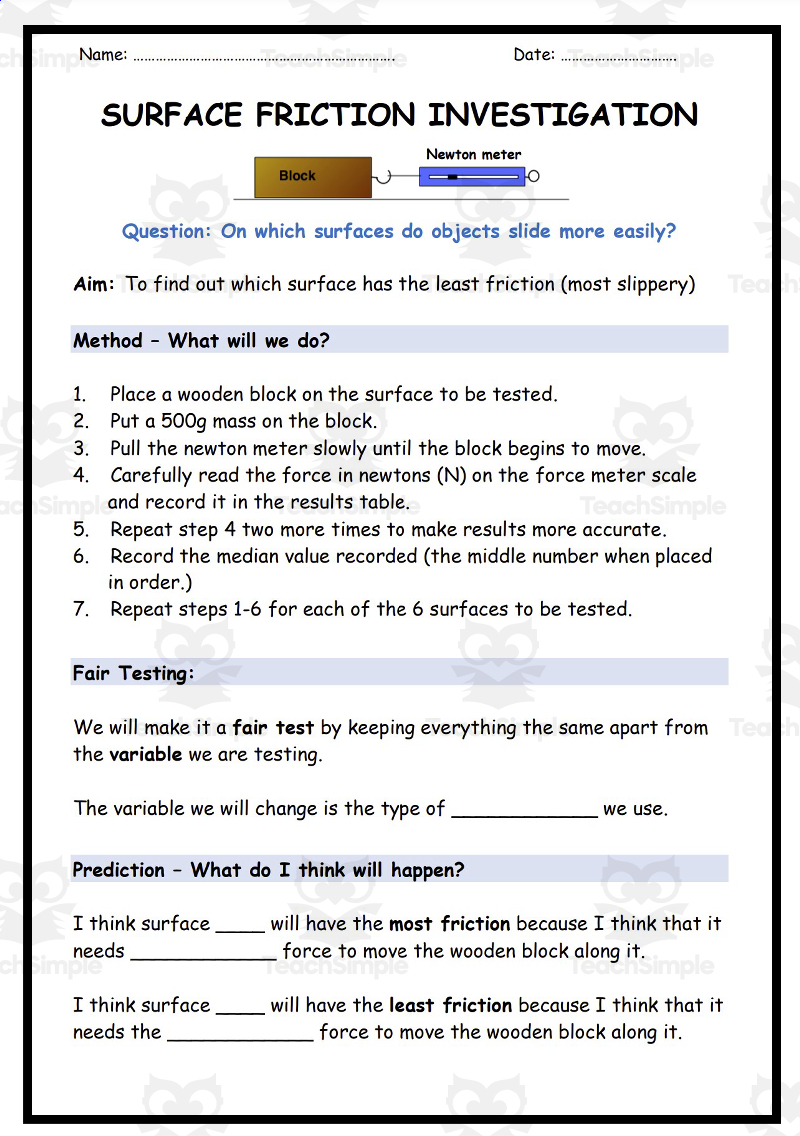
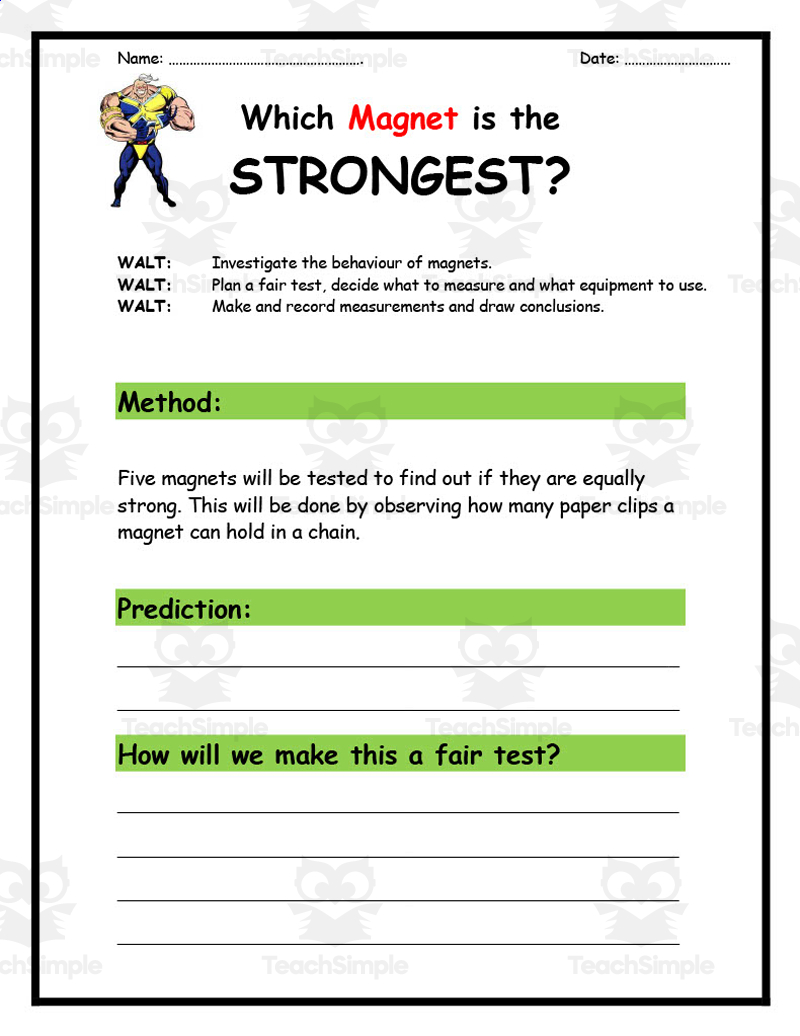
Science Action Labs Electricity & Magnetism A comprehensive teaching resource tailor-made for educators working with 4th to 8th grade students. This resource transmutes theoretical knowledge of electricity and magnetism into hands-on experiences. Contents The teaching toolkit contains: 64 ready-to-print pages: Neatly organized in a single PDF format. Detailed experiments : Students will construct an electroscope, generate their own electricity, put various magnets to test, evaluate magnetic potency and much more. Educational Value Theoretical and practical components balanced: This makes it an excellent tool for cultivating scientific curiosity among young learners while strengthening their understanding about electricity and magnetism. Can be used flexibly in various scenarios to meet specific pedagogical needs whether opted for group work or individual assignments; in-class activities or as homework supplements. Promotes physics literacy: Hands-on nature of the activities engages learners directly in scientific exploration. Cultivate future scientists by demystifying complex theories through first-hand experiences! Harnessing such stimulating resources contributes significantly towards building solid foundations today which will help them understand Physics' intricate wonders tomorrow.
Author Classroom Complete Press
Tags Science Labs, Electricity, Magnetism, Electromagnet Lab, Building An Electroscope
Physical and Chemical Properties – Lab Station Activity
Science, Chemistry, Grade 7, 8, 9, 10, Labs, Experiments, Activities
Physical and Chemical Properties Lab Station Activity engages students as they rotate through 9 stations testing their knowledge of matter's physical and chemical properties. Students get hands-on drawing atoms, researching questions, watching videos, answering multiple choice questions and more. Covers key concepts like states of matter, qualitative vs quantitative properties, physical and chemical changes, and energy transformations. The activity comes with station description cards, detailed instructions, articles, video links, and recording sheets. Questions assess student learning and bonus scramble and word search activities ensure no downtime. This versatile resource works for whole group, small groups, or independent lab work. Easy to print and implement with no prep required. Applicable for middle and high school chemistry and physical science classrooms.
Author Teach With Fergy
Tags Physical, Chemical, Properties, States Of Matter, Lab Stations, Physical And Chemical Changes Lab High School, Lab Chemical And Physical Changes Worksheet, Physical And Chemical Changes Lab Middle School, Physical And Chemical Changes Activities For Middle School
"A Night Divided" S.T.E.A.M. Activities Packet
ELA, Literature, Reading, Grade 4, 5, 6, 7, 8, Activities, Experiments, Worksheets & Printables, Novel Studies, Projects
Influenced by the novel, A Night Divided, the S.T.E.A.M.-based activities included in this product focus on the content areas of math, science, engineering, and art. Students will learn about historical events such as the Space Race, the Cold War, the Berlin Wall, and the work of artist Keith Haring, who used artistic expression to advocate for social justice. Both PDF and Google Slides (digital) versions included! Collectively, as a class, the students will create a mural. Using the novel as a guide, students will analyze concepts such as theme, symbolism, elements of plot, character analysis, and more, then represent their understandings of these concepts through art. In addition, students become engineers as they design a method to dig through mountains to create sturdy and leak-proof tunnels; learn about simple machines in order to design and build a transportation system that can carry a load of dirt and rocks; and design and build a structure that will hold weight without collapsing. Finally, after learning more about the Space Race and how rockets work, students will build and launch a rocket. ⭐️This resource includes:⭐️ Both PDF and Google Slides (digital) versions included Mural Art Teacher’s Guide List of Materials & Teacher Notes Introduction: Videos and other resources about the Berlin Wall and the artist Keith Haring who created a mural on the Berlin Wall to advocate for social justice. Mural Art Activity Student Handouts Artist: Keith Haring Handout Mural Art Paper (3 options) Mural Art: Artist’s Note Mural Art: Rubric Critical Load Structural Design (6 pages total) Teacher’s Guide (3 pages) List of Materials & Teacher Notes Day 1: Introduction, or review, of structural engineering, efficiency ratings, & critical load; Planning Day 2: Construction, Testing, Present & Evaluate Student Handouts (3 pages) Student Planning Sheet Student Construction & Testing Sheet Student Evaluation Sheet Tunneling Through (8 pages total) Teacher’s Guide (4 pages) List of Materials & Teacher Notes Day 1: Introduction: Hook, Information about Mountain Tunneling, Planning Day 2: Construction Day 3: Testing & Evaluate Student Handouts (3 pages) Student Planning Sheet Student Evaluation Sheet (2 pages) Rubric (1 page) Wheeling Weight (8 pages total) Teacher’s Guide (4 pages) List of Materials & Teacher Notes Day 1: Introduction: Information about Simple Machines & Planning Day 2: Construction & Testing Day 3: Evaluate Student Handouts (4 pages) Student Planning Sheet Student Construction & Testing Sheet Student Evaluation Sheet (2 pages) Rocket Launch (6 pages total) Teacher’s Guide (3 pages) List of Materials & Teacher Notes Building Background: Videos and other resources on the Space Race and the Cold War. Day 1: Mini Lesson: Information and videos about how rockets work & Construction Day 2: Testing & Evaluate Student Handouts (3 pages) Student Construction Sheet Student Testing Sheet Student Evaluation Sheet You can find more of my resources here!
Author Creatively Gifted
Tags Novel Study Guide, Book Companion, S.T.E.A.M. Activities, Science, Math, Engineering, Cross Curricular, Space Race, Cold War, Berlin Wall