3,494 products added recently
Page 17 - 2nd Grade Worksheets
Provide your second graders with worksheets that promote growth in literacy, numeracy, and critical thinking. These resources align with curriculum standards and offer engaging activities. Incorporate them to strengthen understanding and encourage enthusiasm for learning.
2nd grade Coronavirus / Covid-19 Facts
P.E. & Health, Health, Grade 2, Teacher Tools, Lesson Plans, Worksheets & Printables, Worksheets
For 2nd Grade Health there are seven standards that need to be taught. Unit 1 Personal Health Unit 2 Growth and Development Unit 3 Nutrition and Physical Activity Unit 4 Substance Use and Abuse Unit 5 Injury/ Violence Prevention Control and Safety Unit 6 Prevention/Control of Disease Unit 7 Environmental Consumer Health 2nd Grade Coronavirus / COVID-19 Facts is an informative packet that teaches second grade students about the coronavirus pandemic in a child-friendly way. This 20-page resource begins by defining what COVID-19 is and explaining how it originated and spreads from person to person. It then outlines safety precautions students can take, like washing hands, covering coughs, and social distancing. With simplified content and vocabulary, this packet helps increase student understanding of COVID-19. It can be used by classroom teachers or homeschooling parents in various ways, like independent reading, whole class instruction, or a science or health lesson. The engaging material is followed by a 1-page answer key. There are seven units that cover all the health requirements for second grade. Here are the links to other health units: Health 2nd Grade Unit 1: Personal Health Health 2nd Grade Unit 2: Growth and Development Health 1st Grade Unit 3: Nutrition and Physical Activity Health 2nd Grade Unit 4: Substance Use and Abuse Health 2nd Grade Unit 5: Injury / Violence Prevention and Safety Health 2nd Grade Unit 6: Prevention / Control of Disease Health 2nd Grade Unit 7: Environmental / Consumer Health 2nd grade Coronavirus / Covid-19 Facts This unit meets Common Core Standards.
Author K-5 Treasures
Tags Coronavirus, Covid-19 Facts, Pandemic, Spread Of Virus, 2nd Grade Health, Second Grade Health, Health Resources, Health Resources For 2nd Grade
Writing And Comprehension Practice: The Entertainer (4-8 years)
ELA, Language Development, Phonics, Grade 1, 2, Worksheets & Printables, Worksheets
Writing and Comprehension Practice: The Entertainer (4-8 years) Writing and Comprehension Practice: The Entertainer (4-8 years) is a comprehensive teaching resource designed specifically for young learners in the age group of 4 to 8 years. This resource provides valuable support to educators, including public school teachers and homeschoolers, with an aim to enhance their students' spelling, phonics, and comprehension skills. It includes convenient printable no-prep worksheets. This support material is crafted as a companion to the yellow level of 'The Entertainer'; a component of Mission Spelling Zero scheme's phonics reading resources. You'll get the most out of this book if your child already has access to 'The Entertainer.' Features: A focus on vowel digraphs such as ea, ai, ay, oi ,oy ,and oa which are crucial for improving comprehension skills. The inclusion story-based learning revolving around Zoggy; an outer space character with his wizard-like computer skills. Multifunctional worksheets that allow students further practice through follow-up activities. Activities: Fostering Phonics: Reinforcing letter sounds - the bedrock of effective reading competencies. Cultivating Writing Skills: Tracing letters & words writing tasks make learning interactive while simultaneously boosting writing abilities. Mastery Over Spellings:Your child masters spellings using easy-to-absorb methods. Apart from offering resources for phonics expansion along its pages; it also prepares your student well in comprehension using simple story-based tasks. With the lessons and practice exercises spread across an effortless 17-pages in a PDF format, it is flexible enough to cater to individual student's pace or even group activities extending its use for homework assignments as well. Summary In essence, Writing And Comprehension Practice: The Entertainer (4-8 years) provides engaging instructions that aim to transform young learners into skilled readers and spellers using creative teaching strategies.
Author Guinea Pig Education
Tags Phonics, Spelling, Comprehension Skills, Vowel Digraphs, Writing Skills
Human Body Crosswords (PDF)
ELA, Language Development, Resources for Teachers, Vocabulary, Spelling, ESL, Human Body, Life Sciences, Science, Grade 2, 3, 4, 5, Worksheets & Printables, Worksheets, Teacher Tools, Crosswords Puzzles, Centers, Activities
Crossword Series This crossword series is designed for students in grades 2–5. Each set of crosswords is built around a clear vocabulary theme, allowing students to strengthen their word recognition, build subject-based knowledge, and reinforce early literacy and thinking skills. Each topic includes six crossword sets , and each set features the following consistent structure: 1. 8 vocabulary clues 2. Crossword puzzle 3. Answer key 4. 1 Did You Know fact related to the set These crosswords are designed to be student-friendly, classroom-ready, and easily integrated into thematic units, seasonal learning, morning work, or independent literacy stations. Human Body Crosswords Word List 1. Head & Face Head, Hair, Eyes, Nose, Mouth, Ears, Teeth, Tongue 2. Arms & Hands Arm, Hand, Fingers, Thumb, Wrist, Elbow, Palm, Nails 3. Legs & Feet Leg, Knee, Foot, Toes, Heel, Ankle, Shin, Thigh 4. Inside the Body Brain, Heart, Lungs, Stomach, Bones, Muscles, Blood, Nerves 5. Senses & Feelings Sight, Hearing, Smell, Taste, Touch, Laugh, Cry, Yawn 6. Moving & Actions Walk, Run, Jump, Clap, Hug, Stretch, Bend, Wiggle PDF Version Other versions will appear here when available. Follow the store for the lastest on new products. How to Use This Crossword These crosswords are ideal for whole-class work, small groups, literacy centers, or take-home activities. Use one set per day, or spread them across a week or month depending on your curriculum needs. Each clue has been crafted to align with the reading level of grades 2–5, with support for both decoding and meaning. The Did You Know? facts offer additional extension opportunities for writing, drawing, or display work. Whether you're reinforcing vocabulary, exploring a seasonal topic, or adding variety to your literacy block, these crosswords provide a fun, flexible, and focused way to boost early literacy in an engaging format. More Human Body Themed Products Nothing yet, but follow for the latest on new products. FULL CATALOG OF DOWNLOAD LINKS HERE AdditionAddition PDF Animals PDF Around the Home PDF Birthday PDF Candy PDF Christmas PDF Cinco de Mayo PDF Clothes PDF Colors PDF Days and Months PDF Division PDF Earth Day PDF Easter PDF Easy Crosswords PDF Fall PDF Father's Day PDF Food PDF Geography (Set 1) PDF Geography (Set 2) PDF Geography (Set 3) PDF Graduation PDF Health PDF History (Set 1) PDF History (Set 2) PDF History (Set 3) PDF Human Body PDF Kindness PDF Life Skills PDF Mother's Day PDF Multiplication PDF Science Crosswords (Set 1) PDF Science Crosswords (Set 2) PDF Science Crosswords (Set 3) PDF Shapes PDF Social Skills PDF Spring PDF Sports PDF St. Patrick's Day PDF Subtraction PDF Summer PDF Thanksgiving PDF Transport PDF Valentine's Day PDF Winter PDF Crosswords in Depth Structure Each crossword clue is written in simplified language to suit early readers, and follows a strict number-and-clue format (e.g., 1.A shape with four sides ). Students complete each puzzle using the themed vocabulary provided, helping to build both content knowledge and spelling confidence. Each completed set includes: A questions section with clearly formatted clues An answers section to support teacher checking or independent correction A Did You Know? fact tied to the topic (one per set) to add curiosity and cross-curricular value Themes Included The crosswords cover a wide variety of engaging, age-appropriate themes such as: Seasons & Holidays (e.g., Winter, Easter, Valentine’s Day) Math Concepts (e.g., Addition, Subtraction, Multiplication, Division) Everyday Topics (e.g., School, Colors, Animals, Weather) Special Units (e.g., Health, Earth Day, Sports, Graduation, Kindness) Each theme is carefully selected to reflect the experiences and interests of young learners, while reinforcing vocabulary and comprehension. For similar downloads and other frees, do check out Cored Group on TeachSimple.
Author Cored Education
Rating
Tags Vocabulary, Spelling, Crosswords, Human Body, Body Crosswords, Human Body Crosswords, Body, Head & Face, Arms & Hands, Legs & Feet
Reading Comprehension Passages Fiction Set 7 - Sports (Fillable PDF)
ELA, Reading, Reading Comprehension, Common Core, Children’s Literature, Literature, Language Development, ESL, Writing, Vocabulary, Grade 2, 3, Worksheets & Printables, Worksheets, Writing Prompts, Assessments, Teacher Tools, Tests, Quizzes and Tests, Centers, Activities
Reading Comprehension Passages Fiction Set 7 Snapshot Genre: Fiction (short story + comprehension practice) Subject: Reading (Literature) Primary Topic: Sportsmanship and kindness at a baseball game Estimated Guided Reading Level (A–Z): M What This Teaches Best Making inferences about a character’s motivations (Dan wants a foul ball and autographs). Recognizing a turning point and how it affects the ending (Dan gives the foul ball to the little girl). Using emotion words and text evidence to describe feelings (delighted, devastated, proud). Understanding how setting shapes events (stadium seats, foul balls, cheering). Learning Goals Students will describe Dan’s goal and track how it changes across the story. Students will explain why Dan gives the ball away using evidence from the text. Students will identify key setting details and how they connect to the plot. Students will retell the main events in order, including the problem and resolution. Students will define unfamiliar words from the story using context clues. Passages Include 1.Catch It, Dan: Dan is at the ball game and wants to catch a foul ball. 2.Feeling Left Out: Polly isn't invited bowling by her friends and wants to knowwhy. 3.Ian's Friday Nights: Ian wants to be anywhere but the bleachers on Friday nights. 4.Aimee's Dilemma: Soccer or cheerleading? That is the question. 5.A Great Team: Adam & Justin both want to play first base. How will they sortit? 6.Ana's Swimming Party: Jodie can't swim and doesn't want her friends to find out. 7.Touchdown Pythons: Serena loves her first football game. 8.Sam's Passion: Sam talks about his passion for Karate in this passage. 9.Where's My Board: Kerry spends all the story looking for her skateboard. 10.Lacey the Runner: Lacey has dreams to run in the Olympics. Read to find out more. Additional File: Ana's Swimming Party: Invitation Templates FILLABLE PDF VERSION Worksheet-style pages, but with type-in answer boxes so students can complete and save their work digitally. Other versions are available in the links list below or in the full catalog. FULL CATALOG OF DOWNLOAD LINKS HERE For similar downloads and other frees, do check out Cored Group on TeachSimple.
Author Cored Education
Rating
Tags Elementary, Reading, Comprehension, Vocabulary, Answers, Spelling, Writing, Passages, Reading Centers, Reading Comprehension Assessment
Sticking Up For Me! Social Skills Story & Activity For Boys K-2nd
Life Studies, Special Resources, Life Skills, Preschool, Grade 1, 2, Worksheets & Printables, Worksheets
Sticking Up For Me! Social Skills Story & Activity For Boys K-2nd Explore a carefully crafted resource for young boys ranging from kindergarten to the 2nd grade, designed to guide or gently nudge them towards speaking up for themselves. This concept is put into action through an engaging story and followed by dynamic activities we refer as 'Skill Builder Activities'. Sticking Up For Me! is a vital teaching tool created to develop social skills amongst boys at this delicate stage. At this point, they are encountering and learning from diverse social situations. The narrative breaks down complex scenarios into simpler steps offering clear insights on expected behaviors in different situations. Skill Builder Activities Beyond the enthralling storyline, Sticking Up for Me! introduces boys to Skill Builder Activities. These interactive exercises are perfect tasks post reading the narrative and assists in shaping up necessary skills extracted from the story. A color story version: ideal for classroom presentations, 'Scenario Cards' & 'Self-Advocacy Check': two types of skill builder activities, A coloring book companion: : allows children to color alongside reading, A Mini Book format: : conveniently sized smaller than standard books, perfect while travelling, An animated PowerPoint Story with skill builder features: : optimal for distance learning applications. Versatility Of The Resource The resource could be utilized during large-group lessons or during sessions that encourage intimate discussions about self-representation. It can even be provided as homework assignments encouraging individual reflection on new insights about self-expression. Whether you favor traditional teaching or the homeschooling method, this resource effectively meets kindergarteners and 2nd graders wherever they are in their social awareness journey. Conclusion In conclusion, Sticking Up For Me! is more than just another educational tool. It can positively influence young learners' attitudes towards circumstances that encourage them to voice out their needs—a vital life skill extending beyond classroom boundaries. This guide ensures lessons delivered in approachable PDF format, easily adaptable for both physical classroom sessions and online classes.
Author Socially Skilled Kids
Tags Social Skills, Self-advocacy, Storytelling, Interactive Activities, Boys
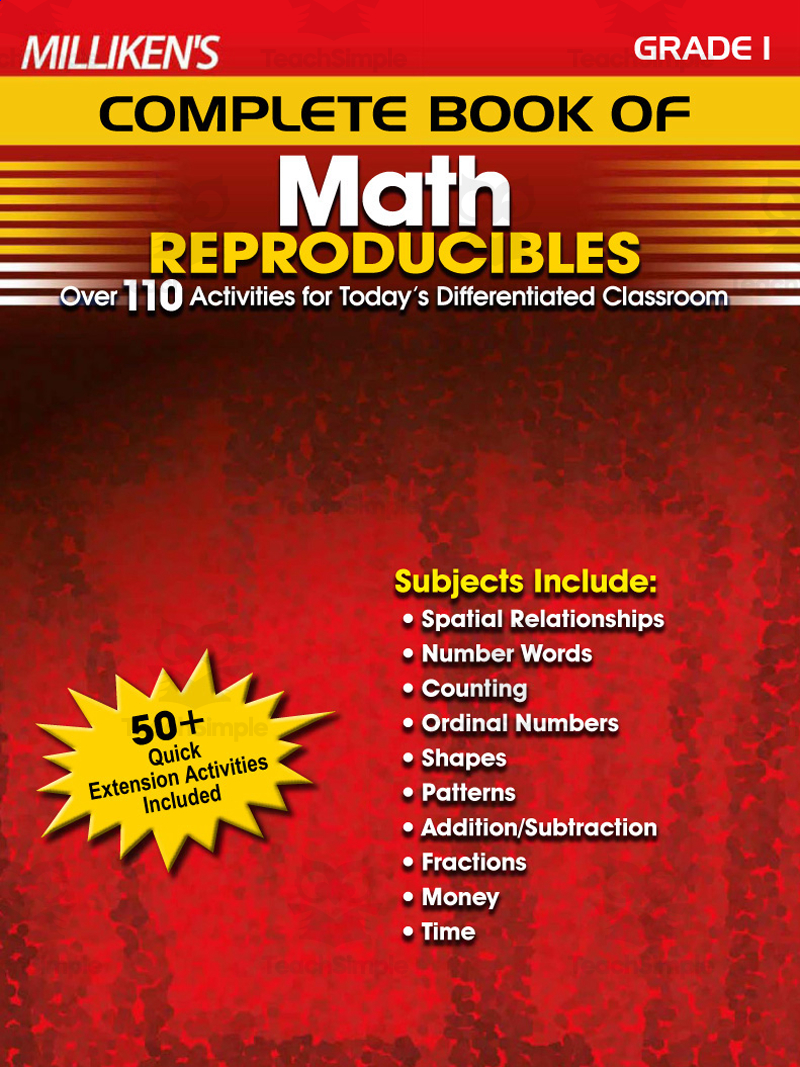
Milliken's Complete Book of Grammar Reproducibles - Grades 1-2: Over 110 Activities for Today's Differentiated Classroom
ELA, Grammar, Grade 1, 2, Worksheets & Printables, Worksheets
Milliken's Complete Book of Grammar Reproducibles - Grades 1-2 This is a comprehensive teaching resource specifically designed for the modern, differentiated classroom. With over 110 engaging activities stored in this dependable enrichment tool, it supports students' learning at school and makes homework enjoyable through its reproducible pencil-to-paper worksheets. Focus Areas The worksheets are streamlined to enhance Grade 1 and Grade 2 students' understanding of Language Arts. These diligently cover key areas such as: Parts of speech, Usage, Expression, Grammar. All these have been distilled down to be easily digestible by young learners without overwhelming them. Versatility at Its Best This resource offers valuable versatility. It efficiently caters to whole classes during group instruction and also adapts well for personalized learning sessions. Additionally, it serves as an ideal supplementary tool that stimulates self-paced study during individual study time or homework assignments. . Detailed Workbook Design The workbook comes as a ready-to-print PDF with a total of 128 meticulously arranged pages divided into manageable units of work—enriched with eye-catching illustrations that enthrall learners while cementing crucial language concepts—all while preserving significant printing resources. An Asset for All Educators Educators operating in public schools or managing homeschools can equally cherish this priceless asset. With clear-cut practical exercises adaptable into any class routines, educators save on preparation time while significantly enhancing student progress. In essence, Milliken's Complete Book of Grammar Reproducibles - Grades 1-2 establishes solid English competency roots through immersive practice—shaping young minds towards a confident understanding of Language Arts via approachable grammar education available from their early educational journey.
Author Classroom Complete Press
Tags Grammar, Rhyming, Contractions, Pronouns, Extension Activities
Phonics / Digraphs for 1st and 2nd Grade: Beginning Sounds: SH, TH, WH and PH
ELA, Reading, Reading Comprehension, Grammar, Language Development, Phonics, Strategies, Pre-Reading, Grade 1, 2, Worksheets & Printables, Worksheets, Teacher Tools, Lesson Plans
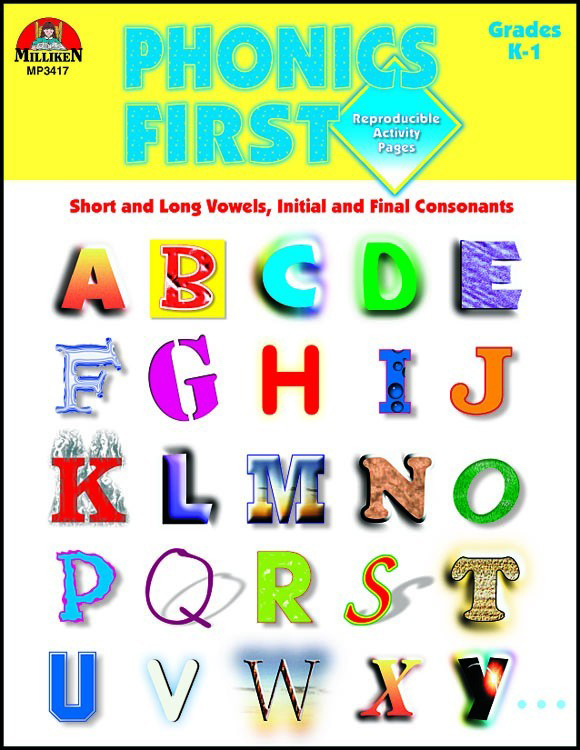
This unit focuses only on the Beginning Digraph sounds. Learning how to read can be the most challenging activity for many students and for a teacher. A digraph in the English language are two letters put together that represents a single sound or phoneme. Understanding that the combination of letters can make one sound can be difficult to master and requires repetitive practice of reading and writing these words with these sounds. There are other phonics units that I sell that focuses on the Ending digraph sounds, and one that focuses on all three digraph sounds in the Beginning, Middle and End. Reading can be made easier with these phonic helps that repeatedly encourage students to practice these Beginning Digraph sounds. Activities include reading comprehension and identifying the digraphs in their reading, writing their answers to questions regarding the paragraph, identifying additional beginning digraph words in sentences using a word bank, matching words with pictures, spinning a paperclip activity where students will write the word with the digraph sound, and lastly a fun wordsearch with the beginning digraph words. These activities are for each digraph so there is plenty of opportunities for students to practice their comprehension reading skills and phonic sounds. Students will practice the following Beginning Digraph sounds: sh, th, wh, and ph. Teachers can use this resource in whole group, individually with students, students can practice with each other in centers, or they can be assigned as homework. Worksheets are also differentiated for each Beginning Digraph sound for all young learners which makes it perfect for all 1st - 2nd graders. A total of 26 pages full of reading and phonic activities. Along with reading and writing, there are matching, cutting, and pasting activities. Word searches and spin and make a word activity are also a part of this packet which make learning to read these phonic sounds entertaining for young learners. For a list of other phonics and grammar activities, click on the following links: CVC Word Families for Beginning Readers: Stamp it, Make it, Trace it, and Write it CVC Words | Short Vowel Phonics | Word Families for K- 2nd Grade Phonics for 1st and 2nd Grade: Help Students Learn Long A Words: AY, AI, A_E, EIGH, EY, and EA Phonics for 1st and 2nd Grade: Help Students Learn Long E Words: EE, EA, E_E, and Y Phonics for 1st and 2nd Grade: Help Students Learn Long I Words: I_E, IE, IGH, and Y Phonics for 1st and 2nd Grade: Help Students Learn Long O Words: O_E, OA, OW, OE, and OUGH Phonics for 1st and 2nd Grade: Help Students Learn Long U Words: U_E, EW, OO, UE, UI and OU Phonics / Digraphs for 1st and 2nd Grade: Beginning, Middle, and Ending Sounds Phonics / Digraphs for 1st -2nd: Ending Sounds: CK, NG, SH, TH, and NK Phonics / Digraphs for 1st and 2nd Grade: Beginning Sounds: SH, TH, WH and PH Phonics: R-Controlled Words for 1st and 2nd Grade and Early Readers
Author K-5 Treasures
Tags Beginning Sounds, Phonics , Sh Words, Th Words, Wh Words, Ph Words, Reading , Digraph Words, Th Digraphs, First Grade Digraphs
Reading Comprehension Passages Fiction Set 2 - Animals Presentable PDF
ELA, Reading, Reading Comprehension, Common Core, ESL, Language Development, Spelling, Vocabulary, Creative Writing, Writing, Grade 2, 3, Worksheets & Printables, Worksheets, Assessments, Teacher Tools, Tests, Quizzes and Tests, Writing Prompts
Reading Comprehension Passages Fiction Set 2 Snapshot Genre: Fiction (animal-themed short stories with skill pages) Subject: Reading Primary Topic: Animal stories for comprehension and literacy practice Estimated Guided Reading Level (A–Z): O What This Teaches Best Reading comprehension with short, engaging animal stories: Each passage centers on an animal-related situation and is followed by questions that point students back to key details. Responsible choices around animals: Characters learn boundaries and care (e.g., not feeding/petting a wild fawn; returning tadpoles to the pond; releasing butterflies after photographing them). Character feelings and motivations: Students can track how characters feel and why (excited, uneasy, frustrated, worried) and connect those feelings to actions and outcomes. Cause and effect + problem/solution: Stories show clear outcomes from decisions (escaped pheasants lead to chasing; fog blocks stargazing; feeding helps Allan pet a dolphin). Integrated skill practice (vocab, spelling, writing): Support pages include vocabulary matching, spelling tasks, short responses, and retelling. Note: one question page uses the name “Zelda” where the story uses “Zelma.” Learning Goals Students will recount the beginning, middle, and end of a selected story using details from the text. Students will describe characters’ feelings and motivations and cite what in the story shows them. Students will identify a problem and solution in a story and explain how the solution affects the ending. Students will explain cause-and-effect relationships (what happened, why it happened, and what changed). Students will use context clues to determine the meaning of challenging words in the passages. Students will make a reasonable prediction based on story events and character actions. Passages Include 1.Unexpected Visitors: Terra gets an unexpected visitor. 2.Feeding Time: Allan visits an aquarium and feeds the dolphins. 3.New Pup Next Door: The neighbor has a new dog and Benny wants to see. 4.Stargazing: Jazmin loves looking at the stars. She visits the beach today. 5.On the Search: Abigail wants to find a shark tooth more than anything. 6.Tadpoles: Brittney & Stan take frogs eggs home & watch them hatch. 7.Lucky Caterpillar: Lily and Sadie watch a caterpillar crossing the road. 8.Karl the Photographer: Karl spends his summer taking photos of butterflies. 9.Chasing Pheasants: Tony and his father have a great idea...or so they think! 10.Part of the Family: Ava is nervous as her cat is about to have kittens. Additional File: Tadpoles: Blank Life Cycle PRESENTABLE PDF VERSION Run it like a slide show straight from a PDF, with no PowerPoint or extra software needed, just open, project, and teach. Other versions are available in the links list below or in the full catalog. FULL CATALOG OF DOWNLOAD LINKS HERE For similar downloads and other frees, do check out Cored Group on TeachSimple.
Author Cored Education
Rating
Tags Elementary, Reading, Comprehension, Vocabulary, Answers, Common Core, Spelling, Writing, Passages, Reading Comprehension Assessments
Useful Robots Reading Comprehension Passage - Cored Ed Encyclopedia
ELA, Language Development, Reading Comprehension, Reading, Pre-Reading, History, Social Studies, Technology, Science, Earth and Environmental Sciences, Grade 2, 3, 4, 5, Worksheets & Printables, Worksheets, Teacher Tools, Centers, Activities, Writing Prompts, Assessments, Quizzes and Tests, Quizzes, Lesson Plans
This useful robots reading comprehension with lesson plan includes: Visualization (on the front cover) Start your lesson by taking a minute to think and share something about the topic. Read the script aloud (slowly), perhaps prepare some music or sound effects. Student close their eyes and let their imaginations wander. Students open their eyes, read the question aloud and give them a few minutes to complete. Ask a few students to share or keep answers until the end to compare with what they learn in the passage. Quick pause—thousands of Cored Education products are included with your TeachSimple membership. Download links and encyclopedia index available here. Pre-Reading Trivia Students will write down one thing they already know about the subject and then read five more facts and discuss. These facts are fun, and the students will enjoy learning about the subject before reading more. Give 1 minute for students to write what they already know (no pressure—best guess is fine). Read the five facts together. After each fact, do ask a student for their opinion, was it surprising? Set a purpose by asking students to highlight/underline one fact they want to learn more about during the reading. Reading Passage The text is a high-interest reading passage with set paragraphs, roughly three to four paragraphs long. It contains a variety of themes about the topic, anywhere from history to technology. The passage is between 250 and 350 words in length. First, ask students to look at the headings and see what they’ll learn about today. What do they know about the topic/heading? First read options: Teacher read-aloud (best for support). Partner reading (paragraph by paragraph). While reading, students underline important details, and vocabulary words they think may come up in the questions section. Mixed Questions The first question page contains four multiple-choice questions, each with a choice of four answers, and three written response questions that require a sentence or two from the student. Students complete the mcqs first independently, then review quickly as a class. For the 3 written responses, try to get students giving the answer with some form of evidence: “I think ___ because the text says ___.” If students get stuck, send them back to check the passage. Vocabulary Questions Practice seven key words from the text in this section across two activities. First section is scrambled words where students will unscramble three words given a clue for each. The second section is a word to meaning matching activity. Before starting, have some students read out words they underlined in the passage. Ask students to say the word and read aloud the sentence(s) around each word. Ask students to do scrambled words and the matching exercise in pairs then go through answers as a class. For the scrambled spelling task, get four pairs to come up to the board and write the words for extra practice with the other student reading out the clue. For the matching task, prompt students to give full sentences: “I matched ___ with ___ because ___.” Creative Writing In this question, the student will be required to write a five to eight sentence paragraph on a question related to the topic. Before starting, ask students write down 3 key ideas they are going to include in their piece. Ask students for ideas to share around the class to help those struggling. Pro writing expectations: 5–8 sentences At least 2 facts or details from the passage At least 2 vocabulary words from the previous page Students read their paragraphs while classmates listen for facts and vocabulary words. Extension Activities This page is optional for fast finishers or to take home. There are several activities, each one requiring a different skill. Do some, do none, do all, completely optional - but you will feel reassured knowing every possibility is planned for. Includes summary writting question. Answer Key There are answers for the multiple-choice questions, written response questions have sample answers, vocabulary answers and if there is a summary question then a sample summary will be provided as well. Lesson Plan Included Customized lesson plan for this lesson is included. Lesson Snapshot Title: Useful Robots Genre: Nonfiction (Informational passage) Subject: Science & Technology (Engineering/Robotics) Primary Topic: How robots developed and help people Estimated Guided Reading Level (A–Z): P Support pages included: Pre-reading trivia, mixed questions, vocabulary activities, creative writing prompt, extension activities, and an answer key. QA notes on support pages: Support content generally matches the passage; however, the support pages use “automaton” (singular) while the passage uses “automata” (plural), and an extension prompt suggests “hills,” which is not stated in the passage (the passage names rocks and dust). What This Lesson Teaches Best Robots have a history: Explains that long ago people created “automata” that moved using steam, air, water, or falling weights. Modern robots and factory work: Describes an early industrial robot, Unimate, working in 1961 at a General Motors plant handling hot metal parts that were tough and dangerous for people. How robots learn repeatable motions: Shows how a person can guide a robot’s movements while sensors send signals to a computer that stores a pattern to repeat the job. Robots go where people can’t: Highlights the rover Opportunity exploring Mars for years (2004–2018) and sending back clues from rocks and dust. Big idea across time: Connects early moving devices to today’s robots as tools that learned to move, repeat, and help humans discover more. Learning Goals Students will explain what “automata” were and what powered them. Students will describe why Unimate’s factory job mattered for people. Students will identify how a robot can be “taught” motions and then repeat them. Students will summarize how robots can help in places that are risky, far away, or hard to reach. Students will use details from the text to tell what Opportunity did on Mars and what it sent back. Key Vocabulary From the Text automata — moving devices from long ago; not thinking machines. program — give a machine instructions to do a job. industrial — related to factories and making things. sensors — parts that notice and send signals to a computer. rover — a robot vehicle that travels to explore places. FULL CATALOG OF DOWNLOAD LINKS AND ENCYCLOPEDIA INDEX HERE
Author Cored Education
Rating
Tags Vocabulary, Reading Comprehension, Reading Passages, Lesson Plans, Ela Lesson Plans, Reading Comprehension Lesson Plans, Pre-reading, Science Lesson Plans, Technology, History
Flutes Reading Comprehension Passage - Cored Ed Encyclopedia
ELA, Reading Comprehension, Reading, Science, Technology, Social Studies, History, Music, Creative Arts, Physics, Grade 2, 3, 4, 5, Worksheets & Printables, Worksheets, Teacher Tools, Centers, Activities, Writing Prompts, Assessments, Quizzes and Tests, Quizzes, Lesson Plans
This flutes reading comprehension with lesson plan includes: Visualization (on the front cover) Start your lesson by taking a minute to think and share something about the topic. Read the script aloud (slowly), perhaps prepare some music or sound effects. Student close their eyes and let their imaginations wander. Students open their eyes, read the question aloud and give them a few minutes to complete. Ask a few students to share or keep answers until the end to compare with what they learn in the passage. Quick pause—thousands of Cored Education products are included with your TeachSimple membership. Download links and encyclopedia index available here. Pre-Reading Trivia Students will write down one thing they already know about the subject and then read five more facts and discuss. These facts are fun, and the students will enjoy learning about the subject before reading more. Give 1 minute for students to write what they already know (no pressure—best guess is fine). Read the five facts together. After each fact, do ask a student for their opinion, was it surprising? Set a purpose by asking students to highlight/underline one fact they want to learn more about during the reading. Reading Passage The text is a high-interest reading passage with set paragraphs, roughly three to four paragraphs long. It contains a variety of themes about the topic, anywhere from history to technology. The passage is between 250 and 350 words in length. First, ask students to look at the headings and see what they’ll learn about today. What do they know about the topic/heading? First read options: Teacher read-aloud (best for support). Partner reading (paragraph by paragraph). While reading, students underline important details, and vocabulary words they think may come up in the questions section. Mixed Questions The first question page contains four multiple-choice questions, each with a choice of four answers, and three written response questions that require a sentence or two from the student. Students complete the mcqs first independently, then review quickly as a class. For the 3 written responses, try to get students giving the answer with some form of evidence: “I think ___ because the text says ___.” If students get stuck, send them back to check the passage. Vocabulary Questions Practice seven key words from the text in this section across two activities. First section is scrambled words where students will unscramble three words given a clue for each. The second section is a word to meaning matching activity. Before starting, have some students read out words they underlined in the passage. Ask students to say the word and read aloud the sentence(s) around each word. Ask students to do scrambled words and the matching exercise in pairs then go through answers as a class. For the scrambled spelling task, get four pairs to come up to the board and write the words for extra practice with the other student reading out the clue. For the matching task, prompt students to give full sentences: “I matched ___ with ___ because ___.” Creative Writing In this question, the student will be required to write a five to eight sentence paragraph on a question related to the topic. Before starting, ask students write down 3 key ideas they are going to include in their piece. Ask students for ideas to share around the class to help those struggling. Pro writing expectations: 5–8 sentences At least 2 facts or details from the passage At least 2 vocabulary words from the previous page Students read their paragraphs while classmates listen for facts and vocabulary words. Extension Activities This page is optional for fast finishers or to take home. There are several activities, each one requiring a different skill. Do some, do none, do all, completely optional - but you will feel reassured knowing every possibility is planned for. Includes summary writting question and additional facts. Answer Key There are answers for the multiple-choice questions, written response questions have sample answers, vocabulary answers and if there is a summary question then a sample summary will be provided as well. Lesson Plan Included Customized lesson plan for this lesson is included. Lesson Snapshot Title: Flutes Genre: Nonfiction (Informational Text) Subject: Music / Science (Sound) / Reading (Informational Text) Primary Topic: How flutes make sound and changed over time Estimated Guided Reading Level (A–Z): Q What This Lesson Teaches Best How very early flutes were made (carved from bird bone and mammoth ivory ) and why these finds matter as early musical instruments. How flutes make a clear note: a thin jet of air across an opening creates a wobbling column of air inside the tube. Cause and effect in instruments: covering or uncovering holes changes the tube’s length, so the pitch goes up or down. How design evolved in Europe, including added holes and keys and Theobald Boehm’s 1800s redesign with tone holes and ring keys . Key features of a modern concert flute (often metal, about 26 inches long, three sections, padded keys, range of a little more than three octaves ). Learning Goals Students will describe what materials some ancient flutes were carved from and how old they were said to be. Students will explain how a flute makes a clear note using the idea of a “column of air” in a tube. Students will explain how covering or uncovering holes changes pitch by changing the tube’s length. Students will summarize how the sideways flute changed over time in Europe, including added holes and keys. Students will identify changes Theobald Boehm made to flute design and how ring keys helped players. Students will describe at least two details of today’s concert flute mentioned in the passage. Key Vocabulary From the Text mammoth — an ancient animal related to today’s elephants. ivory — hard material used for carving. column — a long “tube” shape of air inside. pitch — how high or low a note sounds. octaves — sets of notes higher or lower. FULL CATALOG OF DOWNLOAD LINKS AND ENCYCLOPEDIA INDEX HERE
Author Cored Education
Rating
Tags Vocabulary, Reading Comprehension, Reading Passages, Lesson Plans, Ela Lesson Plans, Reading Comprehension Lesson Plans, Pre-reading, History, Music, Music Lesson Plans
Detectives Reading Comprehension Passage - Cored Ed Encyclopedia
ELA, Language Development, Resources for Teachers, Reading Comprehension, Reading, Pre-Reading, Writing, Strategies, Vocabulary, Common Core, Grade 2, 3, 4, 5, Worksheets & Printables, Worksheets, Teacher Tools, Centers, Activities, Writing Prompts, Assessments, Tests, Quizzes and Tests, Quizzes
This detectives reading comprehension contains the following: Pre-Reading Trivia Students will write down one thing they already know about the subject and then read five more facts and discuss. These facts are fun, and the students will enjoy learning about the subject before reading more. Reading Passage The text is a high-interest reading passage with set paragraphs, roughly three to four paragraphs long. It contains a variety of themes about the topic, anywhere from history to technology. The passage is between 250 and 350 words in length. Mixed Questions The first question page contains four multiple-choice questions, each with a choice of four answers, and three written response questions that require a sentence or two from the student. Creative Writing In this question, the student will be required to write a five to eight sentence paragraph on a question related to the topic. Extension Activities This page is optional for fast finishers. If there are five to ten minutes left at the end of the lesson, the student can choose one of three activities, each one requiring a different skill. Answer Key There are answers for the multiple-choice questions and three written response questions have sample answers. FULL CATALOG OF DOWNLOAD LINKS AND ENCYCLOPEDIA INDEX HERE Cored Ed Encyclopedia Overview The Cored Ed Encyclopedia is a weekly series of lessons that you can pick up and use right away. These short readings fit into whatever time you have available. Each one includes a warm-up, a reading, and a set of questions, but it’s flexible — you can do just the reading, the full lesson, or skip the writing section if you need to. Each lesson focuses on a single topic so students don’t get lost. The writing is clear but never childish, making it perfect for grades two through five. Topics range from animals and science to history, inventions, and everyday things. No matter the level of the student, everyone should take away at least one new idea or fact from each lesson. The materials are easy to print, easy to explain, and require no setup. They work well for whole-class teaching, partner work, or independent study.
Author Cored Education
Rating
Tags Vocabulary, Spelling, Reading Comprehension, Reading Passages, Cored Encyclopedia, Facts, Reading, Creative Writing, Detectives, Ela
I Will Not... Scratch, Hit, Kick or Push Others
Special Resources, Social Skills, Preschool, Grade 1, 2, 3, Worksheets & Printables, Worksheets
Do you have a student {or two} who lashes out with physical behavior over the smallest of problems? This story was written to help children understand how and why to avoid physical actions when upset or frustrated with others or their circumstances.
Author Socially Skilled Kids
Tags Social Story, Behavior, Social Skills, Friendship, Special Education
Reading Comprehension Passages Fiction Set 2 - Animals (Word)
ELA, Reading, Reading Comprehension, Common Core, ESL, Language Development, Spelling, Children’s Literature, Literature, Writing, Grade 2, 3, Worksheets & Printables, Worksheets, Writing Prompts, Assessments, Teacher Tools, Tests, Quizzes and Tests
Reading Comprehension Passages Fiction Set 2 Overview Fascinating reading comprehension passages, each with an array of activities included. Stories are written for the modern classroom and topics are designed to promote enthusiasm from each student. Each lesson contains a mixed questions section to check understanding, a vocabulary or spelling activity to help remember key language introduced, and a writing exercise. Full answer keys are provided. For a more detailed overview, check the section under the links at the bottom of this description. Passages Include 1.Unexpected Visitors: Terra gets an unexpected visitor. 2.Feeding Time: Allan visits an aquarium and feeds the dolphins. 3.New Pup Next Door: The neighbor has a new dog and Benny wants to see. 4.Stargazing: Jazmin loves looking at the stars. She visits the beach today. 5.On the Search: Abigail wants to find a shark tooth more than anything. 6.Tadpoles: Brittney & Stan take frogs eggs home & watch them hatch. 7.Lucky Caterpillar: Lily and Sadie watch a caterpillar crossing the road. 8.Karl the Photographer: Karl spends his summer taking photos of butterflies. 9.Chasing Pheasants: Tony and his father have a great idea...or so they think! 10.Part of the Family: Ava is nervous as her cat is about to have kittens. Additional File: Tadpoles: Blank Life Cycle Word Version This is the Word editable version. This download is available in GOOGLE Docs, GOOGLE Forms, GOOGLE Slides. PDF, PPT, WORD. FULL CATALOG OF DOWNLOAD LINKS HERE Grade 2/3 Links Fiction Set 1 - Nature Google Docs Google Forms Google Slides PDF PPT Word Guided Reading Materials Fiction Set 2 - Animals Google Docs Google Forms Google Slides PDF PPT Word Guided Reading Materials Fiction Set 3 - Food Google Docs Google Forms Google Slides PDF PPT Word Guided Reading Materials Fiction Set 4 - School Google Docs Google Forms Google Slides PDF PPT Word Guided Reading Materials Fiction Set 5 - Friends Google Docs Google Forms Google Slides PDF PPT Word Guided Reading Materials Fiction Set 6 - Family Google Docs Google Forms Google Slides PDF PPT Word Guided Reading Materials Fiction Set 7 - Sports Google Docs Google Forms Google Slides PDF PPT Word Guided Reading Materials Nonfiction Set 1 - Technology Google Docs Google Forms Google Slides PDF PPT Word Guided Reading Materials Nonfiction Set 2 - Nutrition Google Docs Google Forms Google Slides PDF PPT Word Guided Reading Materials Nonfiction Set 3 - Animals Google Docs Google Forms Google Slides PDF PPT Word Guided Reading Materials Reading Passages Overview Each passage is especially written for Grade 2-3 students, including key vocabulary required for this age group. Topics are varied and are accompanied by colorful graphics. Topics are meant to educate, yet entertain the modern student. These passages are perfect for the modern classroom. Whereas textbooks can become outdated in no time, any changes to technology or the world will result in updates to this product. Mixed Questions The mixed questions section of each lesson includes a variation of fivecomprehension, vocabulary and math questions. In addition, key reading strategies are frequently covered including cause & effect, summarizing, compare & contrast and making conclusions. Three of the questions will be MCQs and two will require a written response of some kind. Full answers and example responses appear at the end of the lesson. Spelling & Vocab Each reading passage contains a variety of words and phrases designed for Grade 2-3 students. Spelling and vocab activities provide the opportunity to build fluency with these words. As it can become quite mundane doing the same activities over and over, each lesson in a set will contain a different spelling and vocab activity . Writing Prompts Writing prompts are designed to continue the theme or lessons learned in the story. Students are persuaded to write in a variety of ways and each prompt includes several cues to help. As with the spelling/vocab section, writing prompts will vary. This includes research pieces, reading responses, poetry and creative writing prompts. Full Answer Keys Full answer keys and sample responses are provided so no matter how busy you are, you know you're covered! Mixed question answers provide evidence from the text, math questions contain the relevant workings. Answers are designed for use by the teacher, but also suitable as a handout to the student. Additional File One lesson will have an additional file. This is something fun to extend the lesson with. For similar downloads and other frees, do check out Cored Group on TeachSimple.
Author Cored Education
Tags Elementary, Reading, Comprehension, Vocabulary, Answers, Ccss, Common Core, Spelling, Writing, Passages
Free Reading Passage: Pushing and Pulling Forces (Word)
ELA, Reading, Reading Comprehension, Science, Physics, Common Core, Vocabulary, Language Development, ESL, Resources for Teachers, Grade 2, 3, 4, Worksheets & Printables, Worksheets, Assessments, Teacher Tools, Tests, Quizzes and Tests
Free Reading Passage on Pushing and Pulling Forces for Physical Science What's inside this free product? Science Reading Comprehension Passage7 : Pushing and Pulling Forces Independent Word Version: This is the independent Word version containingone lesson with full answer keys. Product Info: 5 PAGES (US English with Answers) Word Version Teaching Duration: 90 Minutes Science Reading Comprehension Outline: Targeted for students in 3rd and 4th grades, these reading passages are enhanced with illustrations and graphs to elucidate critical points. Each lesson aligns with the Common Core State Standards, allowing you to integrate science reading practice effortlessly, knowing that minimal preparation is needed on your part. Each passage comes with a variety of questions in different formats, including multiple-choice formats, data analysis, and fill-in-the-blanks. The topics covered strike a balance between engaging content and core curriculum-based science subjects. Versatile in application, these lessons are suitable for a variety of settings such as whole-class instruction, morning activities, independent desk work, small group discussions, contingency plans for substitute teachers, homework assignments, or even special holiday-themed tasks. FULL CATALOG OF DOWNLOAD LINKS HERE Grade 3/4 Links: Physical Science Part 1 - Properties of Objects and Materials Google Docs/Slides/Forms PDF PPT Word Free Supplementary Pack Accompanying Videos Physical Science Part 2 - Position and Motion of Objects Google Docs/Slides/Forms PDF PPT Word Free Supplementary Pack Accompanying Videos Physical Science Part 3 - Light, Heat, Electricity, Magnetism Google Docs/Slides/Forms PDF PPT Word Free Supplementary Pack Accompanying Videos Life Science Part 1 - Characteristics of Organisms Google Docs/Slides/Forms PDF PPT Word Free Supplementary Pack Accompanying Videos Life Science Part 2 - Life Cycles of Organisms Google Docs/Slides/Forms PDF PPT Word Free Supplementary Pack Accompanying Videos Life Science Part 3 - Organisms and Environments Google Docs/Slides/Forms PDF PPT Word Free Supplementary Pack Accompanying Videos Earth Science Part 1 - Properties of Earth Materials Google Docs/Slides/Forms PDF PPT Word Free Supplementary Pack Accompanying Videos Earth Science Part 2 - Changes in the Earth and Sky Google Docs/Slides/Forms PDF PPT Word Free Supplementary Pack Accompanying Videos Earth Science Part 3 - Objects in the Sky Google Docs/Slides/Forms PDF PPT Word Free Supplementary Pack Accompanying Videos For similar products and other frees, do check out Cored Group on TeachSimple .
Author Cored Education
Tags Science, Elementary, Reading, Comprehension, Vocabulary, Answers, Physics, Physical Science, Ccss, Common Core
SAMPLE Fry's Sixth 100 Sight Words Fill-in-the-Blanks
ELA, Language Development, Pre-Reading, Spelling, Vocabulary, Kindergarten, Grade 1, 2, Worksheets & Printables, Flashcards, Activities, Worksheets
This collection aids in presenting, reinforcing, and assessing the most commonly employed Sixth (6th) 100 Sight Words, as gathered by Dr. Edward Fry. All sight words are segregated into five sets of 20 words each (according to frequency), with a designated color for each word group: Orange, Yellow, Green, Blue, and Violet. This complimentary preview includes the initial segment (Orange) from this five-segment collection. If it appeals to you, access the FULL Version here. The collection incorporates: ⭐️ Fill-in-the-Blanks | Worksheets + Solution Guides Each of Fry's Sixth 100 Sight Words (1-20) appears in a Fill-in-the-Blanks sentence. Every sheet comprises 6 or 7 sentences, complemented by a solution guide. ⭐️ Word Search Activities | 10 Sight Words per Activity These Word Search Activities display all of Fry's Sixth 100 Sight Words (1-20), partitioned into 2 activities each holding 10 sight words (sorted by frequency). ⭐️ Fry's Sixth 100 Sight Words | Alphabetically Arranged/Color Indicated This word inventory accommodates each of Fry's Sixth 100 Sight Words in alphabetical sequence. Additionally, each word is color-indicated, revealing its original set. ⭐️ Fry's Sixth 100 Sight Words | Organized by Frequency This word catalog comprises each of Fry's Sixth 100 Sight Words, arranged by their frequency of use, and grouped into color-indicated batches. ⭐️ Printable Flash Cards | Colored/B&W - Rounded/Sharp Edges Multiple printable versions of Fry's Sixth 100 Sight Word flash cards (1-20) are accessible here. Choose the flash card style best fitting your needs! Total Content: 15 PDF Pages ⭐️ Enjoyed this resource? Click any link below to explore this entire product line! ⭐️ 1. Fry’s First 100 Sight Words | Fill-in-the-Blanks 2. Fry’s Second 100 Sight Words | Fill-in-the-Blanks 3. Fry’s Third 100 Sight Words | Fill-in-the-Blanks 4. Fry’s Fourth 100 Sight Words | Fill-in-the-Blanks 5. Fry’s Fifth 100 Sight Words | Fill-in-the-Blanks 6. Fry’s Sixth 100 Sight Words | Fill-in-the-Blanks 7. Fry’s Seventh 100 Sight Words | Fill-in-the-Blanks 8. Fry’s Eighth 100 Sight Words | Fill-in-the-Blanks 9. Fry’s Ninth 100 Sight Words | Fill-in-the-Blanks 10. Fry’s Tenth 100 Sight Words | Fill-in-the-Blanks For any questions, comments, or suggestions feel free to email us at: toms.talk.resources@gmail.com . Wishing you lots of fun with this resource!
Author Tom's Talk
Tags Sight Words, ESl, Flash Cards, Worksheets, Fill-in-the-Blanks, Fry’s Sight Words , Fry’s, Fry, Word Search, Print
Reading a Map Worksheets – Social Studies Practice
Social Studies, Geography, Grade 2, 3, 4, Worksheets & Printables, Worksheets
Reviewed, evaluated, edited, and creatively written by teaching professionals, this Social Studies-focused digital resource implements current teaching strategies and aligns with grade-level standards to teach about map reading. With the ability to print the pages over and over, your child can complete the activities again and again until the skills have been mastered. Includes activities that focus on: • Directions • Using a compass • Locating objects on a map • Globes • Using a compass • Scale and distance • Hemispheres • Latitude and longitude • Legends • Maps (political map, transportation map, and road map)
Author Twin Sisters Digital Media
Rating
Tags Compass, Globe, Map, Scale, Legends, Map Scale Practice Worksheets, Reading A Map Worksheet, Map Reading Practice Worksheets
Telling Time to the Hour
Math, Time, Preschool, Grade 1, 2, Worksheets & Printables, Worksheets
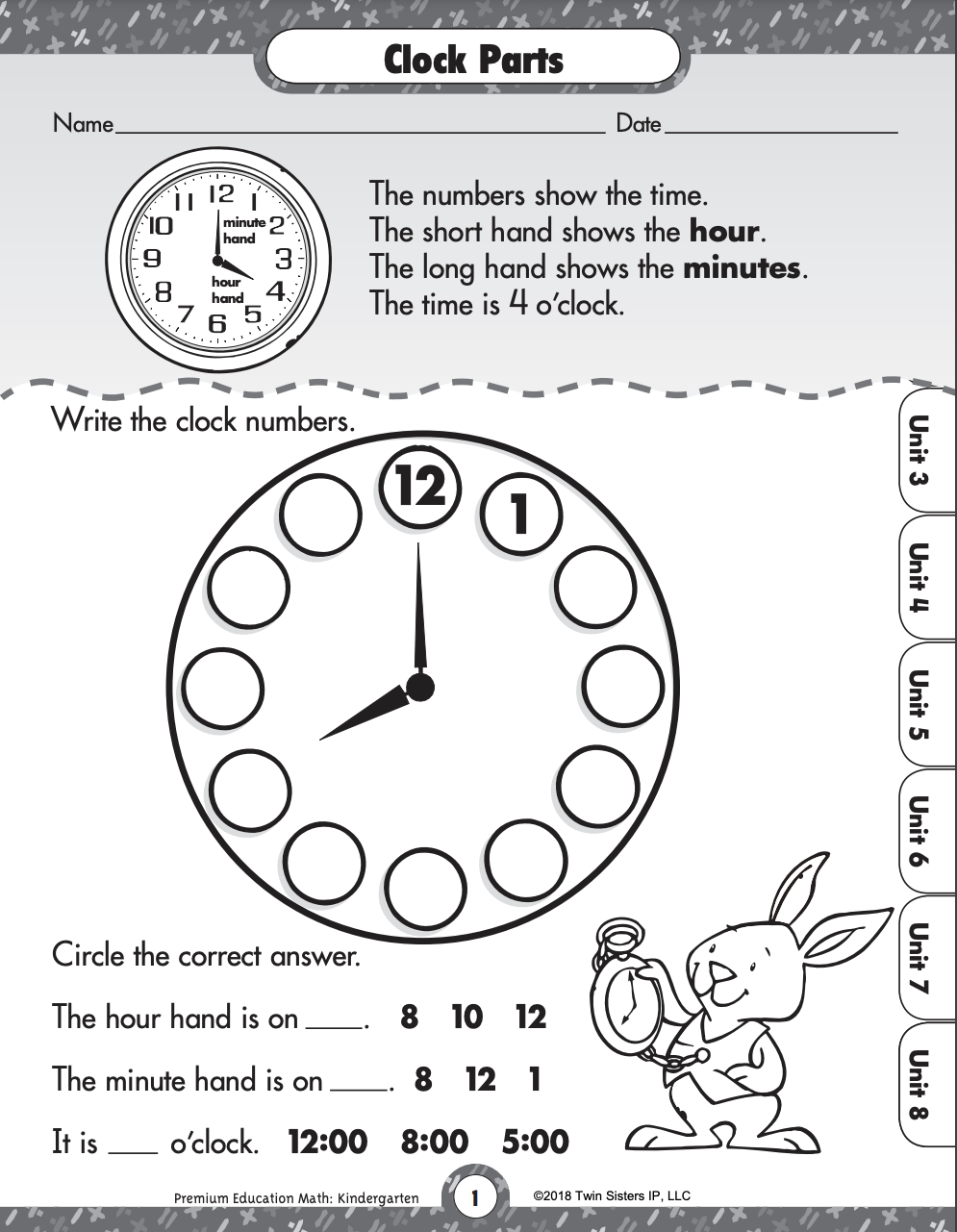
A worksheet that helps your student practice telling time to the hour. The student looks at each clock and colors in the acorn with the correct time.
Author Cherry Workshop
Tags Telling Time, Hour, Autumn, Math
African Elephant Reading Comprehension - Cored Ed Encyclopedia
ELA, Language Development, Resources for Teachers, Reading Comprehension, Reading, Pre-Reading, Animals, Life Sciences, Science, Strategies, Grade 2, 3, 4, 5, Worksheets & Printables, Worksheets, Teacher Tools, Centers, Activities, Writing Prompts, Assessments, Tests, Quizzes and Tests, Quizzes
This African Elephant reading comprehension contains the following: Pre-Reading Trivia Students will write down one thing they already know about the subject and then read five more facts and discuss. These facts are fun, and the students will enjoy learning about the subject before reading more. COMPANION VIDEO NOW AVAILABLE (EMBEDDED AFTER PREVIEW PICTURES IN PRODUCT DESCRIPTION) Reading Passage The text is a high-interest reading passage with set paragraphs, roughly three to four paragraphs long. It contains a variety of themes about the topic, anywhere from history to technology. The passage is between 250 and 350 words in length. Mixed Questions The first question page contains four multiple-choice questions, each with a choice of four answers, and three written response questions that require a sentence or two from the student. Creative Writing In this question, the student will be required to write a five to eight sentence paragraph on a question related to the topic. Extension Activities This page is optional for fast finishers. If there are five to ten minutes left at the end of the lesson, the student can choose one of three activities, each one requiring a different skill. Answer Key There are answers for the multiple-choice questions and three written response questions have sample answers. FULL CATALOG OF DOWNLOAD LINKS AND ENCYCLOPEDIA INDEX HERE Cored Ed Encyclopedia Overview The Cored Ed Encyclopedia is a weekly series of lessons that you can pick up and use right away. These short readings fit into whatever time you have available. Each one includes a warm-up, a reading, and a set of questions, but it’s flexible — you can do just the reading, the full lesson, or skip the writing section if you need to. Each lesson focuses on a single topic so students don’t get lost. The writing is clear but never childish, making it perfect for grades two through five. Topics range from animals and science to history, inventions, and everyday things. No matter the level of the student, everyone should take away at least one new idea or fact from each lesson. The materials are easy to print, easy to explain, and require no setup. They work well for whole-class teaching, partner work, or independent study.
Author Cored Education
Rating
Tags Vocabulary, Spelling, Reading Comprehension, Reading Passages, Cored Encyclopedia, Facts, Reading, Elephants, Animals, Life Science
Health 2nd Grade Unit 6: Prevention / Control of Disease
P.E. & Health, Health, Physical Education, Special Resources, Life Skills, Social Emotional Learning (SEL), Social Skills, Grade 2, Teacher Tools, Lesson Plans, Worksheets & Printables, Worksheets
For 2nd Grade Health there are seven standards that need to be taught. Unit 1 Personal Health Unit 2 Growth and Development Unit 3 Nutrition and Physical Activity Unit 4 Substance Use and Abuse Unit 5 Injury/ Violence Prevention Control and Safety Unit 6 Prevention/Control of Disease Unit 7 Environmental Consumer Health This Health 2nd Grade Unit 6: Prevention / Control of Disease covers topics such as: * Communicable vs non-communicable diseases with a cut, sort, and paste activity. * What to do when you are sick and how not to spread germs. * Steps to wash hands effectively. * Overall personal hygiene worksheets. * Vocabulary words related to dental care. * This 2nd Grade Health Unit even covers Covid 19 and how it started and its effects on the body and how to prevent the spread of this disease. With this 2nd grade health unit, students will be able to understand how to better prevent the spread of diseases. It is a great way to help them learn how to stay healthy and well at home, at school, and in public places. At the end of the unit, there is an assessment to check for understanding. A total of 31 pages for 2nd Grade Health on Prevention and Control of Disease. There are seven units that cover all the health requirements for second grade. Here are the links to other health units: Health 2nd Grade Unit 1: Personal Health Health 2nd Grade Unit 2: Growth and Development Health 1st Grade Unit 3: Nutrition and Physical Activity Health 2nd Grade Unit 4: Substance Use and Abuse Health 2nd Grade Unit 5: Injury / Violence Prevention and Safety Health 2nd Grade Unit 6: Prevention / Control of Disease Health 2nd Grade Unit 7: Environmental / Consumer Health 2nd grade Coronavirus / Covid-19 Facts This unit meets Common Core Standards.
Author K-5 Treasures
Tags Health Unit, Prevention, Control Of Disease, Germs, Second Grade Health, 2nd Grade Health, Healthy Activities, Healthy Habits, Coronavirus, Health Resources For 2nd Grade
Reading Comprehension Passages Fiction Set 5 - Friends (PDF)
ELA, Reading, Reading Comprehension, Common Core, Children’s Literature, Literature, Spelling, Language Development, Vocabulary, Writing, Grade 2, 3, Worksheets & Printables, Worksheets, Assessments, Teacher Tools, Tests, Quizzes and Tests, Writing Prompts
Reading Comprehension Passages Fiction Set 5 Overview Fascinating reading comprehension passages, each with an array of activities included. Stories are written for the modern classroom and topics are designed to promote enthusiasm from each student. Each lesson contains a mixed questions section to check understanding, a vocabulary or spelling activity to help remember key language introduced, and a writing exercise. Full answer keys are provided. For a more detailed overview, check the section under the links at the bottom of this description. Passages Include 1.Friends in Different Places: Molly is sad as her best friend is out of town. 2.Perfect Birthday: Everyone knows what Matt wants for his birthday! 3.Fun With Leaves: Can doing chores also be fun? Find out in this story. 4.Backyard Camp: Kelly and Brandy camp out in the backyard. But how does it go? 5.Best at Being a Friend: Second place again, but there is one thing Tara is best at. 6.Grant the Superhero: Join Grant and his dreams of being a superhero. Additional File: Grant the Superhero: Comic Template PDF Version This is the PDF uneditable version. This download is available in GOOGLE Docs, GOOGLE Forms, GOOGLE Slides. PDF, PPT, WORD. FULL CATALOG OF DOWNLOAD LINKS HERE Grade 2/3 Links Fiction Set 1 - Nature Google Docs Google Forms Google Slides PDF PPT Word Guided Reading Materials Fiction Set 2 - Animals Google Docs Google Forms Google Slides PDF PPT Word Guided Reading Materials Fiction Set 3 - Food Google Docs Google Forms Google Slides PDF PPT Word Guided Reading Materials Fiction Set 4 - School Google Docs Google Forms Google Slides PDF PPT Word Guided Reading Materials Fiction Set 5 - Friends Google Docs Google Forms Google Slides PDF PPT Word Guided Reading Materials Fiction Set 6 - Family Google Docs Google Forms Google Slides PDF PPT Word Guided Reading Materials Fiction Set 7 - Sports Google Docs Google Forms Google Slides PDF PPT Word Guided Reading Materials Nonfiction Set 1 - Technology Google Docs Google Forms Google Slides PDF PPT Word Guided Reading Materials Nonfiction Set 2 - Nutrition Google Docs Google Forms Google Slides PDF PPT Word Guided Reading Materials Nonfiction Set 3 - Animals Google Docs Google Forms Google Slides PDF PPT Word Guided Reading Materials Reading Passages Overview Each passage is especially written for Grade 2-3 students, including key vocabulary required for this age group. Topics are varied and are accompanied by colorful graphics. Topics are meant to educate, yet entertain the modern student. These passages are perfect for the modern classroom. Whereas textbooks can become outdated in no time, any changes to technology or the world will result in updates to this product. Mixed Questions The mixed questions section of each lesson includes a variation of fivecomprehension, vocabulary and math questions. In addition, key reading strategies are frequently covered including cause & effect, summarizing, compare & contrast and making conclusions. Three of the questions will be MCQs and two will require a written response of some kind. Full answers and example responses appear at the end of the lesson. Spelling & Vocab Each reading passage contains a variety of words and phrases designed for Grade 2-3 students. Spelling and vocab activities provide the opportunity to build fluency with these words. As it can become quite mundane doing the same activities over and over, each lesson in a set will contain a different spelling and vocab activity . Writing Prompts Writing prompts are designed to continue the theme or lessons learned in the story. Students are persuaded to write in a variety of ways and each prompt includes several cues to help. As with the spelling/vocab section, writing prompts will vary. This includes research pieces, reading responses, poetry and creative writing prompts. Full Answer Keys Full answer keys and sample responses are provided so no matter how busy you are, you know you're covered! Mixed question answers provide evidence from the text, math questions contain the relevant workings. Answers are designed for use by the teacher, but also suitable as a handout to the student. Additional File One lesson will have an additional file. This is something fun to extend the lesson with. For similar downloads and other frees, do check out Cored Group on TeachSimple.
Author Cored Education
Rating
Tags Elementary, Reading, Comprehension, Vocabulary, Answers, Common Core, Spelling, Writing, Passages, Reading Comprehension Assessment
Tanks Reading Comprehension Passage - Cored Ed Encyclopedia
ELA, Language Development, Reading Comprehension, Reading, Pre-Reading, Science, Technology, Engineering, History, Social Studies, Grade 2, 3, 4, 5, Worksheets & Printables, Worksheets, Teacher Tools, Centers, Activities, Writing Prompts, Assessments, Quizzes and Tests, Quizzes, Lesson Plans
This tanks reading comprehension includes: Visualization (on the front cover) Start your lesson by taking a minute to think and share something about the topic. Read the script aloud (slowly), perhaps prepare some music or sound effects. Student close their eyes and let their imaginations wander. Students open their eyes, read the question aloud and give them a few minutes to complete. Ask a few students to share or keep answers until the end to compare with what they learn in the passage. Quick pause—thousands of Cored Education products are included with your TeachSimple membership. Download links and encyclopedia index available here. Pre-Reading Trivia Students will write down one thing they already know about the subject and then read five more facts and discuss. These facts are fun, and the students will enjoy learning about the subject before reading more. Give 1 minute for students to write what they already know (no pressure—best guess is fine). Read the five facts together. After each fact, do ask a student for their opinion, was it surprising? Set a purpose by asking students to highlight/underline one fact they want to learn more about during the reading. Reading Passage The text is a high-interest reading passage with set paragraphs, roughly three to four paragraphs long. It contains a variety of themes about the topic, anywhere from history to technology. The passage is between 250 and 350 words in length. First, ask students to look at the headings and see what they’ll learn about today. What do they know about the topic/heading? First read options: Teacher read-aloud (best for support). Partner reading (paragraph by paragraph). While reading, students underline important details, and vocabulary words they think may come up in the questions section. Mixed Questions The first question page contains four multiple-choice questions, each with a choice of four answers, and three written response questions that require a sentence or two from the student. Students complete the mcqs first independently, then review quickly as a class. For the 3 written responses, try to get students giving the answer with some form of evidence: “I think ___ because the text says ___.” If students get stuck, send them back to check the passage. Vocabulary Questions Practice seven key words from the text in this section across two activities. First section is scrambled words where students will unscramble three words given a clue for each. The second section is a word to meaning matching activity. Before starting, have some students read out words they underlined in the passage. Ask students to say the word and read aloud the sentence(s) around each word. Ask students to do scrambled words and the matching exercise in pairs then go through answers as a class. For the scrambled spelling task, get four pairs to come up to the board and write the words for extra practice with the other student reading out the clue. For the matching task, prompt students to give full sentences: “I matched ___ with ___ because ___.” Creative Writing In this question, the student will be required to write a five to eight sentence paragraph on a question related to the topic. Before starting, ask students write down 3 key ideas they are going to include in their piece. Ask students for ideas to share around the class to help those struggling. Pro writing expectations: 5–8 sentences At least 2 facts or details from the passage At least 2 vocabulary words from the previous page Students read their paragraphs while classmates listen for facts and vocabulary words. Extension Activities This page is optional for fast finishers or to take home. There are several activities, each one requiring a different skill. Do some, do none, do all, completely optional - but you will feel reassured knowing every possibility is planned for. Includes summary writting question. Answer Key There are answers for the multiple-choice questions, written response questions have sample answers, vocabulary answers and if there is a summary question then a sample summary will be provided as well. Lesson Plan Included Customized lesson plan for this lesson is included. Lesson Snapshot Title: Tanks Genre: Nonfiction (informational text) Subject: Social Studies (History & Technology) Primary Topic: Why tanks were created and how they changed Estimated Guided Reading Level (A–Z): R What This Lesson Teaches Best Explains a real-world problem from World War I (trenches, barbed wire, muddy ground) and why a new machine was needed. Describes how tracks work by spreading a tank’s heavy weight so it doesn’t sink as easily and can cross rough land and trenches. Introduces key tank parts and purposes, including armor plates for protection and a rotating turret that helps the tank aim. Shows how designs changed over time (stronger engines, tougher armor, radios, better sights) and how tanks became part of teams with special jobs. Reinforces the idea that inventions are problem-solving —how to protect people inside a moving machine and travel over hard-to-cross land. Learning Goals Students will identify the main problems soldiers faced on the Western Front that led to tanks being developed. Students will explain how tracks helped early tanks move over muddy ground and cross trenches. Students will describe what a rotating turret does and why it was an important design change. Students will summarize how tanks changed from World War I to the end of World War II using key details from the text. Students will use text evidence to explain how new tools (like radios) helped crews work together. Key Vocabulary From the Text trenches — long ditches where soldiers sheltered during war. barbed — having sharp points that make crossing dangerous. tracks — looped bands that help vehicles grip the ground. turret — a rotating top part that carries the main weapon. armored — protected with strong metal on the outside. FULL CATALOG OF DOWNLOAD LINKS AND ENCYCLOPEDIA INDEX HERE
Author Cored Education
Rating
Tags Vocabulary, Reading Comprehension, Reading Passages, Lesson Plans, Ela Lesson Plans, Reading Comprehension Lesson Plans, Pre-reading, History, Social Studies, Social Studies Lesson Plans
MathCrafts - Lower Primary
, Grade 1, 2, 3, Worksheets & Printables, Worksheets
MathCrafts - Lower Primary MathCrafts - Lower Primary is an innovative teaching aid that enhances math learning in an engaging and hands-on context for early learners. This resource serves as a great tool for educators and homeschoolers alike, offering imaginative means to teach crucial math skills. Uniquely crafted for grades 1 to 3 students, Mathcrafts merges mathematical practices with craft activities, making learning a thrilling experience. Fundamentals of Mathematics The core focus of Mathcrafts lies in the fundamentals of mathematics. It delves into single-digit arithmetic while gently introducing combinations of single- and double-digit addition subtraction exercises through interactive worksheets. Such intertwined tasks are crucial for nurturing an in-depth understanding of math concepts during this vital developmental phase. A Comprehensive Package Mathcraft comes as a comprehensive package encompassing a 20-page PDF , brimming with vibrant worksheets. Each worksheet incorporates interesting art projects where learners first solve problems before diving into coloring their designs. This approach ensures students use both hemispheres of their brain by unraveling complex math equations through artistic representations thus aiding enhanced retention abilities. The Magic Unfolds! The real charm emerges when students cut out their meticulously colored shapes and assemble them into unique crafts! Not only does this process increase mathematical confidence within young learners but also transforms classrooms into lively exhibitions displaying their work—an ideal method to visually track academic progress over time. This resource can be used collectively during whole group instruction or small group workshops. Easily incorporated into homework schedules. Versatile application similar to the variety of crafts it produces! /ul> Bonus: With Mathcrafts - Lower Primary, learners get a plenty more than basic number practice – they gain confidence and instill the joy of learning – all demonstrated through created masterpieces! Include this resource in your existing lesson plans and observe firsthand how learning becomes a captivating fun-filled journey!
Author Classroom Complete Press
Tags Math Crafts, Addition Crafts, Addition Puzzles, Subtraction Puzzles, Lower Primary
Japan Map Geography Word Search 2rd 3th 4th 5th Grade worksheet
Vocabulary, Language Development, ELA, Spelling, Geography, Social Studies, Grade 2, 3, 4, 5, Games, Activities, Word Searches, Worksheets, Worksheets & Printables
Make learning fun with a no-prep, printable vocabulary word search that builds vocabulary, reinforces literacy, and sparks curiosity! Students can explore the new vocabulary words while practicing spelling, scanning for letters, and identifying keywords. A word search can be a perfect and easy-to-use activity to liven up a lesson by combining learning with fun! It is an excellent way to reinforce concepts within a lesson and engage students' hands-on learning. Purpose: This activity allows students to learn new vocabulary words and contextualized vocabulary related to a topic ✏️, improve spelling, reading, and attention to detail 📚, increase awareness of concepts and knowledge about the world at large 🌍, and encourage curiosity and engagement about the topic 🐾. Word searches are a hands-on way to make learning memorable and fun for students - it engages them at all vocabulary levels! How to Do It: 1️⃣ Hand out the word search worksheet. 2️⃣ Introduce any important vocabulary or concepts that fit with the topic. 3️⃣ The students search for the words and circle or highlight each one. 4️⃣ Discuss the importance of the topic or the words that the student found. 5️⃣ Review the answers using the answer key that is included for each product ✅ Perfect For: Grades 2-5 🌟, independent practice, partner work, students who finish early, science or social studies centers, or for substitute plans 🤝 Way of Implementation: Great for independent practice early finishers, partner work, or substitute plans 🤝. Answer Keys: (these will be pencils under your three files: Given for simple checking and self-assessing. Fun Variations: Timed Challenge ⏳ - record how many words students can find in a set time. Partner Puzzle 🤝 - work together to find all of the words. Vocabulary Extension ✏️ - write sentences or a few short paragraphs using the words. Create-Your-Own Word Search 🧩 - have students make their own word search puzzles using the vocabulary. Standards Alignment: Supports CCSS/ELA vocabulary development, and can also connect to NGSS or other relevant standards, depending on the topic. File & Print Info: PDF includes both a color and black and white version, and is ink-friendly to make printing easy. Teacher Tip! Have students learn by being hands-on, engaged, and active while helping them build awareness, vocabulary, and literacy skills around any topic! 🌟
Author Classsimple
Rating
Tags Japan , Map , Geography , Word Search , 2rd 3th 4th 5th Grade, 2rd 3th 4th 5th Grade Worksheet Activity, Japan Map Geography Word Search 2rd 3th 4th 5th Grade , Japan Map Geography Word Search 2rd 3th 4th 5th Grade Worksheet , Japan Map Geography Word Search 2rd 3th 4th 5th Grade WorJapan Map Geography Word Search 2rd 3th 4th 5th Grade Worksheet Activity, Japan Map Geography Word Search 2rd 3th 4th 5th Grade Worksheet Activity
Jails Reading Comprehension Passage - Cored Ed Encyclopedia
ELA, Reading Comprehension, Reading, Pre-Reading, Language Development, Vocabulary, History, Social Studies, Law, Spelling, Grade 2, 3, 4, 5, Worksheets & Printables, Worksheets, Teacher Tools, Centers, Activities, Writing Prompts, Assessments, Quizzes and Tests, Quizzes, Lesson Plans
This Jails reading comprehension with lesson plan includes: Visualization (on the front cover) Start your lesson by taking a minute to think and share something about the topic. Read the script aloud (slowly), perhaps prepare some music or sound effects. Student close their eyes and let their imaginations wander. Students open their eyes, read the question aloud and give them a few minutes to complete. Ask a few students to share or keep answers until the end to compare with what they learn in the passage. Quick pause—thousands of Cored Education products are included with your TeachSimple membership. Download links and encyclopedia index available here. Pre-Reading Trivia Students will write down one thing they already know about the subject and then read five more facts and discuss. These facts are fun, and the students will enjoy learning about the subject before reading more. Give 1 minute for students to write what they already know (no pressure—best guess is fine). Read the five facts together. After each fact, do ask a student for their opinion, was it surprising? Set a purpose by asking students to highlight/underline one fact they want to learn more about during the reading. Reading Passage The text is a high-interest reading passage with set paragraphs, roughly three to four paragraphs long. It contains a variety of themes about the topic, anywhere from history to technology. The passage is between 250 and 350 words in length. First, ask students to look at the headings and see what they’ll learn about today. What do they know about the topic/heading? First read options: Teacher read-aloud (best for support). Partner reading (paragraph by paragraph). While reading, students underline important details, and vocabulary words they think may come up in the questions section. Mixed Questions The first question page contains four multiple-choice questions, each with a choice of four answers, and three written response questions that require a sentence or two from the student. Students complete the mcqs first independently, then review quickly as a class. For the 3 written responses, try to get students giving the answer with some form of evidence: “I think ___ because the text says ___.” If students get stuck, send them back to check the passage. Vocabulary Questions Practice seven key words from the text in this section across two activities. First section is scrambled words where students will unscramble three words given a clue for each. The second section is a word to meaning matching activity. Before starting, have some students read out words they underlined in the passage. Ask students to say the word and read aloud the sentence(s) around each word. Ask students to do scrambled words and the matching exercise in pairs then go through answers as a class. For the scrambled spelling task, get four pairs to come up to the board and write the words for extra practice with the other student reading out the clue. For the matching task, prompt students to give full sentences: “I matched ___ with ___ because ___.” Creative Writing In this question, the student will be required to write a five to eight sentence paragraph on a question related to the topic. Before starting, ask students write down 3 key ideas they are going to include in their piece. Ask students for ideas to share around the class to help those struggling. Pro writing expectations: 5–8 sentences At least 2 facts or details from the passage At least 2 vocabulary words from the previous page Students read their paragraphs while classmates listen for facts and vocabulary words. Extension Activities This page is optional for fast finishers or to take home. There are several activities, each one requiring a different skill. Do some, do none, do all, completely optional - but you will feel reassured knowing every possibility is planned for. Includes summary writting question and additional facts. Answer Key There are answers for the multiple-choice questions, written response questions have sample answers, vocabulary answers and if there is a summary question then a sample summary will be provided as well. Lesson Plan Included Customized lesson plan for this lesson is included. Lesson Snapshot Title: Jails Genre: Nonfiction (informational text) Subject: Social Studies (Civics) / Reading (Informational Text) Primary Topic: What jails are and how they differ from prisons Estimated Guided Reading Level (A–Z): S What This Lesson Teaches Best Explains what a jail is and why people may be there for a short time (waiting for a court date or serving short sentences). Uses history to show how jails were used long ago (England, 1166) and why the spelling “gaol” appeared. Clarifies the difference between “jail” and “prison” in formal American and Canadian English (pretrial custody/shorter sentences vs. longer sentences). Connects jails to community routines and civic values (rules, safety checks, fairness, harm prevention, justice). Builds understanding of how word choice and definitions matter when discussing systems and government roles (counties vs. state/federal). Learning Goals Describe what a jail is and give two reasons people may be held there. Explain how early jails in England were used and what “gaol” means in the passage. Explain what changed in the 1790s in the United States, according to the text. Compare a jail and a prison using details from the passage. Identify examples of routines and rules in jails and explain why they matter. Key Vocabulary From the Text booking — recording a new person in jail. cells — small rooms where people are held. trial — a court process to decide a case. convicted — found guilty of a crime. reform — help someone change for the better. FULL CATALOG OF DOWNLOAD LINKS AND ENCYCLOPEDIA INDEX HERE
Author Cored Education
Rating
Tags Vocabulary, Reading Comprehension, Reading Passages, Lesson Plans, Ela Lesson Plans, Reading Comprehension Lesson Plans, Pre-reading, Social Studies Lesson Plans, History, Jails