Life Cycle of a Squid Worksheet | Ocean Animal/Marine Unit Study




- Grades
- Pre-K–2, Elementary
- Pages
- 7
- File type
- Preparation
- Print ready


- Subject
- ELA, Science, Creative Arts, Reading, Vocabulary, Language Development, Life Sciences, Art, Animals
- Topic
- Squid life cycle, Squid worksheet
- Resource types
- Worksheets, Worksheets & Printables, Flashcards, Coloring Pages
- Preparation
- Print ready
- Standards
- RI.1.3
Product description
From the author
Dive deep into the ocean and explore the fascinating life of one of the sea’s most mysterious creatures — the squid! This Life Cycle of a Squid Worksheet is a fun and educational resource designed especially for young learners who are curious about marine animals and ocean life.
With clear visuals and simple explanations, students will learn about each stage in a squid’s life cycle — from tiny eggs to fully grown adults. This unit makes science engaging with hands-on activities, fun facts, and creative learning opportunities that are perfect for the classroom or homeschool.
What’s Included In this life cycle worksheet
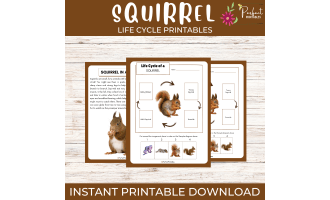
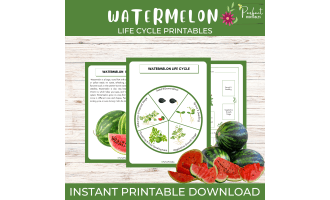
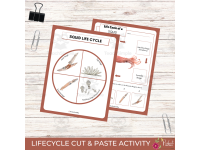
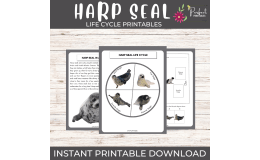
Easy-to-read life cycle diagram of a squid
Cut-and-paste sequencing activity
Fun facts about squids and their ocean habitat
Bonus coloring page to spark creativity
This activities is perfect for:
Ocean and marine biology units
Science centers and animal studies
Homeschool lessons about sea life
Summer or ocean-themed activities
Introduce your students to the wonders of the deep sea with this exciting squid life cycle worksheet — a perfect blend of learning and fun!
Related resources
More resources teachers may find useful
24 related resources were found using this product's title, contributor, categories and tags.

In the classroom
Teaching tips & learning objectives

Learning objectives
Recall key squid traits from informational text
Place squid life stages in chronological order
Interpret a marine-animal cycle diagram

Teaching tips
Preview ocean-animal vocabulary before cutting the stage pieces.
Ask students to describe one visible change between neighboring stages.

Skills covered
Marine science reading
Sequence construction
Animal-stage vocabulary

No reviews yet
Downloaded this resource? Tell other teachers how it went.
Curriculum
Standards, concepts & topics
Standards
 Standards
- RI.1.3
Core concepts
 Core concepts
Squid life cycle
Ocean animals
Development
 Topics
Explore more
Categories this resource belongs to
Explore related searches
More to explore
You may also like