2,823 products added recently
Page 53 - 2nd Grade Worksheets
Provide your second graders with worksheets that promote growth in literacy, numeracy, and critical thinking. These resources align with curriculum standards and offer engaging activities. Incorporate them to strengthen understanding and encourage enthusiasm for learning.
The Easy English Series Book 2: Easy Read and Write
ELA, Language Development, ESL, Preschool, Grade 1, 2, 3, 4, Worksheets & Printables, Worksheets
The Easy English Series Book 2: Easy Read and Write is a 51-page downloadable PDF workbook for elementary students who are beginner English language learners. This teaching resource covers basic vocabulary words and offers clear, concise reading passages and worksheets to support reading comprehension and writing skills development. Teachers can utilize these simple yet engaging materials in whole group, small group, independent work, or homework contexts to provide multiple opportunities for early success in acquiring English proficiency. The passages and activities address foundational literacy skills and are written at a grade 1-4 reading level while remaining accessible for struggling and exceptional learners from kindergarten to grade 4.
Author Ready-Ed Publications
Tags ESL Worksheet, ESD Worksheet, English Workbook, Reading Worksheets, Writing Worksheets
Three Little Pigs Printable Masks - Full-Color and Coloring versions included
Creative Arts, Art, Drama, Preschool, Kindergarten, Grade 1, 2, 3, Coloring Pages, Worksheets, Worksheets & Printables
These fun Three Little Pigs masks are a great way for young children to explore this famous traditional tale and their own creativity! Included are 4 designs in both full-color and coloring versions (pdf format).
Author Little Owls Resources
Tags Story, Printables, Dramatic Play, Masks, Traditional Tales, Three Little Pigs Cut Out, Free Printable Three Little Pigs Cut Out, 3 Little Pigs Printables, Free Three Little Pigs Printables, Printable Three Little Pigs, Three Little Pigs Template, Printout Masks, Three Little Pigs Free Printables, 3 Little Pigs Printable, Pig Mask Templates, Three Little Pigs Printable, Three Little Pigs Coloring, Pigs Printables, Pig Masks Template, Pigs Mask Template
Yogurt Reading Comprehension Passage - Cored Ed Encyclopedia
ELA, Language Development, Reading Comprehension, Reading, Life Sciences, Science, Physics, Social Studies, History, Technology, Grade 2, 3, 4, 5, Worksheets & Printables, Worksheets, Teacher Tools, Centers, Activities, Writing Prompts, Assessments, Quizzes and Tests, Quizzes, Lesson Plans
This yogurt reading comprehension with lesson plan includes: Visualization (on the front cover) Start your lesson by taking a minute to think and share something about the topic. Read the script aloud (slowly), perhaps prepare some music or sound effects. Student close their eyes and let their imaginations wander. Students open their eyes, read the question aloud and give them a few minutes to complete. Ask a few students to share or keep answers until the end to compare with what they learn in the passage. Quick pause—thousands of Cored Education products are included with your TeachSimple membership. Download links and encyclopedia index available here. Pre-Reading Trivia Students will write down one thing they already know about the subject and then read five more facts and discuss. These facts are fun, and the students will enjoy learning about the subject before reading more. Give 1 minute for students to write what they already know (no pressure—best guess is fine). Read the five facts together. After each fact, do ask a student for their opinion, was it surprising? Set a purpose by asking students to highlight/underline one fact they want to learn more about during the reading. Reading Passage The text is a high-interest reading passage with set paragraphs, roughly three to four paragraphs long. It contains a variety of themes about the topic, anywhere from history to technology. The passage is between 250 and 350 words in length. First, ask students to look at the headings and see what they’ll learn about today. What do they know about the topic/heading? First read options: Teacher read-aloud (best for support). Partner reading (paragraph by paragraph). While reading, students underline important details, and vocabulary words they think may come up in the questions section. Mixed Questions The first question page contains four multiple-choice questions, each with a choice of four answers, and three written response questions that require a sentence or two from the student. Students complete the mcqs first independently, then review quickly as a class. For the 3 written responses, try to get students giving the answer with some form of evidence: “I think ___ because the text says ___.” If students get stuck, send them back to check the passage. Vocabulary Questions Practice seven key words from the text in this section across two activities. First section is scrambled words where students will unscramble three words given a clue for each. The second section is a word to meaning matching activity. Before starting, have some students read out words they underlined in the passage. Ask students to say the word and read aloud the sentence(s) around each word. Ask students to do scrambled words and the matching exercise in pairs then go through answers as a class. For the scrambled spelling task, get four pairs to come up to the board and write the words for extra practice with the other student reading out the clue. For the matching task, prompt students to give full sentences: “I matched ___ with ___ because ___.” Creative Writing In this question, the student will be required to write a five to eight sentence paragraph on a question related to the topic. Before starting, ask students write down 3 key ideas they are going to include in their piece. Ask students for ideas to share around the class to help those struggling. Pro writing expectations: 5–8 sentences At least 2 facts or details from the passage At least 2 vocabulary words from the previous page Students read their paragraphs while classmates listen for facts and vocabulary words. Extension Activities This page is optional for fast finishers or to take home. There are several activities, each one requiring a different skill. Do some, do none, do all, completely optional - but you will feel reassured knowing every possibility is planned for. Includes summary writting question. Answer Key There are answers for the multiple-choice questions, written response questions have sample answers, vocabulary answers and if there is a summary question then a sample summary will be provided as well. Lesson Plan Included Customized lesson plan for this lesson is included. Lesson Snapshot Title: Yogurt Genre: Nonfiction (informational text) Subject: Science (food science/microbiology) & Informational Reading Primary Topic: How yogurt forms, bacteria “helpers,” and history Estimated Guided Reading Level (A–Z): R What This Lesson Teaches Best Explains that warm milk can change during travel , becoming thicker and a little sour, and people learned this new food could last longer than fresh milk. Teaches the science of yogurt-making: tiny bacteria eat sugar in milk and make lactic acid , which helps milk proteins clump so yogurt turns thick and creamy. Shows why warmth matters : keeping milk warm for several hours gives the tiny workers time to do their job. Builds a brief history of how yogurt was studied and spread, including a 1905 observation by Stamen Grigorov and later interest from Ilya Metchnikov that helped it become better known in Europe. Connects history to modern life by describing how Isaac Carasso began selling yogurt in Barcelona and how yogurt comes in many styles today, including fruit-mixed cups and thick strained kinds. Learning Goals Students will describe how yogurt may have been discovered when milk changed during a journey. Students will explain how bacteria help milk turn thick and creamy, using details from the passage. Students will identify why keeping milk warm is important for making yogurt, according to the text. Students will describe what the passage says happened in 1905 that helped people understand yogurt better. Students will sequence key events about yogurt over time (long ago, 1905, 1919) using information from the text. Students will describe a simple home method for making yogurt that is stated in the passage. Key Vocabulary From the Text bacteria — tiny helpers you cannot see without a microscope. lactic acid — an acid bacteria make that changes milk. proteins — milk parts that clump together as yogurt thickens. microscope — a tool used to see tiny living things. cultures — live helpers added to start yogurt thickening. FULL CATALOG OF DOWNLOAD LINKS AND ENCYCLOPEDIA INDEX HERE
Author Cored Education
Rating
Tags Vocabulary, Reading Comprehension, Reading Passages, Lesson Plans, Ela Lesson Plans, Reading Comprehension Lesson Plans, Pre-reading, Life Science, Science Lesson Plans, History
Earth Day Number Bonds
Math, Numbers, Preschool, Kindergarten, Grade 1, 2, Worksheets & Printables, Worksheets
Sure, here it is formatted in HTML: ``` Introducing Earth Day Number Bonds - An Invigorating Teaching Resource Earth Day Number Bonds, a resource that marries the learning of numeric fundamentals with the fervor of Earth Day, offers combinations up to 20. This tool instills fluency for mental math, addition and subtraction within 20 by underlining numerous times over number bonds and their corresponding combinations for whole numbers from 1-20. The thematic incorporation of Earth Day makes it unique but its usages aren't limited to the environmental holiday owing to its versatile nature. It finds a comfortable place in a variety of educational settings - public classrooms and homeschooling environments alike. The resource package includes two printable pages in PDF format thereby offering planning ease for educators. Aimed for Early Learners but Useful All Around Suitable from early learners exploring numbers for the first time to those seeking reinforcement or additional exercises in kindergarten through grade 2 classes - this engaging spin on math lessons holds children's interest while honing their numeric comprehension and arithmetic skills. Versatile usage promoting both individual study and group activities Easily understandable content makes it an excellent choice as homework giving learning continuity outside traditional classroom environment Toward Blending Academic Learning with Environmental Consciousness In employing Earth Day Number Bonds teaching resources, educators find an ideal blend of academics with environmental consciousness making learning appealing simultaneously fostering values contributing towards Planet Earth's wellbeing. "Every day presents new ways to learn so seize each chance you get!" Remember – education need not be tough if mixed with elements of fun like those found in these worksheets! ```
Author Cherry Workshop
Tags Earth Day, Number Bonds, Math Practice, Addition And Subtraction, Mental Math
Barber and Hair Stylist Activity Packet and Worksheets
Life Studies, Career, Grade 1, 2, 3, 4, 5, Worksheets, Worksheets & Printables
The Barber and Hair Stylist Activity Packet and Worksheets The Barber and Hair Stylist Activity Packet and Worksheets is a robust, level-specific academic resource meant for educators who are looking for an intriguing element to teach careers in hair care. Designed for students from Grade 1 to Grade 5, this packet offers various worksheets that accommodate different learning levels within a classroom setting. An Introduction to the World of Barbers/Hair Stylists This activity packet aids students in understanding what it takes to be a barber or hair stylist. Starting with an informative worksheet titled 'What is a Barber/Hair Stylist?', the educational journey navigates through poems on barbershop rules, reading response tasks on barber/hair styling situations building comprehension abilities. Nurturing Communication Skills It encourages students not just to formulate but also express their perception of salon visits. Improves language art skills through vocabulary exercises like 'Hair Stylist Words' worksheet and structured narrative writing exercises. The teaching material's versatility allows educators to deploy individual activities or combine them as part of lesson plans, group discussions, small group projects or homework assignments. A Fusion of Learning & Fun Apart from enriching text-based activities, there are fun elements incorporated into each task - coloring pages appealing visually besides enlightening word searches about hairstyles. For children inclined towards problem-solving tasks such as mazes – ‘The Big Hair Maze’ ensures amusement paired with cognitive stimulation alike! Inclusion of Real Life Scenarios To summarize, this all-inclusive resource in a PDF file provides students with an engaging peek into life as a barber or hairstylist. Extremely effortless to download and print — without any preparation time on your part — makes this product an efficient addition to your teaching toolbox.
Author KP Classroom
Tags Barber, Hair Stylist, Career Exploration, Communication Skills, Activities
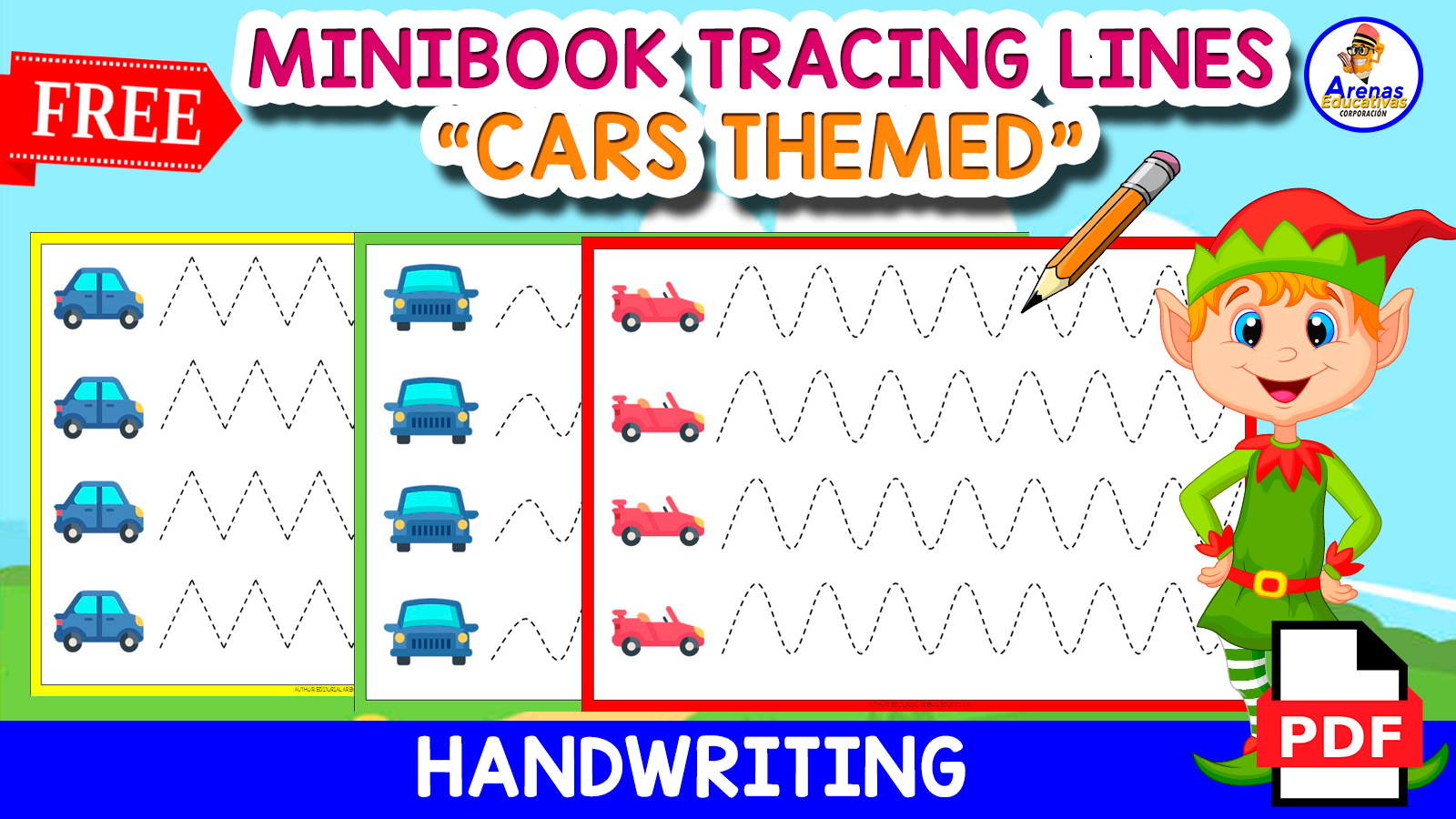
10 TRACING WORKSHEETS WITH ANIMAL THEMED | Free Resource
ELA, Writing, Handwriting, Kindergarten, Preschool, Grade 1, 2, Worksheets & Printables, Worksheets
WELCOME TO ARENAS EDUCATIVAS STORE! We are producing a lot of resources for elementary school. A. BENEFITS OF STROKE EXERCISES FOR CHILDREN: When children practice stroke worksheets , they will acquire multiple benefits such as: - Graphomotor skills help children stimulate their creativity. - Stroke exercises help children learn to recognize shapes and patterns. - The cards or books of strokes will help improve visual perception. - The strokes help encourage patience and persistence. B. INFORMATION ABOUT THIS PRODUCT: Please read this information about this product: 1. Product name: "Tracing lines - Animals" 2. Page number: This educational document contains 10 pages, in full color and in A4 format. 3. Is it editable or not? This educational resource is not editable. It is ready to be printed 4. Theme: The topic of this resource is graphomotor skills. 5. Document version: The version in which this document is found is in PDF. 6. Color or white/black: This pedagogical resource is available in colors. 7. Aimed at children of ages: This resource is aimed at children from 3 to 5 years old who are learning to make their first strokes, and who from that age must carry out their first graphomotor stimulations. 8. Area: This document can be used in the area of learning literacy or graphics for children. C. WHAT TYPES OF RESOURCES DO WE PRODUCE HERE? Here you will find recent resources such as: - Dinosaur puzzle - Animal puzzles - Cards to trace the ABC - Chips to trace the numbers - Brain and logical thinking worksheets or exercises for children. D. REMEMBER PLEASE WE ALSO HAVE ANOTHER VARIETY OF FREE RESOURCES AVAILABLE IN OUR STORE: Yes, just as you heard, we have other resources available that we know will be very useful for you and your students in your primary education class,
Author EDITORIAL LAURA EDUCA
Tags Tracing Lines, Tracing Worksheets, Tracing Exercises, Tracing Worksheets For Kids, Free Resources
Growth Mindset Posters Easy SEL Coloring Pages Activities Motivational
Special Resources, Social Emotional Learning (SEL), Community Building, Resources for Teachers, Classroom Management, Homeschool Templates, Grade 1, 2, 3, 4, 5, 6, Bulletin Boards, Classroom Decor, Posters, Coloring Pages, Worksheets, Worksheets & Printables
Looking for a low-prep, high-impact way to build your students' confidence and social-emotional skills? These Growth Mindset Posters are just what you need! This set of 25 motivational quote posters doubles as a meaningful SEL coloring activity and eye-catching classroom décor. Each poster features an inspiring growth mindset phrase with fun, kid-friendly doodles and creatively styled letters—perfect for helping students internalize positive messages while enjoying a calm and mindful coloring experience. Whether you're looking for early finisher tasks, morning work, brain breaks, or simple ways to incorporate social-emotional learning , these printable pages are versatile and ready to use! Ideal for grades 1–6, counseling sessions, or even mindfulness corners. What’s Included: ✅ 25 unique black-and-white coloring posters (PDF format) ✅ Each design includes a motivational quote ✅ Whimsical doodle style with kid-appealing artwork ✅ Perfect for classroom display or bulletin boards Ways to Use: ✨ SEL lessons & growth mindset discussions ✨ Mindfulness coloring for morning meetings or quiet time ✨ Counselor toolkits or therapy rooms ✨ Bulletin boards, classroom door décor, or hall displays ✨ Student goal-setting and reflection activities Why Teachers Love It: ⭐ Ready to print — no prep required ⭐ Supports emotional regulation and confidence ⭐ A creative way to reinforce positive thinking ⭐ Adds a personal student touch to your classroom walls Encourage a culture of positivity, perseverance, and self-belief — one poster at a time!
Author Teach2Tell
Rating
Tags SEL Coloring, Motivational Art, Mindfulness Art, Positive Posters, Motivational Bulletin Board , Growth Mindset Activities, Growth Mindset Posters, Mental Health Classroom, Easy Coloring Pages, Classroom Decor
Borreguita and the Coyote Reader Response Activities
ELA, Reading, Reading Comprehension, Literature, Grade 2, 3, 4, Teacher Tools, Graphic Organizers, Worksheets & Printables, Novel Studies, Activities, Worksheets
This picture book companion is the perfect resource to accompany the book Borreguita and the Coyote by Verna Aardema. It includes 35 print-and-go reading activities to choose from, making this resource ideal for customizing learning to your student's specific needs and academic abilities. Students will investigate characters, identify story elements, determine the theme, practice plotting story events, compare & contrast, make predictions, inferences, & connections, answer questions that require them to think beyond the text, and much more! Students will love the engaging and fun activities, and you will appreciate the time saved hunting for high-level resources to teach reading concepts that students frequently struggle with. The activities provided are designed to enable students to apply higher-level thinking skills, encourage them to provide text evidence to support their thinking, and challenge them to express their own thoughts and/or perspectives. ⭐️This Resource Includes:⭐️ ◾ Elements of a Trickster Tale Anchor Chart or Notes Handout: Color and B&W ◾ Making Predictions: Before reading the book, students will make predictions about the text. ◾ Elements of a Trickster Tale: Students fill in the chart with the details of the story that characterize it as a trickster tale. ◾ Trickster Tale Tidbits: Students will answer the questions with details from the story that proves it's a trickster tale. ◾ Story Elements: Students fill in the boxes with words & pictures to represent the story elements. ◾ Sequencing: Students will retell & illustrate the important parts of the story. ◾ Retell the Story: Students retell the beginning, middle, and end of story with text and illustrations. ◾ Recalling events in Chronological Order: Students describe and illustrate four major events in the story in chronological order. ◾ Summary: Students complete the Somebody, Wanted, Because, But, So graphic organizer and write a summary of the story. ◾ Story Event Sort: Students will describe a scene or event from the story that fits into each of the categories & explain how the event made them feel & how it relates to the category. ◾ Making Inferences: Students use clues & schema to make inferences while reading the story. ◾ Making Connections: Students make connections to an event from the story. ◾ Cause & Effect (simplified cut-and-paste): Students are given either the cause or effect and will cut & match up cause & effect cards, then paste them in the correct boxes (ANSWER KEY included). ◾ Cause & Effect (cut-and-paste): Students cut & match up cause & effect cards, then paste them in the correct boxes (ANSWER KEY included). ◾ Cause & Effect: Students fill in the causes and effects (ANSWER KEY included). ◾ Author's Message: Students describe four important events from the story in chronological order and answer the questions about the author's message. ◾ Character Inside & Out (Borreguita): Students include details from the story to describe what the character says, thinks, does, and feels. ◾ Character Inside & Out (Coyote): Students include details from the story to describe what the character says, thinks, does, and feels. ◾ Character Feelings (Borreguita): Students describe how the character's feelings change throughout the story & give examples of the events that cause them to feel the way they do. ◾ Character Feelings (Coyote): Students describe how the character's feelings change throughout the story & give examples of the events that cause them to feel the way they do. ◾ Character Development (Borreguita): Students select the character traits that best describe the character at different times throughout the story and provide examples from the book to support each character trait. ◾ Character Development (Coyote): Students select the character traits that best describe the character at different times throughout the story and provide examples from the book to support each character trait. ◾ Character Change (Borreguita): Students will explain how the character changed from the beginning to the end of the story and describe the events that caused the change to happen. ◾ Character Change (Coyote): Students will explain how the character changed from the beginning to the end of the story and describe the events that caused the change to happen. ◾ Character Acrostic Poem (Borreguita): Students will write an acrostic poem to describe the character. ◾ Character Acrostic Poem (Coyote): Students will write an acrostic poem to describe the character. ◾ Sketch a Scene From the Story: Students draw a scene from the story & explain why it's important to the plot. ◾ Setting Influences the Plot: Students will draw a scene from the story that takes place in one of the settings and write about what happened there and why it was important to the plot. ◾ Setting the Scene: Students identify three different settings in the story and explain how they know that the setting changed. ◾ Theme: Students answer the questions to determine which theme best fits the story and provide text evidence to support their choice. ◾ Thinking About the Text: Students will answer the questions about the story & include examples from the text to support their answers. ◾ 3-2-1: Students will list three tricks that Borreguita played on Coyote, 2 lessons that can be learned from the story, and one word that describes Borreguita. ◾ Word Search Puzzle: Students identify the words for the definitions below. Then, find the words hidden in the puzzle (ANSWER KEY INCLUDED). ◾ Wait... There's More!: Students will write about what happens next in the story. ◾ Book Review: Students color in the stars to rate how much they enjoyed the book and draw a new cover & their favorite character from the story. Then, they will explain why other kids should or should not read it. 💡Need ideas for different ways you can implement these activities? ◾ Focus on different reading skills each day for targeted instruction, and have students complete a corresponding printable to check for understanding. ◾ During centers, students can independently read the story again and complete an activity that reviews a previously taught concept. ◾ Work with students on a reading concept they struggle with during guided reading or strategy groups. ◾ Students work with a partner or in literature circles to complete additional reading activities. The book is not included in this resource. ⭐️You may also like: ⭐ TEXT SET #1: "The Importance of Friendship" ◾ A Weekend With Wendell Read Aloud Book Companion Activities for IRA ◾ First Come the Zebra Read Aloud Book Companion Activities for IRA ◾ This is Our House Read Aloud Book Companion Activities for IRA ◾ Horace and Morris But Mostly Dolores Read Aloud Book Companion Activities for IRA ◾ The Old Woman Who Named Things Read Aloud Book Companion Activities for IRA TEXT SET #3: "Finding Your Way in a New Place" ◾ Grandfather Counts Read Aloud Book Companion Activities for IRA ◾ The Have a Good Day Cafe, Read Aloud Book Companion Activities for IRA ◾ Roses for Gita Read Aloud Book Companion Activities for IRA ◾ Mango, Abuela, and Me, Read Aloud Book Companion Activities for IRA ◾ Home at Last Read Aloud Book Companion Activities for IRA TEXT SET #7: "Exploring Narrative Nonfiction" ◾ Cactus Hotel Read Aloud Book Companion Activities for IRA ◾ A Log's Life Read Aloud Book Companion Activities for IRA ◾ Salmon Stream Read Aloud Book Companion Activities for IRA ◾ Think of an Eel Read Aloud Book Companion Activities for IRA ✨Be sure to check out my storefront here: https://teachsimple.com/contributor/creatively-gifted
Author Creatively Gifted
Tags IRA, Picture Book Activities, Read Aloud Lessons, Interactive Read Aloud Activities, Elementary Reading, Reading Comprehension, Fountas And Pinnell IRA, Second Grade, Trickster Tales, Borreguita And The Coyote
Printable Europe Map
Social Studies, Geography, Grade 2, 3, 4, 5, Worksheets & Printables, Worksheets
Students can use textbooks, the internet, maps, and library books to perform research to complete the pages about Europe. Includes: ✅waters around Europe ✅bodies of water in Europe ✅the Alps ✅map of countries in Europe unlabeled ✅labeling 49 countries of Europe ✅facts about Europe ✅agua alrededor de Europa (Spanish version) ✅cuerpos de agua en Europa (Spanish version) ✅los Alpes (Spanish version) ✅paises en Europa (Spanish version) ✅etiqueteando paises en Europa (Spanish version) ✅hechos sobre Europa (Spanish version) This set will provide students the opportunity to become savvy researchers to complete each page and it will require the use of a map to find the countries as well as known bodies of water. This resource will encompass the continent of Europe. Part of "Around the 7 continents BUNDLE". Happy researching! ---------------------------------------------------------------------------------------------------
Author Soumara Siddiqui
Tags Europe Map, Ukraine, Social Studies, Countries In Europe, Europe, Maps Of Europe Printable, Unlabeled Europe Map, Europe Map Unlabeled, Printable Europe Map, Map Of Europe Simple, Unlabeled Map Of Europe, Free Printable Europe Map, Printable Europe Map With Countries, Printable European Map, Basic Map Of Europe, Europe Printable Map, Europe Unlabeled Map, Unlabeled Map Europe, Printable Map Of Europe And Asia, Printable Map Europe, Printable Map Of Antarctica, Europe Map Study
2nd Grade Reading Packet: How Money Works
Social Studies, Economics, Grade 2, Worksheets & Printables, Worksheets
Help second grade students understand the basics of economics and money management with this informative reading packet titled "How Money Works." Students will read an engaging passage explaining key economic concepts like goods, services, income, and saving. Then, they will demonstrate comprehension through multiple choice questions, vocabulary exercises, and graphic organizers. This packet works well for whole group instruction, small group work, or independent practice in both social studies and ELA classes. With clear explanations, practical examples, and assessments, this packet gives teachers an easy way to teach financial literacy while improving students' nonfiction reading skills. Answer keys are included for teacher convenience.
Author Sarah Miller Tech
Tags Reading Packet, Economics, Trading, Money, Comprehension, Money 2nd Grade, 2nd Grade Work Packets, Second Grade Work Packets
Pianos Reading Comprehension Passage - Cored Ed Encyclopedia
ELA, Language Development, Resources for Teachers, Reading Comprehension, Reading, Pre-Reading, Writing, Strategies, Music, Creative Arts, Grade 2, 3, 4, 5, Worksheets & Printables, Worksheets, Teacher Tools, Centers, Activities, Writing Prompts, Assessments, Tests, Quizzes and Tests, Quizzes
This pianos reading comprehension contains the following: Visualize on the Cover (Teacher Read Aloud Script) Start your lesson by taking a few moments to visualize the topic and share thoughts or feelings about it. Pre-Reading Trivia Students will write down one thing they already know about the subject and then read five more facts and discuss. These facts are fun, and the students will enjoy learning about the subject before reading more. Reading Passage The text is a high-interest reading passage with set paragraphs, roughly three to four paragraphs long. It contains a variety of themes about the topic, anywhere from history to technology. The passage is between 250 and 350 words in length. Mixed Questions The first question page contains four multiple-choice questions, each with a choice of four answers, and three written response questions that require a sentence or two from the student. Vocabulary Questions Practice seven key words from the text in this section across two activities. First section is scrambled words where students will unscramble three words given a clue for each. The second section is a word to meaning matching activity. Creative Writing In this question, the student will be required to write a five to eight sentence paragraph on a question related to the topic. Extension Activities This page is optional for fast finishers or to take home. There are several activities, each one requiring a different skill. Do some, do none, do all, completely optional - but you will feel reassured knowing every possibility is planned for. Includes summary writting question. Answer Key There are answers for the multiple-choice questions, written response questions have sample answers, vocabulary answers and if there is a summary question then a sample summary will be provided as well. FULL CATALOG OF DOWNLOAD LINKS AND ENCYCLOPEDIA INDEX HERE Lesson Snapshot Title: Pianos Genre: Nonfiction (informational text) Subject: Music (Performing Arts) / Reading Informational Text Primary Topic: How the piano was invented and improved Estimated Guided Reading Level (A–Z): S What This Lesson Teaches Best How the piano idea began around 1700 in Florence, Italy , with Bartolomeo Cristofori trying to make music “gentle or bold” depending on touch. How the piano’s key action works: a mechanism sends a leather-covered hammer to strike strings, then pulls back so the string keeps vibrating . How dampers stop strings from ringing—and lifting them lets tones ring longer. How information spread the invention: Scipione Maffei published an article with a diagram , leading builders like Gottfried Silbermann to make pianos based on Cristofori’s design. How the piano grew for bigger spaces: sturdier builds and a wider range from about four octaves to 88 keys , changing where music could be played (homes, schools, apartments, stages). Learning Goals Students will explain why Cristofori began tinkering with a new keyboard instrument around 1700. Students will describe how a key triggers the hammer-and-string action using details from the passage. Students will explain how a player’s touch can make the sound softer or louder according to the text. Students will identify how Maffei helped the piano idea travel and name one builder mentioned who made pianos afterward. Students will describe how the piano’s keyboard range changed over time and state the number of keys many pianos have today. Key Vocabulary From the Text harpsichords — older keyboards that stayed mostly one volume. inventory — a recorded list that showed a piano existed. mechanism — moving parts that make the piano action work. dampers — parts that stop strings from ringing. octaves — groups of notes used to describe keyboard range. Cored Ed Encyclopedia Overview The Cored Ed Encyclopedia is a weekly series of lessons that you can pick up and use right away. These short readings fit into whatever time you have available. Each one includes a warm-up, a reading, and a set of questions, but it’s flexible — you can do just the reading, the full lesson, or skip the writing section if you need to. Each lesson focuses on a single topic so students don’t get lost. The writing is clear but never childish, making it perfect for grades two through five. Topics range from animals and science to history, inventions, and everyday things. No matter the level of the student, everyone should take away at least one new idea or fact from each lesson. The materials are easy to print, easy to explain, and require no setup. They work well for whole-class teaching, partner work, or independent study.
Author Cored Education
Rating
Tags Vocabulary, Spelling, Reading Comprehension, Reading Passages, Reading, Creative Writing, Reading Strategies, Writing Prompts, Music, Pianos
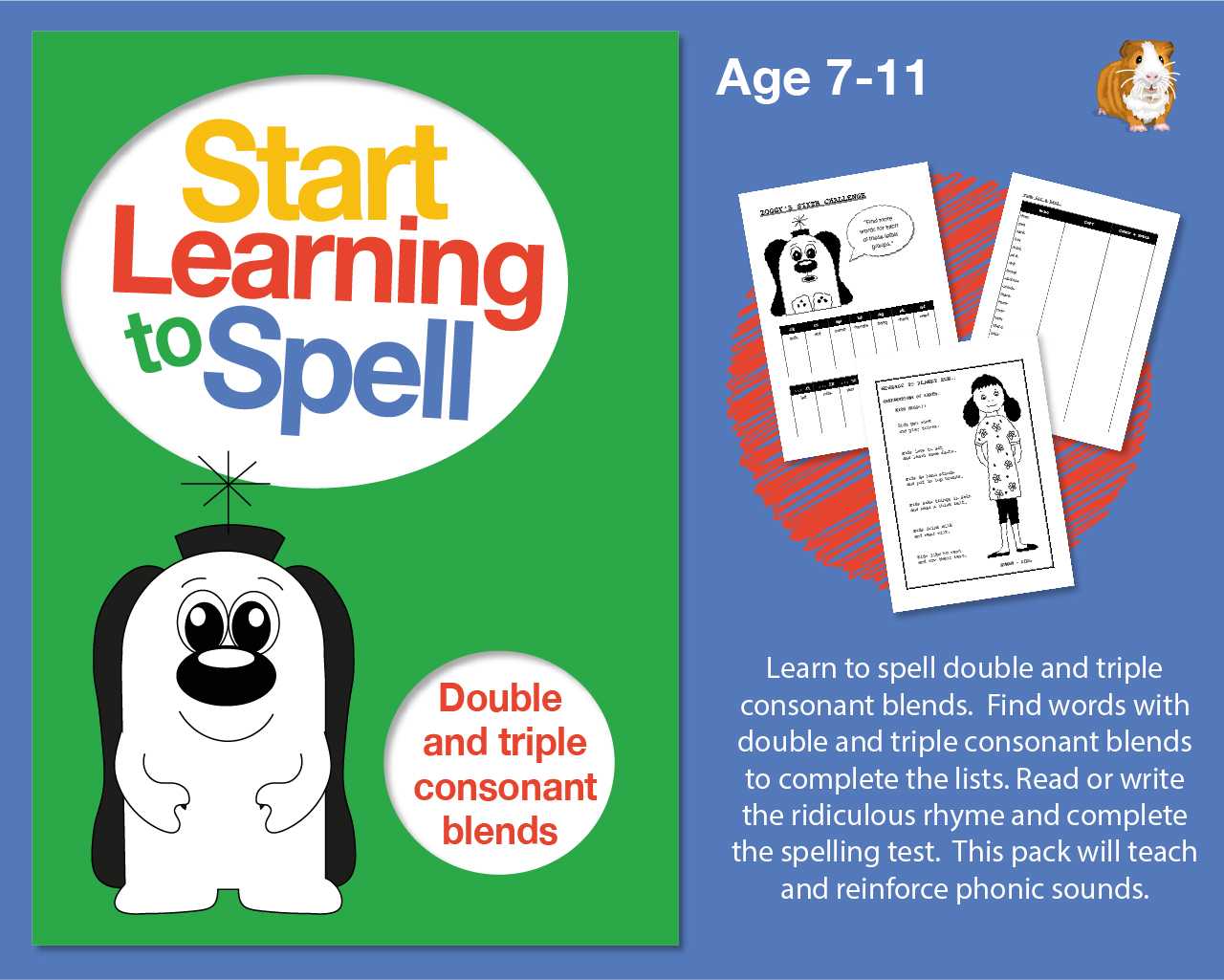
Learn Spelling Rules: 'i' Before 'e'... And Silent Letters (7-11 years)
ELA, Language Development, Spelling, Grade 2, 3, 4, 5, Worksheets & Printables, Worksheets
Learn Spelling Rules: 'i' Before 'e'... And Silent Letters (7-11 years) A valuable tool for educators, this resource offers strategic academic solutions while ensuring an engaging learning environment. The focus is on strengthening student's spelling skills utilizing well-structured worksheets . Main Focus: 'i' before 'e', except after 'c', when sounding like ‘ee’ Understanding silent letters (eg: knees) This is accomplished through straightforward and clear-cut explanations combined with practical examples and exceptions. Crafted for students between the ages of 7 to 11 (Grade 2 to Grade 5), it proves effective in multiple educational settings. From public schools to home-school environments, our friendly alien guide - Zoggy, ensures each child's learning process remains interactive. Making Learning Engaging: Rather than abstractly stating rules, the challenges embedded within these sheets are born out of specific word instances. For example: Dropping 'e' from words such as take, resulting in a different word like taking Versatile Application: The applicability ranges from one-on-one tutoring sessions to group classes - allowing for teaching method diversity based on student needs and preferences. Empowering parents during home studies through homework assignments illustrated by Zoggy gives them active roles. A Tool Towards Mastery: Learn Spelling Rules,, aims at establishing strong foundations early in a learner’s journey – rectifying common spelling errors while preventing bad habits. An immensely valuable leap towards language arts proficiency through an easily accessible PDF file format.
Author Guinea Pig Education
Tags Spelling Rules, Silent Letters, English Language, Interactive Learning, Educational Resource
Odd One Out Music Worksheets
Creative Arts, Art, Music, Grade 1, 2, 3, 4, Worksheets & Printables, Worksheets
This resource is a set of Odd One Out printables /worksheets/worksheets-by-subject/music-worksheets">Music Worksheets . On each worksheet, students will: - Name the 3 instruments - Decide which 1 is the odd one out - Write about why it is the odd one out There are 4 different worksheets. Answer key included.
Author Hbmusicsolutions's Shop
Tags Music Worksheet, Music Lesson, Music Activity, Instruments, Musical
CVC Short I Vowel Sound Activity Packet and Worksheets
ELA, Language Development, Phonics, Preschool, Grade 1, 2, Worksheets, Worksheets & Printables
CVC Short I Vowel Sound Activity Packet and Worksheets This phonics resource focuses on CVC words with short i vowel sounds. It includes a variety of printable activities to help students in Kindergarten through 2nd grade improve their phonics, spelling, reading, writing, and grammar skills. The packet incorporates differentiated activities so students at various levels can practice CVC words. Teachers can use these engaging resources for whole group, small group, partner, or independent work. The no prep printables allow flexibility to reinforce short i CVC words in multiple ways. Games, worksheets, sorts, and more target phonics skills through repeated practice to help young learners master short i vowel sounds.
Author KP Classroom
Tags Words, Vowels, Grammar, Spelling, Writing
Guided Reading Level H - The Story of the Wheel
ELA, Resources for Teachers, Reading Comprehension, Reading, Language Development, Vocabulary, Engineering, Technology, Science, Physics, Kindergarten, Grade 1, 2, Worksheets & Printables, Worksheets, Teacher Tools, Centers, Activities, Literacy Readers, Quizzes, Quizzes and Tests, Assessments
This Guided Reading Book - The Story of the Wheel (Level H) includes: Guided Reading Color Label (front cover x1) This is a quick way to match the book’s demands to what students can generally handle.. The overall goal is to use the level/color to pick books for several smaller groups. To qualify for a certain level, a student is expected to read a book from that level with about 90–94% accuracy. If a student is consistently accurate and understands, move up a level. If the student is struggling at that level, drop down and add more support. Each student will improve at completely different rates, but it is generally one of the best ways to check progress across the class. DOWNLOAD THE CATALOG TO VIEW ALL GUIDED READING BOOKS AVAILABLE (SORTED LEVELS A-Z) Pre-Reading Question (x1) Teacher asks the prompt aloud, can be while showing the cover or first page. Students share what they already know, or make educated guesses from the cover. Prompt them to use the target vocabulary. Write some of their responses on the board to look back at during the reading. Vocabulary Words (x5) Introduce the five words, best doing it one at a time. Start by saying it, while students repeat and then see if anyone knows what it means before reading further. Read through the meaning and try to briefly connect each word to a picture or gesture so it’s meaningful. Ask students to flip through the book pages and point to where they see each of the vocabulary words. While reading the book pause upon coming across one of the vocab words or read the sentence twice to make sure students understand the word has appeared. Optional: Ask students to raise hands whenever they see/hear one of the new words. Guided Reading Pages (x10) Check the book snapshot (below) for: primary topic - do you need to prep extra reading or intro materials on this? what is taught best - decide on 1-2 bullets to focus on, use the prompt or words provided here for best results. learning goals - what you are checking for students to be able to do after the session, elicit answers using prompts or words provided. key vocabulary (see section above). questions overview - so you know what is coming up and if you need to prep extra materials to assist understanding. Run the lesson You may have already looked at a few of the pages together, but you can show them some of the pictures again first to set meaning. Depending on how much time you have and how familiar your students are with guided reading class, you may want to read the book aloud first with the group first. Students whisper or partner read, while you listen in. If time, do it as a group, one student reading a page each. Use the guided page’s prompts to coach: “Check the picture / does it make sense?” “Point under the words / try the first sound” “Reread the sentence smoothly”. Try to focus more on one student per session (rotating every time), so you can work out if they are ready to move up or need to move down a level. Comprehension Questions (back cover x3) This is your way to check that students didn’t just say the words, but actually understood the text. First, let students answer by pointing to the page/picture and saying a short sentence. After any answer, follow with: “Show me where you found that in the text.” In bigger groups, have partners answer first (10–20 seconds), then call on 2–3 students to share. Differentiation tips: Emerging speakers/struggling readers: oral + pointing On-level: oral in a full sentence Higher: one written sentence or draw + label Book Snapshot Title: The Story of the Wheel Genre: Nonfiction (informational) Subject: Science (Engineering / Simple Machines) Primary Topic: How wheels changed over time and how they work Estimated Guided Reading Level (A–Z): H What This Book Teaches Best What wheels are and what they help people do: move heavy things with less effort. How wheels changed over time (from heavy stone/wood wheels to spoked wheels to modern rubber tires). Why different wheels are designed differently for different jobs (tractor treads for mud; thin bicycle wheels for speed; small wheels for gliding). That not all wheels are for travel—gears are wheels with teeth that help machines move. Learning Goals Students will explain what wheels are used for using a detail from the text. Students will describe how the first wheels were made long ago, according to the book. Students will explain why spoked wheels helped carts move faster using the book’s comparison. Students will describe how treads help tractor wheels move through thick, wet mud. Students will identify one way gears are different from travel wheels and tell what gears do in machines. Key Vocabulary From the Text spokes — thin parts connecting the center to the outside. oxen — strong animals that pull heavy loads. rubber — stretchy material used to make tires. treads — deep grooves that help a tire grip ground. gears — wheels with teeth that help machines move. Discussion Prompts Pre-reading question: How do you think wheels help people move things more easily? Comprehension questions: What does the book say wheels are used for? What were the very first wheels made from long ago? What are gears, and what do they help machines do? Printing Tips 1. Best Printing Method (Recommended) “Booklet” Printing (Best if Available) If your printer or PDF viewer supports Booklet Printing , use this. Settings to use: Print mode: Booklet Paper size: Letter or A4 (either works) Orientation: Landscape Print on both sides: Yes Flip on: Short edge Scaling: Fit to printable area Booklet subset: First test: Front sides only Then: Back sides only This will automatically: Pair pages correctly Put the cover on the outside Align everything for folding After printing, fold in half and staple along the spine . 2. If “Booklet” Printing Is NOT Available You can still print this correctly with manual duplex printing . Step-by-step: Open the PDF. Choose Print . Set: Orientation: Landscape Pages per sheet: 1 Print on both sides: Yes Flip on: Short edge Print all pages . Because each PDF page already contains two facing book pages, the result will still fold cleanly into a book. Thousands of Cored Education products are included with your TeachSimple membership. Download links and encyclopedia index available here.
Author Cored Education
Rating
Tags Vocabulary, Reading Comprehension, Reading Passages, Leveled Reading, Nonfiction, Reading, Guided Reading, Physics, Engineering, Technology
Plan And Write A Prince Or Princess Story (6-9 years)
ELA, Writing, Creative Writing, Grade 1, 2, 3, Worksheets & Printables, Worksheets
The series provides starting points to get young children, of 6-9 years, writing their own imaginative stories. Traditional tales like 'The Three Billy Goats Gruff' are used as examples to look at the characters, the setting and the plot and to show how to structure a story with a beginning, a middle and an end. Children will learn how to brainstorm their ideas, how to put them in a plan and then set out their story. Each pack provides writing challenges, asking the child to continue writing the story, developing their own ideas and to cut up stories to put in order. Charming silhouette pictures illustrate each work pack.
Author Guinea Pig Education
Tags Story Writing, Fairy Tales, Creative Descriptive Writing, Writing Prompts
30 FUNNY TRACING LINES | 10 Worksheets
ELA, Special Resources, Writing, Handwriting, Speech Therapy, Kindergarten, Preschool, Grade 1, 2, Worksheets & Printables, Worksheets
30 SUPER STROKE EXERCISES FOR KIDS - Page number: 10 pages 3 EXERCISES PER PAGE. YOU JUST HAVE TO PRINT THIS AND GIVE IT TO YOUR CHILDREN AND START TRACING I TELL YOU THAT WE ALSO HAVE OTHER COMPLETELY FREE RESOURCES AVAILABLE THAT MAY INTEREST YOU: Just read the title of each product carefully and click on the link on the side and download the resource totally free. NUMBERS CLIPCARDS: https://teachsimple.com/product/20-numbers-clipcards-animal-theme DINOSAUR TRACING: https://teachsimple.com/product/alphabet-tracing-minibook-dinosaur-theme VEHICLES TRACING: https://teachsimple.com/product/10-funny-worksheets-tracing-lines TRACING SHAPES: https://teachsimple.com/product/10-tracing-worksheets-the-shapes TRACING NUMBERS: https://teachsimple.com/product/10-tracing-numbers-worksheets-numbers-1-to-10 50 ANIMAL PUZZLES: https://teachsimple.com/product/50-awesomes-puzzles-animals-theme DINOSAUR PUZZLES: https://teachsimple.com/product/20-funny-puzzles-dinosaur-theme TRACING LINES: https://teachsimple.com/product/10-tracing-worksheets-minibook COPY THE MODEL: https://teachsimple.com/product/copy-the-model-5-worksheets SEQUENCING NUMBERS: https://teachsimple.com/product/sequencing-numbers-worksheets-1-to-100-dinosaur-theme NUMBERS SOUP 1-100: https://teachsimple.com/product/10-numbers-soups-numbers-1-to-100 ADDITION MATCHING: https://teachsimple.com/product/10-addition-matching-worksheets-addition-1-to-100 ADDITION AND SUBTRACTION: https://teachsimple.com/product/5-worksheets-2-digit-additions-and-subtraction 1. Brief introduction: Strokes are a fundamental part of children's development because they help in multiple aspects, such as: - Helps hand-eye coordination - Helps with good pencil grip - Stimulates creativity and imagination 2. Title of the pedagogical resource: 30 line drawing exercises for children 3. Topic to work on: Graphomotor skills 4. Area of knowledge where it should be applied: Graphomotor skills and early stimulation 5. Number of pages contained: It contains 10 pages, on each page you will find 3 exercises, so in total you will have 30 line drawing exercises. 6. Is it available in color or white/black? Available in color. 7. What version is it available in? Available in PDF, A4 size. SECONDARY INFORMATION: 8. Editable/Not Editable: It is not editable because it is a product to print directly. 9. Age at which it can be applied: Apply it to children ages 4 to 6 who are learning to draw and then move on to writing. 10. Tags or keywords that describe the content: strokes, tracing exercises, drawing lines, tracing resources, tracing sheets. 11. Ways to print: Print this as is, in A4 format. 12. Forms of application in class: Apply preferably individually or in pairs. 13. Will you need extra elements to use this sheet? Yes, you will need a pencil or colored pencils or markers to make your lines. IMPORTANT TO REMEMBER: This file is for personal use only. It is not allowed to be resold or shared with others.
Author EDITORIAL LAURA EDUCA
Tags Tracing Lines, Tracing Pages, Tracing Worksheets
My Words Personal Student Dictionary - with Word Lists
ELA, Language Development, Phonics, Spelling, Vocabulary, Preschool, Grade 1, 2, 3, Worksheets & Printables, Worksheets
This Printable Editable Personal Dictionary for Students is designed to help students enhance their vocabulary, improve their writing skills and develop independence with spelling. Packed with lists of frequently used words, homophones, and commonly confused words, this dictionary is a valuable resource for any student. Print in booklet format for a very useful ongoing resource for students. Or print as single sheets for word study activities. To print the cover in heavier cardboard select pages 1, 2, 67, 68 and print separately, then print pages 3 - 66 as usual. Easily editable with any PDF editor to add or remove words, making it fully customizable to your needs. Contents Front cover Contents with explanation of homophones and commonly confused words Inside cover 50 double spread alphabet pages with lists of frequently used words on one side and lined page on the other side for student recording of words they are learning to spell. 12 theme pages: days of the week, months of the year, time, mass, volume, length, temperature, weather, shapes, colours and animals 2 pages for extra notes Back cover Features Printable and Editable: Easily customize your learning experience by printing and editing this student dictionary word study book. Alphabetical Word Lists: Find words effortlessly with organized lists for each letter of the alphabet, aiding quick reference and study. Homophones and Confused Words: Sharpen your language skills with dedicated sections for homophones and commonly confused words, promoting clarity in usage. Write Your Own: Take ownership of your vocabulary by recording personal words in designated spaces, fostering a personalized learning journey. Theme Word Lists: Explore diverse topics with theme-based word lists, expanding your vocabulary in various areas of interest. Student-Friendly Format: Enjoy a straightforward design that prioritizes usability, making it a perfect companion for students of all levels. Word Study Focus: Immerse yourself in meaningful word study sessions with a practical layout that encourages active engagement. Portable Learning: Conveniently carry your word study book anywhere as you print only the pages you need, facilitating learning on the go. Affordable and Accessible: Access quality word study resources without breaking the bank, making education both effective and budget-friendly.
Author Clever Speller
Tags Student Dictionary, Personal Dictionary, Word Study Book, Phonics Resource, Vocabulary Builder, Printable Word Study Book
Radar Reading Comprehension Passage - Cored Ed Encyclopedia
ELA, Language Development, Reading Comprehension, Reading, Pre-Reading, Writing, History, Social Studies, Technology, Science, Grade 2, 3, 4, 5, Worksheets & Printables, Worksheets, Teacher Tools, Centers, Activities, Writing Prompts, Assessments, Quizzes and Tests, Quizzes, Lesson Plans
This radar reading comprehension includes: Visualization (on the front cover) Start your lesson by taking a minute to think and share something about the topic. Read the script aloud (slowly), perhaps prepare some music or sound effects. Student close their eyes and let their imaginations wander. Students open their eyes, read the question aloud and give them a few minutes to complete. Ask a few students to share or keep answers until the end to compare with what they learn in the passage. Quick pause—thousands of Cored Education products are included with your TeachSimple membership. Download links and encyclopedia index available here. Pre-Reading Trivia Students will write down one thing they already know about the subject and then read five more facts and discuss. These facts are fun, and the students will enjoy learning about the subject before reading more. Give 1 minute for students to write what they already know (no pressure—best guess is fine). Read the five facts together. After each fact, do ask a student for their opinion, was it surprising? Set a purpose by asking students to highlight/underline one fact they want to learn more about during the reading. Reading Passage The text is a high-interest reading passage with set paragraphs, roughly three to four paragraphs long. It contains a variety of themes about the topic, anywhere from history to technology. The passage is between 250 and 350 words in length. First, ask students to look at the headings and see what they’ll learn about today. What do they know about the topic/heading? First read options: Teacher read-aloud (best for support). Partner reading (paragraph by paragraph). While reading, students underline important details, and vocabulary words they think may come up in the questions section. Mixed Questions The first question page contains four multiple-choice questions, each with a choice of four answers, and three written response questions that require a sentence or two from the student. Students complete the mcqs first independently, then review quickly as a class. For the 3 written responses, try to get students giving the answer with some form of evidence: “I think ___ because the text says ___.” If students get stuck, send them back to check the passage. Vocabulary Questions Practice seven key words from the text in this section across two activities. First section is scrambled words where students will unscramble three words given a clue for each. The second section is a word to meaning matching activity. Before starting, have some students read out words they underlined in the passage. Ask students to say the word and read aloud the sentence(s) around each word. Ask students to do scrambled words and the matching exercise in pairs then go through answers as a class. For the scrambled spelling task, get four pairs to come up to the board and write the words for extra practice with the other student reading out the clue. For the matching task, prompt students to give full sentences: “I matched ___ with ___ because ___.” Creative Writing In this question, the student will be required to write a five to eight sentence paragraph on a question related to the topic. Before starting, ask students write down 3 key ideas they are going to include in their piece. Ask students for ideas to share around the class to help those struggling. Pro writing expectations: 5–8 sentences At least 2 facts or details from the passage At least 2 vocabulary words from the previous page Students read their paragraphs while classmates listen for facts and vocabulary words. Extension Activities This page is optional for fast finishers or to take home. There are several activities, each one requiring a different skill. Do some, do none, do all, completely optional - but you will feel reassured knowing every possibility is planned for. Includes summary writting question. Answer Key There are answers for the multiple-choice questions, written response questions have sample answers, vocabulary answers and if there is a summary question then a sample summary will be provided as well. Lesson Plan Included Customized lesson plan for this lesson is included. Lesson Snapshot Title: Radar Genre: Nonfiction (informational text with support pages) Subject: Science (Physical Science/Technology) Primary Topic: Using radio waves to find objects Estimated Guided Reading Level (A–Z): R What This Lesson Teaches Best Explains how radar works using radio waves, an “echo,” and a receiver that measures return time. Connects timing to distance (how long the trip takes helps show how far away something is). Builds background knowledge about radar’s development before World War II (tests in the 1930s; June 1935 detection; Chain Home stations). Shows real-world uses after the war (air traffic control, ships in fog, weather radar tracking rain and storms). Includes support pages that match the passage content (questions, vocabulary, writing, and extension activities focus on radio waves, echoes, Chain Home, and the 1935 test). Learning Goals Students can describe radar as a tool that sends out radio waves and listens for the waves that bounce back. Students can explain how a receiver uses the echo’s return time to show distance. Students can describe one early step in radar’s development mentioned in the passage (1930s tests or the June 1935 detection). Students can explain why early-warning stations mattered as World War II was getting closer. Students can identify at least two ways radar is used in everyday life after the war (planes, ships, or weather). Key Vocabulary From the Text receiver — device that listens for the returning signal echo — a returning signal that bounces back pulsing — sending waves in repeated bursts detected — found or noticed something was there vessels — boats or ships FULL CATALOG OF DOWNLOAD LINKS AND ENCYCLOPEDIA INDEX HERE
Author Cored Education
Rating
Tags Vocabulary, Reading Comprehension, Reading Passages, Reading, Creative Writing, Reading Strategies, Writing Prompts, Lesson Plans, History, Radar
School Anxiety: Social/Emotional Learning Activities
Special Resources, ELA, Social Emotional Learning (SEL), Special Education Needs (SEN), Social Skills, Writing, Creative Writing, Reading, Language Development, Vocabulary, Preschool, Grade 1, 2, 3, 4, Activities, Worksheets & Printables, Worksheets
School Anxiety: Social/Emotional Learning Activities School Anxiety: Social/Emotional Learning Activities is an excellent tool for educators. It presents a vast collection of appealing, informative, and efficient learning materials to assist students in mastering their social/emotional skills. The flexibility of this resource makes it useful in either entire class or small study group scenarios, and it's equally suitable for homeschooled children who need help managing anxieties. This toolkit is tailored towards learners from Kindergarten through Grade 4. It spans diverse educational areas including Language Arts, Social Emotional Learning (SEL), Social Skills, Creative Writing, and Vocabulary. Bee Brave Betty Narrative & the Worksheets A standout feature is Bee Brave Betty. This captivating story revolves around Betty the bee with school anxiety. Alongside are real-life scenarios mirroring everyday situations encountered by children - an effective method to teach lessons on recognizing emotions and appropriate responses. Facial Expression Cards: Seven different facial expression cards aid learners in identifying various emotions within themselves and others. Matching Exercises: In these exercises students link matching facial expressions with emotion words based on relatable scenarios experienced by bees. Written Responses: Students get opportunities to express their personal experiences regarding specific emotions. Multifaceted Incorporation of Activities Different activities woven into this resource further enrich its value. For example: Learners acquire strategies on how young ones can deal with nervousness or any other negative sentiments via cut-and-paste activities associating these feelings with healthy coping mechanisms. Creative writing prompts explore one’s emotional journey while constructing narratives about bees’ feelings using the Wheel Of Emotions. There are exercises for letter writing towards a bee-friend expressing sentiments anonymously, promoting empathy and honing formal communication styles. Bee Brave Badges and Certificates The toolkit highlights the importance of self-paced learning in managing emotions but also commemorates victories along these journeys through 'Bee Brave' badges and certificates. These are given out when brave responses are demonstrated by learners in real situations causing significant emotional reactions. All content is available in both color and monochrome, providing educators flexibility based on their printing needs. With such diverse materials supporting differentiated instruction for better reach among your students, this resource could prove to be an essential addition to your teaching arsenal.</p
Author Quail Trail Products
Tags School Anxiety, Social Emotional Learning, Empathy, Coping Skills, Creative Writing
Valentine's Day Coloring Activtity - Numbers 1-20
Creative Arts, Graphic Arts, Math, Early Math, Numbers, Kindergarten, Preschool, Grade 1, 2, 3, 4, Worksheets & Printables, Worksheets, Coloring Pages, Teacher Tools, Lesson Plans, Assessments
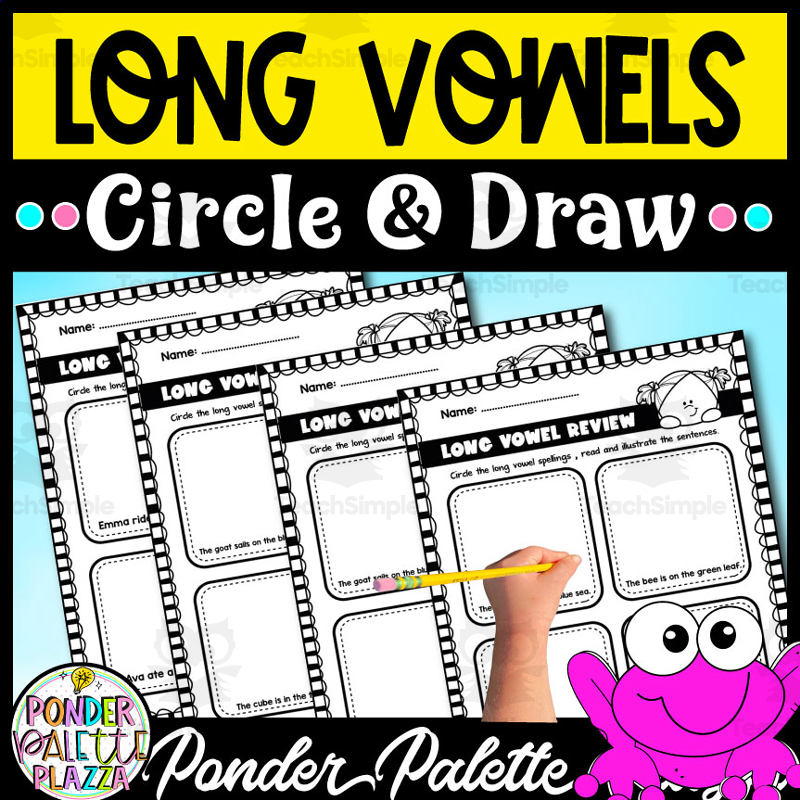
Love is in the air, and so is one very lost cat! This little feline is on a mission to find its Valentine, but there’s a tiny problem—it can only reach its sweetheart by following the numbers 1 to 20 in the right order. That’s where your students come in! With their number knowledge and a little artistic flair, they’ll help the cat reunite with its special someone. And once the mission is complete? It’s time to color the scene and celebrate a successful cat-tastic love story! Ways to Use: A fun warm-up to get those number brains working A Valentine’s Day activity that secretly reinforces number skills A quiet time task (because love stories don’t need background noise!) A stress-free sub plan that keeps kids engaged and you worry-free Why You’ll Love It: Boosts number sequencing in a sneaky, fun way Encourages creativity (because even cats deserve a colorful love story!) Keeps students focused—which means fewer distractions for you Turns math into an adventure, proving numbers and love actually do mix! So, grab some crayons, hand out this activity, and let your students play Cupid—one number at a time!
Author Ponder Palette Plazza
Tags Coloring, Numbers, Numbers Order, Valentines Day, Valentine Coloring, Number 1 To 20, Valentines Day Math, Valentine Activities, Valentine Math
Chinese New Year 20-Word Practice Set - Digital and Printable Activities
ELA, Language Development, Vocabulary, Grade 1, 2, 3, Worksheets, Worksheets & Printables
Chinese New Year 20-Word Practice Set - Digital and Printable Activities This fully comprehensive educational resource focuses on the vocabulary associated with Chinese New Year. Catering towards grades one to three, this resource combines both printable worksheets and interactive digital activities for diversified learning experiences. Description: The set initiates student interaction through games such as Taboo or Memory, utilizing level-1 flashcards. Wacky Words exercises, which offer an extensive exploration of usage and pronunciation, follow next. A sequence of structured activities which lead from instruction, through practice, to assessment is included for ease in learning progression. Vocabulary Presentation: This segment presents twenty festive-related words within 44 vibrant PDF slides. This forms the foundation for introducing new vocabulary. Digital Matching Game: The matching game ensures active participation while facilitating a faster comprehension speed by students through repetition and application of new knowledge in a fun way. Vocabulary Test: Succeeding interactive practice sessions is an Assessment that tests students' knowledge about these unique Chinese culture related words. It acts as a measure for checking acquired knowledge effectively. Bonus Features: A choice between round/sharp corners across six diverse pages of Flash Cards (two levels), granting flexibility according to teachers' preference or what can be most effective for varied learner styles. An exhaustive Vocabulary List designed not just as an easy guidebook but also allows for reiteration at home. The Chinese New Year 20-Word Practice Set redefines how cultural immersion can be effortlessly integrated into language arts education—fostering interest, elevating vocabulary skills while encouraging cross-cultural understanding among students.
Author Tom's Talk
Tags Chinese New Year, Vocabulary, Cultural Appreciation, Interactive Learning, Non-Western Culture
Sight Word Fluency Packet - much
ELA, Reading, Grade 2, Worksheets & Printables, Worksheets
Sight Word Fluency Packet - much - These sight word worksheets encourage all students to practice sight word reading fluency for the target sight word. There are three different fluency practice pages that all focus on learning to recognize, spell, and read the target sight word in context. Allowing students to practice the sight word in context gives students the ability to connect the sight word's meaning and grammatical usage to help gain a greater understanding of the target word. Each passage repeats the target word multiple times for extra practice with the word. Students will practice reading, writing, reading comprehension, and spelling high frequency words with these fluency pages. Included in this sight word fluency packet: * One reading fluency page that contains a single passage for students to read and find the sight word. * One write and read fluency page where students will write the target sight word and then read the passage. * One read, write, and draw fluency page where students will read a sentence, copy the sentence then draw a picture to illustrate the sentence. When can these be used? * Literacy activities * Independent Reading Practice * Small group activities * Shared or Partner reading activities * Homework * Morning Work * Emergency sub plans * Extra reading practice The reading fluency page and the write and read page include the same passage and is the perfect way to differentiate between students who need to focus on just recognizing the word while reading and those who need more practice with writing and spelling the sight word in the correct context. These sight word pages are no prep. Teachers only need to print the pages and hand them to the students to read and complete. This packet focuses on the sight word: much.
Author The Connett Connection
Tags Sight Words, Sight Word Much, Sight Word Worksheet, Sight Word Fluency, Sight Word Reading Passages, High Frequency Words, Reading PAssages, Reading Fluency, Sight Word Stories
The Easy English Series Book 5: Easy Grammar
ELA, Language Development, ESL, Grade 1, 2, 3, 4, 5, Worksheets & Printables, Worksheets
This workbook is a 46-page download geared toward elementary students who have little to no experience with the English language. These worksheets are simple, clear and concise and give students multiple opportunities to succeed. Students will practice multiple grammar skills including verbs and adjectives, articles, prepositions and so much more.
Author Ready-Ed Publications
Tags Grammar Worksheets, ESL Printable, Articles Worksheet, Adjectives, Verbs