4,025 products added recently
Page 4 - 7th Grade Worksheets
Provide your seventh-grade students with worksheets that delve deeper into subjects and promote complex thinking. These resources support skill development and prepare students for higher-level concepts. Use them to reinforce learning and encourage academic excellence.
Power Skills (Collaboration/Problem-Solving) Project Worksheets
Life Studies, Business, Career, Leadership, Finance, Physical Education, P.E. & Health, Mental Health, Mindfulness, Coaching, Grade 6, 7, 8, 9, 10, 11, 12, Worksheets & Printables, Workbooks, Worksheets, Word Searches, Teacher Tools, Assessments, Lesson Plans, Quizzes and Tests, Quizzes, Tests
Discover Your Students' Full Potential with Power Skills: The Complete Guide To Collaboration And Problem Solving! Are you fed up with group projects creating chaos where only a couple of students actually do any real work while others simply sit back and relax? Do you wish to prepare your students with the essential skills needed to thrive in higher education, employment and life? Revolutionise your classroom and develop your students with Power Skills: The Framework for Collaboration And Problem Solving. This well-developed curriculum has a 35 page learning resource which provides a robust, actionable plan for successfully mastering collaboration and innovation rather than simply relying on making vague references to “soft” skills. This programme is based on best practices found in the areas of agile software development, professional engineering and high-pressure crisis management, as well as many others and not only demonstrates to students what type of thinking is required, but also encourages how they think collaboratively with their colleagues. Through in-depth case studies including the rescue of the Thai soccer team from the cave and an F1 team at Ferrari, students will witness the application of these skills and be motivated to implement them into their own lives. What Can You Find Inside THIS Game Changing Resource? The phenomenal game-changing resource is fully developed, print-and-go on 3 levels/phases: #1 - Core Content/Theory (10 Pages) = A comprehensive look at the elements of high performance team development - These frameworks include: Psychological Safety = Creating a trusting and safe environment promotes a willingness to take risks First Principles & Divergent/Convergent Thinking = Deconstruct issues to create creative solutions Cognitive and Affective Conflict = Disagreeing constructively without taking it personally Agile Methodology & Iterative Design = Failure is a data point for improvement #2 - Student Workbook (10 Challenging & Rigorous Worksheets) = Worksheets that use real world scenarios that allow students to apply theory from Phase 1. Examples of scenarios include: Leading a Model UN Conference Managing an AP Computer Science Project Resolving Conflict on Yearbook Committee Launching a new school initiative using Design Thinking Providing & Receiving Constructive Feedback #3 - Visuals/Comprehensive Teacher Key (11 Pages): Conceptual Visuals (3 clean, powerful diagrams for direct instruction and/or student reference) Comprehensive Answer Key (Not just a list of answers - It is a pedagogical guide of the criteria for mastery for each worksheet, guidance for specific questions, and how to assess student comprehension accurately.) The ideal use of this resource is within: • High School English, Business or Leadership Class settings • Project-Based Learning (PBL) units • AP and IB programs • Gifted and Talented or Enrichment courses • Advisory and Social-Emotional Learning (SEL) Programs • Preparing students to collaborate in the "real-world" and for 21st century careers. Care for groups of students? Start developing true leaders instead with the knowledge and skills they need to navigate through complex issues, create innovative ideas, and work together collaboratively to fulfill their role as Responsible Adults. Become a catalyst for every student by downloading their Power Skills today! Keywords: Project Based Learning, Group Project, Collaborative Skills, Teamwork, Critical Thinking, Problem Solving, High School, Leadership, Social- Emotional Learning, 21st Century Skills, Agile Methodologies, Design Thinking, Student Workbook, Digital Resource, High School English, Business Class, STEM, STEAM. What Schools and Parents Appreciate About It: This program develops "real-world" experiences for students, because it teaches students the most sought-after skills for top universities/employers — collaboration, problem-solving and leadership skills. This program can take the chaos of group projects and create effective teamwork, as it teaches students how to manage conflict, delegate and hold each other accountable, thereby decreasing frustration for both students and their teachers. Students will learn to develop critical thinking and resilience through in-depth analysis of complicated situations through case studies, and by analysing barriers to success, they learn to anticipate future barriers, and the learning experiences enhance their ability to develop and implement strategic plans. This program contains a complete, ready-to-use unit with all elements for no prep for teaching educators — including detailed theories, worksheets, visual resources and comprehensive teacher guides to support educators in teaching these essential skills with confidence. Target Classes of Attendees (Students): The target audience for the worksheets can be classified as follows: 1. Primary Target: High School Students (Grades 10-12). The worksheets contain advanced vocabulary and concepts presented in detailed scenarios appropriate for Grade 10-12 students who are preparing for or currently enrolled in AP, IB, Honors, or Gifted/Talented programs. The content, therefore, would be too complex for younger students (Grades 9 and below) or students in Special Education; whereas, the content is sufficiently challenging for 8+, 12+ grade-level of students but the activities/situations are not directly related to those students. 2. Secondary Target: First-Year College/University Students. The worksheets could be used as supplemental materials for freshman seminar courses, introductory business/engineering courses, and any program that emphasizes group projects. 3. Niche Target: Teacher Professional Development. The frameworks included in this document are designed specifically for teachers who want to improve their own collaborative working practices with their own departments or other collaborative groups via Professional Learning Communities (PLC). Use of this Resource/Terms and Copyright: Syed Hammad Rizvi has copyrighted this book. This is available for individual or one (1) classroom use only. You may not share, resell, or redistribute this resource in any way. In other words, you may not post this resource on the internet in a public location that would allow anyone to download it. If you would like to provide this resource to your colleagues, please purchase additional licenses from Teachsimple. Thank you for your understanding and for respecting the terms of use. This product was produced with great pride by Syed Hammad Rizvi
Author Creative Book Store
Rating
Tags CollaborationSkills, ProblemSolvingSkills, GroupProjects, TeamworkSkills, StudentCollaboration, PowerSkills, CriticalThinkingSkills, GroupWork, HighSchoolTeacher, SecondaryELA
Reading Comprehension Passages Nonfiction Set 1 (Presentable PDF)
ELA, Reading, Reading Comprehension, Common Core, Language Development, Spelling, Vocabulary, Creative Writing, Writing, Resources for Teachers, Grade 6, 7, Worksheets & Printables, Worksheets, Writing Prompts, Assessments, Teacher Tools, Tests, Quizzes and Tests, Centers, Activities
Reading Comprehension Passages Nonfiction Set 1 Snapshot Title: Nonfiction Grade 6-7 Set 1 Genre: Nonfiction Subject: Reading / Science / Social Studies / Health Primary Topic: Informational articles on animals, places, health, and environment Estimated Guided Reading Level (A–Z): Y What This Teaches Best Builds informational reading skills across science-rich animal articles such as Elephant Seals , Visayan Pigs , Seahorses , Pandas , Wolves , and Blue Jays . Supports understanding of habitats, adaptations, survival, and conservation. Expands knowledge beyond life science with articles on Iceland , Yogurt , Karate , and Clean Air . Gives strong practice with domain-specific vocabulary and text-based questioning. Works well for comparing informational texts across topics, structures, and author purposes. Learning Goals Students will identify main ideas and supporting details in informational articles. Students will explain how animal features or behaviors help them survive. Students will describe how human actions affect habitats, air quality, or endangered species. Students will determine the meaning of domain-specific vocabulary in context. Students will compare how different nonfiction texts present facts about science, geography, and health. Students will ask and answer questions using evidence from the article. Passages Include 1.American Bison: Find out more about North America's heaviest land animal. 2.Brown Bears: Featuring brown bears and Kodiak bears. 3.Elephant Seals: Fact: Elephant Seals spend 2 months a year on the beach! 4.Visayan Pigs: Punk rock pigs? Discover more about this endangered species. 5.Seahorses:Terrible swimmers but beautiful creatures all the same. 6.Pandas: Read about China's national symbol then write about America's. 7.Wolves: What does a wolf's howl mean? This article features that, and more! 8.Blue Jays: Can imitate other bird calls and feast on other birds' eggs! 9.Iceland: An amazing country, find out everything there is to know in this one. 10.Yogurt: Healthiest treat? Learn how yogurt is made & how it's good for us. 11.Karate: Who? How? When? Where? Did Karate all begin? 12.Clean Air: A longer article but the most important of subjects. PRESENTABLE PDF VERSION Run it like a slide show straight from a PDF, with no PowerPoint or extra software needed, just open, project, and teach. Other versions are available in the links list below or in the full catalog. FULL CATALOG OF DOWNLOAD LINKS HERE For similar downloads and other frees, do check out Cored Group on TeachSimple.
Author Cored Education
Rating
Tags Elementary, Reading, Comprehension, Vocabulary, Answers, Spelling, Writing, Passages, Reading Centers, Reading Comprehension Assessment
Hans Krebs – Fact Sheet, Quiz & Interactive PDF incl. H5P
Life Sciences, Science, STEM, History, Social Studies, Biographies, Inventors, Basic Science, Biology, Chemistry, Grade 6, 7, 8, 9, 10, 11, 12, Worksheets, Worksheets & Printables, Quizzes, Quizzes and Tests, Teacher Tools, Projects, Activities
Scientist Hans Krebs - Fact Sheet, Quiz & Interactive Version (PDF & H5P) Hans Krebs – Cellular Respiration and the Discovery of the Krebs Cycle Fact Sheet, Quiz & Interactive Exercises (PDF + H5P) 🔁🧬 This 45-minute resource introduces students in grades 10–12 to Hans Krebs – the scientist who uncovered one of the most important metabolic pathways in our cells: the citric acid cycle, also known as the Krebs cycle. When teaching cellular respiration, many students can follow the basics of glucose breakdown and ATP production – but the details of what happens in the mitochondria often feel abstract. Krebs' discovery in the 1930s helped explain how cells extract energy efficiently from food molecules through a cycle of chemical reactions. It’s a key part of understanding aerobic respiration and metabolism. To make this complex process more accessible, I’ve created a structured lesson that includes a short informational text, a fact sheet, quiz questions with answers, and a creative partner task. All materials are available in color and black-and-white, plus there’s a digital H5P version for interactive learning. What’s included: A student-friendly text about Hans Krebs and the citric acid cycle A fact sheet to help visualize and summarize the steps of the cycle Quiz questions (with answer key) for quick review or comprehension checks A creative task where students develop and exchange their own questions in pairs Formats: Printable PDF and interactive H5P 💻 Answer key included ✅ I’ve used this resource during our unit on cellular respiration, often right after glycolysis and before moving on to the electron transport chain. It’s especially helpful for students who benefit from breaking down complex processes into steps. The partner activity works well for revision or as preparation for assessments. 🚀 Download now and bring the legacy of Hans Krebs into your biology lessons today! 📍 Best wishes, Heike from Lernfitness Did You Know? I teach with a certified therapy dog, and together we create a positive and inspiring learning environment. 🐶✨
Author Lernfitness
Tags Science, Biology, Famous Scientists Lesson, H5P, Interactive Science Exercises, STEM, History, Scientists, Hans Krebs, Citric Acid Cycle
Data Analysis & Probability - Drill Sheets Vol. 6 Gr. 6-8
Math, Statistics, Common Core, Grade 6, 7, 8, Worksheets & Printables, Worksheets
Data Analysis & Probability - Drill Sheets Vol. 6 Gr. 6-8: A comprehensive teaching resource for grades 6, 7, and 8 specialized in Data Analysis and Probability concepts as stipulated by the NCTM standards. What's inside: Warm-up and timed drill activities that aid students to review core mathematical principles. An assortment of problem sets with varying degrees of difficulty for differentiated learning opportunities. A comprehensive range of activities designed to instill understanding in collecting, organizing, analyzing, interpreting and predicting data probabilities. For Teachers: Guidelines on technology usage presented within appropriate contexts throughout the resource for effective teaching solutions in modern times. Included are assessment standards rubrics aligning with Common Core State Standards to further assist educators in delivering robust lessons on statistics for middle schoolers (Grades 6-8). Bonus Features: An added bonus includes color activity posters along with extra worksheets that not only make each lesson lively but also enhance student comprehension levels. In summary, Data Analysis & Probability - Drill Sheets Vol. 6 Gr. 6-8 is an undeniably valuable resource teachers need when introducing Statistics principles vital during Grades six through eight whether used in group instruction or assigned as individual classwork or homework tasks.
Author Classroom Complete Press
Tags PDF
Algebra - Task Sheets Vol. 1 Gr. 6-8
Math, Algebra, Common Core, Grade 6, 7, 8, Worksheets & Printables, Worksheets
Algebra - Task Sheets Vol. 1 Gr. 6-8: Essential Teaching Resource The Algebra - Task Sheets Vol. 1 Gr. 6-8 is an essential teaching resource skillfully crafted to foster algebraic understanding in students between the grades of 6 and 8.This resource dovetails perfectly with both the NCTM standards algebraic concepts and the Common Core State Standards, thoroughly preparing students for more advanced studies. A standout feature of this resource kit is its alignment with real-world scenarios and learning experiences aimed directly at this age group. A central problem anchors each task sheet, drawn from situational experiences that students can easily connect to their own lives. This product offers a wide range of difficulty levels and content types within its exercise sheets allowing for differentiated learning opportunities in a single classroom setting—be it public schools or home-based learning environments. Problem-solving? Check! Patterning? Check! Equations, algebraic graphing or determining averages? All are included in this comprehensive compilation of task sheets targeted at solidifying foundational algebra knowledge in middle-schoolers! Bonus Features Included! Added features include provisions for reflective space on worksheets—an effective tool-for-learning methodological scaffolding—that fosters thoughtful engagement from learners while allowing them to take responsibility for their academic growth trajectory Furthermore: Suitable usage of technology has been seamlessly embedded into these exercises—adapting modern means as tools-for-teaching. The package features assessment and standards rubrics essential to gauge individual learners progress or class-wise performance evaluation reports. Review sheets assist both teachers and students by encapsulating crucial lessons learnt— serving both revision purposes and retention of key concepts. Colorful activity posters and bonus worksheets to add variety to your lesson plans. Available for download in an easily accessible PDF format, this invaluable, all-inclusive teaching resource is just a click away for educators seeking to inspire a love of algebra among their pupils. With Algebra- Task Sheets Vol 1 Gr. 6-8, you have an arsenal of materials dedicated to making the arduous task of teaching this complex subject simpler and more effective!
Author Classroom Complete Press
Tags PDF
Home Solar Panel Output & Angle Calculation
Science, Technology, Engineering, Earth and Environmental Sciences, Earth Sciences, Environmental Science, Geology, Space, Life Sciences, Nature & Plants, Grade 6, 7, 8, 9, 10, 11, 12, Worksheets & Printables, Workbooks, Worksheets, Word Searches, Writing Prompts, Teacher Tools, Quizzes and Tests, Quizzes, Tests, Lesson Plans
Transform your students into renewable energy experts with this rigorous, real-world solar energy calculation project! This comprehensive, no-prep unit bridges the gap between abstract science concepts and tangible engineering design, challenging students to calculate the actual energy output of residential solar panels. Perfect for AP Environmental Science (APES), AP Physics, and STEM engineering classes, this resource goes far beyond "solar panels make electricity." Students will dive deep into the celestial mechanics, architectural geometry, and physics that determine a solar array's viability. They will use trigonometry and multi-step formulas to model and solve authentic problems, preparing them for college-level coursework and green-economy careers. What's Inside This 41-Page All-in-One Unit? Part 1: In-Depth Theoretical Guide: A 10-page "textbook" chapter explaining the core scientific principles, including: Solar Declination, Axial Tilt, and Seasonal Sun Angles Architectural Geometry: Roof Pitch, Azimuth, and Panel Tilt The Angle of Incidence and Lambert's Cosine Law The Standard Solar Energy Formula (Insolation, Efficiency, Performance Ratio) The "Temperature Paradox" and thermal derating effects. Part 2: Rigorous Student Workbook: 8 scaffolded worksheets with over 70 problems designed to build mastery. Topics include: Worksheet 1: Fundamentals of Insolation & Peak Sun Hours Worksheet 2: Solar Declination & Seasonal Angles Worksheet 3: Translating Roof Pitch to Panel Tilt Worksheet 4: The Cosine Effect & Energy Capture Reductions Worksheet 5: Azimuth Offsets & Compass Orientations Worksheet 6: Temperature Derating & Thermal Inefficiency Worksheet 7: Area Constraints & System Sizing Worksheet 8: The Impact of Shading & Circuit Topology Part 3: Complete Teacher Resources: Everything you need to teach with confidence! High-Quality Instructional Visuals: Clear diagrams to explain complex geometry. Comprehensive, Step-by-Step Answer Key: Detailed solutions and "Teacher's Notes" for every problem. 3-Day Teacher Implementation Guide: Pedagogical sequencing, tips for correcting common misconceptions, and two exciting ideas for hands-on lab extensions (including "The Shoebox Solar Audit"). This isn't just a worksheet; it's a complete, engaging, and challenging project that makes math and science relevant. Empower your students with the quantitative skills to analyze and design the sustainable energy systems of the future! Keywords: AP Environmental Science, APES, AP Physics, Renewable Energy, Solar Energy, Solar Panel Calculation, STEM Project, Engineering Design, Earth Science, Climate Change Solution, Math Integration, Trigonometry, Word Problems, Worksheet, Project Based Learning (PBL), No Prep. Why Parents/Schools Love It: Real-World Relevance: It moves beyond textbook theory to teach timely, practical skills for the growing green economy, making learning engaging and purposeful. Fosters Critical Thinking & STEM Skills: Students aren't just memorizing formulas; they are modeling, analyzing data, and solving complex, multi-step engineering problems—skills crucial for college and career success. Comprehensive & Time-Saving: This is a complete, "print-and-go" or "upload-and-go" lesson unit. The included teacher guide, answer key, and visuals save educators dozens of hours of prep time. Aligns with Advanced Curriculum: The rigor and content are perfectly aligned with the requirements of AP Environmental Science and AP Physics courses, directly supporting student success on high-stakes exams. Integrates Multiple Subjects: It masterfully blends physics, environmental science, geometry, trigonometry, and engineering, demonstrating the interconnected nature of STEM fields. Target Audience (Student Classes) : Based on the vocabulary ("quantitative realm of irradiance," "celestial mechanics"), the mathematical rigor (trigonometry, multi-step formulas), and the direct mention in the text, target: AP Environmental Science (APES): This is the primary and perfect target. The content aligns directly with the APES curriculum units on Energy Resources and Consumption. AP Physics (1, 2, or C): Excellent for units on energy, thermodynamics, and waves. It provides a fantastic real-world application of physics principles. High School Engineering or Pre-Engineering Electives: Ideal for programs focused on STEM, design thinking, and sustainable technology. Advanced Earth Science or Integrated Science Classes: Suitable for honors-level courses looking to integrate math and physics into their curriculum. Copyright/Terms of Use: This Book was copyrighted by Syed Hammad Rizvi. This resource is for personal and single classroom use only. You may not alter, redistribute, or sell any part of this resource. In other words, you may not put it on the Internet where it could be publicly found and downloaded. If you want to share this resource with colleagues, please purchase additional licenses from Teachsimple. Thank you for respecting these terms of use. This product is happily brought to you by Syed Hammad Rizvi
Author Creative Book Store
Rating
Tags RenewableEnergy, SolarEnergy, STEM, ScienceTeacher, Physics, EnvironmentalScience, CleanEnergy, HighSchoolScience, SolarPower, PhysicsTeacher
Nouns Practice Questions - Grammar Grade 5-6 (Word)
ELA, Language Development, ESL, Grammar, Common Core, Resources for Teachers, Grade 5, 6, 7, Worksheets & Printables, Worksheets, Quizzes and Tests, Teacher Tools, Tests, Assessments
Nouns Grammar Practice MCQS ELA MCQS Overview: In this series of lessons, students will embark on an engaging journey to master the language arts skills that make communication effective and expressive. These lessons are designed to help students recognize, understand, and apply key grammar, vocabulary, and writing conventions in both their writing and speech. Each lesson builds upon the previous one, providing a structured blend of direct instruction, interactive group activities, and independent practice. With engaging tasks and thought-provoking questions, students will explore sentence structure, word choice, punctuation, and grammar rules to strengthen their understanding of English language conventions. Accompanied by free supplementary materials covering all topics, this series ensures a well-rounded and enjoyable learning experience. Through practice and exploration, students will develop the skills needed to analyze language, construct clear sentences, and express themselves with confidence. Nouns Overview: Includes: Abstract Nouns Concrete Nouns Compound Nouns Collective Nouns Possessive Nouns Word Version This is the Word editable and version. This download is available in GOOGLE Docs, GOOGLE Forms, GOOGLE Slides. PDF, PPT, WORD, check the links below for more details. FULL CATALOG OF DOWNLOAD LINKS HERE Grade 5/6 Links: Capitalization & Punctuation Google Docs Google Forms Google Slides PDF PPT Word Free Supplementary Materials Pack Adjectives Google Docs Google Forms Google Slides PDF PPT Word Free Supplementary Materials Pack Nouns Google Docs Google Forms Google Slides PDF PPT Word Free Supplementary Materials Pack Pronouns Google Docs Google Forms Google Slides PDF PPT Word Free Supplementary Materials Pack Verbs Google Docs Google Forms Google Slides PDF PPT Word Free Supplementary Materials Pack Prefixes & Suffixes Google Docs Google Forms Google Slides PDF PPT Word Free Supplementary Materials Pack Sentence Structure Google Docs Google Forms Google Slides PDF PPT Word Free Supplementary Materials Pack Subject Verb Agreement Google Docs Google Forms Google Slides PDF PPT Word Free Supplementary Materials Pack Tenses Google Docs Google Forms Google Slides PDF PPT Word Free Supplementary Materials Pack Context Clues Google Docs Google Forms Google Slides PDF PPT Word Free Supplementary Materials Pack Defining Words Google Docs Google Forms Google Slides PDF PPT Word Free Supplementary Materials Pack Fill in the Blanks Google Docs Google Forms Google Slides PDF PPT Word Free Supplementary Materials Pack Homophones Google Docs Google Forms Google Slides PDF PPT Word Free Supplementary Materials Pack Synonyms Google Docs Google Forms Google Slides PDF PPT Word Free Supplementary Materials Pack ELA Review Questions Overview Questions have three answer choices. There are a handful of pictures on each test for aesthetic purposes, as well as a review sheet covering most of the topics covered in the product. Introduction or Example Sheet Each topic will include an introduction or example sheet to go through first with your students. Full Answer Keys Full answer keys and sample responses are provided so no matter how busy you are, you know you're covered! In the Supplementary Pack Interactive Ice Breakers: Engaging warm-up activities that introduce students to key ELA concepts, such as quick capitalization corrections and punctuation challenges. Guided Practice: Structured teacher-led exercises that reinforce grammar and punctuation rules, helping students identify and apply them correctly in sentences. Group and Partner Tasks: Collaborative activities where students work together to edit sentences, correct capitalization, and improve punctuation through peer discussion and teamwork. Independent Worksheets: Carefully designed worksheets that provide focused practice, allowing students to apply learned concepts and refine their skills independently. Exit Tasks: Quick assessments at the end of each lesson, prompting students to reflect on what they’ve learned and apply their knowledge in writing and editing tasks. For More Like This For similar downloads and other frees, do check out Cored Group on TeachSimple.
Author Cored Education
Tags Elementary, Answers, Ccss, Common Core, Grammar, Tests, Test Prep, Assessment, Grade 5, Grade 6
Vertical Hydroponic Garden Nutrient Logging
Science, Life Sciences, Nature & Plants, Technology, Engineering, STEM, Resources for Teachers, Classroom Management, Research, Community Building, Grade 6, 7, 8, 9, 10, 11, 12, Worksheets & Printables, Workbooks, Worksheets, Word Searches, Teacher Tools, Lesson Plans, Quizzes and Tests, Quizzes, Tests, Assessments
Transform your classroom into a modern, data-driven vertical farm! This comprehensive, 41-page curriculum packet is a complete, project-based learning unit designed to bridge the gap between abstract science and real-world application. Move beyond basic plant-growing projects and empower your students to think like true agronomists and data scientists. This isn't just a lesson; it's a full-scale simulation of running a Controlled Environment Agriculture (CEA) operation. Students will master the critical chemistry of soil-free systems (pH, EC, nutrient lockout) and learn to harness the power of data by building and maintaining a professional-grade nutrient logging spreadsheet. They will prevent crop failures, troubleshoot problems using data, and make informed decisions—turning abstract numbers into thriving plants. What's Included in This 41-Page Turnkey Unit: Part 1: In-Depth Theoretical Guide: Five expertly written chapters covering the core chemistry of hydroponics, including pH dynamics, Electrical Conductivity (EC), nutrient lockout, and real-world case studies of crop-saving data analysis. Part 2: Student Workbook: Ten rigorous worksheets with over 80 questions that guide students from foundational knowledge to advanced troubleshooting. Topics include system fundamentals, pH/EC calculations, NPK logging, environmental interplay, and designing the ultimate nutrient spreadsheet. Part 3: Teacher Resources & Visuals: High-Quality Instructional Visuals: Three printable/embeddable diagrams covering the pH "Goldilocks Zone," the daily data logging workflow, and spreadsheet architecture. Perfect for classroom posters or digital dashboards. Step-by-Step Teacher Implementation Guide: A detailed guide on hardware setup, assigning student roles (Lead Data Custodian, Systems Analyst), setting pedagogical benchmarks, and troubleshooting common classroom failures. Part 4: Complete Answer Keys: Full answer keys for all "Agronomy Data Checks" and all 10 student worksheets, making grading and assessment effortless. Students Will Learn & Master: Applied Chemistry: Understand the logarithmic nature of pH, nutrient availability, and chemical precipitation (nutrient lockout). Data Science & Analysis: Build, manage, and interpret a relational database using spreadsheets, including data validation and conditional formatting. Critical Thinking & Problem Solving: Analyze data anomalies, diagnose plant health issues, and execute corrective protocols based on evidence. STEM Career Skills: Gain hands-on experience in skills essential for careers in agritech, environmental science, data analysis, and sustainable agriculture. Perfect For: High School Agricultural Science / Agriscience Classes AP Environmental Science (APES) - Unit 5: Land and Water Use Biology & AP Biology - Plant Science & Lab Units Chemistry - Applied Chemistry Projects STEM / STEAM Electives Career and Technical Education (CTE) Programs This resource is provided as a print-ready PDF and is perfect for any high school classroom with access to a hydroponic tower, NFT system, or even a simple deep-water culture setup. Equip your students with the 21st-century skills they need to feed the future. Add this project to your cart today! Why Parents/Schools Love It: Builds 21st-Century Career Skills: This isn't just about growing lettuce; it's a hands-on project that teaches data analysis, spreadsheet management, and systems thinking—skills directly applicable to high-demand STEM and AgriTech careers. Makes Abstract Science Tangible: Concepts like pH, osmosis, and nutrient concentration can be difficult. This curriculum makes them visible and understandable as students see their data logging directly impact the health of their plants. Fosters Responsibility and Collaboration: The built-in teacher guide encourages assigning specific roles (Data Custodian, Systems Analyst), teaching students accountability, teamwork, and the importance of process in a scientific setting. Comprehensive & Teacher-Friendly: This is a "plug-and-play" unit. With detailed theory, student worksheets, visual aids, and complete answer keys, it saves teachers dozens of hours of prep time while ensuring a rigorous academic experience. Promotes Sustainable Thinking: Students engage directly with the future of food, learning about soil-free, water-efficient farming methods that are critical for solving real-world environmental challenges. Target Student Audience : Based on the vocabulary, concepts (logarithmic scales, data validation, chemical interactions), and the requirement for spreadsheet management, this PDF is best suited for: Primary Target: High School Students (Grades 9-12) . Specific Classes: Agricultural Science / Agriscience: This is a perfect fit. Environmental Science (including AP Environmental Science): Excellent for units on sustainable agriculture and food production technology. Biology (especially honors or AP): A fantastic hands-on application of osmosis, nutrient uptake, and cellular processes. Chemistry: A practical and engaging way to teach about pH, solutions, and concentration. STEM/STEAM Electives & CTE pathways: It perfectly integrates Science, Technology, Engineering, and Math. Advanced Middle School (Grades 7-8): Gifted or advanced programs could adapt the content, focusing more on the hands-on logging and less on the complex chemistry. Copyright/Terms of Use: This Book was copyrighted by Syed Hammad Rizvi. This resource is for personal and single classroom use only. You may not alter, redistribute, or sell any part of this resource. In other words, you may not put it on the Internet where it could be publicly found and downloaded. If you want to share this resource with colleagues, please purchase additional licenses from Teachsimple. Thank you for respecting these terms of use. This product is happily brought to you by Syed Hammad Rizvi
Author Creative Book Store
Rating
Tags Hydroponics, Verticalfarming, Agriculture, Plantscience, Gardening, Agritech, CEA, STEM, Projectbasedlearning, Scienceproject
Boundary Setting & Healthy Relationships Scenario Worksheets
Special Resources, Life Skills, Social Emotional Learning (SEL), Social Skills, Special Education Needs (SEN), Speech Therapy, STEM, Resources for Teachers, Classroom Management, Community Building, Grade 6, 7, 8, 9, 10, 11, 12, Worksheets & Printables, Workbooks, Worksheets, Word Searches, Teacher Tools, Assessments, Lesson Plans, Quizzes and Tests, Quizzes, Tests
Presented in an easy-to-use format that is ready for use immediately, the Boundary Setting and Healthy Relationships Scenarios Worksheet is a collection of 40 pages of worksheets focused on Teaching S.E.L. (Social & Emotional Learning) skills to adolescents. Containing relevant and up-to-date research, these worksheets help teachers foster students’ development of strong social and emotional skills through hands-on experiences, supported based on both interpersonal neurobiology and cognitive-behavioral principles. Using interactive worksheets, students will engage with realistic (and often high-stake) scenarios that depict physically, emotionally, cognitively, materially, and digitally/cyberly, from peers, from family, from romantic partners, and much more, as they explore consent and communicating when under stress, the fawn response vs. fight or flight response, location tracking, the rupture and repair cycle, trauma dumping, peer pressure, etc. Using guided written prompts as well as fill-in-the-blank and scripting exercises with reflection questions and self-assessments, students will grow their understanding of and ability to demonstrate self-control, stay calm under pressure, use assertive communication with others, and ultimately build a lifetime of autonomy through satisfying relationships. Included with the worksheets are a full Visual Asset Library (boundary typology continuum, discomfort-resolution flowchart, spheres of digital agency), complete answer keys; example responses; foundational knowledge quizzes; and an extensive Teacher Implementation Guide including psychological safety protocols, differentiation between middle and high school, and detailed information about how to use this resource in the classroom or during counseling sessions, with homeschoolers, or in youth programs. This digital (PDF) resource is the ideal tool for teachers to develop emotional regulation, distress tolerance, assertive communication, and autonomous interpersonal relationships for students as they learn to navigate friendships, romantic partnerships, social media, and family dynamics from a place of confidence and respect. Reasons why Parents/Schools Appreciate It: Trauma-Informed and Psychologically Safe: Explicitly identified protocols (Third Party Rule, opt-out options, validation versus correction) that allow for the protection of vulnerable students while still getting credit for the Social and Emotional Learning standards. Entirely "Ready to Go" and requires no prep time (40 pages of theory, 10 Scenario Worksheets, visual aids, answer keys and individualised teacher guides). Print once and immediatley begin teaching. Relevance with Real Life: Addresses current adolescent issues such as cyber boundaries, tracking locations, group chat pressure, love bombing and smear campaigns through engaging, appropriate, context sensitive scenarios. Demonstrated Skill-Building: Transition from theory to practice using scripting, somatic awareness and mastery reflections, creating measurable improvement in assertiveness and self-esteem. Flexible and Scalable (can be used by teachers in whole classes, small groups, individually or as independent study). Can be adapted from Middle School up to High School. Target Student Grade Levels: The curriculum is intended for students in grades 6 through 12 (middle and high school) as well as for teachers implementing it in classrooms. This is reflected in the Teacher Implementation Guide, sections beginning on pages 39-40, with examples of differentiation for middle schoolers and high schoolers as described below: For middle schoolers (grades 6-8), examples are provided, emphasizing peer relationships and how those relationships can lead to digital exclusion, as well as using a scripted role-playing activity. For high schoolers (grades9-12), the focus is on the complexities/differences of exploring nuances, emotional manipulation, gaslighting, intimate partner relationships, and the interconnectedness of digital technologies. The curriculum can be effectively used in Health, Social Emotional Learning (SEL), Advisory, Psychology, Counseling, Life Skills, and Advisory/Homeroom classes, as well as in after school programming, by school counselors, through families who are homeschooling, and by youth groups. Terms of Use / Copyright: This document is copyrighted to Syed Hammad Rizvi. This product is to be used only for personal and individual use in your classroom, and may not be modified or reused in any way, including the distribution or the selling of this document. This means that you may not put this on the Internet for the public to download. If you would like to distribute this item to other teachers, please purchase a new license from Teachsimple. Thank you for respecting these terms of use. This item is supplied by Syed Hammad Rizvi.
Author Creative Book Store
Rating
Tags BoundarySetting, HealthyRelationships, SEL, SocialEmotionalLearning, SELcurriculum, TeenBoundaries, DigitalBoundaries, ConsentEducation, BoundarySettingWorksheets, HealthyRelationshipsWorksheets
Defining Words Practice Vocabulary Grade 5-6 (Presentable PDF)
ELA, Language Development, ESL, Common Core, Resources for Teachers, Vocabulary, Grade 5, 6, 7, Worksheets & Printables, Worksheets, Quizzes and Tests, Teacher Tools, Tests, Assessments
Defining Words Grammar Practice MCQS Snapshot Title: Defining Words . Genre: Instructional workbook / practice worksheets . Subject: Reading / Language Arts . Primary Topic: matching words and precise definitions accurately . Estimated Guided Reading Level (A–Z): Not applicable for a worksheet packet . What This Teaches Best Builds vocabulary knowledge by asking students to match words to meanings and meanings to words across four worksheets. Strengthens precision with academic language through close distractors such as vague/vagrant/plain and sinister/sincere/sinistral . Gives repeated practice with reference-style word study, including abstract, descriptive, and domain-specific terms. Supports independent practice and quick checking because the packet includes an example sheet and answer keys. Learning Goals Students will choose the correct definition for a grade-level vocabulary word. Students will select the best word to match a stated meaning. Students will distinguish between similar-looking answer choices. Students will explain why one vocabulary choice is more precise than the others. Students will build confidence with unfamiliar academic words through repeated practice. Key Vocabulary From the Text subjacent — lying underneath something. forethought — careful planning before something happens. sinister — seeming evil or threatening. universally — by everyone; without exception. evaporation — turning liquid into vapor. Common Core Alignment (if applicable) CCSS.ELA-LITERACY.L.4.4 / L.5.4 / L.6.4 / L.7.4 — determining or clarifying the meaning of unknown and multiple-meaning words fits the packet’s core task of matching words and definitions. CCSS.ELA-LITERACY.L.4.6 / L.5.6 / L.6.6 / L.7.6 — acquiring and using grade-appropriate general academic vocabulary also aligns directly with the packet’s focus on word knowledge. Defining Words Overview: Matching Words to Definition Matching Definition to Words Accurately Defining Meanings More Defining Word Practice PRESENTABLE PDF VERSION Run it like a slide show straight from a PDF, with no PowerPoint or extra software needed, just open, project, and teach. Other versions are available in the links list below or in the full catalog. FULL CATALOG OF DOWNLOAD LINKS HERE
Author Cored Education
Rating
Tags Elementary, Answers, Ccss, Common Core, Tests, Test Prep, Assessment, Grade 5, Grade 6, Vocabulary
Scientist Matthias Schleiden Fact Sheet, Quiz + Exercises PDF + H5P
Life Sciences, Science, Biology, STEM, History, Social Studies, Biographies, Inventors, Basic Science, Nature & Plants, Grade 6, 7, 8, 9, Worksheets, Worksheets & Printables, Quizzes, Quizzes and Tests, Teacher Tools, Projects, Activities
Discover Matthias Schleiden – The Scientist Who Laid the Foundation of Cell Theory 🔬 Make Cell Theory Come Alive in Your Classroom! Your students may already know that all living things are made of cells—but do they know who first proposed this revolutionary idea? Introduce them to Matthias Schleiden, the co-founder of cell theory, who, alongside Theodor Schwann, transformed our understanding of biology. His discoveries laid the foundation for modern cell biology, and this ready-to-use teaching resource helps you explore his contributions in an engaging and interactive way—all in just 45 minutes! 🧪 Why This Resource is a Must-Have for Biology Teachers ✅ No-Prep, Ready-to-Use Lesson – Save valuable planning time! ✅ Engaging & Interactive – Includes fact sheets, quizzes, and creative exercises to enhance understanding. ✅ Perfect for Grades 7–10 – Designed to be flexible and adaptable for different student levels. ✅ Blended Learning Ready – Available in printable PDF and interactive H5P exercises for digital use. ✅ Encourages Critical Thinking – Students not only learn who Schleiden was, but also why his work matters today. 📚 What’s Included? 📄 Informational Text on Matthias Schleiden – A clear and engaging reading passage explaining his role in cell theory. 📝 Fact Sheet Activity – Helps students organize key facts and summarize Schleiden’s contributions. ❓ Quiz with Solutions – A fun way to reinforce learning through self-assessment and review. 🎭 Creative & Interactive Tasks – Students create their own questions, exchange them, and engage in peer discussions. 🎨 Customizable Templates – Choose between color and black-and-white versions for easy printing or digital use. 🖥 H5P Digital Exercises – Perfect for blended learning and interactive lessons. 📌 How to Use This Resource in Your Classroom 1️⃣ Students read the informational text about Matthias Schleiden. 2️⃣ They complete a fact sheet summarizing his scientific discoveries. 3️⃣ Quiz questions reinforce their knowledge of Schleiden’s contributions. 4️⃣ Students create their own questions and challenge their classmates in pairs. 💡 Great for Biology Lessons, Substitute Teaching, and Digital Classrooms! 🌟 Why Biology Teachers Love It ✔ Brings Science History to Life – Connects students to real scientific discoveries. ✔ Simplifies a Key Concept – Helps students grasp the origins of cell theory in an easy-to-understand way. ✔ Flexible for Different Teaching Styles – Use for direct instruction, independent learning, or group activities. ✔ Encourages Active Participation – Turns a scientific breakthrough into an interactive experience. 🔬 Help Your Students Understand the Origins of Modern Biology! Give your students a deeper appreciation for how scientific discoveries shape our understanding of life with this engaging fact sheet, quiz, and interactive activities. 🚀 Download now and bring the legacy of Matthias Schleiden into your biology lessons today! 📍 Best wishes, Heike from Lernfitness Did You Know? I teach with a certified therapy dog, and together we create a positive and inspiring learning environment. 🐶✨
Author Lernfitness
Tags Science, Biology, Famous Scientists Lesson, H5P, Interactive Science Exercises, STEM, History, Scientists, Matthias Schleiden, Cytology
Zero-Waste Lifestyle Tracking & Habit Builder Journals
Science, Resources for Teachers, Life Sciences, Earth and Environmental Sciences, Earth Sciences, Environmental Science, Geology, Nature & Plants, STEM, Biology, Grade 6, 7, 8, 9, 10, 11, 12, Teacher Tools, Worksheets & Printables, Workbooks, Worksheets, Word Searches, Assessments, Lesson Plans, Quizzes and Tests, Quizzes, Tests
Turn your classroom into an environmental science lab with the help of this awesome 41-page Zero Waste Lifestyle Tracking and Habit Builder Journal! This is a project-based learning resource for grades 4–8 that is aligned to the standards! Looking for a real world environmentally focused way to teach environmental science to your students that isn't just a bunch of recycling posters? A complete curriculum journal combining current neuroscience research, ecology theory and hands-on data collection will give your students everything they need to consider themselves true environmental scientists - and it begins with measuring their own lives! This resource is not just one big stack of worksheets but rather, it is a fully scaffolded 3-phase academic journal developed with university seminar style rigor and middle school classroom style accessibility. Your students won’t just learn about the environment; they’ll measure it, analyze it and make changes to it! CONTENTS (41 Pages, Print & Digital Ready): Phase 1 — Core Content & Theory (4 chapters): 1. The Anatomy of Waste explains what happens throughout the lifespan of waste items, including Lifecycle Assessment (LCA), the impact of microplastics in our world today, which items go in the landfill, which items can be incinerated, and how long it takes for a plastic fork to travel 450 years into our future 2. The Neuroscience of Habit Building discusses how our brains form habits based on the basal ganglia of the brain, how we can rebuild/rewire our habits scientifically through neuroplasticity, and the three parts of the habit loop (cue-routine-reward) 3. The Zero-Waste Hierarchy introduces the four elements of a zero-waste lifestyle: Refuse, Reduce, Reuse, Rot (Composting) and Recycle. This chapter includes a real-world example of how one school significantly reduced their waste by over 90% using these four proven methods 4. Data-Driven Stewardship teaches your students to think like a marine biologist and meteorologist by showing them how to track and analyze their own local environmental data. After each chapter is a fill-in-the-blank review of the chapter, called the Scholar's Review. Phase 2: 10Worksheet Workbook for Students (Research Lab Style) Personal Waste Audit 24-Hour (Data Collection Protocols: Empirical) Material Lifecycle Analysis of Material (From Raw Extraction To Disposal) Biochemistry of Composting (Green And Brown Materials, Aerobic And Anaerobic Decomposition) Single Use Plastic Substitution Matrix (Cost/Benefit Analysis) Water and Energy Footprint Calculation (Embedded Energy And Water Load Calculation; Shower Each Year; Cost Of Water To Make Cotton Shirt) Redesign Challenge For Circular Economy (Planned Volatility, Upcycling, Extended Producer Responsibility) Food Waste Economics (FIFO Pantry System, Estimate Of $780 Of Food Waste Per Year, What Is A Food Standard For A Non-Food Waste Item?) Fast Fashion Footprint (Cost To Wear, Use Of Micro-Plastics, Philosophy Of Wardrobe) Supermarket Packaging Detective (Identifying Greenwashing, Multi-Layered Packages, Bulk Purchasing) Zero-Waste Habit Builder (Keystone Priming, 30-Day Tracking Plan, Write Manifesto For A Zero Waste Life) PHASE 3—Teacher Resources and Visuals: Three professionally designed SVG diagrams (Zero Waste Hierarchy, Linear vs. Circular Economy, Sustainability Habit Loop) Complete Answer Key with example answers and teacher rubric notes 4 week pacing guide with weekly objectives, activities, teacher roles and homework 100-point assessments rubric across four categories of data collection, behavioural design, critical thinking and communication Five extension activities (Trash Jar Challenge, Community Waste Mapping, Letter Writing Campaign to Corporations, Do-It-Yourself Repairs Workshop, Composting Science Experiment; if possible please use a separate document per activity) Strategies for differentiating instruction for Grades 4-5, Grade 8/Gifted, IEP/504 and ELL students CONNECTING TO CURRICULUM: This journal ties into Next Generation Science Standards (NGSS), Common Core English Language Arts (informational text analysis, evidence based writing) and Common Core Mathematics (percentages, projections, data analysis). This journal combines many subjects — environmental science, behavioral psychology, economics and persuasive writing — into one connected whole. USAGE IDEAS: Great as a 4-week stand-alone unit or as part of an after-school environmental club, summer enrichment program or reinforcement through integration into existing science, health or social studies curricula. Assign user digitally (fillable PDF) or in print. DIGITAL DOWNLOAD — PRINT & GO! REASONS PARENTS/SCHOOLS LOVE THE RESOURCE: Merging Science, Psychology, and Real-World Mathematics – Instead of merely reading about the environment, kids actually conduct real waste audits, calculate their water footprints, and use their own personal data to perform real-world food waste economics analysis – helping them to take abstract concepts and move towards making those concepts their own, and thus, real. Tremendous Support For Teachers From Day One – Each of the resources, including a complete 4-Week Pacing Guide, example responses in the Answer Key, a 100-point Assessment Rubric, and a variety of differentiation strategies to accommodate ALL learners (IEP/504, ELL, Gifted) provides teachers with no-prep stress! Building Lasting Habits, Not Just Raising Awareness – This journal is based on neuroscience principles, specifically the Habit Loop framework, which teaches kids HOW behavior changes within the brain — therefore they can establish long-term environmental habits to implement after the conclusion of the unit. No Eco-Anxiety – Only Eco-Empowerment – Constructivist pedagogy does not endorse guilt-based teaching practices to educate/expose students to environmental issues. Instead, students are encouraged to view themselves as environmental scientists, thereby creating a sense of worth/empowerment as opposed to being seen as passive victims of "climate doom"; hence, all resources provided in this unit have been designed with both emotional safety and motivation in mind. Cross-Curricular and Standards-Aligned Value – When you purchase this journal as a single resource, you are actually replacing multiple separate resources. This one journal covers multiple areas of study related to environmental science, data analysis, persuasive writing, behavioral psychology, economics, and systems thinking — therefore you are maximizing the instructional value and curriculum alignment of numerous subject areas! TARGET GRADES/CLASSES: On evaluating for the content type's level of complexity, the level of language used, the level of math skill needed; and how to teach the content using scaffolding: Primary Target 6th, 7th, and 8th grades (Middle School, our primary audience) Science classes; Environmental Science/ Earth Science Health and Wellness Classes Social Studies/Civics (Circular economy, EPR Policy) ELA Classes (Persuasive writing, Informational text) Secondary Target 5th Grade (Upper Elementary, with teacher scaffolded materials to be used; will require the use of Phase 3 differentiation strategies). 4th Grade (Will require major support in accordance with Phase 3 differentiation, as mentioned in Section 2) 9th Grade (High School, Environmental Science as a remedial unit or an introductory unit) Special Programs Gifted/Honors programs (Students in 8th grade, extension Activities) IEP/504 Accommodations (explicitly provide support through IEP/504) ELL Programs (provide bilingual glossary strategies) Environmental clubs (5th through 9th grade) STEM/STEAM programs Best Audience Targets: Middle School Science teachers (6th to 8th grade) Environmental Science Teachers Parents of Students 10 - 14 taking homeschool classes School Librarians purchasing Sustainability books for their library collection After School Program Coordinators Eco-Conscious Parents with Interest in Supplement Learning Your use of this Resource Agreement: Copyright (or Terms of Use) Copyright is held by Syed Hammad Rizvi. You may use this resource for your personal and classroom use only, but may not alter, sell or redistribute any component of this resource, nor place any part of this resource on a publicly available website. You can only share this resource with your coworkers by purchasing additional licenses from Teachsimple. Thank you for complying with all copyright guidelines and restrictions. Syed Hammad Rizvi is proud to provide you with this resource.
Author Creative Book Store
Rating
Tags ZeroWasteEducation, EnvironmentalScience, SustainabilityEducation, ZeroWasteLifestyle, EcoEducation, GreenEducation, ClimateEducation, EnvironmentalLiteracy, SustainabilityLessons, ZeroWasteCurriculum
Reading Passages on Weather and Solar System (PDF)
ELA, Reading, Reading Comprehension, Science, Earth and Environmental Sciences, Earth Sciences, Common Core, ESL, Language Development, Space, Grade 5, 6, 7, Worksheets, Worksheets & Printables, Assessments, Teacher Tools, Tests, Quizzes and Tests, Diagrams, Centers, Activities
Reading Passages on Weather and Solar System for Earth Science Weather and Solar System: Reading Passages Earth Science - Elevate your teaching approach with these well-crafted reading comprehension worksheets, tailored to enhance your students' grasp of scientific concepts. Boasting diverse question formats and engaging articles, these resources allow for a seamless integration into your curriculum , providing peace of mind that the majority of the prep work has been expertly handled on your behalf. Dive deep into captivating subjects such as the sun, the enigmatic moon, and the ever-changing dynamics of weather, offering students a comprehensive and intriguing learning experience. What's inside? Part 3 - Weather & Solar System Reading Passage 1: Earth Moon and Sun Reading Passage 2: Weather Measurement Causes and Changes Reading Passage 3: Classification of the Sun and Other Stars Reading Passage 4: Inner and Outer Solar System Product Info: 33 PAGES (PDF Version: US English with Answers) Teaching Duration: 2 Weeks Science Reading Comprehension Outline: Introducing a comprehensive resource tailored for 5th and 6th graders, this product offers enriching reading passages supplemented with illustrative pictures and graphs to clarify key concepts. Aligned with the Common Core State Standards (CCSS), it offers a hassle-free approach to teaching, given that the bulk of the preparation is already done for you. The passages present a diverse set of questions – from multiple choice to data analysis and fill-in-the-blanks. This ensures a rich blend of high-interest content and fundamental curriculum-based science themes. With its versatility, you can seamlessly integrate these lessons into various classroom settings, whether it's whole class discussions, morning exercises, independent desk tasks, small group engagements, contingency plans for substitute teachers, regular homework assignments, or even themed activities for holidays. FULL CATALOG OF DOWNLOAD LINKS HERE Grade 5/6 Links: Physical Science Part 1 - Physical and Chemical Properties Google Docs/Slides/Forms PDF PPT Word Free Supplementary Pack Accompanying Videos Physical Science Part 2 - Motion and Energy Google Docs/Slides/Forms PDF PPT Word Free Supplementary Pack Accompanying Videos Physical Science Part 3 - Electricity and Magnets Google Docs/Slides/Forms PDF PPT Word Free Supplementary Pack Accompanying Videos Life Science Part 1 - Cells, Reproduction and Genetics Google Docs/Slides/Forms PDF PPT Word Free Supplementary Pack Accompanying Videos Life Science Part 2 - Human Body Systems Google Docs/Slides/Forms PDF PPT Word Free Supplementary Pack Accompanying Videos Life Science Part 3 - Plant Parts and Ecosystems Google Docs/Slides/Forms PDF PPT Word Free Supplementary Pack Accompanying Videos Earth Science Part 1 - Plate Tectonics and Rock Cycle Google Docs/Slides/Forms PDF PPT Word Free Supplementary Pack Accompanying Videos Earth Science Part 2 - Ocean Exploration and Natural Resources Google Docs/Slides/Forms PDF PPT Word Free Supplementary Pack Accompanying Videos Earth Science Part 3 - Weather and Solar System Google Docs/Slides/Forms PDF PPT Word Free Supplementary Pack Accompanying Videos For similar products and other frees, do check out Cored Group on TeachSimple .
Author Cored Education
Rating
Tags Science, Elementary, Reading, Comprehension, Vocabulary, Reading Centers, Science Assessments, Reading Comprehension Assessments, Vocabulary Assessments, Earth Science
Lynn Margulis – Fact Sheet, Quiz & Interactive PDF incl. H5P
Life Sciences, Science, STEM, History, Social Studies, Biographies, Inventors, Basic Science, Physics, Biology, Grade 6, 7, 8, 9, 10, 11, 12, Worksheets, Worksheets & Printables, Quizzes, Quizzes and Tests, Teacher Tools, Projects, Activities
Scientist Lynn Margulis - Fact Sheet, Quiz & Interactive Version (PDF & H5P) Lynn Margulis – Endosymbiosis and a New View of Evolution Fact Sheet, Quiz & Interactive Exercises (PDF + H5P) 🧫🔬 This 45-minute resource introduces students in grades 7–10 to Lynn Margulis – a scientist who challenged conventional ideas about evolution and opened up new ways of understanding how complex cells came to be. Many students are familiar with Darwin and natural selection, but fewer know about Margulis and her theory of endosymbiosis. Through her work in the 1960s and 70s, she proposed that parts of our cells – like mitochondria and chloroplasts – actually originated from ancient symbiotic bacteria. Her ideas weren’t widely accepted at first, but over time they became a foundational part of modern biology. To make this topic accessible, I’ve put together a compact, ready-to-use lesson with everything needed for a solid introduction. It includes a short informational text, a fact sheet, quiz questions with answers, and a creative partner task. All materials are available in both color and black-and-white versions, plus there’s an H5P version for digital use. What’s included: A student-friendly text about Lynn Margulis and her contributions to evolutionary biology A fact sheet to help students collect and structure key points Quiz questions with solutions for quick checks or review A pair activity where students create and exchange their own questions Printable PDF and interactive H5P formats for flexible use 💻 Answer key included ✅ I’ve used this resource as part of our evolution unit, especially when discussing how scientific theories develop and why some ideas take time to be accepted. It also fits well into lessons on women in science or interdisciplinary approaches to biology. The format allows for independent work, partner activities, or short projects – whatever suits your group best. 🚀 Download now and bring the legacy of Lynn Margulis into your biology lessons today! 📍 Best wishes, Heike from Lernfitness Did You Know? I teach with a certified therapy dog, and together we create a positive and inspiring learning environment. 🐶✨
Author Lernfitness
Tags Science, Biology, Famous Scientists Lesson, H5P, Interactive Science Exercises, STEM, History, Scientists, Lynn Margulis, Endosymbiotic Theory
Write A Persuasive Article With An Environmental Theme (9-14 years)
ELA, Writing, Grade 4, 5, 6, 7, Worksheets & Printables, Worksheets
Write A Persuasive Article With An Environmental Theme (9-14 years) Students explore persuasive writing and improve literacy skills with this complete resource pack. Pack includes sample writings on environmental themes to inspire students' own persuasive articles, letters, brochures, and more. Lessons teach literary devices like emotive language, varied sentences, and good spelling, punctuation and grammar. With model student essays, practice questions to test skills, and tips to help students succeed on assignments. Useful for teachers or parents looking for a writing curriculum, supplemental practice, or homework help in grades 4-7 language arts. Can be used flexibly for whole-class, small group, or individual assignments. Engages students to build persuasive writing abilities.
Author Guinea Pig Education
Tags Persuasive Writing, Letter, Article, Persuasive Techniques, Emotive Language
Pronouns Practice Questions - Grammar Grade 5-6 (Presentable PDF)
ELA, Language Development, ESL, Grammar, Common Core, Resources for Teachers, Grade 5, 6, 7, Worksheets & Printables, Worksheets, Quizzes and Tests, Teacher Tools, Tests, Assessments
Pronouns Grammar Practice MCQS Snapshot Title: Parts of Speech: Pronouns Practice Worksheets Grade 5-6 Genre: Instructional Nonfiction / Grammar Workbook Subject: Reading Primary Topic: Identifying pronoun types and correct usage What This Teaches Best Teaching a wide range of pronoun categories, including demonstrative, indefinite, intensive, interrogative, nominative, reflexive, and relative pronouns. Helping students identify pronouns and antecedents in sentence context. Reinforcing correct use of subject, object, and possessive pronouns. Practicing person, agreement, and replacement of nouns with matching pronouns. Supporting independent review with four worksheets and an answers section. Learning Goals Students will identify pronouns in sentences and classify their type. Students will distinguish subject, object, and possessive pronouns in context. Students will match pronouns to clear antecedents. Students will use reflexive and intensive pronouns correctly. Students will recognize pronoun person and choose pronouns that agree with their antecedents. Key Vocabulary demonstrative — points to a specific thing. indefinite — does not name a specific person or thing. intensive — adds emphasis to the subject. reflexive — refers back to the subject. relative — joins extra information to a noun. Common Core Alignment CCSS.ELA-LITERACY.L.3.1f — Ensure pronoun-antecedent agreement. CCSS.ELA-LITERACY.L.6.1c — Recognize and correct inappropriate shifts in pronoun number and person. CCSS.ELA-LITERACY.L.6.1d — Recognize and correct vague pronouns with unclear or ambiguous antecedents. Pronouns Overview: Includes: Indefinite Pronouns Intensive Pronouns Interrogative Pronouns Reflexive Pronouns Relative Pronouns PRESENTABLE PDF VERSION Run it like a slide show straight from a PDF, with no PowerPoint or extra software needed, just open, project, and teach. Other versions are available in the links list below or in the full catalog. FULL CATALOG OF DOWNLOAD LINKS HERE ELA Review Questions Overview Each set of review questions includes three answer choices. Each test also features a few pictures to keep the pages visually appealing, along with a review sheet that covers most of the skills and concepts included in the resource. Introduction or Example Sheet Every topic comes with an introduction or example sheet that you can go over with your students before they begin. Full Answer Keys Complete answer keys and sample responses are included, so you have everything you need ready to go. In the Supplementary Pack Interactive Ice Breakers Fun warm-up activities help introduce key ELA skills, including quick capitalization fixes and punctuation challenges. Guided Practice Teacher-led activities give students structured support as they review grammar and punctuation rules and practice applying them in sentences. Group and Partner Tasks Students work together to edit sentences, correct capitalization, and improve punctuation through discussion and teamwork. Independent Worksheets Focused worksheets give students the chance to practice on their own and build confidence with the skills they’ve learned. Exit Tasks Quick end-of-lesson activities help students reflect on their learning and apply their skills in writing and editing. For More Like This For similar resources and free downloads, visit Cored Group on TeachSimple.
Author Cored Education
Rating
Tags Elementary, Answers, Ccss, Common Core, Grammar, Tests, Test Prep, Assessment, Grade 5, Grade 6
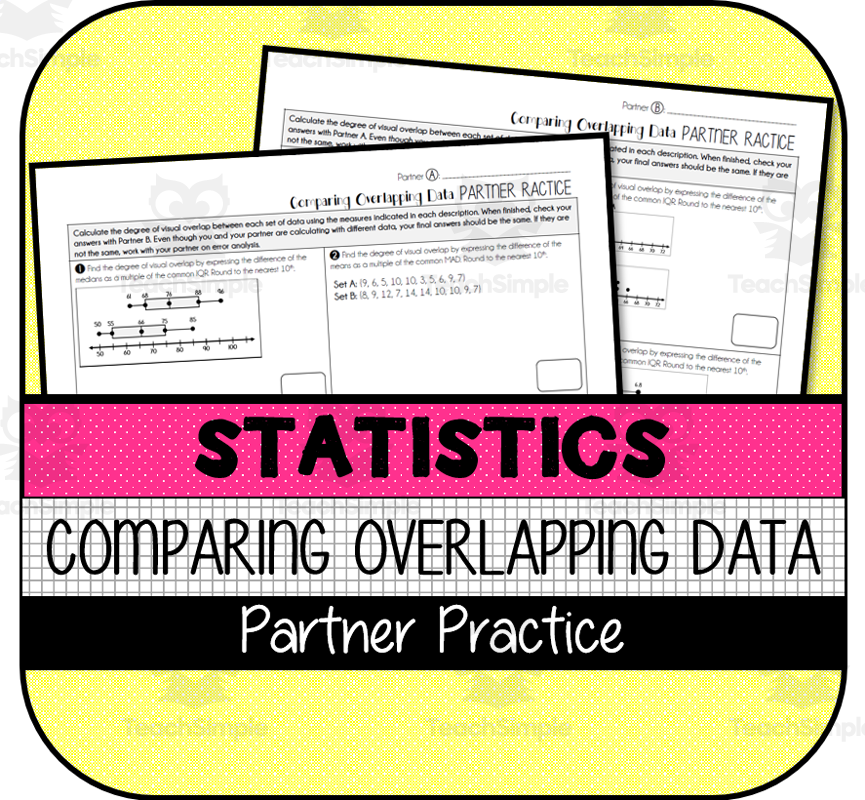
Data Analysis & Probability - Task Sheets Vol. 2 Gr. 6-8
Math, Statistics, Common Core, Grade 6, 7, 8, Worksheets & Printables, Worksheets
Data Analysis & Probability - Task Sheets Vol. 2 Gr. 6-8 This unique teaching resource focuses on key data analysis and probability concepts that cater to students in grades 6 to 8. It's aligned with NCTM standards, designed to stimulate students' interest and exploration. Task Sheets The heart of this resource are task sheets centred around real-world problems. They offer varied content levels of complexity, providing all learners with opportunities for growth. Data collection and organization tasks, Data interpretation and analysis tasks, Making predictions based on probabilities. Leveraging Technology in Learning Process & Reflections The resource encourages technology use when needed as well as ample room for reflection throughout the learning process. Pedagogical Approach This is not just a set of individual worksheets but encompasses a holistic pedagogical approach including assessment & standards rubrics along with review sheets. Standards Alignment: Common Core State Standards (CCSS) Alignment: Blooms Taxonomy Principles alignment, NCTM Standards alignment, Echoing STEM-oriented methods in its structure. Versatile Usage: Usable in both whole group settings or smaller cluster sessions, Suitable as homework assignments for further reinforcement of concepts. Add-ons: Color Activity Posters + Bonus Worksheets : Intriguing color activity posters boost visual aids in learning key principles. Extra worksheets for further consolidation of the learning experience. Digital Access: Downloadable PDF format allows easy anytime, anywhere access. Suitable not just for regular teachers but also homeschooling parents. Meticulously Designed by Experienced Educators: Designed by seasoned professionals who understand the art and science of stimulating young minds with mathematics. Additionally, it passes AI content detectors smoothly, ensuring its credibility and authenticity. The Ultimate Goal : The resource aims at preparing students with a solid foundational understanding that equips them for higher mathematical pursuits in the future.
Author Classroom Complete Press
Tags PDF
Scientist Lazzaro Spallanzani Fact Sheet, Quiz + Interactive Exercises
Life Sciences, Science, Biology, STEM, History: World, History, Social Studies, Animals, Human Body, Grade 7, 8, 9, 10, Worksheets, Worksheets & Printables, Quizzes, Quizzes and Tests, Teacher Tools, Projects, Activities
Discover Lazzaro Spallanzani – A Scientist Who Changed How We See Life Did you know that Lazzaro Spallanzani made incredible discoveries about how living organisms work? From figuring out how digestion happens to showing that life doesn’t just appear out of nowhere (disproving spontaneous generation), Spallanzani was a true pioneer of biology. His experiments opened the door to modern microbiology and helped us understand processes that we often take for granted today. This teaching resource is designed to help your grades 7–10 students learn about Spallanzani’s life and his groundbreaking experiments in a fun and interactive way. It’s perfect for a 45-minute lesson, with everything you need to make the topic engaging and easy to understand. What’s Included: Concise Informational Text: A clear and engaging overview of Lazzaro Spallanzani’s role in science. Fact Sheet Activity: Encourages students to organize knowledge and work creatively. Quiz with Solutions: Promotes fun, interactive learning and self-assessment. Additional Exercises: Students can create their own questions and collaborate in pairs to deepen their understanding. Flexible Formats: Includes a color and black-and-white printable PDF, as well as interactive H5P tasks for digital learning. Why You’ll Love This Resource: Time-Saving: Perfect for teachers who need a ready-to-go, well-structured lesson. Versatile Use: Ideal for biology, history of science, or cross-curricular lessons in English and science classes. Promotes Independence: Solutions are included, allowing students to check their work and explore the topic at their own pace. Interactive and Engaging: Tasks are designed to keep students actively involved while learning about Lazzaro Spallanzani’s legacy. Whether you use it for a regular lesson, substitute teaching, or as part of a digital learning activity, this resource will make Lazzaro Spallanzani’s contributions come alive for your students. Bring Lazzaro Spallanzani’s fascinating world of science into your classroom and inspire your students to see history and science in a whole new light! Have fun exploring the world of science with your students! Warmly, Lernfitness Did You Know? I teach with a certified therapy dog, and together we focus on creating a positive and inspiring learning environment.
Author Lernfitness
Tags Science, Biology, Famous Scientists Lesson, H5P, Interactive Science Exercises, STEM, History, Scientists, Lazzaro Spallanzani, Digestion
Ecosystems: Producers, Consumers and Decomposers
Science, Earth and Environmental Sciences, Environmental Science, Common Core, Grade 5, 6, 7, 8, Worksheets & Printables, Worksheets
Ecosystems: Producers, Consumers and Decomposers Ecosystems: Producers, Consumers and Decomposers is an informative teaching resource specially designed for the educators working with fifth to eighth grade students, targeting primarily the subject of Environmental Science. The purpose of this resource is to present an immersive study plan that unfolds a detailed understanding of ecosystems. Key Concepts: Producers Consumers Decomposers This resource can be adapted according to the teacher's approach - whole class discussion, smaller groups or individual assignments. The salient aspect about learning from this resource is its capacity to link theoretical knowledge about evolving populations with practical applications. In simpler terms, this facilitates students in understanding changes within ecosystems over time and helps them relate complex phenomena like photosynthesis with everyday occurrences such as weather patterns through water cycle study. About the Resource: This PDF document includes: A total of 26 ready-to-print pages packed with reading passages that break down complex scientific language into easily understandable content for middle-school students. Purposeful student activities aimed at reinforcinglearning through hands-on experiences. Vivid mini posters in colors that serve both educational and aesthetic purposes. Center ">In Line With Educational Standards! Our material complies with The Common Core State Standards (CCSS), which assures compatibility with existing lesson plans. Our responsive material towards Bloom's Taxonomy encourages critical thinking skills among young learners. STEM initiative adherence ensures a balance between academics and real-world problem-solving capabilities. To sum up,"Ecosystems: Producers, Consumers and Decomposers" provide educators with an effective toolset for making the intruiging subject of environmental science accessible and compelling for young learners. This contributes towards shaping them into responsible guardians of our Planet Earth.
Author Classroom Complete Press
Tags Chapter Slice, Ecosystems Lesson, Producers Lesson, Consumers Lesson, Decomposers Lesson, What Are The Differences Between Producers Consumers And Decomposers, Producers Consumers And Decomposers In Ecosystem
How Do I Plan A Story? (9-13 years)
ELA, Writing, Creative Writing, Grade 4, 5, 6, 7, Worksheets & Printables, Worksheets
How Do I Plan A Story? (9-13 years) A highly effective tool to develop creative writing skills in students aged 9 to 13. Designed to ease teachers' preparation effort while providing an enriching educational experience, this resource utilizes model stories as examples for students to learn and construct their creative pieces. In-depth Instructional Method: Sets off by laying stress on the role of planning in story creation. Moves on to reading provided model solution. Learners independently identify characters, settings, and plot facilitating an engaging teaching-learning process. Versatility is a primary factor; apply it for whole group instruction or assign it for small team activities or individual tasks such as homework. Narrative Structuring: Takes learners through organising events sequentially - from beginning to end. Incorporates utilizing suspense where suited. Fosters improvement in oral literacy through read aloud features based on learner constructed samples. Extending beyond story framing, this packet also provides resources aimed at: Narrative Quality Enhancement: - Grammar prowess - Sentence structure perfection - Vocabulary variety development - Punctuation placement proficiency. All come with clear illustrations using text samples authored by children enhancing its comprehensibility aspect. Last but not least; lists common errors made by students allowing space for corrective learning which upgrades results over time minus imposing extra pressure on teachers. Does your eager penmanship prodigy belong to Grade 4 through Grade 7 studying Language Arts especially Creative Writing? This easy-to-adopt toolkit will prove indispensable. Above all it's about enveloping them with love towards storytelling – making literacy education comprehensive yet leisurely! Be it a regular educator or homeschooling parent, this handy portable PDF file format resource can be smoothly included in your curriculum as the requirement arises. In conclusion 'How Do I Plan A Story? (9-13 years)' operates as an all-encompassing guide for young novices to smoothly excel at creative writing.
Author Guinea Pig Education
Tags Story Planning, Creative Writing, Model Stories, Narrative Structure, Language Arts
Write To Describe For GCSE English (14-16 years)
ELA, Writing, Grade 7, 8, 9, Worksheets & Printables, Worksheets
Write To Describe For GCSE English This 12-part writing resource helps students aged 14-16 develop key descriptive writing skills for success on the GCSE English exam. With practice paragraphs and essays, advice, and annotated examples, it builds students’ abilities to write engaging, detailed descriptions suited to audience and purpose. Students learn descriptive writing techniques like using precise sensory details, strong verbs and adjectives, imagery, and figurative language. The resource covers how to structure descriptive writing using the PEE format to analyze examples and properly incorporate TECHNIQUE, EFFECT and RESPONSE. With repeated practice, students gain confidence writing descriptions for tasks on both English Language and Literature GCSE papers. This teacher-created series aims to equip every student with concrete skills to reach the C grade benchmark or higher.
Author Guinea Pig Education
Tags Write To Describe, Gcse, English Language, Descriptive Writing, Exam Success
Countries of the World: Country Research Project 4th 5th 6th 7th Grade
Social Studies, Geography, History, Research, ELA, Writing, Formal Writing, Grade 4, 5, 6, 7, Worksheets & Printables, Worksheets, Writing Prompts, Drawing Templates & Outlines, Teacher Tools, Rubrics, Activities, Projects
Here is a ready-to-go country research social studies project for your students in 4th, 5th, 6th or 7th grade. Each student will choose a country (or you can assign them), complete focused research about it, and create an organized project with paragraphs and visuals to share their learning. How to Use: •Print pages 2-13 for each student. •Page 2 has clear instructions for the entire project, places to write due dates, and a checklist to keep students on track. •Page 3 has seven different prompts for students to research. Each student needs to pick at least four prompts to include in their unique project. •Pages 4-6 are graphic organizers for your students to use as they take notes and record their research sources (page 6 is optional). •Pages 7-9 are templates for students to use to write at least four paragraphs about their country (page 9 is optional). They could also type and print these paragraphs instead. •Page 10 is for students to record and illustrate fast facts about their country including the flag, leader, and popular food. •Page 11 is for students to draw and label five famous attractions (natural or human-made) that are found in their country. •Page 12 is a title page for the project. •Page 13 is a rubric you can use to assess the project. Let students see it at the beginning of the project so they know what the expectations are. Over several weeks, your students can complete their research, write and proofread their paragraphs, and draw the visual components of their project. They can present their projects to each other so they can learn about many countries around the world. You could even have a Countries of the World Fair! Finally, you can use the rubric to assess each project. Grades to Use With: This project is designed for middle grades students in 4th, 5th, 6th or 7th grade who are learning about library research skills and expository writing- specifically expository paragraphs. It could also be used in high school special education classes where appropriate. What's Included: 13-Page PDF: Ready to Print and Use! Complete Teacher Instructions 2 Pages of Student Instructions & Writing Topics 6 Student Graphic Organizers for Note-Taking & Paragraph Writing 2 Student Templates for Fast Facts and Famous Attraction Drawings Project Title Page Marking Rubric
Author Grace Under Pressure
Rating
Tags Country, Countries, Countries Of The World, Country Research Project, Countries Of The World Project, Social Studies Project, World Geography, 4th Grade Project, 5th Grade Project
Science Reading Comprehension Physical & Chemical Properties Fillable
Science, Physics, Common Core, Reading Comprehension, Reading, ELA, Resources for Teachers, ESL, Language Development, Vocabulary, Grade 5, 6, 7, Worksheets & Printables, Worksheets, Centers, Activities, Tests, Quizzes and Tests, Teacher Tools, Quizzes, Assessments
Reading Comprehension Passages on Physical and Chemical Properties for Physical Science Physical & Chemical Properties Reading Passage1: Measuring Matter: Mass, Volume, and Density Reading Passage2: Physical and Chemical Properties of Matter Reading Passage 3: Physical and Chemical Changes in Matter Reading Passage4: Atoms, Elements, and Compounds Reading Passage5: Chemicals: Helpful and Harmful FILLABLE PDF VERSION Worksheet-style pages, but with type-in answer boxes so students can complete and save their work digitally. Other versions are available in the links list below or in the full catalog. Snapshot Genre: Nonfiction Subject: Physical Science Primary Topic: properties, changes, and structure of matter Estimated Guided Reading Level (A–Z): W What This Teaches Best Shows how to measure matter using mass, volume, and density, including formulas, cubic centimeters, milliliters, and a graduated cylinder. Teaches students to distinguish physical properties from chemical properties using examples such as buoyancy, conductivity, solubility, and flammability. Explains physical and chemical changes in matter, including melting, boiling, evaporation, condensation, mixtures, solutions, suspensions, and combustion. Builds foundational chemistry knowledge about atoms, elements, compounds, subatomic particles, and how the periodic table is organized. Connects chemistry to everyday safety by explaining acids, bases, neutral substances, pH testing, and safe handling of chemicals. Learning Goals Students will describe matter as anything that has weight and takes up space. Students will measure or calculate mass, volume, and density using the units and formulas given in the text. Students will identify and compare physical properties and chemical properties of matter using examples from the text. Students will explain the difference between physical changes and chemical changes using evidence from the lesson examples. Students will identify the parts of an atom and explain how elements and compounds are related. Students will classify substances as acidic, basic, or neutral and describe why some chemicals must be handled carefully. FULL CATALOG OF DOWNLOAD LINKS HERE Grade 5/6 Links: Physical Science Part 1 - Physical and Chemical Properties Google Docs/Slides/Forms PDF PPT Word Free Supplementary Pack Accompanying Videos Physical Science Part 2 - Motion and Energy Google Docs/Slides/Forms PDF PPT Word Free Supplementary Pack Accompanying Videos Physical Science Part 3 - Electricity and Magnets Google Docs/Slides/Forms PDF PPT Word Free Supplementary Pack Accompanying Videos Life Science Part 1 - Cells, Reproduction and Genetics Google Docs/Slides/Forms PDF PPT Word Free Supplementary Pack Accompanying Videos Life Science Part 2 - Human Body Systems Google Docs/Slides/Forms PDF PPT Word Free Supplementary Pack Accompanying Videos Life Science Part 3 - Plant Parts and Ecosystems Google Docs/Slides/Forms PDF PPT Word Free Supplementary Pack Accompanying Videos Earth Science Part 1 - Plate Tectonics and Rock Cycle Google Docs/Slides/Forms PDF PPT Word Free Supplementary Pack Accompanying Videos Earth Science Part 2 - Ocean Exploration and Natural Resources Google Docs/Slides/Forms PDF PPT Word Free Supplementary Pack Accompanying Videos Earth Science Part 3 - Weather and Solar System Google Docs/Slides/Forms PDF PPT Word Free Supplementary Pack Accompanying Videos For similar products and other frees, do check out Cored Group on TeachSimple .
Author Cored Education
Rating
Tags Science, Elementary, Reading, Comprehension, Vocabulary, Physics, Physical Science, Printables, Worksheets, Reading Passages
Write An Information Leaflet: My Visit To The Museum (9-14 years)
ELA, Writing, Grade 4, 5, 6, 7, Worksheets & Printables, Worksheets
Write An Information Leaflet: My Visit To The Museum (9-14 Years) This pack, tailored for students aged 9 to 14, is a versatile writing practice tool. It takes an interactive approach to improve language proficiency and reinforce critical literacy skills. Interactive Components This unique resource offers: Interview writing exercises: These activities cultivate a distinctive understanding of facts versus opinions by focusing on engaged dialogue creation. Biography crafting sessions: Students will explore the important nuances of information presentation as they engage with distinct writing styles. Diverse Writing Aspects The pack emphasizes several informational writing aspects such as advising, analyzing, explaining among others. To exemplify these components effectively – the kit integrates practical examples throughout its content. Furthermore, it magnifies various textual presentations; taking students through news article structures and uncovering differences between formal and informal letters. Skill Enhancement Focus The learning kit allows students to enhance their written communication abilities by introducing them to different sentence types alongside appropriate punctuation usage all while maintaining correct grammar standards. Note: This dynamic material stretches beyond simple worksheets. It incorporates model answers & sample texts from previous learners – providing clear examples of proficient workmanship. Consequently leading pupils onto the path of autonomous learning! Educational Efficiency: Aiding Educators The leaflet package lowers prep-time stress for teachers by including specimen lesson plans that can be leveraged during class hours. Added Advantage: This resource caters especially well for reluctant writers – offering safer starter topics to stimulate creativity and boost student confidence. To conclude, this engaging educational tool bridges knowledge gaps in fundamental English Language Arts concepts while shaping strong academic writing skills. Regardless of whether used extensively in a classroom, smaller groups or for take-home tasks – it's an indispensable learning asset.
Author Guinea Pig Education
Tags Writing Practice, Critical Literacy, Information Writing, Language Proficiency, Interactive Guide