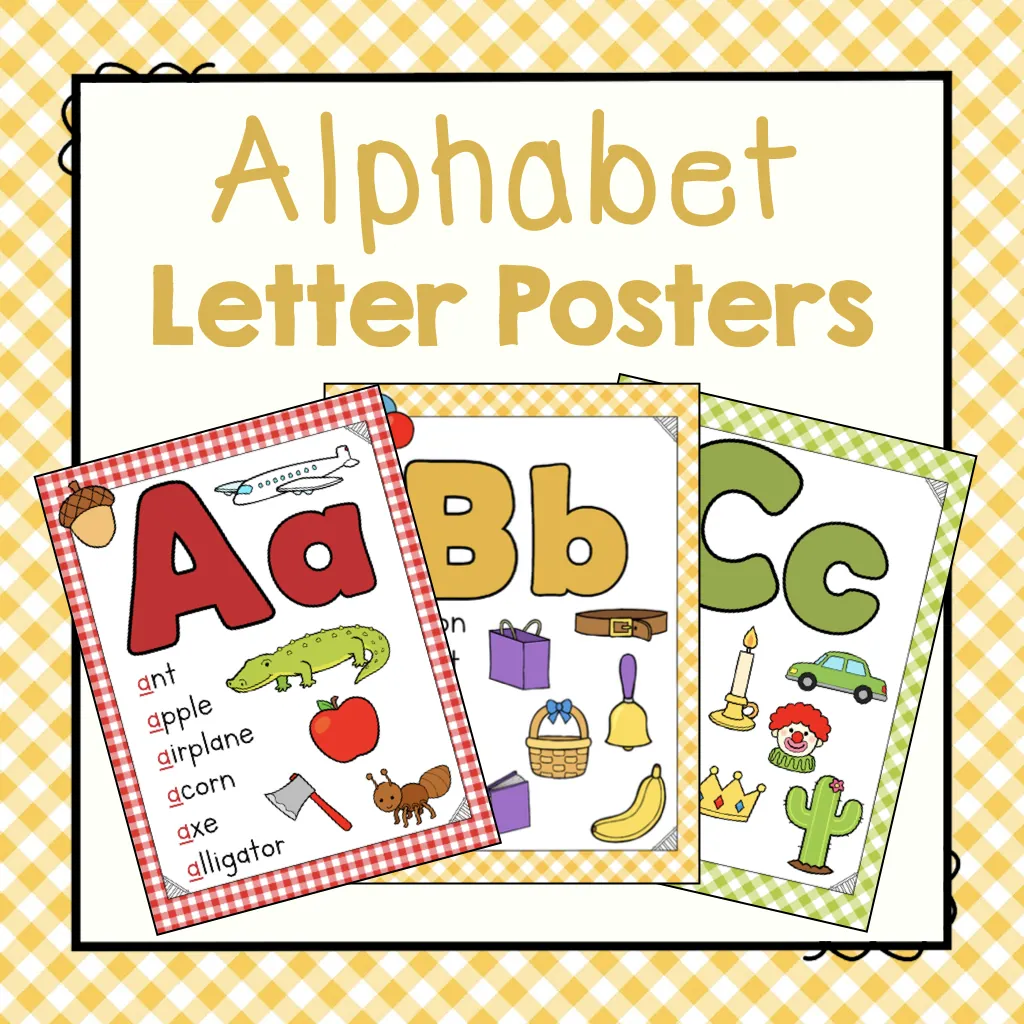
Alphabet Letter Posters | Letter of the Week Activity Book
- Grades
- Pre-K–K
- Pages
- 29
- File type
- Preparation
- Print ready


- Subject
- ELA, Pre-Reading
- Topic
- Alphabet Posters, Letter Recognition
- Resource types
- Posters
- Preparation
- Print ready
- Standards
- CCSS.RF.K.1d
Product description
From the author
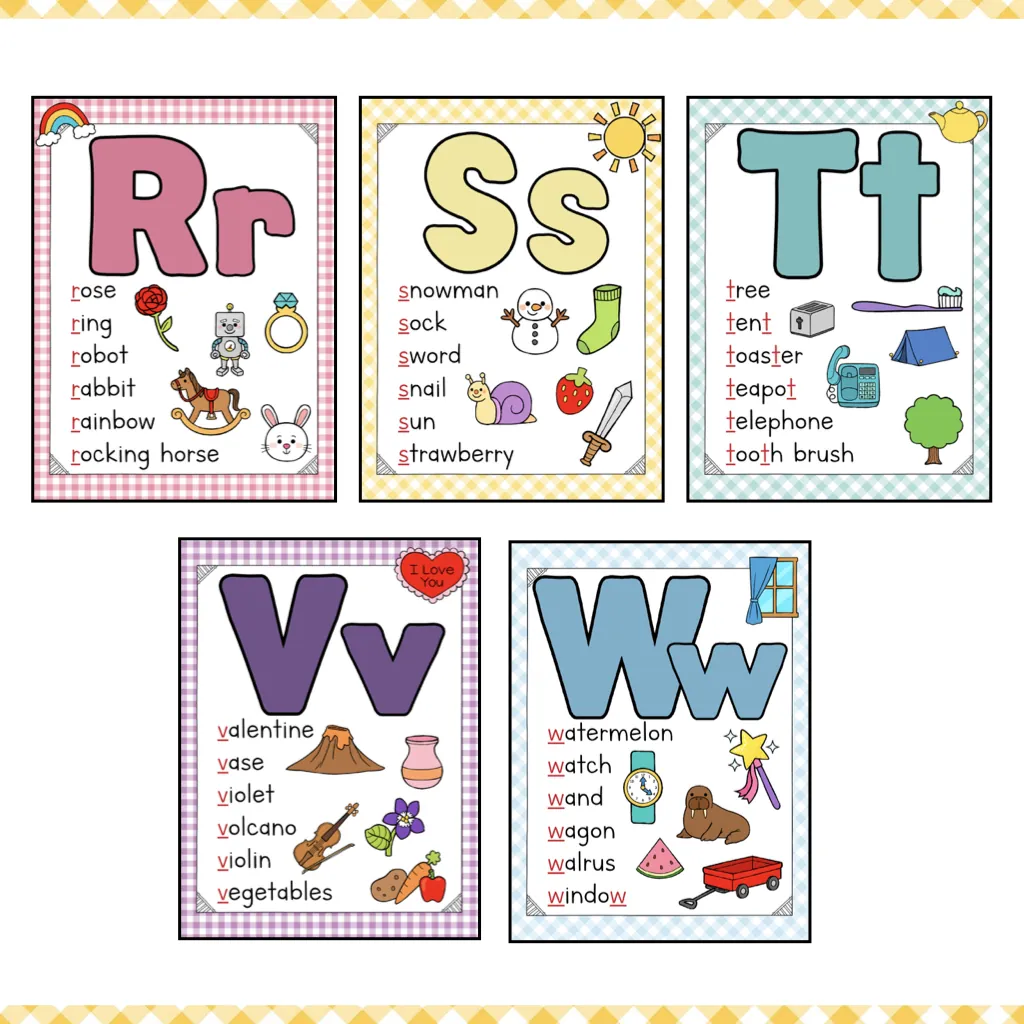
These adorable letter posters are a great way to provide visual reminders for your emerging readers! Use these posters to decorate your home, office, preschool classroom or kindergarten area! These are some of my most popular letter resources- they have been consistently used and loved by teachers all over the world!
How to Use This:
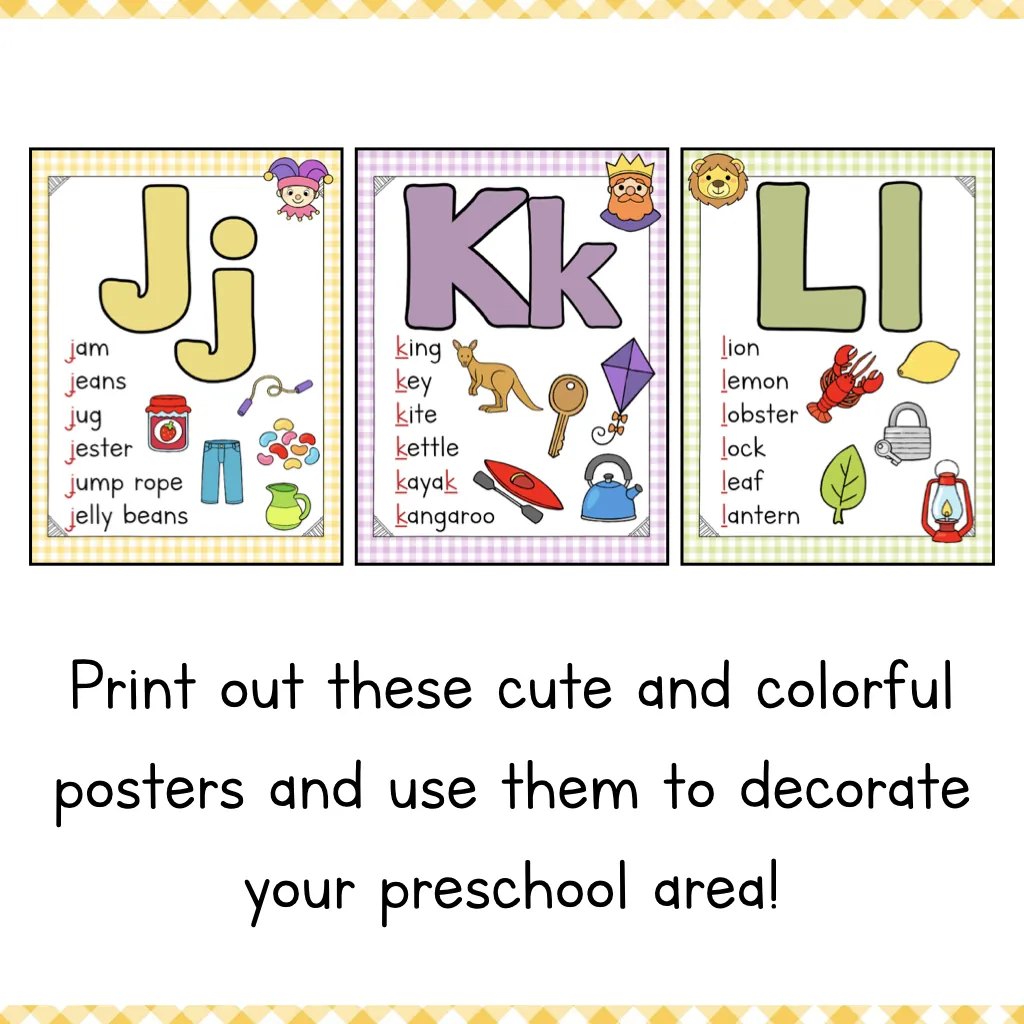
Print out the letter posters. Laminate if kids will be handling them or if you want them to last a long time. Laminating will also provide more stability for display purposes. You can use them as a visual to hold or show during letter lessons and discussions or post them on a wall for student reference purposes. Point out the uppercase and lowercase letters shown on the poster. Study the words that start with each letter. Notice if the letter is used in multiple places in the word or just at the beginning. Observe the cute clipart that coordinates with the written words. Help your students brainstorm more words and pictures that could be put onto a poster like this.
These posters are great for group instruction and work, student reference, or as something to study in a letter center. If you are using a letter of the week type of approach, these printables will fit right in! You can use them while teaching children at home, small homeschool or co-op groups, or a large preschool or kindergarten class. These posters will brighten up your room with color and cute art as well as be a valuable reference and resource!
What You Get:
- 26 colorful letter posters
Teaching young students to read requires so many different steps and activities. I hope that this resource and others I've made will help you create a letter-learning approach and plan that will help you cover all the topics and skills you need to help your students become proficient readers and learn to love reading with all their hearts. High-quality resources, activities, worksheets, and crafts can make all the difference in making their learning memorable and fun!
Related resources
More resources teachers may find useful
24 related resources were found using this product's title, contributor, categories and tags.


In the classroom
Teaching tips & learning objectives

Learning objectives
Recognize letters A–Z in print.
Locate a focus letter within an example word.
Connect printed letters with sounds in spoken words.

Teaching tips
Print one poster per week to match a letter-of-the-week routine, since the set proceeds through the alphabet in order.
Have students brainstorm additional words that start with the featured letter beyond the ones shown on the poster.
Some examples contain the focus letter away from the start: eye on Y and fizz on Z, as well as several X examples. Focus on finding the written letter and discuss differing sounds where relevant.

Skills covered
Alphabet recognition
Letter identification in words
Vocabulary development
Good to know
Questions teachers ask about this resource
Do the examples always begin with the featured letter or use the same sound?
No. Examples include eye on Y, fizz on Z and X in positions such as box and taxi. The X poster also includes x-ray and xylophone. Use the posters to find the written letter and discuss the different sounds where relevant.

No reviews yet
Downloaded this resource? Tell other teachers how it went.
Curriculum
Standards, concepts & topics
Standards
 Standards
- CCSS.RF.K.1d — Recognize and name all upper- and lowercase letters of the alphabet
Core concepts
 Core concepts
Alphabet letters
Beginning sounds
Letter-of-the-week vocabulary
 Topics
Explore more
Categories this resource belongs to
Explore related searches
More to explore
You may also like