Anatomy and Physiology | Blood Notes PowerPoint Presentation


- Grades
- Grades 9–12
- Pages
- 40
- File type
- Microsoft PowerPoint
- Answer key
- Included


- Subject
- Science, Biology, Human Body
- Topic
- Blood notes, Platelets
- Resource types
- Presentations
- Answer key
- Included
Product description
From the author
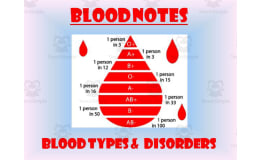
This Blood Notes package contains three editable PowerPoint presentations for high-school anatomy and physiology: fourteen slides on red and white blood cells, fourteen on platelets and blood physiology, and twelve on blood types and disorders.
Begin with red and white blood cells, then move to platelets and finally blood types. The latter two decks include review questions with answers before introducing further content. Adapt slide order and wording to your course.
Related resources
More resources teachers may find useful
24 related resources were found using this product's title, contributor, categories and tags.


In the classroom
Teaching tips & learning objectives

Learning objectives
Students identify the three formed elements of blood (red blood cells, white blood cells, platelets) and their functions.
Students explain how hemoglobin transports oxygen and how erythropoietin regulates red blood cell production.
Students explain why ABO blood types must be matched before a transfusion.

Teaching tips
Use the built-in review slides (e.g., 'What is another name for a rbc?') as a quick formative check before moving into new content, in the platelet and blood-types decks.
Teach the three decks (RBC/WBC, platelets/physiology, blood types/disorders) as sequential lessons rather than one long sitting, since they are separate .ppt files.
Because the files are editable PowerPoint, adjust slide order, terminology, or add images to match a specific course syllabus before presenting.

Skills covered
Blood-component identification — students name and describe the function of red blood cells, white blood cells, and platelets.
White blood cell classification — students distinguish granulocytes (neutrophils, basophils, eosinophils) from agranulocytes (monocytes, lymphocytes) by role.
Blood typing and transfusion reasoning — students explain ABO antigen matching and the risk of agglutination.

No reviews yet
Downloaded this resource? Tell other teachers how it went.
Resource details
Concepts & topics
Core concepts
 Core concepts
Blood physiology
Hematopoiesis
White blood cell types
ABO blood typing
 Topics
Explore more
Categories this resource belongs to
Explore related searches
More to explore
You may also like