Digestive System – PowerPoint Presentation & Notes

- Grades
- Grades 6–9
- Pages
- 16
- File type
- Microsoft PowerPoint
- Editable
- Yes


- Subject
- Science, Human Body
- Topic
- Digestive system, Human anatomy
- Resource types
- Presentations, Worksheets
- Editable
- Yes
Product description
From the author
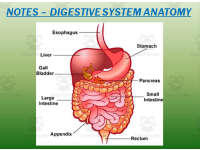
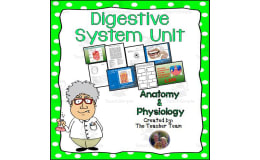
This 16 slide power point presentation covers the main anatomic structures of the Digestive System for a high school Anatomy & Physiology or Biology course. This product gives an opportunity to take Cornell style notes and includes structures such as the pharynx, esophagus, small intestine, gall bladder, liver, pancreas, large intestine, etc. This presentation gives a good foundation for any discussion of the digestive system.
Related resources
More resources teachers may find useful
24 related resources were found using this product's title, contributor, categories and tags.


In the classroom
Teaching tips & learning objectives

Learning objectives
Trace the path of food through the digestive system from the oral cavity to the large intestine
Identify the key secretions and enzymes produced at each digestive organ, such as salivary amylase, hydrochloric acid, pepsin, and bile
Explain the specific function of accessory organs (liver, pancreas, gall bladder) in digestion

Teaching tips
Open with the 'Interesting Digestive System Facts' trivia questions to hook student interest before working through the organ-by-organ notes
Have students build a labeled flowchart of the digestive path (mouth to large intestine) as they work through the bulleted notes, since the notes themselves are terse phrase fragments rather than full sentences
Use the included liver/gall bladder and pancreas diagrams to connect the organ positions with the functional notes

Skills covered
Digestive system sequencing — students trace the pathway of food from the oral cavity through the large intestine.
Enzyme and secretion identification — students associate named enzymes and secretions, such as pepsin and bile, with the organ that produces them and their specific function.
Anatomical terminology — students learn structure names such as duodenum, jejunum, ileum, and the four colon segments.
Good to know
Questions teachers ask about this resource
Are separate student note pages included?
The resource is a PowerPoint note presentation. Students can record the organ names and functions in their own notes or on a note-taking format you provide.

No reviews yet
Downloaded this resource? Tell other teachers how it went.
Resource details
Concepts & topics
Core concepts
 Core concepts
Digestive system
Human anatomy
Enzymes and secretions
Organ function
 Topics
Explore related searches
More to explore
You may also like