Ecosystems: Photosynthesis


About This Product
Ecosystems: Photosynthesis
An incredibly useful resource for educators focused on making the understanding of ecosystems more accessible for students in grades 5-8. The resources delve into the details of biotic and abiotic ecosystems with crisp language and striking examples targeted at younger learners.
Main Topics:- Photosynthesis: A core chapter that explains the contrast between producers, consumers, and decomposers.
- Populations & Ecosystem Changes: Engaging content addressing changes in populations and their ecosystems, stimulating critical thinking while reinforcing subject matter understanding.
The resource perfectly blends theory with practical application. It offers exciting activities crafted specially for middle-grade science classrooms ensuring an immersive learning experience through hands-on student participation.
Connectivity within natural systems
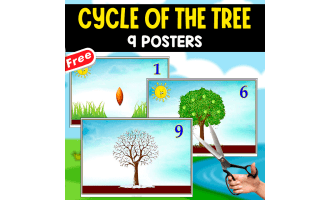
Evidence about how the water cycles interact with all nature's systems—from humans to microorganisms—is given through vibrant color mini posters included as visual aids. These can be employed either during full-class dialogues or one-on-one study sessions to facilitate comprehension of complex scientific ideas.
Understanding Food Chains & Webs
In an effortlessly comprehensible manner, light is shed on key environmental science concepts—food chains and food webs. This module serves a variety of schoolroom applications such as homework assignments or resources during collective group chats where students work collaboratively on reinforcing ecosystem principles.
About this resource:- A total of 26 ready-to-print pages combined into a single PDF file makes lesson planning hassle-free allowing efficient time utilization by teachers. Compatible With Common Core State Standards ensuring its applicability across various educational curriculums worldwide aiding tutors navigate today's educational requirements effortlessly.
This constructive PDF lesson plan keeps your students occupied while consolidating vital scientific principles essential to Environmental Science. It makes gaining a thorough understanding of ecosystems, especially photosynthesis, simpler for learners.
What's Included
1 PDF with 26 ready to print pages
Resource Tags
0 Reviews
Check out these other great products