Moving House: Write A Story (9-13 years)


- Grades
- Grades 5–7, Elementary, Middle School
- Pages
- 9
- File type
- Preparation
- Print ready


- Subject
- ELA, Vocabulary, Language Development
- Topic
- Creative writing tasks, Creative writing lessons
- Resource types
- Activities
- Preparation
- Print ready
- Standards
- W.5.3
Product description
From the author
Essential Writing Practice (9-13 years)
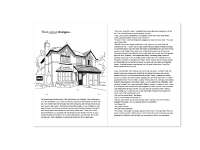
Use the story planner to plan and write a story 'Moving To A New House'. Read the example to see how a story can be structured (opening, development of plot, complication, suspense and tension and resolution). Don't forget to work on how the characters feel.
An essential series of themed prompts to help children aged 9-12 years to practise their creative writing skills. The packs include an outline to help the child plan his or her own story, article, letter or play script and examples to build on, using harder more challenging vocabulary to stretch more able pupils.
Related resources
More resources teachers may find useful
24 related resources were found using this product's title, contributor, categories and tags.

In the classroom
Teaching tips & learning objectives

Learning objectives
Identify the ingredients of an entertaining story: opening, characters, setting, plot, suspense, dialogue, and ending
Plan an original story through the opening-to-resolution structure
Write a complete first-person or third-person narrative about facing a big change

Teaching tips
Read the model story aloud before the rules pages so students meet the craft in context, then loop back to name the techniques
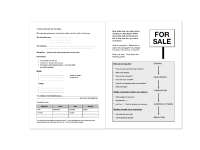
Use the continue-the-plan page as guided practice — the introduction bullets are filled in, leaving the middle and ending for students
Take up the closing suggestion that the model could be a novel's first chapter — fast finishers write the next chapter with the new friend

Skills covered
Narrative planning — students plot introduction, middle, and ending against the file's paragraph plan and structure checkpoints.
Suspense and tension building — the plan pages explicitly prompt 'What might happen to trigger off a series of events?' and 'Build up tension and suspense.'
Dialogue writing — the model demonstrates dialogue moving the story along ('Why can't we go for a walk,' I pestered Dad).
Good to know
Questions teachers ask about this resource
What does the model story contribute beyond an example to read?
It becomes the working material: students explain why its opening hooks the reader, fill in its characters and setting, extend its plan for the middle and ending, and sort its vocabulary into a word-class table — the story's plot ('facing a big change after moving house') is given as the anchor.
How much support does the final writing task give?
The prompt supplies a moving-house scenario that begins with loneliness and introduces a new friend. Planning questions guide the story stages, and two lined pages provide drafting space.

No reviews yet
Downloaded this resource? Tell other teachers how it went.
Curriculum
Standards, concepts & topics
Standards
 Standards
- W.5.3
Core concepts
 Core concepts
Narrative writing
Story structure
Suspense
Dialogue
Sentence variety
 Topics
Explore more
Categories this resource belongs to
Explore related searches
More to explore
You may also like