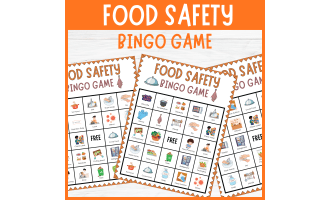
Safe Food Handling for Kids - Basic Science Project Activities


About This Product
As a Registered Dietitian, I understand the importance of food safety. I also understand the importance of food safety being taught early on to kids as young as possible. That's why I created this activity pack. Students will become familiar with all aspects of food safety and cutting board safety.
Students of all ages will benefit from this food safety product. It can be used for basic science projects, as food safety is science as well as math (temperatures for example).
They will learn about cross contamination and how to prevent food borne illness.
There are four important steps to food safety in the kitchen. All steps will be covered in detail. They will also become familiar with important food temperatures in cooking, freezing, and holding food safely.
They will learn about foods that are more likely to make a person sick if they are not properly handled and kept at a safe temperature. For example, milk-based products such as pudding and yogurt.
Students will learn the importance of making sure their lunches brought from home are safe to eat by the time mealtime arrives.
They will learn the difference between cleaning and sanitizing when cleaning up the kitchen after cooking a meal. They will learn about proper refrigeration and freezing methods.
Students will learn about the different kinds of cutting boards, the importance of different types of foods being only used with different kinds of cutting boards, as well as how to tell a cutting board is not safe to use (old or worn out), and how to properly clean a cutting board.
Multiple activities include fill-in-the-blank, matching, coloring, identification, lots of practice to help make sure students are learning the materials (Quizzes).
Students will learn more than they ever thought they needed to know.
40 pages of activities including answer keys, pdf downloadable, printable file. Lots of pictures and colors for more visual students.
Resource Tags
0 Reviews
Check out these other great products