Sensory Language: Descriptive Writing Activities 2


- Grades
- Grades 3–7, Elementary, Middle School
- File type
- Preparation
- Print ready


- Subject
- ELA, Strategies, Writing
- Topic
- Description, Strategy
- Resource types
- Activities
- Preparation
- Print ready
About this resource
What's inside this resource
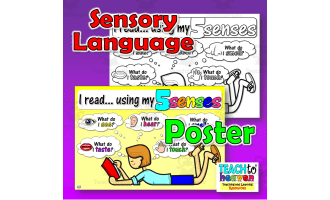
This teaching material aims to assist teachers in their efforts to teach students ways to use Sensory Language when describing. Particularly, it helps them teach the 5-senses descriptive strategy. This particular strategy transforms simplistic and dull descriptions into rich and impressive ones. Students, after constant repetition, eventually learn to incorporate this strategy into their written descriptive discourse.
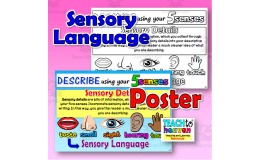
What is Sensory Language? It is the use of sensory details in description.
What are Sensory Details? Sensory details are bits of information, which you collect through your five senses. Incorporate sensory details into your descriptive writing. In this way, you give the reader a much cleaner idea and a more specific picture of what you are describing. Moreover, Sensory language brings our writing to life, and it helps the reader to feel like they are a part of the experience. In other words, “Sensory language” are words and phrases that link readers to the five senses: touch, sight, sound or hearing, smell, and taste. It can be used not only while describing things but while describing events as well.
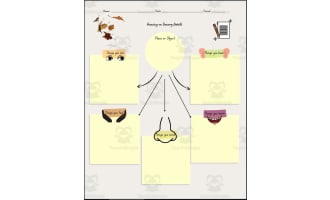
This certain product Includes two organizers and two writing templates for implementing the 5-senses strategy in descriptive writing:
-How to describe a rainy day, using the 5-senses technique (or strategy).
-How to describe a sunny day, using the 5-senses technique (or strategy).
Related resources
More resources teachers may find useful
24 related resources were found using this product's title, contributor, categories and tags.


In the classroom
Teaching tips & learning objectives

Learning objectives
- Generate details for each of the five senses about a weather scene
- Write a short descriptive text that uses sensory language

Skills covered
- Prewriting — using the completed senses grid as notes for the description

No reviews yet
Downloaded this resource? Tell other teachers how it went.
Resource details
Concepts & topics
Core concepts
 Core concepts
- Sensory language
- Five senses
- Descriptive writing
 Topics
Explore more
Categories this resource belongs to
Explore related searches
More to explore
You may also like