


XL Domino – Chemical Elements 1–118 | exploring element names + symbol


- Grades
- Grades 7–12, Middle School, High School, Homeschool Resources, Adult Education
- Pages
- 31
- File type
- Answer key
- Included


- Subject
- STEM, Science, Chemistry, Physics, Life Sciences, Montessori, Basic Science
- Topic
- Educational card games, Chemistry
- Resource types
- Activities, Games, Worksheets & Printables, Task Cards, Quizzes and Tests, Teacher Tools, Word Problems, Flashcards, Escape Room, Experiments
- Answer key
- Included
About this resource
What's inside this resource
XL Domino – Chemical Elements 1–118
An interactive domino game for exploring element names and symbols 🧪🎲
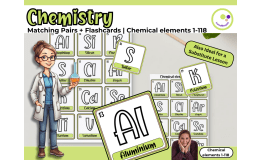
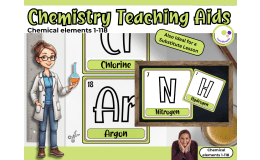
This printable XL domino game offers a fun and flexible way for students to practice the names and symbols of all 118 chemical elements. Designed for use in grades 7–10, this resource supports both introductory lessons and ongoing review in chemistry class. Whether used in small groups, as a full-class activity, or even spread out along the hallway floor, it encourages active learning and collaboration.
Each card features either the name or the symbol of a chemical element. By matching these correctly, students build a long domino chain – all while reinforcing their knowledge of atomic numbers, symbols, and the layout of the periodic table.
What’s included:
238 printable domino cards (PDF format)
Two complete versions of the game (119 cards each):
– Beginner version: element names on both sides
– Advanced version: name on one side, symbol on the otherCovers all elements from hydrogen (1) to oganesson (118)
Tips for setup and gameplay included
How I’ve used it:
This game works well before introducing the periodic table in depth. It gives students time to get comfortable with element names and symbols in a low-pressure setting. The larger card format makes it ideal for group work or movement-based activities, such as arranging the cards on the floor or in the hallway.
Why it works:
The visual repetition and active gameplay help students internalize key facts more effectively than passive memorization. Group dynamics also support peer learning – students naturally help each other recall unfamiliar elements. And because it feels like a game, students stay engaged longer and show more willingness to participate.
The material is easy to prepare: print, laminate if you like, and cut out the cards. From there, you can adapt it for differentiated learning levels or turn it into a competitive classroom challenge.
This is not just a game – it’s a versatile teaching tool that brings the periodic table to life.
📍 Best wishes,
Heike from @Lernfitness
Did You Know?
I teach with a certified therapy dog, and together we create a positive and welcoming learning environment. 🐶
Related resources
More resources teachers may find useful
24 related resources were found using this product's title, contributor, categories and tags.


In the classroom
Teaching tips & learning objectives

Learning objectives
- Match chemical element names with their symbols
- Connect elements to their atomic numbers

Teaching tips
- The handout frames the game as an introduction before formal periodic table study, so it can serve as students' first look at element names and symbols.

Skills covered
- Symbol recall — students find the card whose symbol matches the element at the end of the chain
- Atomic number matching — students link elements to their atomic numbers as they place cards

No reviews yet
Downloaded this resource? Tell other teachers how it went.
Resource details
Concepts & topics
Core concepts
 Core concepts
- Chemical elements
- Element symbols
- Atomic number
- Periodic table
 Topics
Explore more
Categories this resource belongs to
Explore related searches
More to explore
You may also like


