Stories & picture books
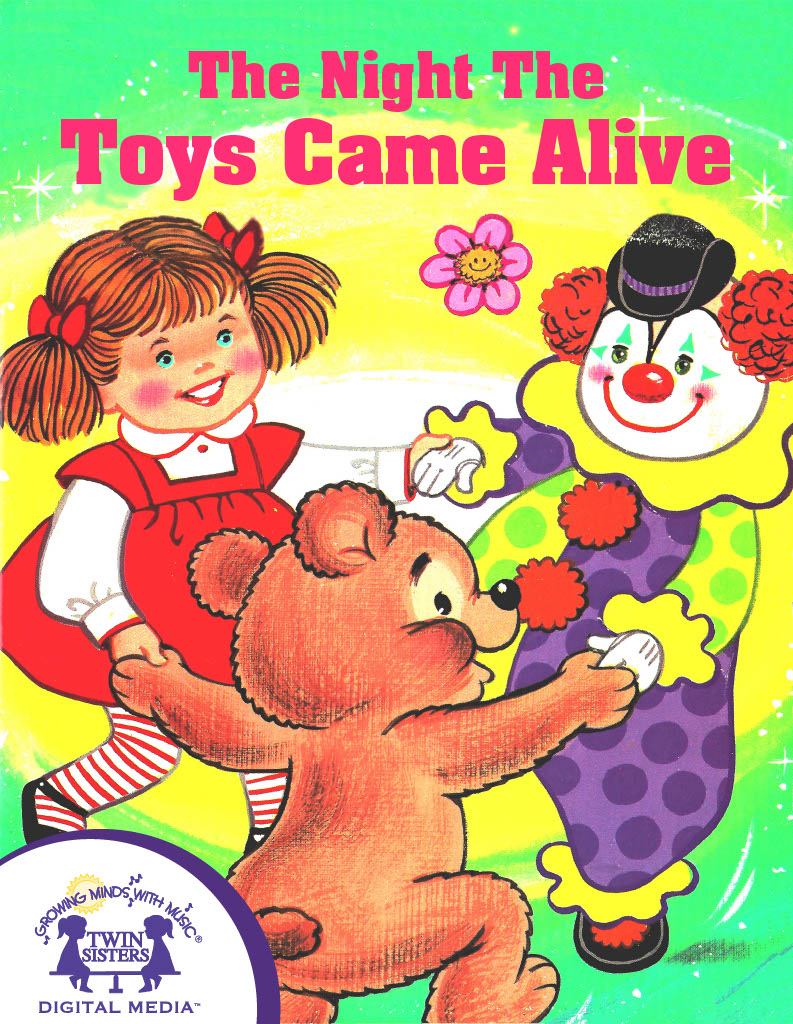
The Night The Toys Came Alive eBook
A illustrated read-aloud storybook ("The Night The Toys Came Alive") for early-elementary language arts and holiday/seasonal literacy use.




Classroom resources
Plan shared reading with elementary learners. Find stories, nonfiction and read-aloud companions with discussion or response activities, plus listening resources for a shared reading routine.
Browse by lesson focus
Choose the topic or kind of practice you need.
Showing 1–24 of 477 resources

 Show filters
 A illustrated read-aloud storybook ("The Night The Toys Came Alive") for early-elementary language arts and holiday/seasonal literacy use.
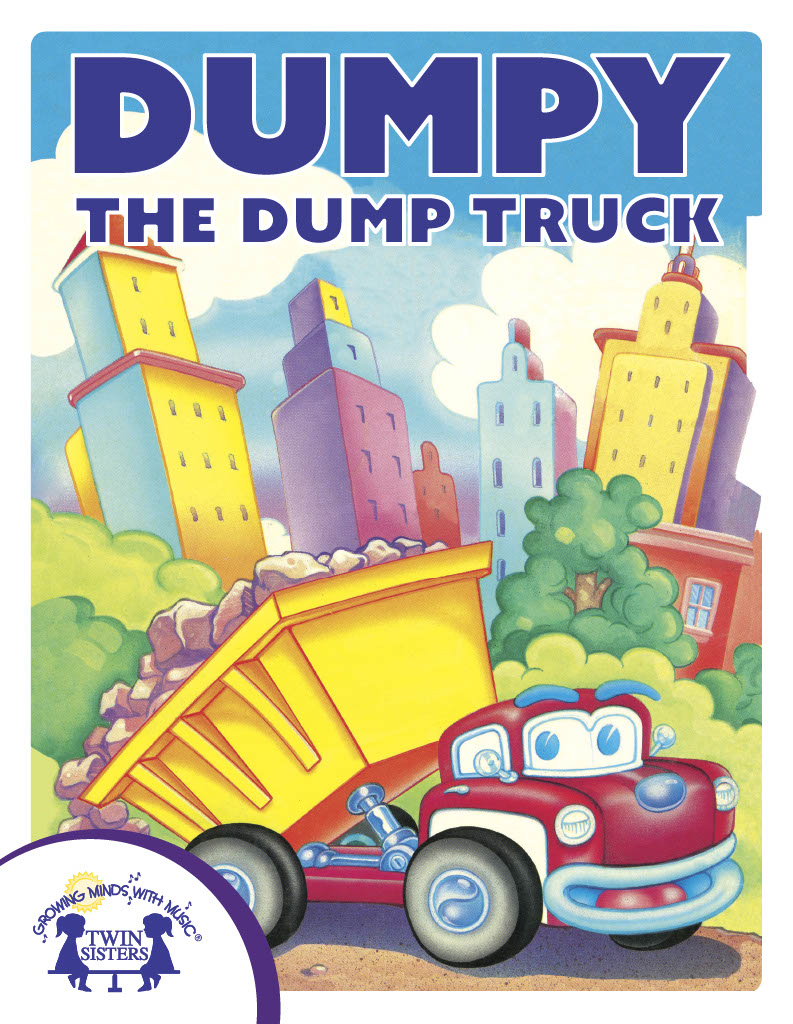
A read-along storybook (eBook/PDF and EPUB) teaching young children about self-worth and not comparing themselves to others, through the story of a dump truck who feels inadequate next to bigger, faster, and shinier vehicles until he realizes his own value.
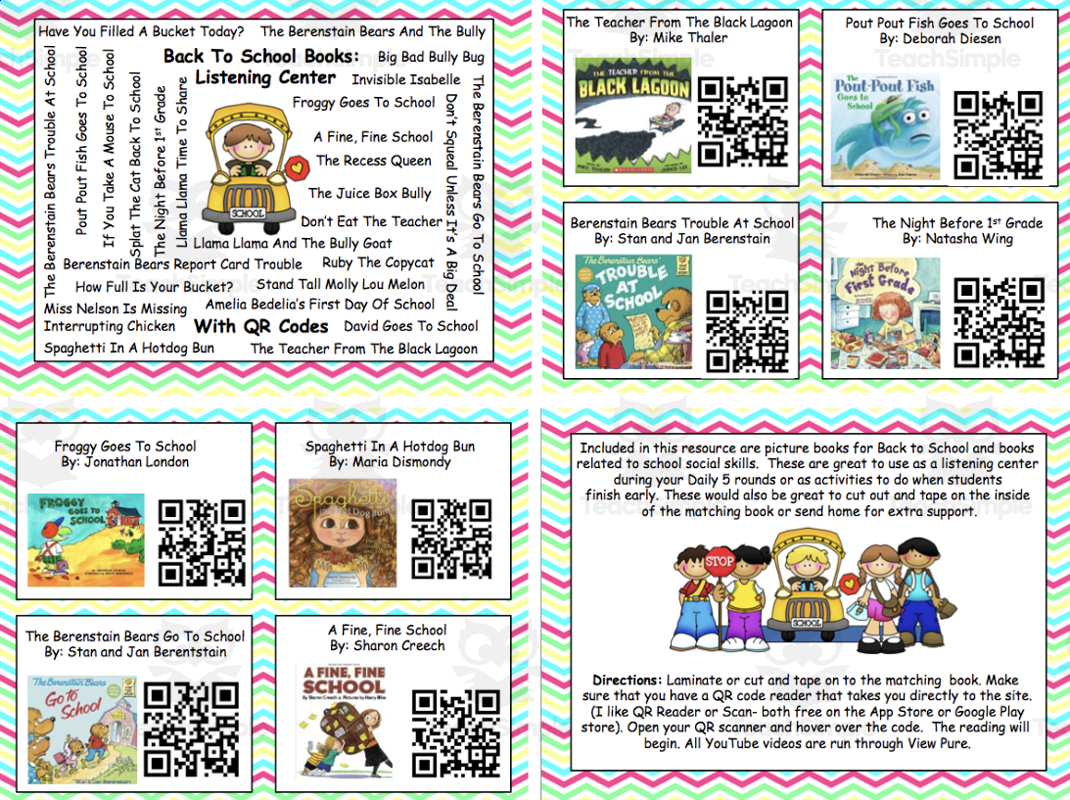
a listening-center resource pairing 28 back-to-school and school-social-skills picture books with QR codes that link to read-aloud videos, for use during independent reading rotations
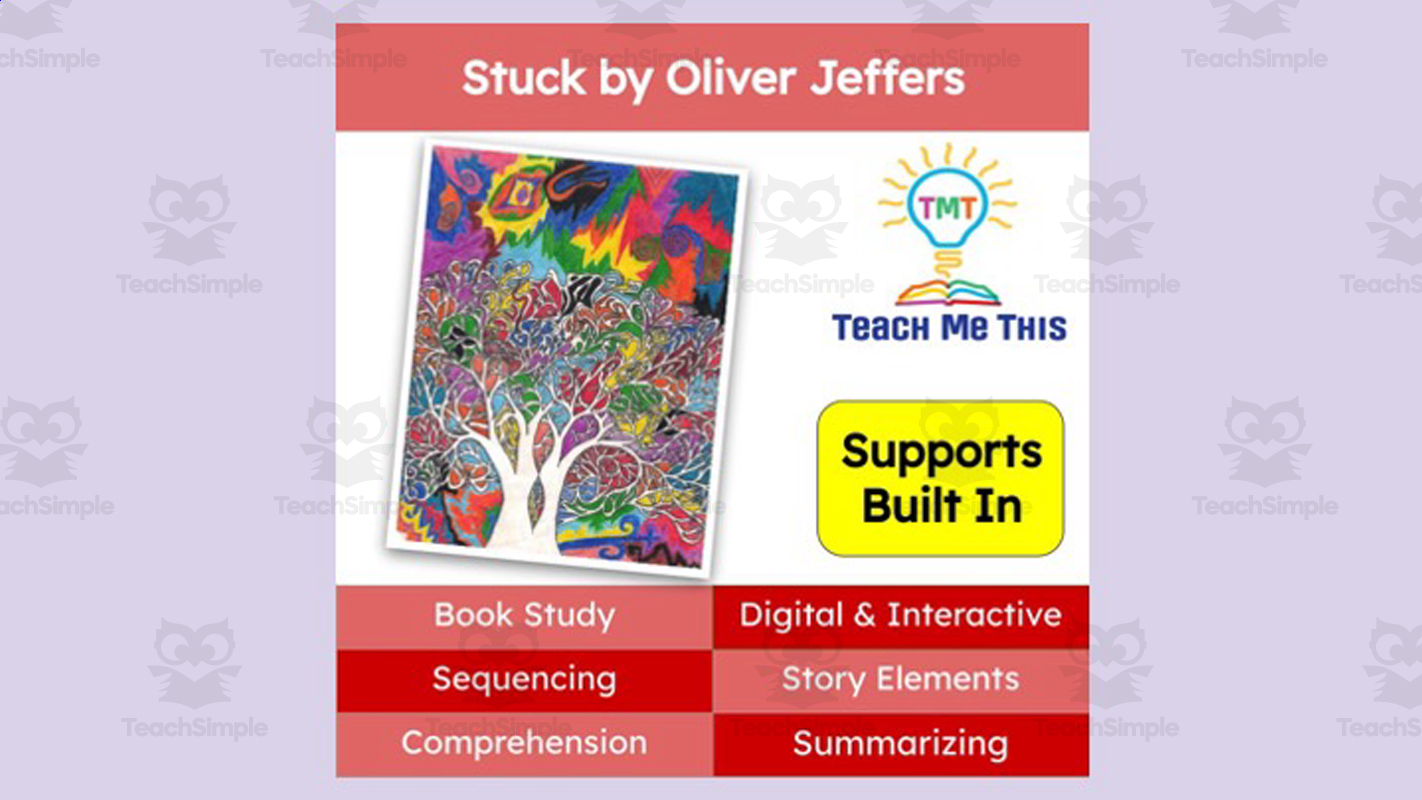
Digital micro-learning PowerPoint deck guiding students through the picture book Stuck by Oliver Jeffers, building sequencing, character analysis, and comprehension skills.
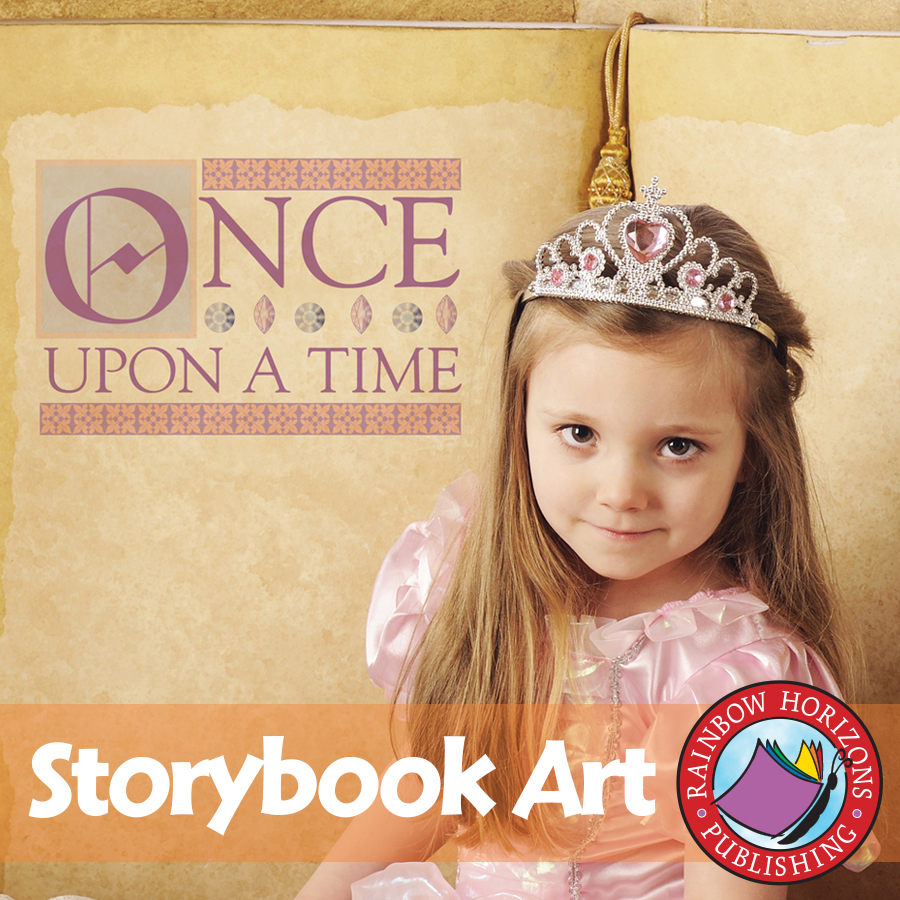
A teacher resource that integrates art education with well-known storybooks, guiding K-2 students to analyze and recreate art styles/mediums found in favorite picture books.
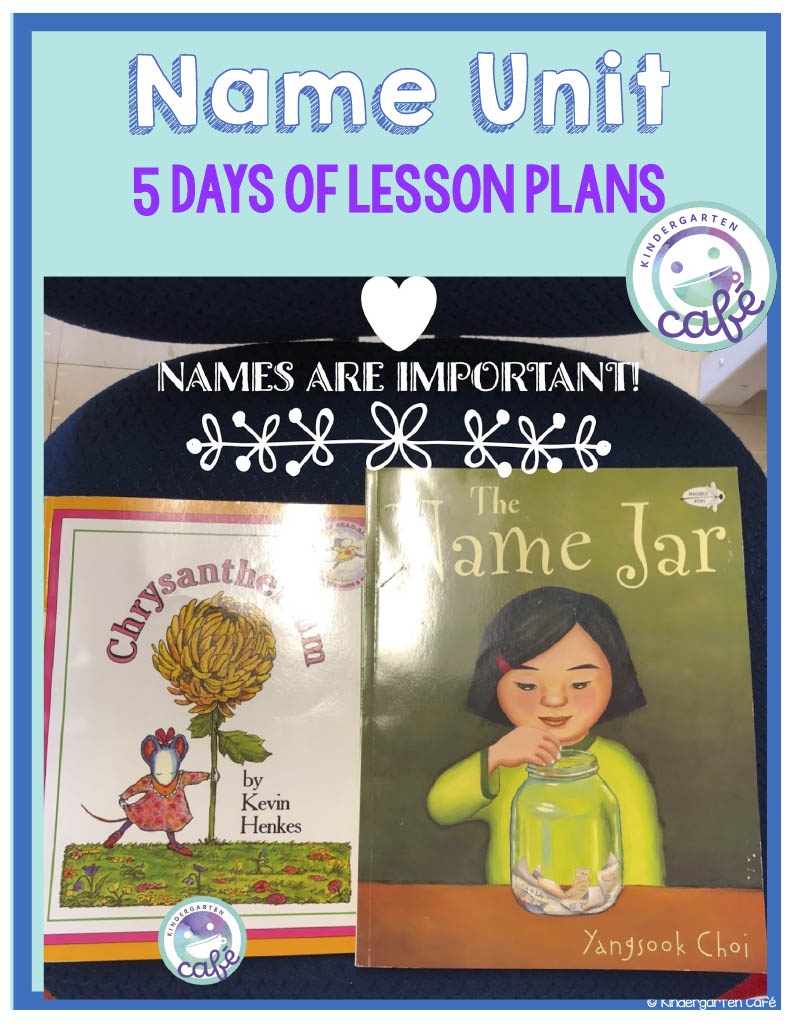
A five-day lesson-plan unit using picture books (Chrysanthemum, The Name Jar, Your Name is a Song, Chicka Chicka Boom Boom) to teach students about the significance of names, identity, and name-based phonics.
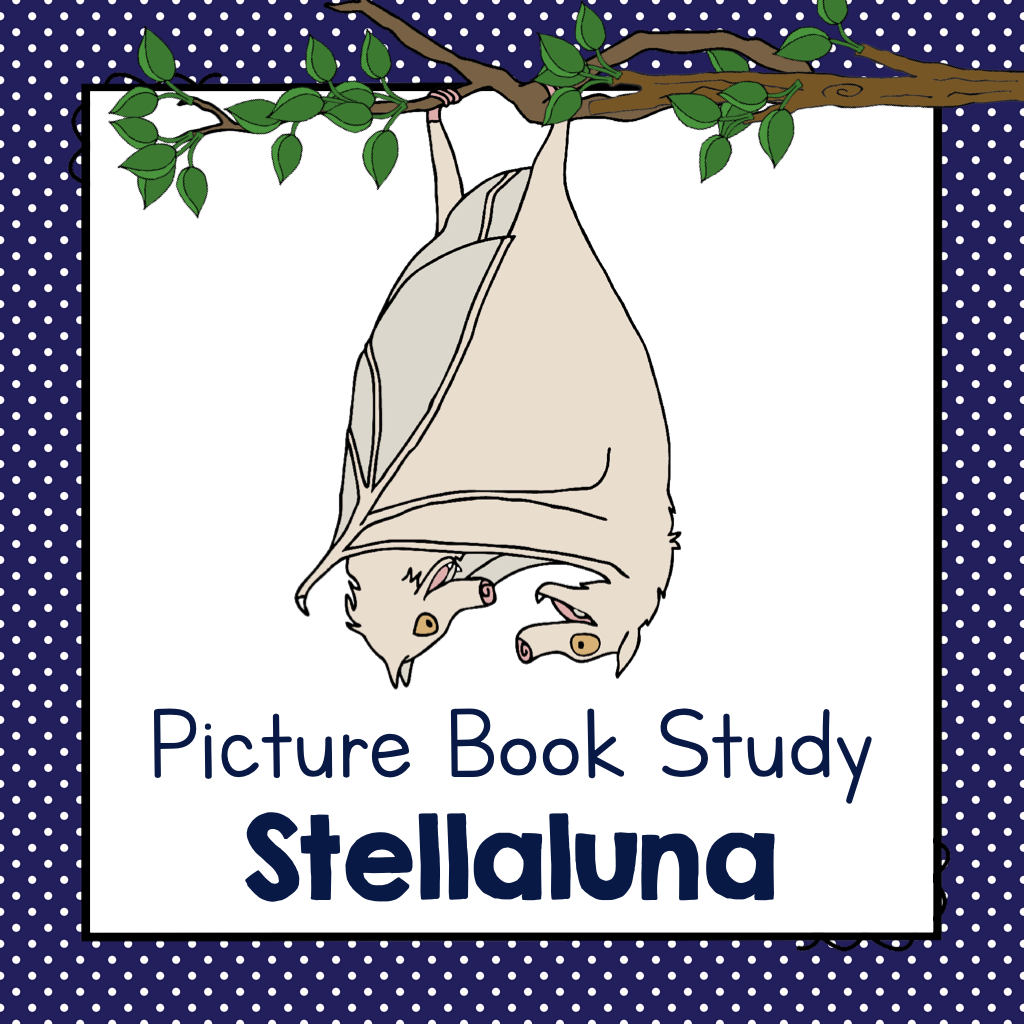
Book study/companion resource for the picture book Stellaluna, providing discussion questions, comprehension activities, crafts, and extension activities.

A no-prep picture book study for 'Click, Clack, Moo' providing discussion questions, hands-on projects/crafts, and supplementary video links to deepen engagement with the story.
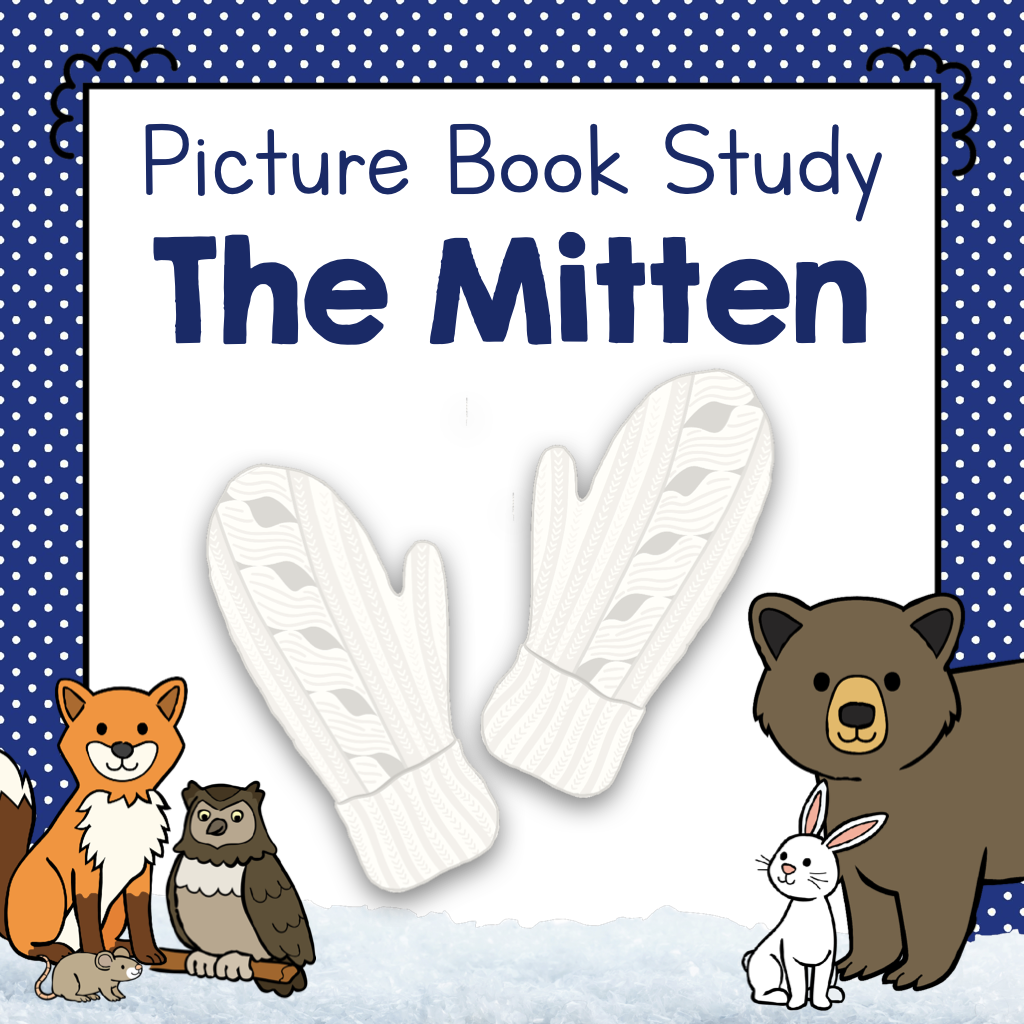
Support a classroom picture-book study of Jan Brett's The Mitten with discussion questions, extension activities/crafts, and supplemental video links.

Digital book-study slide deck (companion activities) for the picture book Ira Sleeps Over by Bernard Waber, targeting reading comprehension skills.

A illustrated read-aloud storybook ("The Littlest Mermaid") for early-elementary language arts and holiday/seasonal literacy use.
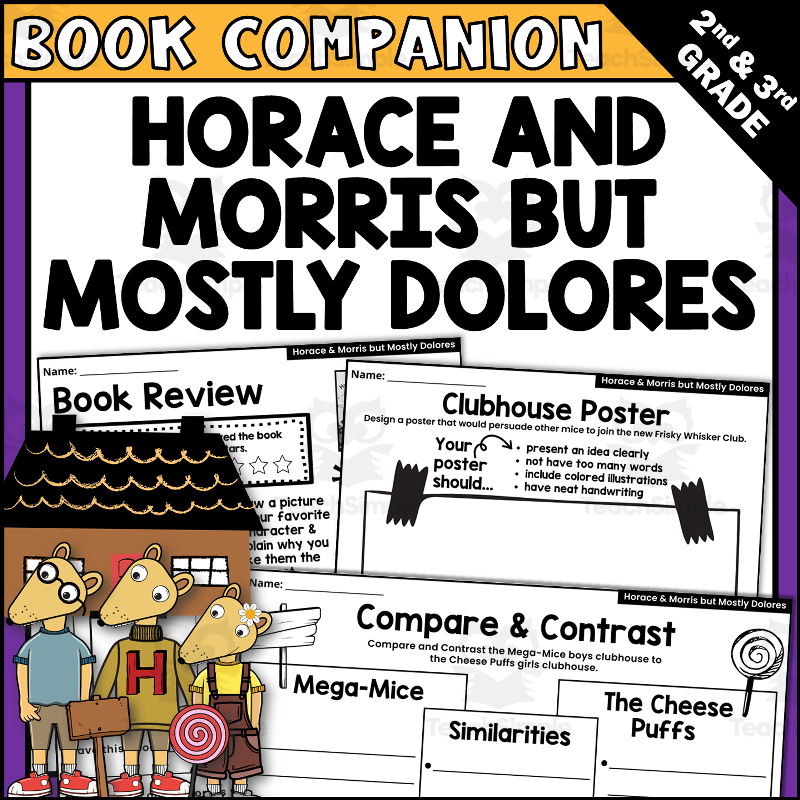
Provide a complete book-companion set of reading-comprehension activities for the picture book 'Horace and Morris But Mostly Dolores' by James Howe.

A read-aloud companion packet for the picture book 'Let the Children March' by Monica Clark-Robinson, focused on comprehension, literary analysis, and reflection tied to the 1963 Birmingham Children's Crusade.
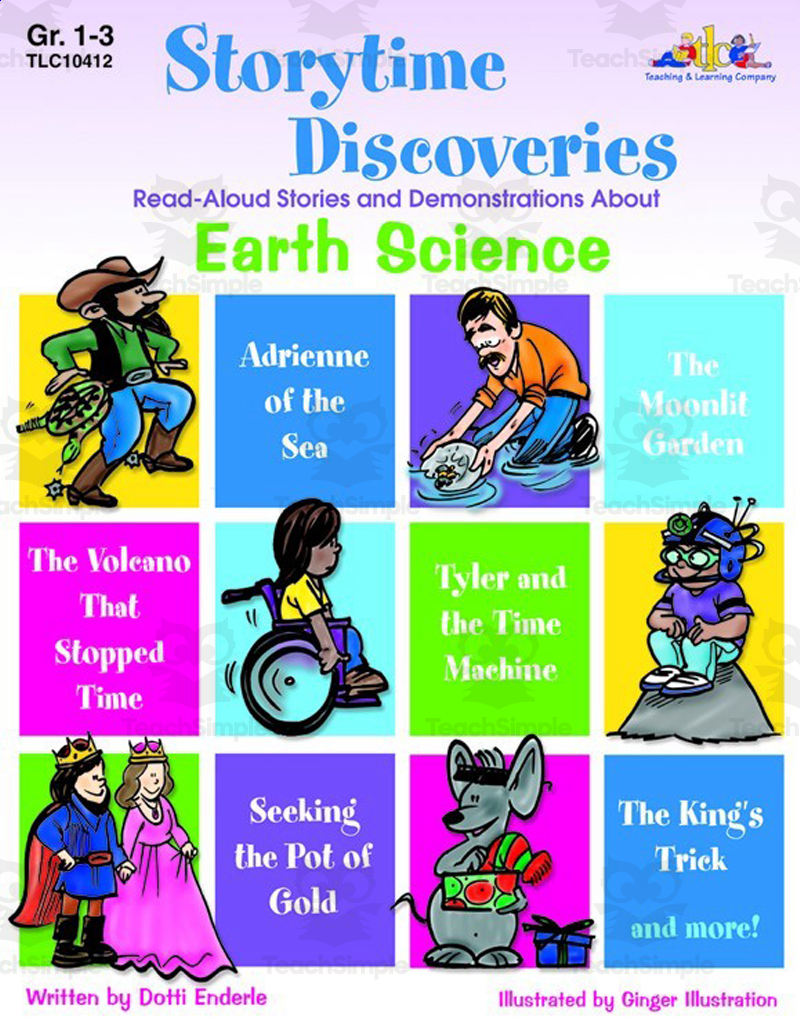
A read-aloud storybook pairing short stories, fables, and rhymes with earth-science concepts (weather, geology, day/night, natural resources) for classroom read-aloud use, including several reproducible/craft activities tied to specific stories.
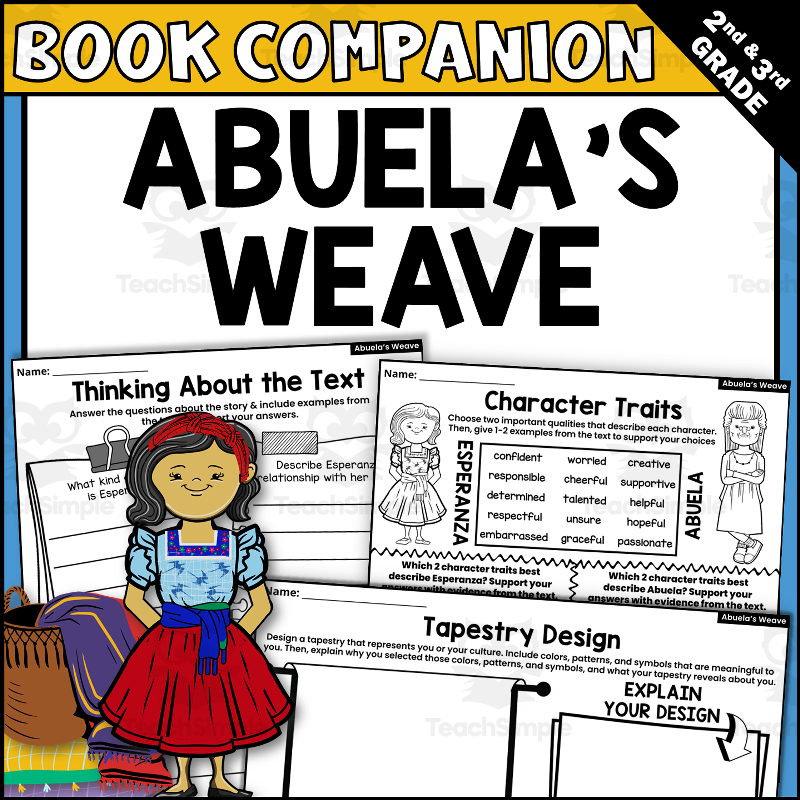
Interactive read-aloud book companion with 38 activities supporting comprehension of the picture book 'Abuela's Weave' by Omar S. Casteneda.
Provide a digital book-study deck for the picture book 'Not Quite Narwhal' by Jessie Sima that builds sequencing, comprehension, story-elements, and summarizing skills.
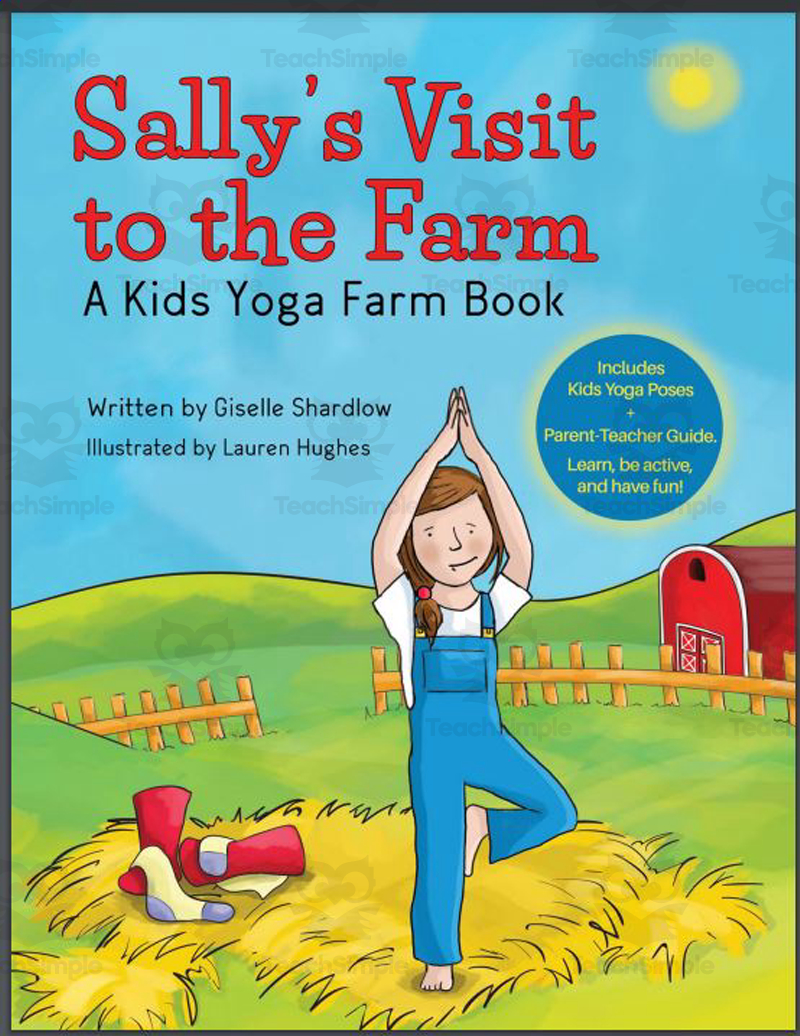
A farm-themed storybook about friends Sally and Sam visiting a farm, teaching yoga poses tied to farm activities and animals.
 Free download
 A curated set of read-aloud video links to diverse/anti-racist children's books, paired with a reflection activity, to teach social justice, diversity, and anti-racism themes.
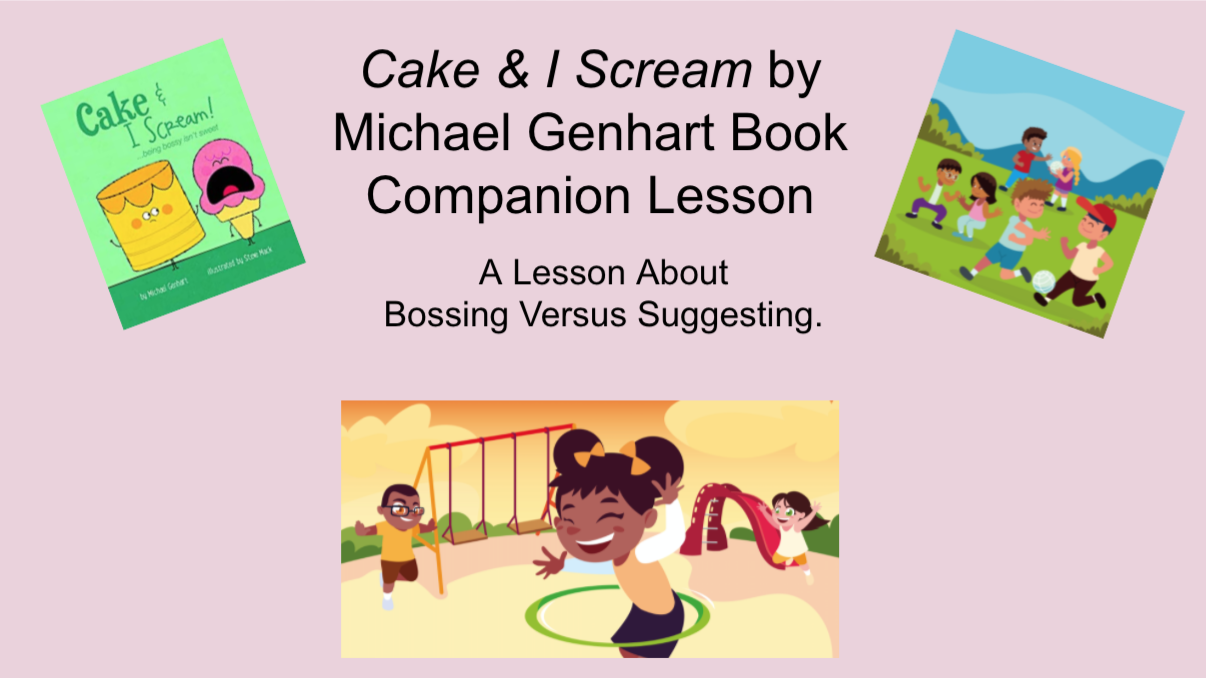
Social-emotional learning (SEL) book-companion lesson teaching the difference between 'bossing' and 'suggesting', built around the picture book 'Cake & I Scream' by Michael Genhart.
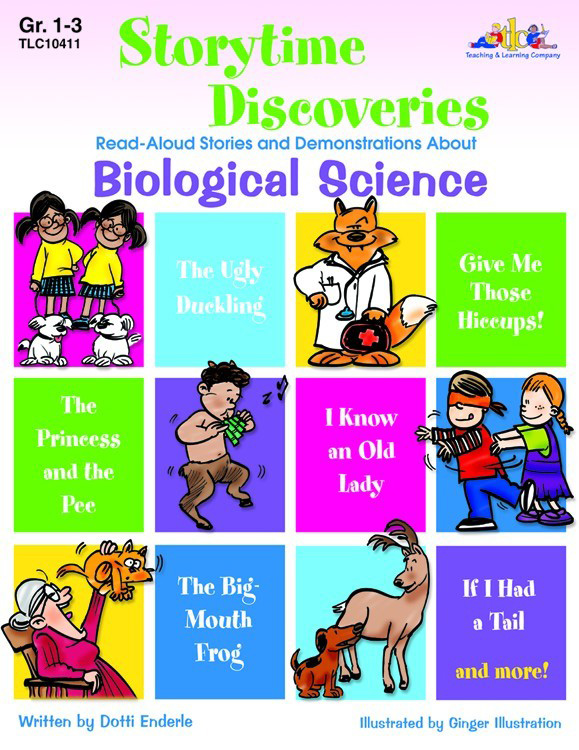
A read-aloud storybook pairing short stories, fables, and rhymes with biological-science concepts (animal traits, life cycles, the body) for classroom read-aloud use, including several reproducible/craft activities tied to specific stories.
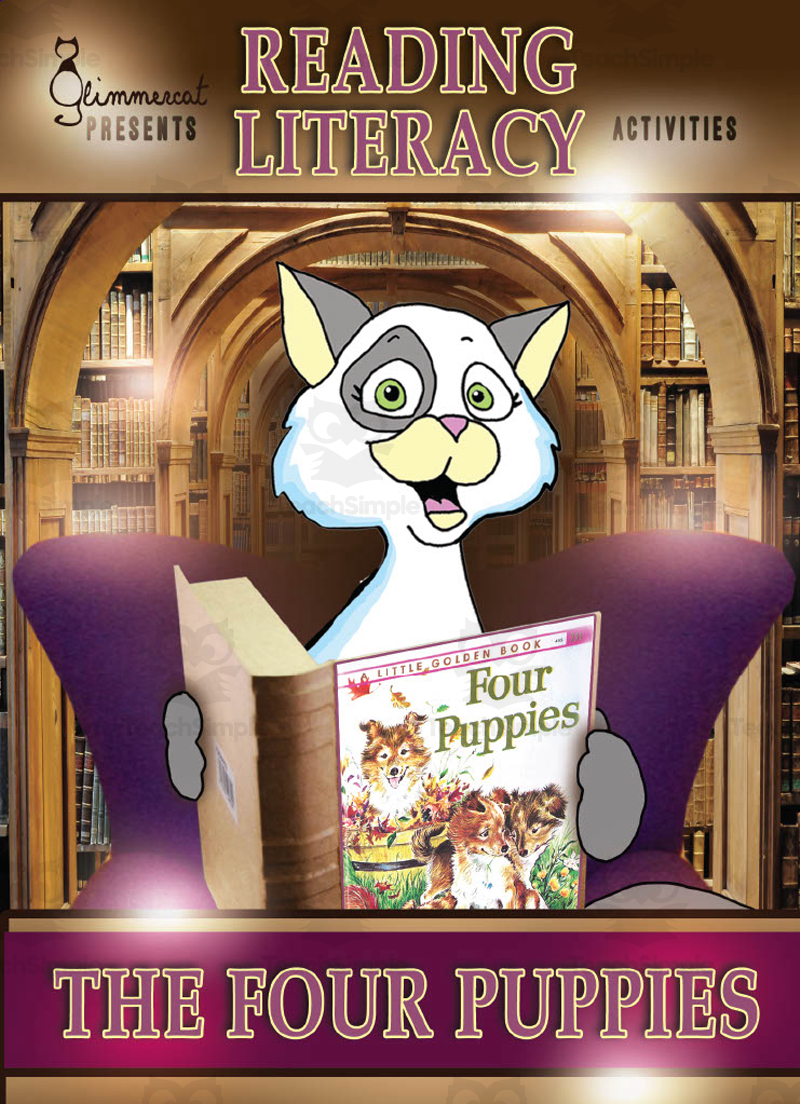
A read-aloud resource pairing a story video ('Four Puppies') with literacy activities including sentence-building and a craft.

A printable QR-code listening center offering links to 32 fairy tale and fractured fairy tale read-aloud videos on YouTube, for use as an independent listening/reading station.

Literacy unit built around the picture book 'Alfie: The Turtle That Disappeared', covering prediction, summary writing, perspective writing, event sequencing, and discussion questions.

Use the character templates alongside a reading of The Little Red Hen. Prepare the puppet pieces with your chosen materials, then invite children to retell scenes or speak for a character. Adult support can help with cutting and assembly.