



2,784 products added recently
Page 1596 - Newest Teaching Resources

 Show filters
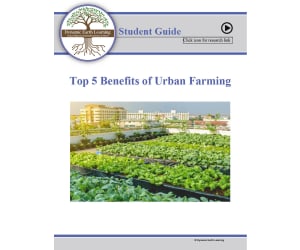
Top 5 Benefits of Urban Farming Homework - For Google Classroom
Science, Earth and Environmental Sciences, Environmental Science, Grade 7, 8, 9, Worksheets & Printables, Worksheets
Top 5 Benefits of Urban Farming Homework – For Google Classroom This is a unique teaching resource designed particularly for public school teachers and homeschoolers instructing students in grades 7 to 9. It integrates seamlessly into the field of science, with a primary focus on environmental science. Teaching Aims and Content This educational tool promotes awareness about an increasing global issue - urbanization and consequent potential food shortages. It introduces learners to urban agriculture, a solution that tackles future food demands as urban growth continues. It presents the fact that nearly 800 million people are engaged in urban farming through various mediums - small group discussions, whole class interactions, or homework assignments. Diverse Media Types and Engagement The product comprises different types of media including article-based lesson plans and video lessons. Students will explore various techniques used in urban farming along with real-world examples. The goal extends beyond mere understanding; it aims to also stimulate discussions on how their neighborhoods might transform idle spaces into green zones through urban agriculture. This product utilizes Google Slides formatted as a hyperdoc, offering hands-on engagement where learners fill up fields directly. Embedded links provide quick access to relevant articles and videos- representing tremendous time-saving for educators. Aquaponics' Emphasis & Practicality An added highlight is aquaponic's impact on our environment and its role carved out for the future of farming domains, promoting active student reflection throughout their learning journey. Instruction using this resource is typically completed within around half an hour, optimizing teaching time without compromising content delivery. Packaging & Contents The comprehensive package comes as one zip file. Equipping teachers with three PDFs—an informative lesson plan and valuable resources rolled into one digital tool Additionally, an answer key is provided simplifying the evaluation process for teachers. In conclusion, this product is tuned to broaden student perspectives on urbanization's multifaceted impact and the emergence of urban farming- not just a homework assignment but turbocharge young minds in becoming green warriors!
Author Dynamic Earth Learning
Tags Urban Farming, Environmental Science, Agriculture, Food Security, Aquaponics
Sustainable Seafood: Does It Really Matter? Worksheets BUNDLE (Digital & Print)
Science, Earth and Environmental Sciences, Earth Sciences, Grade 8, 9, 10, Worksheets, Worksheets & Printables
The Sustainable Seafood: Does It Really Matter? Worksheets BUNDLE (Digital & Print) This resource is aimed at educating students about the importance of sustainable seafood and the effects of over-harvesting. The perfect addition for 8th through 10th-grade classes focusing on Earth Sciences. What's inside the bundle? Detailed discussions around The Sustainable Seafood Movement Importance of this movement to professional cooks and restaurateurs Tips on how learners can participate in conserving marine life This versatile bundle accommodates various education platforms. Inside, you'll find a digitally fillable PDF along with a printable version for both online and offline learning methods respectively. It also includes a Google Slides Hyperdoc. Additional Resources: An embedded link to a helpful article plus an engaging short answer extension activity to foster further exploration into sustainable seafood are included within this resource. The Package: All these are convenientantly encapsulated within one zip file that contains three comprehensive PDFs covering all topics plus an answer key provisioned especially for efficient educator reference. Extending its application possibilities across varied scenarios including whole group sessions, small group explorations or homework assignments, it serves as a versatile add-on support depending upon educators' chosen teaching style and classroom needs.
Author Dynamic Earth Learning
Tags Sustainable Seafood, Over-harvesting, Ecological Implications, Seafood Consumption, Conservation
My End of Year Memories!
Creative Arts, Art, Preschool, Grade 1, 2, Worksheets & Printables, Worksheets
A fun worksheet for your students to reflect on the memories of the year!
Author Brave Education
Tags End, Year, Memories, Reflection

Solar For Farming: Digital Lesson Plan
Science, Earth and Environmental Sciences, Environmental Science, Grade 8, 9, 10, Lesson Plans, Teacher Tools
Solar For Farming: Digital Lesson Plan This teaching resource is designed to educate the modern generation about the intersection of renewable energy and agriculture. Aimed at Grades 8, 9, and 10, it's rooted in the subject of Science with a special focus on Environmental Science. The course uses engaging approaches such as studying real-world examples It also promotes critical thinking allowing students to explore questions like what solar farming is, its profitability prospects, different types of solar farms and their pros and cons. Digital Lesson Plan Format: Digitally fillable PDFs Printable versions Google Slides Hyperdocs with fillable fields The resource is enriched with additional multimedia content including an embedded article link or video within the guide itself. An answer key comes included aiding your evaluation processes as an educator. This lesson plan can be effectively implemented across various scenarios—be it whole group lectures; small group discussions or individualized assignments—all within approximately just thirty minutes per session! Leveraging this Solar For Farming: Digital Lesson Plan doesn't just promise comprehensive topical coverage for your students but ensures meaningful exposure to a globally relevant issue combining farming practices with sustainable energy solutions—the very forefront of conversations around our future world's food and energy needs!
Author Dynamic Earth Learning
Tags Renewable Energy, Agriculture, Solar Farming, Digital Lesson Plan, Environmental Science

Advantages and Disadvantages of Renewable Energy Worksheets (Digital and Print)
Science, Earth and Environmental Sciences, Environmental Science, Grade 8, 9, 10, Worksheets & Printables, Worksheets
This resource an infographic guide that introduces students to some of the advantages and disadvantages of renewable energy. It is a nice graphical way to introduce a large unit or help clarify the term renewable energy. Format: - Digital PDF for easy sharing or printing - Infographic (or video) is linked in the title for quick access - Short answer - Answer key included ⏳ Teaching Time: About 25 minutes with discussion
Author Dynamic Earth Learning
Tags Renewable Energy, Energy Worksheets, Google Classroom, Digital Lesson, Environment Printables, Solar Energy Worksheets, Advantages And Disadvantages Of Renewable Resources, Disadvantages Of Renewable, Renewable Energy Advantages And Disadvantages

End of the Year Letter to Students
, Not Grade Specific, Worksheets & Printables, Worksheets
These fun letters and lists are a great way to share a personal note with your students and end the year off right.
Author Brave Education
Tags End Of, Year, Letter, Students, Teacher

Pollution: Harmful Effects of Plastic Water Bottles on Humans (Digital & Print)
Science, Earth and Environmental Sciences, Environmental Science, Grade 7, 8, 9, 10, Teacher Tools, Lesson Plans
Pollution: Harmful Effects of Plastic Water Bottles on Humans - A Learning Resource for Grade 7 to 10 Subject: Environmental Science This is an indispensable tool prudently tailored for Grade 7 to 10 learners, focusing on the imperative realm of plastic pollution. This resource serves as a suitable platform stimulating healthy discussions among students and fostering their environmental awareness. Diversity in Format: A digitally fillable PDF, printable PDF and Google Slides Hyperdoc are bundled together into one zip file facilitating utilitarian usage. Coverage: Microplastics found both in human bodies and oceans, impact on humans' wellbeing etc are covered in this resource, enlightening students about communities role in this crisis. Tailored Duration: Designed keeping regular class schedules in mind with an expected duration of just 30 minutes per lesson ensuring no undue burden is inflicted upon either the learner or educator. Incorporation & Flexibility This learning tool can easily be integrated into homework plans or class lessons ensuring maximum learner engagement. The flexibility it provides by allowing control over its blending within pre-existing learning modules helps overcome hurdles of a rigid curriculum giving teachers plethora choices when it comes to teaching strategies. In Conclusion, "Pollution: Harmful Effects of Plastic Water Bottles on Humans" is indeed an essential educational ally for any progressive educator striving to sow seeds of environmental consciousness amidst their students. Its breadth across the intricate world of plastic pollution tied with its well-planned format makes it a must-have element for productive learning.
Author Dynamic Earth Learning
Tags Pollution, Plastic Bottles, Harmful Effects, Environmental Awareness, Microplastics, Plastic Water Bottle Harmful Effects, Harmful Effects Of Plastic Water Bottles On Humans, Harmful Effects Of Plastic Water Bottles
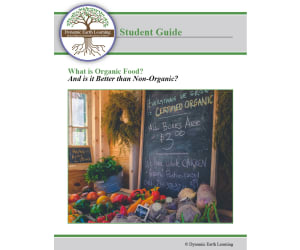
Food and Nutrition Lesson Plan & Worksheets: Organic vs Non-Organic Foods (Digital and Print)
Science, Earth and Environmental Sciences, Environmental Science, Grade 8, 9, 10, Lesson Plans, Teacher Tools
Food and Nutrition Lesson Plan & Worksheets: Organic vs Non-Organic Foods This digital and print resource oversees an in-depth exploration of organic and non-organic foods. Aimed for educators instructing classes of Grade 8, Grade 9, and Grade 10 - particularly those handling Environmental Science topics - this complete instructional tool brings food subjects alive. Nurturing Comprehensive Understanding The purpose is to extend students' knowledge about the growing favor of organic products and define what essentially makes a food produce organic. Students will discover how these products are grown from pure soil free from any restricted substances like synthetic pesticides or fertilizers at least three years before planting. Intriguing Components The fascinating areas covered by this lesson plan inspect both healthy and harmful organic foods. It smartly encourages analytical thinking while exploring whether all 'organic' labeled items are indeed healthier choices. Easily Integratable Formats Versatile in both digital fillable PDF creed and printable PDF form, the package perfectly accommodates modern tech-fueled learning settings. You'll also get access to a Google Slides Hyperdoc with fields that your students can fill out online for an even more interactive twist. Each student's differing technological capabilities are catered to through these assorted delivery means – be it digitally or via traditional print-out method. Balanced Teaching Approach Inclusive of interactive materials offered for student's enhancement all around nutritional science investigations involving different types of foods, it intriguingly pairs theory with hands-on activities thereby achieving full grasp of topics discussed throughout each session. Invaluable Tools For Teachers To aid in grading processes, there is also an answer key reference guide that is a part of this product set. Recommended Teaching Time A projected teaching period of roughly 30 minutes per session over numerous sessions is advised, based on the intended usage (whole group lessons,d small group chats, standalone tasks). Complete Package Arriving in a handy zip file containing 3 core PDFs, this well-structured package supports learning outcomes with an integrated approach to traditional subject matters reinvented with the Food and Nutrition Lesson Plan & Worksheets: Organic vs Non-Organic Foods digital and print resource.
Author Dynamic Earth Learning
Tags Organic Food, Non-organic Food, Nutrition Science, Healthy Eating, Environmental Science, Food And Nutrition Lesson Plans

Health/ Homeschool Curricula: Can Eating Meat be Eco Friendly? (Digital & Print)
Science, Life Sciences, Biology, Grade 7, 8, 9, 10,
Health/ Homeschool Curricula: Can Eating Meat be Eco-Friendly? (Digital & Print) This is an educational resource that serves as a tool for stimulating conversations about environmental science and moral choices. The curriculum provides a full understanding of the correlation between diet, specifically meat consumption, and its impact on the environment. The focus of this course is an insightful article by PETA, which proposes that over 51% of worldwide greenhouse gas emissions are due to animal agriculture. Students are provided with this compelling text along with a reflective reading guide to help them understand the environmental impacts involved in raising animals for food. The resource caters both digital and print mediums, thus providing excellent versatility. Our package includes digitized fillable PDFs alongside printable versions plus a Google Slides Hyperdoc with fillable fields, making it accessible for all students no matter their technological capabilities. Note: As our curriculum presents primarily one viewpoint regarding the environmental effects of meat consumption, it offers incredible flexibility! Activities after reading can include: A class reflection: weighing pros and cons together Small group debates: strengthening critical thinking abilities Focusing on countering arguments from non-vegan stances as individual homework assignments - enhances research as well as superior writing skills We estimate that completing this lesson will take roughly 20 minutes – perfect for integrating into existing class schedules without upsetting full period plans. The target grades are 7-10 across subjects like Science, more specifically Biology will find this resource adaptable within their syllabus structure. All things considered - discussions about sustainability remain crucial in students' learning experiences today; hence "Health/ Homeschool Curricula: Can Eating Meat be Eco-Friendly? (Digital & Print)" is an investment that offers insight into current global issues while enhancing core academic skills. Available in a zip file format with three PDFs for facilitation.
Author Dynamic Earth Learning
Tags Environmental Science, Meat Consumption, Ethical Choices, Sustainability, Critical Thinking
How Do You Reduce Your Carbon Footprint? - Worksheets (Digital & Print)
Science, Earth and Environmental Sciences, Environmental Science, Grade 8, 9, 10, Worksheets & Printables, Worksheets
How Do You Reduce Your Carbon Footprint? - Worksheets (Digital & Print) Product Description: This comprehensive and engaging learning resource is necessary for educators keen on teaching their students about environmental conservation. It's designed specifically for Grade 8-10 learners studying environmental science. The resource uses the discussion around carbon footprint as a strategy towards solving climate change concerns. Resource Features: Incorporates both reading and video walkthroughs to cater to various types of learners Gives detailed overview of critical topics such as: definition of carbon footprint, computation methods, reduction techniques and more Flexible format - can be utilized in whole-group instructions or individual assignments at home or during class hours Digital & Print Formats Available: This teaching resource comes in two formats; digitally fillable PDFs and printable PDF formats. Google Slides with fillable fields are included directly within the guide ensuring engagement regardless of the device type used by students. Included Assessment Support: An answer key is made available with this material making it easy for teachers to assess student work and provide feedback where needed. Note on Use Duration: Going through all parts included might take approximately 40 minutes but this time suggestion can be exceeded based on your instructional needs or strategies towards maximum comprehension. Aimed at Ensuring Efficient Learning Outcomes: This educational material simplifies teaching while guaranteeing effective learning outcomes particularly with respect to understanding our environment. Indeed, How Do You Reduce Your Carbon Footprint? - Worksheets (Digital & Print) fulfills exactly that!
Author Dynamic Earth Learning
Tags Environmental Conservation, Carbon Footprint, Climate Change, Sustainability, Reducing Emissions

GMOs & Genetically Modified Foods: Are They Safe? - Distance Learning (Digital and Print)
Science, Life Sciences, Biology, Grade 8, 9, 10, Worksheets & Printables, Worksheets
Do you know what GMOs are or what GM foods are? Are they useful or do they cause harm to us? In this video lesson plan, students will learn what GMOs and GM foods are, and discuss their pros and cons. GMO or the Genetically modified organism is basically an organism that can be a plant, an animal, or even a microorganism that is modified genetically in a laboratory to add certain desired characters in them. This is done when these desired characters are not present in them naturally. This same technique is used to create Genetically Modified Foods. Format: - Digital-PDF for easy sharing or printing - Guide is 5 pages - Video is hyperlinked directly into the guide for easy access - Short answer and reflective questions - Answer key included
Author Dynamic Earth Learning
Tags GMOS, Healthy Food, Modified Foods, Biology Lesson, Google Classroom

Best Environment/ Science Lesson Plan: GMO Seeds Pros & Cons (Digital and Print)
Science, Earth and Environmental Sciences, Environmental Science, Grade 8, 9, 10, Lesson Plans, Teacher Tools
Best Environment/Science Lesson Plan: GMO Seeds Pros & Cons (Digital and Print) An exceptional teaching resource designed to provide students with a comprehensive understanding of the highly topical issue of Genetically Modified Organisms (GMO's). Specifically, it focuses on genetically modified seeds, which form a significant portion - over 90% - of certain key crops grown in the United States, namely corn, soybeans and cotton. This lesson plan delivers an engaging platform for educators to spark meaningful conversation regarding this critical subject. It provides background information on GMO seeds' prevalence in popular food items, while also presenting arguments from contrasting perspectives about these food products’ safety, health impacts, and sustainability. This approach encourages students not only to absorb factual content but also to exercise critical thinking skills as they analyze different viewpoints. The resource presents versatile format options that can be adapted according to varying classroom dynamics: Whole group discussions, Small group activities or, Individual homework assignments. In addition it provides both a fillable PDF suitable for paperless classrooms or convenient printing offering flexibility across various learning environments—furthermore incorporates short-answer and interpretive questions designed promote deeper comprehension through interactive engagement opportunities. Inclusion of Multimedia Approach: The multimedia approach enriches the material's overall pedagogical value by catering more holistically auditory, visual as well as textual learning preferences . A reading article or six-minute video embedded directly into the guide is provided which caters this purpose. Educators Assistance: To assist educators further in successful delivery of this lesson plan; An answer key is provided hence enabling real-time guidance during classroom discussionifficulties with individual answers may arise. Targeted Grades: Geared towards grades 8-10; this resource aligns particularly well with Science curriculums having distinct focus areas in Environmental Science sub-disciplines. Indeed whether you are public school teacher or homeschooling instructor looking for cohesive materials addressing contemporary environmental isssues; This comprehensive package digitized into 3 neatly compartmented PDFs encompassing a highly relevant subject matter qualifies as a fitting choice.
Author Dynamic Earth Learning
Tags GMO Seeds, Genetically Modified Organisms, Environmental Science, Critical Thinking, Health Impacts

Glyphosate What is It? Is Glyphosate Harmful to Humans? (Digital & Print)
Science, Life Sciences, Biology, Grade 7, 8, 9, 10,
Glyphosate What is It? Is Glyphosate Harmful to Humans? (Digital & Print) This enlightening educational resource provides comprehensive knowledge about the chemical glyphosate, commonly used in weed killers. Primarily designed for science educators teaching biology at grades 7 to 10, this material aids students in understanding why glyphosate is present in food and its potential risks to human health. Main Discussion Topics Include: Does glyphosate contribute to the incidence of non-Hodgkin's lymphoma or autism spectrum disorders? Are glyphosate levels rising and becoming increasingly harmful for human consumption? Format And Utilization: The educational resources come as a bundle with two file formats: a digital PDF allowing students to directly input answers, and printable PDFs that can be used traditionally on paper. The package also includes a Google Slides Hyperdoc with fillable fields where students can directly provide their responses. In-Class Use: Tutors or homeschoolers can use this multipurpose tool for group discussions, individual assignments or small-group projects focusing on the impacts of glyphosate on public health concerns; fostering critical thinking about modern biochemical challenges. Digital Or Traditional Learning: No matter your preferred instruction method - whether digital learning or traditional pen-paper methods - this package offers easy accessibility across multiple platforms enabling seamless lesson implementation. The Goal: Inspiring curiosity and fostering an informed perspective about the chemicals we encounter daily! Let's engage youth in fact-based discussions and broaden their horizons by introducing real-life challenges - making science more thrilling than ever before!
Author Dynamic Earth Learning
Tags Glyphosate, Weed Killer, Chemical Substance, Health Concerns, Public Awareness

Geothermal Energy: Advantages & Disadvantages - Worksheets - Distance Learning
Science, Earth and Environmental Sciences, Environmental Science, Grade 8, 9, 10, Worksheets, Worksheets & Printables
Students will consider: Geothermal energy source Two ways geothermal energy can be used How does a heat pump heat? Advantages to geothermal energy What are disadvantages of geothermal energy Geothermal renewable or nonrenewable Geothermal energy at home The research needed to answer the questions is in multiple formats to best suit your learners. There is a visually supported reading article or a YouTube video for audio-visual learners. Format: - Digital-PDF for electronic sharing or easy printing - Needed article link is embedded into the guide for quick access - Short answer extension activity - Answer key provided ⏳Teaching Time About 30 minutes
Author Dynamic Earth Learning
Tags Google Classroom, Digital Science, Science Worksheet, Geothermal, Energy, Advantages And Disadvantages Of Geothermal Energy, What Are The Advantages And Disadvantages Of Geothermal Energy, Disadvantages And Advantages Of Geothermal Energy, Advantages And Disadvantages Geothermal Energy, Geothermal Energy Advantage And Disadvantage, Advantages Of Geothermal Energy And Disadvantages, What Is Geothermal Energy Advantages And Disadvantages, Geothermal Disadvantages And Advantages
Farming for the Future - W/O Risking Natural Resources (Digital & Print)
Science, Earth and Environmental Sciences, Environmental Science, Grade 8, 9, 10,
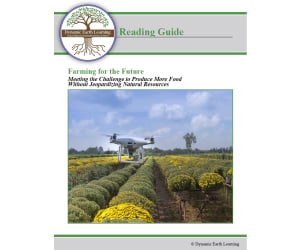
Title: Farming for the Future - W/O Risking Natural Resources (Digital & Print) This valuable education resource is designed specifically to introduce students in grades 8, 9 and 10 to the crucial issue of sustainable agriculture. As we witness a continuous rise in global population—and thus food demand—there's an inevitable increase in attention towards sustainable agricultural practices. Key Features: This module includes a one-page article that highlights the way farming impacts both water resources and climate change. The article helps students understand how specific farming techniques can actually worsen climate changes—an alarming concern given increasingly unpredictable weather patterns. About Lesson: The lesson content provided is specifically curated for environmental science curriculums. The flexible format allows for both classroom teaching as well as independent study/homework assignments. Ideal not only as an introduction but also serves as foundational learning on sustainable agriculture. Resources Include: All materials are available in two formats: digitally-fillable PDFs ideal for electronic devices & printable PDFs suitable for physical aids or handouts. Note: Along with Google Slides Hyperdocs packaged with fillable fields explicitly designed keeping student interaction/use in mind—all neatly bundled within one downloadable zip file containing two individual PDF files. Each Farming For The Future lesson can be effectively completed within about 30 minutes. Thoughtfully designed to fit typical class duration constraints, but equitable adaptations can be made by assigning it as a reading task/homework—providing efficient time management without sacrificing impactful engagement on global issues of prominence.
Author Dynamic Earth Learning
Tags Sustainable Agriculture, Climate Change, Water Resources, Farming Techniques, Resilient Farming Methods
Farming & Climate Change - Environmental Impact of Meat Product - Digital Lesson
Science, Earth and Environmental Sciences, Environmental Science, Grade 7, 8, 9, 10, Teacher Tools
Farming & Climate Change - Environmental Impact of Meat Product - Digital Lesson The Farming & Climate Change - Environmental Impact of Meat Product - Digital Lesson is an instructive resource designed to educate students on the significant role farming and agriculture play in climate change. It discusses the correlation between industrial agricultural systems and greenhouse gas emissions, which account for a substantial one-third of total emissions. This resource delves into understanding: Farming's impacts on climate change The role of the meat industry in this scenario It encourages learners to increase their awareness about factors affecting our environment, like animal agriculture. The digital lesson includes: A fillable PDF format that is compatible with all device types. A printable PDF version, ideal for those preferring physical study materials. Google Slides Hyperdoc-, a tool for teachers that enhances classroom interaction with fillable fields. By employing this educational resource, post-lesson classroom discussions on this thought-provoking topic become more fruitful. Packaging and Accessibility This comprehensive teaching aid consists solely of one zip file containing three PDFs catering to 7th through 10th graders studying Science/Environmental Science. The compatibility feature with Google Classroom makes it an effective toolkit smoothly embedded within the current technological trends shaping modern education practices. Through its versatile aspects and multi-format adaptability, this informative digital lesson allows educators great flexibility while introducing critical environmental topics impacting us all.
Author Dynamic Earth Learning
Tags Farming, Climate Change, Environmental Impact, Meat Industry, Greenhouse Gas Emissions

ENVIRONMENTAL & PSYCHOLOGICAL BENEFITS OF WORKING FROM HOME - Distance Learning
Science, Earth and Environmental Sciences, Environmental Science, Grade 7, 8, 9, 10,
Environmental & Psychological Benefits of Working From Home - Distance Learning This is an online video-based lesson plan developed to engage educators and students in understanding the transformative implications of remote working globally. The study tool delves into how teleworking is spawned as a revolution that intrigues environmentalists seeing it as a platform for urban development, reducing carbon emissions, and fostering communal living. The resource encourages students to discern the many dimensions of this global shift: Understanding that reduced driving implies lower carbon emissions. Fathoming employees' freedom to work from anywhere. Visioning cities transforming into greener habitats. Gauging better communal experiences due to work evolution. Evaluating if cost-saving by businesses via remote working could mean higher pay for workers. Note: This digital learning package caters ideally to Grade 7-10 Environmental Science students. However, given its broad topic range, it can also benefit larger audiences. The module incorporates approximately a half-hour teaching slot filled with healthy discussions that are easily adaptable within regular classroom intervals or flexibly set aside as homework tasks. Digital PDF Layout: The content comes formatted in fillable PDF worksheets facilitating completely paperless classrooms or options for easy printing depending on different classroom settings requirements. The centerpiece ensuring active learner engagement is an instantly accessible hyperlinked (6 minutes) video crisply discussing these dynamic shifts reshaping our world's perspective about work recently. Accompanying this complete resource offering is an answer key serving as an essential assistance tool enabling educators’ seamless transition while delivering courses keeping them at the forefront all the time. To put it succinctly, this learning asset is bundled comprehensively in ZIP format containing three loaded PDFs that can be easily accessed anytime. Summary: This educational tool functions as a thought-stimulating agent fostering deep contemplation regarding swiftly changing paradigms not just relevant within Environmental Science curriculum confines but also aligning with real-world transformations to generate a significant learning impact.
Author Dynamic Earth Learning
Tags Tags: Telecommuting, Green City Development, Carbon Emissions Reduction, Communal Living, Remote Working

ENDANGERED SPECIES ACT - Environmental Conservation - Homework & Google App
Science, Earth and Environmental Sciences, Earth Sciences, Grade 7, 8, 9, 10, Worksheets & Printables, Worksheets
The ENDANGERED SPECIES ACT - Environmental Conservation - Homework & Google App This resource provides educators with an enlightening teaching asset that focuses on critical environmental issues, specifically the Endangered Species Act and the importance of conserving endangered species and their habitats. Increasing Awareness about Biodiversity Through understanding that an endangered species signals potential disarray in its ecosystem, we foster awareness about biodiversity. It creates an understanding of how losing a single species can instigate further losses within the same ecosystem. An Engaging Online Article The resource utilises an online article supplemented with graphic support to ensure effective comprehending of how the US Endangered Species Act works. It offers flexible options allowing teachers to use this as part of a holistic group discussion or divide into smaller groups for more detailed discussions. It can also serve as excellent homework material, facilitating self-paced learning. A 30-minute educational tool:This resource incorporates images, examples and interactive text to guide students through key aspects environmental conservation related to endangered species. Interactive Participation: Contains one Google Slide Hyperdoc complete with fillable fields which ensures interactive student participation and maintains content engagement during lessons. Simplified Assessment Process:An answer key is included making it convenient for teachers to verify student responses swiftly post-completion of tasks or projects using this source material. The resource is available as a zip file containing three different PDFs intended for effective educational strategy delivery amongst Grade 7-10 students focusing primarily on Earth Sciences in tandem with essential components under core science curriculums at these levels. Note: Flexibility remains integral within its design parameters, making it suitable for traditional schooling models or homeschooling routes which aim at fostering engagement and retention of knowledge among young learners.
Author Dynamic Earth Learning
Tags Endangered Species, Environmental Conservation, Biodiversity, Ecosystem Disarray, US Legislation
Emotions Unit with Emojis
Life Studies, Special Resources, Life Skills, Not Grade Specific, Lesson Plans, Teacher Tools
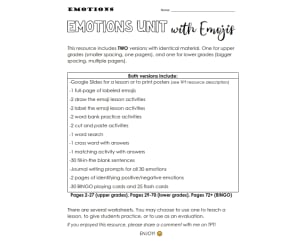
This resource includes TWO versions with identical material. One for upper grades (smaller spacing, one pagers), and one for lower grades (bigger spacing, multiple pagers). Both versions include: -Google Slides for a lesson or to print posters (see TPT resource description) -1 full-page of labeled emojis -2 draw the emoji lesson activities -2 label the emoji lesson activities -2 word bank practice activities -2 cut and paste activities -1 word search -1 cross word with answers -1 matching activity with answers -30 fill-in-the blank sentences -Journal writing prompts for all 30 emotions -2 pages of identifying positive/negative emotions -30 BINGO playing cards and 25 flash cards Pages 2-27 (upper grades), Pages 29-70 (lower grades), Pages 72+ (BINGO) There are several worksheets. You may choose to use one to teach a lesson, to give students practice, or to use as an evaluation.
Author Brave Education
Tags Emotions, Learning, Emotional, Emoji, Unit
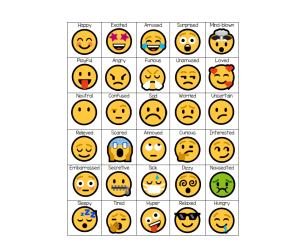
Emoji Bingo Cards
Life Studies, Special Resources, Life Skills, Not Grade Specific, Activities, Games
These emoji bingo cards are great for teaching emotions!
Author Brave Education
Tags Bingo, Emotional, Learning, Emoji, Emotions, Free Printable Emojis Pdf, Free Printable Emoji Feelings Chart
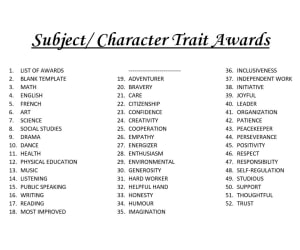
Subject & Character Trait Awards
, Grade 3, 4, 5, 6,
52 awards to give out based of subjects and character traits!
Author Brave Education
Tags Subject, Character, Award, Recognition

Environmental Lesson Plan: DOES MEAT CONSUMPTION THREATEN OUR WAY OF LIFE? (Digital and Print)
Science, Earth and Environmental Sciences, Earth Sciences, Grade 8, 9, 10, Lesson Plans, Teacher Tools
Environmental Lesson Plan: Does Meat Consumption Threaten Our Way of Life? (Digital and Print) In this lesson plan, an in-depth look at the role of meat production in environmental sustainability is presented. This resource is suitable for grades 8 through 10 and complements Earth Science curriculum. Key Topics: Meat production and pollution The impact of modern factory farming on climate change Animal agriculture's water footprint Possible solutions via environmentally friendly farming methods This lesson plan encourages active student engagement with a research-based approach. Hyperlinked blogs and related video content form the major teaching tools here. Versatility: Digital and Print Formats Covered! The inclusive design encompasses both digitally fillable PDF for online classrooms or tech-savvy students as well as a printable version for traditional classrooms settings. Notably, there's also a Google Slides Hyperdoc with fillable fields tailored for easy student use. Ideal Class Time: You can expect each session—coupled with discussion—to soak up around 30 minutes—making it flexible enough to fit into tight classroom schedules or be assigned as homework. This Downloadable Bundle Contains Three Separate PDFs: A digitally fillable PDF A printable version PDF A Google Slides Hyperdoc file In conclusion, this environmental lesson stands out as an excellent tool promoting proactive environmental stewardship among young learners
Author Dynamic Earth Learning
Tags Meat Production, Environmental Sustainability, Climate Change, Factory Farming, Water Footprint

Dams and Reservoirs: Benefits and Impacts Lesson Plan BUNDLE (Digital & Print)
Science, Earth and Environmental Sciences, Earth Sciences, Grade 7, 8, 9, 10, Lesson Plans, Teacher Tools
Sure! Here it is: ``` Dams and Reservoirs: Benefits and Impacts Lesson Plan Bundle in Digital & Print Geared towards Grades 7 to 10, this instructor-friendly teaching aid is perfect for topics within the Earth Sciences subject. It masterfully addresses real-life issues like urban sprawl. Suitable for Various Teaching Approaches This resource works well for different instructional methods such as group activities or homework assignments. This comprehensive bundle helps students understand the complex topics surrounding the uses of dams and their environmental and social effects. Promoting Student Engagement & Critical thinking Incorporates guided questions that aid in note-taking and ensures structured lessons. Ends with a personal opinion essay task. Students need to substantiate their opinions using information from the read article to foster critical thinking skills. Digital & Printable Format For Inclusive Learning Inclusivity is key, with formats available as a digitally fillable PDF and printable PDF catering all learning setups. A bonus feature includes a Google Slides Hyperdoc, which comes with fillable fields accommodating online classes seamlessly. Tidy Package – Comprehensibly Organized! Everything neatly packed into one zip file containing three distinct PDFs, making organization easy * The lesson plan strikes an effective balance between stimulating content, classroom learning time (approximately 30 minutes), intricacies about Dams’ uses across timelines, measures to mitigate some dam drawbacks interweaving practical application enhances student understanding significantly. ```
Author Dynamic Earth Learning
Tags Dams, Reservoirs, Benefits, Impacts, Earth Sciences

Gene Engineering CRISPR - Intro to Genetics Lesson & Worksheets (Digital and Print)
Science, Life Sciences, Biology, STEM, Grade 7, 8, 9, Worksheets, Worksheets & Printables
Gene editing technologyis rapidly advancing.CRISPRcan change human DNA forever, influencing the way humans look and act. Will there soon be a genome editing market? Students will learn the basics of how gene editing CRISPR cas9 is used forgene editing humans. They will also be introduced to thepros and cons of gene editing, basic gene editing research and gene editing clinical trials that were done without permission. CRISPR presents a deeply complicated ethical dilemma. Students will read an educational article about CRISPR Cas9, which is arguably the most important biotechnology advancement of the last decade. It gives us the potential to prevent or cure diseases that cause human suffering and could even be used to improve the human species beyond our current capabilities. But editing the human germline is a permanent decision. The consequences cannot be foreseen but they have the potential to be devastating. Bundle includes file in two formats to ensure all students can complete the lesson no matter what type of device they are working on. - Digitally fillable PDF - Printable PDF - Google Slides Hyperdoc with fillable fields for students ⏳ Teaching Time About 40 minutes
Author Dynamic Earth Learning
Tags Genetics, Gene Engineering, Biology Digital Lesson, Genetics Printable, Google Classroom