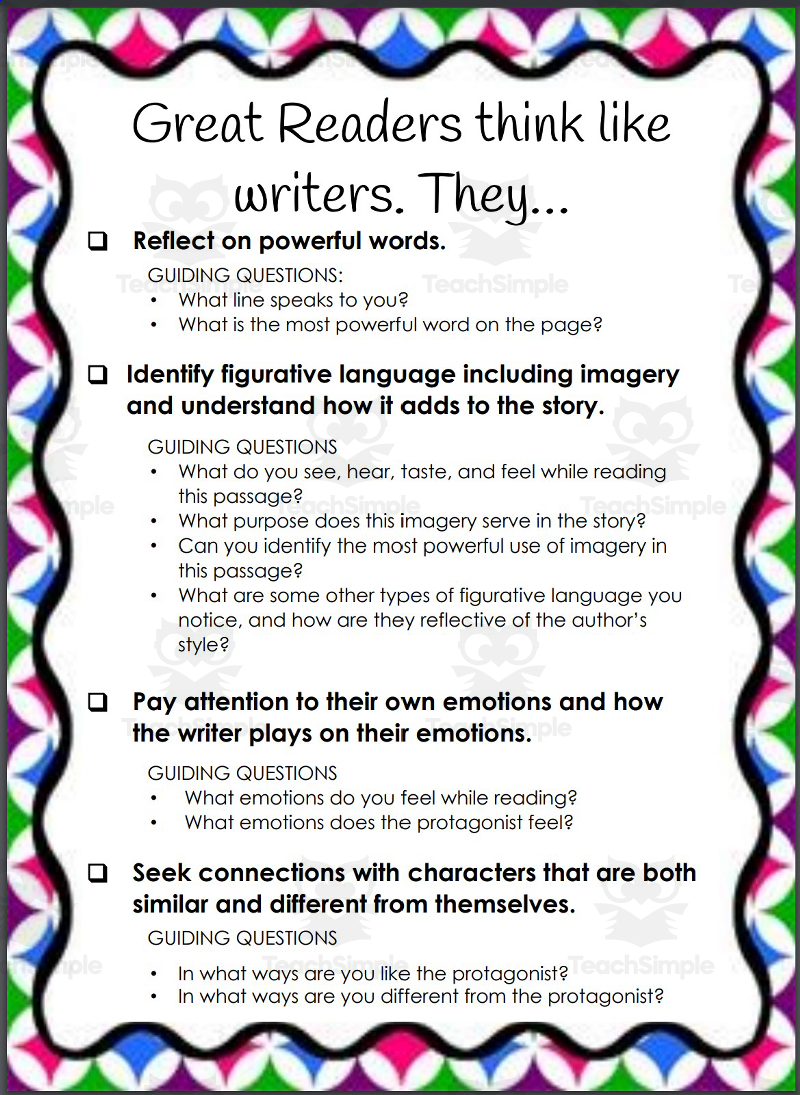
Anchor Charts for Readers
This resource incudes 2 anchor charts useful for English classes. Each chart includes specific strategies for reading.




48 resources
Reading Comprehension Anchor Charts focus on key concepts that help students understand and interpret texts. By illustrating ideas such as main idea, supporting details, cause and effect, and making inferences, these charts provide clear explanations that students can refer to. Incorporate these charts to support students in developing critical reading skills.
Explore sub-categories
1 sub-categories · 48 resources
This resource incudes 2 anchor charts useful for English classes. Each chart includes specific strategies for reading.

Read the example together and separate what the author wants readers to believe from the reasons given. Use the chart as a reference when students apply the same questions to another text.
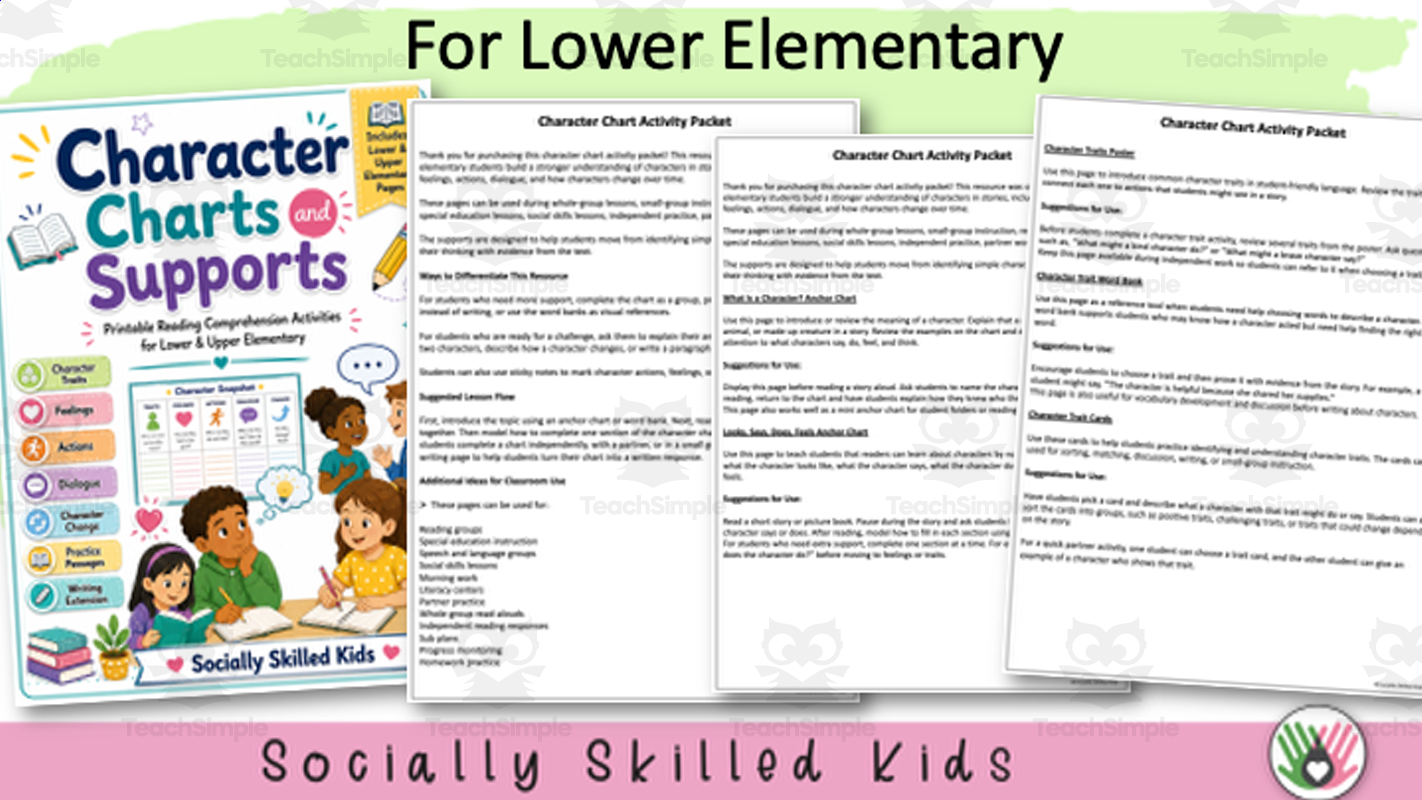
Character Chart Activity Packet | Character Traits, Feelings, Evidence & Reading Response Help your students build stronger reading comprehension skills with this Character Chart Activity Packet !

The Character Experiences Anchor Chart is an indispensable tool conceived particularly for educators, to better comprehend character's experiences and their interactions within various tales or series.

Two illustrated anchor charts teach how readers infer a story character's traits — through what characters say or think, do, feel, and how others describe them — each supplied in a completed poster version and a fill-in-the-blank interactive-notebook version. The chart pairs a four-category graphic organizer (thoughts/words, feelings, actions, and what others say) with a sentence frame, 'This character is (or has) ___. I know this because ___,' for students to justify a trait using text evidence. Teachers can print the completed posters for a bulletin board or hand out the blank versions for students to fill in as guided notes while reading a class novel or short story.

This resource is a How to Eat A Poem Poetry Analysis Guide. This is a fun graphic for students to guide them through analyzing poems. You may choose to print and display these 3 pages across a bulletin board .
 Free download
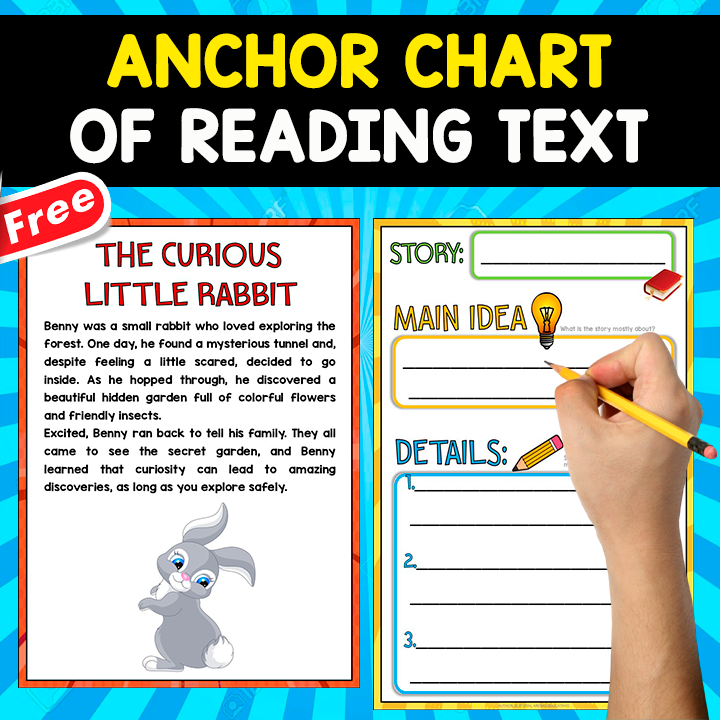
 Teach reading comprehension (identifying the main idea and supporting details) using a short English narrative about a rabbit named Benny who explores a tunnel, finds a hidden garden, and learns that curiosity leads to discoveries when done safely.
 Free download
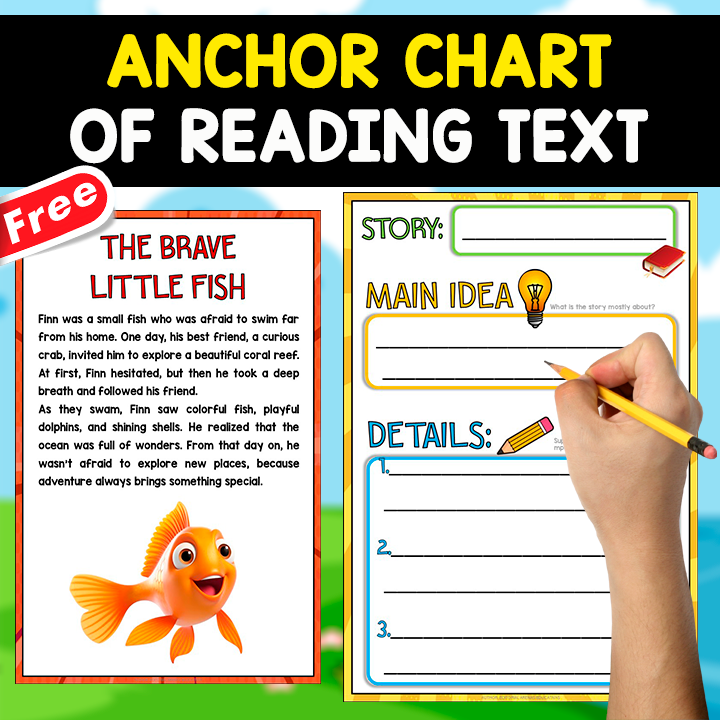
 Teach reading comprehension (identifying the main idea and supporting details) using a short English narrative about a fish named Finn who overcomes his fear of exploring far from home with a friend's encouragement and learns adventure brings wonder.
Reading Comprehension Strategies 1 The Reading Comprehension Strategies 1 is a teaching aid which aims to enhance the reading skills of students in grades 1-5.
 Free download
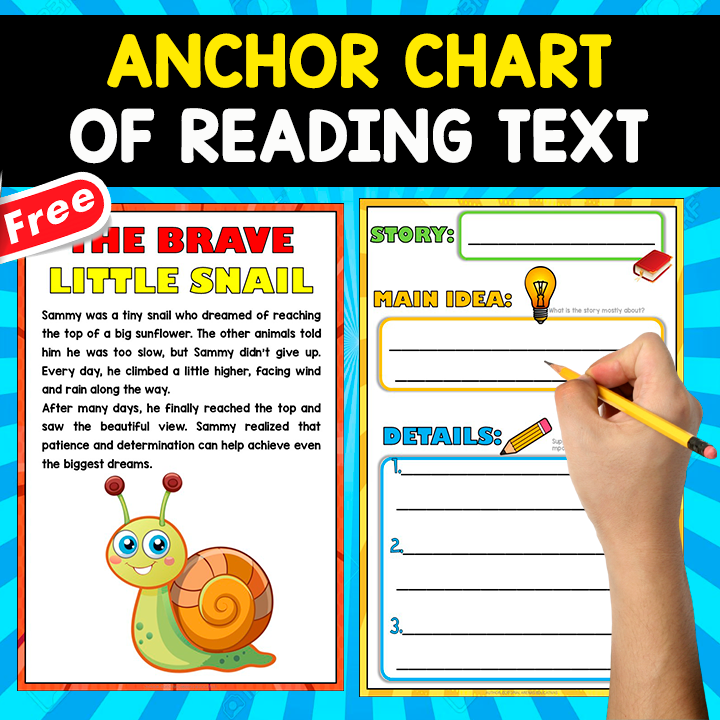
 Teach reading comprehension (identifying the main idea and supporting details) using a short English narrative about a snail named Sammy who climbs a sunflower despite others doubting him and learns that patience and determination achieve dreams.

This resource is a Guided Reading Skills Chart. It focuses on skills you can and should be teaching during guided reading: - Print concepts - Decoding - Comprehension - Fluency For each skill, there is a chart that provides strategies with…
A set of reusable reading-strategy anchor posters paired with blank graphic-organizer response sheets (two ruled-line versions of each: with and without pre-drawn lines) that students use with any book they are independently reading, covering the 'Five Finger Rule' for choosing a just-right book plus cause and effect, compare and…
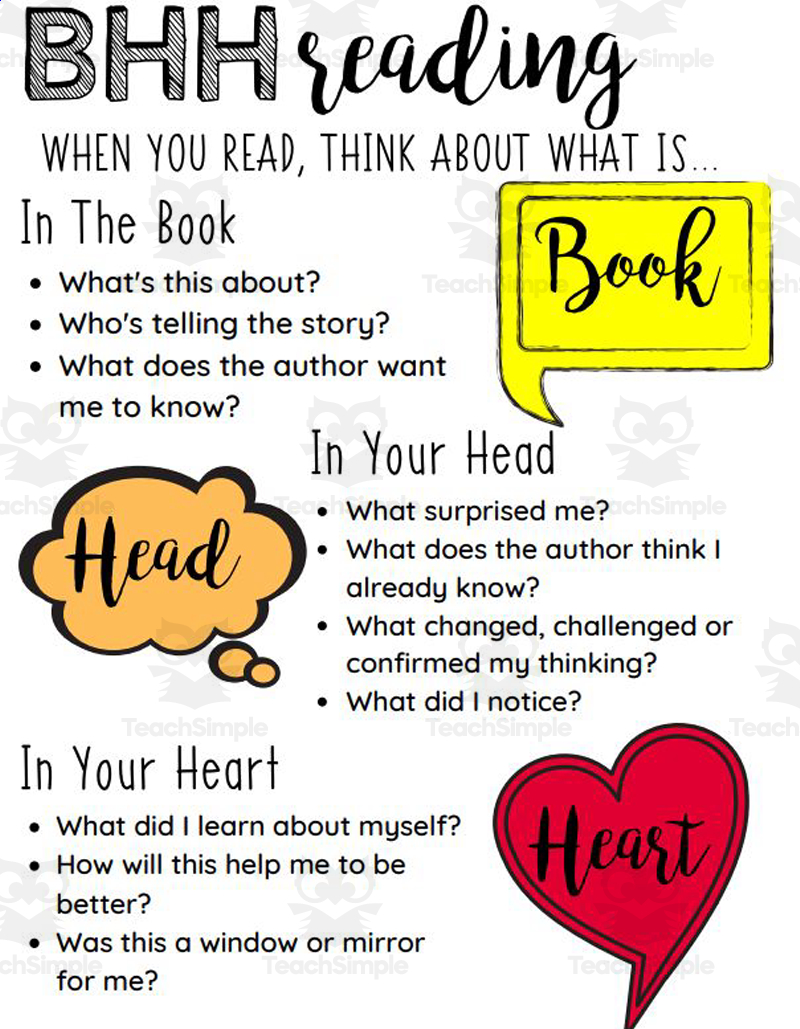
Head Start: Reading Books Head Start: Reading Books is a practical teaching resource designed for educators to enhance their students' reading comprehension abilities.
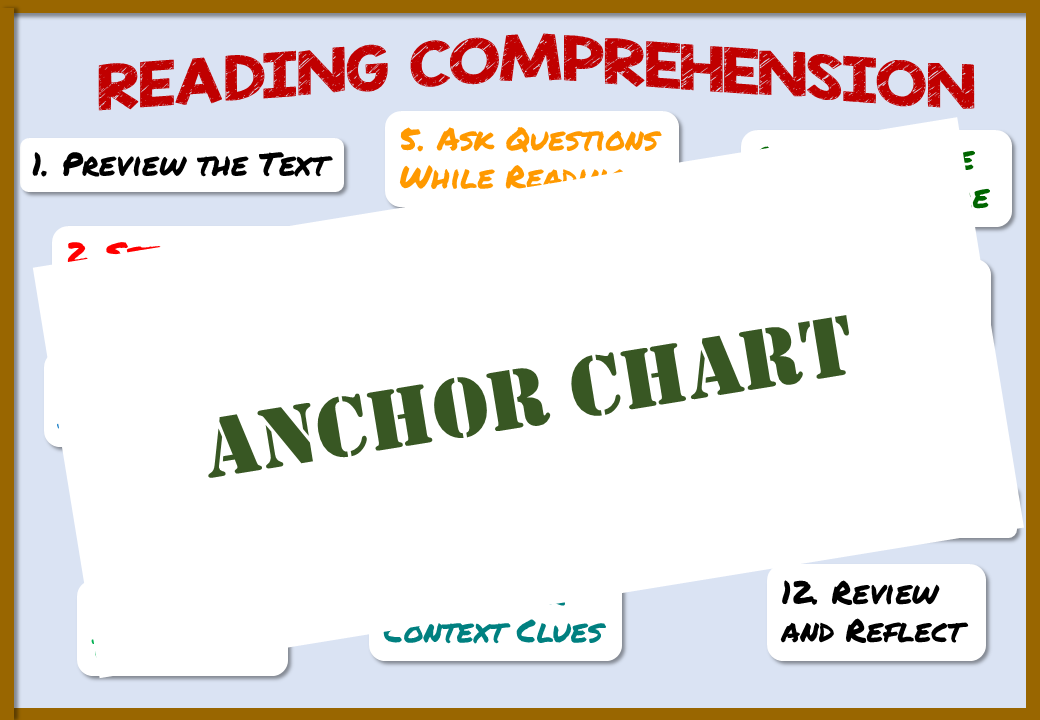
A reference anchor chart that lists 12 reading comprehension strategies for students to apply before, during, and after reading any text.

This is a Reading Test Tips Chart that can be given to students or families before testing season or at the beginning of the school year. This chart highlights pertinent reading skills and give strategies for students to use as a guide.
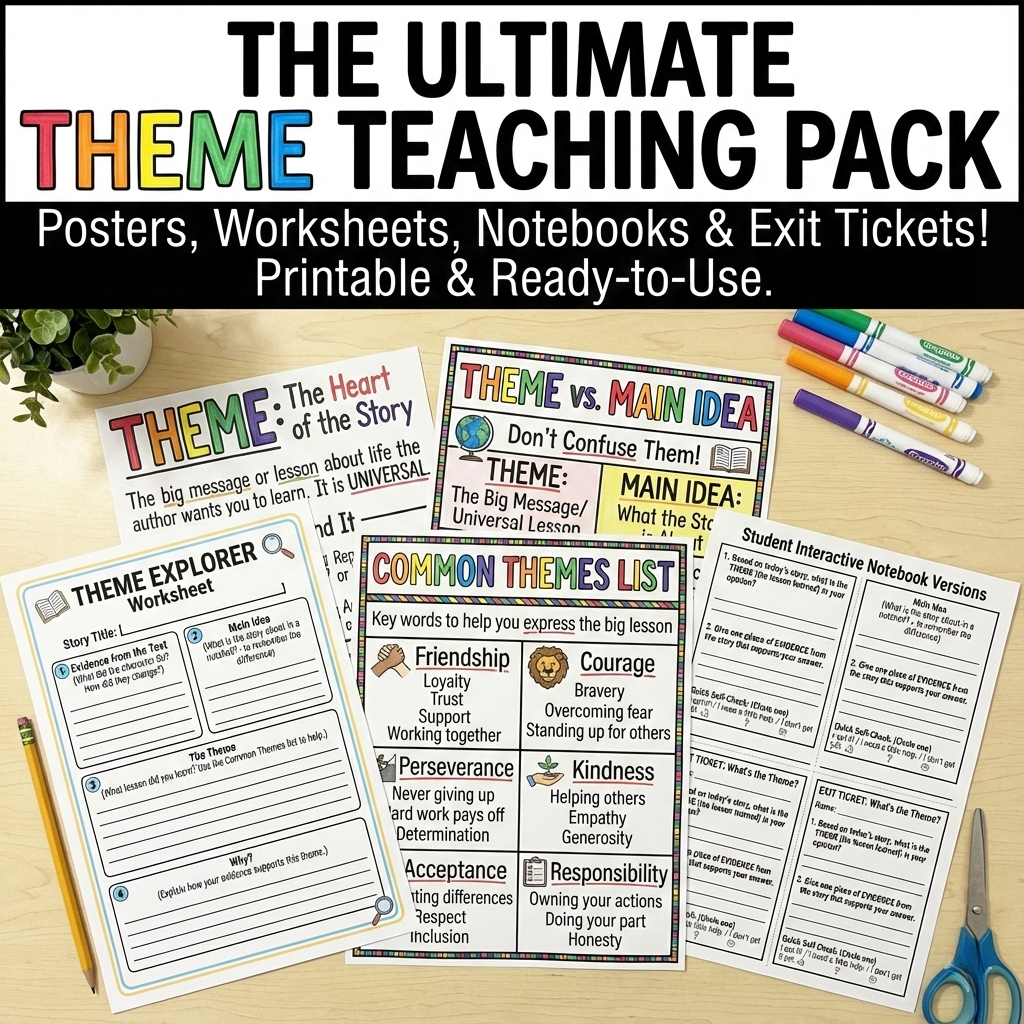
Let’s be honest, teaching "Theme" is tough. It is one of the most abstract concepts for upper elementary students to grasp. If I had a nickel for every time I asked a student, "What is the theme of this story?" and they just retold the…
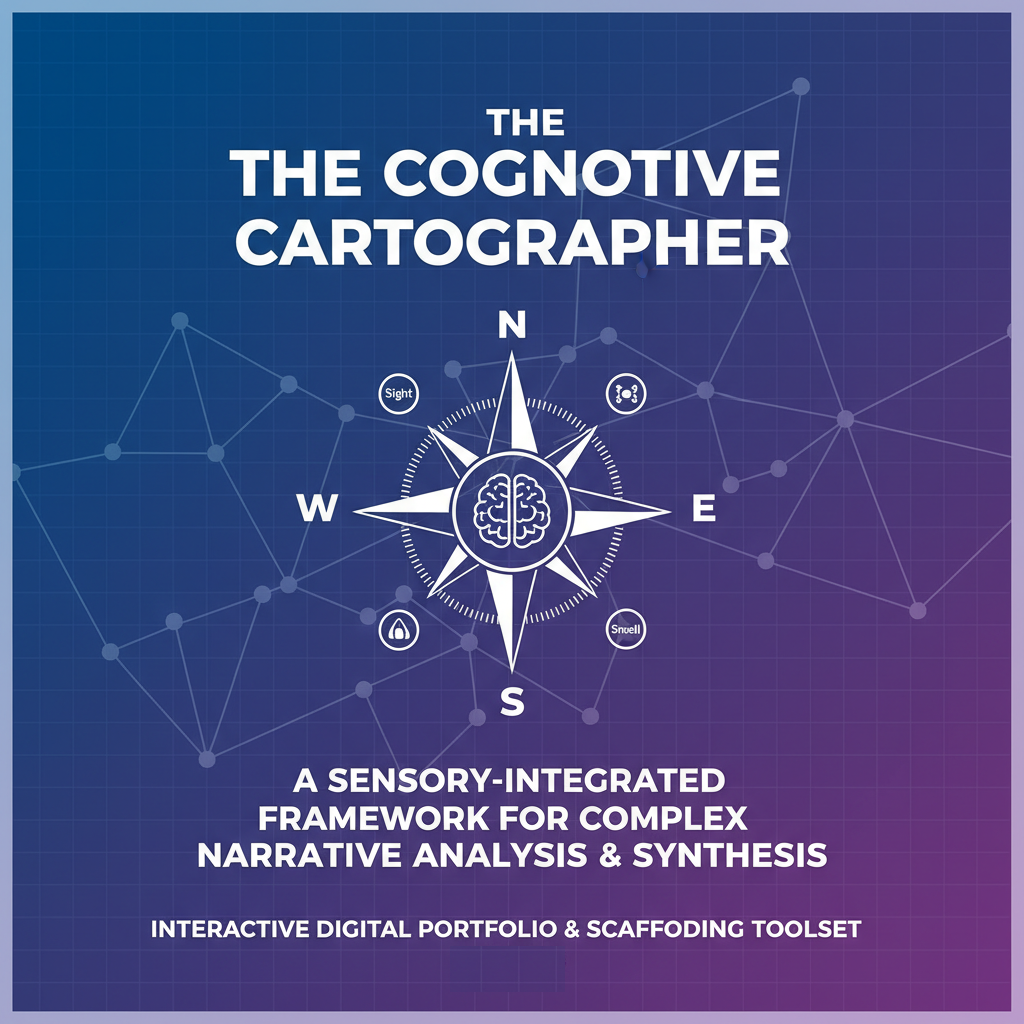
Teaches a multi-phase analytical framework for close-reading complex narratives using sensory detail extraction, spatial/setting analysis (chronotope), and character-relationship (node/edge) diagramming.
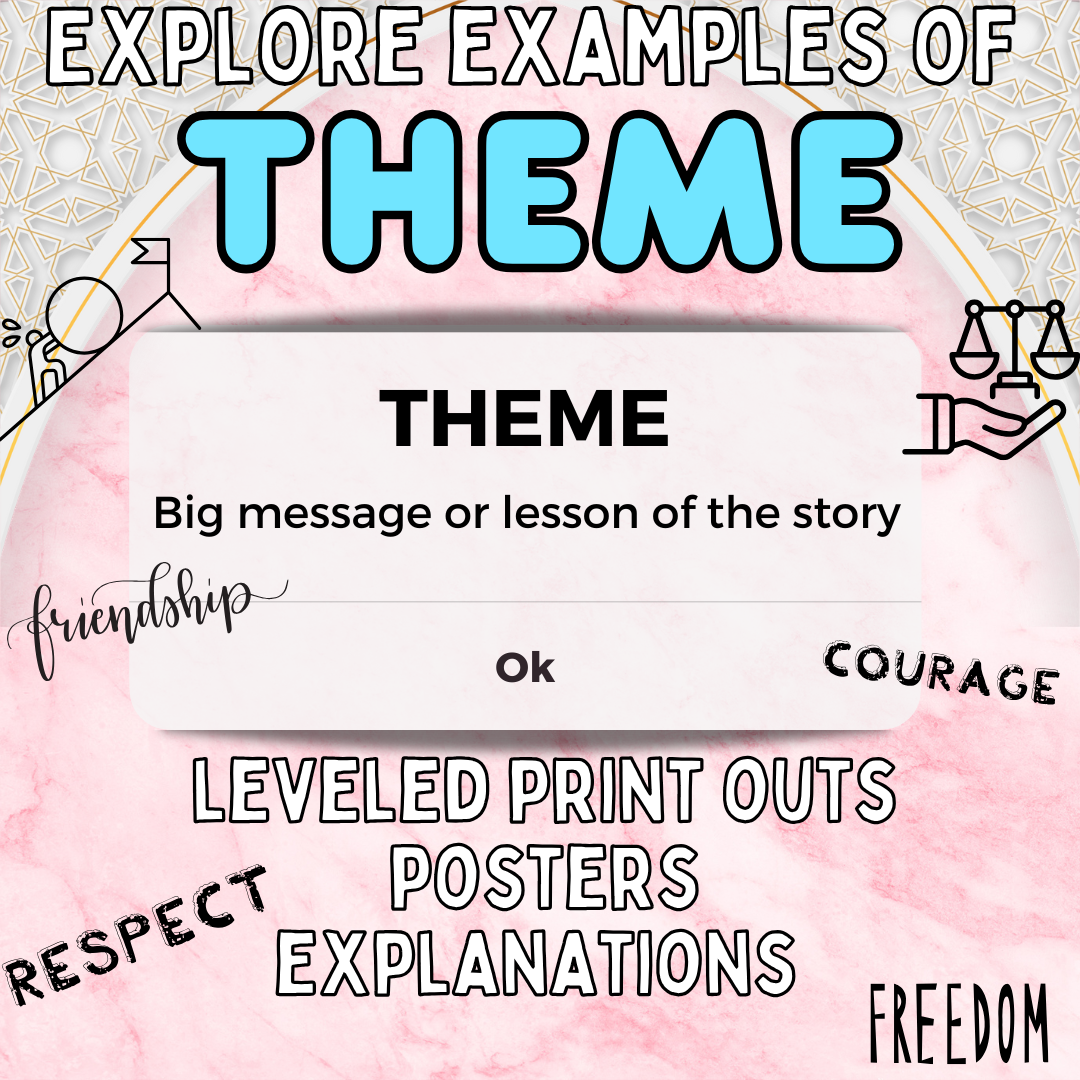
Teaching theme can go from basic principles to more in depth meaning requiring students to inference and make connections. This resource gives you the ability to level up your theme teaching by starting students off on a beginner level.
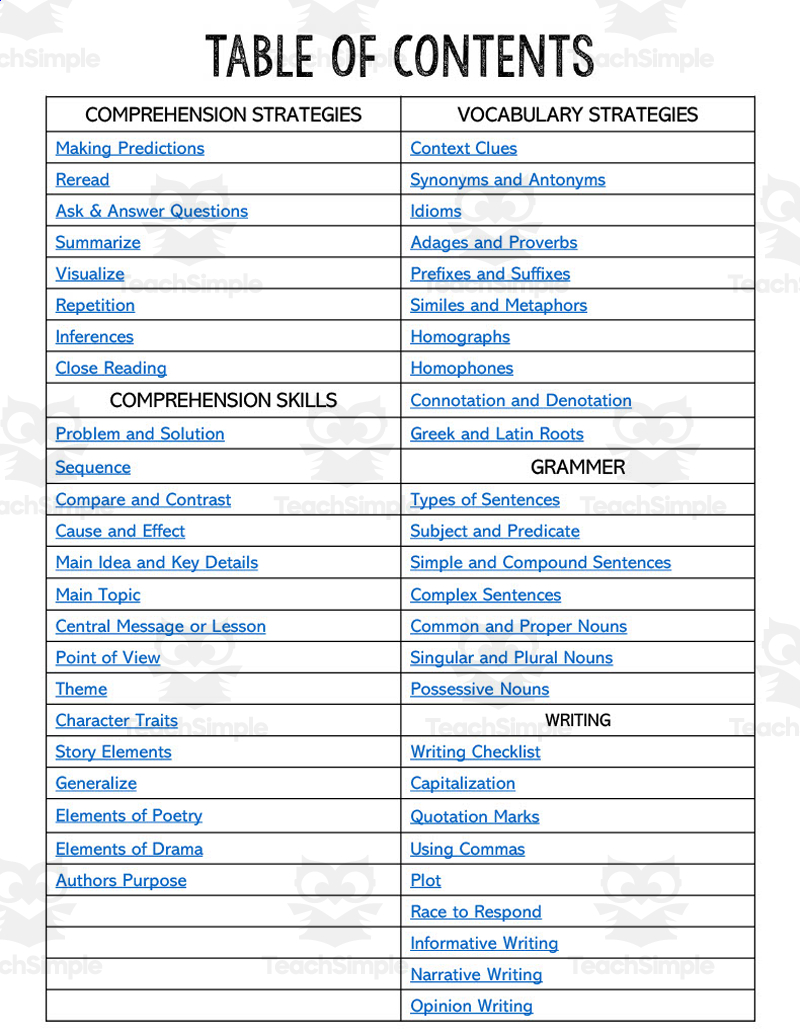
This is a set of Upper Elementary ELA Anchor Charts perfect for all year long in your language arts classroom. These anchor charts come in color and black and white.
 Free download
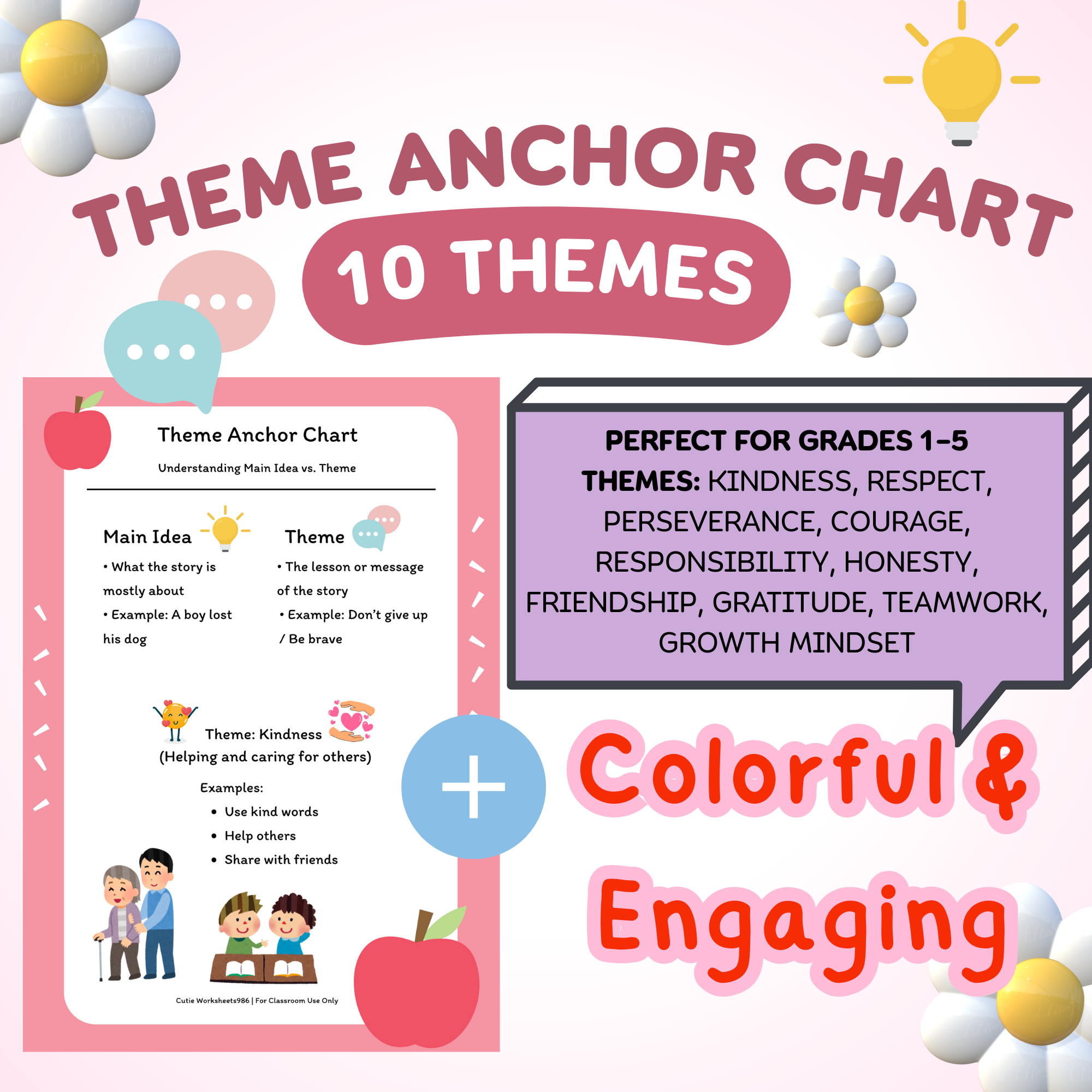
 A set of 10 themed anchor charts distinguishing 'main idea' from 'theme' and illustrating character-education themes (kindness, respect, perseverance, courage, responsibility, honesty, friendship, gratitude, teamwork, growth mindset) for classroom display.

Model the four steps with a question about a shared text. Use the guided chart during practice and the fill-in version to review the routine.

This resource is a set of anchor charts focused on comparing two texts on the same topic. Students are able to use these anchor charts to decipher similarities and differences between texts on the same topic.

This resource is a set of 2 charts">anchor charts for connections within texts The first chart is complete. The following chart is fill in the blank.

This resource is a set of 4 charts">anchor charts for teaching how to find and use context clues. The first chart is complete. The following 3 charts are fill in the blank.