resources by type
resources by grade
resources by subject
other resources

3,615 products added recently

Spelling Charts

Spelling Charts provide visual references for common spelling rules, patterns, and irregular words. By displaying these charts, you offer students a handy tool to consult during writing tasks, helping them improve accuracy and confidence. Spelling charts can cover topics like vowel combinations, consonant blends, and homonyms, supporting a comprehensive approach to spelling instruction.

Relevant
alt down
Any Time
alt down
filter by
alt down
All File Types
alt down
filter nav Show filters
Sort by: Relevant
CLEAR
resources by type
Activities
down arrow
Classroom Decor
down arrow
Teacher Tools
up arrow
Anchor Charts
Assessments
Charts
DBQ's
Diagrams
Graphic Organizers
Lesson Plans
Literacy Readers
Outlines
Presentations
Quizzes and Tests
down arrow
Rubrics
Templates
Worksheets & Printables
down arrow
resources by grade
Early Learning
down arrow
Pre-K
down arrow
Elementary
down arrow
Middle School
down arrow
High School
down arrow
Adult Education
Not Grade Specific
resources by subject
Creative Arts
down arrow
ELA
up arrow
Language Development
up arrow
ESL
Grammar
Phonics
Spelling
Pre-Reading
Vocabulary
Literature
down arrow
Reading
down arrow
Writing
down arrow
Holiday & Seasonal
down arrow
Life Studies
down arrow
Math
down arrow
P.E. & Health
down arrow
Social Studies
down arrow
Special Resources
down arrow
Science
down arrow
Foreign Languages
down arrow
Resources for Teachers
down arrow
other resources
Common Core
Homeschool Resources
down arrow
Montessori
Research
STEM
B and D Reversal — A Structured Daily Intervention Programme
Free Download

B and D Reversal — A Structured Daily Intervention Programme
Common Core, Phonics, Language Development, ELA, Spelling, Special Education Needs (SEN), Special Resources, Kindergarten, Grade 1, 2, 3, 4, Charts, Teacher Tools, Lesson Plans

B and D Reversal — A Structured Daily Intervention programme to tackle a real problem: Dyslexic Logic Font used with permission. B and D reversal is one of the most persistent problems in early literacy. The Problem Children who confuse these two letters are not being careless, nor are they failing to try, as some suppose. They know that Bee says 'b' and Dee says 'd' — they have moved beyond learning beginning sounds. The problem is not knowledge — it is retrieval. When a child is writing at speed, the brain cannot always pull up the right letter shape quickly enough. The child starts to write, and the wrong shape is already on the page. They do not have time to sit there working out which way round a b or a d goes. They guess. And nine times out of ten , they get it wrong. The teacher points out the errors. The child feels dumb. Parents and teachers scour the web for a solution. They try one thing after another with the same fruitless results. The usual approaches — the bed trick, the b hand, repeated correction — all share the same flaw. They ask the child to retrieve the correct answer from memory under pressure. The b hand fails because the child cannot remember which hand is which. That is precisely what they cannot do reliably. A strategy that depends on the thing that is broken will not fix the thing that is broken. The Solution Remove the need to retrieve the correct shape and formation from memory entirely. This pack gives the child a simple visual reference — a card with a picture embedded in each letter shape, fixed permanently to the desk, with a clear starting point for letter formation marked on each letter. One glance before writing, and the right letter is there. No memory required. No cognitive load. Just the correct letter, every time. The Dyslexic Logic Font — used with permission — is used throughout. This helps pupils establish the correct letter shape more easily. What is included Table cards for the desk, bookmarks for reading books and folders, and smaller cards for use wherever your child writes. Every format ensures the cue is always within reach — because a cue that is not there cannot help. Five weeks of pre-written daily word lists — carefully sequenced from single b words through to mixed b and d in longer words. Nothing to prepare. Just open and use. Weekly record sheets — a simple daily checklist tracking whether your child chose the correct letter, checked the card independently, and formed the letter correctly. Includes a progress chart the child completes themselves and a readiness check so you know exactly when to move to the next stage. A full step-by-step guide for parents and teachers. This is the part most similar resources leave out. A visual cue only works if the child has been properly trained to use it — consistently, every time, before they write rather than after. The guide explains exactly how to do that, how to handle resistance, and what to expect over time. A video guide showing the full programme in action — because seeing it is easier than reading about it. There are no quick fixes here. The habit of checking takes weeks to establish and months to become fully automatic. But with consistent use, it works — and this pack gives you everything you need to make that happen. Suitable for use at home or in the classroom with any child who has a persistent b and d reversal problem, regardless of which reading programme they are following.

Author Lilibette's Resources

Rating

Tags B/d Reversal, Letter Confusion, B/d Confusion, Speling Problems, Dyslexia, Special Needs

Doubling Rule Poster: Phonics Charts
Free Download

Doubling Rule Poster: Phonics Charts
Common Core, ELA, Phonics, Language Development, Spelling, Special Resources, Special Education Needs (SEN), Grade 1, Classroom Decor, Charts, Teacher Tools, Posters

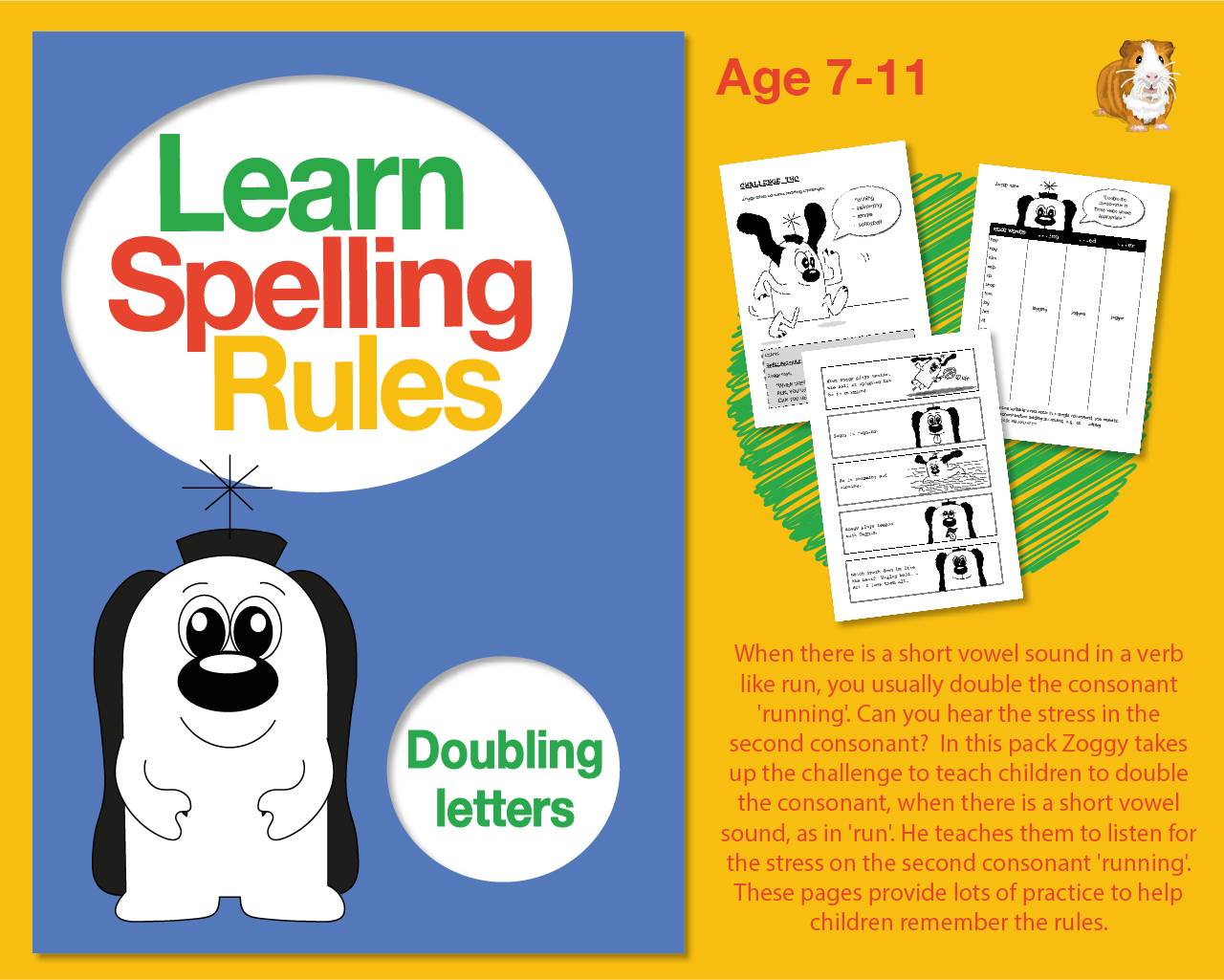
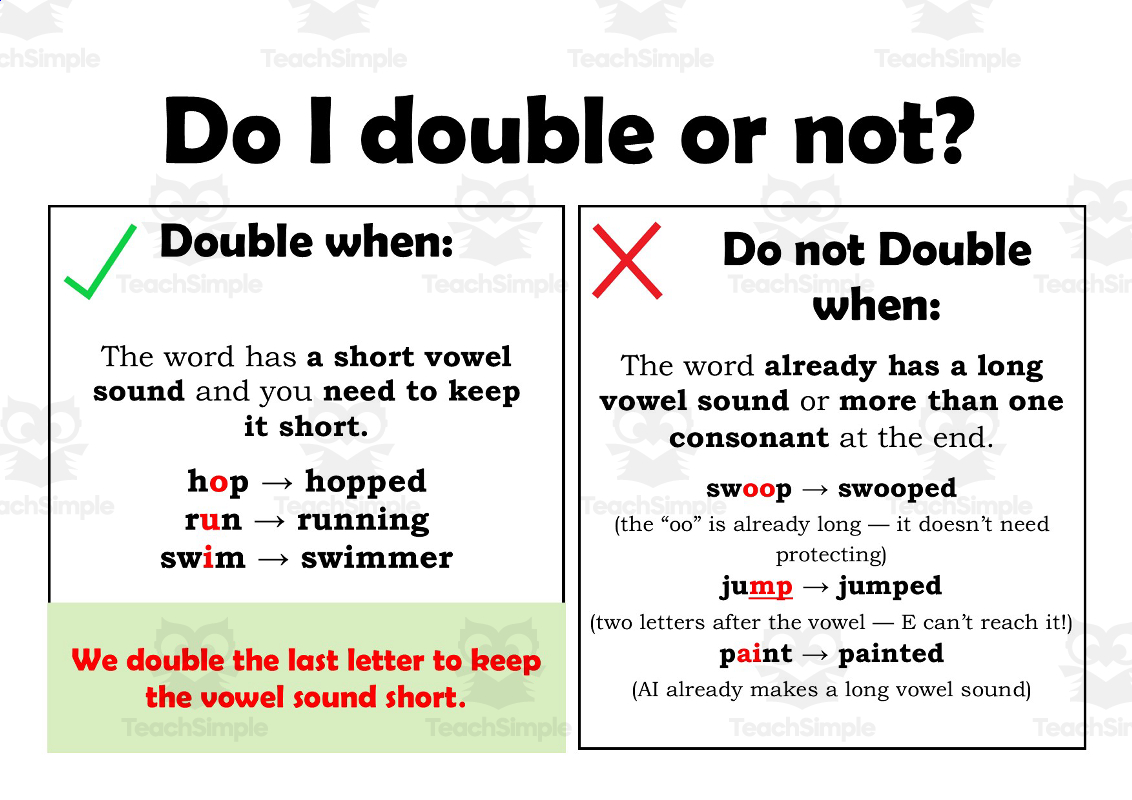
Here is a handy Doubling Rule A4-size poster. Do you need a simple way to help pupils know when to double and when not? Either give each table a poster to keep handy while the pupils write, or pin it at strategic points around the classroom for easy reference. Doubling can be made complicated, with more rules added, all of which add extra steps for a child to remember. This makes spelling a nightmare for a child with a processing difficulty. Here at Lilibette's Resources, I like to make reading and spelling as easy as possible, with as few rules as possible, helping the children to internalise the rules without the need to learn them parrot fashion. Here is the doubling rule simply explained with worked examples. The key rule is: We double to keep the vowel short. Many parents struggle with this rule, too! So why not send the poster home with your pupils? Teachers often teach parents unaware!! Reading Made Simple by Lilibette's Resources can help any child who needs a slower pace and is struggling to learn to read and write. Reading Made Simple helps to reduce the cognitive load on the child's working memory, making it easier for the child to gain reading and writing fluency. The doubling rule is one of the few rules we emphasise over and over again, starting in Level 1 and going through all four spelling levels. By downloading this simple reminder as to when to double, you can help your pupils understand the rule and use it. Rules are no good if they do not help the child to write. Who is the doubling Rule Poster for: Teachers Parents Homeeducators How to use the doubling rule poster: Simply print, laminate, and display! There is no need to laminate if it will be pinned on the wall at home.

Author Lilibette's Resources

Rating

Tags Doubling Rule, Doubling, Spelling, Spelling Rules, Phonics Charts

ENGLISH TEXT + 6 ANCHOR CHARTS | The Button in Leo’s Pocket
Free Download

ENGLISH TEXT + 6 ANCHOR CHARTS | The Button in Leo’s Pocket
ELA, Language Development, Spelling, Vocabulary, Reading, Reading Comprehension, Strategies, Early Learning, Adult Education, Elementary, High School, Homeschool Resources, Middle School, Not Grade Specific, Activities, Worksheets & Printables, Teacher Tools, Anchor Charts, Charts, Quizzes and Tests

ENGLISH TEXT + 8 ANCHOR CHARTS | The Button in Leo’s Pocket INTRODUCTION: At EDITORIAL ARENAS EDUCATIVAS our goal is to create engaging and effective educational resources that help children learn and grow. We invite you to explore our full store and discover a wide range of materials. You'll find resources for reading, writing, math, and Spanish language development! TAGS: READING,READING AND COMPREHENSION,COMPREHENSION,ANCHOR CHART,COMPREHENSION ANCHOR CHART. MAIN DESCRIPTION: 1) What types of activities or content does this document include? This type of document contains educational activities, all specially designed to be developed and understood in an easy and educational way. 2) How can this material support children's learning or development? This material will help our students learn in an educational way. It will support your students by guiding them in a much more playful way to achieve easy and rapid learning. 3) What specific skills are developed using this resource? Students will be able to develop their attention, concentration, creativity, and imagination skills. It will also allow students to develop their cognitive skills such as comprehension, analysis, and others. 4) Who is the ideal audience for this document? This document and/or teaching resource is primarily intended for young students, meaning those between the ages of 5 and 12, in other words, students in early childhood and/or primary education. However, it can also be used by the general public if required. SECONDARY AND COMPLEMENTARY INFORMATION: 1) Does this material allow for custom editing? This educational document is available in PDF format, so you cannot edit it. You simply need to download and then print it. 2) What main topic does the resource cover? This document has been developed to address a basic topic that children in kindergarten through elementary school should master. This document will also be helpful to the general public who want to learn. 3) What version does this document correspond to? This educational resource is designed in PDF format, which will make your download experience much simpler and easier to use. 4) Is the material designed in color or black and white? This document has been designed in color (if required) or is sometimes created in black and white to make your learning experience easier.

Author EDITORIAL LAURA EDUCA

Rating

Tags FREE, FREE RESOURCES, ENGLISH, ENGLISH LANGUAGE ARTS, READING, READING AND COMPREHENSION, ANCHOR CHART, COMPREHENSION ANCHOR CHARTS

Spring Word Mat Phonetically Coded
Free Download

Spring Word Mat Phonetically Coded
Special Resources, Holiday & Seasonal, ELA, Special Education Needs (SEN), Seasons, Spring, Language Development, Phonics, Reading, Spelling, Kindergarten, Preschool, Grade 1, Posters, Classroom Decor, Charts, Teacher Tools

Spring Word Mat Phonetically Coded About This Product Here is a spring word mat, created for early learners to support developing literacy skills. What is included? The Spring Word Mat Phonetically Coded resource is a beautifully illustrated spring vocabulary tool, with phonetic coding to support early and developing readers. With a mix of brightly coloured photos and hand-drawn pictures, the Spring Word Mat Phonetically Coded is sure to brighten your classroom and delight the children! Objective Perfect for whole-group, small-group, or individual activities, the Spring Word Mat Phonetically Coded can be used to build spring-themed vocabulary, phonics skills, reading fluency, and more. Placed where children can see them, on the desks/tables/on a word wall, the pupils will be able to work independently, giving you more time to teach and assess. They will make spring writing and reading tasks far easier for teachers and pupils alike! Use them to introduce new vocabulary related to the spring season, whether in topic work, creative or factual writing exercises. Ways to Use: Vocabulary Building: Teach new spring words without sounding like a dictionary. Classroom Games: Use them for matching, memory, or “Guess the Word” – teacher-led or student-run. Centres & Stations: Perfect for independent or small group work. ESL Support: Seasonal vocab made simple and engaging. Decor or Bulletin Boards: Learning tools that double as cute springtime décor! Why You’ll Love It: No Prep: Print, cut, flash! Kid-Friendly Illustrations: Bright, clear visuals to help with word recognition. Flexible Use: Whole group, one-on-one, or solo fun. Educational Disguise: Kids think it’s a game, but you know it’s vocabulary practice. What is included? 1 PDF file includes 1 Word mat Grades: The Spring Word Mat Phonetically Coded can be used in Grades k and 1, and by those in a SEN setting. More: Extend learning by pairing the cards with the free companion Spring Vocabulary Flashcards, also from Lilibette's Resources. Who can use the Spring Word Mat Phonetically Coded? Educators from public and private schools, tutors, and homeschoolers alike will find this versatile resource easy to incorporate into diverse lesson plans and settings.

Author Lilibette's Resources

Rating

Tags Spring, Seasons, Spring Vocabulary, Spring Project, Spring Flashcards, Flashcard, Flashcards, Spring Activities, Classroom Decor, Word Wall

Alphabet Charts for Little Hands

Alphabet Charts for Little Hands
ELA, Language Development, Spelling, Kindergarten, Preschool, Grade 1, Charts, Teacher Tools

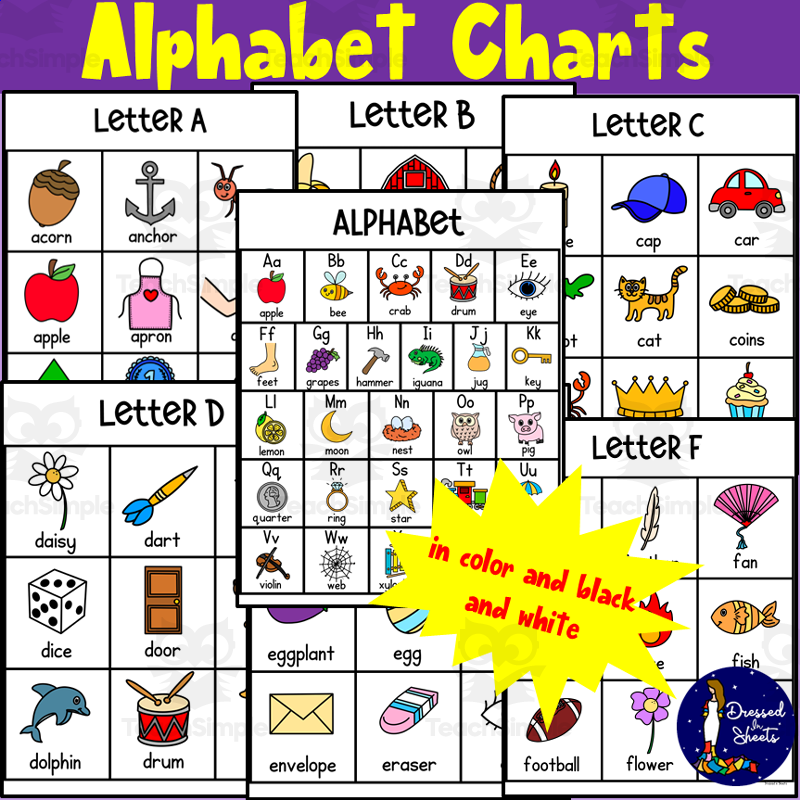
This set of alphabet charts includes all letters in the English alphabet. Each letter will have 9 items that begin with that letter for the exception of the letter x which will have objects that use the letter x. All charts come in color and black and white for your use. Includes: ✅all the alphabet letters chart in color ✅26 alphabet charts in color ✅all the alphabet letters chart in black and white ✅26 alphabet charts in black and white This wonderful set of alphabet charts include ideas on activities that can be done with them inside! Fun to use for activities, folder inserts, and more! Enjoy!

Author Soumara Siddiqui

Tags Alphabet Charts, Alphabet Chart, ABC Chart, ABC Items, Objects That Begin With

Reading Made Simple – Phonic Sounds Chart
Free Download

Reading Made Simple – Phonic Sounds Chart
Special Resources, ELA, Language Development, Phonics, Reading, Spelling, Kindergarten, Preschool, Grade 1, Charts, Teacher Tools

This Reading Made Simple Phonic Sounds Chart is a simple chart of all sounds taught in Level 1 of Reading Made Simple - a 100% FREE phonic reading and writing programme for parents and home educators. Uses for the Reading Made Simple Phonic Sounds Chart The Reading Made Simple sounds chart can be used in multiple ways: 1. display on the wall for handy reference by children when working, or just to encourage casual learning as they pass by and to encourage them to track their progress. 2. On the desk support for learners who may benefit from having the graphemes close at hand for ease of recall when spelling words. 3. For use when writing 4. To be used as posters , or laminated as placemats. Benefits to children of using the Reading Made Simple Phonic Sounds Chart Aids faster learning of the graphemes through continual review went the pupil has the mat close at hand while s/he works Helps writers become less dependent on the teacher for help spelling words Who can use the Reading Made Simple Phonic Sounds Chart? Those who are using the Reading Made Simple programme - Parents home educators Instructions: Print double-sided on card and laminate for a place mat. Print single for posters. Laminate for durability. What is included in the download? 2 posters, A4 size

Author Lilibette's Resources

Rating

Tags Digraph Chart, Phoneme Chart, Phonics, Early Years, KS1, EYFS, Reading Made Simple

Consonant Blends Chart – 44-Space Reference

Consonant Blends Chart – 44-Space Reference
ELA, Language Development, Phonics, Spelling, Preschool, Grade 1, 2, Charts, Teacher Tools

If you need support with blends during reading to build language skills, I have just the resource for you. What You Get: This is a Consonant Blends Chart to use with your lower elementary students that are learning or reviewing phonemes. You will receive a 1-page printable that consists of a chart with 44 spaces. How to Use This Resource: You will need to print off the chart. Depending on how you choose to implement it will determine how many you need to print. If students are practicing independently, you'll need a class set. If you are using this for small groups, you'll only need to print a few. You can print this on heavy duty paper or card stock. Laminate them after printing. This will allow for greater durability. This Consonant Blends Chart can be implemented in many different ways. You can turn it into a game by having students race to find words for the blends presented on the chart. I hope you enjoy! Take A Look At Some Of My Best Sellers: Drawing Multiplication Sums Worksheet Animal Diets Worksheet Nouns Worksheet Making Inferences Worksheet Push or Pull Printable Grade 5 Division Worksheet You can find more resources at my storefront here: Elementary Resources 4 U

Author Elementary Resources 4 U

Rating

Tags Blends, Phonics Mat, Phonics Activity, Phonics Printable, Consonant Blends, Reading, Literacy, Spelling