resources by type
resources by grade
resources by subject
other resources

3,989 products added recently

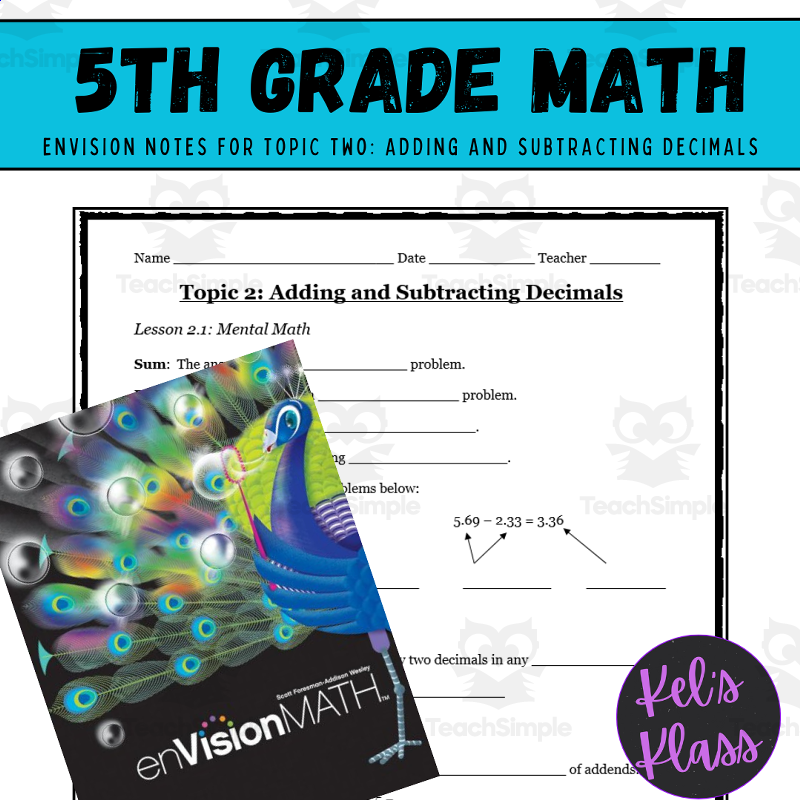
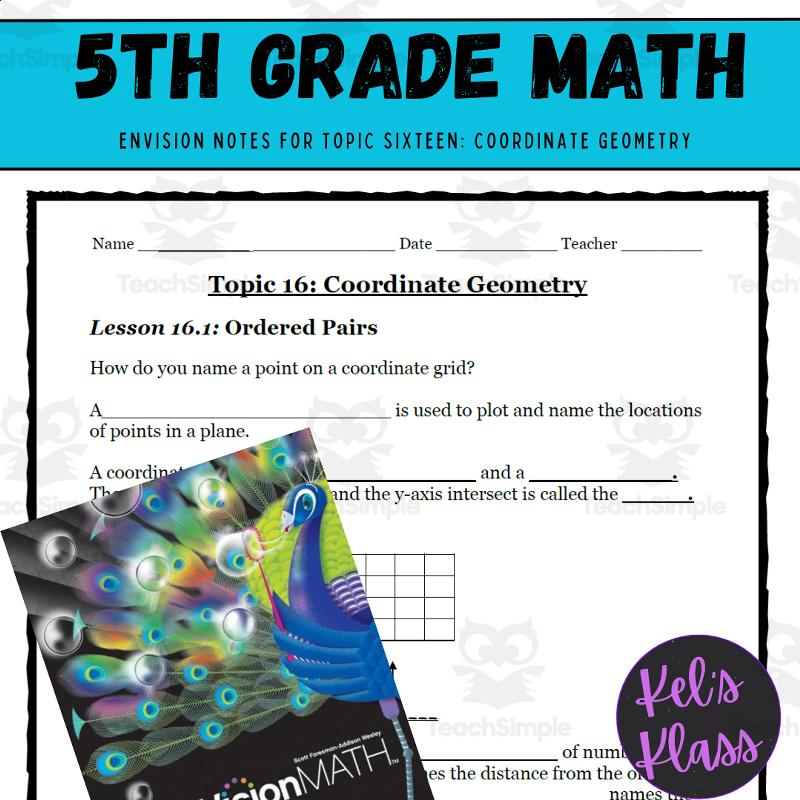
5th Grade Math Quiz

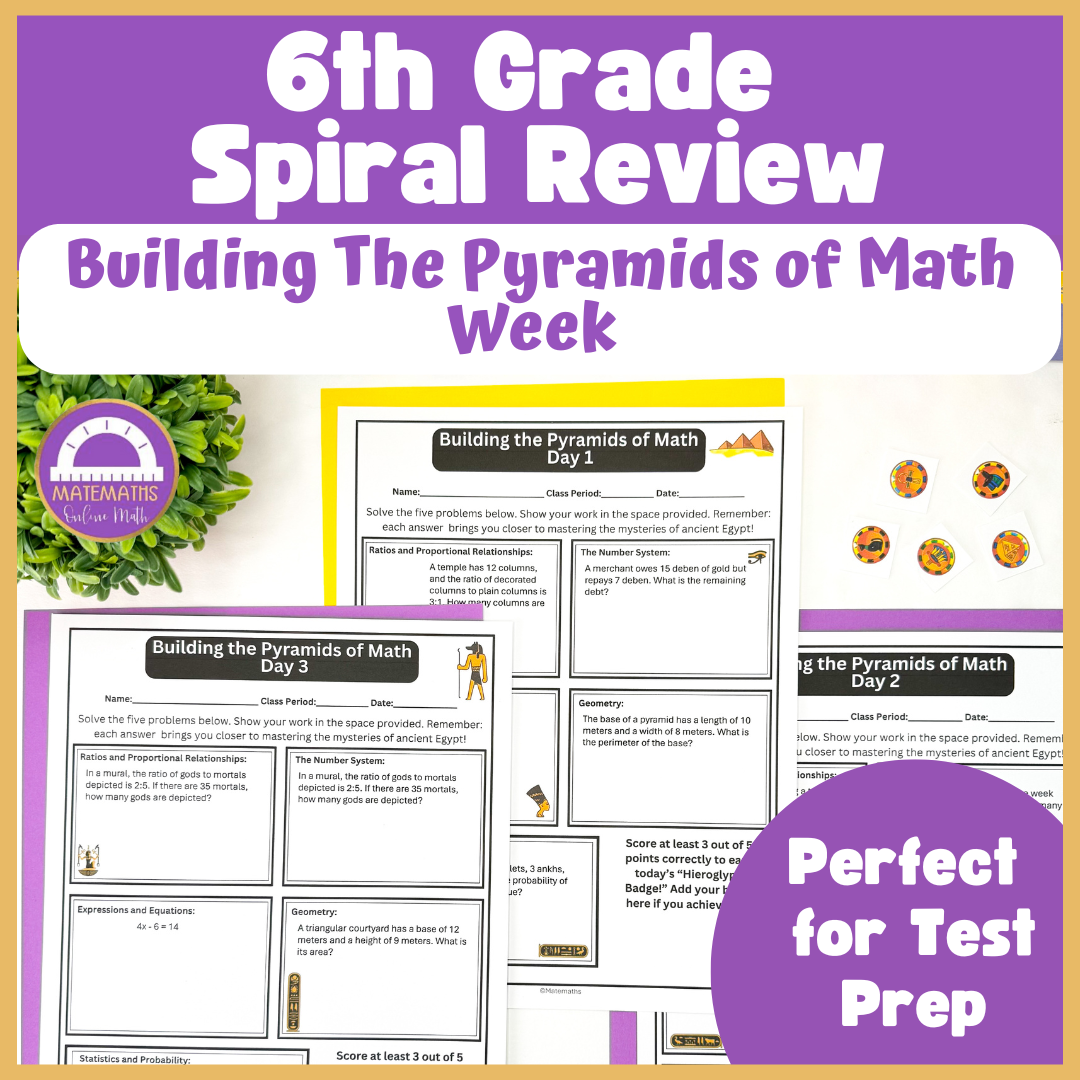
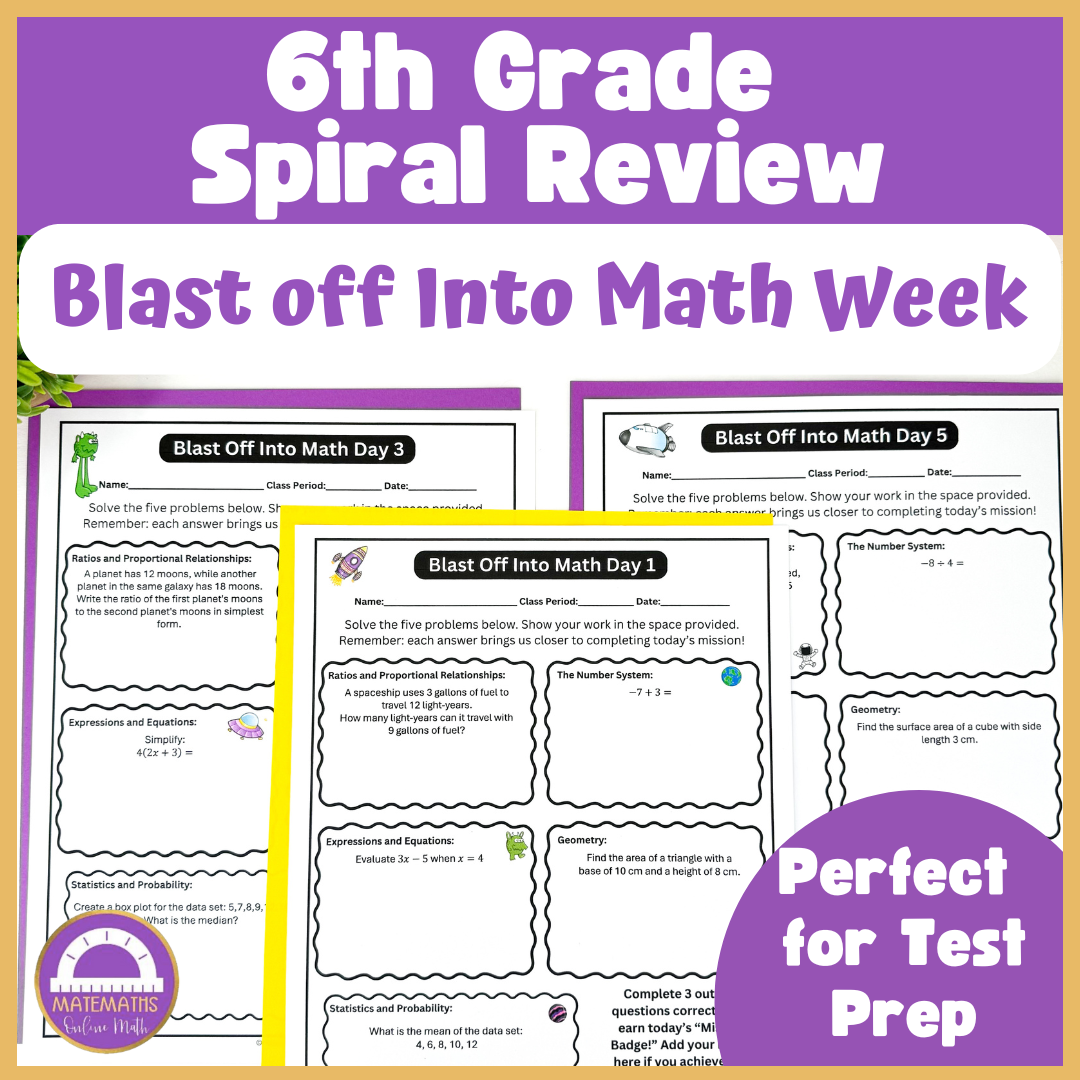
The 6th Grade Math Quiz is crafted to challenge students and assess their mastery of middle school math concepts. Topics include ratios and proportions, basic algebraic equations, area and volume calculations, and statistical reasoning. Administering this quiz provides insights into students' readiness for higher-level math courses. It helps pinpoint areas where additional instruction may be needed, facilitating a smoother transition into advanced mathematics.

Relevant
alt down
Any Time
alt down
filter by
alt down
All File Types
alt down
filter nav Show filters
Sort by: Relevant
CLEAR
resources by type
Activities
down arrow
Classroom Decor
down arrow
Teacher Tools
up arrow
Anchor Charts
Assessments
Charts
DBQ's
Diagrams
Graphic Organizers
Lesson Plans
Literacy Readers
Outlines
Presentations
Quizzes and Tests
up arrow
Quizzes
Tests
Rubrics
Templates
Worksheets & Printables
down arrow
resources by grade
Early Learning
down arrow
Pre-K
down arrow
Elementary
up arrow
Grade 1
Grade 2
Grade 3
Grade 4
Grade 5
Middle School
down arrow
High School
down arrow
Adult Education
Not Grade Specific
resources by subject
Creative Arts
down arrow
ELA
down arrow
Holiday & Seasonal
down arrow
Life Studies
down arrow
Math
up arrow
Addition and Subtraction
down arrow
Algebra
down arrow
Calculus
down arrow
Trigonometry
Decimals
Early Math
down arrow
Fractions
Geometry
Graphing
Measurements
Money
Multiplication and Division
down arrow
Number Lines
Order of Operations
Percentages
Statistics
Time
P.E. & Health
down arrow
Social Studies
down arrow
Special Resources
down arrow
Science
down arrow
Foreign Languages
down arrow
Resources for Teachers
down arrow
other resources
Common Core
Homeschool Resources
down arrow
Montessori
Research
STEM
Spring-Themed Numbers Domino Game: Fun Learning for Elementary and ESL

Spring-Themed Numbers Domino Game: Fun Learning for Elementary and ESL
Montessori, Math, Numbers, Early Math, Seasons, Holiday & Seasonal, Spring, Grade 1, 2, 3, 4, 5, Activities, Games, Worksheets & Printables, Task Cards, Quizzes and Tests, Teacher Tools, Quizzes

Bring Springtime Energy to Your Classroom with This Domino Numbers Game! 🌸 Spring-Themed English Numbers Domino – A Fun and Engaging Way to Learn Numbers! 🌸 Learning numbers in English can sometimes feel repetitive, but with this Spring-Themed English Numbers Domino Game, your students will play, learn, and stay engaged! Whether you teach young learners or ESL students, this activity turns number practice into a fun, hands-on experience that keeps everyone excited to learn. Imagine a classroom filled with laughter and excitement as students match number words with digits, improving their skills without even realizing they are learning. This game makes mastering numbers interactive, stress-free, and perfect for spring-themed lessons. What Makes This Game Special? ✔ Fun & Play-Based Learning – Learning happens naturally when students enjoy the process! ✔ Springtime Theme – Freshen up your math lessons with a cheerful, seasonal design. ✔ Multiple Number Ranges – Play at different levels: 0–10, 0–20, or 0–30 for differentiated learning. ✔ Flexible for All Learners – Ideal for elementary students, ESL learners, and mixed-ability classrooms. ✔ Ready to Print & Play – Simply print, cut, and let the fun begin! What’s Included? 🌼 2 x 34 Cards (68 in total) – One version with standard text, another with syllable writing to support phonetic awareness. 🌼 Three Difficulty Levels – Choose your end card at 10, 20, or 30, depending on your students’ needs. 🌼 Bonus Competitive Variation – Play in teams and see who can build the longest domino chain in a set time! Perfect for group work or even floor games in the hallway. Why Teachers Love It 🌷 Encourages active participation – Students learn through movement and interaction. 🌷 Boosts confidence – Helps children recognize numbers quickly and easily. 🌷 Improves classroom atmosphere – Promotes teamwork, social skills, and a collaborative learning environment. 🌷 Saves you time – No prep needed—just print and play! How to Use 📌 Print the cards. 📌 Laminate for durability (optional). 📌 Cut them out and start playing! This Spring-Themed Numbers Domino isn’t just a game—it’s an engaging teaching tool that makes learning enjoyable and effective. Whether you use it in small groups, as a math center activity, or as part of your seasonal classroom games, your students will love practicing their numbers in English! 👉 Download now and bring playful learning into your classroom! Wishing you and your students lots of fun with this game! 🎲🌸 Warm regards, Heike from Lernfitness Did You Know? I teach with a certified therapy dog, and together we focus on creating a positive and inspiring learning environment.

Author Lernfitness

Tags Numbers, Math, EFL, ESL, Game, Educational Card Games, Domino, Number Words, Spring, Spring Game

Quarters Reading Comprehension Passage - Cored Ed Encyclopedia

Quarters Reading Comprehension Passage - Cored Ed Encyclopedia
ELA, Language Development, Resources for Teachers, Reading Comprehension, Reading, Pre-Reading, Social Studies, History, Money, Math, Grade 2, 3, 4, 5, Worksheets & Printables, Worksheets, Teacher Tools, Centers, Activities, Writing Prompts, Assessments, Quizzes and Tests, Quizzes, Lesson Plans

This quarters reading comprehension includes: Visualization (on the front cover) Start your lesson by taking a minute to think and share something about the topic. Read the script aloud (slowly), perhaps prepare some music or sound effects. Student close their eyes and let their imaginations wander. Students open their eyes, read the question aloud and give them a few minutes to complete. Ask a few students to share or keep answers until the end to compare with what they learn in the passage. Quick pause—thousands of Cored Education products are included with your TeachSimple membership. Download links and encyclopedia index available here. Pre-Reading Trivia Students will write down one thing they already know about the subject and then read five more facts and discuss. These facts are fun, and the students will enjoy learning about the subject before reading more. Give 1 minute for students to write what they already know (no pressure—best guess is fine). Read the five facts together. After each fact, do ask a student for their opinion, was it surprising? Set a purpose by asking students to highlight/underline one fact they want to learn more about during the reading. Reading Passage The text is a high-interest reading passage with set paragraphs, roughly three to four paragraphs long. It contains a variety of themes about the topic, anywhere from history to technology. The passage is between 250 and 350 words in length. First, ask students to look at the headings and see what they’ll learn about today. What do they know about the topic/heading? First read options: Teacher read-aloud (best for support). Partner reading (paragraph by paragraph). While reading, students underline important details, and vocabulary words they think may come up in the questions section. Mixed Questions The first question page contains four multiple-choice questions, each with a choice of four answers, and three written response questions that require a sentence or two from the student. Students complete the mcqs first independently, then review quickly as a class. For the 3 written responses, try to get students giving the answer with some form of evidence: “I think ___ because the text says ___.” If students get stuck, send them back to check the passage. Vocabulary Questions Practice seven key words from the text in this section across two activities. First section is scrambled words where students will unscramble three words given a clue for each. The second section is a word to meaning matching activity. Before starting, have some students read out words they underlined in the passage. Ask students to say the word and read aloud the sentence(s) around each word. Ask students to do scrambled words and the matching exercise in pairs then go through answers as a class. For the scrambled spelling task, get four pairs to come up to the board and write the words for extra practice with the other student reading out the clue. For the matching task, prompt students to give full sentences: “I matched ___ with ___ because ___.” Creative Writing In this question, the student will be required to write a five to eight sentence paragraph on a question related to the topic. Before starting, ask students write down 3 key ideas they are going to include in their piece. Ask students for ideas to share around the class to help those struggling. Pro writing expectations: 5–8 sentences At least 2 facts or details from the passage At least 2 vocabulary words from the previous page Students read their paragraphs while classmates listen for facts and vocabulary words. Extension Activities This page is optional for fast finishers or to take home. There are several activities, each one requiring a different skill. Do some, do none, do all, completely optional - but you will feel reassured knowing every possibility is planned for. Includes summary writting question. Answer Key There are answers for the multiple-choice questions, written response questions have sample answers, vocabulary answers and if there is a summary question then a sample summary will be provided as well. Lesson Plan Included Customized lesson plan for this lesson is included. Lesson Snapshot Title: Quarters Genre: Nonfiction (informational reading passage) Subject: Social Studies (U.S. history) / Math (money) Primary Topic: How U.S. quarters changed over time Estimated Guided Reading Level (A–Z): S What This Lesson Teaches Best Understanding money value and fractions (a quarter is 25 cents; one fourth of a dollar; “two bits”). How coin materials and features affected trust and prevented cheating (silver, weight, and ridged edges called “reeding”). Timeline thinking using key dates and changes (1796, 1932, 1965, 1999, 2022–2025, 2026). How symbols/designs on coins reflect history and what a country honors (states, national parks, historical places, notable American women, 250th anniversary themes). Reading informational text with headings and main ideas (three titled sections explain different eras/changes). Learning Goals I can explain why a quarter is worth 25 cents and how it relates to a dollar. I can describe what “two bits” means and where the nickname came from. I can explain how “reeding” (the ridged edge) helped stop people from shaving off metal. I can describe one major change quarters went through over time (design or materials) using details from the passage. I can identify the main idea of the section about changing quarter designs. Key Vocabulary From the Text reeding — tiny ridges on a coin’s edge precious — very valuable recognize — know something by its look or feel coating — a covering layer on something honoring — showing respect by featuring someone or something FULL CATALOG OF DOWNLOAD LINKS AND ENCYCLOPEDIA INDEX HERE

Author Cored Education

Rating

Tags Vocabulary, Reading Comprehension, Reading Passages, Reading, Creative Writing, Reading Strategies, Writing Prompts, Lesson Plans, Quarters, Money

Darts Reading Comprehension Passage - Cored Ed Encyclopedia

Darts Reading Comprehension Passage - Cored Ed Encyclopedia
ELA, Language Development, Reading Comprehension, Reading, Pre-Reading, History, Social Studies, Math, Sports, P.E. & Health, Grade 2, 3, 4, 5, Worksheets & Printables, Worksheets, Teacher Tools, Centers, Activities, Writing Prompts, Assessments, Quizzes and Tests, Quizzes, Lesson Plans

This darts reading comprehension with lesson plan includes: Visualization (on the front cover) Start your lesson by taking a minute to think and share something about the topic. Read the script aloud (slowly), perhaps prepare some music or sound effects. Student close their eyes and let their imaginations wander. Students open their eyes, read the question aloud and give them a few minutes to complete. Ask a few students to share or keep answers until the end to compare with what they learn in the passage. Quick pause—thousands of Cored Education products are included with your TeachSimple membership. Download links and encyclopedia index available here. Pre-Reading Trivia Students will write down one thing they already know about the subject and then read five more facts and discuss. These facts are fun, and the students will enjoy learning about the subject before reading more. Give 1 minute for students to write what they already know (no pressure—best guess is fine). Read the five facts together. After each fact, do ask a student for their opinion, was it surprising? Set a purpose by asking students to highlight/underline one fact they want to learn more about during the reading. Reading Passage The text is a high-interest reading passage with set paragraphs, roughly three to four paragraphs long. It contains a variety of themes about the topic, anywhere from history to technology. The passage is between 250 and 350 words in length. First, ask students to look at the headings and see what they’ll learn about today. What do they know about the topic/heading? First read options: Teacher read-aloud (best for support). Partner reading (paragraph by paragraph). While reading, students underline important details, and vocabulary words they think may come up in the questions section. Mixed Questions The first question page contains four multiple-choice questions, each with a choice of four answers, and three written response questions that require a sentence or two from the student. Students complete the mcqs first independently, then review quickly as a class. For the 3 written responses, try to get students giving the answer with some form of evidence: “I think ___ because the text says ___.” If students get stuck, send them back to check the passage. Vocabulary Questions Practice seven key words from the text in this section across two activities. First section is scrambled words where students will unscramble three words given a clue for each. The second section is a word to meaning matching activity. Before starting, have some students read out words they underlined in the passage. Ask students to say the word and read aloud the sentence(s) around each word. Ask students to do scrambled words and the matching exercise in pairs then go through answers as a class. For the scrambled spelling task, get four pairs to come up to the board and write the words for extra practice with the other student reading out the clue. For the matching task, prompt students to give full sentences: “I matched ___ with ___ because ___.” Creative Writing In this question, the student will be required to write a five to eight sentence paragraph on a question related to the topic. Before starting, ask students write down 3 key ideas they are going to include in their piece. Ask students for ideas to share around the class to help those struggling. Pro writing expectations: 5–8 sentences At least 2 facts or details from the passage At least 2 vocabulary words from the previous page Students read their paragraphs while classmates listen for facts and vocabulary words. Extension Activities This page is optional for fast finishers or to take home. There are several activities, each one requiring a different skill. Do some, do none, do all, completely optional - but you will feel reassured knowing every possibility is planned for. Includes summary writting question and additional facts. Answer Key There are answers for the multiple-choice questions, written response questions have sample answers, vocabulary answers and if there is a summary question then a sample summary will be provided as well. Lesson Plan Included Customized lesson plan for this lesson is included. Lesson Snapshot Title: Darts Genre: Nonfiction (informational text with headings) Subject: Reading (Informational Text) / Math (numbers & scoring context) Primary Topic: History, dartboard design, and how scoring works Estimated Guided Reading Level (A–Z): Q What This Lesson Teaches Best Explains how darts began as indoor throwing at targets in England and became a friendly challenge in taverns and homes. Teaches key dartboard features (20 pie-shaped sections, thin wires, double/triple rings, and a bull’s-eye that can be 50 points). Builds real-world math context by describing common game formats (301 or 501) where points are subtracted each turn. Uses a cause-and-claim structure to discuss uncertainties and evidence (a debated story about why numbers are scrambled; a court case about skill vs luck). Connects materials/technology to sports equipment (sisal fibers that close up; tungsten barrels for a slimmer grip) and modern leagues/championships. Learning Goals Students will summarize how the text describes darts’ early history and where people played. Students will identify key parts of a dartboard in the text and explain what they do for scoring. Students will explain how a 301 or 501 game works in the passage, including what happens each turn. Students will describe why the dartboard numbers might be scrambled and explain what the text says is uncertain about that story. Students will explain what happened in 1908 and how it relates to whether darts is luck or skill. Students will cite details about modern boards and darts (sisal fibers, tungsten barrels, leagues/championships). Key Vocabulary From the Text taverns — places where people gather for food and drink. oche — the throwing line you stand behind. subtracted — taken away from a total number. sisal — strong fibers used to make dartboards. tungsten — a dense metal used for slimmer dart barrels. Discussion Prompts FULL CATALOG OF DOWNLOAD LINKS AND ENCYCLOPEDIA INDEX HERE

Author Cored Education

Rating

Tags Vocabulary, Reading Comprehension, Reading Passages, Lesson Plans, Ela Lesson Plans, Reading Comprehension Lesson Plans, Pre-reading, Sports, History, Social Studies Lesson Plans

20 Logic Puzzles for Grades 5-8

20 Logic Puzzles for Grades 5-8
STEM, Math, Science, Grade 5, 6, 7, 8, Games, Activities, Quizzes and Tests, Teacher Tools, Quizzes, Word Problems, Worksheets & Printables

Unlocking Logic: 20 Engaging Puzzles for Grades 5–8 is an entertaining and difficult set of brainteasers created to help middle school students improve their reasoning, critical thinking, and problem-solving abilities. There are 20 different puzzles in this ebook, such as logic grids, magic squares, numerical patterns, riddles, code-breaking, spatial thinking, and more. Every puzzle is designed to pique students' interest and promote original thought, which makes it ideal for early finishers, homework, enrichment, and classroom use. In order to engage a diverse variety of learners and facilitate flexible use across grades 5–8, the puzzles vary in difficulty and style. Pupils are urged to work alone or in groups, experiment with different approaches, and develop resilience by tackling problems carefully. To facilitate guided conversation and self-checking, a complete answer key is supplied. Whether you're a teacher looking to inspire your class or a parent wanting to support logical thinking at home, this ebook is the perfect companion for building sharp minds—one puzzle at a time!

Author Bright Classroom Ideas Marketplace

Rating

Tags Riddle, Logic, Puzzle, Quiz, Grade 5

Spring-Themed Number Learning Game: Who Has It? Elementary + ESL

Spring-Themed Number Learning Game: Who Has It? Elementary + ESL
Math, Numbers, Early Math, ESL, Language Development, ELA, Seasons, Holiday & Seasonal, Spring, Grade 1, 2, 3, 4, 5, 6, Activities, Games, Worksheets & Printables, Quizzes and Tests, Teacher Tools, Quizzes, Flashcards

A Fun Spring Game to Make Learning Numbers Easy! 🌸🐝 Looking for a simple way to make learning numbers engaging and fun this spring? The Spring "Who Has It?" Game is a fantastic way to get your students actively involved while practicing number recognition and number words. Whether you're teaching young learners or ESL students, this game makes learning natural, interactive, and exciting. Why Your Students Will Love It 🌷 It’s a Game, Not a Worksheet! – No more boring number drills. Students will be excited to participate. 🐝 Spring-Themed Fun – Flowers, butterflies, and a fresh seasonal design keep kids interested and engaged. 🎲 Great for All Levels – Covers numbers 0 to 30, making it perfect for different skill levels. ✂ Super Easy for Teachers – Just print, cut, and start playing—no extra prep required! 👫 Encourages Teamwork – Students work together and build communication skills. How to Play 1️⃣ Hand out the cards to students. 2️⃣ The first player reads their card aloud: "I have five. Who has six?" 3️⃣ The student with the matching number responds and reads their next prompt. 4️⃣ The game continues until all numbers have been called and the loop is complete! Why This Game is a Classroom Favorite ✔ Keeps Students Engaged – Learning numbers feels like play, not work! ✔ Boosts Confidence – Helps students recognize, read, and say numbers aloud with ease. ✔ Supports ESL Learners – Reinforces number vocabulary and fluency in a low-pressure way. ✔ Versatile for Any Setting – Use it for whole-class activities, small groups, or even one-on-one practice. Instead of worksheets, give your students a fun way to learn numbers with laughter, movement, and teamwork. This spring-themed number game is the perfect way to make learning feel fresh and exciting! 🌸 Want to bring more energy into your math lessons? Download now and start playing today! Wishing you and your students lots of fun! Best, Heike from Lernfitness Did You Know? I teach with a certified therapy dog, and together we focus on creating a positive and inspiring learning environment.

Author Lernfitness

Tags Numbers, Math, EFL, ESL, Game, Educational Card Games, Number Words, Easter, Who Has It, Easter Game

Fall Domino Game – Numbers and Number Words 0–30

Fall Domino Game – Numbers and Number Words 0–30
Holiday & Seasonal, Language Development, ELA, Special Resources, Special Education Needs (SEN), Math, Early Math, Numbers, Seasons, Fall, Preschool, Grade 1, 2, 3, 4, 5, Activities, Games, Worksheets & Printables, Quizzes and Tests, Teacher Tools, Quizzes, Projects, Flashcards, Centers

Fall Domino Game Numbers 0–30 and Number Words This autumn domino game is a hands-on way for students to practice both numbers and number words from 0 to 30. I introduced it during the fall term with my grade 1 class, and the students immediately understood the rules because it follows the familiar domino format. The seasonal design added a nice touch, but the main benefit was the repeated practice with connecting numbers and words. The set includes 68 cards in total, with two different versions. One version shows the standard number words, while the second version breaks the words into syllables. I noticed that the syllable version was especially helpful for younger readers or for students who still found longer number words challenging. Words such as “seventeen” or “twenty-four” became easier to read and pronounce when broken down into smaller parts. The game can be adjusted by number range, which makes it easy to differentiate. With beginners, I often start with 0–10 so that the game feels manageable. Later I expand the set to 0–20, and eventually the full 0–30 for more advanced groups. Because of this flexibility, the same set can be reused throughout the year with different levels of learners. There are several ways to play. In small groups, students take turns matching numbers with the correct number words, trying to be the first to play all their cards. In a whole-class setting, I sometimes spread the cards across the floor and let students work together to build one long domino chain. This version turns the game into a collaborative activity and gets everyone moving while still practicing number recognition. Preparation is simple. Print the cards, cut them apart, and laminate them if you want to reuse the set in future years. I keep mine in small envelopes labeled with 0–10, 0–20, and 0–30 so I can quickly pull the right range for each group. The activity works well in math centers, small group rotations, or even as a fun review during October. Warm regards, Lernfitness Did You Know? I teach with a certified therapy dog, and together we focus on creating a positive and inspiring learning environment.

Author Lernfitness

Rating

Tags ESL, Game, Educational Card Games, Elementary, Math Game, Numbers, Counting, Matching Cards, Domino, Fall

Digital Math for 5.OA.2 - Write and Interpret Numerical Expressions (Slides + Self-Grading Quiz)

Digital Math for 5.OA.2 - Write and Interpret Numerical Expressions (Slides + Self-Grading Quiz)
Math, Algebra, Grade 5, Quizzes, Quizzes and Tests, Teacher Tools

Digital Math for 5.OA.2 - Write and Interpret Numerical Expressions This teaching resource is an innovative, no-prep package delivering a blend of technology and pedagogy. It offers a concrete approach to mathematics, enabling grade 5 students to visually comprehend and effectively learn. Key Features: This resource incorporates interactive slides and a self-grading Google Forms quiz. Every slide is created thoughtfully with engaging graphics that capture students' attention to make math fun. The slides facilitate active learning with opportunities for students to drag images, classify items, match answers etc. Inclusion of PowerPoint and Google Slides Formats: This tool comes in both PowerPoint and Google Slides versions. It includes 20 interactive student slides full of puzzles/problems involving numerical expressions adhering strictly to the 5.OA.2 standard norms. The package also allows teachers utmost control on task assignment — delivered either as small group instruction or as tasks at learning centers . Ease-of-use Features: A major highlight is the presence of easy-to-follow guidelines – making it simple for educators to assign tasks via digital platforms like Google Classroom at specific intervals. Self-Grading Quiz: The tool includes a self-grading quiz on Google Forms helping in: Saving teacher's time through automated grading feature Gathering valuable data on each student's understanding level Suitable For: Suitable primarily for teachers delivering math education specifically focusing on algebra sub-topic at fifth Grade level. This versatile resource caters for assorted academic needs providing different type of activities. Notably, this tool can be used by children irrespective of their inherent mathematical abilities — promising a comprehensive learning outcome.

Author Markers and Minions

Tags Numerical Expressions, Interactive Slides, Active Learning, Self-grading Quiz, Digital Math

Winter-Themed Numbers Domino Game: Fun Learning for Elementary and ESL

Winter-Themed Numbers Domino Game: Fun Learning for Elementary and ESL
Montessori, Math, Numbers, Early Math, Winter, Seasons, Holiday & Seasonal, Grade 2, 3, 4, 5, Activities, Games, Worksheets & Printables, Task Cards, Quizzes and Tests, Teacher Tools, Quizzes

Bring Winter Fun to Your Classroom with this Domino Numbers Game! Winter-Themed English Numbers Domino – A Fun and Engaging Way to Learn Numbers! Learning numbers in English can sometimes feel repetitive, but with this Winter-Themed English Numbers Domino Game, your students will play, learn, and stay engaged! Whether you teach young learners or ESL students, this activity makes mastering numbers fun, interactive, and stress-free. Imagine a classroom where students actively participate, excitedly matching number words with digits, improving their skills without even realizing they are learning. This domino game turns a simple concept into a motivating and hands-on experience—perfect for classrooms, homeschooling, and ESL lessons. What Makes This Game Special? ✔ Fun & Play-Based Learning – Learning happens naturally when students enjoy the process! ✔ Winter Wonderland Theme – Add a seasonal, festive touch to your math lessons. ✔ Multiple Number Ranges – Play at different levels: 0–10, 0–20, or 0–30 for differentiated learning. ✔ Flexible for All Learners – Ideal for elementary students, ESL learners, and mixed-ability classrooms. ✔ Ready to Print & Play – Simply print, cut, and let the fun begin! What’s Included? 🎄 2 x 34 Cards (68 in total) – One version with standard text, another with syllable writing to support phonetic awareness. 🎄 Three Difficulty Levels – Choose your end card at 10, 20, or 30, depending on your students’ needs. 🎄 Bonus Competitive Variation – Play in teams and see who can build the longest domino chain in a set time! Perfect for group work or even floor games in the hallway. Why Teachers Love It 🔹 Encourages active participation – Students learn through movement and interaction. 🔹 Boosts confidence – Helps children recognize numbers quickly and easily. 🔹 Improves classroom atmosphere – Promotes teamwork, social skills, and a collaborative learning environment. 🔹 Saves you time – No prep needed—just print and play! How to Use 📌 Print the cards. 📌 Laminate for durability (optional). 📌 Cut them out and start playing! This Winter-Themed Numbers Domino isn’t just a game—it’s an engaging teaching tool that makes learning enjoyable and effective. Whether you use it in small groups, as a math center activity, or for a fun holiday-themed lesson, your students will love practicing their numbers in English! 👉 Download now and bring playful learning into your classroom! Wishing you and your students lots of fun with this game! 🎲❄️ Warm regards, Heike from Lernfitness Did You Know? I teach with a certified therapy dog, and together we focus on creating a positive and inspiring learning environment.

Author Lernfitness

Tags Numbers, Math, EFL, ESL, Winter, Game, Educational Card Games, Winter Math Activities, Domino, Number Words

Winter-Themed Number Learning Game: Who Has It? Elementary + ESL

Winter-Themed Number Learning Game: Who Has It? Elementary + ESL
Math, Numbers, Early Math, ESL, Language Development, ELA, Winter, Seasons, Holiday & Seasonal, Grade 1, 2, 3, 4, 5, 6, Activities, Games, Worksheets & Printables, Quizzes and Tests, Teacher Tools, Quizzes, Flashcards

A Fun Winter Game to Make Learning Numbers Easy! ❄️⛄ Looking for a simple way to make learning numbers engaging and fun this winter? The Winter "Who Has It?" Game is a fantastic way to get your students actively involved while practicing number recognition and number words. Whether you're teaching young learners or ESL students, this game makes learning natural, interactive, and exciting. Why Your Students Will Love It ⛄ It’s a Game, Not a Worksheet! – No more boring number drills. Students will be excited to participate. ❄️ Winter-Themed Fun – Snowflakes, mittens, and a cozy seasonal design keep kids interested and engaged. 🎲 Great for All Levels – Covers numbers 0 to 30, making it perfect for different skill levels. ✂ Super Easy for Teachers – Just print, cut, and start playing—no extra prep required! 👫 Encourages Teamwork – Students work together and build communication skills. How to Play 1️⃣ Hand out the cards to students. 2️⃣ The first player reads their card aloud: "I have five. Who has six?" 3️⃣ The student with the matching number responds and reads their next prompt. 4️⃣ The game continues until all numbers have been called and the loop is complete! Why This Game is a Classroom Favorite ✔ Keeps Students Engaged – Learning numbers feels like play, not work! ✔ Boosts Confidence – Helps students recognize, read, and say numbers aloud with ease. ✔ Supports ESL Learners – Reinforces number vocabulary and fluency in a low-pressure way. ✔ Versatile for Any Setting – Use it for whole-class activities, small groups, or even one-on-one practice. Instead of worksheets, give your students a fun way to learn numbers with laughter, movement, and teamwork. This winter-themed number game is the perfect way to make learning feel like a winter adventure! ❄️ Want to bring more excitement into your math lessons? Download now and start playing today! Wishing you and your students lots of fun! Best, Heike from Lernfitness Did You Know? I teach with a certified therapy dog, and together we focus on creating a positive and inspiring learning environment.

Author Lernfitness

Tags Numbers, Math, EFL, ESL, Game, Educational Card Games, Number Words, Who Has It, Winter Numbers Game, Winter

Digital Math for 5.NBT.6 - Find Whole Number Quotients (Slides + Self-Grading Quiz)

Digital Math for 5.NBT.6 - Find Whole Number Quotients (Slides + Self-Grading Quiz)
Math, Place Value, Grade 5, Quizzes, Quizzes and Tests, Teacher Tools

Digital Math for 5.NBT.6 - Find Whole Number Quotients: A Comprehensive Resource Designed specifically in line with the 5.NBT.6 educational standard, this definitive resource for educators is an asset that enriches math lessons. It provides interactive slides available in both PowerPoint and Google Slides formats. Ease of Use Incorporating the benefits of education technology with traditional teaching techniques, this resource's standout feature is its ease of use. Practical instructions on assigning either the entire file or select slides provide adaptability to varying classroom scenarios. Innovative Design Integrates Visual Representation A central component is visual representation within mathematical concepts, promoting comprehension through hands-on interaction such as dragging and dropping images. No physical components or teacher prep time needed, making it a convenient paperless option that doesn't compromise on quality. Interactive Student Slides - Specific to Grade 5 Math Students The package includes36 interactive student slides, specially crafted for students studying place value topics in grade five math. These engaging slides immerse students in their learning process rather than offer routine instruction. An Added Perk: Self-Grading Component via Google Forms Quiz! A built-in automated grading system saves educator's time spent on manual grading while maintaining assessment accuracy – definitely a feature worth noting! Versatility at its Best: Digital Math for 5.NBT.6 flexibly fits into numerous academic settings due to its elements designed around modern teaching methods. Whether used as homework during distance learning, a group activity in physical classes, or incorporated within small instructional groups or coursework centers - its usefulness is aplenty! </p

Author Markers and Minions

Tags Interactive Slides, Hands-on Learning, Self-grading Assessment, Visual Representation, Place Value, Nbt.6

Tally Marks Game – Learning to Count with a Soccer Twist

Tally Marks Game – Learning to Count with a Soccer Twist
Montessori, Math, Numbers, Early Math, Counting, Algebra, Decimals, Science, STEM, Special Resources, Preschool, Grade 1, 2, 3, 4, 5, 6, Activities, Games, Worksheets & Printables, Task Cards, Quizzes and Tests, Teacher Tools, Quizzes, Projects, Flashcards

Tally Marks Game – Learning to Count with a Soccer Twist Similar to Dobble / Spot it! A hands-on matching game for grades 1–6 (PDF – Dobble / Spot It! style) ⚽📊 This resource is a playful way to help students practice tally marks while staying active and engaged. The game is based on the popular “Find the Twin” concept (similar to Dobble or Spot It!) and helps children recognize and count tally lines quickly and confidently. Each card shows six symbols – including different tally mark patterns – and players have to find the matching pair between any two cards. The game encourages concentration, quick visual comparison, and number recognition, all while reinforcing how tally marks work. What’s included: 93 cards total → 3 full sets with 31 cards each 3 versions: → round cards → cut-friendly square cards → hexagonal cards All with clear, child-friendly visuals Instructions for flexible classroom use How I’ve used it in class: I like to use this game in small math stations or as a warm-up activity. It’s also a favorite for early finishers or during quieter times when a bit of movement and interaction is helpful. You can laminate the cards for long-term use, or simply print them on heavier paper. The game works in pairs or small groups – and students pick up the rules quickly. Beyond basic counting, the game helps introduce how we group numbers for clarity, which is a useful step toward early data handling and bar graphs. And the sporty theme adds just the right amount of energy. Print, cut, and play – no prep needed, and lots of learning packed into a simple activity. Warm regards, Lernfitness Did You Know? I teach with a certified therapy dog, and together we focus on creating a positive and inspiring learning environment.

Author Lernfitness

Rating

Tags Math, Foreign Languages, Game, Spot It, Educational Card Games, Visual Math Activity, Find The Match, Tally Marks, Tally Charts

Digital Math for 5.NF.6 - Apply Understandings of Multiplication and Division (Slides + Self-Grading Quiz)

Digital Math for 5.NF.6 - Apply Understandings of Multiplication and Division (Slides + Self-Grading Quiz)
Math, Fractions, Grade 5, Quizzes, Quizzes and Tests, Teacher Tools

Digital Math for 5.NF.6 Apply Understandings of Multiplication and Division (Slides + Self-Grading Quiz) is a comprehensive teaching resource designed to match the learning needs of fifth-grade students. This package provides interactive learning experiences, effectively simplifying complex concepts pertaining to multiplication and division in accordance with the 5.NF.6 standard. The effectiveness of this resource springs from its suitability for today's digital classrooms - it comes in both PowerPoint and Google Slides formats and requires no paperwork. This ensures convenience for modern educators, facilitating efficient preparation time. Interactive Slides The heart of this set are the 20 interactive slides designed with student-friendly aesthetics that make learning both easy and exciting! These slides allow students to learn by dragging, dropping and sorting elements on-screen, hence promoting visual engagement. Educators can assign either certain slides or the entire file depending on their lesson plan objectives'. This flexibility allows use in different settings like whole class discussions or small group activities. Included Assessment : Self-Grading Quiz via Google Forms! This package comes complete with a self-grading quiz created in Google Forms that renders immediate results as students complete it. This real-time feedback allows teachers to observe individual progress while identifying areas needing reiteration quickly ensuring smooth learner progression. To Sum Up... Digital Math for 5.NF.6 Package beings together technology's convenience with proven educational methodologies! Ideal as a distance learning assignments tool owing to its digital format; yet works equally well within traditional classroom structures where it could be utilized efficiently during center time blocks or within smaller learning groups. Don't miss out on this comprehensive, learner-friendly package that aptly covers the fractions subject matter for your Grade 5 students!

Author Markers and Minions

Tags Multiplication, Division, Digital Math, Interactive Learning, Self-grading

Dyscalculia Visual Fraction Manipulatives

Dyscalculia Visual Fraction Manipulatives
Math, Fractions, Addition and Subtraction, Addition, Subtraction, Graphing, Money, Number Lines, Order Of Operations, Time, Homeschool Curriculum, Homeschool Templates, Grade 3, 4, 5, 6, 7, Worksheets & Printables, Workbooks, Worksheets, Word Searches, Teacher Tools, Assessments, Lesson Plans, Quizzes and Tests, Quizzes, Tests

Change the nature of instruction for fractions, and help all students by using this complete, evidence-based guide for teaching fractions to students who may have any or all of the following: Dyscalculia, Learning Disabilities in Mathematics, or Anxiety with regard to mathematics. Are you an educator or parent looking for an effective way to teach your students with prior difficulties with abstract mathematic concepts? If so, this is the resource for which you have been searching. This is NOT just another worksheet packet. This is a complete neuro-informed intervention system built to circumvent all cognitive barriers common to the students you teach, and create true and lasting understanding of fractions that will be retained for the remainder of the student's educational career. By following the Concrete-Pictorial-Abstract (CPA) framework along with the principles of cognitive science, this guide provides students with a means for teaching fractions in a way that they will finally be able to process and master from their neurodivergent brain perspective. Your students will no longer suffer from mathematics anxiety or the "Whole Number Bias", which results in students believing that 1/8 is greater than 1/3. We use Linear Fraction Bars as a visual aid and High Contrast Visual Mapping to make fractions tangible and explainable to students through the use of their neural systems, thus enabling students to understand fractions as Predictable and Intuitive. We deliberately avoid all of the Circular Fraction Models (i.e., Pizza) that confuse students with poor or absent spatial perception. THIS 37-PAGE COMPREHENSIVE GUIDELINE CONSISTS OF: The Educators Guide: This document consists of an in-depth look at the "why" behind the method in phase one. It will include definitions of the cognitive make-up behind dyscalculia, the incorrectness of standard methods, and the architectural guidelines for creating educational tools, including manipulatives that are compatible with how the brain works. This phase will also include case studies based on individual students that can be utilized in grade-level math classes. The Student Workbook: Phase Two will consist of a sequential ten part set of worksheets that will serve as step-by-step guides for students in grades three through five. In other words, the first page of the ten page guide will help students learn what a numerator and a denominator are before they then will be a part of the worksheet on determining whether two fractions are equal or comparable. The remainder of the pages will continue to follow the same sequence, with the last page covering mixed numbers. The Teacher Resources and Visual Aids Section: This section contains all the resources necessary for teacher's to correctly implement the above two guides. In addition to possessing high-resolution diagnostic diagrams that can be utilized in the classroom, this section also contains an answer key that has been developed with pedagogical notes included, and a clinical implementation guide that contains scripted interventions for how to address common errors made by students. PLEASE NOTE THE FOLLOWING Group: Individuals who provide direct instructional support to students with disabilities and other struggles in mathematics, such as: SE Teachers/Specialists Math Interventionists/ Specialists (Tier 2 &amp; 3) Resource Room/Co-Teach Models Tutor and Educational Therapists Homeschool Parents General Ed Teachers who want to use effective differentiation strategies. Break the cycle of poor math performance. Get your students the tools they need to develop confidence and obtain true mastery of fractions through this master guide through the Math Anxiety. Key Terms: Dyscalculia, Math Intervention, Special Education Math, Fractions, Visual Math, Manipulatives, Math Anxiety, Learning Disabilities, Third, Fourth, Fifth, Grade, Homeschooling, RTI, Math Support, Number Sense, *CPA Framework (Concrete, Picture, Abstract) Teacher’s Guide. Reasons Why Parents/Schools Are Enthusiastic About This Resource: Evidence Based and Neuro-informed: This is truly not just a collection of activities but rather a structured program based on cognitive science; designed specifically to help students whom have dyscalculia. Eliminates Math Anxiety: The clear, visual, step-by-step approach removes uncertainty and abstract confusion which builds student confidence and creates a positive attitude ("I can do math") about math. Comprehensive All-In-One System: The complete package allows educators to save a tremendous amount of time in planning. It contains the theoretical document, the workbook (student-facing) as well as the full answer key that contains additional clinical cues. This resource is ready for immediate use as an intervention resource. Promotes True Understanding, Not Just Rote Memorization: By making fractions physical and visual, this program goes beyond mere memorization of rules and fosters true, deep conceptual understanding, which can be applied to future concepts. Highly Targeted for Intervention: This resource is an excellent Tier 2/3 resource for intervention, special education resource rooms, tutoring, and homeschooling. It provides very powerful and focused support, right where struggling learners require it most. An in-depth analysis of the content, research, and worksheets indicates the primary target audiences are: Special Education Teachers: This is a critical instructional support for teachers within this specialty since the resource was designed specifically for students diagnosed with learning disabilities. Math Interventionists: This resource meets the needs of small groups of students (Tier 2 and Tier 3) who are considerably below grade level in mathematics. Educational Therapists and Tutors: Qualified professionals who provide one-on-one support to students with dyscalculia. Homeschooling Parents: Especially for those children who have a diagnosis or possibly math deficits. Targeted Grade Levels: The component will specifically target grades three, four and five because all of the fractions address fundamental fractions through to adding fractions and mixed numbers, which are all taught at these grade levels. Rewriting Terms: All rights reserved. The author has copyright (Copyrighted by Syed Hammad Rizvi) on this work. A teacher may use this resource for his/her classroom and for private individual use. You may not modify this resource, distribute it, or sell it. You may not publish or make it available on the internet. If you would like to share this resource with your colleagues, please buy additional licenses from Teachsimple. Thank you for being honest and following my copyright terms. This product is made with love by Syed Hammad Rizvi.

Author Creative Book Store

Rating

Tags Dyscalculia, Dyscalculiaresources, Dyscalculiasupport, Mathintervention, Visualmath, Mathmanipulatives, Mathlearningdisability, Specialneedsmath, Neurodivergentlearning, Cpaframework

Money Management – Budgeting & Saving Worksheets

Money Management – Budgeting & Saving Worksheets
Math, Money, Statistics, Early Math, Numbers, Addition and Subtraction, Addition, Subtraction, Measurements, STEM, Homeschool Curriculum, Homeschool Templates, Grade 4, 5, 6, 7, 8, Worksheets & Printables, Workbooks, Worksheets, Word Searches, Teacher Tools, Assessments, Lesson Plans, Quizzes and Tests, Quizzes, Tests

Are you ready to go further than just a simple "piggy" bank lesson and actually give your students the skills they need for the real world? This complete, integrated Money Management Unit is filled with lots of tools to develop your students into well-rounded, professional "Young Scholars" by learning how to use the basic concepts of applied microeconomics in creative ways that meet the unique developmental abilities of both upper elementary and middle school students. The Money Management Unit is not a pack of worksheets; it is a full set of easy-preparation teaching materials that will help you develop a lasting understanding of financial literacy within your students. By using a structured, three-phase approach, this resource will help students gain a better understanding of the more complicated topics related to making good choices when it comes to spending or saving money through the use of opportunity cost; and will give them all the tools they need to manage the way they spend or save their money, from using an allowance to saving up for something they want to buy (zero‐based budget). WHAT'S AVAILABLE IN THIS SET OF 33 PAGES OF MATERIAL: PHASE 1: The Textbook: Applied Microeconomics for Young Scholars: A comprehensive but user-friendly resource for learning about many topics related to economics. The textbook covers the following topics: Income and Outflow: What is an allowance? What is entrepreneurship (using the example of a lemonade stand)? What's the difference between Needs and Wants? Budgeting Strategies: How do you use a "Zero-Based Budget" and the Spend, Save, and Share Approach? The Psychology of Saving: Delayed gratification, SMART goal setting, and the math of compound interest. The Economics of Choice: Understanding opportunity cost and consumer traps (e.g., Gamified Value in in-app purchases). PHASE 2: Student Workbook (10 Rigorous Worksheets): Worksheets which reinforce the concepts presented in the Textbook. Students are provided an opportunity to practice through hands-on activities in the areas of: Analyzing Revenue and Expenditures Making Decisions about Needs versus Wants Creating and Balancing a Ledger Calculating Savings Goals and Timelines Evaluating Opportunity Cost Recording Daily Transactions Understanding Emergency Funds and Unit Pricing Final Project: Create a Budget from Scratch! Phase 3: Teacher Resources (Visual Aids &amp; Answer Key) 3 Visual Aids That Are Clear &amp; Easy To Use! Perfect on a smart board or printed poster style (or printed out as handouts), these three docs provide simple visuals of how to create a budget, set goals and make impulse purchases so that students can see their financial decisions. An Answer Key Containing All Calculations &amp; Rationale Is Ready For Use! A full key has been created for each of the ten worksheets so grading each student work will be easy. These two items can be used by any classroom and a great teaching resource to provide math centres, economics unit, life skills classes or by parents who want to give their child an early advantage through financial literacy. Why do Parents/Schools love: - The unit not only gives students the mechanics of counting money but explores how to think about money by teaching about core economic principles (opportunity cost, behavioral economics). - The entire unit is in one PDF file and provides a full resource package (textbook, 10 worksheets, various visual aids and full answer key). All materials are ready to print and teach - no planning time is wasted! - Students will have exposure to real-world experiences that will help them to connect abstract concepts to their everyday life through relatable case studies and scenarios such as saving for sneakers, managing their allowance &amp; avoiding getting trapped in the arcade. - The psychology behind financial decisions is addressed and students are provided with tools for delayed gratification, goal setting (S.M.A.R.T.) and impulse control which will serve them throughout their lives. - The unit provides a wide range of options that can be tailored for any type of student. The rigor of the lesson is appropriate for gifted programs while the clear structure and answer key provides a high level of support for whole-group lessons or independent learning. Target Market (Student Classes): Based on the content's terminology ("applied microeconomics", "cognitive architecture") and concepts addressed, the following target audiences should be: Primary Target Market: Students in 5th and 6th Grade. The material is abstract in nature and at the appropriate developmental stage of maturation for these grades, as addressed in the Introductory Section provided in the PDF. Secondary Target Market: Gifted students in 4th Grade who are capable of handling advanced concepts and vocabulary. The material will provide them with a challenge while stimulating their interest. Tertiary Target Market: Students in 7th and 8th Grade that have never received an introduction to or have already been remediated in Financial Literacy concepts. The unit provides excellent foundational material for students enrolled in Life Skills and/or Economics courses. Niche Target Market: Families who homeschool their children and desire to use an academic, complete, and structured Financial Literacy Curriculum. Copyright / Terms of Use: This Book is the intellectual property of Syed Hammad Rizvi and all rights are reserved. This resource is intended for private use and only in single classroom settings. You may not create any modifications to this resource, redistribute it or sell any part of it. Additionally, you may not make this resource available on a publicly accessible internet website. If you are interested in sharing this resource with your colleagues please be sure to purchase additional licenses from Teachsimple . Thank you for helping to protect the terms of use stated above. This resource has been produced by Syed Hammad Rizvi, who takes great pleasure in providing this resource to teachers!

Author Creative Book Store

Rating

Tags FinancialLiteracy, MoneyManagement, PersonalFinance, Budgeting, SavingMoney, Economics, TeachingMoney, MoneySkills, FinanceForKids, BudgetingForKids

Digital Math for 5th Grade MD Standards - (BUNDLE of Slides + Self-Grading Quiz)

Digital Math for 5th Grade MD Standards - (BUNDLE of Slides + Self-Grading Quiz)
Math, Measurements, Grade 5, Quizzes, Quizzes and Tests, Teacher Tools

Digital Math for 5th Grade MD Standards Digital Math for 5th Grade MD Standards is a comprehensive and enriching resource designed keeping both teachers and students in mind. This robust bundle, honed in on mathematics measurements, offers an interesting concoction of interactive slides and self-grading quizzes tailored for each standard from 5.MD.1 to 5.MD.5, targeted at grade five pupils. Features: The toolkit contains a variety of modernized flashcard-like interactive slides enhancing the engagement quotient during lesson delivery. The cutting -edge digital resources attached permit substantial integration across topics through visually appealing drag-drop-sorts. This serves dual purposes of providing ample practice opportunities coupled with enrichment moments as it addresses all content pillars under the MD benchmarks such as converting measurements within the same system or plotting points on coordinate planes matching up with fifth-grade math syllabi prescriptions closely.' Versatility: An educator can adapt these materials easily for solo projects, group activities, or mini-classes allowing convenient differentiation centered around individual student requirements boosted by step-by-step guidelines describing how to allocate files selectively or entirely aligned to lesson aims. The compatibility extends to distance learning protocols too with its Google Slides version syncing adeptly with remote teaching frameworks via Google Classroom assistive structures without dampening active learner involvement.' Evaluation Tool: Aiding every game-like slide set is a self-evaluation test packaged in Google Forms which deliver prompt comprehensive feedback concerning learner's concept comprehension aiding adjustments in instructional methods alongside significantly reduces grading time helping save crucial educator planning hours redirecting them towards valuable academic bonding. Digital Math for 5th Grade MD Standard stands tall by dishing out quality math education via engaging, enjoyable learning avenues leading to deep-rooted concept clarity and sustained knowledge retention. Its reliable tools, impactful content strategies, and adaptable assignments cocooned in user-friendly attire simplify teaching while ensuring students an exciting yet demanding mathematical journey.

Author Markers and Minions

Tags Math Measurements, Digital Learning, Interactive Slides, Self-grading Quizzes, Google Classroom

Digital Math for 5th Grade NF Standards - (BUNDLE of Slides + Self-Grading Quiz)

Digital Math for 5th Grade NF Standards - (BUNDLE of Slides + Self-Grading Quiz)
Math, Fractions, Grade 5, Quizzes, Quizzes and Tests, Teacher Tools

Digital Math for 5th Grade NF Standards - (BUNDLE of Slides + Self-Grading Quiz) Product Features: An interactive, all-digital solution, this product serves as an invaluable tool for both public school teachers and homeschoolers. It adopts a no-prep approach to make mathematics fun and engaging. Offers hands-on practice for 5th grade math students focusing on the NF (Number and Operations in Fractions) Standards Introduces mathematical concepts using visual representations where pupils drag, drop, sort images... Presentation Formats & Auto-Grading Quizzes: The slide decks are offered in PowerPoint (.pptx) and Google Slides formats. Further enhancing learning efficiency is a self-grading quiz based in Google Forms accompanying each standard introduced... Note:The auto-grading feature provides timely feedback helping educators track student performance + speed up their grading process! Versatility Across Learning Environments: This unique product fits perfectly into various learning environments... A boon to distance learning: Can be assigned as tasks during remote teaching. Oriented to classroom sessions: The slides could also be used directly during live classes. Suitable even for home-schooling setups or tutors who coach small groups. Tailor-made Instruction Plans & Comprehensive Coverage The Digital Math material offers flexibility at its best! From tailoring instructions according to your academic plan – greet the liberty of assigning either the entire file or selectively dispatching slides basis curriculum requirements. To accommodating varied types students ranging from those who perform best with individual tasks to those who favour group interactions or hands-on exercises Compatibility & Seamless Integration All this, packed in a bundle that religiously adheres to Grade 5 Fraction standards and ensures effortless transition between traditional classroom instruction and digital learning... even across different tech platforms - .pptx & Google!

Author Markers and Minions

Tags Interactive, Digital Solution, Math Practice, Self-grading Quiz, Visual Representations

Digital Math for 5.MD.3 - Understand Concepts of Volume (Slides + Self-Grading Quiz)

Digital Math for 5.MD.3 - Understand Concepts of Volume (Slides + Self-Grading Quiz)
Math, Geometry, Grade 5, Quizzes, Quizzes and Tests, Teacher Tools

Digital Math for 5.MD.3 - Understand Concepts of Volume (Slides + Self-Grading Quiz) This innovative and engaging teaching resource allows educators to impart the concepts of volume effectively to fifth-grade students. This interactive format helps learners practice, review, and enrich their knowledge meaningfully. The fully digital nature of these slides facilitates an effortless preparation experience for teachers and enhances classroom engagement as students interact with visual representations through dragging, dropping, and sorting images. Practical Educational Tool Covers standard 5.MD.3 through features like PowerPoint presentations and Google Slides Includes instructions for easy assignment on platforms such as Google Classroom Flexible according to classroom needs - it can be assigned individually or implemented in smaller group settings Evaluation: Self-Grading Quiz Highlighted Feature The inclusion of a self-grading Google Forms quiz which accompanies the slides set up within this product—a valuable feedback mechanism providing immediate performance data from assessments based on standard 5.MD.3. Digital Math for 5.MD.3 – Understand Concepts of Volume (Slides + Self-Grading Quiz) comprises: 20 interactive student slides A corresponding automated quiz—an attractive blend between tried-and-tested teaching presentation methods coupled with modern e-learning optimization strategies perfect for today's flexible education climate.

Author Markers and Minions

Tags Interactive Slides, Volume Concepts, Digital Learning, Self-grading Quiz, Engagement

Digital Math for 5.NBT.4 - Understand the Place Value System (Slides + Self-Grading Quiz)

Digital Math for 5.NBT.4 - Understand the Place Value System (Slides + Self-Grading Quiz)
Math, Place Value, Grade 5, Quizzes, Quizzes and Tests, Teacher Tools

Digital Math for 5.NBT.4 - Understand the Place Value System A comprehensive and enjoyable approach to understanding core mathematical concepts, specific to the fifth-grade level. Interactive Learning Experience This tool addresses the principle of place value with interactive slides designed as visual tools that students can meaningfully engage with. It facilitates student learning through dragging, dropping, and sorting images that represent complex mathematical ideas in an accessible format. Easily Accessible Content Seamlessly rendered for use on both PowerPoint and Google Slides , this collection of twenty interactive slides meets your needs without demanding additional effort or preparation time. The Google Slides alternative allows one to quickly distribute this educative content via Google Classroom easily. Evaluation Integrated With Instruction Included within the resource is a follow-up quiz created using Google Forms which self-grades student performance, providing educators valuable data about their students' understanding of place values promptly. Versatile Usage: Can be utilized as a group activity in class or individual homework assignment to reinforce lessons taught during school hours. Especially useful in remote learning scenarios ensuring interrupted learning progression due to distance isn’t a worry anymore! Focused on Efficiency: As versatile as educational resources go without sacrificing quality and efficacy, Digital Math 5.NBT4 significantly transforms any dedicated teacher's repertoire into a more dynamic mode of instructing mathematics. Fostering Effective Learning:: Targets not just efficiency but also effective teaching towards helping fifth-graders fully grasp place value comprehension. </ul

Author Markers and Minions

Tags Digital Math, Place Value System, Interactive Slides, Visual Tools, Remote Learning

Fall I Have, Who Has? Game – Numbers and Number Words 0–30

Fall I Have, Who Has? Game – Numbers and Number Words 0–30
Holiday & Seasonal, Language Development, ELA, Special Resources, Special Education Needs (SEN), Math, Early Math, Numbers, Seasons, Fall, Preschool, Grade 1, 2, 3, 4, 5, Activities, Games, Worksheets & Printables, Quizzes and Tests, Teacher Tools, Quizzes, Projects, Centers, Read Alouds

Fall I Have, Who Has? Game – Numbers and Number Words 0–30 This autumn version of “I Have, Who Has?” gives students practice with numbers and number words from 0 up to 30 . I like to use it in October, when the seasonal design adds a bit of variety to our math centers. The familiar format makes it easy for students to understand, and the game naturally gets everyone involved. The set includes two complete versions. One uses standard number words, while the other shows the words broken into syllables for students who need extra support with reading. That option has been especially helpful for children who find longer number words like “seventeen” or “twenty-three” difficult to read in one piece. You can decide how many cards to use depending on the group. For beginners, I usually stop at 0–10. As students gain confidence, I extend to 20 and then to 30. This makes the same resource usable across different levels without much extra planning. Playing is straightforward. The student with the start card begins by saying, “I have zero. Who has one?” The next student responds and the chain continues until the last card is read. Because students must listen carefully and wait for their turn, the game encourages attention, listening skills, and turn-taking alongside number practice. I have used this game in whole-class lessons, where everyone sits in a circle and plays together, and in small groups for targeted practice. It also works well for early finishers since once they know the rules, they can play independently. Preparation is simple. Print the cards, cut them apart, and laminate if you plan to reuse them. I store each set in a small envelope labeled with the range (10, 20, 30), so it’s easy to grab the version I need. This activity combines math and literacy practice with teamwork in a way that feels light and seasonal, but the skills—number recognition, word reading, and listening—are useful at any time of year. Warm regards, Lernfitness Did You Know? I teach with a certified therapy dog, and together we focus on creating a positive and inspiring learning environment.

Author Lernfitness

Rating

Tags Game, Educational Card Games, Elementary, Math Game, Numbers, Counting, Matching Cards, Who Has It?, Fall, Autumn

Digital Math for 5.G.1 - Graph Points on the Coordinate Plane (Slides + Self-Grading Quiz)

Digital Math for 5.G.1 - Graph Points on the Coordinate Plane (Slides + Self-Grading Quiz)
Math, Geometry, Grade 5, Quizzes, Quizzes and Tests, Teacher Tools

Digital Math for 5.G.1 - Graph Points on the Coordinate Plane (Slides + Self-Grading Quiz) This dynamic education tool is particularly curated for Grade 5 educators aiming to teach the standard 5.G.1 in Math. It combines technology with math lessons, enhancing students' comprehension of geometric concepts. Usability and Accessibility It features a simple deployment function that makes it easy to meld into your lesson plans. These interactive slides are completely digital and paperless, making preparation efficient while promoting a rich learning environment. A Unique Leaning Experience The selling point of this resource is its visual illustrations where students get hands-on experiences by dragging, dropping, and organizing images onto slides. Through these activities, student engagement transcends passive note-taking or lecture listening—they immerse themselves in enriching experiences aimed at improving their graphical understanding. Assessment Tools: Included is a self-marked Google Forms quiz for assessing or reinforcing student understanding post-interaction on the slides. Instant Feedback: It offers immediate performance feedback without manual grading—ideal for large classroom management or homeschooling setups requiring quick evaluations. Versatile Format Options Select between PowerPoint presentation format or Google Slides depending on your preference or compatibility with your virtual classroom setting—both formats entertain equally well while facilitating comprehension of graph points on a coordinate plane under geometry subject matter. Ease-of-use:Inclusive are teacher-friendly steps so you can effortlessly allocate either the entire file or portioned selection of slides relevant to your instruction goals without encountering technical obstacles; Versatility:The instructions cater to distance learning assignments or small group education delivery in traditional classroom setups. Boost Student Comprehension Today! This unique mix of technology and curriculum-led activities, designed specifically for Grade 5's Geometry point of view, can be yours to deploy. Enhance your student understanding today!

Author Markers and Minions

Tags Interactive Slides, Digital Technology, Graph Points, Coordinate Plane, Self-grading Quiz, Coordinate Plane Lesson Plans 5th Grade

Digital Math for 5.MD.2 - Represent and Interpret Data (Slides + Self-Grading Quiz)

Digital Math for 5.MD.2 - Represent and Interpret Data (Slides + Self-Grading Quiz)
Math, Measurements, Grade 5, Quizzes, Quizzes and Tests, Teacher Tools

Digital Math for 5.MD.2 - Represent and Interpret Data An amazing teaching resource for educators, designed to simplify the instruction of mathematical concepts, with ample balance of theory and hands-on exercises—all through a digital interface. Interactive Learning Slides Makes use of interactive math slides for review, practice, and additional enrichment activities in an engaging manner. A no-prep, paperless resource ideal for today's eco-focused environment. Mainly utilizes drag-and-drop images or visual sorting activities. All-digital Self-Grading Google Forms Quiz A valuable tool that helps track student progress without manual scoring or reviewing papers. This ensures quick availability of data about student understanding and skill application. Educational Kit Compatibility & Usage Benefit The learning resource is not just limited to typical classroom settings but also adequate on most online platforms—making it apt even in remote learning circumstances. Moreover, you're enabled with the choice to assign either the complete file or select slides at once through Google Classroom along with instructions. This series focuses on Measurements under Math curriculum catering primarily for Grade 5 learners. Covering broadly all key areas! Different file types available ensure cross-device compatibility—a truly flexible educational aid! In Summary: Digital Math for 5.MD.2 - Represent and Interpret Data delivers a blend of academic excellence meshed seamlessly into tech-enabled ease! Providing a thorough learning experience suiting today’s digital classrooms.

Author Markers and Minions

Tags Interactive Slides, Data Representation, Digital Math, Self-grading Quiz, Distance Learning

Digital Math for 5.MD.4 - Understand Concepts of Volume (Slides + Self-Grading Quiz)

Digital Math for 5.MD.4 - Understand Concepts of Volume (Slides + Self-Grading Quiz)
Math, Measurements, Grade 5, Quizzes, Quizzes and Tests, Teacher Tools

Digital Math for 5.MD.4 - Understand Concepts of Volume (Slides + Self-Grading Quiz) This highly effective and interactive teaching product is tailored for Grade 5 educators aiming to enhance their Math curriculum, especially within the area of measurements. Provides enchanting review, practice, and enrichment while maintaining student interest. No-preparation needed due to its digital nature powered by PowerPoint and Google Slides . The visuals are engaging as it motivates students to drag, drop, sort images; bringing abstract math concepts closer via visualization. Interactive Student Slides A set of 20 slides are ready to illustrate mathematical standards relating volume. Flexibility in design caters to whole group or small group instructions based on your teaching style or students' pacing strengths. Google Forms Quizzes & Insights An efficient feedback loop is maintained with quizzes designed in alignment with each slide content. The data generated from these quizzes can guide you toward more focused instructional design decisions. In a Nutshell... Digital Math for 5.MD.4 supports comprehensive learning through rich visual insights paired with self-evaluative exercises — a robust package custom-made for building mastery level competence amongst Grade 5 pupils involved with measurement principles. particularly volume calculation.</p

Author Markers and Minions

Tags Interactive Slides, Volume Concepts, Digital Math, Self-grading Quiz, Measurement Principles

Digital Math for 5.NBT.2 - Understand the Place Value System (Slides + Self-Grading Quiz)

Digital Math for 5.NBT.2 - Understand the Place Value System (Slides + Self-Grading Quiz)
Math, Place Value, Grade 5, Quizzes, Quizzes and Tests, Teacher Tools

Digital Math for 5.NBT.2 - Understand the Place Value System (Slides + Self-Grading Quiz) A convenient and technologically advanced teaching resource created to assist grade 5 educators effectively impart key mathematical concepts relating to the place value system. Features such as interactive slides, hands-on learning experiences, and a self-grading quiz make this an essential tool for all modern classrooms or homeschool environments. Key Features: An assortment of automated slides promoting hands-on learning through digital interactions like drag-and-drop features. Can be used with PowerPoint and Google Slides , making it easy to assign as whole assignments or specific tasks on platforms like Google Classroom. Inclusion of detailed instructions helping instructors utilize its full potential without any difficulties. A self-grading quiz that aligns with slide contents, providing valuable data on student progress that assists future instruction or intervention planning. Versatility: This resource can be readily adapted into a variety of educational scenarios based on your requirements. Whether assigned for homework, used during distance learning sessions allowing individual-paced learning, or incorporated within small group collaborations encouraging robust peer discussions - this package caters flexibly to diverse instructional models under different teaching strategies. To conclude, Digital Math for 5.NBT.2 - Understand the Place Value System (Slides + Self-Grading Quiz) is a well-balanced academic aid designed to foster comprehensive understanding while efficiently collecting data necessary in advancing mathematical proficiency among Grade 5 learners.

Author Markers and Minions

Tags Place Value, Interactive Slides, Self-grading Quiz, Digital Math, Educational Resource

Digital Math for 5th Grade OA Standards - (BUNDLE of Slides + Self-Grading Quiz)

Digital Math for 5th Grade OA Standards - (BUNDLE of Slides + Self-Grading Quiz)
Math, Algebra, Grade 5, Quizzes, Quizzes and Tests, Teacher Tools

Digital Math for 5th Grade OA Standards This unique educational resource comprises engaging math slides and a self-grading quiz. It is designed to bolster the mathematical comprehension of fifth-grade students in an accessible, teacher-friendly way that students will find enjoyable. Digital Slides: The tool features interactive digital slides created specifically to facilitate practice, review, and enrichment with no physical resources or lengthy prep needed. These visual computational skills encourage active learning through drag, drop, sort images functionalities. The standard bundle includes both PowerPoint and Google Slides formats promoting flexibility across different platforms. Self-Grading Quiz: An accompanying self-grading Google Forms quiz ties into each standard presented in the slides. This provides educators with immediate feedback on student performance after using the slide deck. This outstanding math package comprehensively covers all 5.OA.1 - 5.OA.3 standards for Algebra ensuring compatibility with distance learning assignments or small group instruction scenarios if needed by teachers. A Seamless Instructional Tool Furthemore: A guidance on assigning entire files or select slides over time when using Google Classroom platforms is available. Selecting whether to assign entire presentations or only certain parts becomes easier with the help of these guidelines. This excellent teaching resource can easily be employed as an instant stimulus within virtual classrooms or as a rotating center activity thanks to numerous file types delivering enough flexibility for rapid incorporation into any type of classroom environment. </p

Author Markers and Minions

Tags Interactive Slides, Self-grading Quiz, Math Concepts, Algebra, Digital Learning