2,832 products added recently
Page 46 - 2nd Grade Worksheets
Provide your second graders with worksheets that promote growth in literacy, numeracy, and critical thinking. These resources align with curriculum standards and offer engaging activities. Incorporate them to strengthen understanding and encourage enthusiasm for learning.
Transport Word Searches: 1 Page Sample (PDF)
ELA, Language Development, Resources for Teachers, Vocabulary, Spelling, ESL, Technology, Science, Grade 2, 3, 4, 5, Worksheets & Printables, Worksheets, Teacher Tools, Centers, Activities, Word Searches
THIS IS A ONE PAGE SAMPLE OF A SIX PAGE WORD SEARCH DOWNLOAD FULL SIX PAGE WORD SEARCH DOWNLOAD INFORMATION This wordsearch series is designed for students in grades 2–5. Each set of wordsearches is built around a clear vocabulary theme, helping students develop word recognition, improve spelling, and boost topic-related understanding through engaging visual puzzles. Every wordsearch also includes a fun hidden shape for students to guess—adding an interactive twist to traditional vocabulary practice. These wordsearches are student-friendly, classroom-ready, and perfect for integrating into literacy warmups, seasonal units, fast-finisher tasks, or home learning extensions. Each puzzle reinforces themed vocabulary in a playful, structured format that keeps learners motivated. Transport Word Search Word List 1. Land Vehicles Car, Bus, Truck, Train, Motorcycle, Bicycle, Scooter, Taxi 2. Water Transportation Boat, Ship, Submarine, Kayak, Sailboat, Ferry, Yacht, Raft 3. Air Transportation Airplane, Helicopter, Hot air balloon, Rocket, Glider, Parachute, Drone, Blimp 4. Public Transportation Subway, Tram, Monorail, Rickshaw, Trolley, Cable car, Shuttle, Bullet train 5. Describing Transport Fast, Slow, Safe, Heavy, Light, Noisy, Smooth, Bumpy 6. People & Jobs in Transportation Driver, Pilot, Captain, Conductor, Traffic officer, Engineer, Mechanic, Flight attendant PDF Version Other versions will appear here when available. Follow the store for the lastest on new products. How to Use These Wordsearches These word searches are a fun and flexible way to build vocabulary with students in grades 2–5. They’re perfect for morning work, early finisher tubs, vocabulary centers, or seasonal review lessons. You can also use them as independent literacy activities or send them home for extra enrichment. Each puzzle features a themed word list and a creative grid shape to keep things interesting. Words may go in different directions—horizontally, vertically, or diagonally—and answer keys are included to make checking quick and easy. For added learning, you can pair each puzzle with a simple writing prompt or vocabulary challenge. Whether you're reinforcing key terms or adding a seasonal twist to your literacy block, these word searches make vocabulary practice engaging, meaningful, and fun. More Transport Themed Products CROSSWORDS FULL CATALOG OF DOWNLOAD LINKS HERE Themed Word Search Links Addition PDF Animals PDF Around the Home PDF Birthday PDF Candy PDF Christmas PDF Cinco de Mayo PDF Clothes PDF Colors PDF Days and Months PDF Division PDF Earth Day PDF Easter PDF Easy Word Searches PDF Fall PDF Father's Day PDF Food PDF Geography (Set 1) PDF Geography (Set 2) PDF Geography (Set 3) PDF Graduation PDF Health PDF History (Set 1) PDF History (Set 2) PDF History (Set 3) PDF Human Body PDF Kindness PDF Life Skills PDF Mother's Day PDF Multiplication PDF Science Word Searches (Set 1) PDF Science Word Searches (Set 2) PDF Science Word Searches (Set 3) PDF Shapes PDF Social Skills PDF Spring PDF Sports PDF St. Patrick's Day PDF Subtraction PDF Summer PDF Thanksgiving PDF Transport PDF Valentine's Day PDF Winter PDF Wordsearches in Depth Structure Each wordsearch is crafted around a focused sub-theme and includes a visual puzzle shaped like a related object (e.g., balloon, gift, snowman). Students complete each puzzle using the provided themed word list, strengthening both content knowledge and spelling skills in a highly engaging format. Each completed set includes: A shaped wordsearch puzzle with 10 vocabulary words A student instruction guide with search directions (horizontal, vertical, diagonal) An answer key for teacher support or student self-checking A Did You Know? fact connected to the theme for enrichment or discussion Themes Included The wordsearches cover a wide range of fun, age-appropriate themes, including: Seasons & Holidays (e.g., Halloween, Easter, Valentine’s Day) Math Concepts (e.g., Addition, Number Words) Everyday Topics (e.g., Animals, Weather, School) Special Units (e.g., Health, Earth Day, Sports, Kindness) Each topic is selected to reflect students’ real-life experiences and interests while reinforcing literacy skills and content understanding in a playful, visual way. For similar downloads and other frees, do check out Cored Group on TeachSimple.
Author Cored Education
Rating
Tags Vocabulary, Spelling, Transport, Water Transportation, Air Transportation, Public Transportation, Word Search, Ela Word Searches, Word Searches, Transport Word Searches
History Mazes - Set 2 (PDF)
ELA, Language Development, Vocabulary, Spelling, ESL, Resources for Teachers, Social Studies, History, History: USA, History: Europe, Grade 2, 3, 4, 5, Worksheets & Printables, Worksheets, Teacher Tools, Centers, Activities, Mazes
Maze Series This maze series is designed for students in grades 2–5. Each set features a clear, kid-friendly theme with scene-based mazes that students first navigate, then complete by drawing a few target words from a simple word list. Pages come in varied styles and graduated difficulty, with an optional “color it in” step—and some themes invite quick calculations to match the task. These mazes are student-friendly, classroom-ready, and perfect for literacy warmups, seasonal units, fast-finisher bins, centers, sub plans, or home learning extensions. The playful, structured format builds problem-solving, attention to detail, and fine-motor control while reinforcing themed content in a motivating way. Note: Unlike many themed products, not all word-list words appear on the maze pages. To support full vocabulary coverage, we’ve released a companion word list you can find in the links section. History Set 2 Word List 1. Ancient Greece Athens, Sparta, Olympics, Temple, Myth, Philosophy, Democracy, Theater 2. The Middle Ages Castle, Knight, Armor, King, Queen, Shield, Village, Feast 3. The Renaissance Artist, Painting, Invention, Printing, Explore, Science, Music, Book 4. The Age of Exploration Compass, Ship, Map, Trade, Sailor, Island, Discover, Gold 5. The American West Wagon, Trail, Cowboy, Buffalo, Railroad, Gold, Cactus, River 6. U.S. Presidents Leader, White House, Election, Vote, Speech, Law, History, Country PDF Version Other versions will appear here when available. Follow the store for the lastest on new products. How to Use These Mazes Perfect for: Morning work or early-finisher bins Literacy or STEM centers Holiday/seasonal review lessons Independent stations, sub plans, or take-home enrichment More History Themed Products History Crosswords (Set 1) PDF History Crosswords (Set 2) PDF History Crosswords (Set 3) PDF History Word Searches (Set 1) PDF History Word Searches (Set 2) PDF History Word Searches (Set 3) PDF History Mazes (Set 1) PDF History Mazes (Set 3) PDF FULL CATALOG OF DOWNLOAD LINKS HERE Themed Mazes Links Addition PDF Animals PDF Around the Home PDF Birthday PDF Candy PDF Christmas PDF Cinco de Mayo PDF Clothes PDF Colors PDF Days and Months PDF Division PDF Earth Day PDF Easter PDF Easy Mazes PDF Fall PDF Father's Day PDF Food PDF Geography (Set 1) PDF Geography (Set 2) PDF Geography (Set 3) PDF Graduation PDF Health PDF History (Set 1) PDF History (Set 2) PDF History (Set 3) PDF Human Body PDF Kindness PDF Life Skills PDF Mother's Day PDF Multiplication PDF Science (Set 1) PDF Science (Set 2) PDF Science (Set 3) PDF Shapes PDF Social Skills PDF Spring PDF Sports PDF St. Patrick's Day PDF Subtraction PDF Summer PDF Thanksgiving PDF Transport PDF Valentine's Day PDF Winter PDF Mazes in Depth Structure Each maze is crafted around a focused sub-theme. Students navigate the maze, encountering branches and cul-de-sacs that build attention and planning. Most pages include a tiny follow-up box—students draw or label 2–3 target words from a small word box, add a quick count, or color in the scene—so the activity reinforces both content and skills in a highly engaging format. Each completed set includes: A themed maze page. A simple student instruction strip. An answer key showing the solved path for teacher support or self-checking Themes Included These mazes cover a wide range of fun, age-appropriate themes, including: Seasons & Holidays (e.g., Halloween, Easter, Valentine’s Day) Math-Lite Connections (e.g., quick counts, number words) Everyday Topics (e.g., Animals, Weather, School) Special Units (e.g., Health, Earth Day, Sports, Kindness) Each topic reflects students’ real-life experiences and interests while strengthening problem-solving, visual scanning, and fine-motor control in a playful, highly visual way. Easy extensions (optional): Time it: solve once in pencil, then try to beat the time in pen Retell the route using sequence words (first, next, then, finally) Count intersections or turns and graph the results Write a 1–2 sentence mini-story about the scene using the target words Design a tiny maze in the corner for a partner to solve Differentiation tips: Offer a finger-trace pass before pencils for emerging learners Highlight the borders of the correct region on first attempts Use thicker-line versions or simpler pages to build confidence Pair roles: “navigator” gives directions; “driver” traces the path For similar downloads and other frees, do check out Cored Group on TeachSimple.
Author Cored Education
Rating
Tags Vocabulary, Spelling, History, Ancient Greece, The Middle Ages, The Renaissance, The American West, U.S. Presidents, Mazes, History Mazes
Improve Vocabulary Worksheets: Replace the Word Goes (Age 7-11)
ELA, Language Development, Vocabulary, Grade 2, 3, 4, 5, Worksheets & Printables, Worksheets
Improve Vocabulary Worksheets : Replace the Word Goes (Age 7-11) This is a unique, education-based tool designed to enhance the vocabulary abilities of children between ages 7 and 11 - primarily catering to kids in Grades 2, Grade 3, Grade 4, and Grade 5. It serves as an invaluable resource for educators in public schools and homeschooling environments who aim for progress in their students' lexicon usage. The teacher resource offers engaging ways to teach students about replacing monotonous words like 'nice', 'got', and 'said' with better alternatives. Through interactive worksheets, it encourages children not only to use more mature vocabulary but also understand their meanings via enjoyable exercises. The package includes: Seven pages of resource materials Creative storytelling with context placement exercises Engaging stories featuring the character Zoggy from Zen Planet The compelling narratives where Zoggy explores life on Earth act as a fun element that makes language development entertaining. Two such stories titled "Zoggy spies on the work places of Earth" and "Zoggy drives a car" require students to replace highlighted common words with superior alternatives based on context cues or personal creativity from subsequent exercises. Beyond being a technique of learning new words, these worksheets are fully digital-friendly -- making them easily shareable among peers due its PDF format. Teachers can efficiently utilize this exciting learning aid either holistically as group assignments or divvy up into simpler tasks ideal for smaller instructional settings or personalized homework assignments. In conclusion, The Improve Vocabulary Worksheets provide an effective yet entertaining method stimulating healthier cognitive development essential during formative years while indirectly nurturing stronger writing skills amid expanded lexicon awareness among students.
Author Guinea Pig Education
Tags Vocab Enrichment, Word Alternatives, Storytelling, Interactive Worksheets, Language Development, Word Choice Worksheets
Science: Hamsters
Science, Life Sciences, Animals, Grade 1, 2, 3, 4, Worksheets & Printables, Worksheets
Science: Hamsters Teaching Resource This is a unique educational package created to engage young learners aged 6-9 years old. It covers the fascinating topic of hamsters and can be integrated within both English and Science lessons. Included in this Science: Hamsters Teaching Resource: A detailed Fact Sheet about hamsters. Two differentiated worksheets to cater for various comprehension skills. Using these resources, teachers can introduce zoology in an engrossing way while simultaneously improving students' reading abilities with non-fiction English material. Versatility of Use: The materials here are incredibly flexible and can be used in a variety of situations, like: In-class group discussions. Small group work. Differentiated homework assignments based on individual capacity. These facilitate effective learning both at school and home. Digital Access: The entire set is shared in PDF format making it readily accessible for teachers. It's compact but instructive! Science: Hamsters has been carefully curated by an experienced teacher who knows what works best for students between 6-9 years. Each component promotes not just learning but also curiosity towards science among children. Combining English reading practice with scientific knowledge, your students will gain valuable insights into wildlife habitats right from the classroom – all thanks to the wonderful world of Science: Hamster!
Author Elementary Resources 4 U
Tags Hamsters, Teaching Resource, Zoology, Non-fiction Content, Interactive
Guided Reading Activities with Lesson Plans: Fiction Set 1 - Nature
ELA, Reading, Reading Comprehension, Common Core, ESL, Language Development, Pre-Reading, Vocabulary, Resources for Teachers, Grade 2, 3, Worksheets & Printables, Worksheets, Lesson Plans, Teacher Tools
Guided Reading Activities with Lesson Plans Fiction Set 1 Note: This download DOES NOT include the passages themselves. If you have not already done so, download in a format of your choice in the "reading links" section below. Overview The perfect companion materials for Cored Education reading comprehension downloads. This collection of guided reading lessons includes a wide array of engaging themes that aim to foster comprehension, vocabulary development, and creative thinking. Each lesson is crafted to be interactive and immersive, making learning enjoyable while promoting essential literacy skills. The lessons are designed for students to actively engage with both the material and the world around them, creating connections to their personal experiences while developing key skills. Includes Guided Reading Materials For: 1.Bring on the Snow 2.Walk through the Woods 3.Nature Photographer 4.Nature's Beautiful Colors 5.Flower Fun 6.Picking Cherries Reading Links: This is the guided reading materials version and DOES NOT include the passages themselves. The passages related to this download are available here in GOOGLE Docs, GOOGLE Forms, GOOGLE Slides. PDF, PPT, WORD. Google Docs Google Forms Google Slides PDF PPT Word Details Pre-reading Discussions Each lesson begins with pre-reading questions that help activate prior knowledge and engage students in the theme of the lesson. This allows students to make personal connections with the content before diving into the reading material. Vocabulary Development Every lesson includes vocabulary exploration that introduces key terms students will encounter in the reading. These words are essential for understanding the passage, and activities encourage students to apply the new vocabulary in context. Comprehension Check After the reading, the lessons provide comprehension questions (typically multiple-choice) that assess students’ understanding of the story. These questions help students reflect on key events, characters, and concepts within the text, reinforcing their comprehension. Creative Writing Prompts To foster creativity, the lessons include writing activities that challenge students to apply what they've learned in imaginative ways. These prompts allow students to practice creative expression while reinforcing the lesson’s theme. Discussion Topics Each lesson ends with wrap-up discussion questions that encourage students to think critically and engage in group conversations. These discussions can enhance social learning and deepen understanding by connecting the lesson's content to broader real-world applications. Theme-Based Learning The themes (e.g., winter, nature walks, photography, flowers) are universally appealing and offer opportunities for cross-curricular connections with science, art, and environmental studies. This makes the lessons versatile for a wide range of teaching contexts. Student-Centered Approach The activities are designed to be interactive and student-driven, allowing them to explore the content through discussions, hands-on vocabulary practice, and personal reflections. This promotes active learning and keeps students engaged. FULL CATALOG OF DOWNLOAD LINKS HERE Grade 2/3 Links Fiction Set 1 - Nature Google Docs Google Forms Google Slides PDF PPT Word Guided Reading Materials Fiction Set 2 - Animals Google Docs Google Forms Google Slides PDF PPT Word Guided Reading Materials Fiction Set 3 - Food Google Docs Google Forms Google Slides PDF PPT Word Guided Reading Materials Fiction Set 4 - School Google Docs Google Forms Google Slides PDF PPT Word Guided Reading Materials Fiction Set 5 - Friends Google Docs Google Forms Google Slides PDF PPT Word Guided Reading Materials Fiction Set 6 - Family Google Docs Google Forms Google Slides PDF PPT Word Guided Reading Materials Fiction Set 7 - Sports Google Docs Google Forms Google Slides PDF PPT Word Guided Reading Materials Nonfiction Set 1 - Technology Google Docs Google Forms Google Slides PDF PPT Word Guided Reading Materials Nonfiction Set 2 - Nutrition Google Docs Google Forms Google Slides PDF PPT Word Guided Reading Materials Nonfiction Set 3 - Animals Google Docs Google Forms Google Slides PDF PPT Word Guided Reading Materials Reading Passages Overview Each passage is especially written for Grade 2-3 students, including key vocabulary required for this age group. Topics are varied and are accompanied by colorful graphics. Topics are meant to educate, yet entertain the modern student. These passages are perfect for the modern classroom. Whereas textbooks can become outdated in no time, any changes to technology or the world will result in updates to this product. Mixed Questions The mixed questions section of each lesson includes a variation of fivecomprehension, vocabulary and math questions. In addition, key reading strategies are frequently covered including cause & effect, summarizing, compare & contrast and making conclusions. Three of the questions will be MCQs and two will require a written response of some kind. Full answers and example responses appear at the end of the lesson. Spelling & Vocab Each reading passage contains a variety of words and phrases designed for Grade 2-3 students. Spelling and vocab activities provide the opportunity to build fluency with these words. As it can become quite mundane doing the same activities over and over, each lesson in a set will contain a different spelling and vocab activity . Writing Prompts Writing prompts are designed to continue the theme or lessons learned in the story. Students are persuaded to write in a variety of ways and each prompt includes several cues to help. As with the spelling/vocab section, writing prompts will vary. This includes research pieces, reading responses, poetry and creative writing prompts. Full Answer Keys Full answer keys and sample responses are provided so no matter how busy you are, you know you're covered! Mixed question answers provide evidence from the text, math questions contain the relevant workings. Answers are designed for use by the teacher, but also suitable as a handout to the student. Additional File One lesson will have an additional file. This is something fun to extend the lesson with. For similar downloads and other frees, do check out Cored Group on TeachSimple.
Author Cored Education
Tags Elementary, Reading, Comprehension, Vocabulary, Answers, Ccss, Common Core, Guided Reading, Guided Reading Activity, Guided Reading Lesson Plans
United Nations Reading Comprehension Passage - Cored Ed Encyclopedia
ELA, Language Development, Reading Comprehension, Reading, Pre-Reading, Vocabulary, History, Social Studies, Government, Writing, Grade 2, 3, 4, 5, Worksheets & Printables, Worksheets, Teacher Tools, Centers, Activities, Writing Prompts, Assessments, Quizzes and Tests, Quizzes, Lesson Plans
This United Nations reading comprehension with lesson plan includes: Visualization (on the front cover) Start your lesson by taking a minute to think and share something about the topic. Read the script aloud (slowly), perhaps prepare some music or sound effects. Student close their eyes and let their imaginations wander. Students open their eyes, read the question aloud and give them a few minutes to complete. Ask a few students to share or keep answers until the end to compare with what they learn in the passage. Quick pause—thousands of Cored Education products are included with your TeachSimple membership. Download links and encyclopedia index available here. Pre-Reading Trivia Students will write down one thing they already know about the subject and then read five more facts and discuss. These facts are fun, and the students will enjoy learning about the subject before reading more. Give 1 minute for students to write what they already know (no pressure—best guess is fine). Read the five facts together. After each fact, do ask a student for their opinion, was it surprising? Set a purpose by asking students to highlight/underline one fact they want to learn more about during the reading. Reading Passage The text is a high-interest reading passage with set paragraphs, roughly three to four paragraphs long. It contains a variety of themes about the topic, anywhere from history to technology. The passage is between 250 and 350 words in length. First, ask students to look at the headings and see what they’ll learn about today. What do they know about the topic/heading? First read options: Teacher read-aloud (best for support). Partner reading (paragraph by paragraph). While reading, students underline important details, and vocabulary words they think may come up in the questions section. Mixed Questions The first question page contains four multiple-choice questions, each with a choice of four answers, and three written response questions that require a sentence or two from the student. Students complete the mcqs first independently, then review quickly as a class. For the 3 written responses, try to get students giving the answer with some form of evidence: “I think ___ because the text says ___.” If students get stuck, send them back to check the passage. Vocabulary Questions Practice seven key words from the text in this section across two activities. First section is scrambled words where students will unscramble three words given a clue for each. The second section is a word to meaning matching activity. Before starting, have some students read out words they underlined in the passage. Ask students to say the word and read aloud the sentence(s) around each word. Ask students to do scrambled words and the matching exercise in pairs then go through answers as a class. For the scrambled spelling task, get four pairs to come up to the board and write the words for extra practice with the other student reading out the clue. For the matching task, prompt students to give full sentences: “I matched ___ with ___ because ___.” Creative Writing In this question, the student will be required to write a five to eight sentence paragraph on a question related to the topic. Before starting, ask students write down 3 key ideas they are going to include in their piece. Ask students for ideas to share around the class to help those struggling. Pro writing expectations: 5–8 sentences At least 2 facts or details from the passage At least 2 vocabulary words from the previous page Students read their paragraphs while classmates listen for facts and vocabulary words. Extension Activities This page is optional for fast finishers or to take home. There are several activities, each one requiring a different skill. Do some, do none, do all, completely optional - but you will feel reassured knowing every possibility is planned for. Includes summary writting question. Answer Key There are answers for the multiple-choice questions, written response questions have sample answers, vocabulary answers and if there is a summary question then a sample summary will be provided as well. Lesson Plan Included Customized lesson plan for this lesson is included. Lesson Snapshot Title: United Nations Genre: Nonfiction (Informational text) Subject: Social Studies (Civics/Global Studies) Primary Topic: How the UN began and works for peace Estimated Guided Reading Level (A–Z): P What This Lesson Teaches Best Origins and purpose of the UN: Explains that delegates from 50 countries met in San Francisco in 1945 and signed the United Nations Charter, leading to the UN officially beginning on October 24, 1945. How countries work together in the UN: Describes the UN headquarters in New York City and how member countries speak and vote in the General Assembly, while a smaller group (the Security Council) votes on steps meant to protect peace. Peacekeeping basics: Introduces UN peacekeeping observers (UNTSO) and explains that peacekeepers watch, report, and help keep ceasefires from breaking (and are not there to conquer). Communication across languages: Shows why interpreters matter by explaining that leaders use interpreters in six official languages so the same message can travel across the room. UN help beyond meetings: Notes that UN groups like UNICEF and the World Health Organization work on children’s needs, health, and bringing supplies after earthquakes, floods, or wars. Learning Goals Students will identify key dates and events that led to the UN officially beginning in 1945. Students will describe how the General Assembly and the Security Council are different, using details from the text. Students will explain what the United Nations Charter is and what it was meant to help countries do. Students will summarize what peacekeepers do and why peacekeeping can be hard when countries won’t cooperate. Students will use context clues to determine the meaning of key words such as interpreters and ceasefires . Key Vocabulary From the Text delegates — people chosen to represent a country at a meeting. Charter — a written promise that explains a group’s goals. headquarters — the main building where an organization works. interpreters — people who change speech into another language. ceasefires — times when fighting stops for a while. FULL CATALOG OF DOWNLOAD LINKS AND ENCYCLOPEDIA INDEX HERE
Author Cored Education
Rating
Tags Vocabulary, Reading Comprehension, Reading Passages, Lesson Plans, Ela Lesson Plans, Reading Comprehension Lesson Plans, Pre-reading, Social Studies Lesson Plans, Social Studies, Government
SEL Presentation-The Core Four
Special Resources, Social Emotional Learning (SEL), Social Skills, Special Education Needs (SEN), Life Skills, Kindergarten, Preschool, Grade 1, 2, Worksheets & Printables, Worksheets, Teacher Tools, Lesson Plans, Presentations
In this SEL presentation, students will learn about the "core four" as a way to figure out how someone else is feeling. This is the building block of empathy and understanding how someone is feeling. This product has a 12 slide Google Slides Presentation with the last 4 slides as handouts and activities for the lesson plan. Students will understand that the core four is looking at the key 4 body parts; the eyes, eyebrows, mouth and hands. They will analyze 4 pictures of real people and guess how they are feeling based on the core four. After they analyze the real children, they will play a game of charades with partners or in groups. There are 6 different emotions to act out-each have an emoji as well as the feeling word. No reading is required. Then there are 2 extension SEL worksheets. One is identifying what people are feeling in a picture, they will circle the feeling word and write down which part of the core four helped them figure it out. The next handout is a fun Find the 9 Differences in an emoji picture. The answer is on the following slide. This lesson is good for pre-k, kindergarten, first and second grades. If you are interested in more SEL products, please feel free to visit my SEL store here: https://teachsimple.com/contributor/jennifer-moyer-taylor For more products teaching students about feelings, emotions and SEL skills, check out these products: https://teachsimple.com/product/guess-the-emotion-sel-game (This is a fun lesson kind of like the game Cranium where students get to use play dough, writing, charades or talking to give clues about what feeling card they get.) https://teachsimple.com/product/betsy-the-top-banana-boom-cards-a-story-about-cliques-plus-task-cards-on-excluding-and-including-others-with-audio-plus-extension-activity (This is a combination Boom Cards activity as well as a fruit salad activity to discuss inclusivity with others.) https://teachsimple.com/product/sel-flashcards-for-social-emotional-learning-with-sel-coloring-pages (social emotional flashcards showcasing 16 different feelings. They are black and white as well as in color so students could color them in themselves. You can play memory, go Fish and other games with these flashcards.)
Author Jennifer Moyer Taylor
Tags SEL Presentation, Feelings, Emotions, Sel, Social Emotional Learning, School Counseling, Sen, Special Education Needs, Social Skills
Sight Word Fluency Packet - house
ELA, Reading, Grade 1, 2, Worksheets & Printables, Worksheets
These sight word worksheets encourage all students to practice sight word reading fluency for the target sight word. There are three different fluency practice pages that all focus on learning to recognize, spell, and read the target sight word in context. Allowing students to practice the sight word in context gives students the ability to connect the sight word's meaning and grammatical usage to help gain a greater understanding of the target word. Each passage repeats the target word multiple times for extra practice with the word. Students will practice reading, writing, reading comprehension, and spelling high frequency words with these fluency pages. Included in this sight word fluency packet: * One reading fluency page that contains a single passage for students to read and find the sight word. * One write and read fluency page where students will write the target sight word and then read the passage. * One read, write, and draw fluency page where students will read a sentence, copy the sentence then draw a picture to illustrate the sentence. When can these be used? * Literacy activities * Independent Reading Practice * Small group activities * Shared or Partner reading activities * Homework * Morning Work * Emergency sub plans * Extra reading practice The reading fluency page and the write and read page include the same passage and is the perfect way to differentiate between students who need to focus on just recognizing the word while reading and those who need more practice with writing and spelling the sight word in the correct context. These sight word pages are no prep. Teachers only need to print the pages and hand them to the students to read and complete. This packet focuses on the sight word: house.
Author The Connett Connection
Tags Sight Words, Sight Word Fluency, Sight Word House, Sight Word Worksheets, Sight Word Reading Passages, Reading Passages, Fluency Reading, High Frequency Words, Reading Fluency
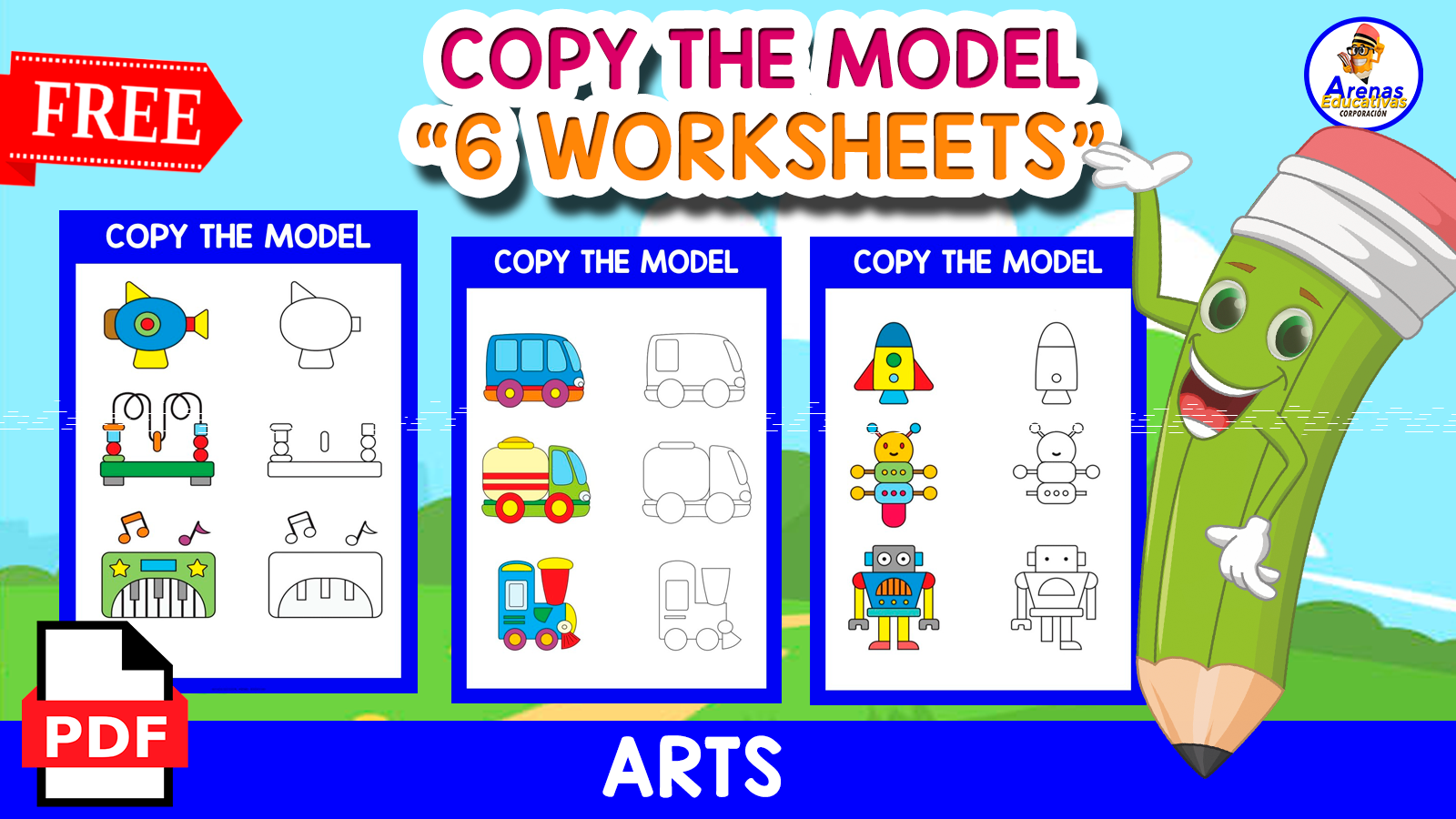
6 WORKSHEETS FOR COPY THE MODEL | Free Art Activity
Creative Arts, Art, Fine Arts, Kindergarten, Preschool, Grade 1, 2, Worksheets, Worksheets & Printables
HELLO! We bring you this fantastic resource for your children to copy and paint like the model offered to them. WE KNOW YOUR CHILDREN WILL LOVE THIS WONDERFUL ACTIVITY . SO DON'T HESITATE TO DOWNLOAD IT NOW. A.MAIN INFORMATION 1. Why should teachers use educational materials in the classroom? These art activities help children develop their creativity and imagination, in addition to art being considered a therapy tool. 2. What is the name of this document? The name of this document is "6 worksheets to copy and paint like the model" 3. What topic will you address in this resource? The topic to be addressed with this document is art, and painting or coloring. 4. For what ages is it recommended? Recommended for children from 3 to 7 years old who like to paint and color. 5. Who is the author of this document? This resource has been compiled by EDITORIAL ARENAS EDUCATIVAS. 6. In what area of knowledge can it be applied? You can apply this in the art area for children. 7. Should I apply it individually or in groups in my class? You can apply it individually because this activity is extremely easy so they will finish it quickly. 8. What size and format is this resource in? This document is available in PDF format, A4 size. 9. Do I need some extra elements to apply it? Yes, children will need colors, crayons or even markers. B. SECONDARY INFORMATION 10. Is it in color or black and white? This document is prepared in color and also in black and white. 11. Is this resource free or do I have to pay to use it? This resource is free so take advantage of downloading it now. 12. How many pages make up this educational resource? Document composed of 6 pages. 13. Do you have an attached answer key? It does not contain or need an accompanying answer key. This file is for personal use only. It is not allowed to be resold or shared with others.
Author EDITORIAL LAURA EDUCA
Tags Art, Art Activity, Art For Kids, Free Resources
Reading Writing Games | Word Definitions 12
Special Resources, ELA, Special Education Needs (SEN), Speech Therapy, Reading, Reading Comprehension, Language Development, ESL, Writing, Handwriting, Vocabulary, Grade 2, 3, 4, 5, Worksheets & Printables, Worksheets
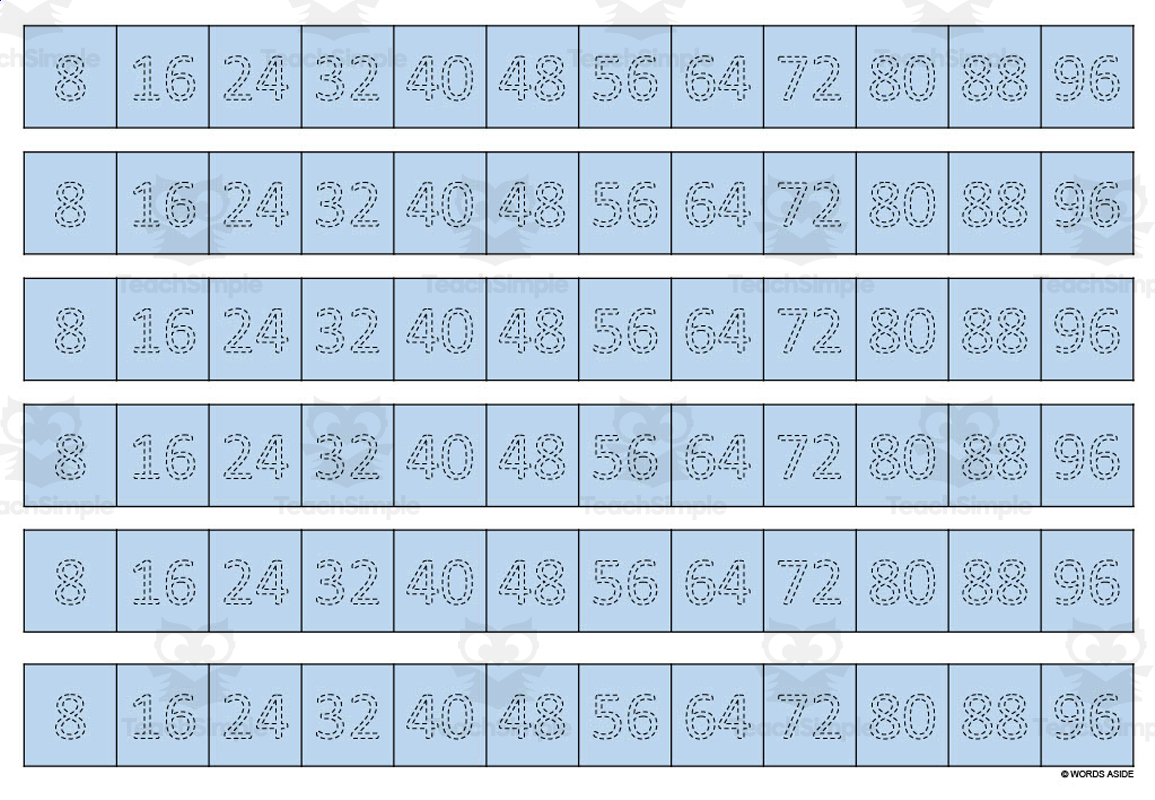
This series of PDF resources focuses on identifying noun concepts, with engaging visualizations ( pictures and graphic arrangements ) of vocabulary by topic. The activity materials in this assignment are designed to help students develop their vocabulary and reading comprehension skills through interactive activities and real-life examples. It includes clear definitions of words from common categories and can also serve as discussion prompts to encourage critical and analytical thinking, deepen your understanding of the language, and improve your communication skills . This resource is designed to be accessible and engaging to all students . Ideal for teaching English as a Second Language and intervention sessions on learning difficulties. Clear and concise language, visual aids and interactive activities help students easily understand and remember information, integrating visual and kinesthetic elements. You can choose from a variety of worksheets that suit your student's level, interests, and printing preferences. Each category topic includes : 2 sets of Flash cards ( definition sentence / image, image / definition sentence ) 2 sets of Flash cards ( definition word / phrase, definition phrase / word ) 3 Anagram strings ( mixed letters of single words or in definition text ) 1 Crossword ( word definition ) 2 sets of linked activities Draw a Line ( definition / image, image / definition ) 2 sets of matching activities Draw a line ( word / definition, definition / word ) 2 series of Quizzes ( definition / image, image / definition ) 2 series of Quizzes ( word / definition, definition / word ) 3 Wheels of Fortune ( words, definitions, images ) 1 Word Search page for ( word definition ) 2 Writing Boards ( words, definitions ) 2 Blank Boards ( words, definitions ) * Use as-is or create your own board games, like Snap, Memory, Match to Sample, and Knowledge Races . Distribute it as morning exercises, quiet time and focus activities, independent workbooks, or fun homework 41 PDF Pages
Author WORDS ASIDE
Tags Esl, Word Defining, Semantics, Word Search, Anagram, Flash Cards, Centers, Crossword, Words Aside, Computer
U.S. Constitutional Amendment Thirteen Interactive Foldable Booklets - EBOOK
Social Studies, Government, Grade 2, 3, 4, 5, 6, 7, 8, 9, 10, 11, 12, Worksheets & Printables, Worksheets
U.S. Constitutional Amendment Thirteen Interactive Foldable Booklets - EBOOK This high-quality teaching resource is designed to integrate seamlessly into your Social Studies curriculum, specifically targeting government education. Suitable for grades 2 through 12, this eBook provides an engaging and interactive experience while learning about the Thirteenth Amendment of the U.S. Constitution. Main Features 'What Does It Say?', 'Amendment Thirteen Facts' and 'Amendment Thirteen Vocabulary' sections for comprehensive coverage. Physical interaction with content through foldables, promoting dynamic learning and organization skills. Versatility in implementation strategies from whole-group discussions to small group explorations. This 11-page educational tool ensures excellent comprehension and retention while eliminating the need for bulky textbooks, thereby adding an element of fun to your lessons on government studies. Inspire young minds! Your students will be eager learners when you incorporate U.S Constitutional Amendment Thirteen Interactive Foldable Booklets - EBOOK into your lesson plan.
Author Knowledge Box Central
Tags Government Education, Interactive Learning, US Constitution, Thirteenth Amendment, Abolition Of Slavery
Algeria Map Geography Word Search 2rd 3th 4th 5th Grade worksheet
Vocabulary, Language Development, ELA, Spelling, Geography, Social Studies, Grade 2, 3, 4, 5, Games, Activities, Word Searches, Worksheets, Worksheets & Printables
Make learning fun with a no-prep, printable vocabulary word search that builds vocabulary, reinforces literacy, and sparks curiosity! Students can explore the new vocabulary words while practicing spelling, scanning for letters, and identifying keywords. A word search can be a perfect and easy-to-use activity to liven up a lesson by combining learning with fun! It is an excellent way to reinforce concepts within a lesson and engage students' hands-on learning. Purpose: This activity allows students to learn new vocabulary words and contextualized vocabulary related to a topic ✏️, improve spelling, reading, and attention to detail 📚, increase awareness of concepts and knowledge about the world at large 🌍, and encourage curiosity and engagement about the topic 🐾. Word searches are a hands-on way to make learning memorable and fun for students - it engages them at all vocabulary levels! How to Do It: 1️⃣ Hand out the word search worksheet. 2️⃣ Introduce any important vocabulary or concepts that fit with the topic. 3️⃣ The students search for the words and circle or highlight each one. 4️⃣ Discuss the importance of the topic or the words that the student found. 5️⃣ Review the answers using the answer key that is included for each product ✅ Perfect For: Grades 2-5 🌟, independent practice, partner work, students who finish early, science or social studies centers, or for substitute plans 🤝 Way of Implementation: Great for independent practice early finishers, partner work, or substitute plans 🤝. Answer Keys: (these will be pencils under your three files: Given for simple checking and self-assessing. Fun Variations: Timed Challenge ⏳ - record how many words students can find in a set time. Partner Puzzle 🤝 - work together to find all of the words. Vocabulary Extension ✏️ - write sentences or a few short paragraphs using the words. Create-Your-Own Word Search 🧩 - have students make their own word search puzzles using the vocabulary. Standards Alignment: Supports CCSS/ELA vocabulary development, and can also connect to NGSS or other relevant standards, depending on the topic. File & Print Info: PDF includes both a color and black and white version, and is ink-friendly to make printing easy. Teacher Tip! Have students learn by being hands-on, engaged, and active while helping them build awareness, vocabulary, and literacy skills around any topic! 🌟
Author Classsimple
Rating
Tags Algeria , Map, Geography, Word Search , 2rd 3th 4th 5th Grade , Worksheet , Activity, Algeria Map Geography Word Search, Algeria Map Geography Word Search 2rd 3th 4th 5th Grade, Algeria Map Geography Word Search 2rd 3th 4th 5th Grade Worksheet Activity
Fry Sight Words: Worksheets and Activities, #501-600, [SET 4]
ELA, Reading, Language Development, Spelling, Writing, Grade 2, 3, 4, Worksheets & Printables, Worksheets
Fry Sight Words: Worksheets and Activities, #501-600, [SET 4] This is an excellent learning tool purposely constructed to offer reading and writing drill for grade 2 - grade 4 children. Featuring sight word activities galore - this interactive Fry Sight Word recourse gives primary school students practical worksheet activities directed at gaining a firm grasp on the sixth selection of Fry words. These are frequently occurring terms indispensable for literacy growth. The worksheets allow students to engage with three principal tasks: Read, Trace and Write. In the 'Read' activity , kids practice identifying sight words via attentive reading of sentences they're tucked into; their success here contributing to better comprehension & overall improved reading abilities. The follow-up 'Trace' activity steers youngsters in forming letters suitably through tracking each word supplied by dotted lines; this is especially meaningful when working towards fluency in handwriting. The final integral action item headed as ‘Write’ presents another task where children pen these sight words independently - improving their muscle memory positively impacting both handwriting expertise & capacity for recollecting these previously learned terms. Ideal Uses: Morning work sessions or independent class assignments with structure; Viable during small group instruction; A part of homework packets or home-school usage; Details: This PDF file is simplistic yet rewarding with its wide span of exercises spread over fourteen pages (US Letter Size); incorporated within lay crucial vocabulary items like 'beautiful', 'distance', ‘exercise’, etc., originating from Fry’s regularly employed list extending from 'anything' all through up until '} written'. In Summary: Simplicity in organization, high-end content, and requiring no additional prep work from overwhelmed teachers turn this Set 4 of Sight Word Worksheets into an essential tool for improving literacy skills whilst also ensuring the learning journey is enjoyable. The eventual goal being fluency in significant areas such as Reading, Writing & Spelling with Fry's Sight Words. Remember: Your learners can continuously engage with these sight words using this valuable resource - achieving perfection through practice - till they confidently read them, trace them and autonomously write them down!
Author TeacherYouWant
Tags Sight Words, Literacy Development, Reading Practice, Handwriting Skills, Vocabulary Acquisition
Guided Reading Level L - The Arctic Fox (with Lesson Plan)
ELA, Resources for Teachers, Reading Comprehension, Reading, Pre-Reading, Language Development, Life Sciences, Science, Vocabulary, Animals, Grade 1, 2, 3, Worksheets & Printables, Worksheets, Teacher Tools, Centers, Activities, Literacy Readers, Quizzes, Quizzes and Tests, Assessments
This Guided Reading Book - The Arctic Fox (Level L) with lesson plan includes: Guided Reading Color Label (front cover x1) This is a quick way to match the book’s demands to what students can generally handle.. The overall goal is to use the level/color to pick books for several smaller groups. To qualify for a certain level, a student is expected to read a book from that level with about 90–94% accuracy. If a student is consistently accurate and understands, move up a level. If the student is struggling at that level, drop down and add more support. Each student will improve at completely different rates, but it is generally one of the best ways to check progress across the class. DOWNLOAD THE CATALOG TO VIEW ALL GUIDED READING BOOKS AVAILABLE (SORTED LEVELS A-Z) Pre-Reading Question (x1) Teacher asks the prompt aloud, can be while showing the cover or first page. Students share what they already know, or make educated guesses from the cover. Prompt them to use the target vocabulary. Write some of their responses on the board to look back at during the reading. Vocabulary Words (x5) Introduce the five words, best doing it one at a time. Start by saying it, while students repeat and then see if anyone knows what it means before reading further. Read through the meaning and try to briefly connect each word to a picture or gesture so it’s meaningful. Ask students to flip through the book pages and point to where they see each of the vocabulary words. While reading the book pause upon coming across one of the vocab words or read the sentence twice to make sure students understand the word has appeared. Optional: Ask students to raise hands whenever they see/hear one of the new words. Guided Reading Pages (x10) Check the book snapshot (below) for: primary topic - do you need to prep extra reading or intro materials on this? what is taught best - decide on 1-2 bullets to focus on, use the prompt or words provided here for best results. learning goals - what you are checking for students to be able to do after the session, elicit answers using prompts or words provided. key vocabulary (see section above). questions overview - so you know what is coming up and if you need to prep extra materials to assist understanding. Run the lesson You may have already looked at a few of the pages together, but you can show them some of the pictures again first to set meaning. Depending on how much time you have and how familiar your students are with guided reading class, you may want to read the book aloud first with the group first. Students whisper or partner read, while you listen in. If time, do it as a group, one student reading a page each. Use the guided page’s prompts to coach: “Check the picture / does it make sense?” “Point under the words / try the first sound” “Reread the sentence smoothly”. Try to focus more on one student per session (rotating every time), so you can work out if they are ready to move up or need to move down a level. Comprehension Questions (back cover x3) This is your way to check that students didn’t just say the words, but actually understood the text. First, let students answer by pointing to the page/picture and saying a short sentence. After any answer, follow with: “Show me where you found that in the text.” In bigger groups, have partners answer first (10–20 seconds), then call on 2–3 students to share. Differentiation tips: Emerging speakers/struggling readers: oral + pointing On-level: oral in a full sentence Higher: one written sentence or draw + label Book Snapshot Title: The Arctic Fox: A Winter Survivor Genre: Nonfiction (informational) Subject: Life Science Primary Topic: Arctic fox adaptations for cold-weather survival Estimated Guided Reading Level (A–Z): L What This Book Teaches Best Explains the Arctic fox’s habitat (“far north”) and names the tundra as a vast, treeless land with deep winter snow. Describes seasonal camouflage: white winter fur to hide, and brown/gray summer fur to blend with rocks and plants. Shows physical adaptations that help the fox stay warm and move safely (small rounded ears; thick fur on paws like “warm socks”). Teaches hunting behaviors using precise actions and vocabulary (hearing prey under snow; pouncing by leaping and diving head-first). Introduces animal homes and young: a den as tunnels under hills/rocks, and baby foxes called kits born in spring. Learning Goals Describe where the Arctic fox lives and what the tundra is. Explain how the Arctic fox’s fur color helps it in winter and in summer. Describe two body features that help the Arctic fox stay warm in freezing weather. Explain how the Arctic fox finds prey under the snow using its hearing. Describe what “pouncing” is and how it helps the fox catch food. Describe what a den is and what kits do as they grow. Key Vocabulary From the Text tundra — cold, treeless land in the far north. lemmings — small animals the fox can hunt. prey — an animal another animal hunts and eats. pouncing — leaping and diving quickly to catch food. den — a home or shelter where an animal lives. Discussion Prompts Pre-reading question: What body parts or behaviors might help an animal stay warm in a cold, windy place? Comprehension questions: How does the Arctic fox’s fur help it hide in winter and in summer? What does the fox do with its tail when it goes to sleep? How does pouncing help the Arctic fox catch its food? Printing Tips 1. Best Printing Method (Recommended) “Booklet” Printing (Best if Available) If your printer or PDF viewer supports Booklet Printing , use this. Settings to use: Print mode: Booklet Paper size: Letter or A4 (either works) Orientation: Landscape Print on both sides: Yes Flip on: Short edge Scaling: Fit to printable area Booklet subset: First test: Front sides only Then: Back sides only This will automatically: Pair pages correctly Put the cover on the outside Align everything for folding After printing, fold in half and staple along the spine . 2. If “Booklet” Printing Is NOT Available You can still print this correctly with manual duplex printing . Step-by-step: Open the PDF. Choose Print . Set: Orientation: Landscape Pages per sheet: 1 Print on both sides: Yes Flip on: Short edge Print all pages . Because each PDF page already contains two facing book pages, the result will still fold cleanly into a book. Thousands of Cored Education products are included with your TeachSimple membership. Download links and encyclopedia index available here.
Author Cored Education
Rating
Tags Reading Comprehension, Reading Passages, Reading, Guided Reading, Guided Reading Lesson Plan, Guided Reading Activity, Pre-reading, Vocabulary, Science Lesson Plans, Animals
The Sand Castle: Learn Endings ...tion & ...ture
ELA, Language Development, Phonics, Kindergarten, Preschool, Grade 1, 2, Worksheets & Printables, Worksheets
The Sand Castle: Learn Endings ...tion & ...ture This is a beneficial teaching resource aimed at facilitating reading and phonics proficiency for children of all ages, specifically those aged four years and up. Whether it's reluctant older readers age seven and above, students with learning difficulties or children using English as a second language, this product has them covered. An engaging narrative stars Sam on his adventures in The Sand Castle. It lends itself perfectly to one-on-one settings or small groups. Systematically introducing the 44 phonic sounds within the text that one must master for understanding 80% of words in English. Reinforcing stories like 'The Bouncing Castle' and 'The Famous Cousin From The Country' encourage active engagement from students as they identify hidden sounds while progressively learning complex middle sounds. Eventually preparing young readers for solo books like Roald Dahl's 'George's Marvellous Medicine' and 'Fantastic Mr Fox'. Key Features: Cut-out practice pages matching words with images or phrases. Straightforward resources featuring fun color sketches appealing directly to youngsters. Packs can be selected based on sound requirements - no particular order needed. Suggested Order: Tackle initial sounds (word-building with three or four-letter words) if introducing to complete non-readers. Proceed onto specific phonics sounds such as ch, sh etc., Move onto more complex ones like tion le etc., Last stage comprises prefixes & suffixes progression. This pack titled"The Sand Castle: Learn Endings …tion & …ture", includes study about phonics endings -tion (as in imagination) and -ture (as in capture), including a deeper insight into silent letters. You will find instructions within the pack to guide the teaching process, from practicing sound several times for familiarity to reading sentences and matching words with pictures. Available as a 24-page PDF, this pack is an ideal choice for preschool, kindergarten children, and those in grades one and two enrolled specifically in Language Arts courses or homeschool curriculum focusing on Phonics. As a type of worksheet teaching aid, it aids students’ reasoning abilities as well as their auditory learning style.
Author Guinea Pig Education
Tags Reading Proficiency, Phonics, Language Acquisition, Interactive Learning, Teaching Resource
Reading Comprehension Passages Fiction Set 4 - School (PDF)
ELA, Reading, Reading Comprehension, Common Core, Language Development, Spelling, Vocabulary, Writing, Children’s Literature, Literature, Grade 2, 3, Worksheets & Printables, Worksheets, Writing Prompts, Assessments, Teacher Tools, Tests, Quizzes and Tests, Centers, Activities
Reading Comprehension Passages Fiction Set 4 Overview Fascinating reading comprehension passages, each with an array of activities included. Stories are written for the modern classroom and topics are designed to promote enthusiasm from each student. Each lesson contains a mixed questions section to check understanding, a vocabulary or spelling activity to help remember key language introduced, and a writing exercise. Full answer keys are provided. For a more detailed overview, check the section under the links at the bottom of this description. Passages Include 1.Don't Tell Anyone: Cherie likes to keep secrets, but her friends don't. 2.Roger's Luck: Roger never wins at anything. Will that change today? 3.Starting Third Grade: Mike feels uneasy at starting a new school year. 4.Bridget's New School: Bridget tries (and fails) to fit in at her new school. 5.Changing the Rules: Jenna changes the rules on her first day. 6.My Love of Art: Read about the author's love of art class in this lesson. PDF Version This is the PDF uneditable version. This download is available in GOOGLE Docs, GOOGLE Forms, GOOGLE Slides. PDF, PPT, WORD. FULL CATALOG OF DOWNLOAD LINKS HERE Grade 2/3 Links Fiction Set 1 - Nature Google Docs Google Forms Google Slides PDF PPT Word Guided Reading Materials Fiction Set 2 - Animals Google Docs Google Forms Google Slides PDF PPT Word Guided Reading Materials Fiction Set 3 - Food Google Docs Google Forms Google Slides PDF PPT Word Guided Reading Materials Fiction Set 4 - School Google Docs Google Forms Google Slides PDF PPT Word Guided Reading Materials Fiction Set 5 - Friends Google Docs Google Forms Google Slides PDF PPT Word Guided Reading Materials Fiction Set 6 - Family Google Docs Google Forms Google Slides PDF PPT Word Guided Reading Materials Fiction Set 7 - Sports Google Docs Google Forms Google Slides PDF PPT Word Guided Reading Materials Nonfiction Set 1 - Technology Google Docs Google Forms Google Slides PDF PPT Word Guided Reading Materials Nonfiction Set 2 - Nutrition Google Docs Google Forms Google Slides PDF PPT Word Guided Reading Materials Nonfiction Set 3 - Animals Google Docs Google Forms Google Slides PDF PPT Word Guided Reading Materials Reading Passages Overview Each passage is especially written for Grade 2-3 students, including key vocabulary required for this age group. Topics are varied and are accompanied by colorful graphics. Topics are meant to educate, yet entertain the modern student. These passages are perfect for the modern classroom. Whereas textbooks can become outdated in no time, any changes to technology or the world will result in updates to this product. Mixed Questions The mixed questions section of each lesson includes a variation of fivecomprehension, vocabulary and math questions. In addition, key reading strategies are frequently covered including cause & effect, summarizing, compare & contrast and making conclusions. Three of the questions will be MCQs and two will require a written response of some kind. Full answers and example responses appear at the end of the lesson. Spelling & Vocab Each reading passage contains a variety of words and phrases designed for Grade 2-3 students. Spelling and vocab activities provide the opportunity to build fluency with these words. As it can become quite mundane doing the same activities over and over, each lesson in a set will contain a different spelling and vocab activity . Writing Prompts Writing prompts are designed to continue the theme or lessons learned in the story. Students are persuaded to write in a variety of ways and each prompt includes several cues to help. As with the spelling/vocab section, writing prompts will vary. This includes research pieces, reading responses, poetry and creative writing prompts. Full Answer Keys Full answer keys and sample responses are provided so no matter how busy you are, you know you're covered! Mixed question answers provide evidence from the text, math questions contain the relevant workings. Answers are designed for use by the teacher, but also suitable as a handout to the student. Additional File One lesson will have an additional file. This is something fun to extend the lesson with. For similar downloads and other frees, do check out Cored Group on TeachSimple.
Author Cored Education
Rating
Tags Elementary, Reading, Comprehension, Vocabulary, Common Core, Spelling, Writing, Passages, Reading Centers, Reading Comprehension Assessments
Super-Completely and Totally the Messiest Book Companion Activities fo
ELA, Reading, Reading Comprehension, Literature, Grade 2, 3, 4, Teacher Tools, Graphic Organizers, Worksheets & Printables, Novel Studies, Activities, Worksheets
This picture book companion is a complete supplemental resource for the book Super-Completely and Totally the Messiest!, by Judith Viorst. With 30 print-and-go reading activities to choose from, this resource is ideal for customizing learning to your student's specific needs and academic abilities. Students will investigate characters, identify story elements, determine the theme, practice plotting story events, compare & contrast, make predictions, inferences, & connections, answer questions that require them to think beyond the text, and much more! Students will love the engaging and fun activities, and you will appreciate the time saved hunting for high-level resources to teach reading concepts that students frequently struggle with. The activities provided are designed to enable students to apply higher-level thinking skills, encourage them to provide text evidence to support their thinking, and challenge them to express their own thoughts and/or perspectives. ⭐️This Resource Includes:⭐️ ◾ Making Predictions: Before reading the book, students will make predictions about the text. ◾ Story Elements: Students fill in the boxes with words & pictures to represent the story elements. ◾ Sequencing: Students will retell & illustrate the important parts of the story. ◾ Summary: Students complete the Somebody, Wanted, Because, But, So graphic organizer and write a summary of the story. ◾ Story Event Sort: Students will describe a scene or event from the story that fits into each of the categories & explain how the event made them feel & how it relates to the category. ◾ Cause & Effect (simplified): Students are given either the cause or effect and will cut & match up cause & effect cards, then paste them in the correct boxes (ANSWER KEY included). ◾ Cause & Effect: Students cut & match up cause & effect cards, then paste them in the correct boxes (ANSWER KEY included). ◾ Making Inferences: Students use clues & schema to make inferences while reading the story. ◾ Making Connections: Students make connections to an event from the story. ◾ Character Inside & Out (Sophie): Students include details from the story to describe what the character says, thinks, does, and feels. ◾ Character Inside & Out (Olivia): Students include details from the story to describe what the character says, thinks, does, and feels. ◾ Character Feelings (Sophie): Students describe how the character's feelings change throughout the story & give examples of the events that cause them to feel the way they do. ◾ Character Feelings (Olivia): Students describe how the character's feelings change throughout the story & give examples of the events that cause them to feel the way they do. ◾ Character Change (Sophie): Students will explain how the character changed from the beginning to the end of the story and describe the events that caused the change to happen. ◾ Character Change (Olivia): Students will explain how the character changed from the beginning to the end of the story and describe the events that caused the change to happen. ◾ Character Summary: Students summarize the main character of the story. ◾ Connecting With Characters: Students choose a character from the story that they most like and write about the qualities that make them like the character. ◾ Sketch a Scene From the Story: Students will draw a scene from the story and explain why it's important to the plot. ◾ Setting Influences the Plot: Students will draw a scene from the story that takes place in one of the settings and write about what happened there and why it was important to the plot. ◾ Problem & Solution: Students answer questions related to the problem & solution in the story. ◾ Theme: Students answer the questions to determine which theme best fits the story and provide text evidence to support their choice. ◾ Thinking About the Text: Students will answer the questions about the story & include examples from the text to support their answers. ◾ Before & After: Imagining that Sophie learns how to be neat and tidy, students will draw a picture of what Sophie's room looked like before and draw a picture of what her room looks like after. ◾ Wait... There's More!: Students will write about what happens next in the story. ◾ Compare & Contrast: Students compare and contrast Sophie and Olivia. ◾ Vocabulary Crossword Puzzle: Students use the clues to fill in the puzzle. Words can go across or down. Letters are shared when the words intersect (ANSWER KEY included). ◾ More Mess: Students will use the patterns in the story to add more ways that Sophie is probably messy and draw pictures to go along with their examples. ◾ Book Review: Students will color in the stars to rate how much they enjoyed the book and draw a new cover & their favorite character from the story. Then, they will explain why other kids should or should not read it. 💡Need ideas for different ways you can implement these activities? ◾ Focus on different reading skills each day for targeted instruction, and have students complete a corresponding printable to check for understanding. ◾ During centers, students can independently read the story again and complete an activity that reviews a previously taught concept. ◾ Work with students on a reading concept they struggle with during guided reading or strategy groups. ◾ Students work with a partner or in literature circles to complete additional reading activities. This resource is for extension read-aloud activities only. The book is not included. ⭐️You may also like: ⭐ TEXT SET #1: "The Importance of Friendship" ◾ A Weekend With Wendell Read Aloud Book Companion Activities for IRA ◾ First Come the Zebra Read Aloud Book Companion Activities for IRA ◾ This is Our House Read Aloud Book Companion Activities for IRA ◾ Horace and Morris But Mostly Dolores Read Aloud Book Companion Activities for IRA ◾ The Old Woman Who Named Things Read Aloud Book Companion Activities for IRA TEXT SET #3: "Finding Your Way in a New Place" ◾ Grandfather Counts Read Aloud Book Companion Activities for IRA ◾ The Have a Good Day Cafe, Read Aloud Book Companion Activities for IRA ◾ Roses for Gita Read Aloud Book Companion Activities for IRA ◾ Mango, Abuela, and Me, Read Aloud Book Companion Activities for IRA ◾ Home at Last Read Aloud Book Companion Activities for IRA TEXT SET #7: "Exploring Narrative Nonfiction" ◾ Cactus Hotel Read Aloud Book Companion Activities for IRA ◾ A Log's Life Read Aloud Book Companion Activities for IRA ◾ Salmon Stream Read Aloud Book Companion Activities for IRA ◾ Think of an Eel Read Aloud Book Companion Activities for IRA ✨Be sure to check out my storefront here: https://teachsimple.com/contributor/creatively-gifted
Author Creatively Gifted
Tags IRA, Picture Book Activities, Read Aloud Lessons, Interactive Read Aloud Activities, Elementary Reading, Reading Comprehension, Fountas And Pinnell IRA, Caring For Each Other Text Set, Family, Second Grade, Super-completely And Totally The Messiest, Super Completely And Totally The Messiest
Spring Letter Sounds
ELA, Language Development, Phonics, Preschool, Grade 1, 2, Worksheets & Printables, Worksheets
Spring-themed phonemes worksheet that helps your students practice listening to the sounds of words. In this worksheet, the students say each word and color in the letters that they hear in the word.
Author Cherry Workshop
Tags Letter Sounds, Reading, Phonics, Spring, Phonemes
Learn the ending CK as in rock and dock
ELA, Language Development, Phonics, Kindergarten, Preschool, Grade 1, 2, Worksheets & Printables, Worksheets
'Learn the ending CK as in Rock and Dock' 'Learn the ending CK as in Rock and Dock' is a teaching resource designed to instil key phonics reading principles in children, making it an ideal tool for educators, parent-teachers, and tutors. It is primarily intended for students ranging from preschool level to grade 2. The main approach adopted here involves teaching students how to break down words into sounds or syllables - a necessary skill for significantly improving their reading abilities. The structure of this material facilitates multiple uses such as during regular classroom instructions with whole groups, small group differentiation activities or as homework assignments. Educative content is presented through sentences or short stories featuring Sam – a character young readers find relatable and engaging. Content Overview: Inclusion of pages designed for matching words with pictures and phrases – all aimed at helping sound words stick more effectively in the child’s memory. Engaging illustrations add visual appeal on every page while reinforcing learning by establishing connections between visual stimuli with textual contents. A unique feature of this resource lies in introducing children progressively to 44 phonic sounds. By the time they finish lessons through 'Learn the ending CK as in Rock & Dock', they should be able to identify about 80% of commonly used English language words - setting them up for comfortable transition into solo reading popular kids books like Roald Dahl's 'George's Marvellous Medicine' & 'Fantastic Mr Fox'. User Guidelines: Introduce each sound concept first; Frequently review sample sentences/stories that include those specific phonics while also comparing texts against their picture representations; Let learners practice new sounds repeatedly until they become familiar– thus setting path for steady language acquisition progress. Included in the pack are instructions to guide users on the correct order to introduce concepts. However, users have flexibility to choose concepts randomly based on specific teaching plans – making this resource adaptable across different learning scenarios and abilities.
Author Guinea Pig Education
Tags Phonics, Reading Skills, Teaching Resource, Interactive Content, Language Acquisition
Rembrandt Interactive Foldable Booklets – EBOOK
Creative Arts, Art, Art History, Grade 2, 3, 4, 5, 6, 7, 8, 9, 10, 11, 12, Worksheets & Printables, Worksheets
Rembrandt Interactive Foldable Booklets - EBOOK A comprehensive teaching resource specially designed for educators who want to introduce the life and works of famous Dutch artist Rembrandt. Suitable for Grade 2 through to Grade 12 students, making it an extremely versatile addition to your teaching arsenal. This eBook focuses not only on Rembrandt's most known art pieces but also delves into his personal life. Students gain a deeper understanding and appreciation for this well-known artist through topics that include: Facts about Rembrandt's life Insights into his career trajectory Detailed overview of his most recognized masterpieces The interactive aspect of the foldable booklets engages students and sparks their curiosity while learning. EASE OF USE AND ASSEMBLY The easy-to-assemble booklets come as part of a downloadable PDF file with clear instructions for cutting, folding, gluing–perfect activities for both classroom settings or homeschooling environments. Creative Application in Classroom Settings: Incorporate as part of whole-group instruction where everyone creates their own booklet; In small groups where they discuss facts about Rembrandt’s life or critique his work; Assign as homework where parents can become involved in the assembling process. Bonus Learning Opportunity: Including key topics such as 'Art History' under ‘Art & Music’ lends itself well towards building broader knowledge bases around these areas within your student's curriculum framework - all while keeping them actively engaged via hands-on creative tasks! What's Inside These Foldable Booklets? Each page within these foldable booklets has been carefully curated to maximise student engagement and promote deep learning experiences. An invaluable tool that enriches any lesson plan related to Art & Music education. Whether you're guiding art appreciators or budding artists themselves, dive headfirst into history with the memorable teaching experience provided by the Rembrandt Interactive Foldable Booklets – EBOOK.
Author Knowledge Box Central
Tags Rembrandt, Dutch Artist, Art History, Interactive Learning, Foldable Booklets
Writing and Sentence Practice for Restate the Question
ELA, Writing, Grade 2, 3, 4, 5, Worksheets & Printables, Worksheets
This product is great for teaching students how to restate the question when answering a question. It could be completed whole group as a mini lesson. Or, it could be used as an extension to something you already do. It could be extra practice, or it could even be a quick assessment . Do you want your students to answer a question fully and completely? Then this product will help. This activity could be introduced in 2nd grade, and it could be extra practice in grades 3rd, 4th, and 5th grades. Answering a question in a complete sentence is an important skill for students to know. Giving them practice with simple questions like these, will help them become better at it. By restating the question in their answer, it helps ensure that students are staying on topic for what the question is asking. There is an answer key included. Please note that students could restate the questions in different ways. If their answers don't match mine completely, it still could be correct. You will need to check their answers to see if it meets the criteria.
Author Life with 5 Boys
Tags Restate The Question, Writing Practice, Writing Worksheets, Restate The Question Practice, Sentence Practice, Restate In A Sentence, Restate Sentence, Restate This Sentence, Restate A Sentence, Restate Sentences
Guided Reading Level N - The Hidden Life of Ponds (with Lesson Plan)
ELA, Resources for Teachers, Reading Comprehension, Reading, Science, Pre-Reading, Language Development, Animals, Life Sciences, Insects, Grade 2, 3, 4, Worksheets & Printables, Worksheets, Teacher Tools, Centers, Activities, Literacy Readers, Quizzes, Quizzes and Tests, Assessments
This Guided Reading Book - The Hidden Life of Ponds (Level N) with lesson plan includes: Guided Reading Color Label (front cover x1) This is a quick way to match the book’s demands to what students can generally handle.. The overall goal is to use the level/color to pick books for several smaller groups. To qualify for a certain level, a student is expected to read a book from that level with about 90–94% accuracy. If a student is consistently accurate and understands, move up a level. If the student is struggling at that level, drop down and add more support. Each student will improve at completely different rates, but it is generally one of the best ways to check progress across the class. DOWNLOAD THE CATALOG TO VIEW ALL GUIDED READING BOOKS AVAILABLE (SORTED LEVELS A-Z) Pre-Reading Question (x1) Teacher asks the prompt aloud, can be while showing the cover or first page. Students share what they already know, or make educated guesses from the cover. Prompt them to use the target vocabulary. Write some of their responses on the board to look back at during the reading. Vocabulary Words (x5) Introduce the five words, best doing it one at a time. Start by saying it, while students repeat and then see if anyone knows what it means before reading further. Read through the meaning and try to briefly connect each word to a picture or gesture so it’s meaningful. Ask students to flip through the book pages and point to where they see each of the vocabulary words. While reading the book pause upon coming across one of the vocab words or read the sentence twice to make sure students understand the word has appeared. Optional: Ask students to raise hands whenever they see/hear one of the new words. Guided Reading Pages (x10) Check the book snapshot (below) for: primary topic - do you need to prep extra reading or intro materials on this? what is taught best - decide on 1-2 bullets to focus on, use the prompt or words provided here for best results. learning goals - what you are checking for students to be able to do after the session, elicit answers using prompts or words provided. key vocabulary (see section above). questions overview - so you know what is coming up and if you need to prep extra materials to assist understanding. Run the lesson You may have already looked at a few of the pages together, but you can show them some of the pictures again first to set meaning. Depending on how much time you have and how familiar your students are with guided reading class, you may want to read the book aloud first with the group first. Students whisper or partner read, while you listen in. If time, do it as a group, one student reading a page each. Use the guided page’s prompts to coach: “Check the picture / does it make sense?” “Point under the words / try the first sound” “Reread the sentence smoothly”. Try to focus more on one student per session (rotating every time), so you can work out if they are ready to move up or need to move down a level. Comprehension Questions (back cover x3) This is your way to check that students didn’t just say the words, but actually understood the text. First, let students answer by pointing to the page/picture and saying a short sentence. After any answer, follow with: “Show me where you found that in the text.” In bigger groups, have partners answer first (10–20 seconds), then call on 2–3 students to share. Differentiation tips: Emerging speakers/struggling readers: oral + pointing On-level: oral in a full sentence Higher: one written sentence or draw + label Book Snapshot Title: The Hidden Life of Ponds Genre: Nonfiction (informational) Subject: Life Science / Reading (Informational Text) Primary Topic: Pond ecosystem life and food web Estimated Guided Reading Level (A–Z): N What This Book Teaches Best Ponds as a habitat: Ponds are shallow enough for sunlight to reach the muddy floor, supporting life from bottom to surface. Plants’ role in an ecosystem: Water lilies collect energy from the sun, provide oxygen, and create shade and hiding spots. Hidden pond organisms and how they live: Zooplankton (like daphnia) filter algae, and dragonfly nymphs hunt underwater before becoming flying adults. Adaptations for living on/in water: Water striders use surface tension and tiny hairs that trap air to stay afloat. Food web balance: Predators (bullfrogs, herons, bass) and scavengers (crayfish) help keep the pond ecosystem healthy and vibrant through a connected food web. Learning Goals Students will describe why ponds can support plants across the entire floor using details from the text. Students will explain how water lilies help living things in a pond (oxygen, shade, hiding spots). Students will identify several pond animals from the book and describe what each one eats or how it hunts. Students will explain how water striders stay on top of the water according to the text. Students will describe how crayfish help recycle nutrients in the pond environment. Students will explain how a pond food web helps keep the ecosystem healthy and vibrant. Key Vocabulary From the Text ecosystem — living things and their environment working together. microscopic — so tiny you can’t see it. translucent — lets some light through; partly see-through. scavengers — animals that eat dead plants or animals. nutrients — substances living things need to grow and stay healthy. Discussion Prompts Pre-reading question: What living things might depend on a pond to survive? Comprehension questions: Why does the book say plants can grow across the entire floor of a pond? How do water striders stay on top of the water instead of sinking? What does the book say keeps the pond ecosystem healthy and vibrant? Printing Tips 1. Best Printing Method (Recommended) “Booklet” Printing (Best if Available) If your printer or PDF viewer supports Booklet Printing , use this. Settings to use: Print mode: Booklet Paper size: Letter or A4 (either works) Orientation: Landscape Print on both sides: Yes Flip on: Short edge Scaling: Fit to printable area Booklet subset: First test: Front sides only Then: Back sides only This will automatically: Pair pages correctly Put the cover on the outside Align everything for folding After printing, fold in half and staple along the spine . 2. If “Booklet” Printing Is NOT Available You can still print this correctly with manual duplex printing . Step-by-step: Open the PDF. Choose Print . Set: Orientation: Landscape Pages per sheet: 1 Print on both sides: Yes Flip on: Short edge Print all pages . Because each PDF page already contains two facing book pages, the result will still fold cleanly into a book. Thousands of Cored Education products are included with your TeachSimple membership. Download links and encyclopedia index available here.
Author Cored Education
Rating
Tags Reading Comprehension, Reading Passages, Reading, Guided Reading, Guided Reading Lesson Plan, Guided Reading Activity, Pre-reading, Vocabulary, Life Science, Science Lesson Plans
Sentence Writing Practice - ‘Zogggy At A Picnic’ (4-7 years)
ELA, Writing, Preschool, Grade 1, 2, Worksheets & Printables, Worksheets
Sentence Writing Practice - 'Zogggy At A Picnic' ‘Zogggy At A Picnic’ is a bespoke teaching resource meant for educators dealing with Kindergarten to Grade 2 students. The appealing set of worksheets in this recourse guide children aged between 4 and 7 years, to hone their basic writing skills through the engaging theme – ‘Zogggy at a Picnic’. The Features: This eight-page PDF guide comprises activities that strengthen foundational sentence writing skills. We include fun tracing of letters that help kids improve their motor and letter recognition capabilities. An interactive exercise where students cut words from a given list and stick them in boxes to build sentences. This enhances comprehension, diction, syntax, and construction abilities at an early stage. Lastly, we give children the chance to write these sentences on their own promoting spelling mastery but also encouraging creativity & unique expression. 'Zogggy At A Picnic' is an offering under our bigger 'Zoggy Zero' scheme where teachers can integrate it into Language Arts curriculums for classes Kindergarten up till Grade 2. We provide great flexibility with this module; use it as a collective classroom tool during sessions or as an individual task during personalized instructions or even assign it for homework—this suits any teaching method you adopt. In Summary: An interactive recourse like Sentence Writing Practice-'Zogggy At A Picnic', constructed keeping children’s psychological needs top-of-mind adds elements of enjoyment into learning while effectively meeting educational goals—making sentence writing fun yet significant. </p
Author Guinea Pig Education
Tags Sentence Writing, Zogggy At A Picnic, Writing Skills, Tracing Letters, Language Arts
Line Graphs Activity Plotting and Interpreting Data on a Line Graph
Math, Graphing, Numbers, Grade 2, 3, 4, 5, Worksheets & Printables, Worksheets
Line Graphs Activity : Plotting and Interpreting Data on a Line Graph This comprehensive, fun-filled activity for grades 2 through 5 is a mathematics teaching resource designed to make learning engaging and enjoyable. The highlight of the session is understanding line graphs using data from pizza sales. The Activity Features: A hands-on experience catering to multiple learning styles. Visual data cards that depict the number of pizzas sold for first-hand statistical information. Task cards with instructions on how learners can plot this data onto provided large or smaller line graph sheets. Beyond just creating graphs, the resource focuses heavily on interpreting plotted data with response sheets included within the package facilitating efficient summarizing of findings. Included Organizational Tools: An optional file folder cover for organizing all necessary items at centers, boosting accessibility during classroom activities or homework tasks. Educational Support Material: , A sample response in the form an answer key. , A poster defining 'Line Graph'. , Mathematical terminology cards that explain basic vocabulary associated with graphing concepts. , Paper Saving Option: Offering either single large printing templates or two templates put together one sheet- helping save paper costs. In conclusion, this activity expertly bridges practical sales recording experience over time and academic knowledge specific to line graph analysis.
Author Teach2Tell
Tags Line Graph, Data Interpretation, Hands-on Activity, Pizza Sales, Visual Data, Interpreting Linear Graphs, Interpreting Graphs Worksheet Middle School


![Fry Sight Words: Worksheets and Activities, #501-600, [SET 4]](https://res.cloudinary.com/teach-simple/image/fetch/f_auto,q_auto,w_300,h_250,c_pad/https://teachsimplecom.s3.us-east-2.amazonaws.com/images/fry-sight-words-worksheets-and-activities-501-600-set-4/image-1673619982527-1.jpg)